
Affiliate disclosure: As an Amazon Associate I earn from qualifying purchases. Learn more
Gray skies do not have to flatten your photos. With the right travel camera, you can pull rich tones, nuanced highlights, and cinematic color even when the weather will not cooperate.
Today’s sensors, smarter HDR, and refined color profiles make overcast days a creative playground. Ready to turn moody clouds into gallery shots you will be proud to share?
1. FUJIFILM X-T30 III
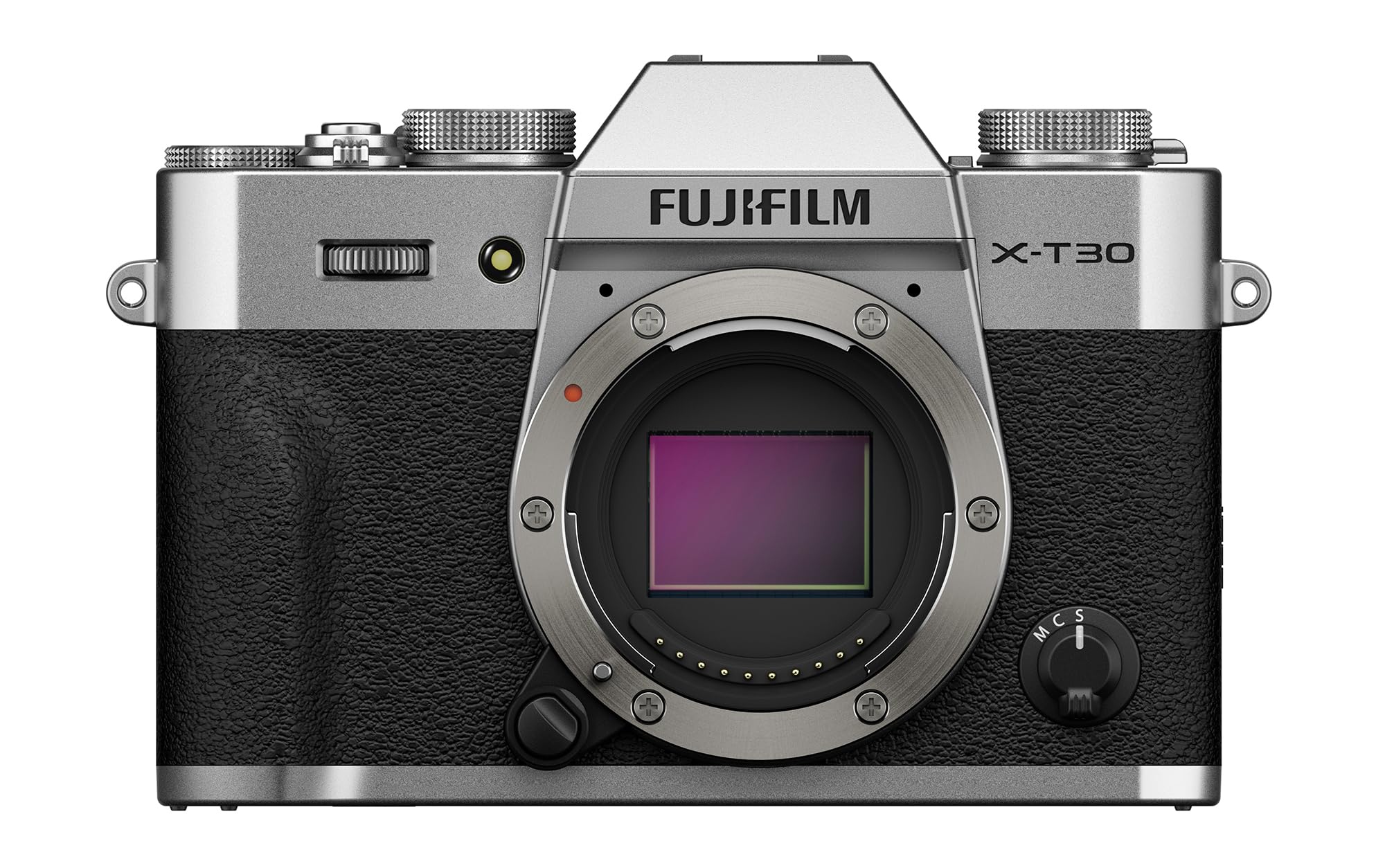
Cloudy days are candy for Fujifilm’s color science. On the X-T30 III, Classic Chrome and Eterna tame gray light into cinematic tones, while Velvia adds punch when a scene needs pop.
The 26.1MP APS-C sensor delivers pleasing detail and excellent dynamic range, preserving bright cloud structure and deep shadows without banding.
Autofocus is quick and sticky thanks to AI subject detection, so you can track people through drizzle without fuss. For travel, the body is compact, and the tactile dials encourage intentional exposure.
Try the built-in HDR mode when you want a natural lift, or shoot RAW and use DR200 to protect highlights while keeping ISO controlled.
In real-world use, film simulations cut editing time when you are on the move. According to Fujifilm’s data, the X series JPEG engine is optimized for accurate color and fine detail, which explains why skies render gracefully.
For video, 6.2K oversampling and Eterna motion color create elegant, low-contrast files under flat light.
Actionable takeaway: set Highlight minus one, Shadow zero, Color minus one on Classic Chrome for travel skies with depth. Use Auto ISO with a 1/125 minimum and enable Face/Eye Detection for candid street portraits.
A lightweight 18-55 or 15-45 keeps your kit nimble while leaving room for a compact rain cover.
2. Canon EOS R10

The EOS R10 is a compact powerhouse that turns flat light into crisp, colorful frames. Canon’s 24.2MP APS-C sensor paired with DIGIC X delivers clean files with reliable dynamic range, excellent for pulling texture from bright clouds.
Dual Pixel CMOS AF II tracks subjects confidently, so you can focus on composition while skies shift.
When traveling, the lightweight build and flip screen make low-angle reflections and handheld HDR brackets easy. The camera’s HDR PQ HEIF option captures extended highlight information, giving dull skies subtle glow without halos.
CIPA figures show strong AF detection for people and animals, which helps when a beach walk turns into wildlife spotting.
JPEG color is classic Canon: warm skin, balanced blues, and gentle contrast that flatters moody days. In 4K, oversampled footage looks sharp, and the color holds together under gray light.
Use Evaluative metering with minus one third exposure compensation to retain highlight detail, then lift shadows gently in post.
Actionable takeaway: enable Highlight Tone Priority and shoot RAW plus HEIF to keep your options open. For travel minimalists, the RF-S 18-45 is surprisingly capable, but add the RF 16mm for expansive skies.
Keep Auto ISO with a 1/250 minimum for gusty conditions and let the R10’s AF stick to faces while you frame leading lines.
3. Nikon Z fc

The Nikon Z fc blends retro charm with modern imaging that flatters overcast light. Its 20.9MP sensor offers generous dynamic range, giving gray skies layered dimension without clipping highlights.
Pair it with the 16-50 kit lens and you have a featherweight combo that invites spontaneous city walks between showers.
Color from Nikon’s picture controls is tasteful and flexible. Flat profile preserves latitude for grading, while Standard provides pleasing contrast for straight-out-of-camera travel shots.
The flip-out screen is great for low-angle puddle reflections and framing architectural lines beneath moody clouds.
In practice, the Z fc’s AF is confident for everyday travel scenes, and Face/Eye detection keeps companions sharp while you expose for sky texture. IBIS is not in the body, but digital stabilization in video plus lens VR helps steady handheld clips.
According to Nikon, the sensor and EXPEED processing produce clean higher-ISO files, which matters at blue hour.
Actionable takeaway: shoot RAW with Active D-Lighting set to Normal, then fine-tune highlights in post for a natural HDR feel. Try the Picture Control Flat for cloudy-day video to protect skies, then add contrast later.
If you love color, set White Balance to Cloudy for a gentle warmth that counteracts cool weather casts without going cartoonish.
4. Sony Alpha a6400

If dull skies are your norm, the a6400’s 24.2MP APS-C sensor and Sony’s punchy color science help pull detail from gray. Real-time Eye AF and 425 phase and contrast points keep subjects tack sharp while you frame dramatic clouds.
Shoot at up to 11 fps and bracket RAWs to blend a natural HDR that respects midtones.
You will love how the dynamic range holds highlight texture in bright clouds without crushing shadowy streets. Sony’s built-in DRO and optional S-Log2 or HLG profiles preserve latitude when you want extra flexibility for editing.
Stabilized lenses plus solid high-ISO noise control make handheld shots at twilight practical.
In travel scenarios, the flip screen simplifies low-angle puddle reflections and discreet street frames. According to Sony, AF locks in as fast as 0.02 seconds, which is perfect when the wind shifts and light changes.
Practical tip: set Auto ISO with a minimum shutter and let the a6400 manage exposure while you ride the moment. Colors lean neutral with good skin tones, and JPEGs look crisp straight out of camera.
Actionable takeaway: use HLG for quick HDR-friendly files and expose one third stop to the right to maximize shadow detail. Pair the 16-50 for compact days or a 10-18 f4 for big skies.
5. OM System OM-D E-M10 Mark IV

The E-M10 Mark IV is a travel favorite because it is small, stabilized, and color-true under gray light. The 20MP Micro Four Thirds sensor paired with excellent JPEG processing produces punchy yet believable hues.
Five-axis in-body stabilization rated up to roughly 4.5 stops lets you shoot slower shutters to soak up ambient mood without blur.
Dynamic range is solid, especially when you expose for highlights and lift shadows in RAW. Olympus’s Natural and Muted profiles keep skies refined, and built-in HDR modes can blend frames for extra highlight headroom.
With weather shifting fast, the tilting screen and compact 14-42 EZ lens make quick compositions effortless.
In real trips, the IBIS is the secret weapon. Handheld 1/8 second city scenes become realistic, and reflections pop when the shutter drags slightly.
According to industry tests, stabilized systems can reduce motion blur substantially, helping maintain sharpness when the light drops on overcast afternoons.
Actionable takeaway: enable Highlight and Shadow control to micro-adjust tonality so clouds hold texture. Use Auto ISO capped at 1600 with a 1/60 minimum for people, slower for static scenes.
Consider the 12-45 f4 PRO for edge-to-edge sharpness and reliable contrast that makes dull skies look intentional, not flat.
6. Panasonic Lumix G9

The Lumix G9 is built for tough travel days and excels when skies turn stubborn. Its 20.3MP Micro Four Thirds sensor delivers crisp detail, while Dual I.S. 2 stabilization offers up to 6.5 stops with compatible lenses, fantastic for slow shutters under flat light.
High-Resolution mode stitches 80MP images when landscapes deserve extra micro-contrast.
Panasonic color is clean and modern. V-Log L or Like709 gives generous grading latitude, and Dynamic Range Boost style shooting helps maintain highlight shape.
AF has matured, and burst speeds are wild for catching birds skimming water when storms break.
In practice, the big EVF and responsive controls make exposure changes seamless as clouds brighten and dim. According to Panasonic figures, 0.04 second AF lock and blackout-free viewing help nail decisive moments.
For travel video, 10-bit profiles and rock-solid stabilization keep handheld clips smooth and editable.
Actionable takeaway: use Intelligent Dynamic range and dial minus one third EV to save sky texture, then lift midtones. Shoot RAW plus JPEG with Natural profile for easy sharing.
A weather-resistant 12-60 f2.8-4 is a perfect partner, giving contrasty edges that make gray days look purposeful, not lifeless.
7. Ricoh GR III

The Ricoh GR III slips into a pocket yet pulls remarkable detail from dreary weather. Its 24MP APS-C sensor and sharp 28mm equivalent lens deliver clean edges and honest color with plenty of latitude for gray skies.
Three-axis shake reduction steadies shots at slower speeds, adding texture to rain-soaked streets without raising ISO.
Ricoh’s color profiles are understated, which suits overcast light. Positive Film adds punch when you want, while Monotone with contrast tweaks produces moody city stories.
The snap focus feature is brilliant for street, letting you preset distance and shoot instantly as moments unfold.
In use, the GR III encourages minimalism. Compose quickly, expose for highlights, and recover shadows in RAW for a subtle HDR effect.
Street shooters love the tactile controls and sticky ergonomics that disappear in your hand.
Actionable takeaway: set Auto ISO max 3200 and minimum shutter 1/125 for people, slower for static scenes. Use Highlight-weighted metering to protect clouds, then lift midtones slightly in post.
For color, reduce saturation a touch and lean into clarity for texture. The GR III turns bland skies into context, framing human moments with crisp geometry and believable tones.
8. Sony RX100 VII

The RX100 VII packs a versatile 24-200mm equivalent zoom and a quick 1-inch sensor that loves soft light. Sony’s JPEG engine renders neutral color with strong micro-contrast, while HLG and S-Log3 profiles give room for grading gray skies into cinematic blues.
Real-time Tracking and Eye AF keep moving subjects crisp as weather shifts.
For travel, the pocketable size means you actually bring it. Burst rates up to 20 fps with blackout-free viewing help nail seabirds against layered clouds.
Active SteadyShot stabilizes handheld video, useful when winds buffet you on a cliff path.
In practice, expose for highlights and rely on the sensor’s clean shadows to keep detail. According to Sony specs, AF calculations hit up to 60 per second, maintaining focus through erratic motion.
The long zoom is a gift for compressing cloud stacks over distant ridgelines.
Actionable takeaway: use HLG for quick HDR-ready clips, and set Creative Style Neutral minus one contrast for skies with gentle roll-off. Keep Auto ISO capped at 1600 to control noise, and use the built-in ND when shutter speeds creep high.
This tiny camera turns dull days into layered storytelling with reach, speed, and consistent color.
9. Canon PowerShot G7 X Mark III

The G7 X Mark III is a traveler’s pocket cam that flatters muted light. Its 1-inch sensor and bright 24-100mm equivalent lens create crisp detail and creamy backgrounds that help skies feel intentional.
Canon’s color science leans warm, making gray days look welcoming without overcooking saturation.
Dynamic range is respectable, and the lens’s f1.8-2.8 aperture lets you keep ISO down. For video, 4K with clean color holds together under flat skies, while the mic input upgrades audio for on-the-go storytelling.
The flip screen simplifies low-angle reflections and quick vlogging intros when rain pauses.
In practice, shoot RAW plus JPEG and use Highlight Tone Priority to preserve cloud structure. Evaluative metering with a touch of negative exposure compensation keeps highlights intact, then lift shadows gently.
Canon’s Picture Style Neutral with contrast pulled back suits cloudy scenes.
Actionable takeaway: set Auto ISO max 1600 and a minimum shutter of 1/125 for people. Use the built-in ND when light brightens unexpectedly.
The G7 X Mark III balances portability, color, and lens speed so you can shape dreary weather into cozy, cinematic travel memories without lugging a full kit.
10. DJI Osmo Pocket 3
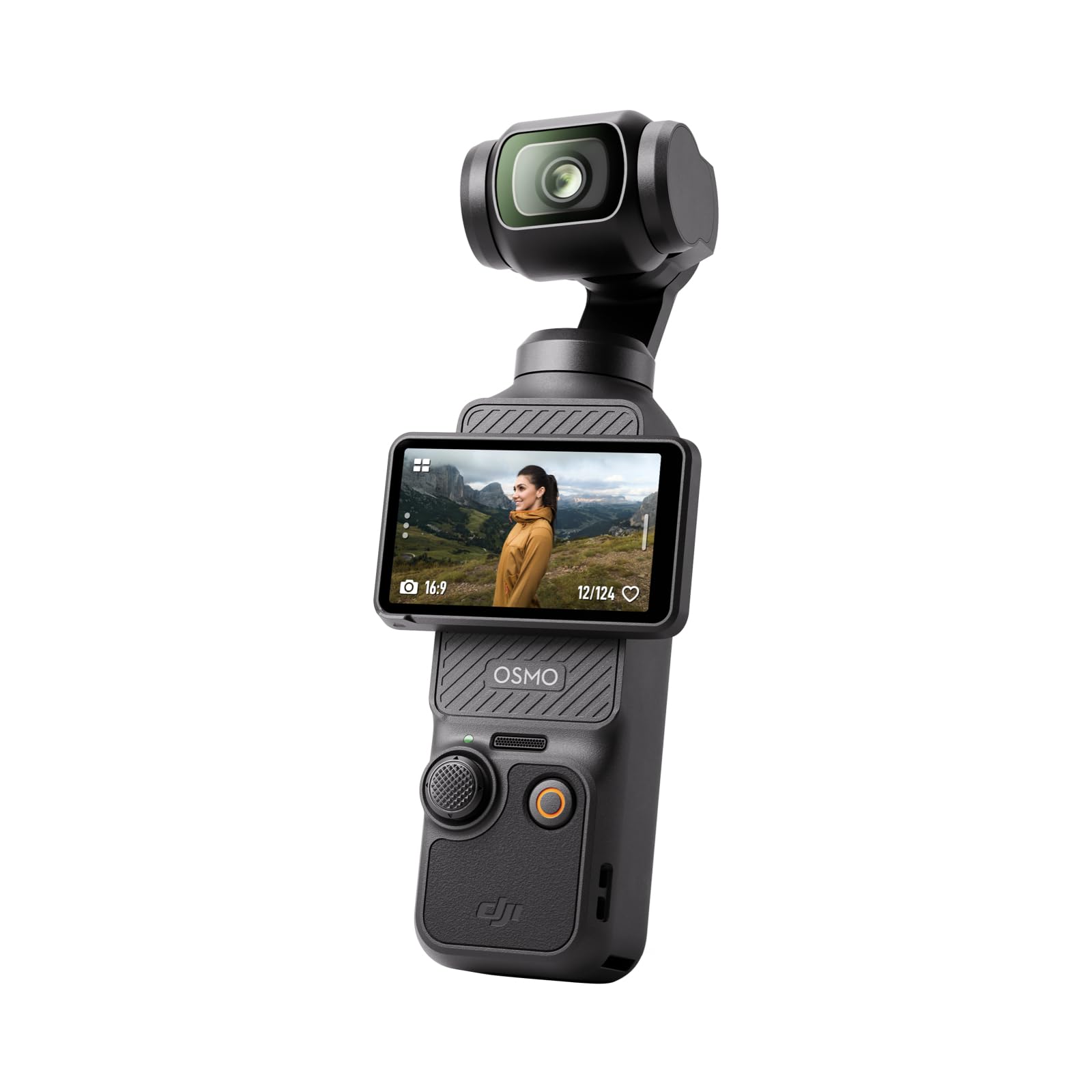
When travel video is the goal under dull skies, the Osmo Pocket 3’s 1-inch sensor and 3-axis stabilization make footage look polished. 4K up to 120 fps and 10-bit D-Log M give you flexibility to grade gray light into cinematic tones. ActiveTrack 6.0 sticks to faces as you walk, keeping subjects centered while clouds roll above.
Dynamic range is impressive for the size, preserving highlight texture on bright cloud edges. The rotating 2-inch touchscreen makes framing vertical or horizontal shots effortless.
According to DJI, the battery charges to 80 percent in about 16 minutes with a PD charger, perfect for quick top-ups between showers.
In practice, set D-Log M and expose to protect highlights, then add contrast in post. The stabilization smooths footsteps on boardwalks and city streets, and stereo mics capture clean ambient rain.
Low-light noise is controlled if you avoid pushing ISO too high.
Actionable takeaway: lock white balance around 5200-5600K to keep skies consistent, and use a 1/50 shutter with ND for cinematic motion. Pair with a compact mini tripod for static timelapses of moody weather moving across a skyline.
This pocket gimbal turns gray days into silky, story-rich travel videos.