
Affiliate disclosure: As an Amazon Associate I earn from qualifying purchases. Learn more
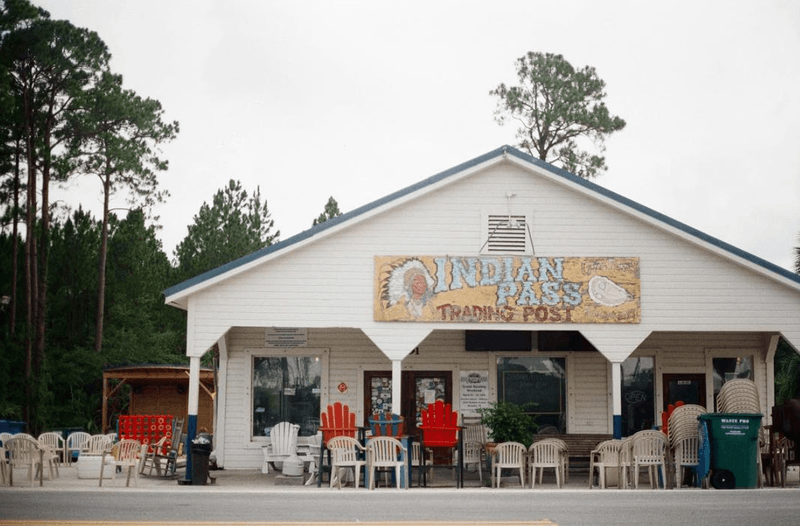
Tucked along a quiet stretch of Florida’s Forgotten Coast, Indian Pass Raw Bar sits between Port St. Joe and Apalachicola in a spot that takes real effort to reach. The restaurant has been feeding travelers and locals since the road out there was first completed in 1929, and its rustic fish-camp character has stuck around ever since.
What the original buzz about this place gets partly right is the oyster obsession, but a few key details need correcting before you load up the car and make the drive.
Indian Pass Raw Bar is the likely Forgotten Coast destination
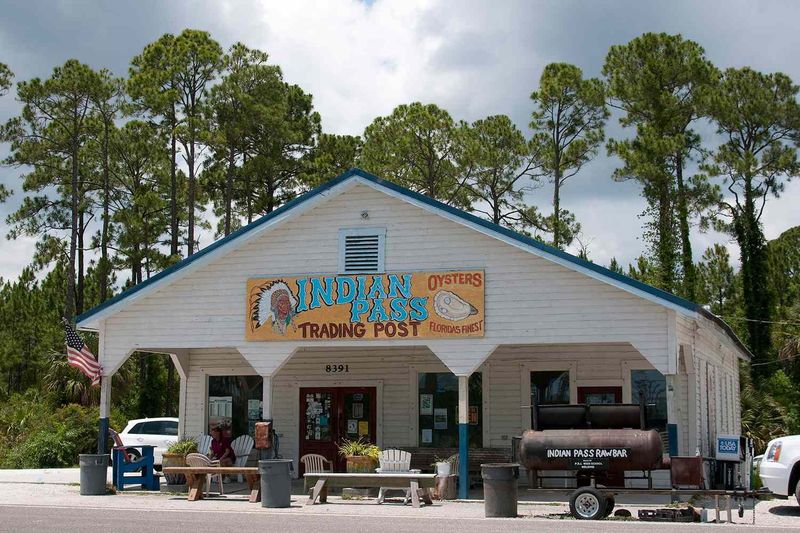
Out on County Road 30A in the Indian Pass area, roughly halfway between Port St. Joe and Apalachicola, sits a small seafood stop that shows up in visitor guides, travel review platforms, and Food Network listings without ever losing its off-the-map feel. Indian Pass Raw Bar, at 8391 County Road 30A, is the restaurant most likely behind the premise of a tiny Gulf Coast oyster shack worth a deliberate detour.
The Port St. Joe visitor guide lists it at that address and describes its seafood as raw, steamed, or baked, which is a different picture than the chargrilled buckets in the headline that circulated online.
Gulf County sits well off the main interstate corridors, and the drive out to Indian Pass on a two-lane coastal road genuinely earns the word remote. That physical distance is part of the appeal for travelers who want a seafood lunch that feels nothing like a chain restaurant.
The setting fits the description of a destination-style stop rather than a casual drive-through find.
One thing worth clarifying up front: the original title’s specific claims about chargrilled oysters served by the bucket and a strictly cash-only payment policy are not confirmed by the available menu and listing evidence. Food Network’s restaurant listing for Indian Pass Raw Bar does not describe those preparation or serving details.
The article that follows replaces those unverified claims with what the accessible sources actually support, and it tells you exactly what to confirm before you make the trip.
The building’s history supplies the Old Florida atmosphere
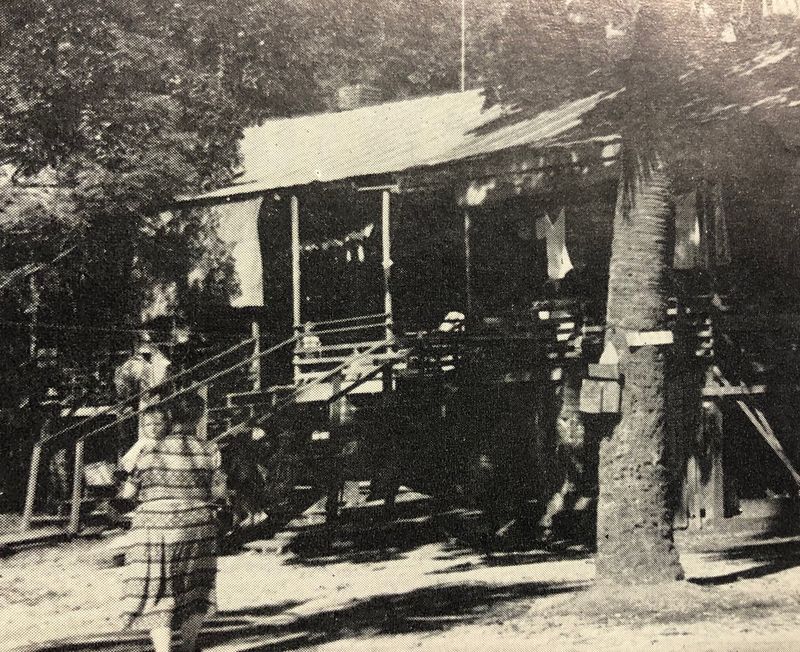
Before the road even existed, the land at Indian Pass was working territory. According to the Indian Pass General Store’s account, the site’s history connects to a turpentine-company commissary that began operating in 1903.
Turpentine operations were a significant industry across the Florida Panhandle in the early twentieth century, and the commissary served the workers who kept those operations running deep in the pine forests.
When the road was completed in 1929, the character of the place shifted. Passing motorists needed somewhere to stop, and the building transitioned into a restaurant serving travelers moving along the newly accessible Gulf Coast route.
That origin story, a working commissary turned roadside seafood stop, is exactly the kind of layered history that gives a fish-camp restaurant its bone-deep authenticity. No decorator can manufacture that.
The long timeline also explains why regulars talk about the place the way they do. A restaurant that has been feeding people in some form since 1929 accumulates a particular kind of local loyalty that newer spots simply cannot replicate.
The building carries the weight of those decades in its structure and its reputation, even as the surrounding Forgotten Coast has changed around it.
What the sources do not establish is a detailed picture of the current interior, the current clientele, or any specific atmosphere details beyond what the documented history supports. The fish-camp identity is real and documented, but the article avoids inventing color that the sources do not provide.
The history alone is compelling enough to explain why travelers keep making the drive out to Indian Pass, even without embellishment.
The available menu supports baked oysters, not confirmed chargrilled buckets
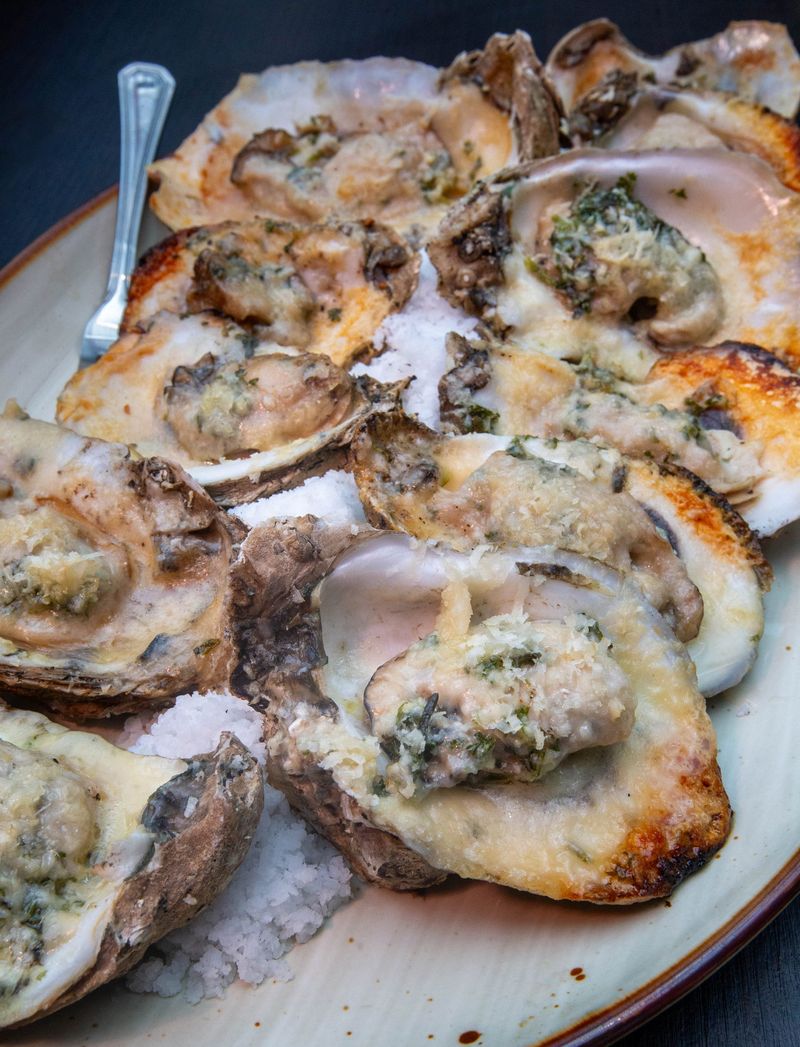
Here is where the headline runs into trouble. An accessible third-party listing on Restaurant Guru’s menu page for Indian Pass Raw Bar describes three oyster preparations: raw, steamed, and baked.
The baked version is reported as coming topped with lemon juice, butter, garlic, and Parmesan. That is a genuinely appealing preparation, and it fits the Gulf Coast oyster tradition well.
What it is not, based on available evidence, is a bucket of chargrilled oysters.
A travel source covering North Florida’s seafood stops draws a comparison between the baked oyster preparation at Indian Pass and the local idea of grilled oysters, which is understandable shorthand. Baked oysters with butter and garlic share some flavor territory with chargrilled preparations.
But a writer’s comparison is not the same as confirmation that the restaurant currently labels, markets, or cooks its oysters as chargrilled. Treating that comparison as proof would be a factual stretch.
The bucket serving format is also unsupported. References to buckets of chargrilled oysters appear in coverage of other Florida restaurants, but no reliable current source places that specific format at Indian Pass Raw Bar.
The article should not use that description unless the restaurant confirms it directly.
One more distinction worth making: a 2018 Memphis Magazine piece covered a separate restaurant that operated under a similar name in Memphis and explicitly featured char-grilled Cajun oysters. That Memphis restaurant’s menu has no bearing on what the Florida location serves, and the two should not be conflated.
The menu information described above comes from third-party listings and may not reflect current availability, so call the restaurant at 850-227-1670 to confirm what preparations are being offered before you go.
Call before making the drive
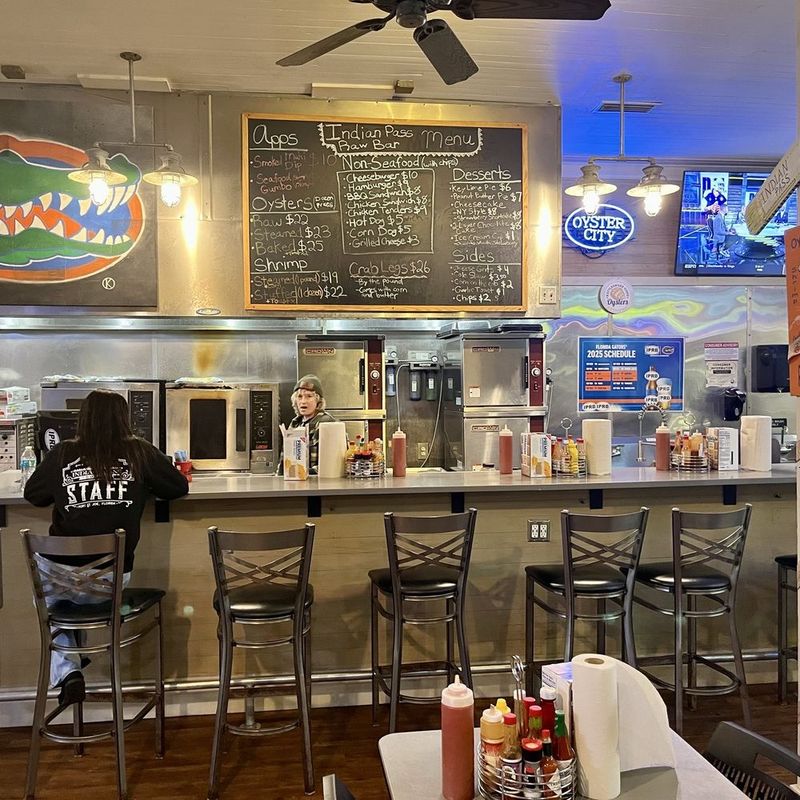
Remote restaurants have a way of keeping their own schedule, and Indian Pass Raw Bar is no exception. The listed address is 8391 County Road 30A, Port St. Joe, FL 32456, and the listed phone number is 850-227-1670.
Before you commit to the drive, that phone call is genuinely worth making.
A few things to confirm when you reach someone: whether baked oysters or other oyster preparations are available that day, what the current hours are, and how the restaurant is handling payment. The Port St. Joe visitor guide and Food Network’s listing both document the restaurant, but neither is a guaranteed real-time source for current hours or menu availability.
The payment question deserves its own paragraph. Best Beach Bars and Visit Florida Beaches describe Indian Pass Raw Bar as cash-only in their coverage.
However, Yellow Pages listings for the location introduce enough uncertainty that calling the restaurant cash-only as an absolute current fact would be inaccurate. Payment policies at small independent restaurants can change, and conflicting sources are a signal to verify rather than assume.
The practical takeaway is simple: carry cash as a backup regardless of what you hear. ATMs are not always easy to find on a two-lane Gulf County road, and arriving without cash at a small seafood shack is the kind of problem that turns a fun day trip into a frustrating one.
A quick phone call and a stop at an ATM before you leave town cost almost nothing and protect the whole trip.
Local Gulf oysters still require careful wording
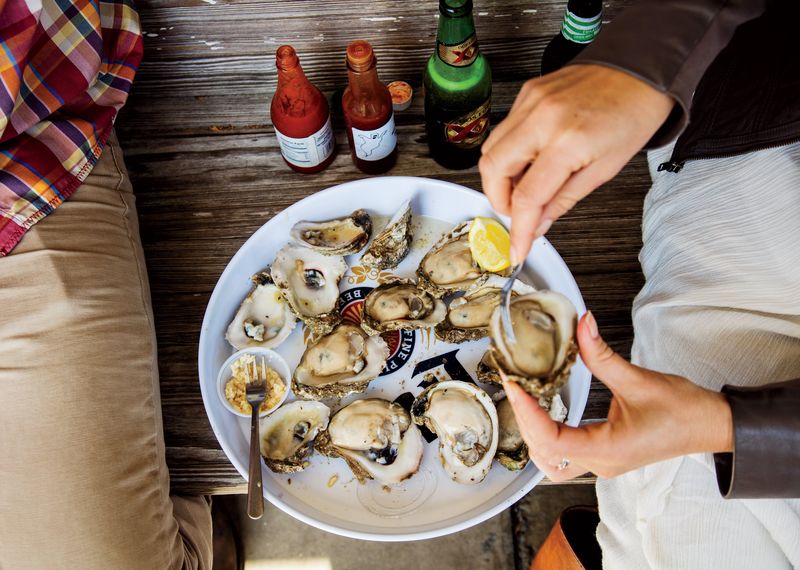
Part of what draws people to Indian Pass Raw Bar is its association with Gulf oysters from the region surrounding it. Food Network’s listing for the restaurant reflects that regional seafood identity, and the Forgotten Coast has long been associated with Gulf oyster culture.
That connection is real and worth appreciating. What it does not guarantee is a specific harvest location, a same-day catch, or a consistently open local wild-harvest source for every order.
Florida shellfish harvesting areas can be temporarily closed because of rainfall, elevated river levels, harmful algal blooms, or other public-health concerns. Florida Fish and Wildlife Conservation Commission guidance on commercial oysters makes clear that closures are a routine management tool, not a rare event.
A locally sourced label on a menu does not automatically mean the oysters came from a currently open wild-harvest bed.
Apalachicola Bay specifically has seen significant changes in recent years. FWC’s rulemaking history shows that wild-oyster harvest in the bay was suspended in 2021.
A later FWC announcement described a limited reopening planned for January 1 through February 28, 2026, under a revised management plan. Travelers should not assume that oysters served at nearby restaurants automatically come from a currently open Apalachicola Bay wild harvest.
The honest framing is that Indian Pass Raw Bar is known for its association with local Gulf seafood, and that regional character is part of its appeal. The specific sourcing for any given visit depends on conditions that change, and the restaurant is the right source for current information on where its oysters are coming from.
Choose cooked oysters for the lower-risk option
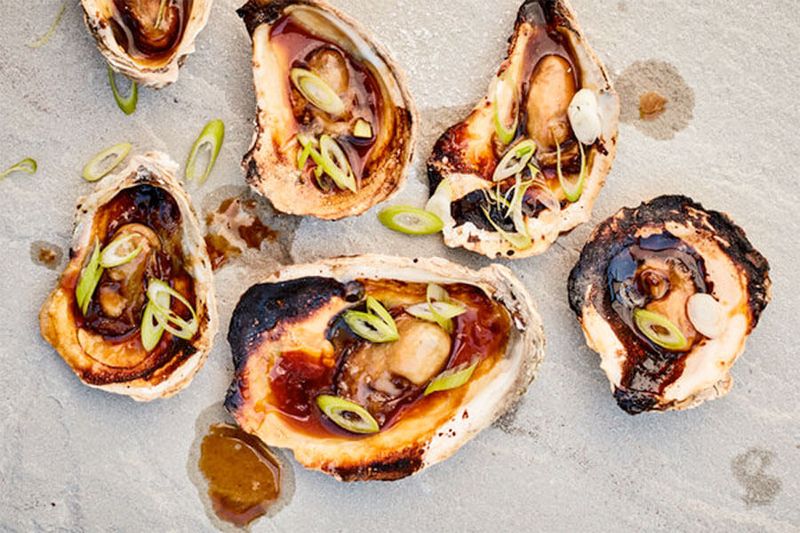
Raw oysters carry a risk that no amount of hot sauce or lemon juice eliminates. CDC guidance on Vibrio and oysters is direct: oysters can look, smell, and taste completely normal while containing harmful germs, including Vibrio bacteria, and illness can occur in any month of the year.
The old rule about only eating oysters in months with the letter R is not a reliable safety standard.
Proper cooking is the practical lower-risk choice. FDA guidance on selecting and serving seafood safely states that most seafood should reach an internal temperature of 145 degrees Fahrenheit.
For oysters specifically, the CDC guidance notes that cooking them properly until their shells open kills the harmful germs that cause illness. A baked preparation with butter and garlic reaching adequate temperature is a meaningfully safer option than raw.
Some people face a higher risk of severe illness if they eat raw or undercooked oysters. FDA consumer guidance on at-risk groups identifies people with liver disease, diabetes, cancer, weakened immune systems, or iron-overload conditions as being at higher risk for serious Vibrio illness.
If you or anyone in your group falls into one of those categories, ordering a fully cooked preparation is the straightforward protective choice.
A few things that do not make raw oysters safe: lemon juice, hot sauce, alcohol, smoking them briefly, or any quick heat application that does not bring the oyster to a safe internal temperature. These are common beliefs, but the CDC evidence does not support them as protective measures.
The baked oysters at Indian Pass Raw Bar, if they are prepared to a proper internal temperature, represent the lower-risk way to enjoy what the restaurant is known for.
The setting may justify a special trip
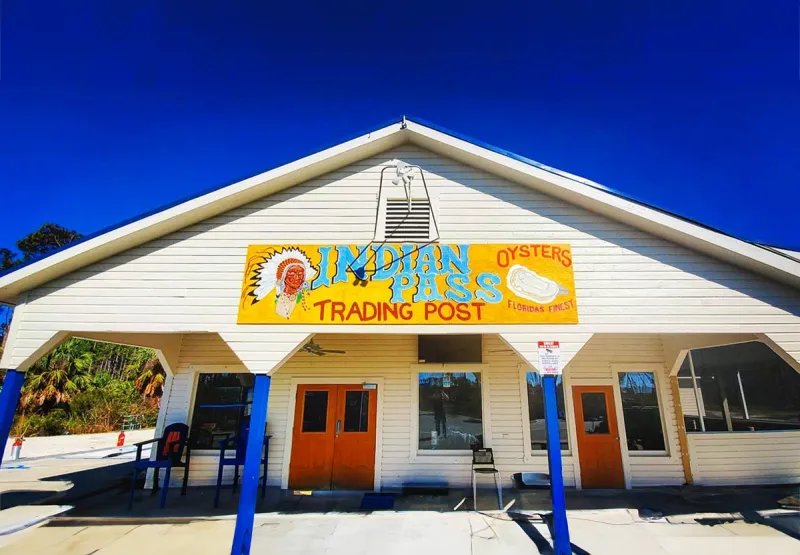
For travelers who value a genuinely remote, historically rooted Gulf Coast seafood stop, Indian Pass Raw Bar offers something that is hard to find anywhere else in Florida. The documented history of the site going back to a 1903 turpentine commissary and a 1929 restaurant opening is real, and the location on a quiet Gulf County road between Port St. Joe and Apalachicola is as Forgotten Coast as it gets.
Its presence in established travel coverage confirms it has a long-running reputation as a Gulf Coast oyster stop, not just a rumor passed between locals.
What the evidence does not confirm is the chargrilled bucket format described in the headline, an absolute cash-only payment policy, or a guarantee that the reported menu reflects current offerings. The visitor guide description of raw, steamed, and baked seafood is the most accessible summary of what the restaurant has offered, and that may have changed.
Call 850-227-1670 before you go, carry cash as a backup, and if oyster safety matters to you, order the baked preparation rather than raw, as CDC guidance on Vibrio supports proper cooking as the lower-risk choice.
A long drive to a small shack on a two-lane road is its own kind of Florida adventure. Whether it justifies the trip depends on what you are looking for, and for the right traveler, a century of Gulf Coast history and a plate of baked oysters in a quiet pine-shaded spot is exactly enough.