
Affiliate disclosure: As an Amazon Associate I earn from qualifying purchases. Learn more
High on a rugged Arizona mountain, a machine the size of a building sits quietly, staring at galaxies that formed long before our planet did. Getting there means a bumpy climb up a winding road, a handful of hard-to-get passes, and a car brave enough to handle the terrain.
The reward is a look at one of the most powerful optical telescopes ever built, tucked away where most people never think to look. Longtime residents may not realize this scientific marvel is sitting in their own backyard, quietly earning worldwide respect.
What follows is the story of how it got there, what makes it special, and how the curious few can plan a visit.
A Sky-High Address Above Safford
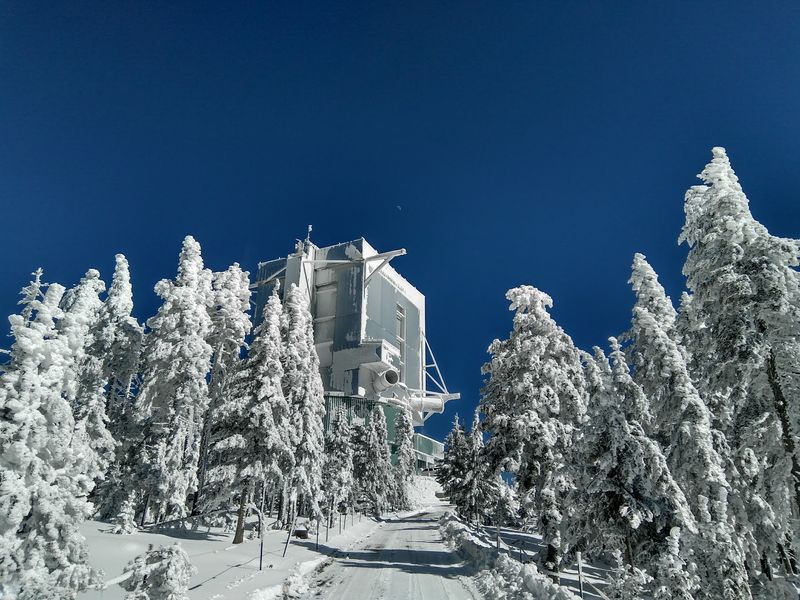
Tucked at 12500 W Swift Trail, along AZ-366 near Safford, Arizona, this observatory sits atop one of the tallest peaks in the region. The mailing address sounds simple, but the reality is a long, climbing drive that leaves ordinary roads far behind.
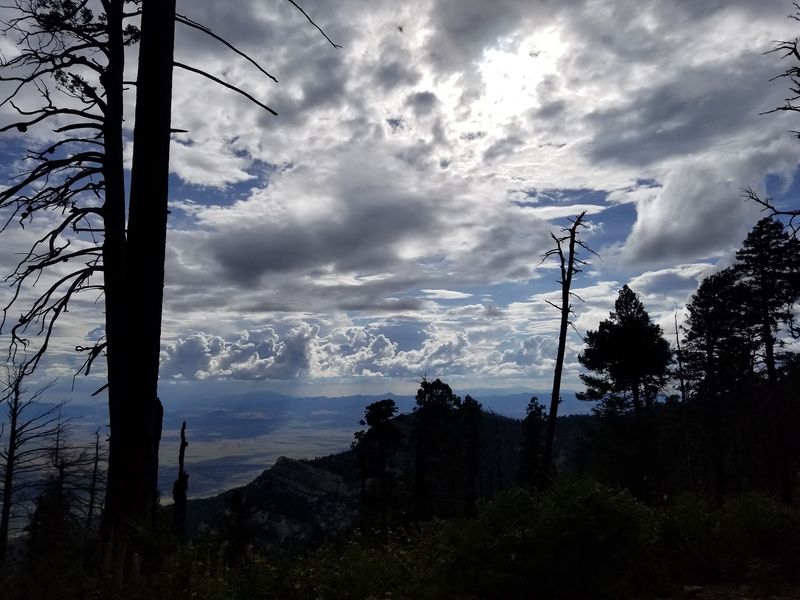
The facility crowns Mount Graham, a high point in the Pinaleno Mountains of southeastern Arizona. At this elevation, the thin, dry air is exactly what astronomers want for peering into deep space.
Many Arizonans have driven past the turnoff for Safford without ever guessing what waits up the mountain. The observatory is not a roadside attraction you stumble upon by accident.
Reaching it requires planning, a limited pass, and a sturdy vehicle. That difficulty is part of what keeps it feeling like a genuine discovery.
For a state already famous for its clear night skies, having a world-class instrument perched right here adds a quiet layer of pride. It is the kind of place that rewards the curious few willing to make the trek up Swift Trail.
The Giant Eyes That Made It Famous
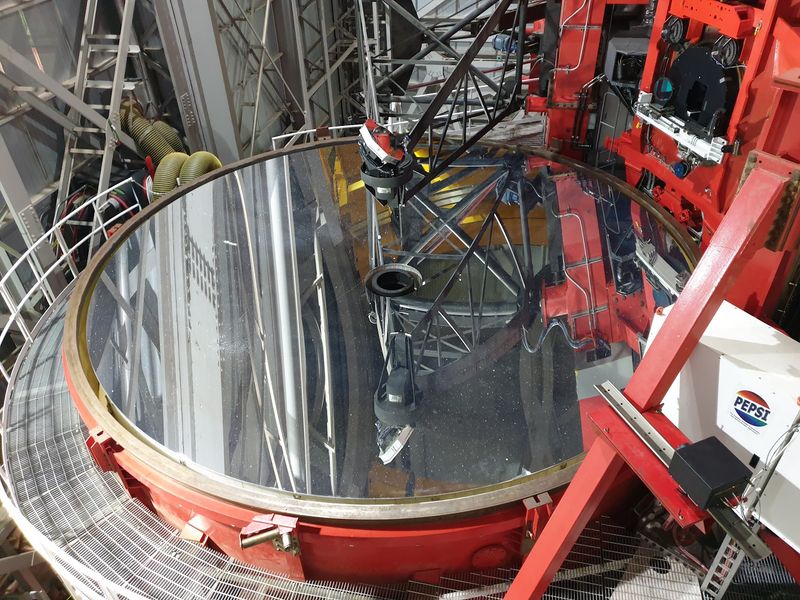
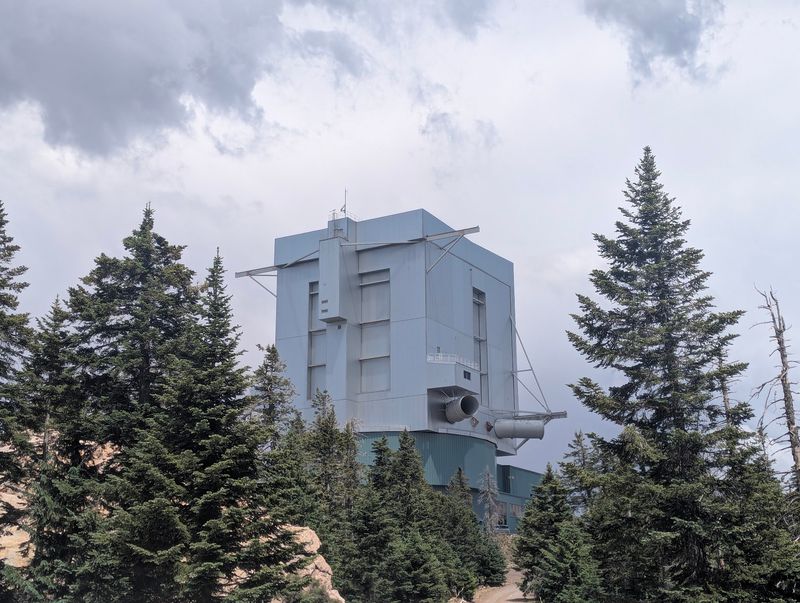
What sets this observatory apart is right there in its name. The Large Binocular Telescope carries two enormous mirrors mounted side by side on a single structure, working together like a giant pair of eyes.
Each mirror stretches wide enough to dwarf a person standing beside it. Combined, they gather an extraordinary amount of light, which is what lets the instrument see objects that are almost impossibly faint and far away.
People who have toured the site often describe it as a monstrous feat of modern technology, and the scale genuinely surprises them. It is not a backyard telescope scaled up.
It is a purpose-built machine of steel, glass, and precision engineering.
The design allows the two mirrors to combine their power, giving it resolving ability that has placed it among the most capable optical telescopes on Earth. For years it was described as one of the biggest of its kind anywhere.
Standing near the base of it leaves most people quietly impressed by what human hands managed to build on a remote mountaintop.
The Road That Tests Your Nerve
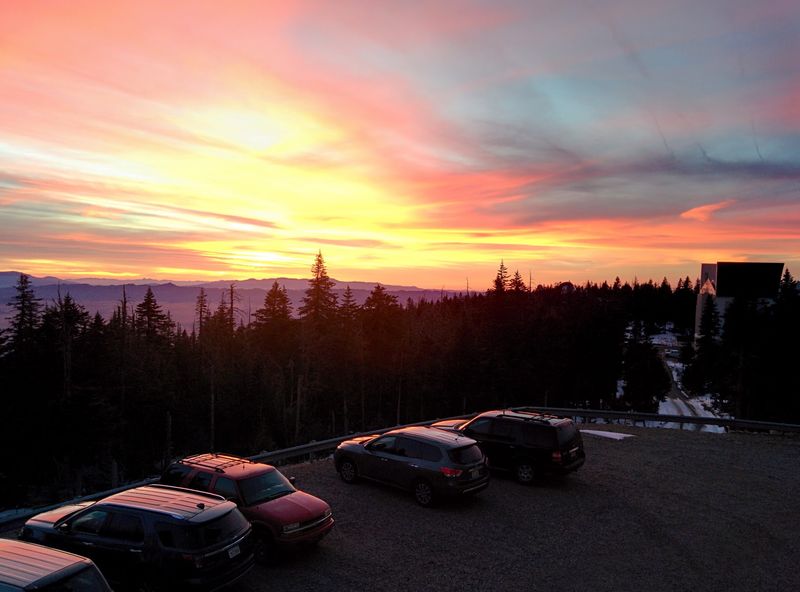
Getting up the mountain is an adventure long before the telescope comes into view. The route along Swift Trail twists and climbs steadily, and drivers who have made the trip describe the road as treacherous in spots.
A low sedan is not the friend you want here. Those who have gone up recommend a high-clearance vehicle suited for rough terrain, with some travelers renting a small, agile Jeep just to handle the climb.
The drive itself becomes part of the story. People often call it a great adventure simply to find the observatory hidden in the mountains, and the journey builds anticipation with every switchback.
Weather can change quickly at this altitude, so the trip demands respect and a bit of preparation. It is not the kind of place you swing by on a whim.
By the time the domes appear against the sky, the effort feels earned. That sense of working for the destination is exactly what makes reaching it so satisfying for the people who commit to the drive.
Five Flights To The Base
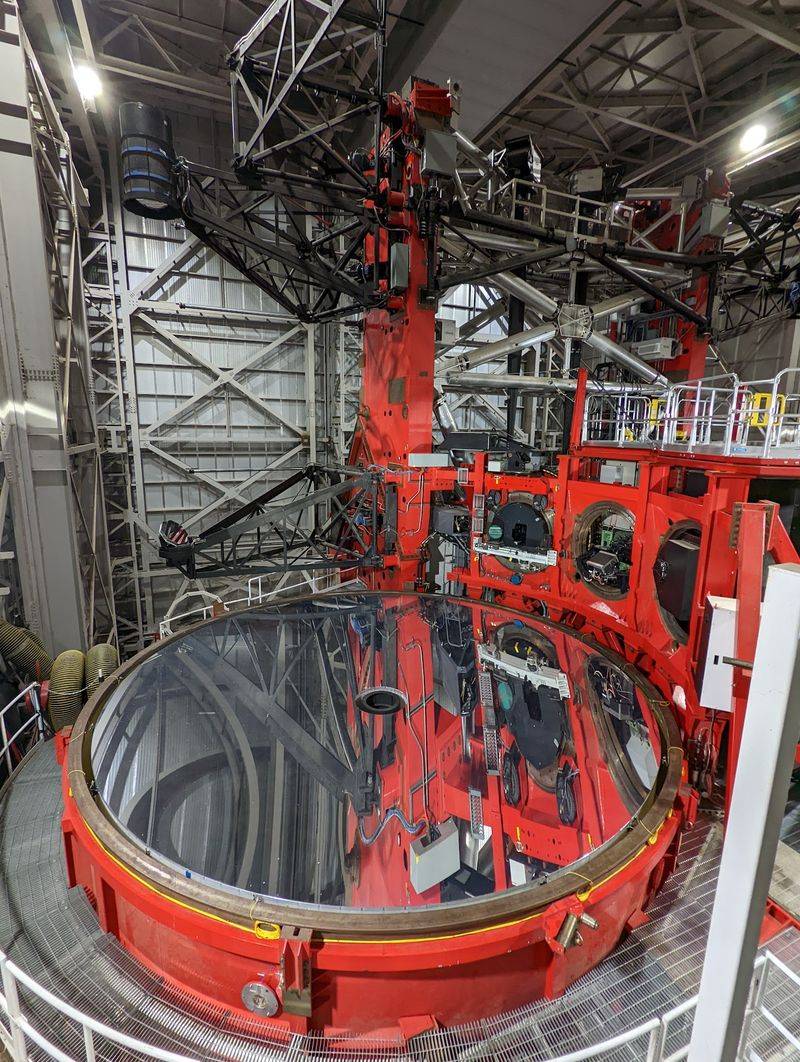
Size is something you feel the moment you step inside. The structure is huge, and reaching the base of the telescope means climbing several sets of stairs, with visitors counting around five flights just to get there.
That vertical journey gives a real sense of the machine’s scale. Each level reveals more of the framework and hardware that keeps the instrument steady and precise.
The climb is worth it for the perspective it offers. Looking up at the towering assembly from the base is a very different experience than seeing photos online.
People who have made the trek describe genuine awe at standing so close to something this large and complex. The engineering that holds it all together becomes obvious once you are surrounded by it.
Comfortable shoes are a smart idea, since the stairs are part of the tour rather than an optional extra. For anyone who enjoys machines built on an enormous scale, this interior climb turns out to be one of the most memorable parts of the whole visit.
Neighbors On The Summit
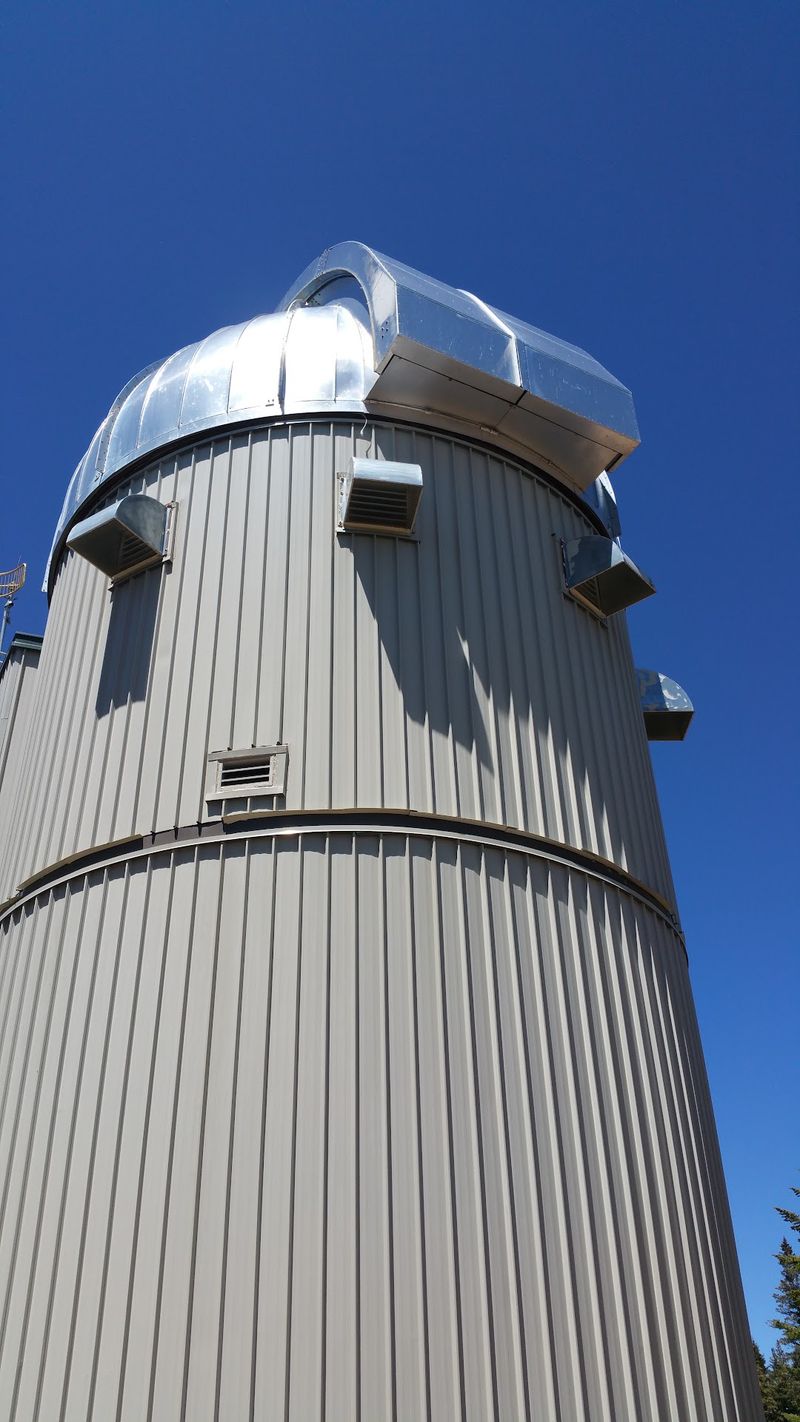
The Large Binocular Telescope does not sit up there alone. Mount Graham hosts a small cluster of instruments, and tours have historically included stops at more than one facility.
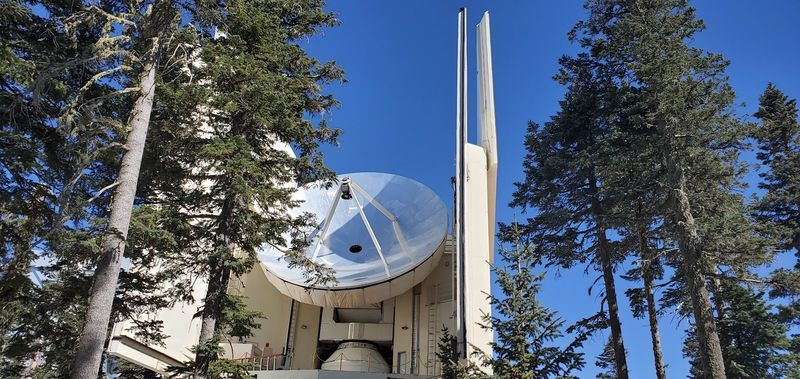
Among the summit neighbors are the Vatican Observatory’s telescope and a submillimeter radio telescope. Seeing several serious research instruments gathered in one remote spot underscores how prized this mountaintop is for astronomy.
People who toured the area mention moving between these facilities and learning how each one studies the sky in its own way. Optical, radio, and specialized instruments all share the same clear high-altitude air.
Having this concentration of science in one place gives the visit real depth. It is not a single gadget on a hill but a genuine research community perched above the desert.
The Vatican connection in particular tends to surprise newcomers, adding an unexpected twist to the mountain’s story. For anyone curious about how modern astronomy actually works, exploring these neighbors makes the trip feel far bigger than a single telescope.
Why The Deep-Space View Matters
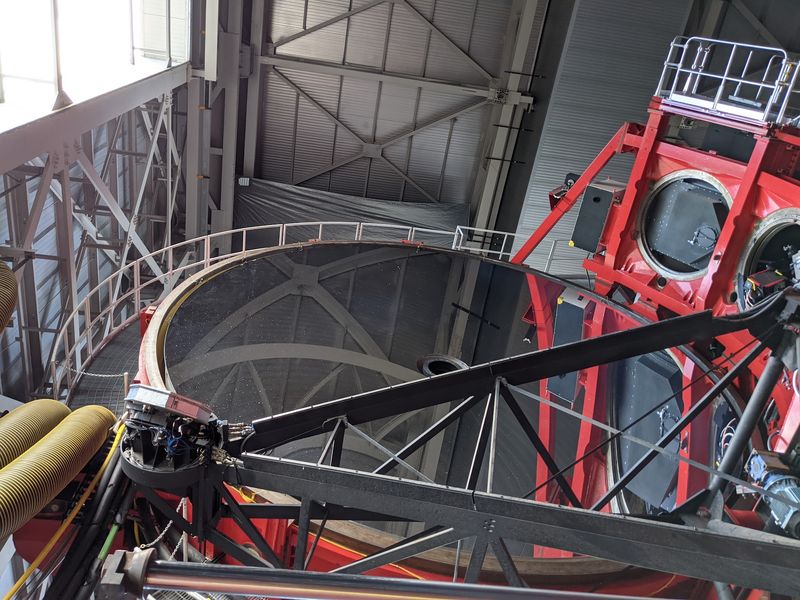
The whole reason this instrument exists is to see farther and clearer than almost anything else on the planet. For a stretch of time it was described as the farthest-observing optical telescope in the world.
Its combined mirrors pull in faint light from objects that sit at staggering distances. That light may have traveled across space for an unimaginable span before reaching the mountaintop.
Astronomy fans tend to light up at the idea of a machine this capable being tucked away in Arizona. Even people who never thought much about the night sky often leave with a new appreciation for what is out there.
The scientific weight of the place is part of its appeal. Research done here can help scientists understand galaxies, planets, and the structure of the universe itself.
Knowing that such important work happens on a quiet Arizona peak reframes the whole region. It is a reminder that world-class discovery can hide in unexpected corners of the state.
The Night Sky You Should Not Skip
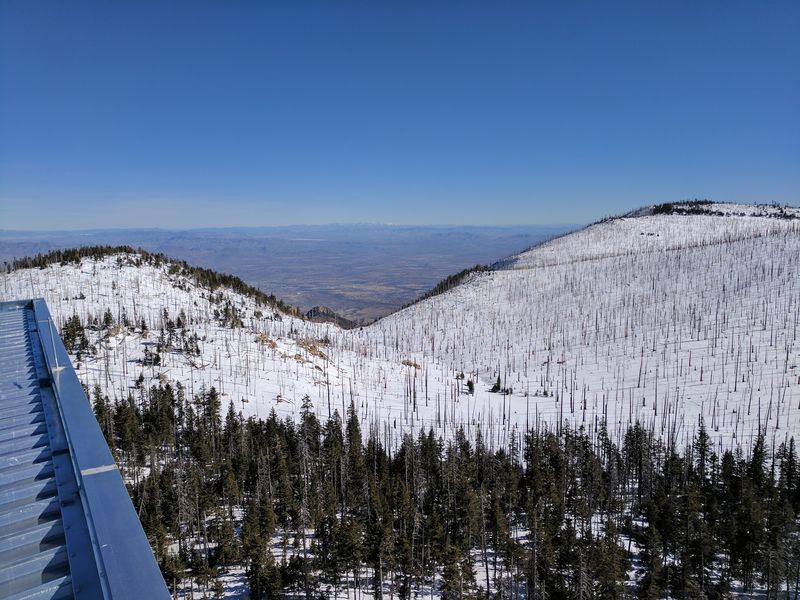
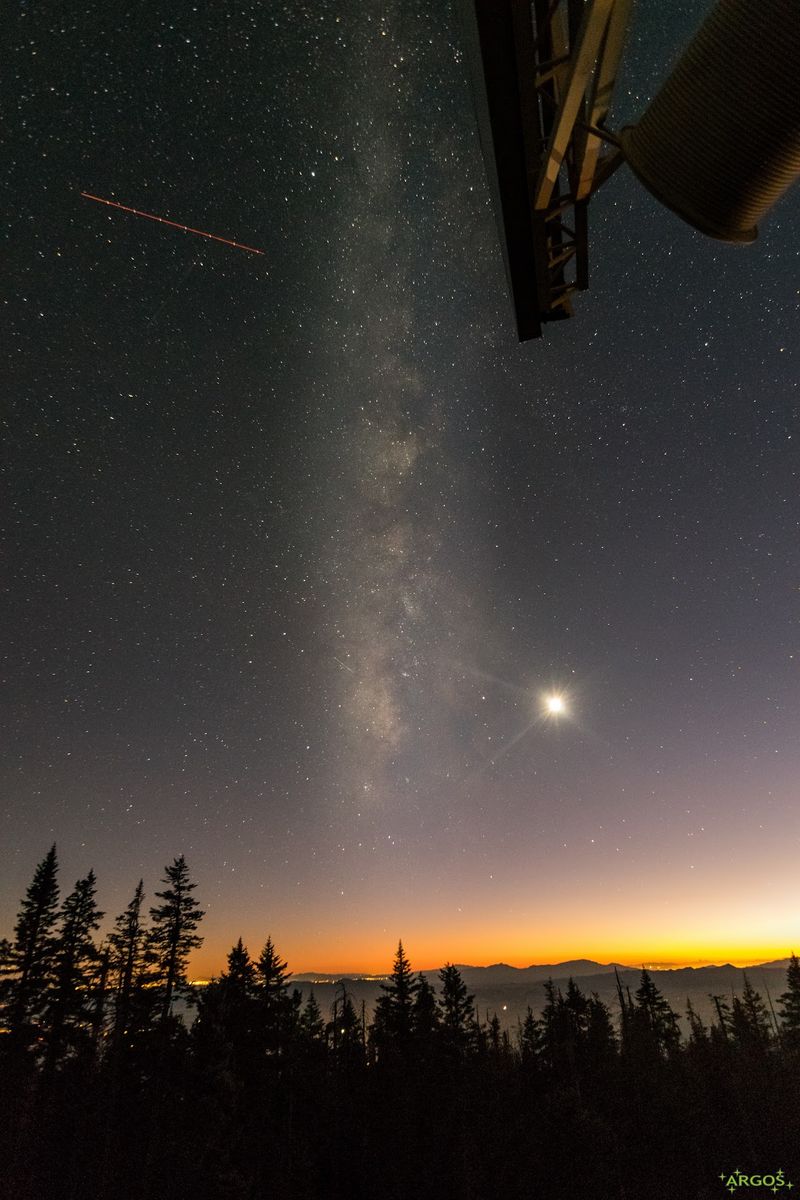
Daylight tours show off the hardware, but the sky after dark steals the whole trip. People who have stayed into the evening insist the view of the night sky is simply un-missable.
At this elevation, far from city glow, the stars come out in remarkable numbers. Arizona is known for dark-sky spots, and few places sit as high or as isolated as this mountaintop.
Summer nights in particular can reveal the full sweep of the Milky Way arching overhead. That kind of view is increasingly hard to find near populated areas.
The combination of thin air, high altitude, and distance from light pollution makes the setting ideal for stargazing. It is the same quality that draws serious astronomers to the peak.
Anyone lucky enough to score a pass should build the evening sky into their plans rather than treating it as an afterthought. Ending the visit under a blanket of stars is the kind of memory that lingers long after the drive back down.
The Crew Behind The Machine
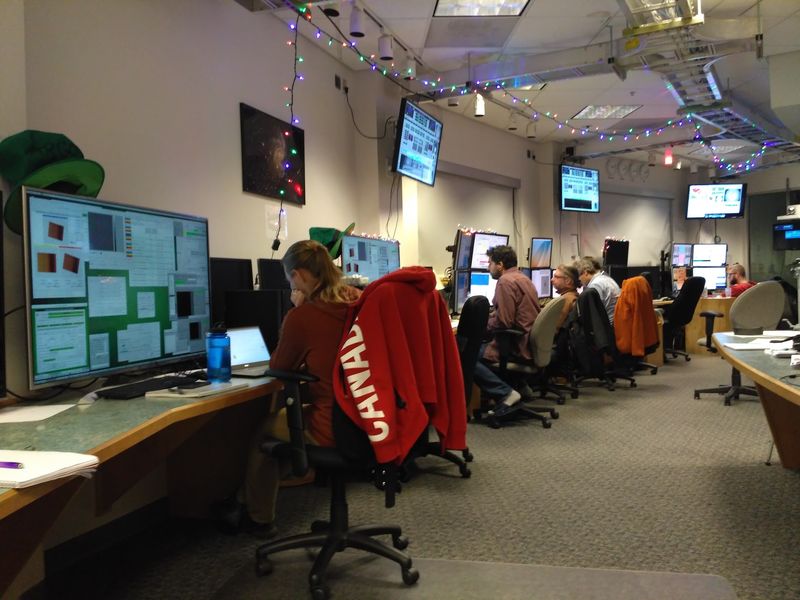
Behind all that steel and glass are the people who keep it running. Guests consistently describe the crew maintaining the facility as friendly and genuinely knowledgeable.
The staff tend to field questions patiently and share details that bring the science to life. That accommodating attitude turns a tour into more of a conversation than a lecture.
People often single out the crew as a highlight, mentioning how welcome they felt during their visit. Having experts explain how the instrument works adds real value to the experience.
Not every interaction has been perfect. At least one person trying to reach the observatory by phone with technical questions felt brushed off, which is worth keeping in mind if you hope for detailed answers from afar.
Still, the in-person hospitality earns steady praise from those who make it up the mountain. For a working research site, the warmth shown to curious guests stands out as a pleasant surprise.
Passes Are Precious
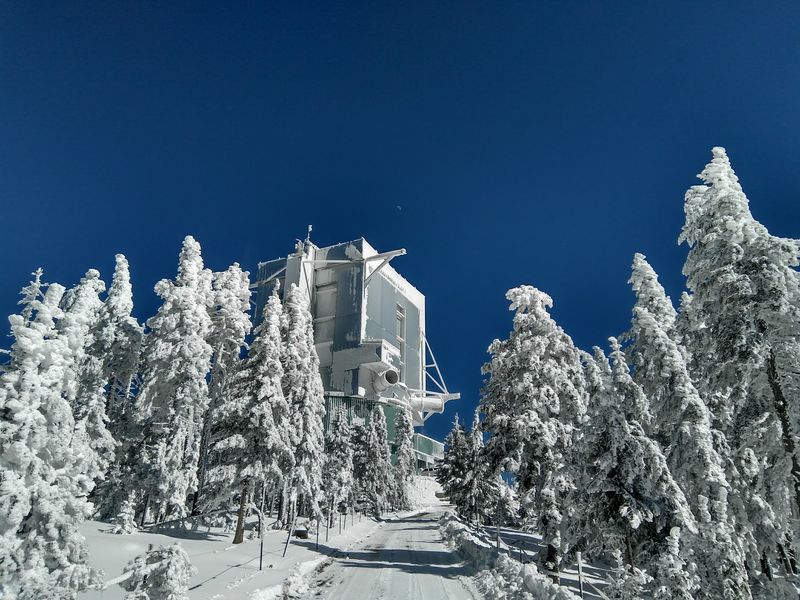
Access here is not a walk-up affair. The observatory hands out only a very limited number of passes each year, which makes a visit feel like a genuine prize.
That scarcity is part of the mystique. Planning ahead matters, because spontaneous trips to the summit generally are not an option.
People who have secured a spot treat it as a rare opportunity rather than a casual outing. The limited availability keeps crowds small and the experience personal.
Checking the official observatory website is the smart first step for anyone hoping to arrange a visit. Details about tours can shift, so current information straight from the source is your best guide.
The exclusivity may frustrate the impatient, but it also protects the site and the quiet mountain setting. Landing one of those hard-to-get passes gives the whole trip an air of insider accomplishment that few Arizona outings can match.
Dress For The Chill On Top
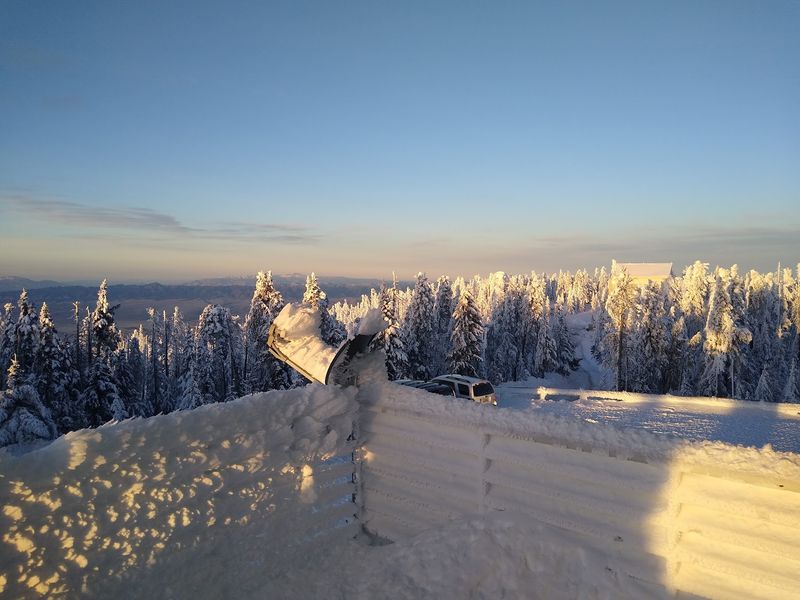
Even in a desert state, the summit can turn surprisingly cold. Because of the high elevation, temperatures up top run far cooler than the valley below.
Guests have reported chilly conditions during visits, with the mercury dipping to around 25 degrees Fahrenheit on some trips. That is a big swing from the warm Safford lowlands.
Layers are your friend here. A warm jacket and sensible clothing can make the difference between enjoying the tour and shivering through it.
The cold is a direct result of the altitude that makes the site so good for astronomy in the first place. Thin, crisp mountain air comes with a temperature trade-off.
Packing for weather that feels almost seasonal, even in warmer months, is simply smart planning. Anyone heading up should treat the drive as a trip into a different climate zone entirely and dress accordingly before leaving the desert floor behind.
Open Around The Clock
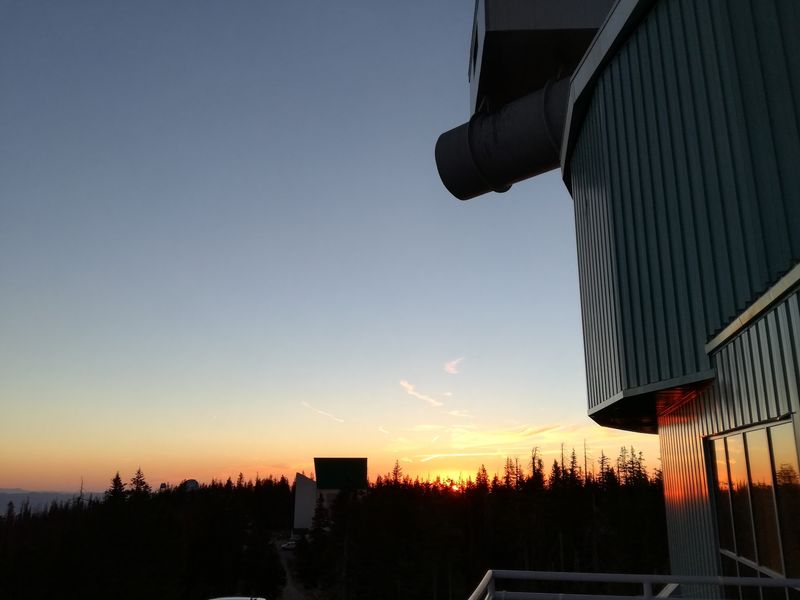
The listed hours read a little unusual for a mountaintop research site. According to available information, the observatory shows as open 24 hours, every day of the week.
That around-the-clock listing makes sense for a facility where astronomers work through the night. The instruments are busiest when the sky is darkest.
For the public, though, actual access still hinges on those limited tour passes rather than casual round-the-clock visits. The open-24-hours status reflects operations more than an open-door policy.
Anyone planning a trip should confirm the specifics ahead of time. The mountain drive and pass system mean timing needs to be arranged carefully, not left to chance.
Reaching out through the official channels helps sort out when and how a visit can actually happen. Treating the posted hours as a starting point rather than a guarantee is the wiser approach for such a specialized destination.
Respecting A Sacred Mountain
Not every reaction to the observatory is about the science. Mount Graham holds deep cultural and spiritual significance, and some feel strongly that the peak is sacred land.
That perspective has been part of the mountain’s story for a long time. A few people voice genuine discomfort with a research facility standing on ground they consider deeply meaningful.
Acknowledging that tension is part of understanding the place honestly. The mountain matters to different communities for very different reasons.
Visitors can approach the site with awareness and respect, mindful that the summit carries meaning beyond its instruments. Traveling thoughtfully goes a long way in a setting like this.
The observatory and the mountain’s cultural weight coexist in a complicated way. Keeping that context in mind lets guests appreciate both the achievement of the science and the reverence others hold for the land it sits upon.
Who Will Love The Trek Most
Certain travelers walk away from this place absolutely delighted. Anyone with a soft spot for astronomy tends to find the visit thrilling from start to finish.
Even people who rarely think about the stars have come away impressed, which suggests the appeal reaches beyond hardcore science fans. The sheer scale and setting do a lot of the convincing.
Curious minds, patient planners, and folks who enjoy an offbeat adventure are the ideal candidates. The limited access and rough drive reward those who genuinely want to be there.
Families and enthusiasts alike describe it as one of the most exciting outings they have had. Learning about the telescopes firsthand turns out to be a memorable draw.
The trip is less suited to anyone hoping for a quick, easy stop. For the right traveler, though, this remote peak delivers a sense of wonder that few Arizona destinations can rival, making the whole effort feel completely worthwhile.
A Mountaintop Worth The Climb
Some destinations earn their reputation the hard way, and this one certainly does. The combination of a demanding drive, scarce passes, and a genuinely world-class instrument makes the payoff feel special.
People who reach the summit tend to describe the whole thing as a destination worthy of the journey. The effort becomes part of what makes the memory stick.
Between the towering machine, the summit neighbors, and the star-filled sky after dark, the mountain offers far more than a single attraction. It is a full experience for the curious.
For Arizona locals, it is a reminder that something quietly extraordinary sits within their own state. A telescope that peers into the deep universe is not thousands of miles away.
Anyone willing to plan carefully, dress warmly, and respect the mountain will find a rare adventure waiting near Safford. It stands as proof that Arizona’s best surprises are sometimes hiding at the top of a long, winding road.