
Affiliate disclosure: As an Amazon Associate I earn from qualifying purchases. Learn more
Tucked into a quiet corner of Central Florida sits a cluster of buildings that look nothing like a regular museum. Stone carvings echo ancient Mayan designs, courtyards open into leafy gardens, and small galleries rotate art and local history you won’t find at the big attractions.
Admission runs only a few dollars, and the grounds are so pretty that couples pick them for intimate weddings. Better yet, most people driving through Maitland have no idea it’s even here.
Keep reading to learn where it is, what makes the carvings so special, and how to plan an affordable afternoon exploring one of Orlando’s most overlooked spots.
Where the Hidden Campus Sits in Maitland

Just north of downtown Orlando, in the small city of Maitland, Florida, a group of charming buildings waits for anyone curious enough to look. The Art and History Museums of Maitland sit at 231 W Packwood Ave, Maitland, FL 32751, close enough to the city for an easy day trip yet quiet enough to feel worlds away.
The complex is not one single building but a campus of galleries, courtyards, and gardens spread across the property. Part of it can be explored, then a stone courtyard sits across the street with even more to see.
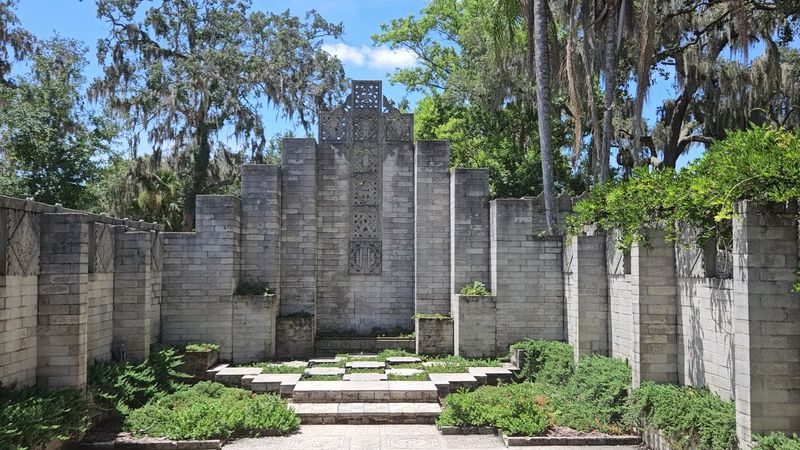
What surprises first-timers is how little it resembles a typical museum. The architecture leans into rare Mayan Revival details, giving the whole place an unusual character that feels tucked away from the rest of the city.
Holding a steady 4.7-star rating across more than 550 reviews, it has quietly built a reputation as one of Central Florida’s most distinctive small attractions. People who expect a thirty-minute stroll often find themselves lingering far longer.
An Art Colony With Deep Roots
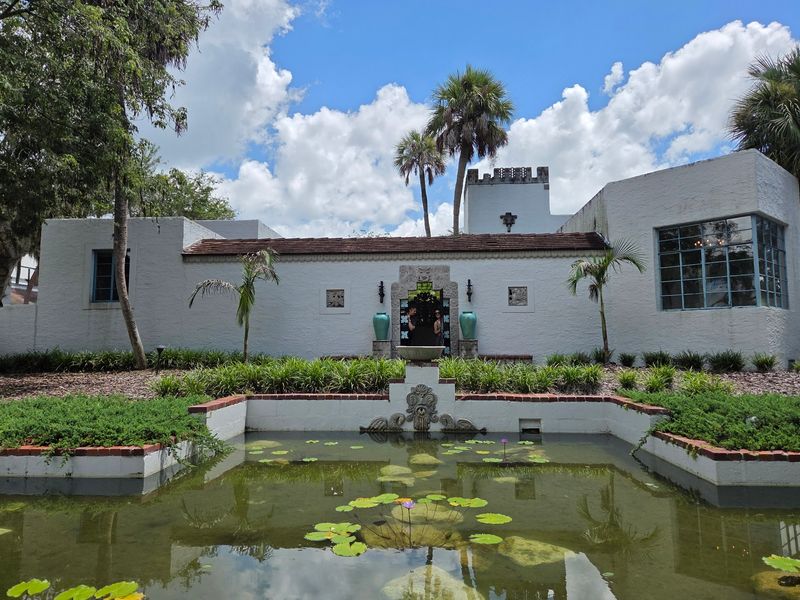
Long before it became a favorite for weekend wanderers, this spot grew out of a working artist colony. That creative history still lingers in every corner of the grounds.
The campus is known for its historic art colony atmosphere, and the sense that artists once gathered here to work and dream gives the place a personality that newer museums simply cannot fake. You feel like you are stepping into a different era in all the best ways.
Curators and staff often share the story of the colony without sounding rehearsed. More than one guest has mentioned an employee noticing them studying a mural and launching into the history of the artists who lived and created on the property.
That personal touch turns a casual visit into something memorable. Instead of reading placards alone, you get real conversation about who made the work and why it matters.
The blend of art and history is baked into the name for a reason. Each visit reveals a little more of the creative legacy that started it all.
The Mayan Revival Carvings That Steal the Show
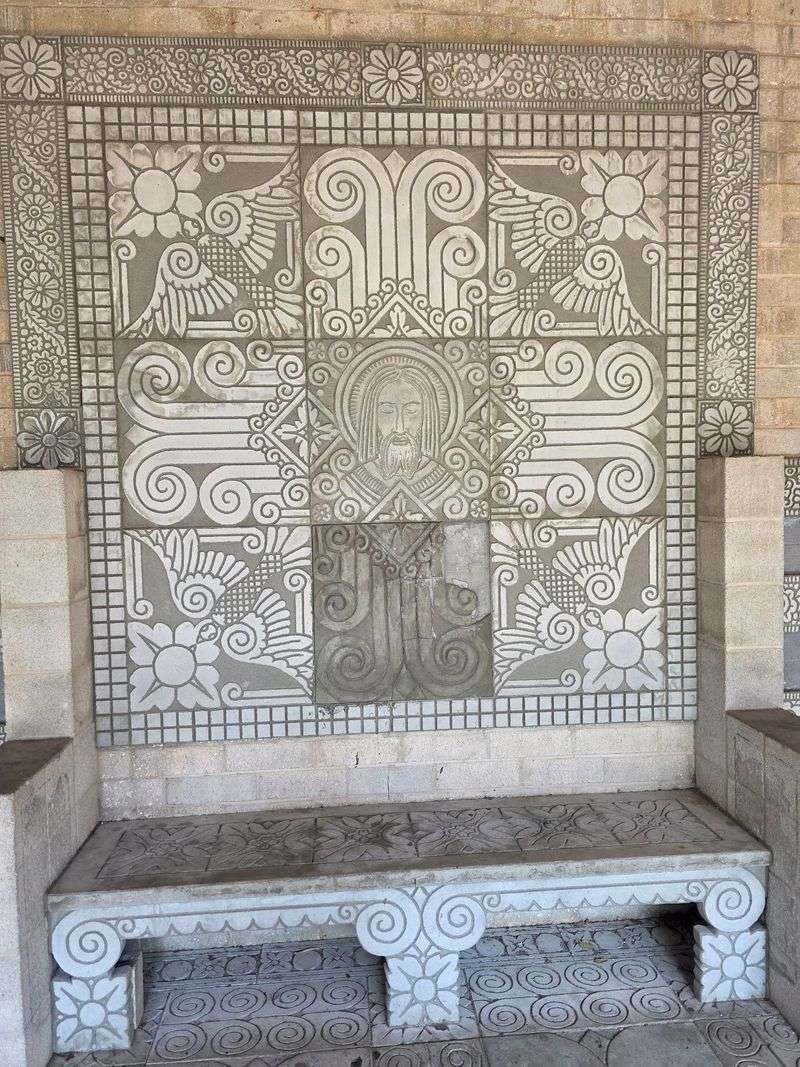
Stone details covered in ancient-looking symbols are the first thing that stops most people in their tracks. The buildings carry rare Mayan Revival architecture, and the carvings look like something lifted from a lost civilization.
Across the street, a stunning courtyard shows off stonework that truly needs to be seen up close. The color of the stones and the scenes depicted in them give the impression of stepping back in time.
Every corner seems to offer a new pattern or sculpted figure worth studying. Guests routinely spend more time outside photographing the details than they planned, because each wall and archway holds something different.
The Mayan-inspired courtyard sits apart from the main galleries and stays open to the public until 4pm. It is one of the most photographed features on the entire property.
For anyone fascinated by ancient design, these carvings are the highlight. They are the reason the campus feels less like a Florida museum and more like a small window into another world.
Gardens and Courtyards Worth Slowing Down For
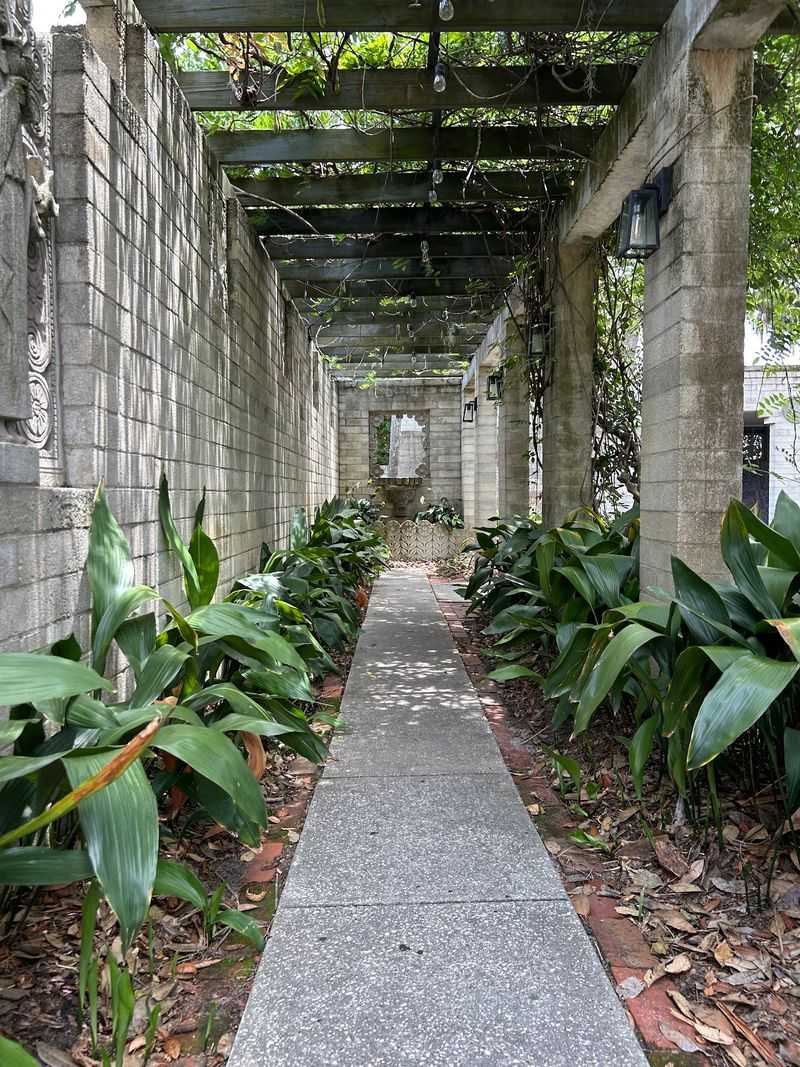
Green, quiet, and beautifully kept, the gardens are a big part of why people fall for this place. Lush foliage, serene ponds, and artistic sculptures fill the outdoor spaces with a calm that is hard to find near a busy city.
The courtyard earns constant praise for being stunning and well maintained. Winding stone paths connect one leafy scene to the next, and each turn opens onto a fresh backdrop.
On a Wednesday visit years back, the galleries were closed but the gardens were still open and free to wander. Some guests have spent a pleasant half hour just enjoying the grounds without stepping inside a single gallery.
The mix of nature and historic stonework creates a peaceful setting that feels almost hidden. It is the kind of place where you slow your pace without even realizing it.
Whether you come for the art or just the fresh air, the gardens alone make the trip worthwhile.
Three Museums, One Small Ticket
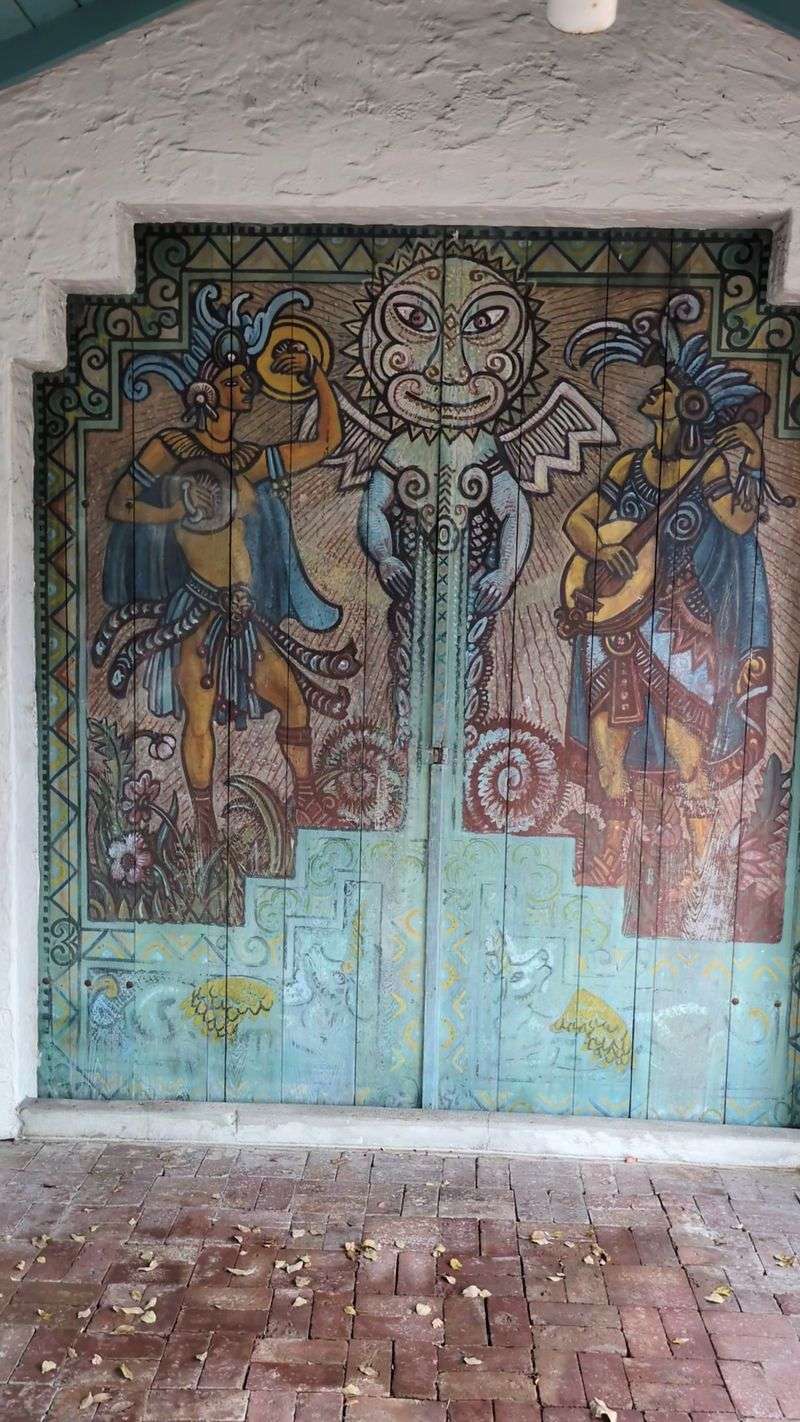
Value hunters, take note. A single low admission unlocks three separate museum spaces on the campus, and the whole experience costs just a few dollars.
You start in the art museum, move next door to the history museum, and wrap up at the telephone museum. Each has its own focus, so the visit stays varied instead of repetitive.
The art gallery swaps its exhibitions throughout the year, so return trips reveal something new. The history side has featured displays like the story of Maitland’s early settlers.
Galleries here feel quiet and intimate rather than crowded and overwhelming. One exhibit spotlights local artwork while another digs into the town’s past, and the whole experience feels personal instead of overly commercial.
Because the spaces are compact, you can see everything in a couple of hours. That makes it an easy, affordable stop that never feels rushed or exhausting.
The Telephone Museum Nobody Expects
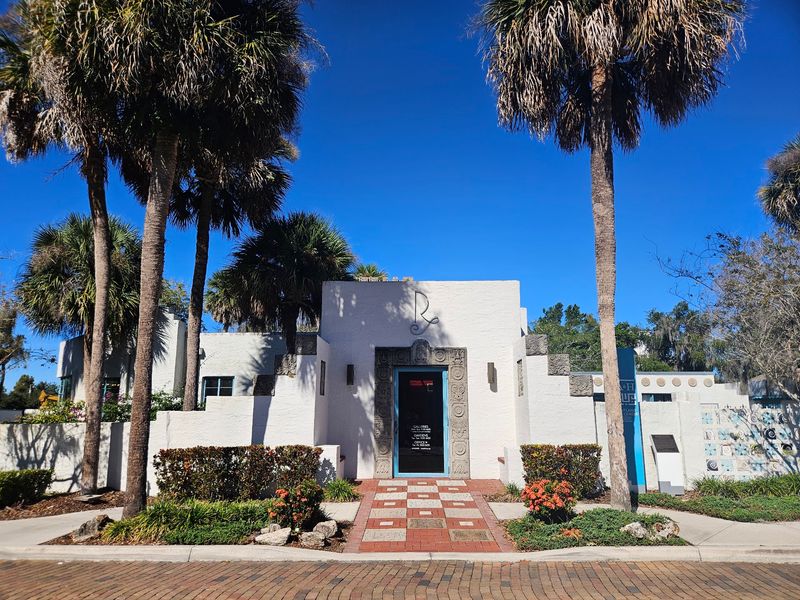
Of all the surprises on this campus, the telephone museum tends to win people over the most. Guests who wander in expecting a quick look often name it a favorite part of the day.
Rows of vintage phones trace how the technology grew and how it shaped the Maitland area specifically. It is a nostalgic, offbeat corner that feels completely different from the larger galleries.
Knowledgeable guides bring the exhibits to life here. One even demonstrated how the oldest telephone in the collection actually worked, a small detail that turned a display case into a real moment of discovery.
Even guests who have seen big-city museums back home have called this section genuinely cool. It offers something you simply do not find at the massive institutions.
Quirky, charming, and unexpectedly memorable, the telephone museum proves that small places can hold the best surprises.
A Favorite for Intimate Weddings
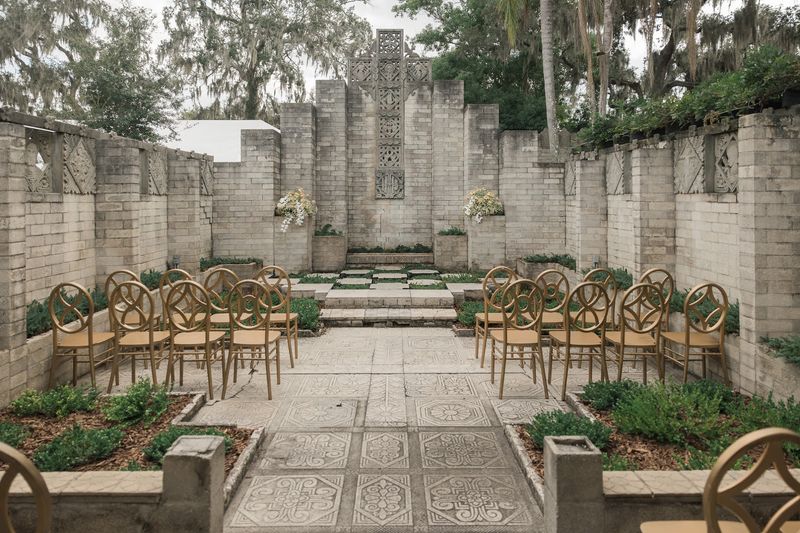
Couples searching for something small and beautiful keep finding their way here. The campus has become a beloved venue for intimate weddings and elopements, especially for guests who want charm without a giant ballroom.
The Mayan Chapel is a standout ceremony space, and the main garden and courtyard next to it make for stunning first-look and photo spots. Because the setting is already so lovely, couples say they need almost no extra decorations.
Elopement packages are priced reasonably, and one version can seat up to 35 guests with an added cost per chair. Staff members like Paola and Maeghan earn steady praise for being responsive, patient, and hands-on during the big day.
Photographers love the property too, calling it one of the most unique venues around. The blend of art, history, and nature gives every image a distinctive backdrop.
One thing to plan for: weddings require using the venue’s own catering, and rental add-ons such as chairs can raise the total. Still, for a romantic, artistic celebration, few local spots compare.
The Peaceful, Creative Atmosphere
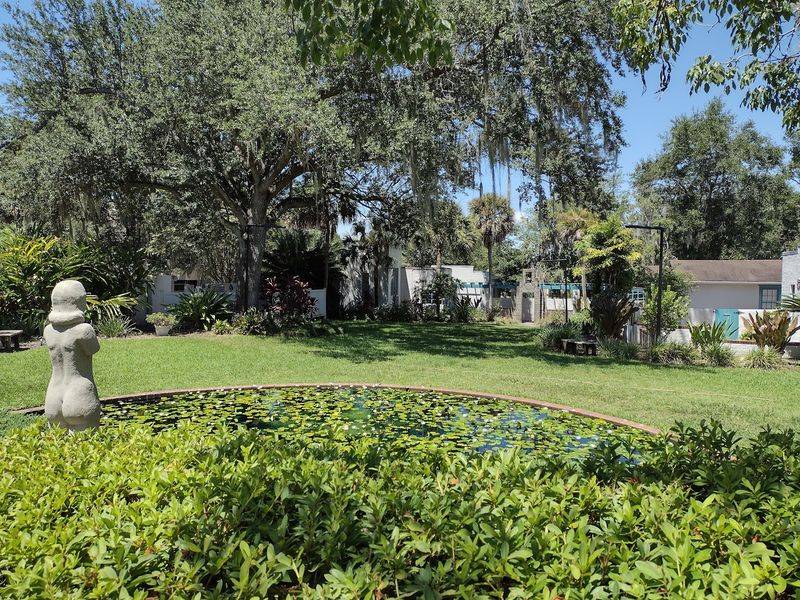
More than any single exhibit, the mood is what people remember. The whole campus carries a peaceful, almost hidden-away feeling that sets it apart from the usual tourist stops.
Regulars describe the energy as calm and special, the sort of place where you naturally relax. Even on cloudy or drizzly days, the quiet charm holds up.
It suits a wide range of visitors. Photographers, history buffs, art lovers, students practicing English on a guided tour, and anyone wanting a low-key afternoon all find something to enjoy here.
The staff play a big role in that welcome. Friendly and knowledgeable, they answer questions with genuine interest rather than a scripted routine.
Because it feels less like a busy attraction and more like a tucked-away creative space, it rewards the curious. People who stumble in by chance often leave planning a return trip.
Planning Your Visit: Hours, Prices, and Tips
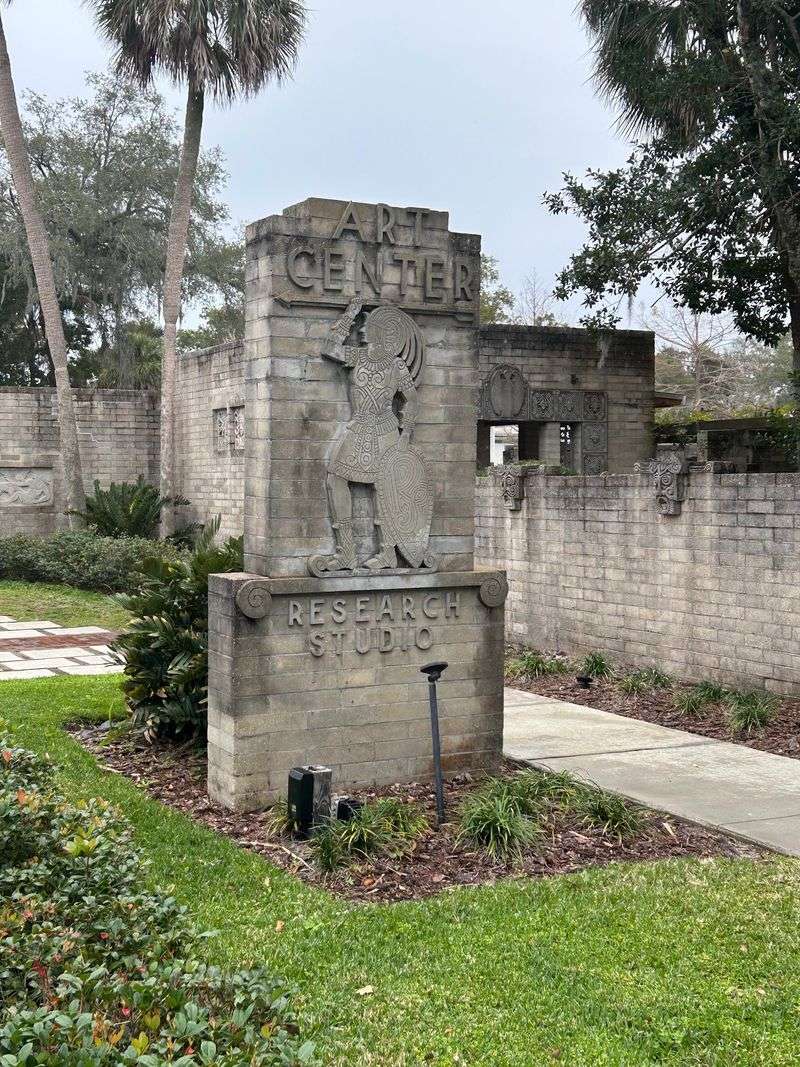
Ready to go? Here are the practical details worth knowing before you head to 231 W Packwood Ave in Maitland.
The museums open 11 AM to 4 PM on Wednesday, Thursday, Friday, Saturday, Sunday, and Tuesday, and stay closed on Monday. Admission runs about $6 for adults, with $5 for seniors and children ages 5 to 17.
Students from UCF, Valencia, and Seminole, plus military and veterans, get in free. Part of the grounds can also be enjoyed at no cost, and the Mayan courtyard across the street stays open to the public until 4pm.
Parking is described as convenient and plentiful, and the restrooms are clean and accessible. Plan for roughly one to two hours to see the galleries at an easy pace.
A few extra notes: the galleries were closed on at least one past Wednesday, so calling ahead helps. Special events run on the last Wednesday of each month from 5:30 to 8:00 PM, and professional photo sessions on the grounds require a reservation.
Art classes and memberships are available too, at artandhistory.org.