
Affiliate disclosure: As an Amazon Associate I earn from qualifying purchases. Learn more
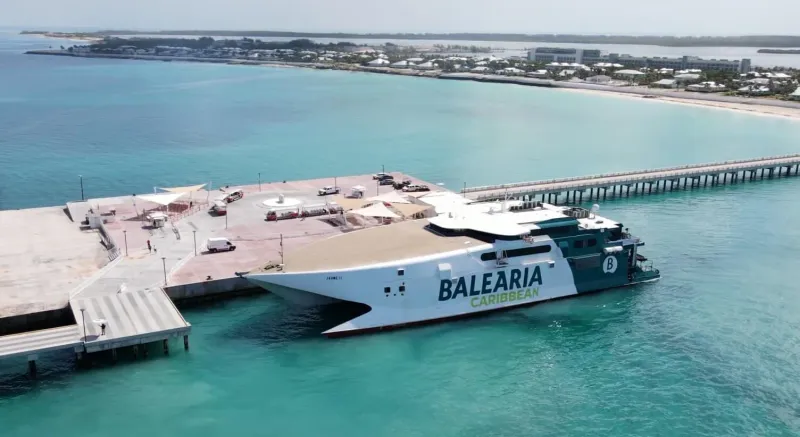
Most people assume getting to the Bahamas means booking a cruise or catching a flight, but there is a high-speed ferry from Fort Lauderdale that takes you to Bimini in about two hours of sailing time. Balearia Caribbean operates this route out of Port Everglades, and on eligible dates it even sells same-day round-trip tickets so you can be back in South Florida by evening.
The catch is that this is a real international trip with passports, border crossings, and a strict timetable, not a casual boat ride. Understanding how the route actually works will help you decide whether it fits your schedule, your location, and your travel style.
Bimini—not the whole Bahamas—is the two-hour destination
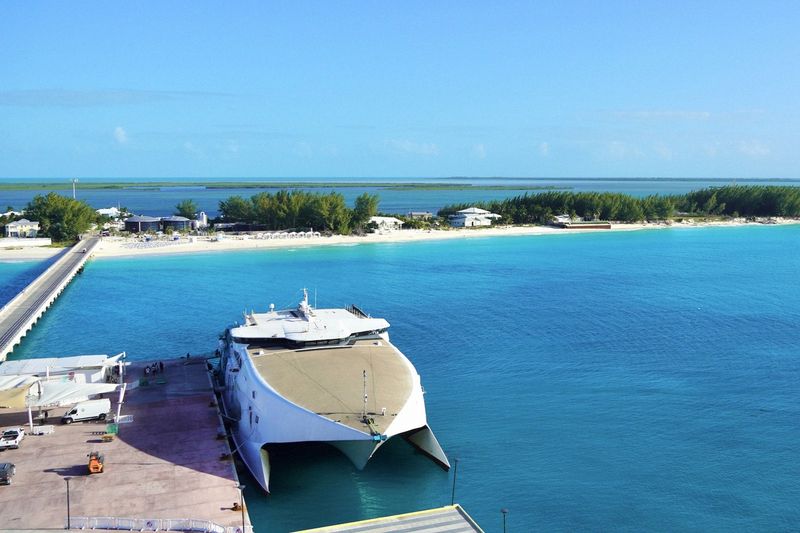
A lot of travel chatter frames this route as a quick hop to “the Bahamas,” and that framing is worth tightening before you book anything. Balearia Caribbean’s Fort Lauderdale to Bimini route page documents an approximately two-hour sailing time from Port Everglades to Fisherman’s Village and Bimini Bay in North Bimini.
That is one specific island, not a gateway to Nassau, Exuma, or any other Bahamian destination you might have in mind.
Balearia does list additional routes on its routes and schedules page, including a Fort Lauderdale to Grand Bahama/Freeport service. The two-hour sailing figure, however, is specifically tied to the Bimini crossing.
Applying that number to Freeport or any other route would be a guess, not a fact, so confirm crossing times directly with the operator for whichever route you are considering.
The two-hour figure itself refers to approximate sailing time on the water. Your actual day starts well before the boat leaves and ends well after it docks.
Getting to the port, clearing check-in and security, boarding, crossing, clearing Bahamian immigration on arrival, finding local transportation, and then reversing all of that for the return all add time on both ends. The operator’s day-trip offer does include a same-day round trip on eligible dates, which is genuinely appealing, but the schedule is tighter than the headline sailing time suggests.
Treat the two hours as the crossing window, not the total time between leaving your driveway and stepping onto a Bimini beach.
Where do you actually board?

Port Everglades is the departure point, and Balearia Caribbean lists its terminal address as Terminal 21, 2021 Eller Drive, Fort Lauderdale, Florida. Before you plug that into your GPS and head out, the operator notes that the terminal number can change, so confirming the exact terminal assignment before your departure date is a genuinely useful step rather than optional fine print.
For travelers already living in or visiting Fort Lauderdale, Miami, Boca Raton, or nearby South Florida communities, Port Everglades sits within a manageable drive. That convenience is a real part of what makes the route interesting as a regional escape.
The picture looks different, though, if you are coming from farther away. A traveler based in Orlando is looking at roughly a three-to-four hour drive each way before the ferry even enters the picture.
Tampa, the Florida Keys, or the Panhandle add even more road time. Calling this an easy trip for all Floridians would miss the point: it works best as a South Florida option.
Early arrival at the port is not optional padding in your itinerary. Balearia’s port guidance specifies a three-hour check-in window and states that terminal doors close one hour before departure.
Factor in parking or rideshare logistics, security screening, and the time needed to process your travel documents at the terminal, and you will want to build in a comfortable buffer well beyond that one-hour cutoff. Missing the boarding window on an international ferry is a far more complicated problem than missing a domestic flight, so treat that check-in guidance as a hard deadline rather than a suggestion.
Confirm the terminal details on the route page as your sailing date approaches.
A same-day visit runs on the ferry’s timetable
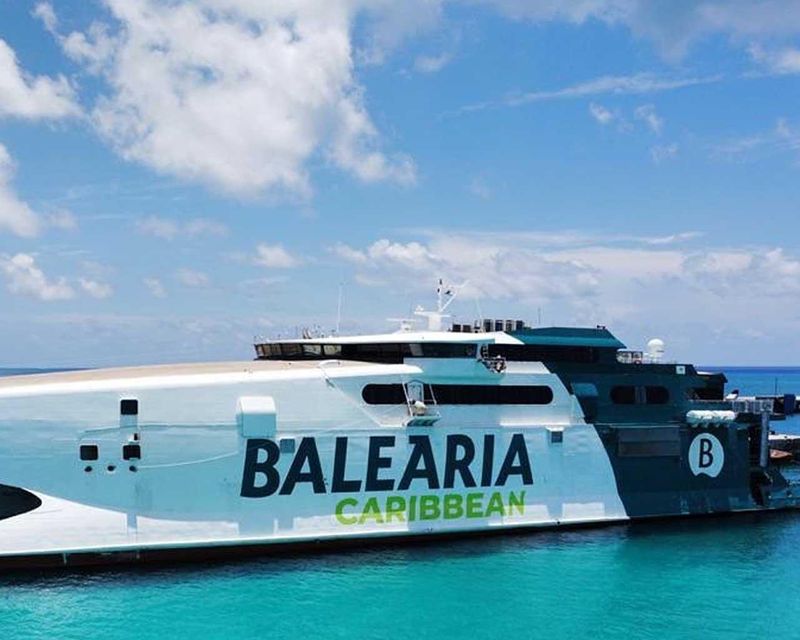
The day-trip format Balearia Caribbean markets is straightforward on paper: a morning departure from Port Everglades, time on Bimini, and an evening return sailing on the same day. The operator’s day-trip offer page describes a window of up to approximately eight hours on the island.
For a day trip to another country, that is a reasonable amount of time, but the phrase “up to approximately eight hours” carries real meaning that shapes your expectations before you book.
Those eight hours run from when the ferry docks in Bimini, not from when you leave your house. Disembarkation takes time, and then you must clear Bahamian immigration before you can walk freely on the island.
The Government of The Bahamas arrival process requires all visitors to pass through immigration on arrival, and the line length varies by how many passengers arrived on the same crossing. Add the time needed to arrange local transportation in Bimini, whether that is a golf cart rental or a shuttle, and your usable leisure window shrinks before you have taken a single step on the beach.
The same logic applies at the end of the day. You need to be back at the Bimini terminal with enough time to check in for the return sailing, clear any departure procedures, and board before the doors close.
The port check-in guidance applies in both directions. Any delay on the island, whether from a long lunch, slow transportation, or an unexpected queue, eats directly into your boarding margin.
The bigger planning point is that same-day service is not available on every date. The booking calendar determines which sailing dates support a round trip, and availability is limited.
Check the system for your specific date rather than assuming the ferry runs daily or that every departure includes a same-day return option. Locking in your date early gives you the best chance of finding the schedule that fits your plans.
What documents get you across the border?
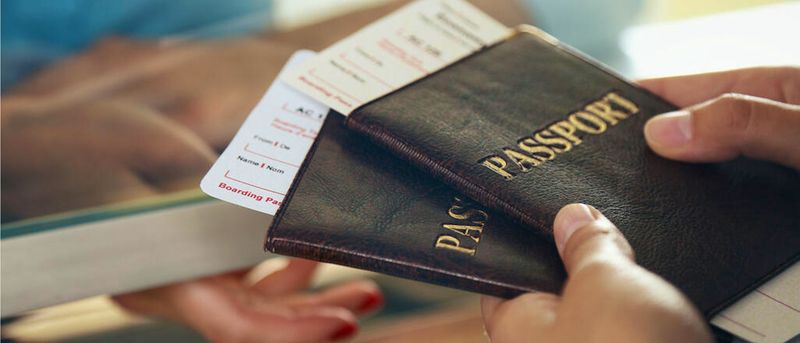
Boarding the ferry to Bimini is not like taking a water taxi across a bay. This is international travel, and the document requirements reflect that fully.
U.S. citizens generally need a valid passport to enter The Bahamas, along with evidence of onward or return travel such as your return ferry ticket. The State Department’s Bahamas travel information page outlines these requirements and notes that travelers should confirm current rules, since entry requirements can change.
Verify what applies to your specific situation with the ferry operator, Bahamian immigration authorities, and CBP before you finalize your booking.
A common misconception is that a same-day return trip removes the passport requirement. It does not.
Returning the same evening does not make this a domestic trip. You are crossing an international border in both directions, and border officials on both sides will check your documents regardless of how long you spent on the island.
On the return side, U.S. citizens must present a WHTI-compliant document to re-enter the United States by sea. CBP’s guidance on acceptable documents for sea travel lists a U.S. passport book and a U.S. passport card among the options.
Both can technically satisfy the sea-entry requirement, but a passport book offers an important practical advantage: if something goes wrong on the island and you need to fly home rather than return by ferry, a passport card is not accepted for international air travel. State Department cruise and sea travel guidance makes this distinction clear.
Carrying a passport book gives you more options if an emergency changes your plans.
On arrival in Bimini, you will clear Bahamian immigration before accessing the island. On the return trip, you will go through U.S. customs procedures before re-entering the country.
The Bahamas arrivals and departures page covers what visitors should expect at the border. Build those processing steps into your time estimate for both legs of the journey, and make sure your passport is valid well beyond your travel dates since many countries require validity extending past your planned return.
Bimini offers a compact island day
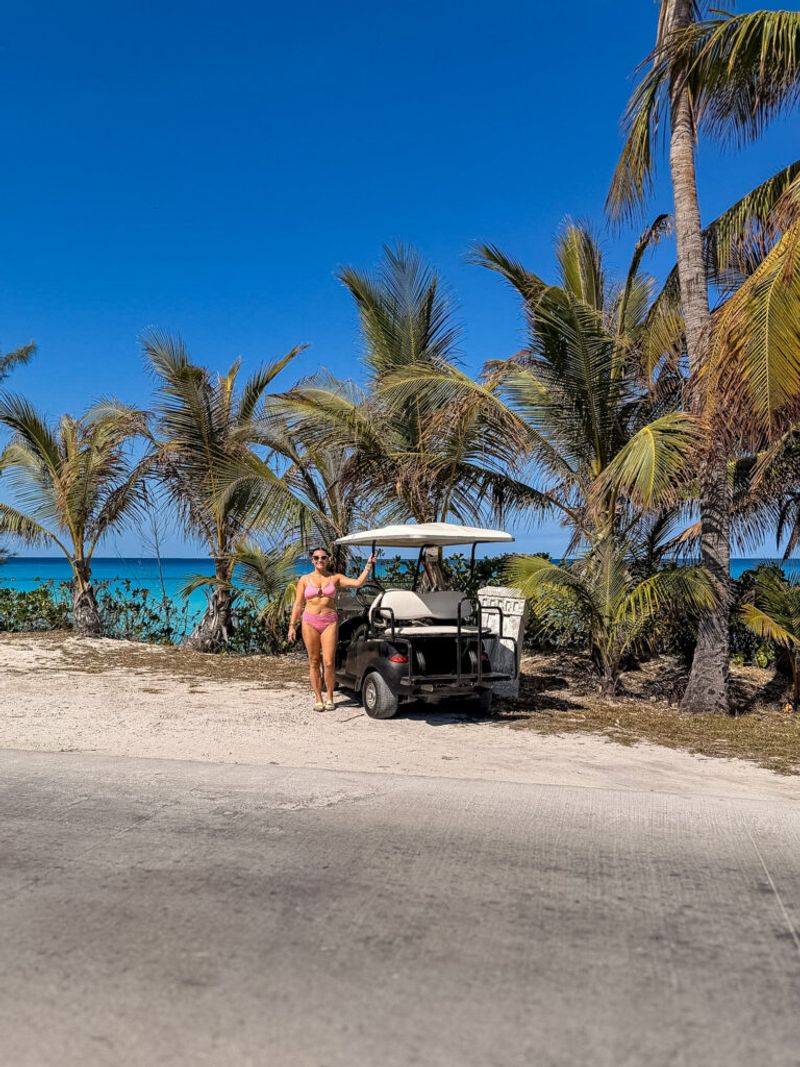
North Bimini is small, and that is actually part of its appeal for a day trip. The island is compact enough to cover meaningfully in a few hours, which suits the ferry schedule better than a larger destination would.
The ferry arrives at Fisherman’s Village and Bimini Bay, putting you near the water right away. From there, the options depend on your booking, your budget, and what time you actually clear immigration and arrange transportation.
Golf cart rentals are a popular way to get around the island, and the operator’s Bimini route page and day-trip offer highlight activities including beach time, snorkeling, and island exploration. Some booking packages also include resort access.
These are marketed options and possibilities, not automatic inclusions with every ticket. Read your specific booking carefully to understand what is covered and what you will pay for separately on the island.
Weather matters more on a small island than it might at a larger resort. A rainy or rough-weather day compresses your activity options considerably, and there is no refund on your ferry ticket because the sky did not cooperate.
Snorkeling in particular depends on water clarity and conditions, which vary. Checking the forecast before you travel and having a flexible plan for how you will spend your time on the island makes the day more enjoyable regardless of what conditions you find.
The most honest way to frame a Bimini day trip is as a focused, activity-driven experience rather than a leisurely resort stay. You will have a few productive hours on the island if everything runs on schedule.
Travelers who arrive with a clear idea of one or two things they want to do, whether that is a beach walk, a snorkel session, or lunch at a waterfront spot, tend to leave more satisfied than those expecting an open-ended beach vacation compressed into a single afternoon.
Motion-sickness planning belongs in the itinerary
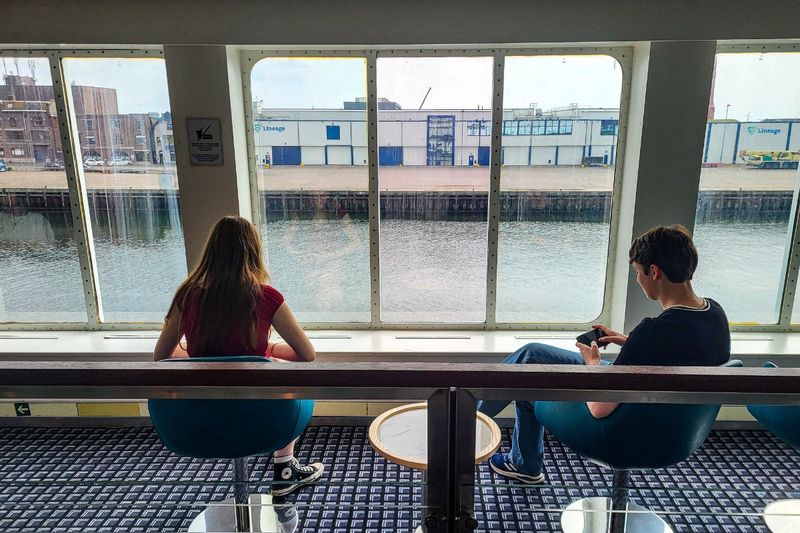
Fast ferries move differently from large cruise ships. The hull design that allows high speed also means the vessel responds more noticeably to swells, and the Florida Straits between Fort Lauderdale and Bimini can produce choppy conditions depending on the season and weather.
Traveler reviews of this crossing include accounts of rough passages, so treating motion sickness as a realistic planning consideration rather than a remote possibility is the smarter approach.
CDC guidance on motion sickness recommends several practical strategies that cost nothing and can reduce discomfort during a crossing. Choosing a seat with a clear view of the horizon helps your visual system stay oriented.
Avoiding reading, screens, or excessive head movement during the crossing also reduces the sensory mismatch that triggers nausea. Staying well hydrated before and during the trip and limiting alcohol consumption are additional steps that support your body during the crossing.
For travelers who know they are prone to motion sickness, the CDC Yellow Book chapter on motion sickness notes that preventive medication can be effective but that common options carry a sedation side effect that may affect your alertness for the rest of the day. Discussing medication options with a healthcare professional before your trip is the right step, particularly if you are considering medication for children, since dosing and suitability require appropriate medical guidance.
Do not assume that an over-the-counter option is automatically appropriate for every traveler in your group.
Taking a small practical step before the ferry departs, such as eating a light meal rather than a heavy one and boarding early enough to secure a good seat position, puts you in better shape for the crossing regardless of conditions. A two-hour passage that leaves you feeling unwell cuts into the island time you planned for, so the preparation is worth the small effort.
The shortcut works when you verify the details
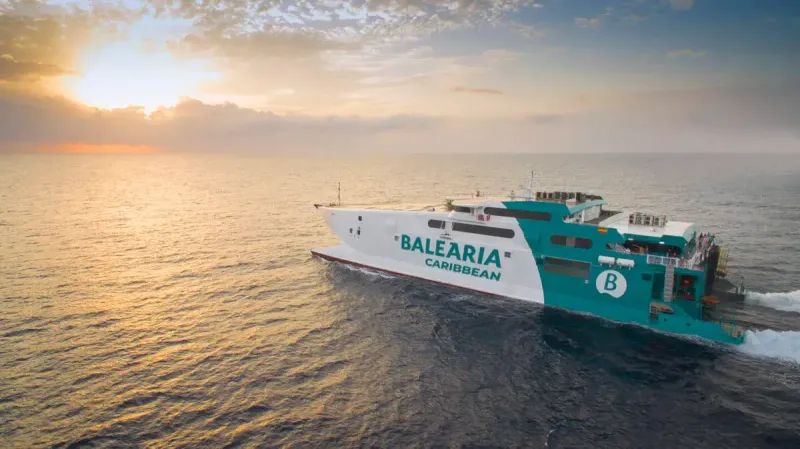
For travelers already in South Florida, the Balearia Caribbean ferry to Bimini is a genuinely interesting option. The Fort Lauderdale to Bimini route puts an international destination within a manageable day’s effort for anyone who can meet the early check-in, clear the border in both directions, and catch the evening return.
That is a real and uncommon thing to be able to say about a South Florida day trip.
Travelers coming from farther away in Florida need to weigh the drive time honestly. A round trip that adds six or more hours of driving to an already tightly scheduled international crossing is a different kind of day than the headline implies.
The ferry works best as a regional escape, not a statewide one.
Before booking, run through this checklist. Confirm your sailing date and return availability in the booking calendar.
Verify the current terminal number and check-in requirements at Port Everglades. Check fares, fees, and any promotional conditions for your specific date, since prices vary and are not fixed.
Confirm that your passport book is valid and that you have your return ticket as proof of onward travel. Review current Bahamian entry requirements and CBP re-entry rules.
And remind yourself that the two-hour figure is the approximate crossing time, not the total time from your front door to the beach. The trip rewards people who do the homework first.