
Affiliate disclosure: As an Amazon Associate I earn from qualifying purchases. Learn more
A short drive north of Gainesville hides a quiet stretch of North Central Florida woods where the loudest sound is your own footsteps. Beech trees, a tiny waterfall, and miles of easy loops wait for anyone who wants a calm morning outdoors without spending a dime.
Some regulars love it so much they only half-jokingly beg others to stay away and keep it a secret. That is exactly the kind of spot worth talking about.
What follows is a full look at the trails, the wildlife, the practical tips, and the reasons this peaceful preserve earns such loyal fans year after year.
Finding the Trailhead Off County Road 241
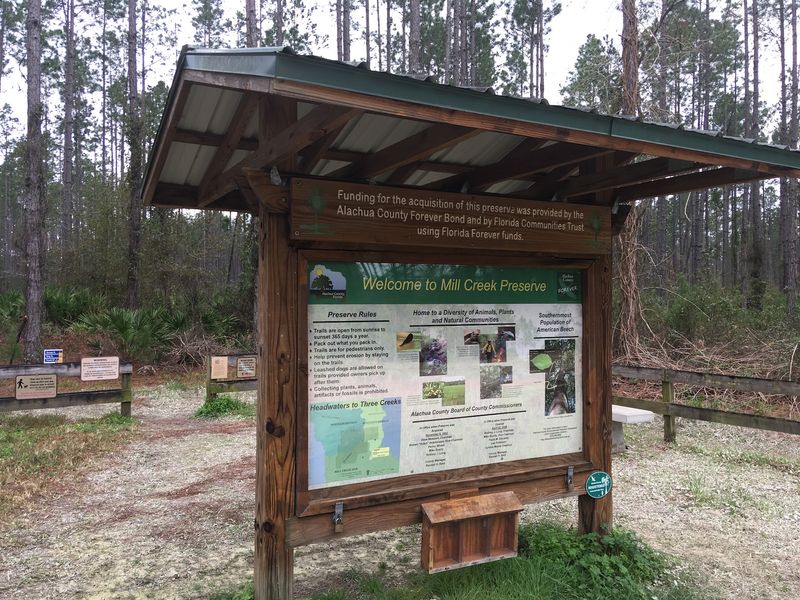
Tucked between rural roads in Alachua, Florida, the destination in question is Mill Creek Preserve, with parking off 241 near NW County Road 236, Alachua, FL 32615.
The turnoff feels secluded, set well back from the main road, which is part of the appeal. The small parking lot includes a handicap space, and even on a busy weekend there is usually room to pull in.
A kiosk at the trailhead greets you with a clear overview of the property. Full color printed brochures with maps are stocked there, so you can plan your loop before your shoes hit the dirt.
The preserve is managed by Alachua County Parks, and its rural setting keeps crowds thin. That quiet is exactly why so many people keep coming back to this stretch of woods.
A Web of Loops for Every Pace
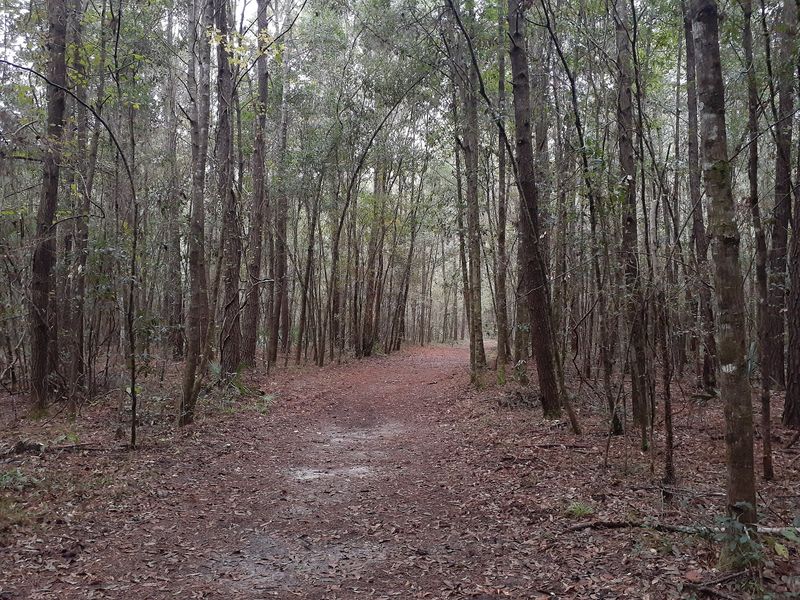
Four conjoined trails make up the heart of this preserve, and they connect in ways that let you build the walk you want.
Loops range from a quick half mile all the way up to more than three miles. No single combination feels difficult, since the terrain stays flat and forgiving for most of the route.
Many of the paths are quite wide, running roughly fifteen to twenty-five feet across, which makes navigation simple. The markings are clear enough that getting truly lost would take real effort.
Beginners can settle for the short half-mile loop and feel accomplished. Anyone wanting a longer outing can string paths together for a solid half day of exploring.
That flexibility is a big reason families, dog owners, and casual walkers all find something here that fits their energy level.
The Beech Trees and the Oak Hammock
One standout feature earns mention again and again: the beech trees along the Hammock trail.
The oak hammock section trades the wide, easy lanes for a narrower footpath, roughly two to five feet across. It can be a little harder to follow in spots, which adds a touch of adventure without real risk.
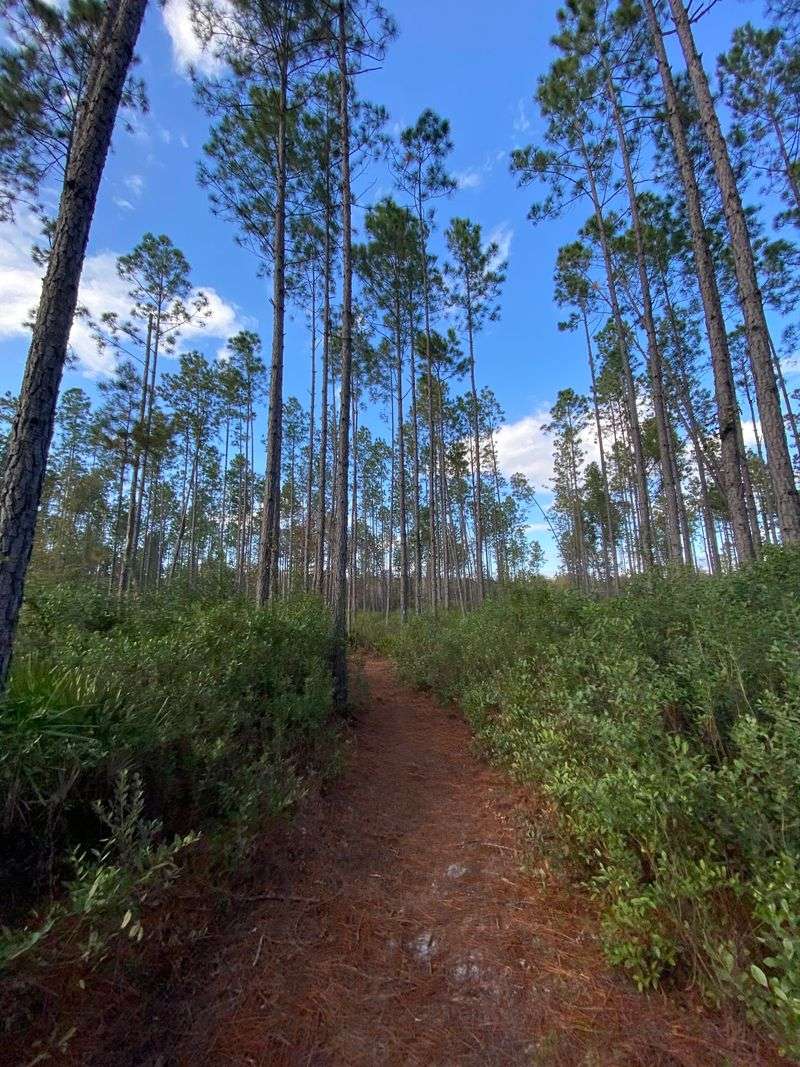
Walking deeper into the preserve reveals a shift in scenery. Flatwood pines gradually give way to shaded oak hammocks, so the landscape keeps changing as you go.
These pockets of different habitat act like small ecological islands within one property. It makes a short hike feel far more varied than the mileage suggests.
For anyone who enjoys noticing how a forest transforms step by step, this contrast is quietly rewarding.
The Creek and Its Little Waterfall
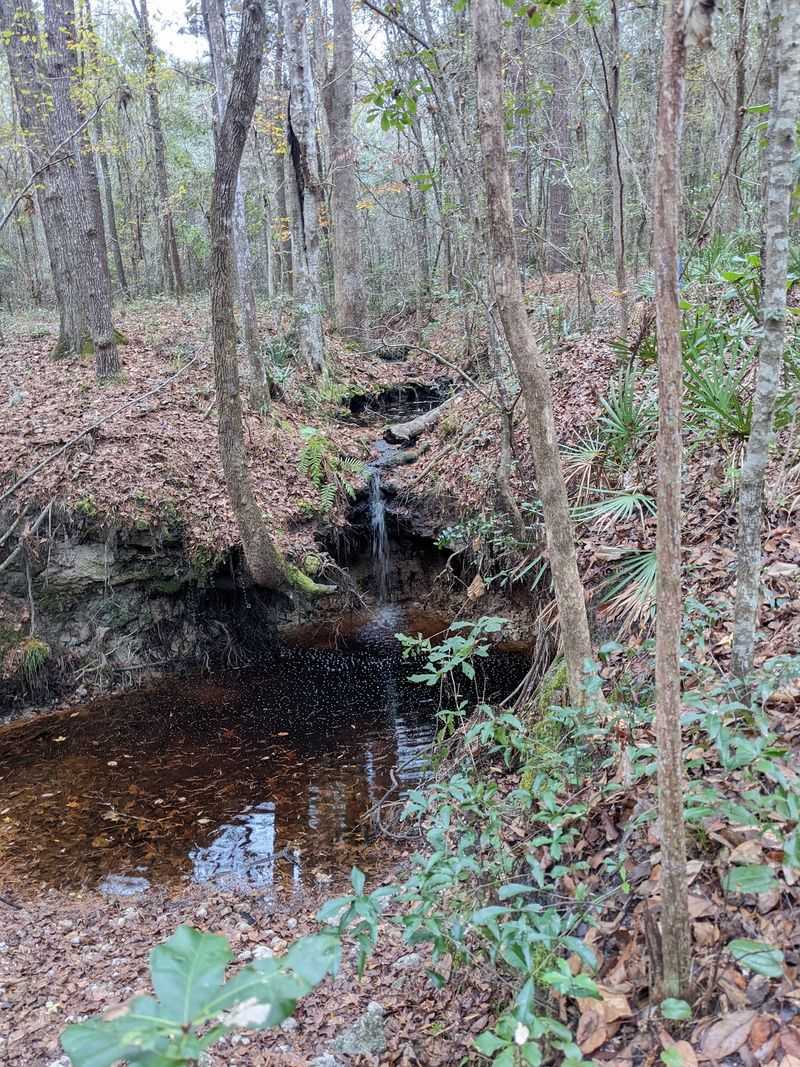
Less than a mile into the trails, a creek reveals one of the property’s best surprises: a small waterfall.
A bench sits nearby, giving you a place to rest and take in the flowing water. After rain, the little falls run noticeably more, adding some extra motion to the scene.
Small bridges cross portions of the creek along the way, and the water views break up the wooded stretches nicely. It is a modest feature, but a genuinely charming one.
Regulars point to this spot as a highlight worth the short walk in. The gentle sound of moving water makes it a natural pause point on any loop.
Do keep in mind that during very dry stretches the creek can run low, so timing your visit after some rainfall pays off.
Wildlife You Might Spot Along the Way

Frequent walkers have logged an impressive roster of animals here over the years.
Gopher tortoises, white-tailed deer, vultures, woodpeckers, and owls all turn up for patient observers. Countless fungi and insect species round out the living picture.
The preserve stays quiet enough that wildlife feels comfortable, which improves your odds of a good sighting. Early and calm outings tend to work best for this.
Nature does come with a few small caveats. Banana spiders occasionally stretch their webs across the paths, so a light stick or a careful eye helps you avoid a face full of silk.
Treating these encounters as part of the fun keeps the mood light. Bring a little patience and the forest tends to reward it.
Bring the Dog, Keep the Leash
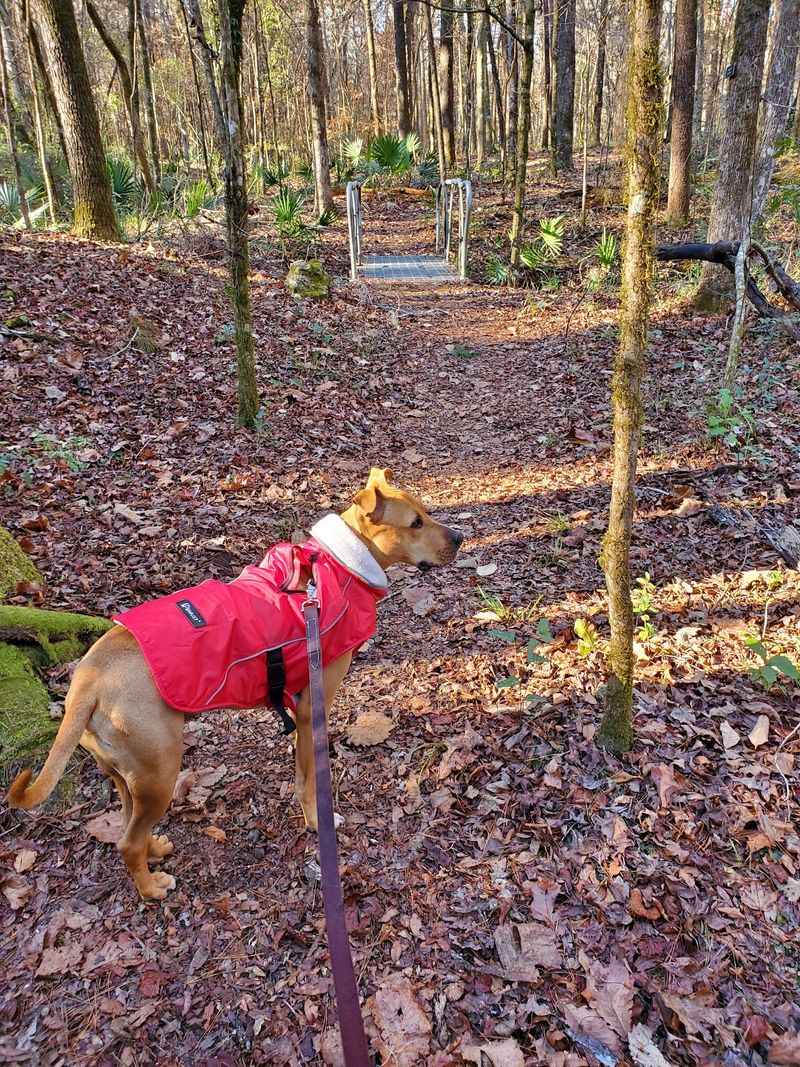
Four-legged companions are more than welcome on these trails, and plenty of locals treat the place as a favorite dog-walking route.
The rule is simple: dogs must stay leashed to protect the local wildlife. Owners are also asked to bag and remove waste to keep the property clean.
A trash can waits at the entrance, but there are none along the trail. That means packing out whatever you pack in, for both you and your pet.
The wide, flat paths give dogs plenty of room to stretch their legs comfortably. With so few people around on most days, it feels relaxed for both ends of the leash.
Responsible visitors help keep this a spot where dogs remain a happy part of the experience.
Well-Kept Paths and Controlled Burns
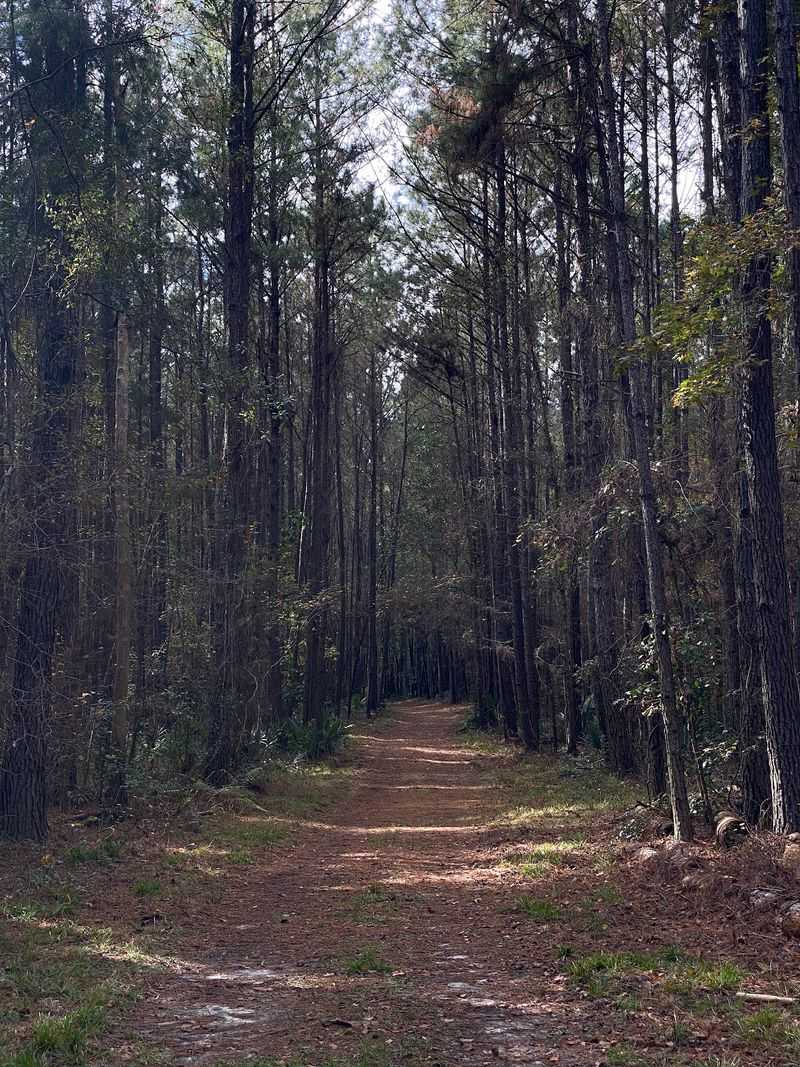
Maintenance is one of the most praised parts of the whole preserve.
The trails are clearly marked, cleaned, and supported, with signs of regular mowing and upkeep. That attention keeps even the narrower hammock path walkable.
Land managers occasionally run controlled burns as part of caring for the ecosystem. Right after one, the ground can look a little crispy, though fresh greenery bounces back quickly.
Because erosion is a real concern here, the trails stay closed to horses and bikes. Keeping foot traffic only helps the paths hold up over time.
The result is a property that feels cared for rather than forgotten. That steady stewardship is a quiet reason the trails stay in such good shape season after season.
What to Pack and When to Go
A few smart preparations turn a decent visit into a great one.
Summer brings mosquitoes, especially in shaded stretches, so bug spray is close to essential from June onward. Ticks are also common, and checking your shoes and clothing afterward is a wise habit.
Cooler months tend to be the most comfortable, with fewer insects and easier walking. Many regulars prefer the colder season for exactly that reason.
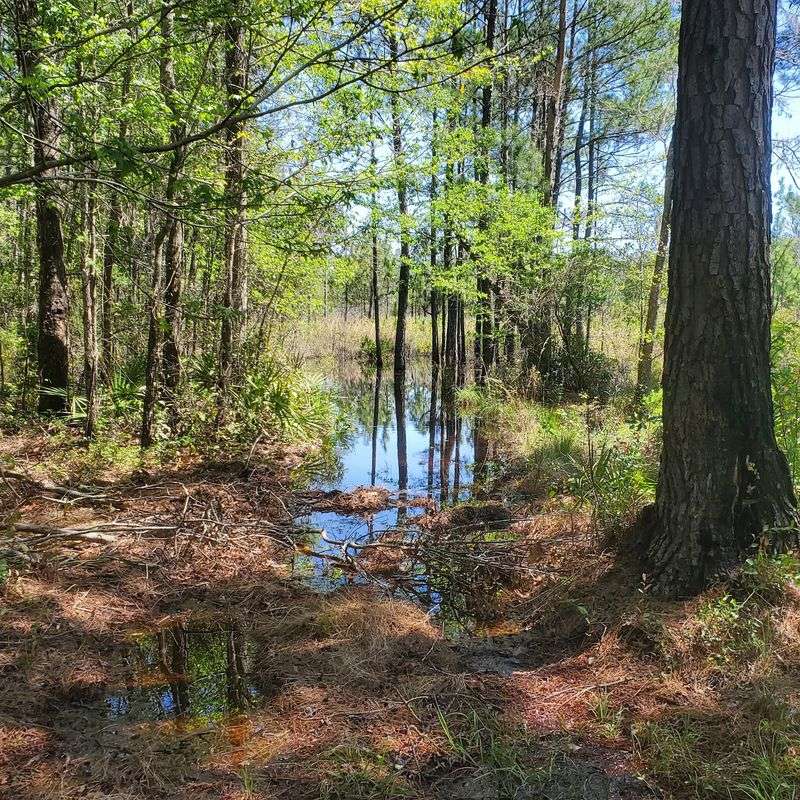
After heavy rain, portions of the trail can get mucky, and some low areas may hold water. Water shoes or a day or two of drying time solve most of that.
Two practical notes stand out: there are no public restrooms, and signage marking exits can be sparse in places. Plan accordingly and the outing stays smooth.
Why This Quiet Spot Wins Loyal Fans
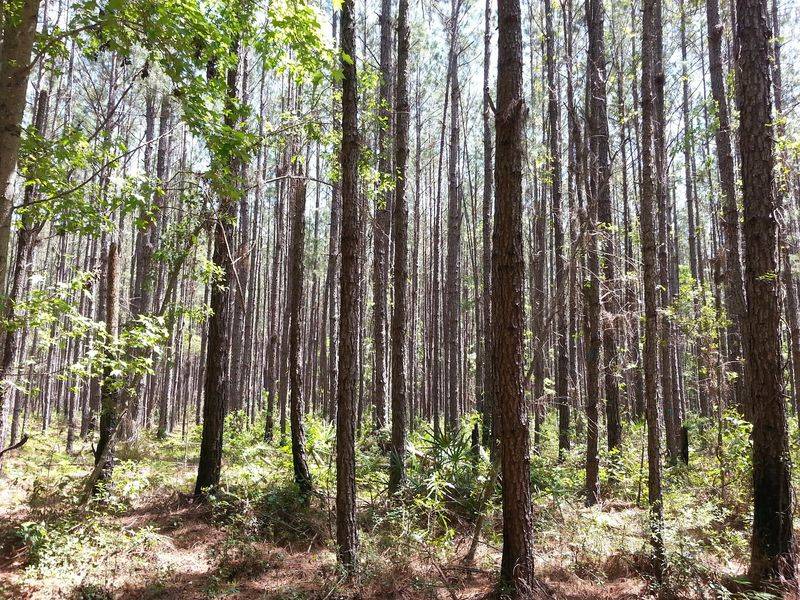
Peace and solitude are the real draw here, and the preserve delivers both generously.
Holding a 4.5-star mark across more than one hundred reviews, it clearly resonates with the people who find it. Many days you might share the trails with only a stray dog walker or a bird watcher.
One local half-jokingly begged others to stay away, calling it a little secret and treasuring the tranquility. That kind of protective affection says plenty about the place.
Free to enter, easy to walk, and rich with small wonders like the waterfall and beech trees, it rewards low expectations with genuine calm. It suits families, solo walkers, and anyone needing a break from the road.
For a quiet half day in the woods north of Gainesville, Mill Creek Preserve makes a strong and affordable case for itself.