
Affiliate disclosure: As an Amazon Associate I earn from qualifying purchases. Learn more
A short walk down a tree-lined avenue in Central Florida hides a place where glass glows in colors most people never knew were possible. More than 30 rooms hold lamps, mosaics, and a restored chapel that first turned heads at the 1893 Chicago World’s Fair.
Admission starts at just a few dollars, and on certain evenings it costs nothing at all. Best of all, the space stays quiet enough to slow down and really look.
What follows is a room-by-room look at why this small museum keeps drawing crowds, from its founding story to the free Friday nights that make it one of the best low-cost outings near Orlando.
A Quiet Address on Park Avenue
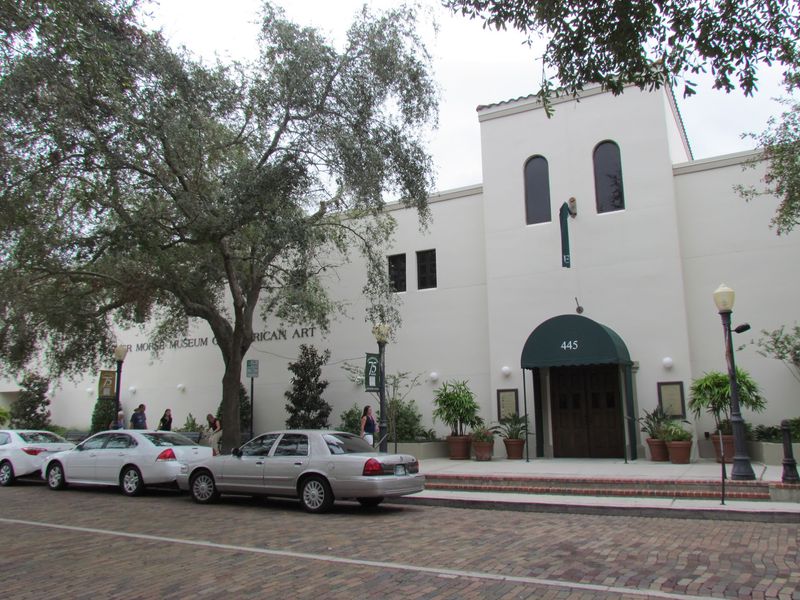
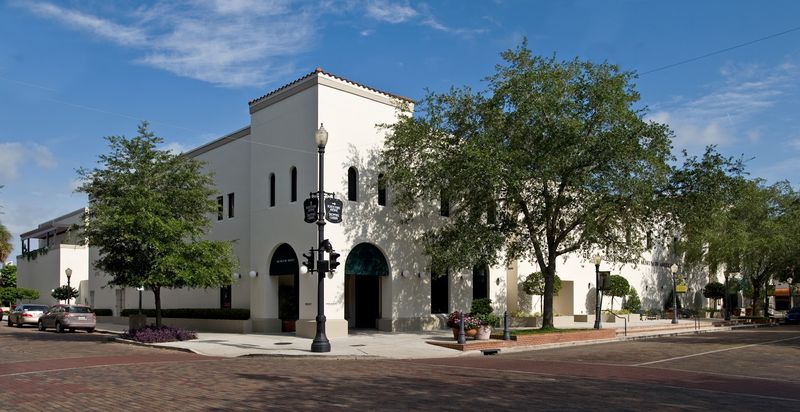
Right in the heart of Winter Park, at 445 N Park Ave, Winter Park, FL 32789, sits a museum that punches far above its size. The address places it steps from one of the busiest and prettiest streets in Central Florida, minutes north of downtown Orlando.
The building itself keeps a low profile from the sidewalk. What waits inside is anything but quiet in feeling, with more than 30 rooms stretching farther than most first-timers expect.
The full name is a mouthful. The Charles Hosmer Morse Museum of American Art earns its long title by housing the world’s most comprehensive collection of works by Louis Comfort Tiffany.
Guests routinely mention being surprised by the scale. An hour barely scratches the surface, and many plan to return before they even reach the exit.
Park Avenue makes the trip easy to pair with a stroll, a boat ride, or a leisurely afternoon nearby. That location, tucked into a walkable district yet packed with world-class art, is exactly what makes the place feel like a well-kept secret.
The McKeans and a Half-Century of Collecting
Behind every great collection is someone who refused to let it scatter. Jeannette Genius McKean founded the museum in 1942 and named it for her grandfather, Chicago industrialist and Winter Park philanthropist Charles Hosmer Morse.
Together with her husband, Hugh F. McKean, she spent roughly half a century gathering the pieces on display.
Hugh served as the museum’s director until 1995, shaping the collection with a collector’s patience and a scholar’s eye.
The couple’s dedication explains why the galleries feel so complete rather than random. Lamps, jewelry, glass, and decorative objects were pulled together over decades, not assembled overnight.
Louis Comfort Tiffany was the son of Charles Lewis Tiffany, founder of the famous jewelry firm Tiffany and Co. The younger Tiffany built his own reputation as an artist and art director, driving the design and technical work behind his studio’s output.
He once reportedly said, “Go after the money there is in art, but the art will be there just the same.” That blend of ambition and craft runs through every room the McKeans preserved for the public.
The Tiffany Chapel That Started at a World’s Fair
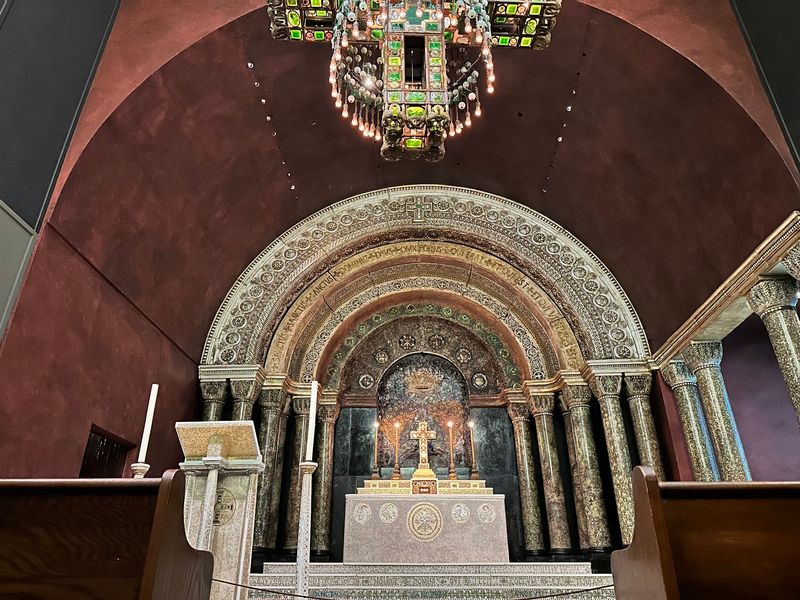
Of everything under this roof, one space earns the most attention by far. The restored Tiffany Chapel, built for the 1893 World’s Columbian Exposition in Chicago, stands as the undeniable centerpiece.
The chapel’s altar and chandelier survived more than a century and now anchor a room mentioned in review after review. It shows up in guest feedback more than 130 times, which says plenty about its pull.
Taking a seat inside is described by many as a powerful, almost solemn experience. The craftsmanship and the depth of artistic intent become obvious the moment you settle into the space.
Light, color, and mosaic detail all come together here in a way that photos struggle to capture. That is a common refrain among those who try to snap a picture and end up putting the phone away.
For anyone tracing the arc of American decorative arts, this single room is worth the drive on its own. It represents the very peak of what Tiffany’s studio could achieve.
Lamps, Leaded Glass, and Iridescent Color
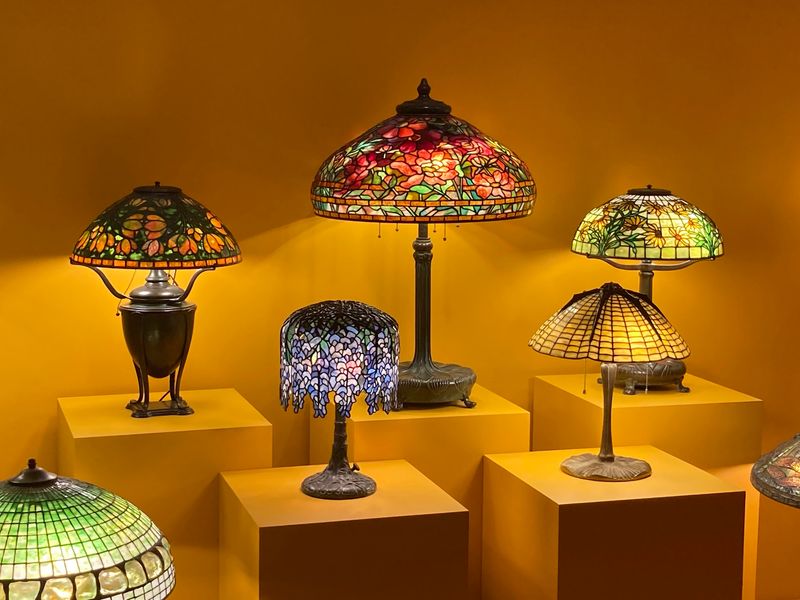
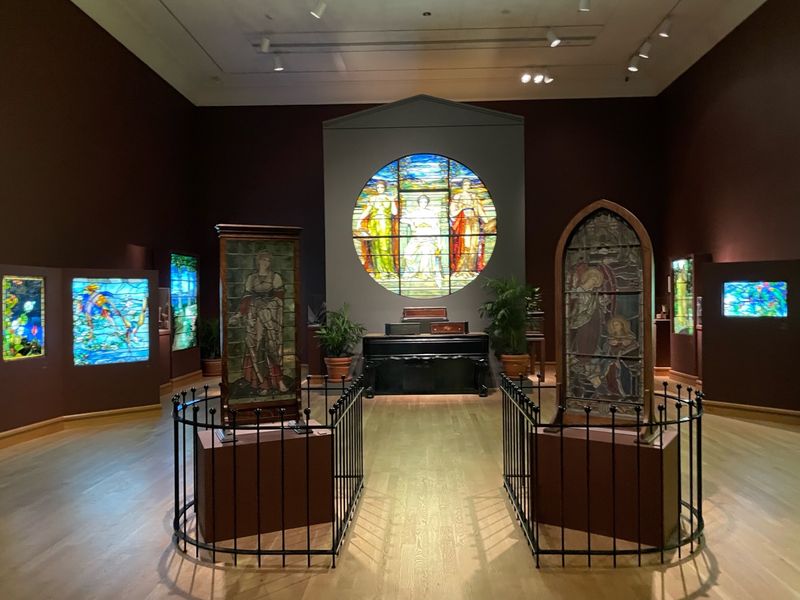
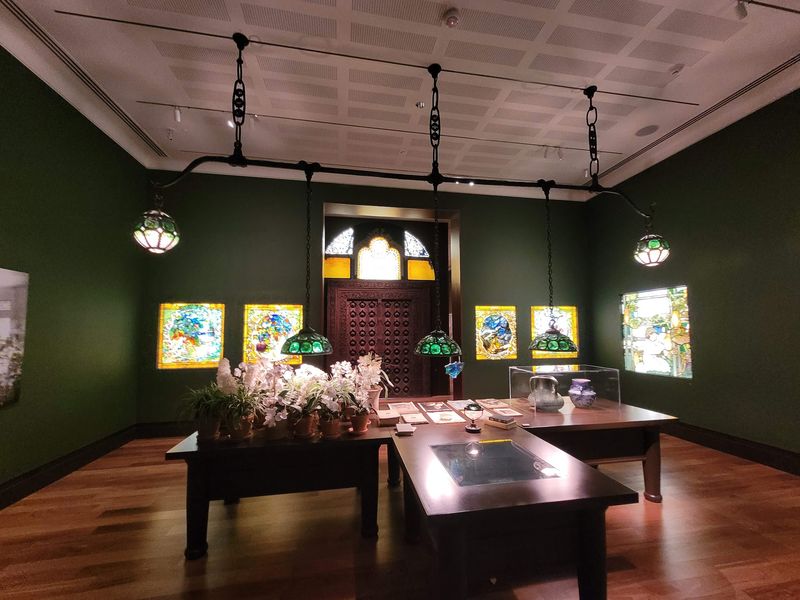
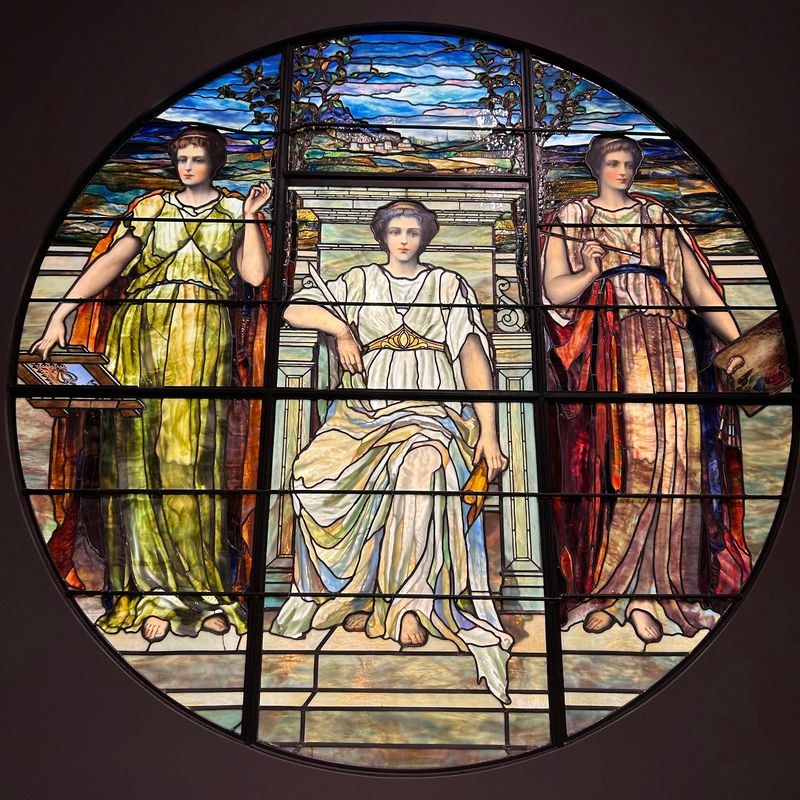
Say the name Tiffany and most people picture a glowing lamp, and this is the place to see the real thing. The galleries hold his iconic leaded-glass lamps alongside iridescent glass that shifts color as you move.
Stained glass alone comes up in guest comments more than 160 times, making it the single most talked-about feature. Glass art, mosaics, and Tiffany lamps each earn their own share of praise.
The pieces range from delicate to grand, and the lighting is arranged to let each one shine without glare. That careful presentation encourages you to slow down and study the detail work up close.
Beyond lamps, the collection includes jewelry and intricate decorative objects that reveal Tiffany’s range. He was not a one-trick artist, and the variety keeps each room feeling fresh.
Seeing this glass in person changes how you understand it. The colors and craftsmanship simply read differently under museum light than they ever could on a screen.
More Than Tiffany: Art, Pottery, and Paintings
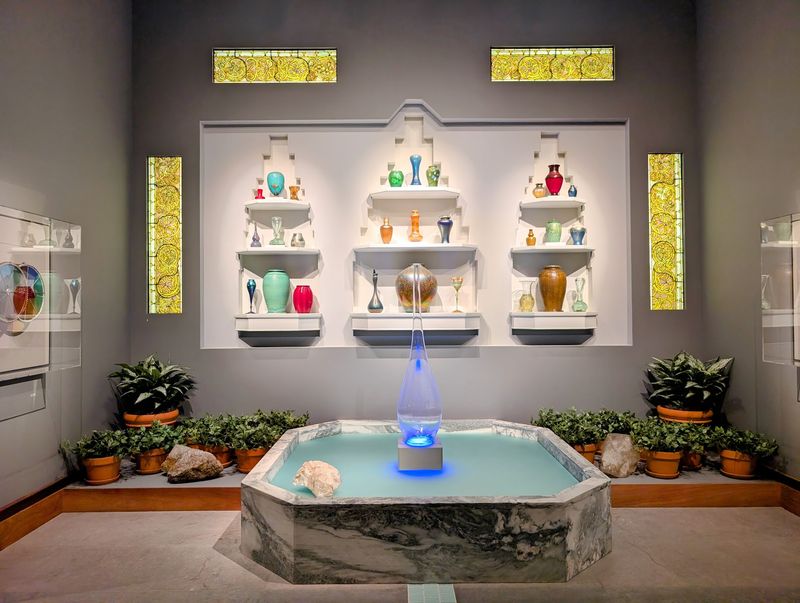
While Tiffany rightly steals the spotlight, the museum is not a one-artist show. Rooms are filled with American art pottery, graphics, paintings, and other decorative arts from around the late 19th century.
Pottery alone gets its own following, mentioned by guests more than two dozen times. The variety gives context to Tiffany’s work by showing what was happening in American design during the same era.
Some pieces come from Tiffany’s Laurelton Hall estate, adding a personal thread to the broader collection. Furniture and other artifacts round out the picture of an entire artistic movement.
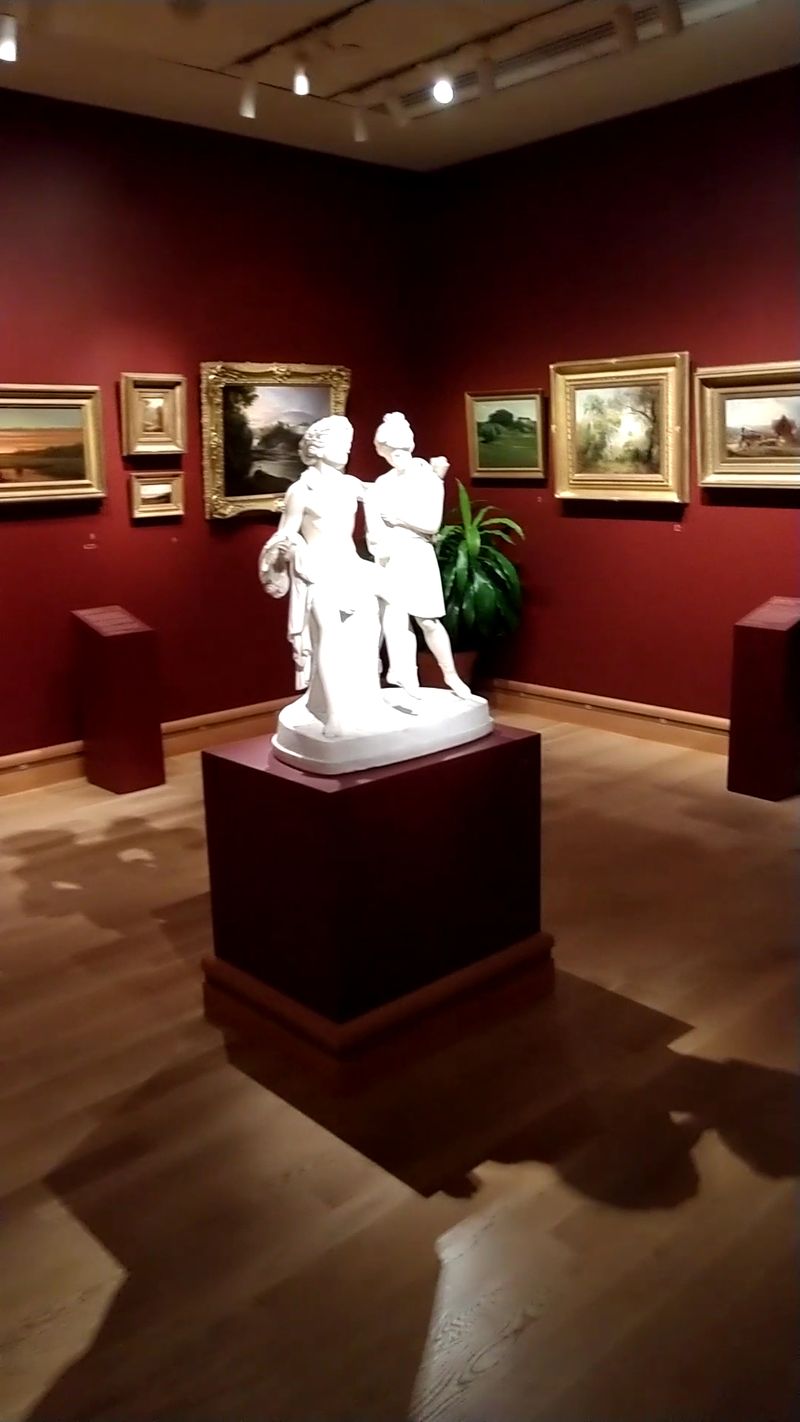
The wider American art on display surprises people who arrive expecting only glass. Many leave saying the extra rooms were interesting enough to justify a slower walk.
It all adds up to a fuller story than the marquee attraction suggests. You come for the glass and stay for a broader lesson in American craftsmanship.
A Calm Space Built for Taking Your Time
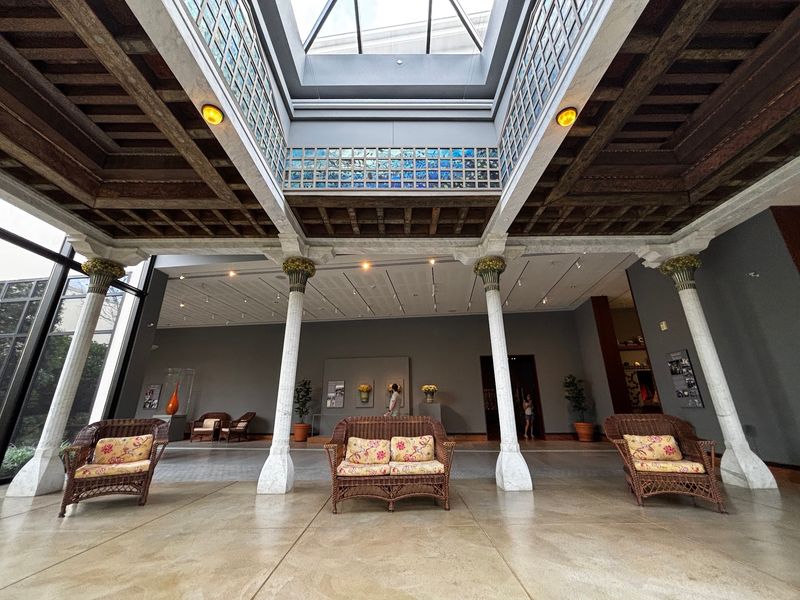
Some museums leave you frazzled, but this one does the opposite. The atmosphere is calm and unhurried, described again and again as peaceful and easy to move through.
Galleries are spread out rather than crammed, so crowds rarely feel overwhelming. That spacing lets you linger at a favorite piece without feeling rushed along.
A relaxing courtyard and garden give guests a spot to sit and reset between rooms. The large lobby offers another quiet pause point during a longer visit.
The mood suits a wide range of guests. It works for a low-cost date, a solo afternoon of art, or a family outing, since the museum is billed as family-friendly.
People looking for something delicate, beautiful, and unhurried tend to walk away planning a second trip. The peaceful pace is a big part of why this place keeps earning a 4.8-star average across more than 2,800 reviews.
Free Audio Guides and Room-by-Room Booklets
Wondering how to make sense of it all without a guide hovering nearby? The museum hands you several tools to learn at your own speed.
A complimentary cell-phone audio tour comes with your admission, so you just pull it up on your own device when you arrive. Numbers next to certain pieces line up with the audio stops.
Each room also stocks printed booklets and pamphlet guides that explain the pieces on view. QR codes offer yet another quick path to background information.
Some guests note that wall plaques beside every single item are limited, which can slow down those who prefer reading over listening. The booklets and audio are meant to fill that gap.
Guided tours with a docent are available too, adding a human touch for those who want it. Between the booklets, QR codes, and audio, there are plenty of ways to dig deeper without paying extra.
The Gift Shop Worth a Detour
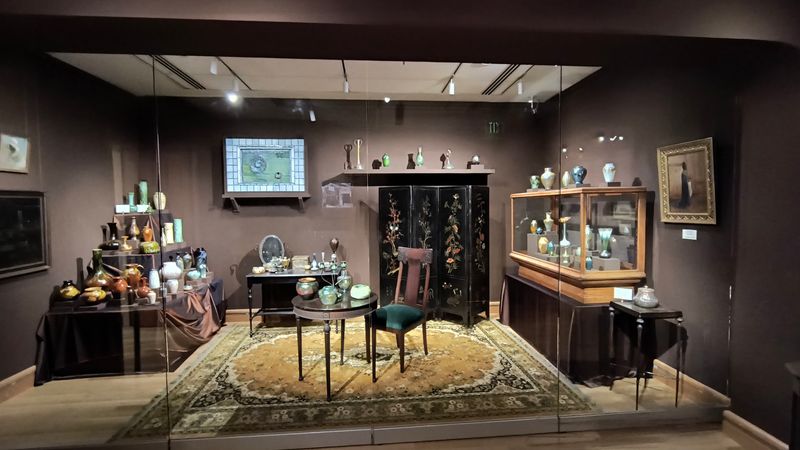
Plenty of museum shops feel like an afterthought, but not this one. The on-site store draws its own share of compliments for a well-themed selection that echoes the art in the galleries.
Shelves hold books, postcards, magnets, and gift sets at a range of prices. There is something affordable for a small keepsake and something more decadent for a splurge.
Many guests grab postcards on their way out as an easy, low-cost memento. Others describe the shop as exquisite, with useful items mixed in among the decorative ones.
The styling stays true to the Tiffany theme, so souvenirs feel connected to what you just saw. That consistency is part of why the shop gets called out so often.
Budget a few extra minutes before you leave. The store is genuinely worth a browse rather than a quick pass-through.
Hours, Prices, and Free Friday Evenings
Here is where the value really shows. Adult admission runs about $6, seniors $5, and students just $1, while children under 12 get in free.
The real headline is free entry. From November through April, the museum offers free admission on Friday evenings from 4 p.m. to 8 p.m., and it hosts free open-house events at other times, such as the holidays and the Winter Park Sidewalk Art Festival.
Regular hours run Thursday through Saturday from 9:30 a.m. to 4 p.m., with Sunday open from 1 to 4 p.m. The museum is open Tuesday and Wednesday during the same daytime window and closed on Mondays.
You can book entry ahead through the museum’s ticket system, and check-in tends to be quick and easy. Students should check the website first, since discounts can bring the price down to almost nothing.
Staff at the front desk are frequently praised for being friendly and helpful, right down to offering tips on the best photo spots. Plan at least an hour, though many find they need more.
Getting There and Parking Near the Train
Half the fun of this museum is how easy it is to fold into a Winter Park day. The building sits very close to the Winter Park train station, which makes a rail trip a smart option.
Street parking can be a headache on busy days, so many guests skip the hunt entirely. A convenient free parking garage sits right across the street as a reliable backup.
The train approach earns extra points because it drops you within a short walk of the front door. That saves the stress of circling for a spot near a popular avenue.
Its spot near Orlando means the museum pairs neatly with a longer outing. Groups often combine it with a boat ride and a meal along Park Avenue before or after the galleries.
However you arrive, the trip stays simple and low-cost. That accessibility is a big reason locals keep folding it into repeat visits.