
Affiliate disclosure: As an Amazon Associate I earn from qualifying purchases. Learn more
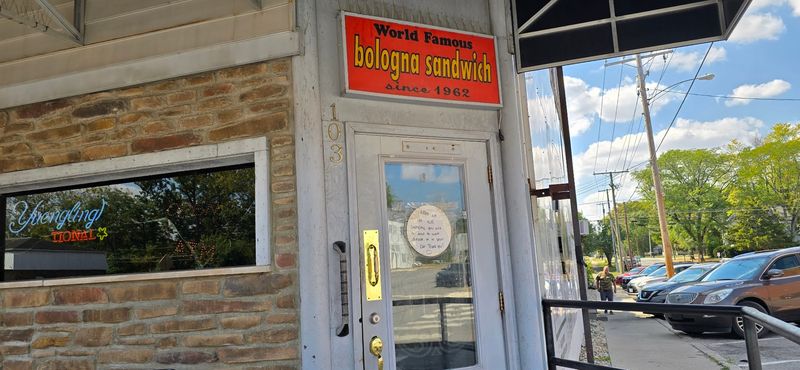
A village of about 300 people in central Ohio should not have a lunch line spilling onto the sidewalk. Yet on a regular weekday, shortly after noon, that is exactly what happens.
People drive in from across the state, and sometimes from as far away as Atlanta and Alabama, all for one humble sandwich. It is fried bologna, cut thick, stacked with cheese, onion and sweet pickles, and served in a tavern that has been doing it the same way since 1962.
The founders are long retired, but their initials still hang over the door. A second family has carried the tradition for four decades, and a third generation is already learning the ropes.
Read on to learn who started it, what goes on that bun, when to show up, and why the cash in your wallet matters more than you might think.
A Village Corner With a Statewide Following
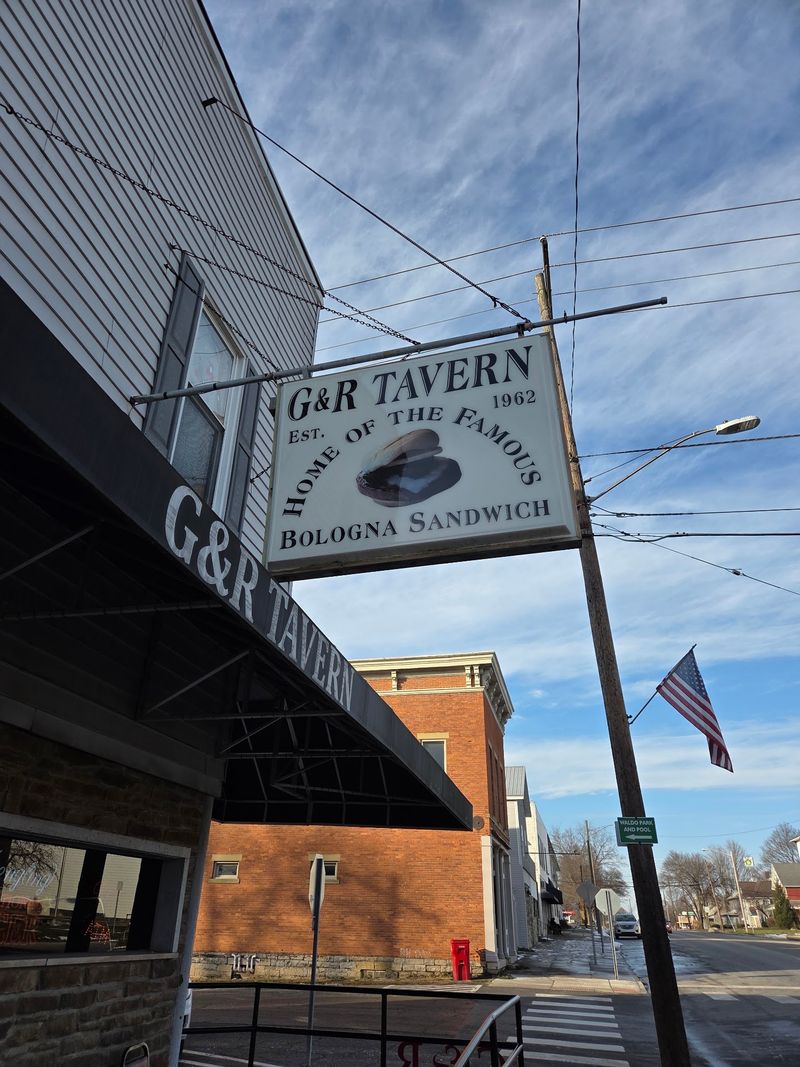
Some landmarks need a skyline, but this one only needs a street corner. G & R Tavern sits at 103 N Marion St, Waldo, OH 43356, in the United States, right in the heart of a village with roughly 300 residents.
Waldo is the kind of place you could pass through in under a minute. Plenty of travelers do, until a friend or relative tells them to stop and eat.
The tavern calls itself the Home of the Famous Bologna Sandwich. That bold claim has been printed and repeated for more than 60 years, and the steady crowds suggest people take it seriously.
On paper, it is listed as a bar. In practice, it works more like a hometown diner, serving homestyle American plates in down-home digs from morning until night.
The location matters to the story. Being far from any big city means almost everyone inside chose to come here on purpose.
Some arrive from nearby towns like Upper Sandusky. Others plan entire road trips through central Ohio around a single lunch stop.
That mix of locals and pilgrims gives the room a lively, slightly unexpected energy for such a small dot on the map. The address may be modest, but the drive to reach it has become a ritual for thousands of hungry Ohioans.
The Initials Behind the Name
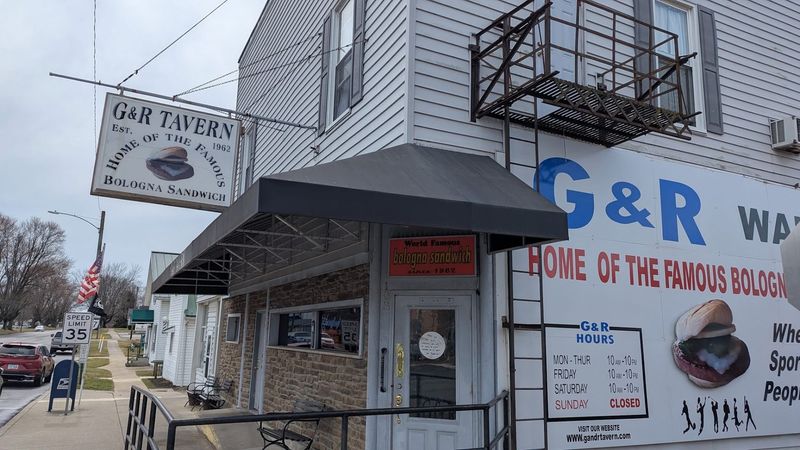
Ever wonder what the G and the R stand for? The answer is two people: George Yake and Roy Klingel.
The pair founded the tavern in 1962. They combined their first initials into a name that has lasted longer than most small businesses ever dream of.
Back then, the idea of building a reputation around bologna probably sounded a little silly. It turned out to be one of the smartest menu decisions in Ohio restaurant history.
During the 1960s and 1970s, the tavern became a hot spot destination. Athletes and celebrities were known to stop in, which helped spread the word well beyond the village limits.
Those early years built the foundation for everything that followed. A simple sandwich became a calling card, and the calling card became a tradition.
The founders set the tone with a no-fuss approach. Keep the menu focused, keep the prices fair, and let the food do the talking.
More than six decades later, that formula has barely changed. The name on the sign is a small daily tribute to two men who bet on bologna and won.
A Family Takes the Torch in 1985
Plenty of beloved restaurants fade when the founders step away. Here, the story took a different turn in 1985.
That year, Rick’s family purchased the tavern. Rather than reinvent it, they chose to protect the very things that made it special.
Four decades later, the same family is still running the show. Even better, the next generation is already preparing to carry on the tradition.
Independent restaurants often struggle to survive from one generation to the next. Rising costs, long hours and changing habits push many small spots to close their doors.
So a plan for a third chapter here is something worth celebrating. It means the sandwich that put Waldo on the map has a future, not just a past.
The owners keep a low-key style. Their replies to online comments are usually just two words of thanks, which says plenty about how they prefer to let the work speak.
That quiet confidence fits the place perfectly. Continuity, it turns out, is the secret ingredient nobody needs to advertise.
Anatomy of the Famous Sandwich
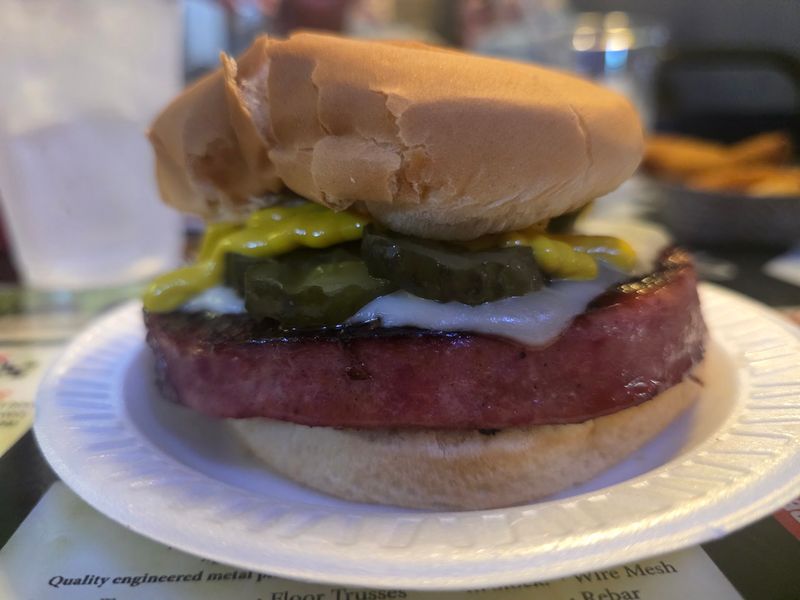
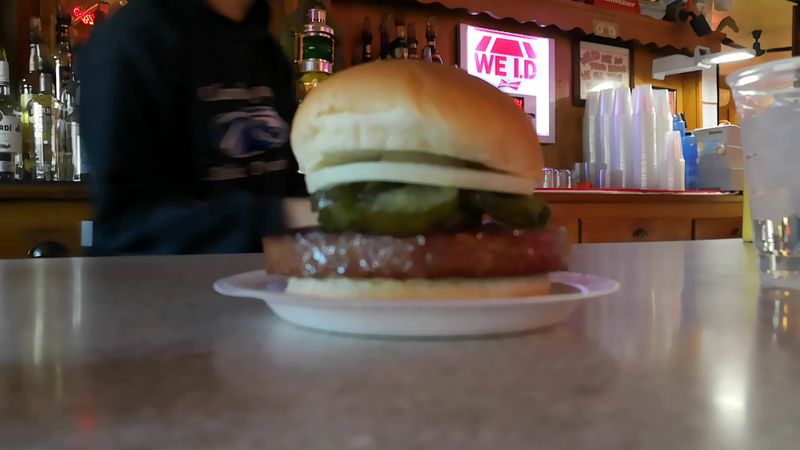
Half an inch. That is roughly how thick the slice of bologna runs on the sandwich that made this tavern a legend.
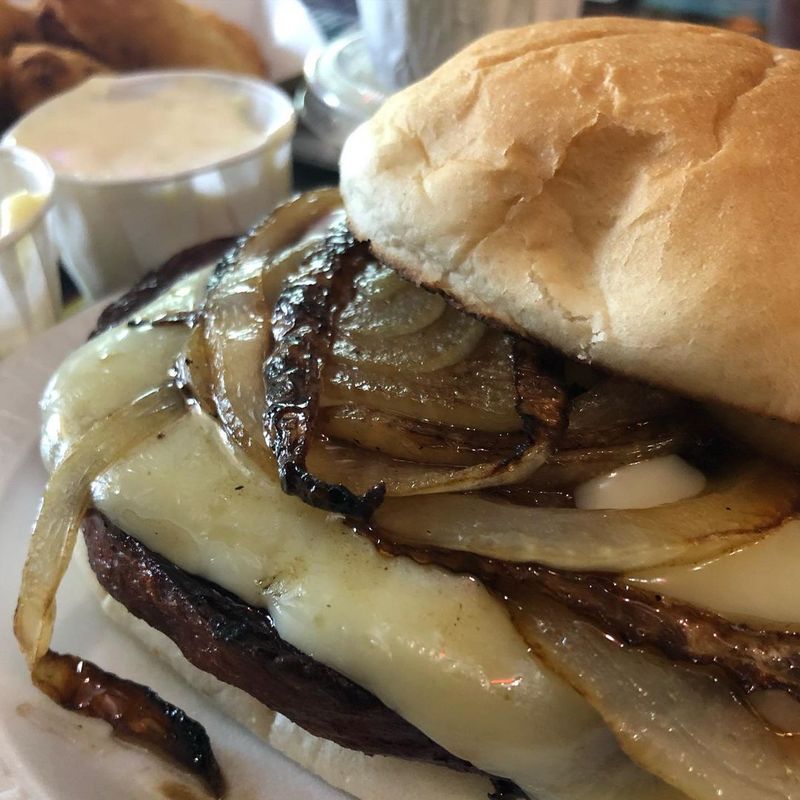
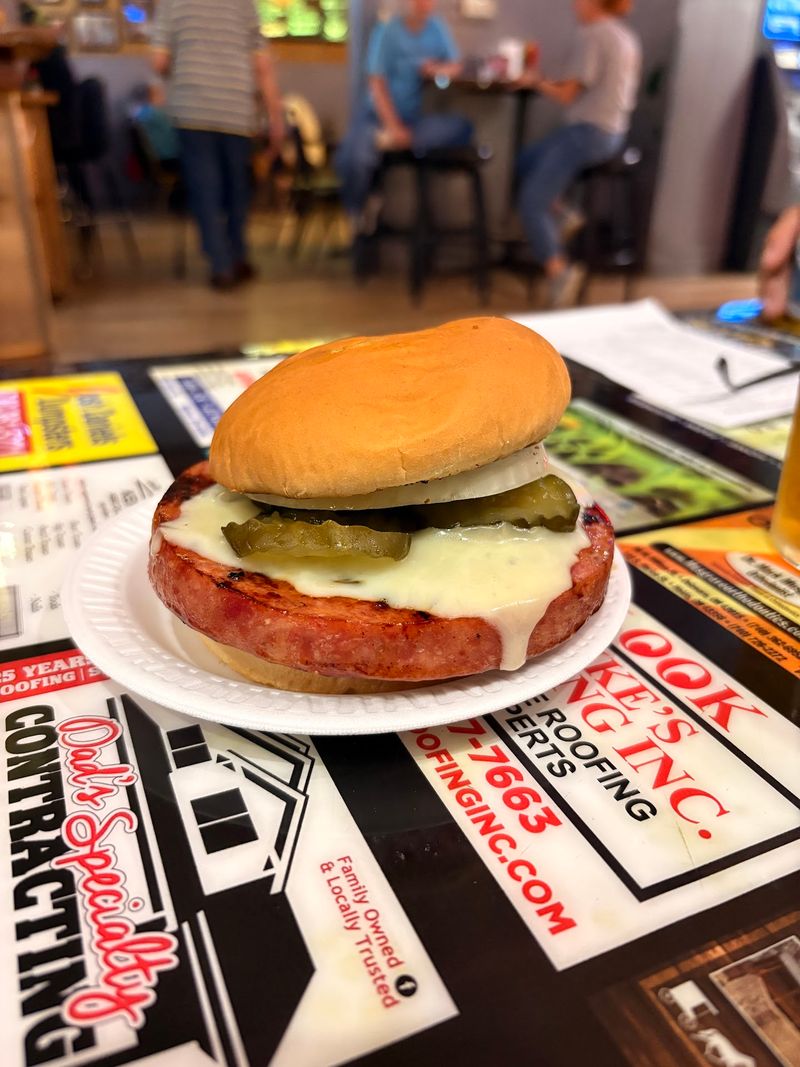
The meat is German-style bologna, fried and placed on a soft bun. A layer of melted American cheese goes on top.
Next come sweet pickles and onion, usually raw and in generous amounts. That combination is the classic build most people order on their first trip.
The beauty is in the simplicity. There are no fancy sauces or trendy toppings, just a handful of ingredients that have worked together since the 1960s.
Skeptics often show up expecting something ordinary. A bologna sandwich sounds like a packed school lunch, after all.
Many of them leave surprised. The general verdict is that it is nothing like what people expect, and better than they imagined it could be.
Even folks who would never normally choose bologna tend to finish the whole thing. It is easy to understand why some regulars stop by at least once a month.
For a sandwich with such a plain name, it carries a heavy load of history on one bun.
Your Bologna, Your Way
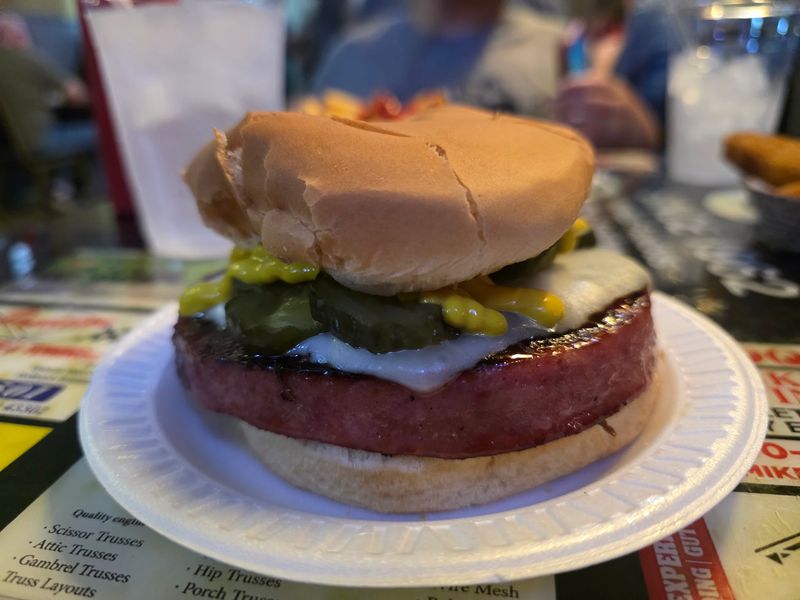
Tradition has a classic order, but nobody is checking your homework. The kitchen is happy to let diners shape the sandwich to their own taste.
Some guests stick with the standard trio of cheese, onion and sweet pickles. Others add a swipe of mayo for a slightly different spin.
Skipping the onion is fine too. The point is to enjoy the thick-cut star of the show, however you like it dressed.
Splitting one sandwich is a popular strategy for groups. That leaves room to sample a few of the fried sides that round out the menu.
The sandwich is hefty, so sharing does not feel stingy. Many tables order one per person anyway and call it a satisfying meal.
Servers are used to first-timers asking questions. They often suggest pairings and help newcomers figure out the best way to order.
That flexibility keeps the experience relaxed. There is no wrong answer here, only different routes to the same famous bun, and every route seems to end with a clean plate.
The Dessert Case That Empties Early
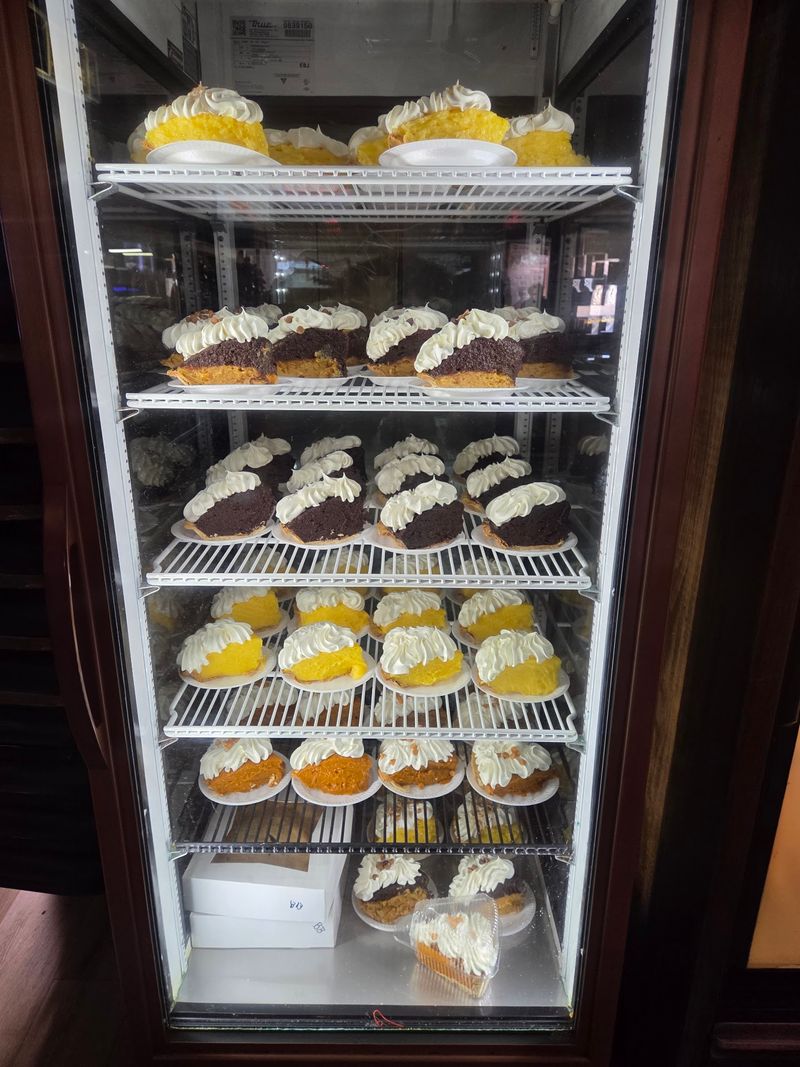
Here is a warning worth taking to heart: the homemade desserts do not wait for latecomers. The dessert case near the dining room is a big part of the tavern’s appeal, and it can be empty by mid-afternoon.
Busy lunch rushes are the usual culprit. One packed noon hour can clear out the entire supply before the dinner crowd even thinks about leaving home.
Arriving after a big group means you might miss out entirely. Staff have been known to shake their heads about how fast everything disappeared on a wild day.
The simple fix is to go early. Ordering dessert at the same time as your sandwich is a smart move too.
Grabbing a slice to go is another option for anyone too full to finish at the table. Plenty of guests leave with a small box in hand.
One change longtime fans have noticed is that whole desserts are no longer sold. Slices are the way to go now.
Running out is frustrating, but it also says something good. A kitchen that sells out has clearly earned its crowd.
Wood Paneling and Old-School Charm
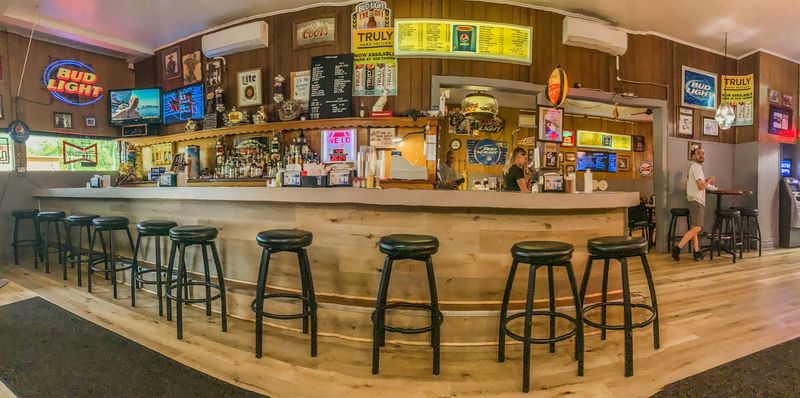
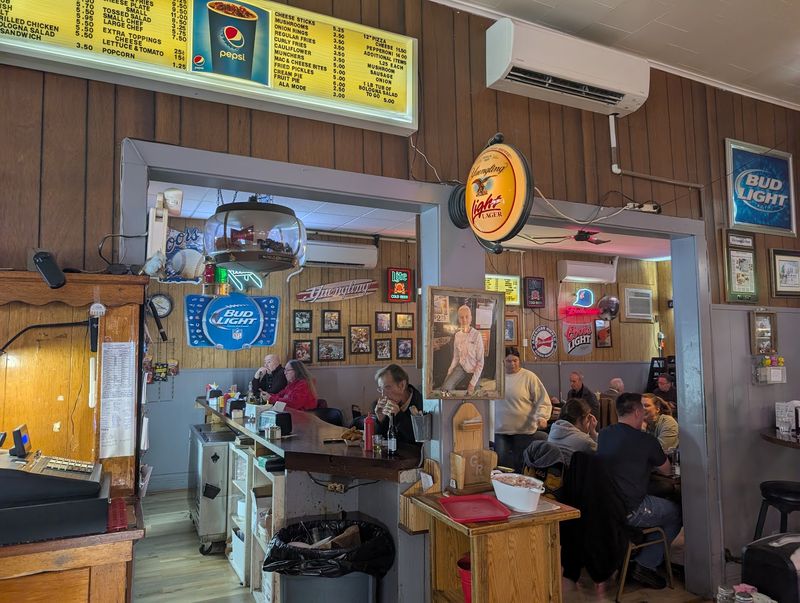
Modern restaurant design loves exposed brick and Edison bulbs. This tavern skipped all of that and kept its wood-paneled walls instead.
The dining room is busy, simple and proudly unpolished. Tables fill quickly, conversations overlap, and the whole space has a lived-in, comfortable feel.
Many first-timers describe it as a true throwback. It feels like the kind of hangout a grandfather might have loved back in the day.
That is not an accident. The owners have resisted the urge to remodel the personality out of the place.
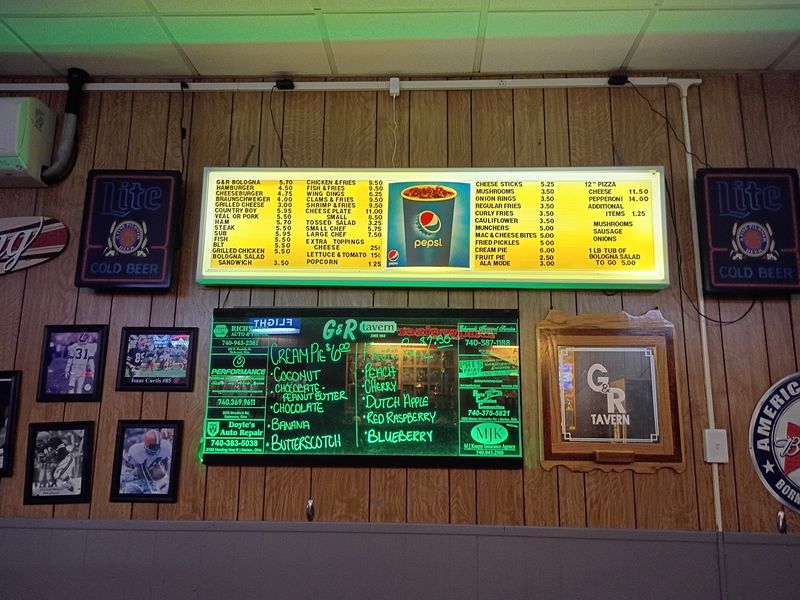
The menu is limited, but unique. Every choice seems built around doing a few things well rather than offering endless options.
Quirky, memorable and full of character are the words that come up again and again. It is a room with nothing to prove.
For travelers tired of copy-and-paste chain restaurants, this is a welcome change. The décor may be decades old, yet it is precisely what keeps people coming back.
The Famous Noon Line
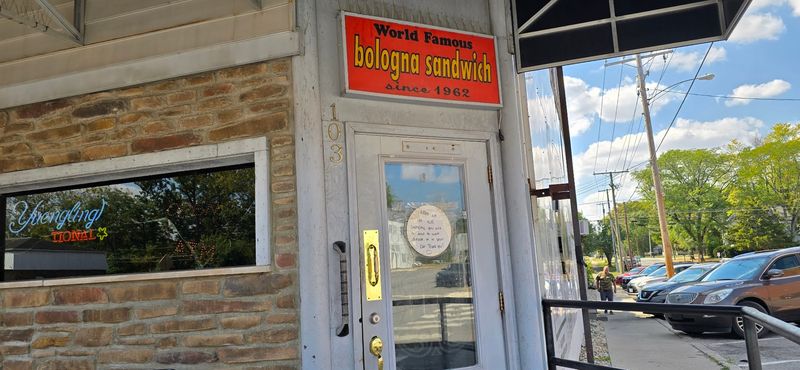
A line outside a restaurant in a village this size tells you everything about its reputation. Shortly after noon, a queue of hungry guests is a common sight here.
Waits are part of the deal on busy days. The good news is that they tend to be short, and the payoff is considered well worth it.
Once seated, the food arrives quickly. The kitchen is built for volume, turning out sandwiches fast even when every table is full.
Lunch is the peak. Big groups, including motorcycle clubs on weekend rides, can roll in all at once and swamp the dining room.
Showing up just after one of those rushes can mean tired staff and sold-out desserts. Timing really does matter.
Arriving right at opening, around 10 AM, is a smart way to beat the crowd. A mid-afternoon visit can also be calmer, though dessert supplies may be thinner by then.
Weekdays are generally easier than Saturdays. Either way, patience is rewarded with one of the most talked-about lunches in the state.
A Crew That Goes the Extra Mile
One guest left behind a rain jacket she had owned for about 20 years. The staff found it, set it aside and held onto it for almost a week until a relative could pick it up.
That small story captures the spirit of the place. Friendly and efficient are the two words that come up most often when people talk about the people working here.
Greetings tend to be quick and warm. Guests often mention being welcomed right as they come through the door.
Many newcomers say they felt like they were sitting at the table of a good friend. Personable servers make even a crowded lunch feel relaxed.
Of course, no place is perfect every single day. During extreme rushes, a server or two can seem stretched thin.
Even then, coworkers tend to jump in and help with drinks and extras. The team approach keeps things moving.
Food quality and friendliness are what get people talking. A lost jacket safely returned is the kind of detail that turns a one-time stop into a lifelong habit.
Who Feels Right at Home Here
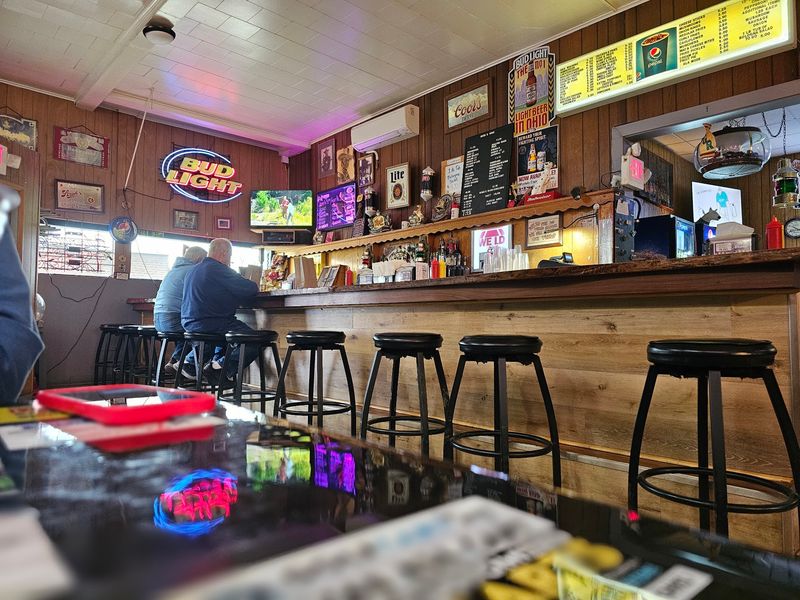
Road trippers, retirees, motorcycle crews and local regulars all share the same dining room. That variety is half the fun.
Families who grew up in the area often bring visiting relatives here. It has become a kind of hometown showcase for out-of-state guests.
Some people return after decades away. One longtime fan last visited as a young teenager and came back years later to find it still going strong.
Fans of classic small-town diners will feel especially comfortable. So will anyone who enjoys a no-frills meal with a side of history.
Groups do well here, since sharing sandwiches and sides is common. Couples on scenic weekend drives fit in just as easily.
Anyone hunting for fine dining or an elaborate menu should adjust expectations. This is homestyle American food, and it does not pretend to be anything else.
Curious eaters who doubt that bologna can be exciting are perhaps the best audience of all. Changing minds, one bun at a time, has become something of a specialty.
Bring Cash, Seriously
Credit cards stay in the wallet at this tavern. The business is cash only, and that policy has not budged.
It is one of the most frequently mentioned details among guests. Some love the old-fashioned feel, while others wish they had known before they arrived.
Planning ahead solves the problem easily. Stop at an ATM before heading into the village, especially on a long drive from out of town.
In a strange way, the policy fits the place. It matches the wood paneling, the simple menu and the decades of tradition.
Keeping things old-school seems to be part of the identity. Fewer modern conveniences means fewer distractions from the food and the company.
For groups, it helps to sort out who owes what before the bill comes. Splitting sandwiches is popular, so a little math at the table is common.
Consider this the most practical tip in the entire article. A full stomach is great, but an empty wallet at the register is a story nobody wants to tell.
Timing Your Trip to Waldo
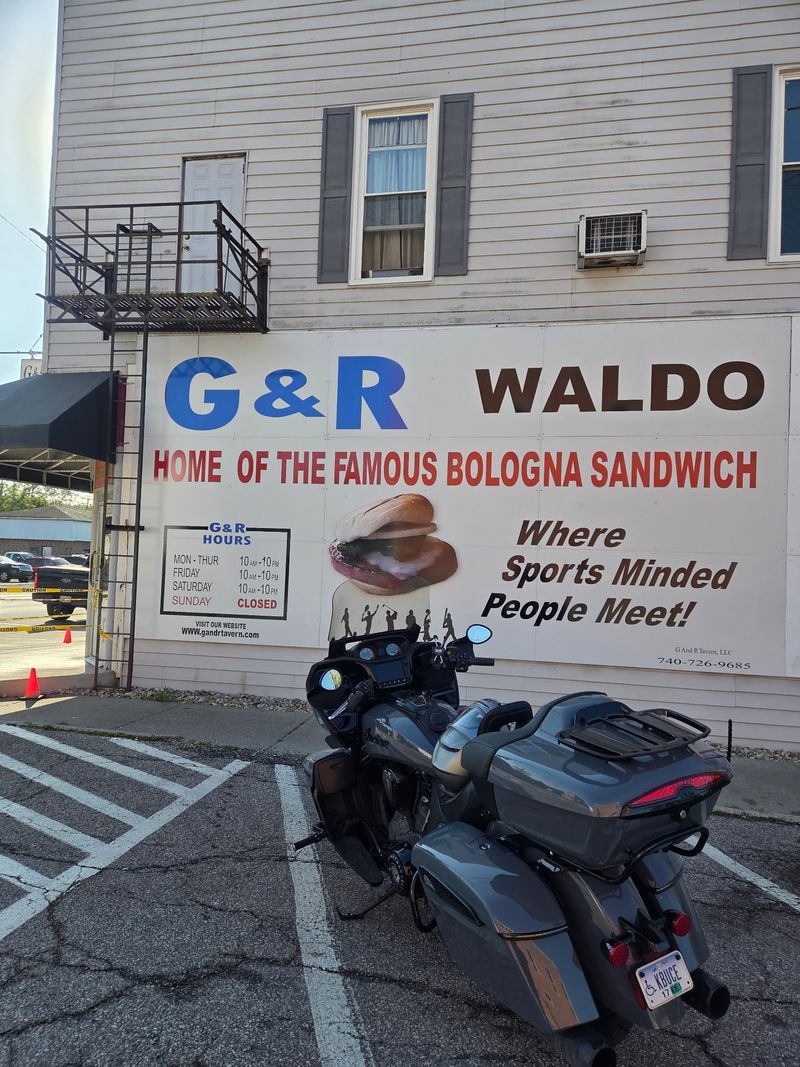
Sunday is the one day the doors stay shut. Every other day of the week, the tavern opens at 10 AM.
Monday through Thursday, hours run from 10 AM to 10 PM. Friday stretches a little later, until 11 PM.
Saturday is the long haul, with service from 10 AM until 1 AM. That makes it the best option for late-night cravings.
A word of caution about evenings, though. On slower nights, the tavern has been known to start wrapping up before the posted closing time.
One hungry traveler drove half an hour, arrived around 9:20 PM, and found the staff closing up. The owners have explained that quiet nights can make staying open hard to justify.
The lesson is simple. Late visits are a gamble, so aim for lunch or early dinner, especially on weeknights.
Calling ahead before a long evening drive is a sensible move. A little planning keeps your Waldo adventure from becoming a very scenic drive home with nothing to show for it.
Small Bills, Big Value
Expect to spend somewhere between $10 and $20 per person. In today’s world, that range feels almost like a time capsule.
Fair is the word most people use to describe the costs. Many call them incredibly reasonable, especially for the portion sizes.
The famous sandwich is hearty enough to share. Pair it with a side and a dessert slice, and most people still leave without a major dent in their budget.
Value also comes from the experience itself. A meal here includes a slice of Ohio history at no extra charge.
Families appreciate that feeding everyone does not require a second mortgage. Road trippers enjoy a filling stop that does not blow the travel budget.
Remember that cash rule from earlier. Bringing a bit more than you think you need is wise, since dessert has a way of sneaking onto the order.
Affordable prices are part of the tradition the owners have protected since 1985. Low-cost lunches and legendary status rarely go together, yet here they share the same table.
Why the Detour Still Makes Sense
More than 2,500 people have weighed in online, and the tavern holds a 4.7 out of 5 average. Numbers like that are rare for any restaurant, let alone one in a village of about 300.
Not every visit is flawless. Busy rushes, early closings and sold-out desserts can test anyone’s patience.
Still, the overall picture is remarkably consistent. Friendly people, quick food, fair prices and a sandwich that lives up to its billing.
Some places become popular for a season. Others become part of a state’s identity, and this tavern firmly belongs in the second group.
Since 1962, it has turned a humble lunch meat into a reason to drive across Ohio. Two founders started it, one family has protected it, and another generation is ready to keep it going.
For travelers crossing central Ohio, the advice is easy. Bring cash, show up early, and order the bologna with all the classic fixings.
Leave a little room for dessert if the case is still stocked. Waldo may be small, but it has been serving up a big piece of Ohio history, one thick slice at a time.


