
Affiliate disclosure: As an Amazon Associate I earn from qualifying purchases. Learn more
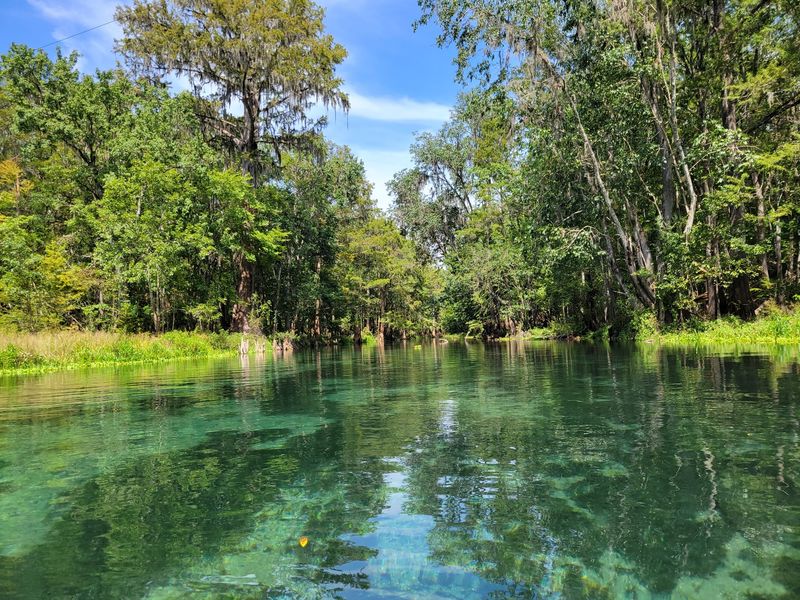
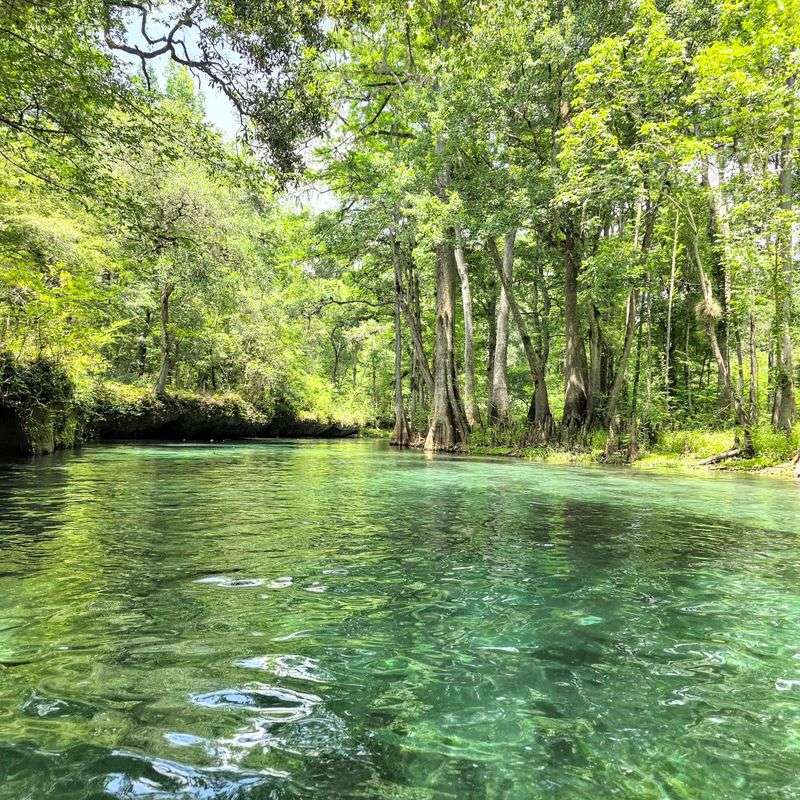
There is a river in North Florida where the water runs so clear you can watch turtles sunning and seagrass swaying six feet below your tube. No wave machine built it.
No engineer designed the twists and shaded bends. Cold spring water simply bubbles up from underground and carries you along at a lazy pace for about six miles.
Families load up early, snap on wristbands, and drift through a green tunnel of trees while fish glide past. It is one of those rare spots where the setup is easy, the cost stays reasonable, and the beauty does all the heavy lifting.
Stick around and you will learn where it is, what it costs, how to skip the crowds, and why so many people call it their favorite spring in the whole state.
Where the Clear Water Begins
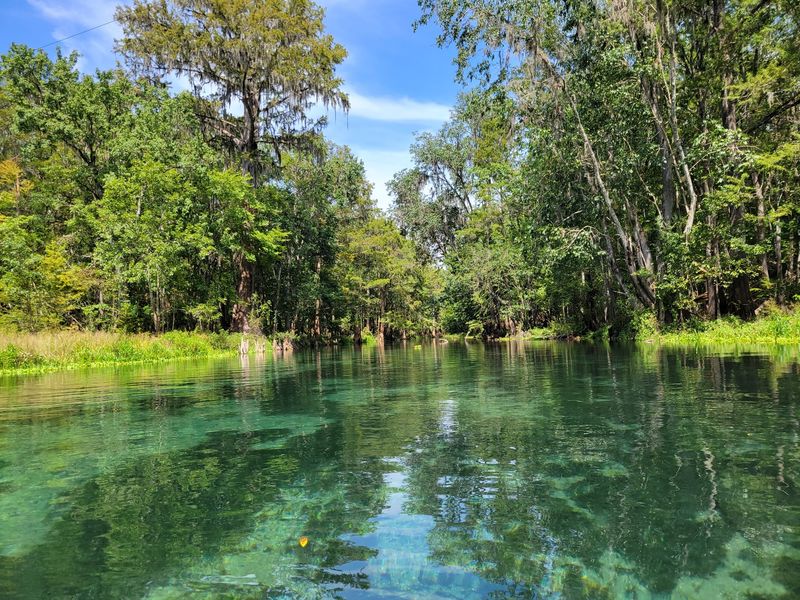
Tucked into the small town of Fort White in North Florida, this state park sits at 12087 Southwest, US-27, Fort White, FL 32038. The star of the show is the Ichetucknee River, a spring-fed run stretching roughly six miles through wetlands and shaded forest.
The water starts underground and pushes up cold and clear, feeding a river so transparent that fish, turtles, and waving seagrass are easy to spot from the surface. That clarity is the whole reason people drive in from all over the state.
The park splits into two areas. The north entrance is the place to swim, and the south entrance is where the tubing and paddling trips launch.
Regulars call it their favorite spring, and with an average rating that sits near the top of the scale across thousands of visits, it has earned the reputation. The setting feels wild and untouched, yet the paths and put-in spots keep things simple for first-timers.
Nature did the design work here, and the park team just keeps it protected. That balance is exactly what makes the float feel special before you even get in the water.
A Spring That Built Its Own River
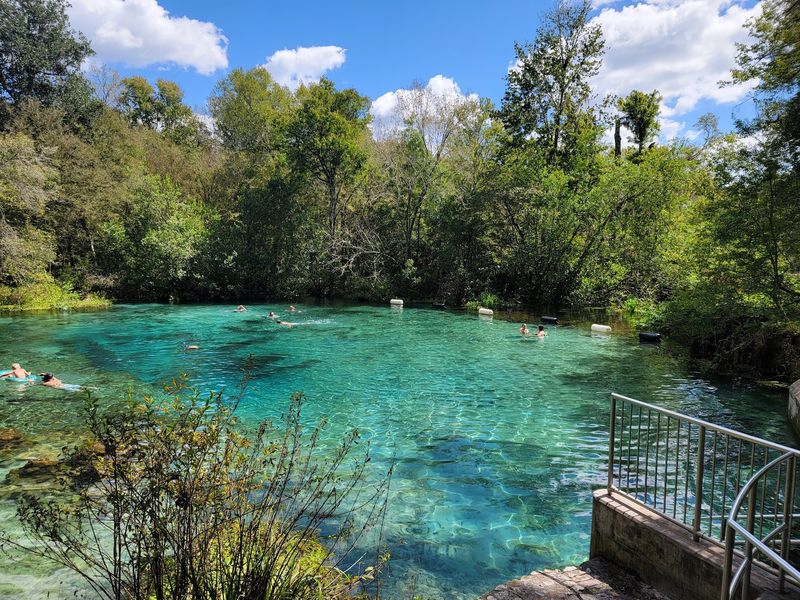
Cold water rising from deep underground is the engine behind this entire place. The Ichetucknee Head Spring sits just a few steps from the north parking area, and the flow it produces carries floaters all the way down the run.
People often mention how strong the current can be, especially near the springhead. Paddling upstream turns into a genuine workout, while floating back down feels effortless.
The spring itself runs deep, around fifteen feet in spots, with water so clear the limestone bottom is easy to see. It stays cold year round, which is exactly what makes it so refreshing on a hot summer day.
What sets this river apart is that no machinery keeps it moving. The steady push of spring water shaped every bend and kept the channel clean over time.
That natural power comes with a small surprise for newcomers. Groups sometimes struggle to steer kayaks against the flow, so knowing which direction to launch saves a lot of effort.
Once you understand the current, the whole trip clicks into place.
The Float That Everyone Talks About
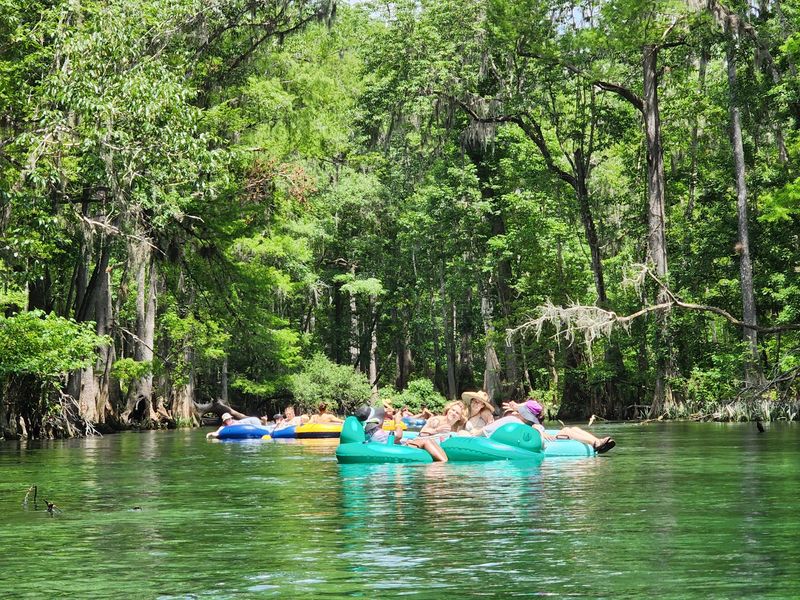
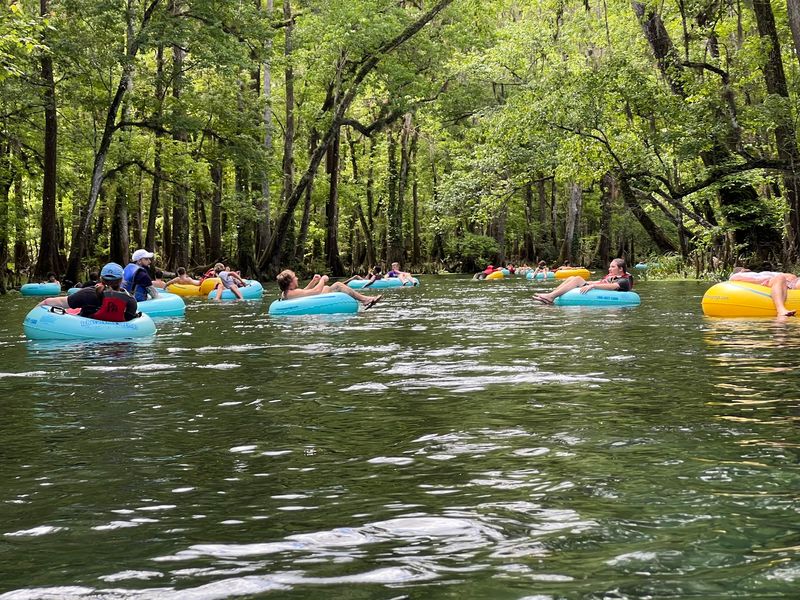
Tubing is the headline event, and it lives up to the hype. The trip down the river runs about an hour, and most of the route passes under high, leafy trees that keep long stretches shaded.
The pace is slow and calm. You settle into a tube, let the current take over, and glide past turtles, fish, and quiet green banks with almost nothing to do but relax.
Many people float it more than once in a single visit. Two trips in a day is common, and plenty wish they had time for a third or fourth run.
The water stays clear enough that you can watch the seagrass sway on the bottom the entire way. Some floaters hop out mid-river for a swim, then climb back into their tube and keep drifting.
If there is one thing to do here, this is it. The combination of easy setup, cool water, and constant scenery makes the float the reason this park keeps landing at the top of people’s favorite lists.
Wildlife You Will Actually See
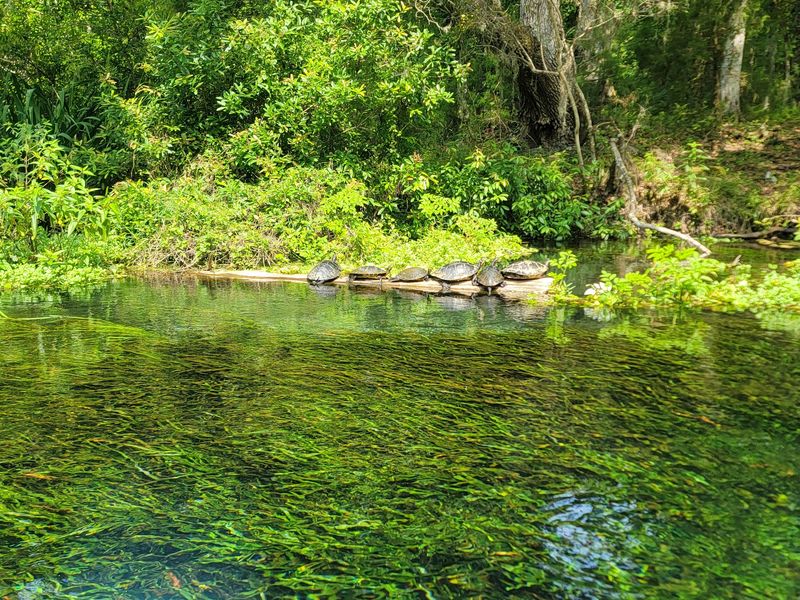
Turtles sunning on logs are practically a guarantee here. Along with them, floaters regularly spot large fish, birds, and the occasional glimpse of manatees, which come up in a good number of visit stories.
The clear water turns wildlife watching into half the fun. Instead of guessing what is below you, the seagrass, fish, and river bottom stay in plain view the whole way down.
Alligators do live in Florida rivers, and the topic comes up now and then, but plenty of people finish their float without seeing a single one. Many trips wrap up with turtles, fish, and birds as the main headliners and no snakes or gators in sight.
Some visitors say they lost count of how much nature crossed their path, especially on the quieter first half of the river. That upper stretch tends to feel the most peaceful before the tubing crowds join in.
Snorkeling brings the whole scene even closer. Bringing goggles, and even flippers, opens up a clearer look at the underwater world drifting past your tube.
The Blue Hole Worth the Short Walk
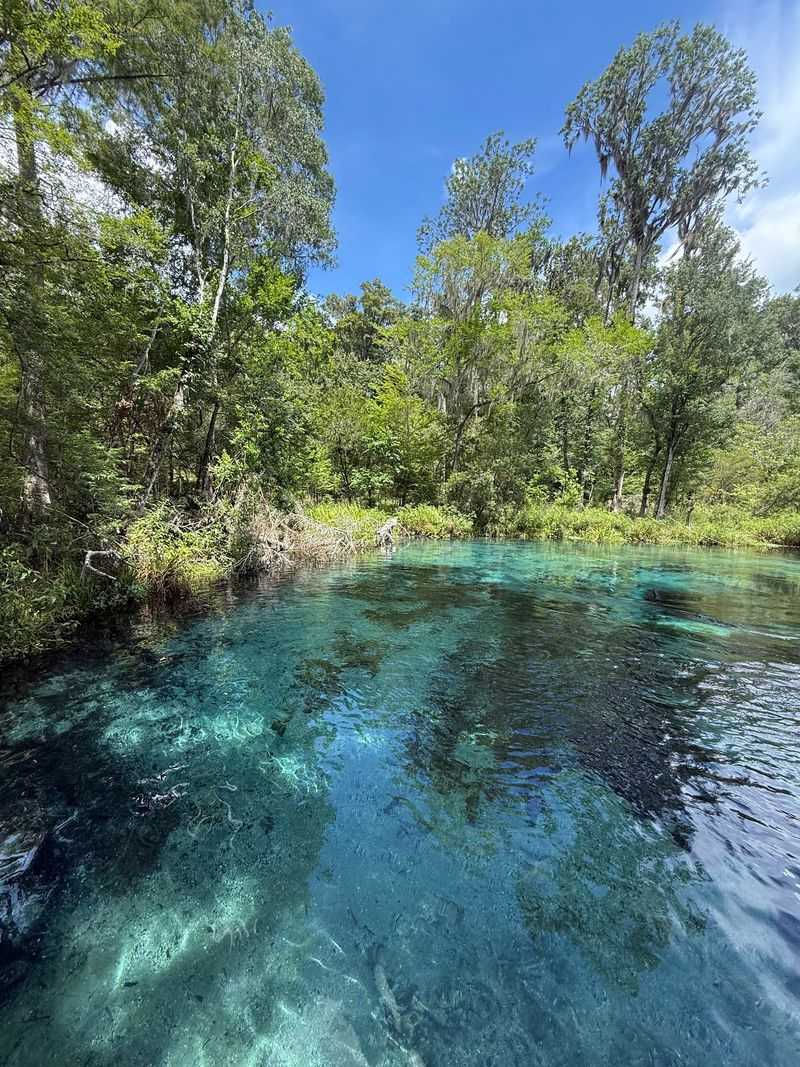
A quiet standout sits away from the main river, and it earns its own trip. The Blue Hole is reached by walking the Blue Hole Trail, and the deep blue water at the end draws steady praise.
People describe it as amazing to look at, with clear water and a calm setting that feels separate from the busier tubing zone. It shows up often enough in visit stories that it has become a park highlight in its own right.
Swimming is popular here for those who want a spot to cool off without the river current pulling them along. Some folks split their day, doing the float first and saving the Blue Hole for the afternoon.
The short walk to reach it is part of the appeal. A little trail through the trees keeps it feeling tucked away, so it rarely feels as packed as the main launch points.
Pair it with the head spring nearby and the north entrance turns into a full afternoon of clear water and easy exploring. It is the kind of detour that people are glad they did not skip.
Two Entrances, Two Different Days
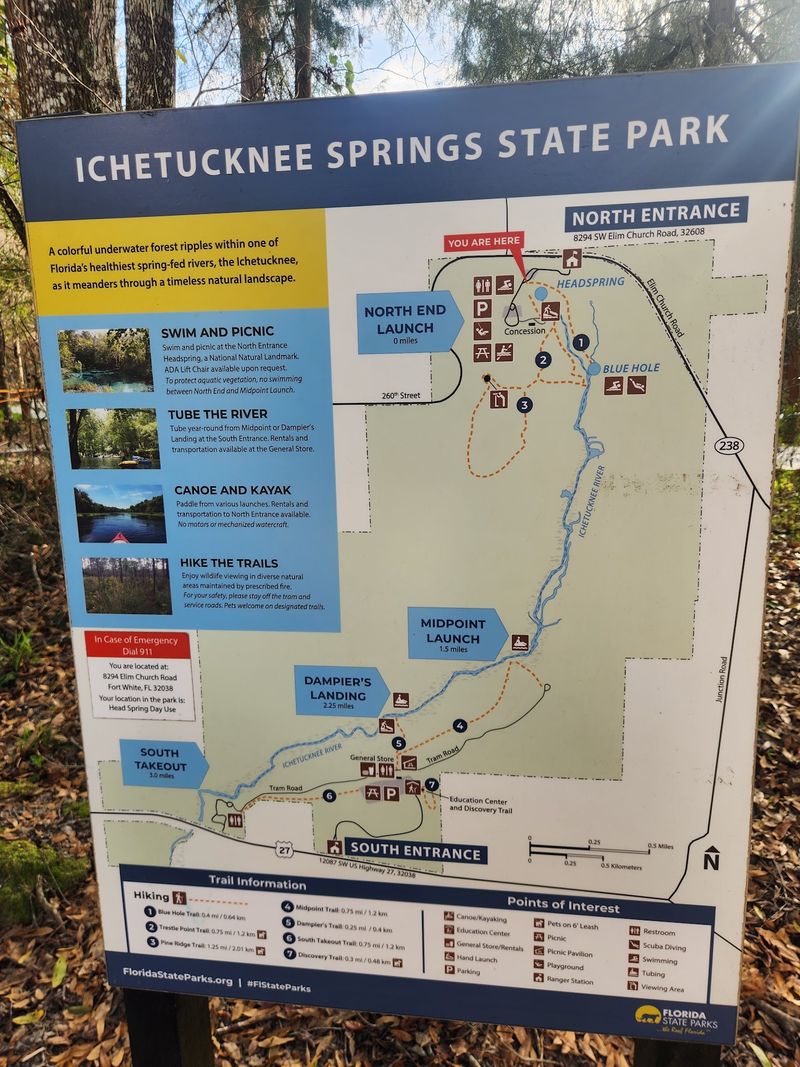
Knowing the layout changes your whole plan. The park has a north entrance and a south entrance, and each one is built for a different kind of day.
The south entrance is all about the river. Tubing and paddling trips launch from here, and it is the spot for anyone who wants to drift the length of the run.
The north entrance is where swimming happens. The head spring sits close to the parking area, and you can also paddle out from this side, though tubing is not allowed there.
Plenty of people do both in one visit. A common approach is to start at the north entrance for a swim in the crystal clear water, then drive over to the south entrance for the float.
The swimming hole up north is not huge, so families looking for a big open area should keep expectations in check. The current can nudge swimmers toward the trees, which is worth knowing before you send little ones in.
Matching the right entrance to your goal makes the trip smoother and helps you fit more into a single day.
The Tram That Saves Your Legs
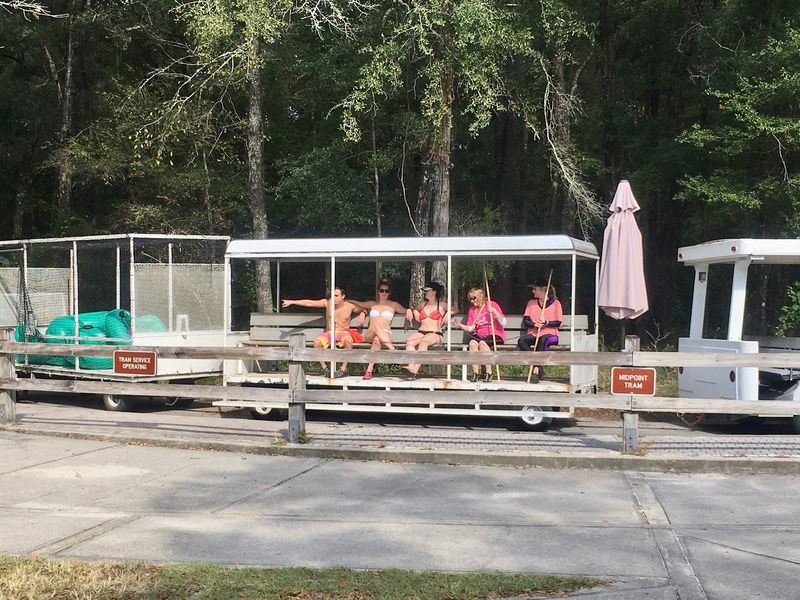
Getting back upstream is where the tram earns its keep. The shuttle service drives floaters back to the south entrance so they can run the river again without a long walk.
In the summer heat, people describe the tram as a real lifesaver. Kids tend to enjoy the ride too, which turns the return trip into part of the adventure rather than a chore.
Timing matters if you plan to lean on it. The last rental typically needs to be picked up by 3:30, the float takes about an hour, and the last shuttle brings floaters back to the south entrance around 5.
The tram is what makes multiple trips realistic. Without it, hauling a tube back upstream would eat into the day, but with it, two or more floats become easy.
One heads up worth noting comes from folks who brought their own kayaks. A few mentioned waiting a while for a shuttle pickup, so building in extra time helps.
Understanding the schedule before you launch keeps the whole rhythm of the day relaxed.
Rules That Keep It Pristine
The reason this river stays so clear comes down to strict protection. No food of any kind is allowed on the water, and only water in non-disposable containers is permitted while floating.
Rentals are also limited by size, so personal tubes need to fit within the park’s guidelines, generally under sixty inches across. Bringing your own float that meets the rules means you skip the rental line entirely.
People who love the place tend to appreciate these rules rather than resent them. The strict approach is exactly what keeps the water pristine and the setting feeling wild.
Not everyone follows the guidelines perfectly, and a few visitors notice it, but the overall effort clearly pays off in how clean the river stays. The trade of a few restrictions for lasting beauty feels more than fair to most.
Safety rules matter too. The current can pull a small child away from a tube quickly, so life vests for young ones and careful planning are strongly encouraged.
Respecting the water here is part of what makes the experience so good.
Picnic Tables, Clean Restrooms, and a Food Truck
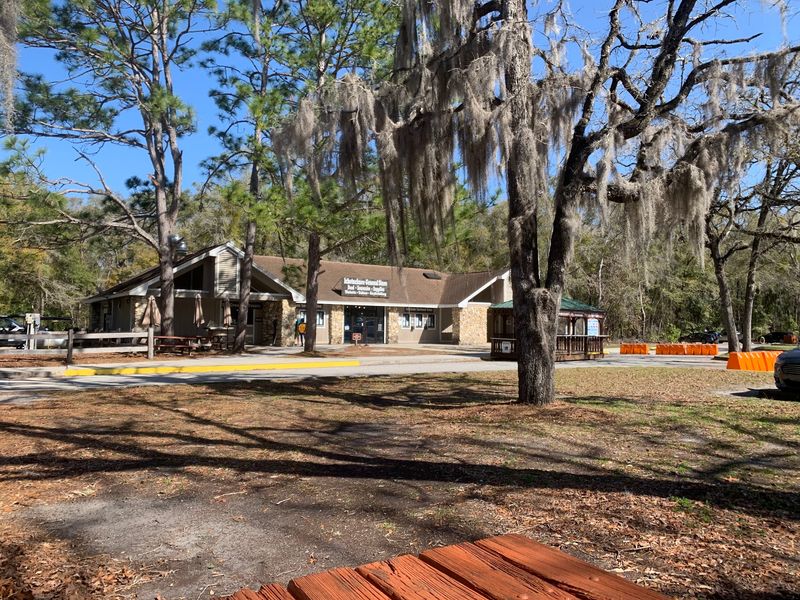
Comfort details round out the day nicely. The parking areas come with picnic tables and grills, so packing your own lunch and eating between floats is easy to pull off.
Clean restrooms come up again and again in visit stories. Family restrooms are large with plenty of room to change, which is a big help when little ones need a wardrobe swap after the water.
Food is available on site too. A concession area and a food truck serve up options that people describe as good and not overpriced, so nobody has to leave hungry.
There is also a gift shop where you can grab a souvenir before heading home. It is a small touch, but it fits the feel of a full family outing.
The overall setup gets steady praise for being well maintained and easy to navigate. Large open paths and a clear layout make the park feel safe and manageable, even for families with young kids.
Those small conveniences are what let people stretch a quick dip into a relaxed afternoon without needing to run errands elsewhere.
Hours, Prices, and How to Beat the Crowds
Planning ahead is the difference between a smooth day and a long wait. The park opens at 8 AM and stays open until 8 PM every day of the week, though the water rentals and shuttle wind down earlier in the afternoon.
Booking online is the smart move. Reserving a float time and buying wristbands and tubes ahead saves time and keeps you out of the check-in line during the heat of the day.
Costs stay reasonable. Bringing your own tube and skipping the tram means no extra launch charge, while renting a tube and getting the shuttle back has run around forty dollars for two people.
Early arrivals win here. Folks who show up around 8:30 or 9 report very few people and a peaceful, quiet float, while the river fills up noticeably by the second run.
The park is well set up for the process, with a seamless online sign up and easy office check in. Cushioned tubes with headrests and mesh seating are worth the upgrade, and the free oar helps with steering.
A little planning goes a long way toward a calm day.
Why This Float Belongs on Your List
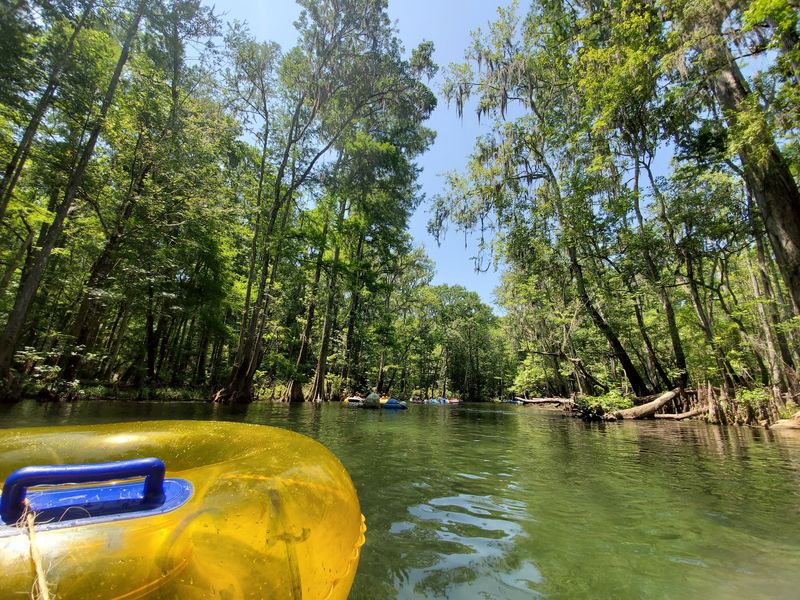
Some places live up to the buildup, and this one does. A calm drift down cold, clear water through a shaded forest is the kind of simple pleasure that sticks with people long after they dry off.
The appeal is broad. Families with little ones, first-timers seeing natural springs for the first time, and paddlers chasing a peaceful run all find something to love here, especially on quieter weekday mornings.
People drive in from cities like Jacksonville and Bradenton and count the trip as worth every mile. Many pair it with a nearby campground or a stay in a small town like Micanopy to make a full weekend of it.
The friendly park team gets a lot of credit for keeping things running well and clearly caring about the place. That care shows in the clean water, the tidy grounds, and the smooth process.
Nature built the river, and the park simply protects it. Give yourself at least four hours of daylight, arrive early, and let the current do the rest.
This is one Florida float that earns its spot on the must-do list.