
Affiliate disclosure: As an Amazon Associate I earn from qualifying purchases. Learn more
Michigan is home to roughly 12,000 to 15,000 black bears, and late fall is when many of them get bold about finding food. Before they settle into dens, bears eat almost nonstop to pack on fat for winter, which means more trips past backyards, bird feeders, and trash cans.
Some counties see this busy season more than others. Here is where bear activity tends to rise as the cold sets in, plus a few smart tips for sharing the woods.
1. Marquette County
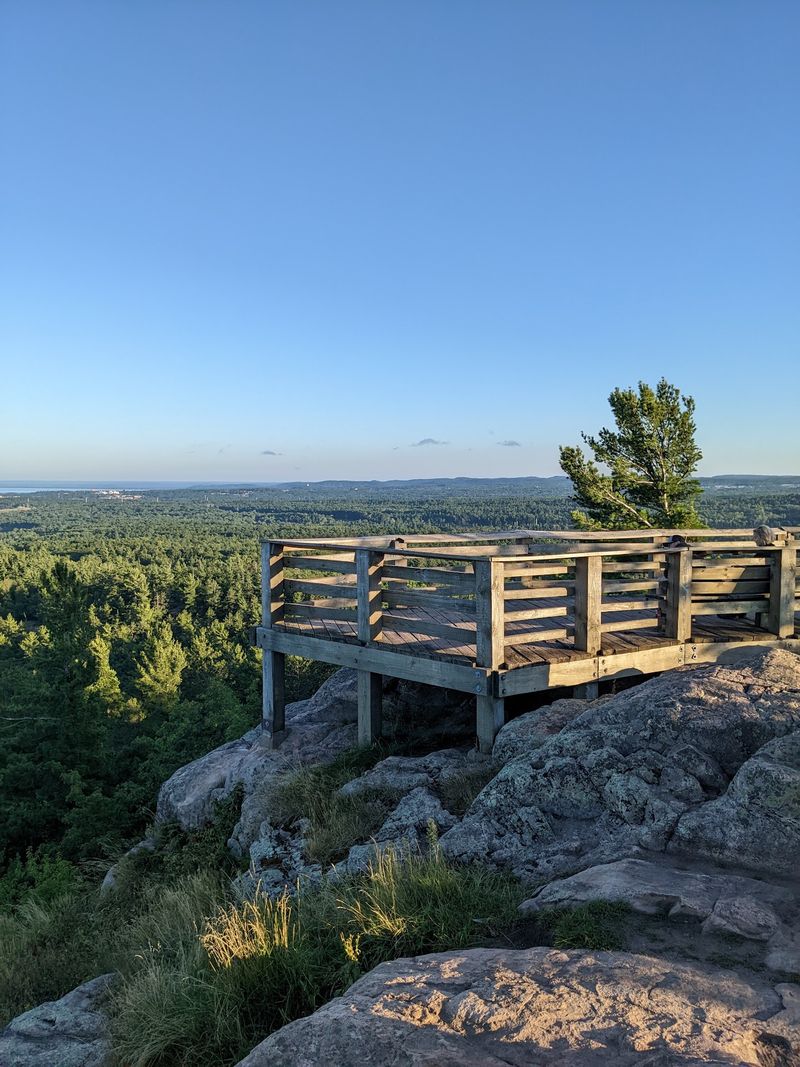
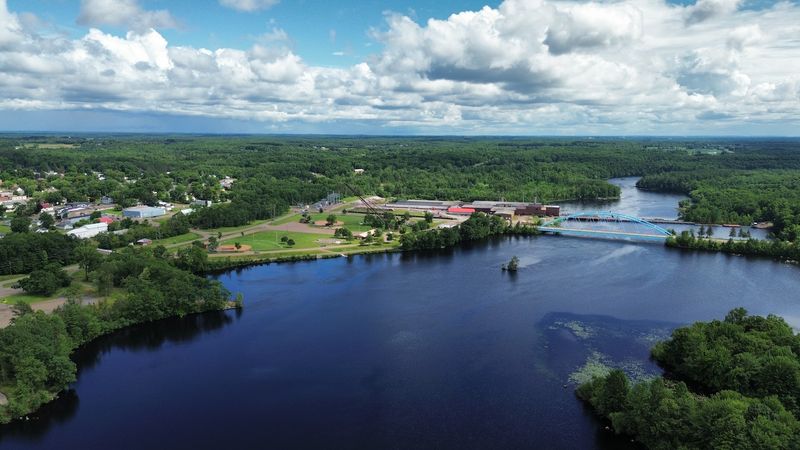
Big woods and a busy college town sit side by side here, which makes Marquette County a regular spot for bear reports. It is one of the largest counties in Michigan by land area, and much of it is forest.
The Upper Peninsula holds most of the state’s bears, often estimated at around 90 percent of the population. Marquette sits right in the middle of that range.
In fall, bears in this area hunt for acorns, beechnuts, and berries. When natural food runs short, they may wander toward homes on the edge of town.
If you live near the woods, taking down bird feeders by early fall is one of the easiest ways to avoid a surprise visitor.
2. Gogebic County
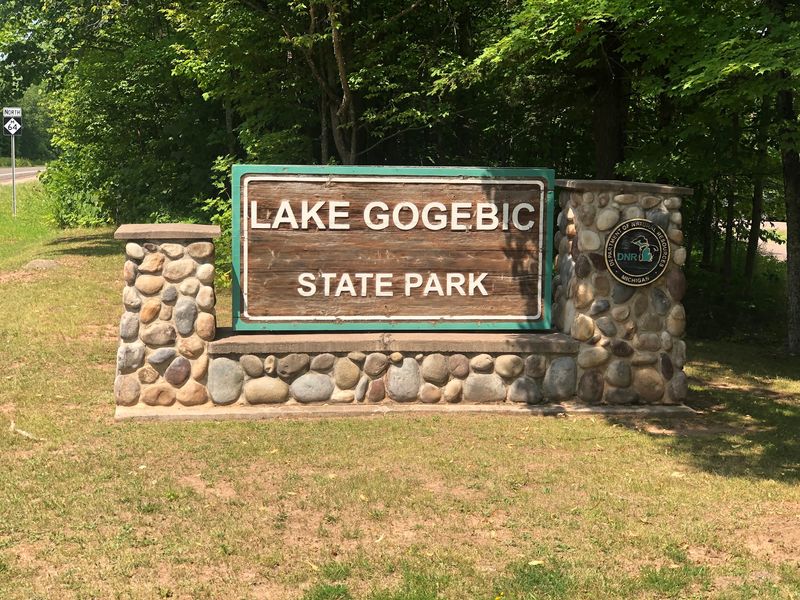
Out on the far western edge of the UP, forest is the main neighbor for most residents. Gogebic County includes a large piece of the Ottawa National Forest, which gives bears plenty of room to roam.
That wild landscape is great for wildlife watching. It also means bears are a normal part of life here, especially before winter.
Hunters know this region well, and the Michigan DNR manages bear hunting in the UP through a limited license system. Bear numbers here stay strong because the habitat is so good.
Cabin owners should secure garbage and grills when leaving for the season. A closed-up camp with food inside can draw curious noses.
3. Iron County
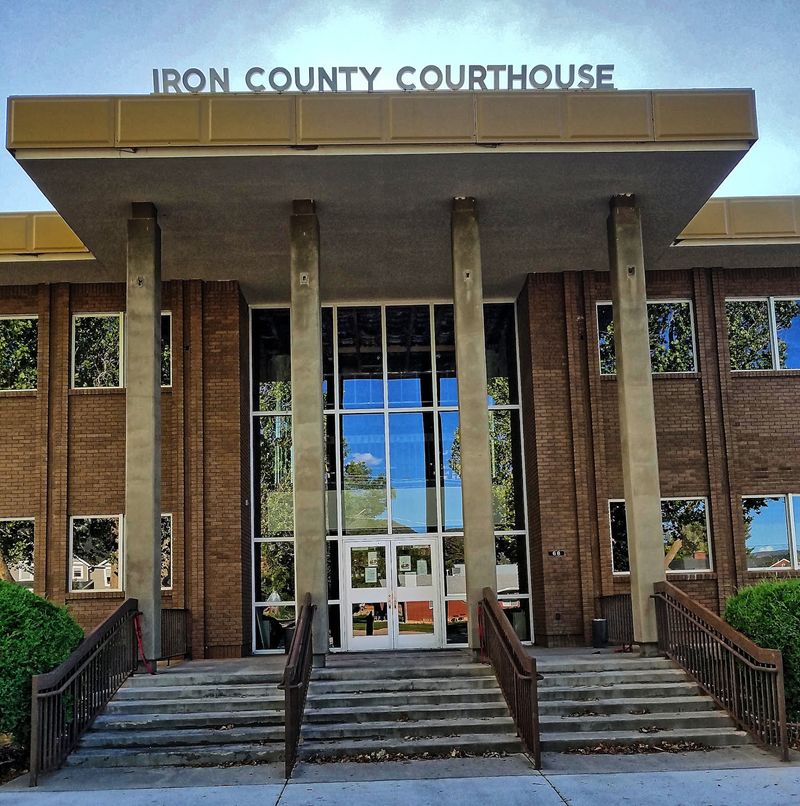
Road trippers heading through Crystal Falls or Iron River should keep their eyes open on quiet stretches of highway. Bears often cross roads at dawn and dusk in fall.
Iron County is mostly forest and lakes, the kind of mix bears love. Thick cover and lots of water give them food and shelter.
As fall moves along, bears travel farther to find calories. That extra movement can mean more sightings near roads and rural homes.
Slowing down after sunset helps. It protects both drivers and wildlife.
4. Houghton County
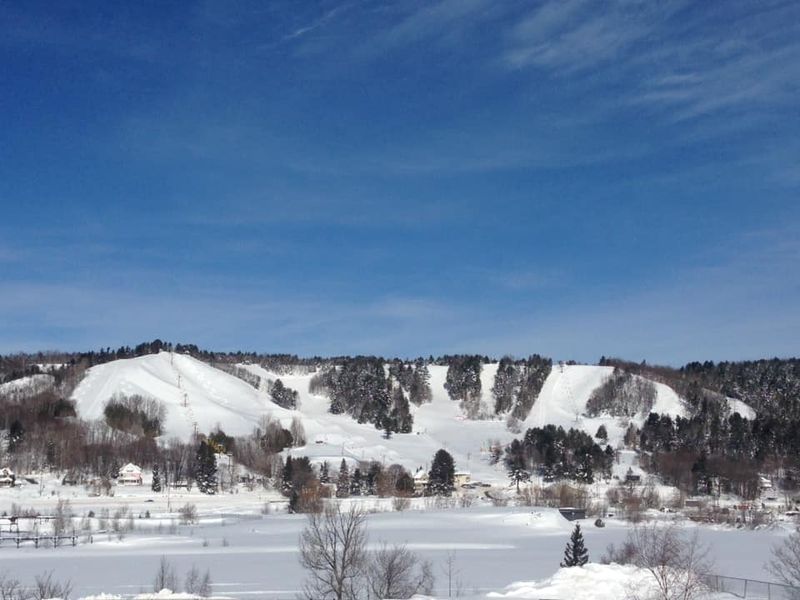
Snow arrives early in the Keweenaw, and that helps explain why bear activity here peaks before the flakes really fly. Houghton County is known for some of the heaviest snowfall in Michigan.
Bears need to finish fattening up before deep snow covers their food. That push can bring them closer to towns like Hancock and Houghton in fall.
Fruit trees are a common draw. Picking up fallen apples quickly is a simple way to keep yards less tempting.
Once bears den, they usually stay put through much of winter, so fall is the season to stay alert.
5. Chippewa County
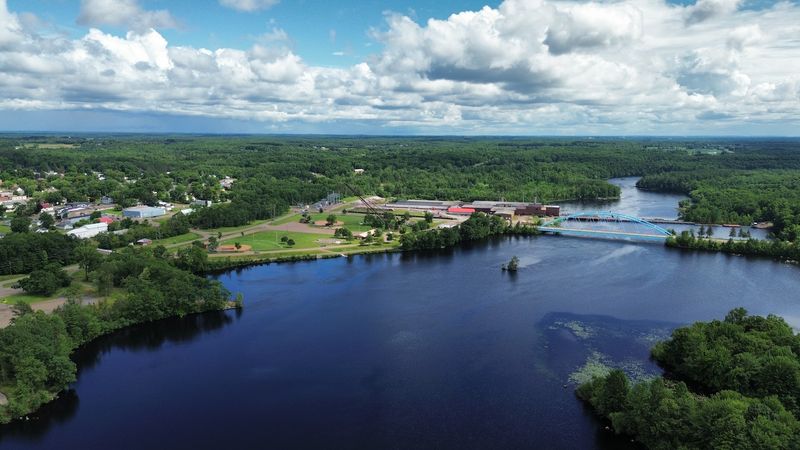
Here is a fun fact for visitors heading to Sault Ste. Marie: the county around the Soo Locks is also solid bear country.
Chippewa County covers a large area of the eastern UP, with forests, wetlands, and farmland.
That mix gives bears many options in fall, from berries to agricultural crops. Edges between fields and woods are common places to spot them.
Campers in the area should use bear-safe food storage. Keeping coolers in a hard-sided vehicle is a good habit.
Most bears are shy and leave quickly once they notice people.
6. Schoolcraft County
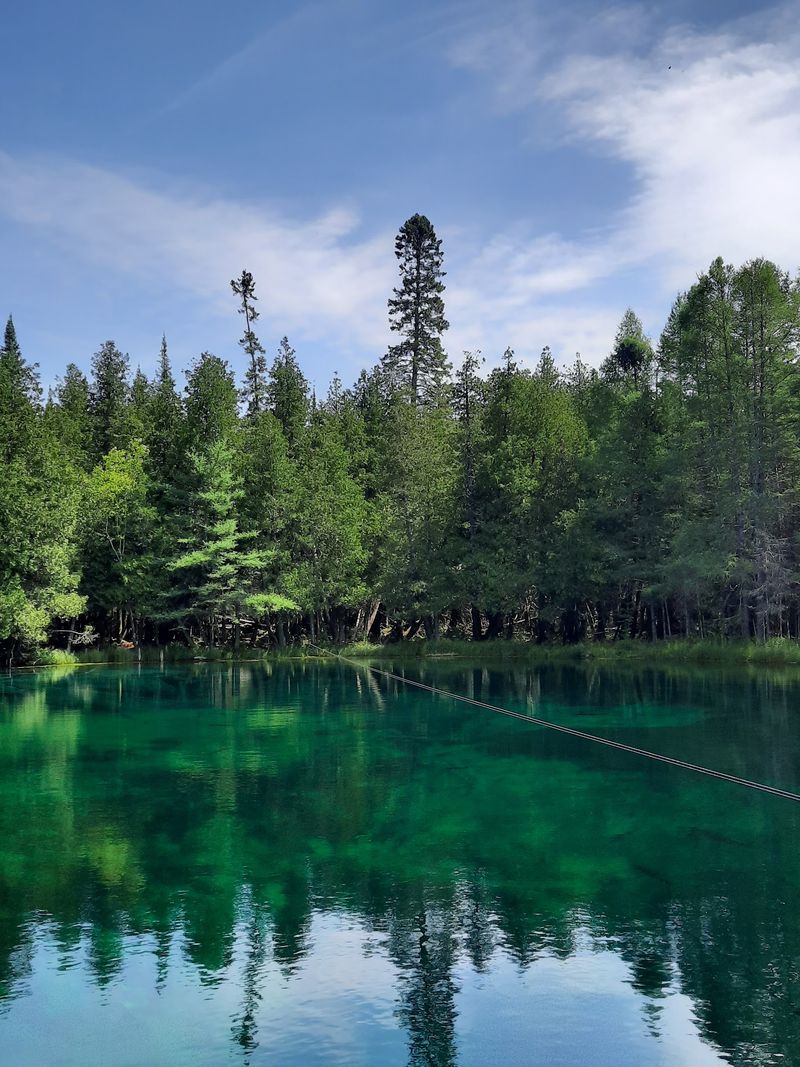
Quiet and wooded, Schoolcraft County is the kind of place where people come to unplug. Bears appreciate that quiet too.
Parts of the Hiawatha National Forest stretch across this county, giving bears plenty of shelter. The Seney National Wildlife Refuge is also close by, near the county line.
Wildlife watchers driving through in fall have a decent chance of seeing bears near forest openings. Binoculars and patience go a long way.
Keep a respectful distance. Viewing from a car is often the safest choice.
7. Emmet County
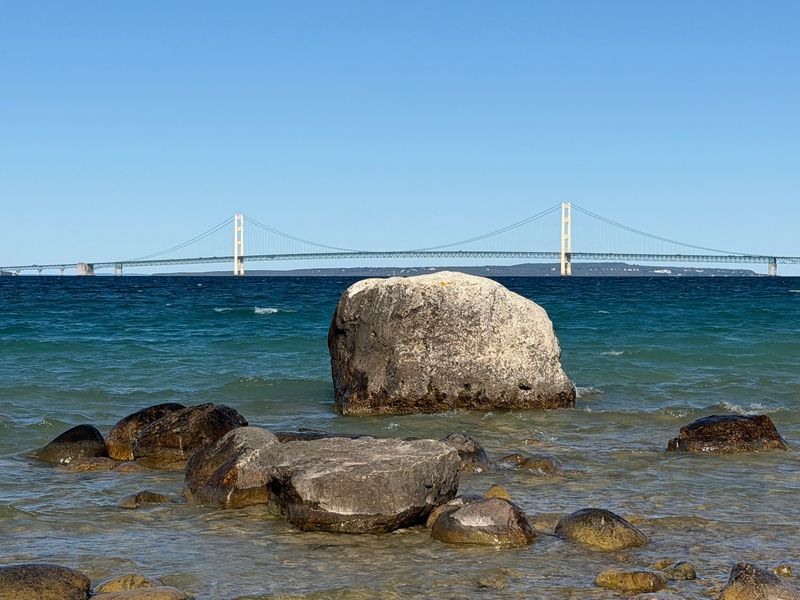
Bears are not just an Upper Peninsula story. In the northern Lower Peninsula, Emmet County near Petoskey and Mackinaw City sees regular bear activity.
The Lower Peninsula’s bear population is centered in the northern half of the state. Emmet County sits right at the top, close to the Mackinac Bridge.
Homes near woods sometimes report bears raiding bird feeders and trash bins in fall. Bringing garbage out on pickup morning, not the night before, helps a lot.
It is a small change that keeps bears wild.
8. Cheboygan County
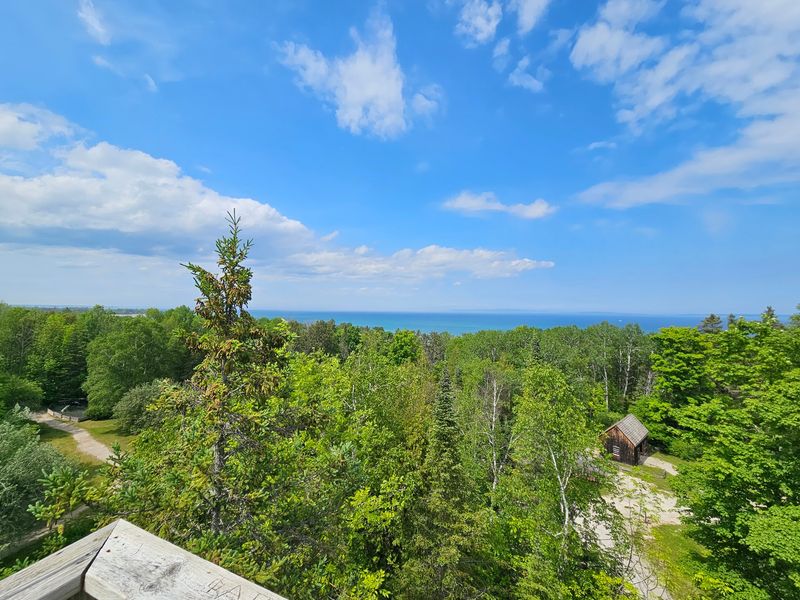
Acorns are a big deal for bears, and the northern Lower Peninsula has plenty of oak. Cheboygan County mixes hardwood forest, state land, and inland lakes.
In years with a poor acorn crop, bears tend to roam more widely looking for food. That often leads to more sightings near cabins and lake homes.
Hunters, hikers, and cottage owners all share this landscape. Simple habits like cleaning grills keep everyone on good terms with the local wildlife.
9. Montmorency County
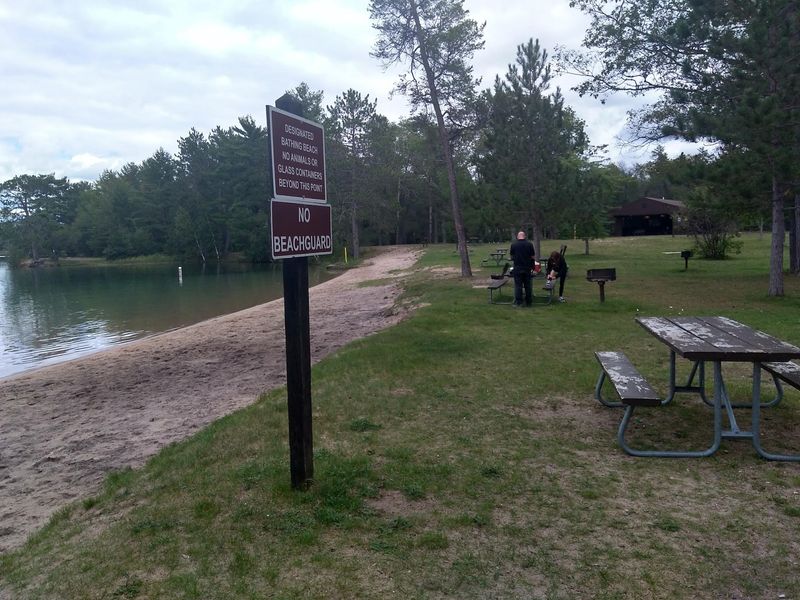
Elk get most of the attention in this corner of northern Michigan, but bears live here too. Montmorency County lies near the famous elk range around Pigeon River Country.
Large tracts of state forest give bears space to move. Fall visitors chasing elk viewing may spot a bear as a bonus.
Stay on marked roads and trails and keep pets leashed. A dog chasing a bear can turn a calm sighting into a tricky one.
10. Lake County

A little farther south than many expect, Lake County shows how bears have been spreading through the Lower Peninsula. Much of the county lies in the Manistee National Forest.
The Michigan DNR has noted bears turning up in more parts of central and even southern Michigan over recent years. Counties like Lake are part of that steady southward shift.
For people who do not grow up with bears, the best advice stays the same. Remove food sources, make noise if you meet one, and back away slowly.
Reporting sightings to the DNR helps wildlife managers track where bears are heading next.


