
Affiliate disclosure: As an Amazon Associate I earn from qualifying purchases. Learn more
There is a corner of southern Arizona where more than a dozen kinds of hummingbirds show up every year, turning a quiet high-desert city into a tiny-bird wonderland that people cross state lines to witness. Longtime Arizona residents sometimes forget this spot even exists, tucked into the mountains near the Mexico border with cooler air than the desert floor.
It sits at the base of a mountain range, close to a famous canyon, and it draws bird lovers with cameras, notebooks, and a whole lot of patience. The city itself is friendly, walkable, and packed with easy day trips.
What follows is a room-by-room tour of what makes this place worth the drive, from its feathered fame to its practical visiting details. Consider this your invitation to add a very small, very fast Arizona icon to your list.
Where This Feathered Capital Actually Sits
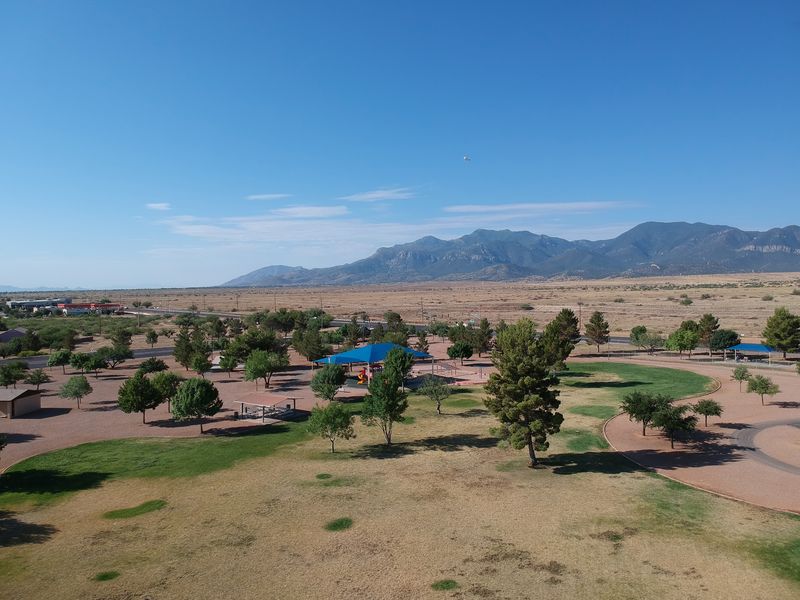
Down in Cochise County, near Arizona’s southern border, sits Sierra Vista, a city with the simple mailing name of Arizona and a website at sierravistaaz.gov for anyone planning a trip.
The city holds a 2020 population of 45,308, which makes it the 27th most populous city in the state. It anchors the larger Sierra Vista-Douglas Metropolitan Area, a region of well over a hundred thousand people.
What sets it apart is elevation. The city rests at the foot of the Huachuca Mountains, so the air runs cooler than much of the low desert, and that climate helps explain why so many small birds funnel through here.
The mountains, the grasslands, and the nearby canyons create a mix of habitats packed into a small area. That variety is the quiet engine behind the region’s reputation for wildlife.
For Arizona locals, the appeal is that world-class nature sits within a day’s drive rather than a plane ticket away. You can be here without leaving the state, and still feel like you stumbled into somewhere secret.
The Story Behind The Hummingbird Fame
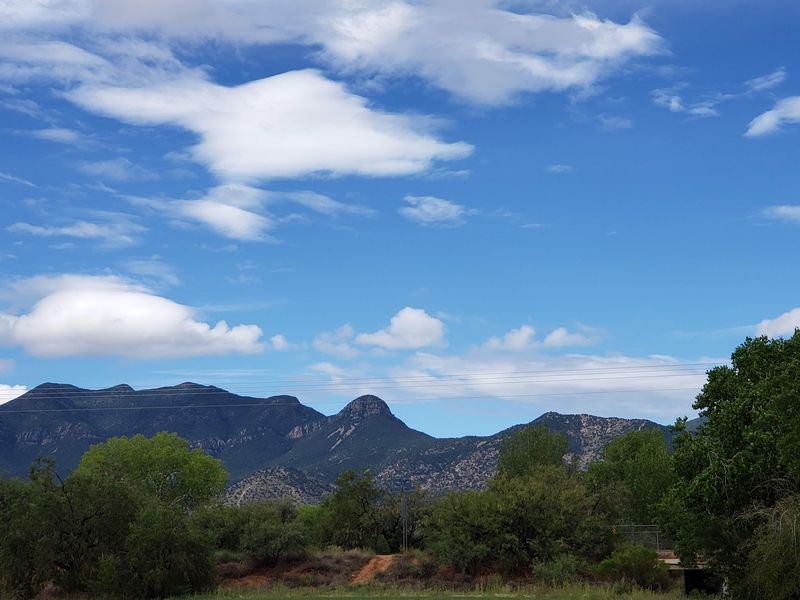
Bird lovers whisper about southeastern Arizona the way collectors talk about rare finds, and Sierra Vista often lands at the center of the conversation.
The reason comes down to geography. The region sits along migration routes where birds moving north and south pass through, and the mixture of desert, grassland, and mountain canyon gives many species a reason to stop.
Hummingbirds are the headliners. Southeastern Arizona is known for hosting an unusually high number of hummingbird species compared with almost anywhere else in the country, and the area around Sierra Vista is a prime place to spot them.
The city has leaned into that identity over the years, welcoming people who arrive with binoculars and camera lenses that cost more than their vehicles. Local businesses and nature sites cater to the crowd.
What makes the story satisfying is how understated it is. There is no giant theme park or flashing sign, just a landscape doing what it has always done, quietly attracting tiny travelers with blurring wings.
That authenticity is exactly what keeps people coming back season after season.
The Huachuca Mountains As A Backdrop
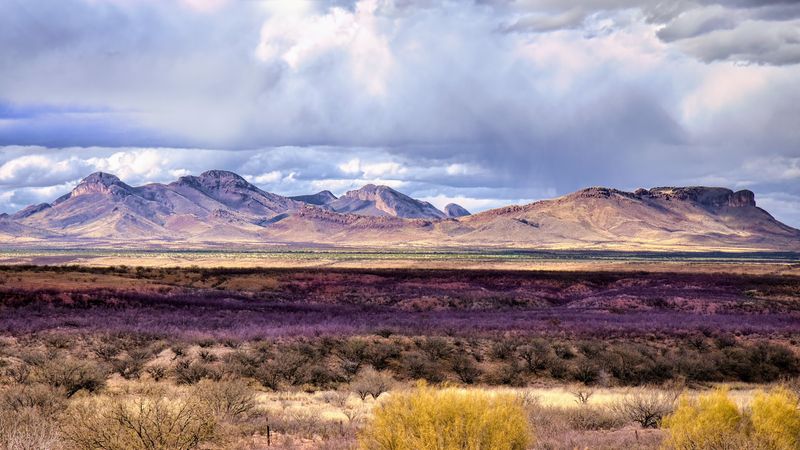
Rising sharply behind the city, the Huachuca Mountains give Sierra Vista both its cooler temperatures and its dramatic profile.
These peaks are what geographers call a sky island, a tall range surrounded by lower desert. The higher you climb, the more the plants and animals change, and species that could not survive on the desert floor thrive up in the shaded canyons.
That layering is a big part of why the area draws naturalists. Within a short distance you can move through several habitat zones, each hosting different birds, plants, and creatures.
The mountains also shape the weather. They pull in moisture and create pockets of green that stand out against the surrounding grassland, giving hikers and photographers plenty to explore.
Trails wind up into the range for those who want to earn their views, while overlooks reward people who prefer to keep things gentle. Either way, the scenery does the heavy lifting.
For a city its size, having a mountain range this rugged as its permanent backdrop feels like an unfair advantage.
Ramsey Canyon And Its Rare Residents
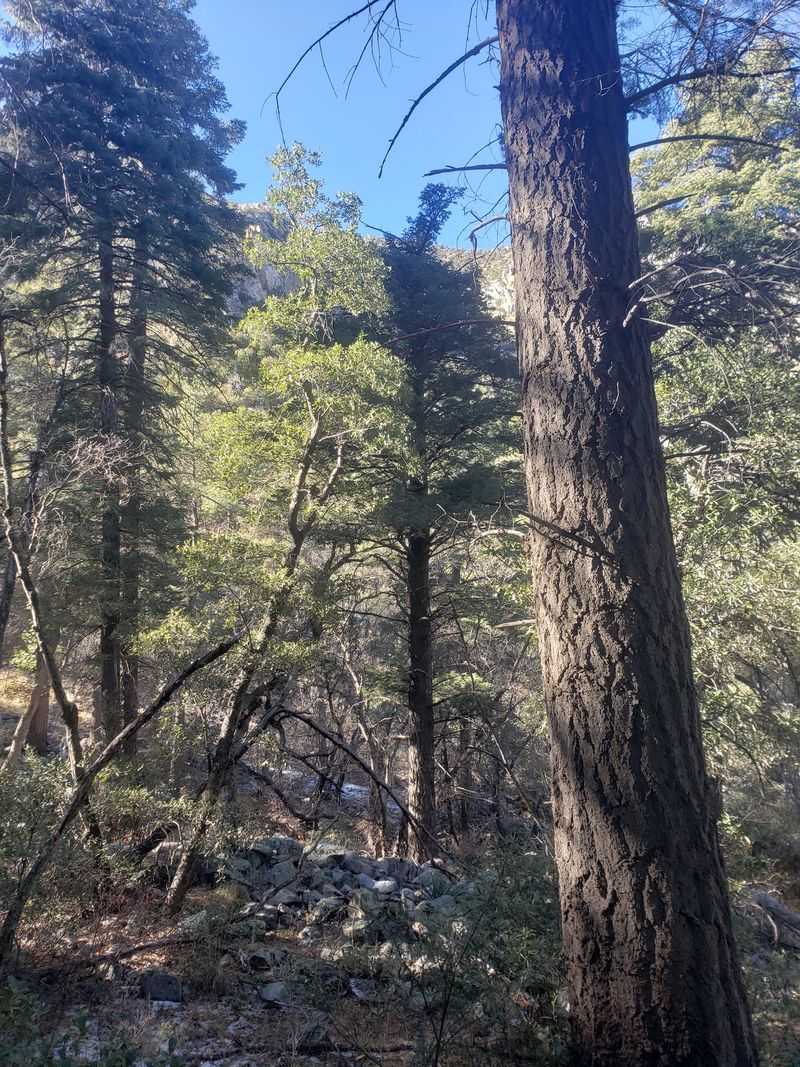
Just outside the city lies one of the most celebrated slices of nature in the whole state, a shaded canyon famous among birders across the country.
Ramsey Canyon cuts into the Huachuca Mountains and stays greener and cooler than the surrounding land. That microclimate makes it a magnet for hummingbirds and other species that favor the shade and water.
The canyon is often cited as one of the best places in the region to see a wide range of hummingbird species in a single visit, which is exactly why it draws people who plan whole trips around it.
Trails follow the creek and climb gently upward, offering a manageable walk for most fitness levels. The tree cover keeps things pleasant even when the desert below is warm.
Beyond the birds, the canyon hosts a mix of plants and wildlife that feel almost out of place this far south, a reminder of how the sky island effect reshapes everything.
People leave here feeling like they visited somewhere far more remote than a short drive from town.
The San Pedro River Corridor
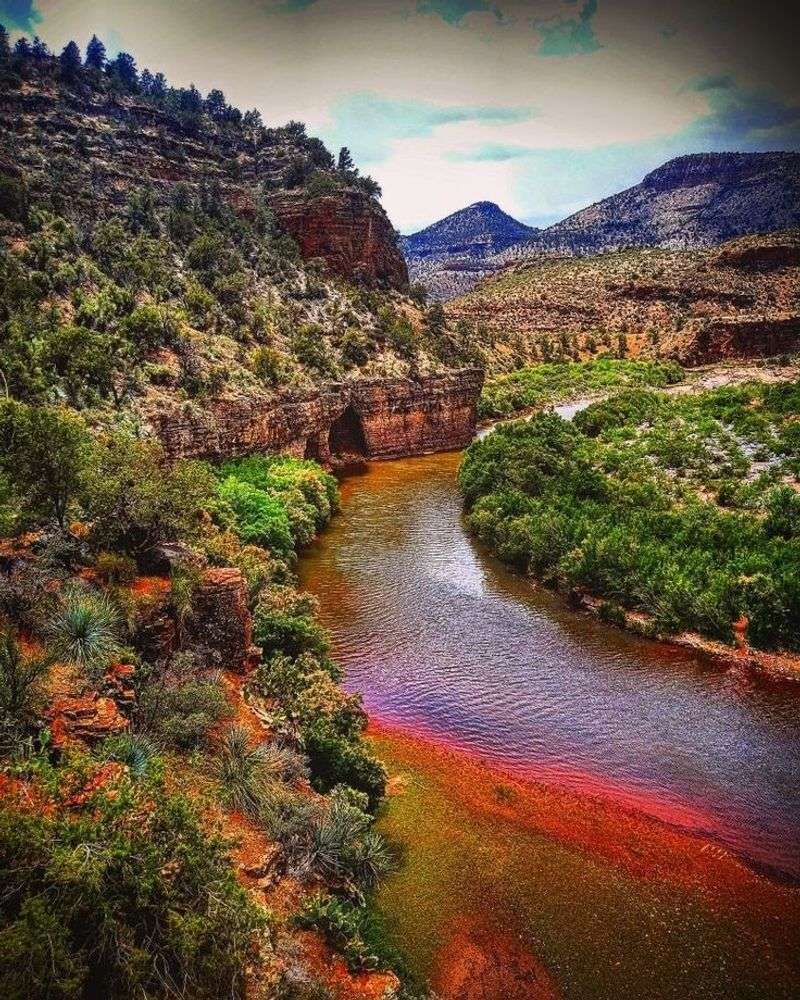
Water is scarce in the desert, so a river that flows year-round becomes a lifeline, and the San Pedro is one of the great ones near Sierra Vista.
The San Pedro Riparian National Conservation Area protects a ribbon of green along the river, where cottonwood trees and cool water draw an astonishing variety of birds throughout the year.
Birders often name this corridor among the richest in North America because of the sheer number of species that pass through or nest here. It works as a natural highway for migrating flocks.
Trails follow the water and connect to historic sites, giving walkers a chance to combine wildlife watching with a bit of the region’s past.
The contrast is striking. On one side stretches open grassland, and along the river runs a shaded green band that feels like a separate world.
For anyone chasing the region’s hummingbird reputation, pairing a canyon visit with a river walk covers a remarkable amount of habitat in a single day.
A Climate Cooler Than You Expect
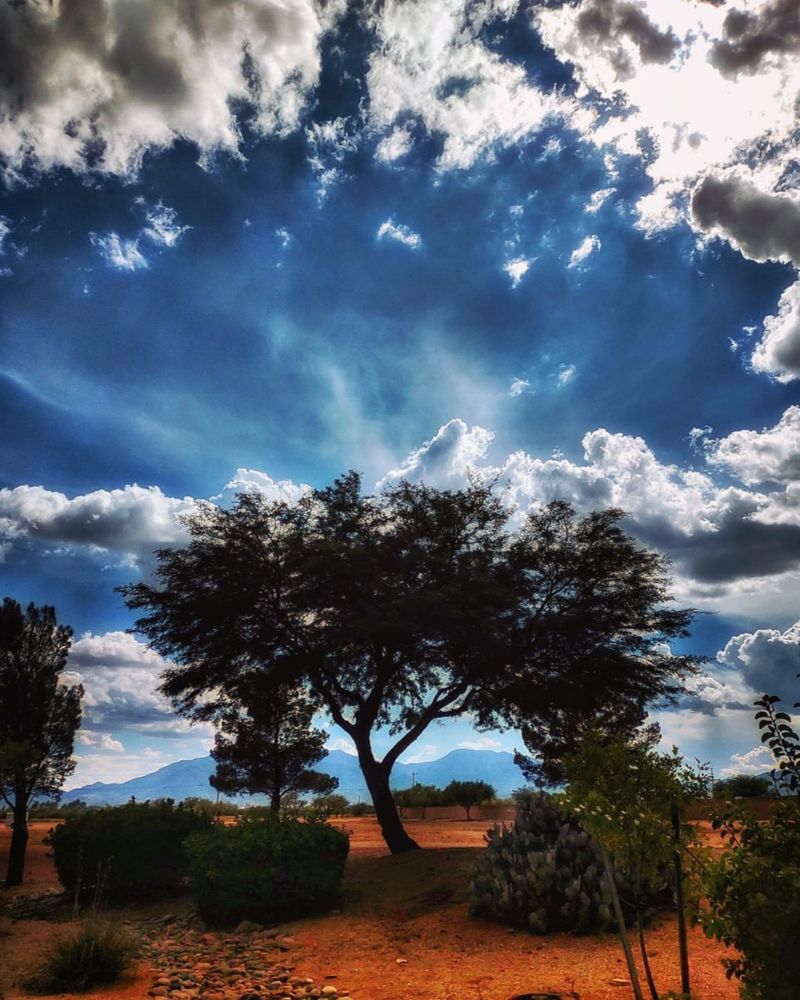
Many people assume all of Arizona bakes, then arrive in Sierra Vista and find the air noticeably milder.
Credit the elevation. The city sits high enough that summer temperatures tend to run cooler than Phoenix or Tucson, making it a comfortable base during the hotter months.
That mild climate is part of why wildlife thrives here and why outdoor plans rarely get derailed. Hiking, birding, and long walks stay pleasant across much of the year.
Summer brings seasonal rains that green up the landscape and coax the grasslands to life. The transformation makes the region feel lush in ways the low desert never manages.
Cooler nights also mean the area shows up on lists of comfortable escapes when the rest of the state turns into an oven.
Residents from hotter parts of Arizona sometimes treat the drive down as a reset, trading blazing pavement for breezy mountain air without ever crossing a state line. It is a small perk that makes a big difference.
Grasslands That Stretch To The Horizon
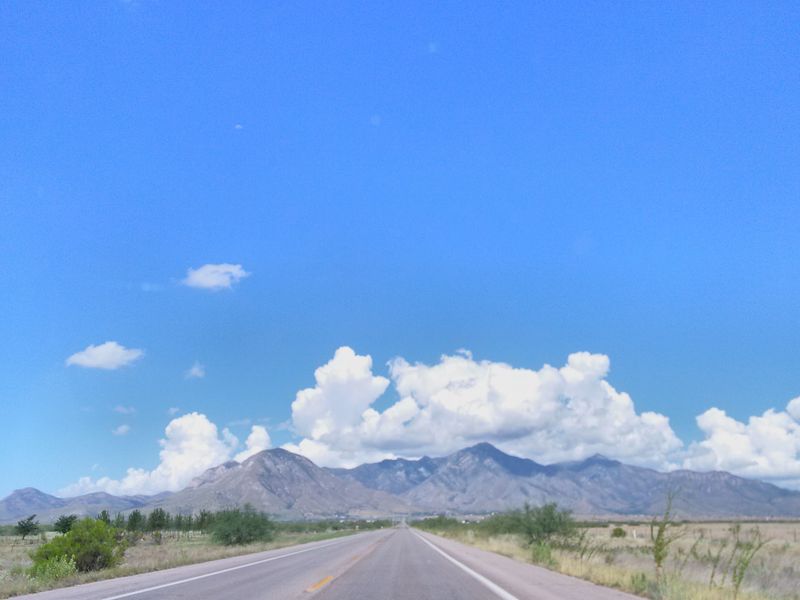
Beyond the canyons and the river, wide open grassland defines much of the country around Sierra Vista.
These rolling plains give the area a spacious, uncluttered feel that surprises people expecting cactus in every direction. The grass shifts color with the seasons, turning golden and then greening after the rains.
The grasslands are more than scenery. They provide habitat for birds and animals that need open space, adding yet another layer to the region’s wildlife lineup.
Photographers love the big skies here, where storms build in the distance and light spreads across the land without buildings in the way.
For drivers, the roads through this country deliver a steady stream of views, with the mountains framing nearly every horizon.
The mix of open plain and rugged peak in such close quarters is part of what makes this pocket of Arizona feel distinct from the rest of the state. It rewards people who slow down and look around instead of racing to the next stop.
The Best Seasons For Tiny Travelers
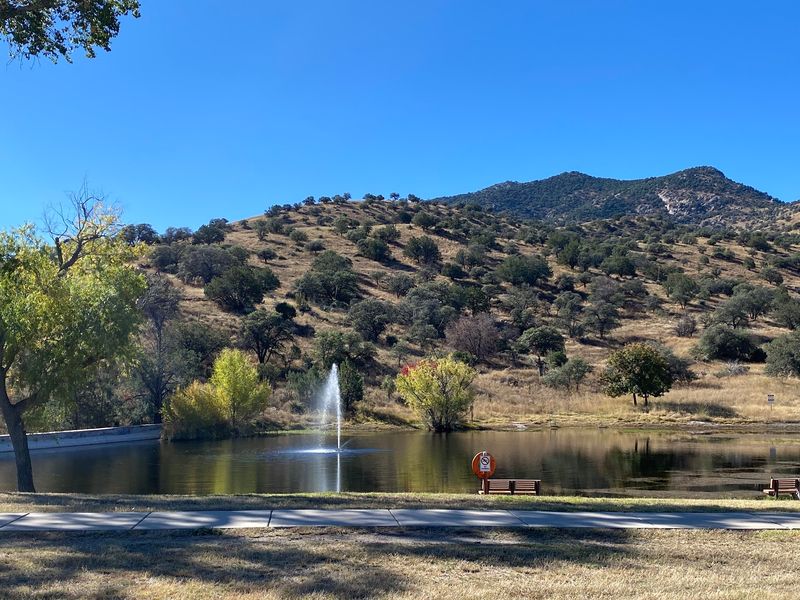
Timing matters when the main attraction weighs less than a coin and moves in a blur.
Hummingbird activity in the region peaks during the warmer months, when migration and the summer rains bring the greatest variety through the canyons and along the river.
Late summer is often highlighted as an especially rich window, when the landscape greens up and the birds gather in impressive numbers at feeders and blooming plants.
Spring also draws steady traffic as species move north, giving early-season visitors plenty to watch.
The upside of this schedule is that it lines up with the time of year when much of Arizona is looking for cooler ground, so a birding trip doubles as a heat escape.
Planning around these windows increases the odds of spotting several species in a single outing rather than just one or two.
Patience remains the real requirement. Set up near the right spot, wait, and the show tends to arrive on its own schedule, which is half the fun.
A City Built For Easy Exploring
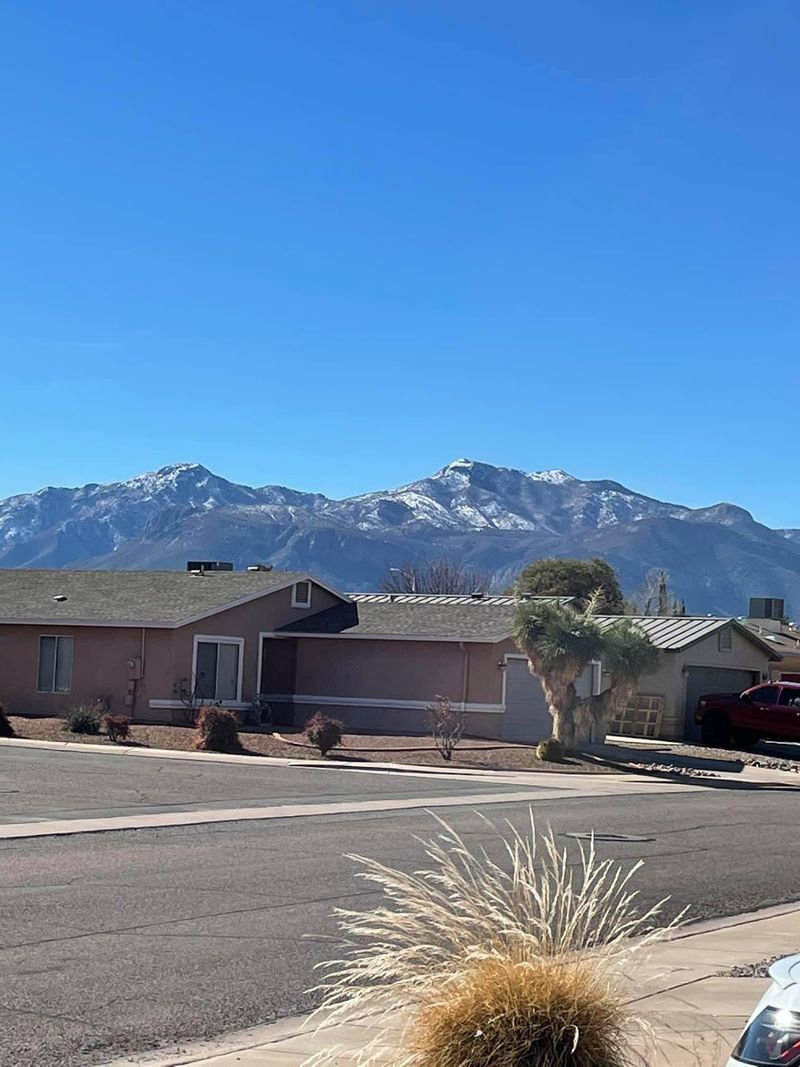
All the wild scenery would mean less without a comfortable home base, and the city itself delivers that.
With a population above 45,000, Sierra Vista is large enough to offer the practical things travelers need yet small enough to feel relaxed and navigable.
The layout makes it simple to stay in town and branch out to the canyons, river, and mountain trails, all of which sit within an easy drive.
Everyday conveniences are close at hand, which matters when you are up early for wildlife and want a low-stress return in the afternoon.
The city serves as the anchor of its metropolitan area, so it functions as a regional hub rather than a sleepy outpost.
That balance is part of the appeal for Arizona locals. You get genuine wilderness on the doorstep without giving up the comforts of a real city.
Use it as a launchpad, and the surrounding country opens up in every direction.
Getting There From Across Arizona
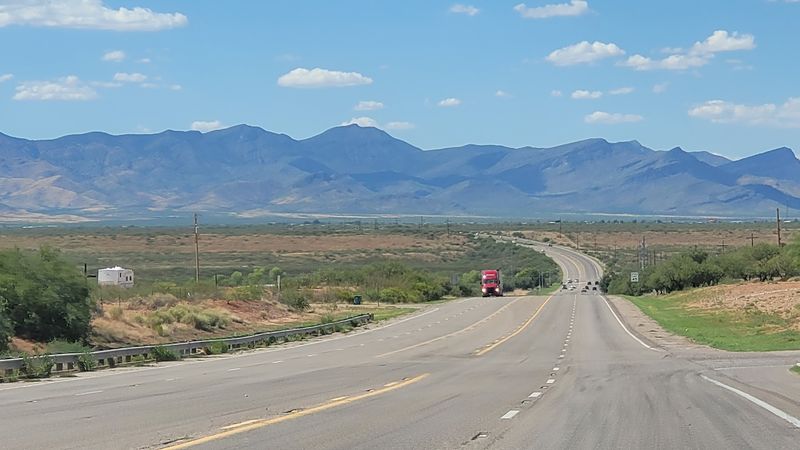
Reaching this corner of Cochise County takes a bit of intent, which is exactly why it stays under the radar.
The city sits in southeastern Arizona, well south of the state’s biggest population centers. From Tucson it makes for a reasonable drive, and from Phoenix it becomes more of a committed day trip or a weekend plan.
The route rewards the effort as the desert gives way to grassland and mountains, so the journey itself feels like part of the destination.
Roads into the area are straightforward, and once in town the surrounding sites are clearly worth building an itinerary around.
Because it takes a little driving, many people turn the trip into an overnight stay rather than a rushed loop, which suits the slow pace of wildlife watching.
For those planning ahead, the city website at sierravistaaz.gov offers a starting point for details.
The distance filters out casual crowds, leaving the canyons and trails feeling refreshingly uncrowded for those willing to make the drive.
Who This Destination Suits Best
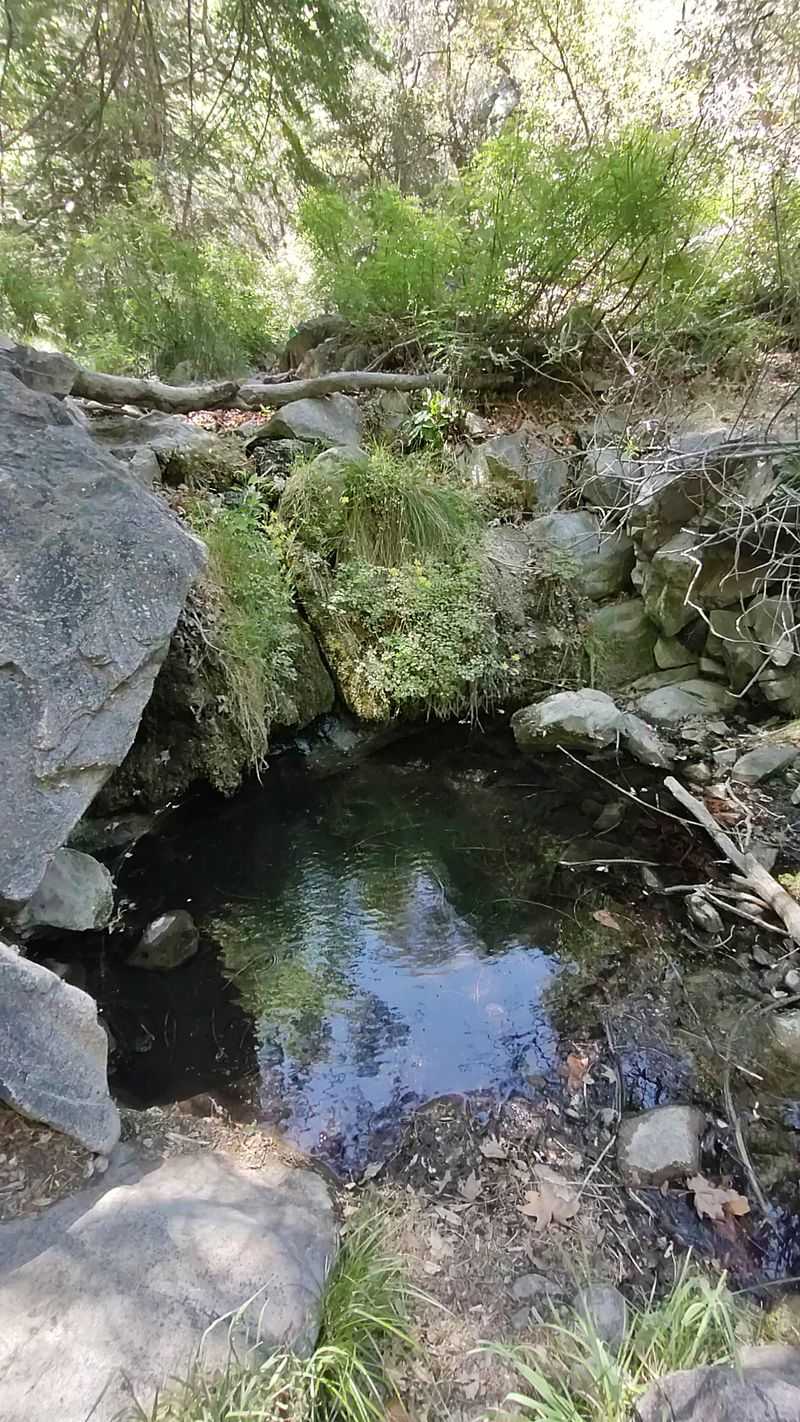
Not every trip fits every traveler, and this one has a clear sweet spot.
People who enjoy nature at a slow pace tend to get the most out of it. Birders, hikers, and photographers find endless reasons to stay, but casual explorers who like quiet scenery do well too.
Families looking for an outdoor experience without heavy crowds will find the canyons and trails welcoming, and the cooler climate keeps summer outings comfortable.
Anyone chasing a break from Arizona’s hottest cities can treat the higher elevation as built-in relief.
It suits curious types who like the idea of finding something world-class in their own state, the kind of place longtime residents are surprised to discover.
The pace here rewards patience over adrenaline. Those hoping for nonstop attractions may want something else, but travelers who value stillness and wildlife will feel right at home.
For the right person, a few days here becomes the highlight of the season.
Why It Earns A Spot On Your List
Some places shout for attention, and this one simply lets its wildlife and scenery do the talking.
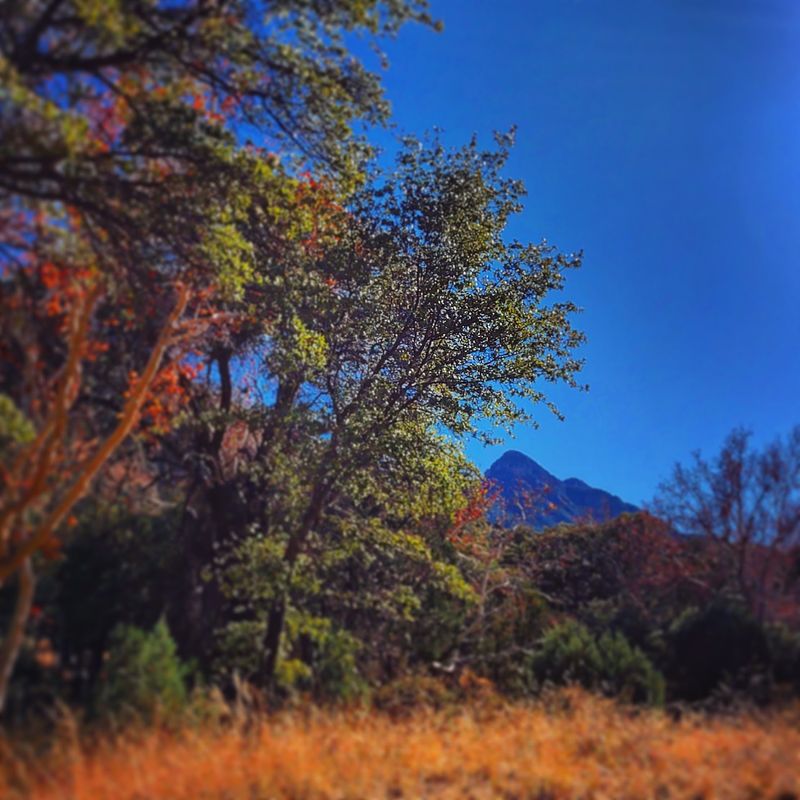
Sierra Vista brings together a rare combination of cool mountain air, open grassland, a year-round river, and canyons packed with tiny, dazzling birds, all within a small radius.
Its reputation as a hummingbird hotspot rests on real geography, the migration routes and sky island habitats that funnel so many species through the region.
Add a comfortable, walkable city as a base, and the trip becomes as practical as it is rewarding.
For Arizona residents, the biggest draw may be pride of ownership. This is homegrown, world-class nature that never requires leaving the state.
The drive keeps the crowds thin and the experience personal, which only adds to the sense of discovery.
Pack the binoculars, plan around the warmer months, and give the birds time to appear. A weekend spent here has a way of turning skeptics into regulars, and it firmly earns its place on any Arizona bucket list.


