
Affiliate disclosure: As an Amazon Associate I earn from qualifying purchases. Learn more
Somewhere in the southeastern corner of Arizona, a small city welcomes tiny, jewel-toned travelers by the thousands each year. More than a dozen species of hummingbirds pass through here, drawn by canyon streams, blooming feeders, and a climate that feels like a reward after a long desert drive.
Longtime Arizonans sometimes forget this place sits just a couple of hours from Tucson, quietly earning a reputation birders chase from around the world. The mountains rise fast, the trails wind through shady canyons, and the town itself keeps a friendly, unhurried pace.
What follows is a closer look at why this spot deserves a place on your list, from its wild backyard to its practical travel details. Stick around, because the story of Arizona’s feathered capital is better than the postcards suggest.
Where Arizona Keeps Its Feathered Secret
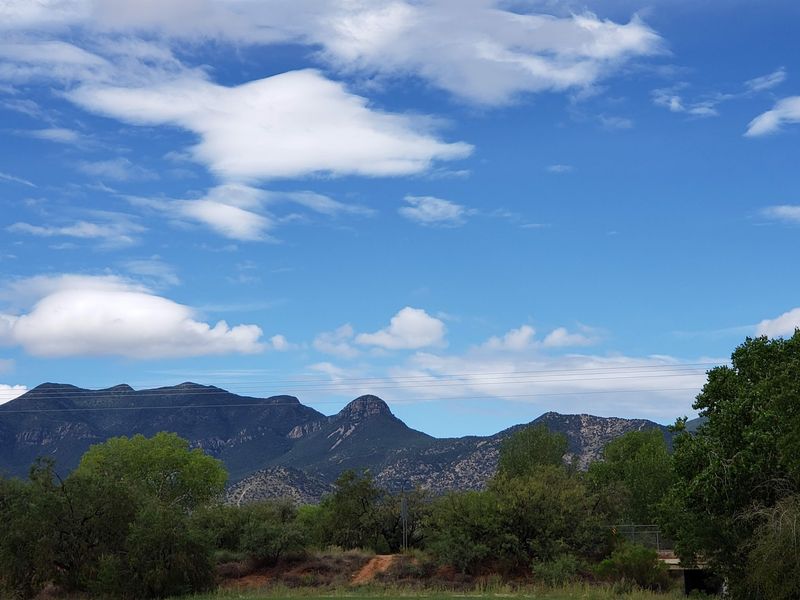
Tucked into Cochise County in southeastern Arizona, the city of Sierra Vista sits at the base of the Huachuca Mountains, about 75 miles southeast of Tucson. The official address is simply Arizona, and the city runs its own visitor resources through sierravistaaz.gov.
Home to around 45,308 people according to the 2020 Census, it ranks as the 27th most populous city in the state. That makes it big enough to have real amenities, yet small enough to feel like a discovery.
The wider Sierra Vista-Douglas metropolitan area counted roughly 131,346 residents in 2010, so the region stretches well beyond the city limits. Fort Huachuca, the nearby military installation, has long shaped the local character and economy.
What pulls nature lovers here, though, has nothing to do with population figures. The mix of high elevation, canyon water, and mountain shade creates conditions that hummingbirds adore.
Sierra Vista has embraced that identity, calling itself the hummingbird capital of the country and building its tourism story around those winged visitors.
For Arizona residents used to long stretches of open desert, the green folds of the Huachucas can feel like a plot twist. That contrast is exactly what makes the trip worth planning.
How A Desert City Earned Its Hummingbird Crown
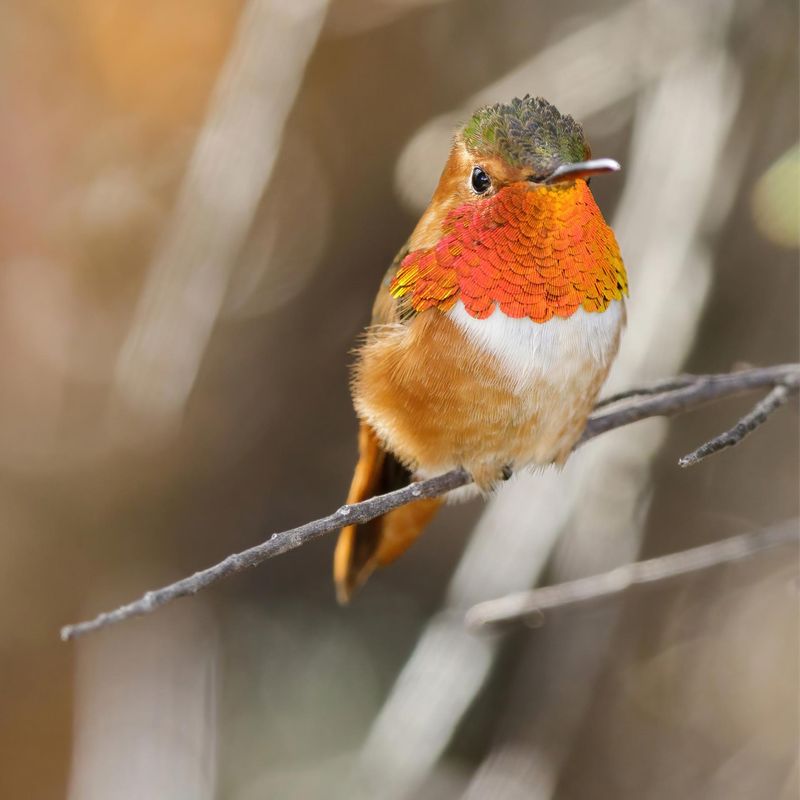
The nickname did not appear out of thin air. Southeastern Arizona sits along one of the richest migration corridors on the continent, and the canyons around Sierra Vista funnel an unusual number of hummingbird species through a compact area.
More than a dozen species have been recorded in the region, a count that few places in the United States can match. That density is what gives the city its bragging rights.
Elevation plays a quiet role in all of this. The town sits high enough to escape some of the harshest lowland heat, while the mountains rising above it push toward pine forests and cooler air.
Streams tumbling out of the Huachucas keep the canyons green longer than the surrounding grasslands, and that moisture supports the flowers and insects hummingbirds depend on. The result is a natural magnet.
Local groups and preserves have leaned into the phenomenon for decades, setting up feeders, protecting habitat, and welcoming birders who plan entire trips around a single sighting. For Arizonans, it is a reminder that world-class wildlife watching can hide a short drive from home rather than across an ocean.
The Huachuca Mountains That Set The Stage
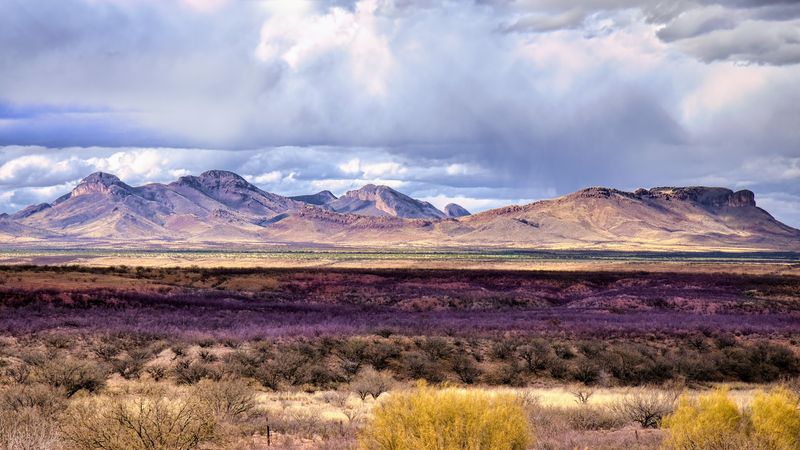
Rising sharply on the western edge of town, the Huachuca Mountains give Sierra Vista its dramatic backdrop and much of its wildlife wealth. These peaks climb steeply from grassland into forested slopes, creating a range of habitats stacked within a short distance.
The elevation change is the whole trick. As you gain height, the landscape shifts from open desert scrub to oak woodland and eventually pine, and each zone attracts different birds, plants, and animals.
Canyons carved into the range hold seasonal and year-round water, which is a rare luxury in this part of Arizona. Those shaded, watered pockets become gathering spots for hummingbirds and countless other species.
Because the mountains sit so close to the city, access is easy. A short drive can carry you from a neighborhood street to a trailhead in cooler air within minutes.
For residents chasing summer relief, the higher reaches offer a break from valley heat without a marathon road trip. The Huachucas are not just scenery.
They are the engine that makes the entire hummingbird story possible, and they reward anyone willing to look up and drive toward them.
Ramsey Canyon And Its Winged Celebrities
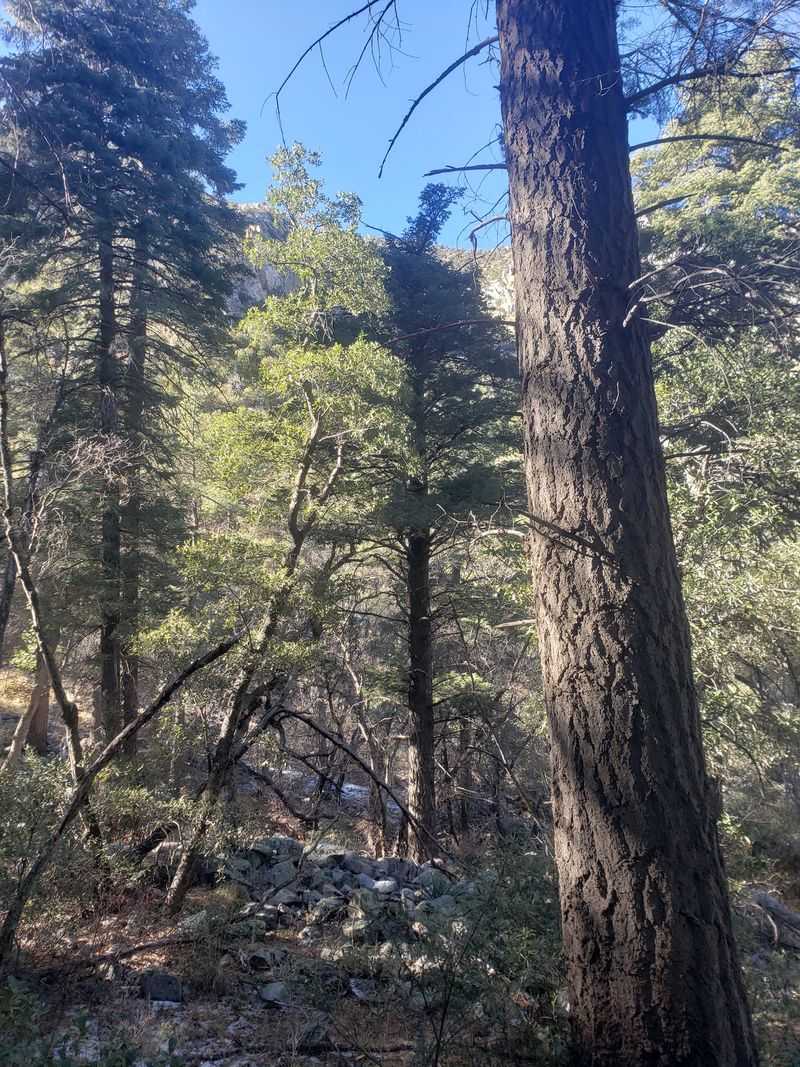
Few names come up more often in Sierra Vista than Ramsey Canyon, a shaded preserve carved into the Huachucas that has become a pilgrimage site for hummingbird fans. The steep canyon walls and running water create a cool refuge where birds gather in impressive numbers.
Nature enthusiasts often plan their entire visit around this spot. The combination of accessible trails, mature trees, and reliable water makes it one of the most dependable places in the area to spot several species in a single outing.
Walking the paths here, the pace naturally slows. The canyon rewards patience, and quiet watchers tend to be the ones who notice the most activity around the feeders and blooms.
Beyond hummingbirds, the preserve shelters a wide cast of wildlife, from other birds to plants that thrive in the sheltered microclimate. It is a living example of why this corner of Arizona punches so far above its weight.
For anyone building a bucket list around the state, Ramsey Canyon is close to non-negotiable. It captures, in one green ravine, everything that makes Sierra Vista special.
When The Birds Show Up In Force
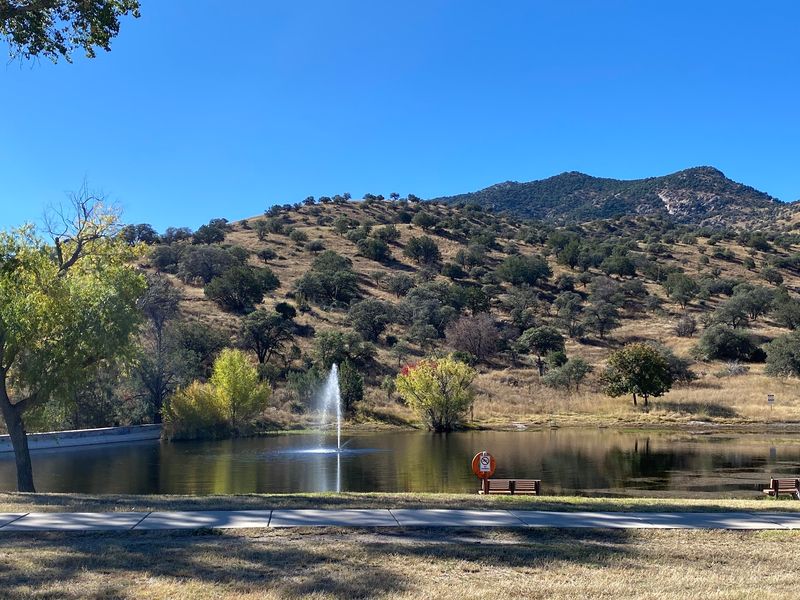
Timing can make or break a hummingbird trip, and the calendar matters more than most first-time visitors expect. The warmer months bring the biggest surge of activity as migration and breeding overlap across the canyons.
Spring through late summer tends to be the busiest stretch for sightings. During this window, feeders and flowering plants stay active, and the variety of species peaks.
Late summer in particular can feel like a natural highlight reel, with the mix of resident and passing birds crowding the best feeding spots. Local preserves often see steady action through the day when conditions are right.
The high country also offers a bonus for Arizona locals during the hottest months. While valley cities swelter, the shaded canyons and higher elevations around Sierra Vista may stay noticeably more comfortable, making a summer escape doubly appealing.
Planning around the peak season does take a little research, since exact activity shifts year to year. Still, aiming for the warm months gives you the best odds of seeing the show in full swing.
Arrive early in the day, and you tend to catch the busiest feeding hours.
Trails, Canyons, And Room To Roam
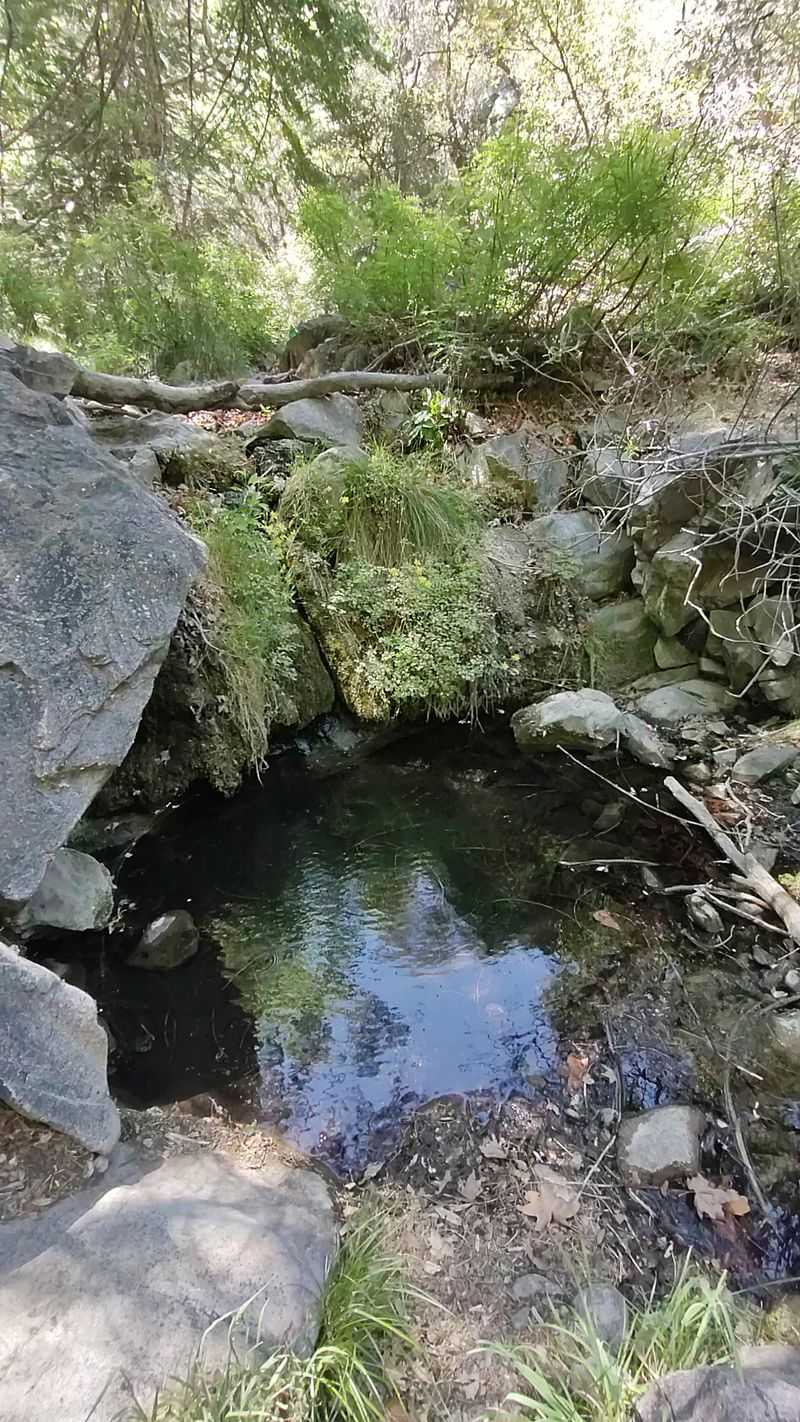
Beyond the feeders, Sierra Vista serves up a genuine outdoor playground for anyone who likes to move. The canyons cut into the Huachucas offer trails ranging from gentle strolls to steeper climbs into the forest.
Hiking here doubles as wildlife watching. Many of the paths follow water, which means the birds, plants, and quiet scenery come along for the walk.
The variety of terrain keeps things interesting. One route might wander through oak woodland, while another gains elevation quickly and opens toward broader mountain scenery.
Because the trailheads sit so close to town, spontaneous outings are easy to pull off. You can spend a morning on the trail and still be back for lunch in the city.
The grasslands surrounding Sierra Vista add another layer, with wide-open stretches that feel entirely different from the shaded canyons. That mix of environments packed into one area is part of what keeps outdoor lovers coming back.
For residents who think they have seen every Arizona landscape, the sheer range crammed around this one city can be a pleasant surprise. It is a place built for exploring at your own speed.
The San Pedro River Running Nearby
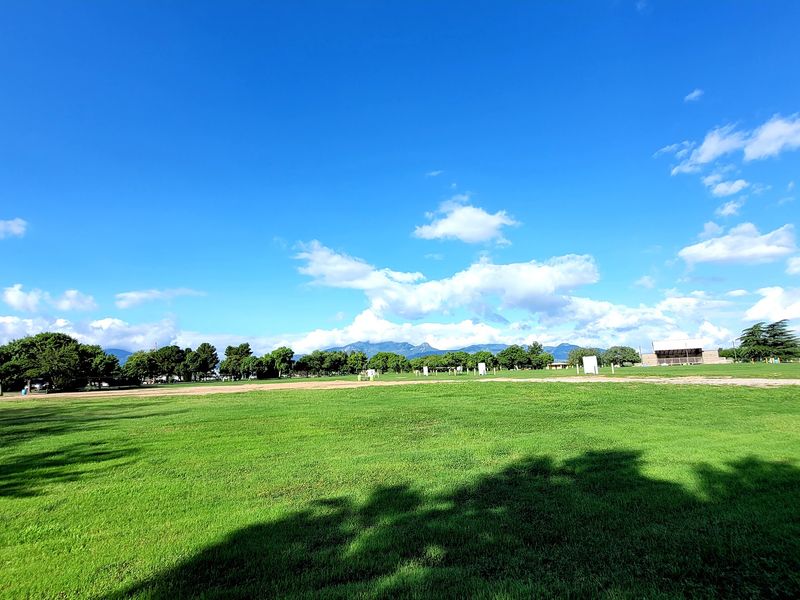
Not far from the city, the San Pedro River carves a green ribbon across the landscape and adds yet another wildlife draw to the region. This waterway supports a rich riparian corridor that stands out sharply against the surrounding grasslands.
Water in this part of Arizona is precious, and where it flows, life follows. The riverside habitat attracts a remarkable range of birds and other creatures throughout the year.
Birders often pair a river outing with a canyon visit, since the two environments attract different species and round out a trip nicely. The contrast between mountain shade and riverside cottonwoods keeps things varied.
For casual visitors, the area offers a peaceful place to walk and take in the scenery away from town. It is an easy addition to any Sierra Vista itinerary.
The corridor has long been recognized as ecologically important, a reminder that the region’s appeal runs deeper than hummingbirds alone. Rivers like this one help explain why so much wildlife concentrates here.
Arizona locals who assume rivers are rare at home may find this stretch quietly reshapes that expectation.
Dark Skies Made For Stargazing
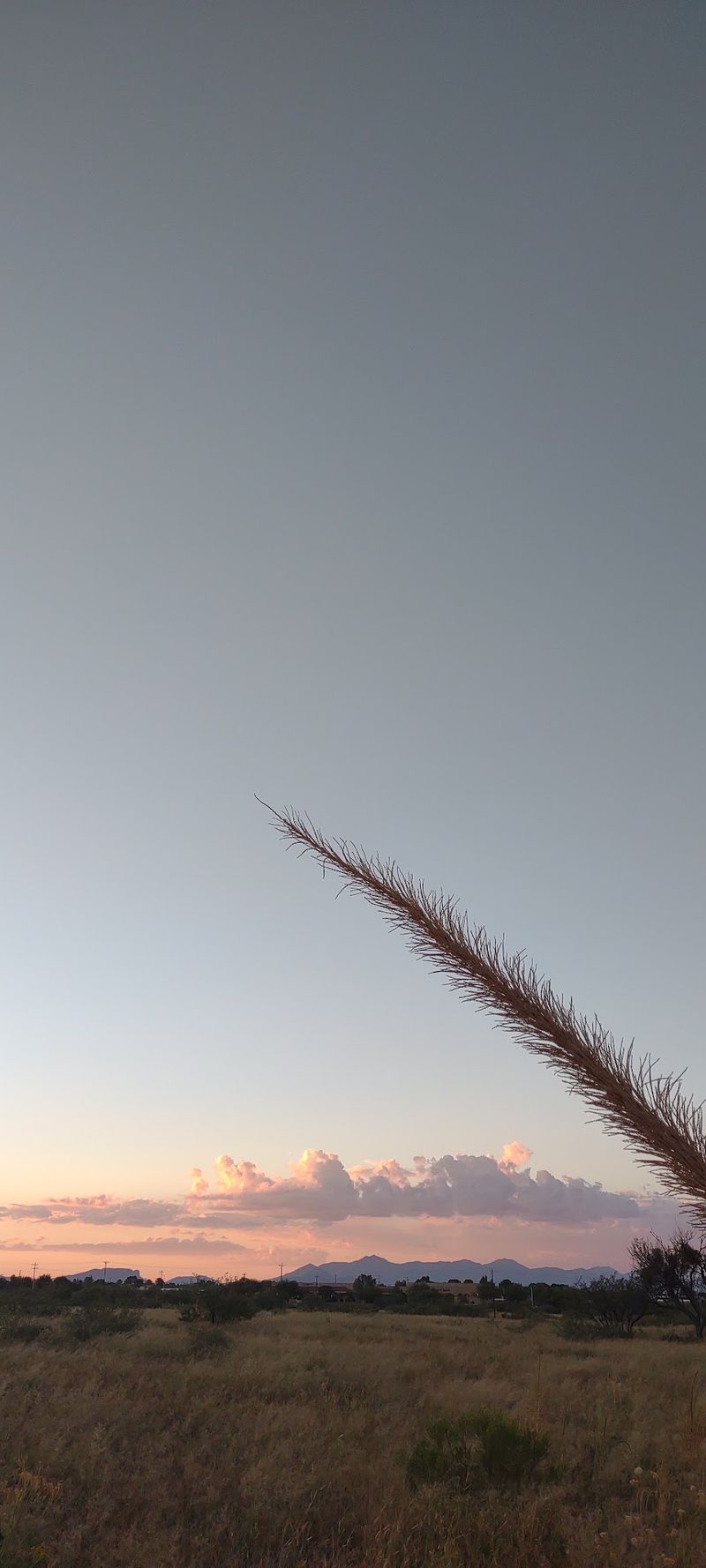
When the sun drops, Sierra Vista offers a second act that has nothing to do with birds. The region’s relatively dark skies and clear high-desert air can make for excellent stargazing on the right night.
Away from the brightest city lights, the star field opens up dramatically. Summer nights in particular may reveal the full sweep of the Milky Way arching overhead.
Southeastern Arizona has earned a strong reputation among astronomy fans, and the area around Sierra Vista shares in that advantage. The elevation and dry climate both help.
Pairing daytime canyon walks with an evening under the stars turns a simple trip into something more memorable. It stretches the experience across the full day.
For Arizona residents, dark skies are one of the state’s underrated treasures, and this corner delivers them without demanding a long expedition. A blanket, a little patience, and a clear forecast are about all you need.
The night sky here rounds out the sense that Sierra Vista quietly offers more than one reason to visit. Come for the hummingbirds, and stay for the stars.
Fort Huachuca And The Town’s Backbone
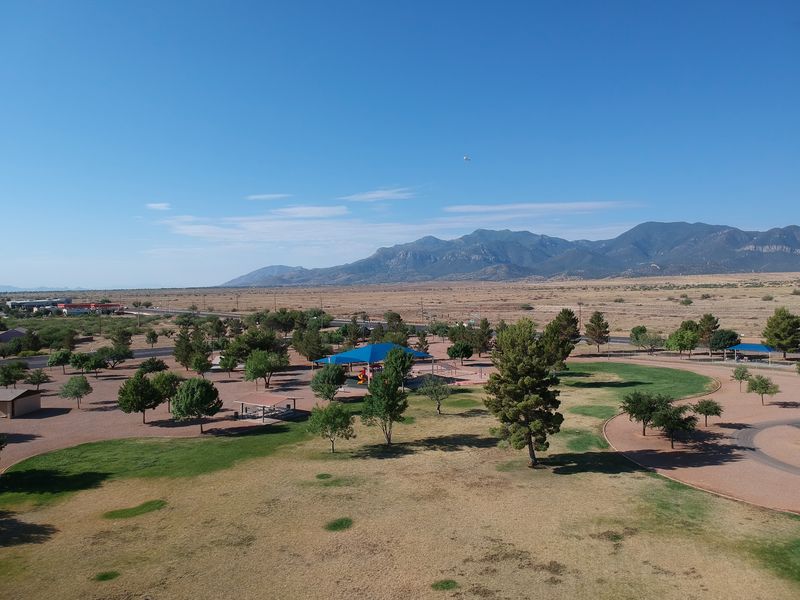
Any honest portrait of Sierra Vista has to include Fort Huachuca, the military installation that sits beside the city and shapes much of its identity. The fort has been a central part of the community for generations.
Its presence influences the local economy, the population, and the overall character of the area. Many families connected to the installation call the city home.
The fort also carries a long history within the region, adding a layer of heritage to a place already known for its natural attractions. That blend of history and wildlife gives Sierra Vista an unusual texture.
Visitors passing through will notice the installation’s role in daily life, from the community feel to the steady rhythm of the town. It anchors the city in a way that goes beyond scenery.
For locals across Arizona, the fort is a familiar name, and seeing it woven so tightly into a hummingbird capital adds an interesting contrast. History and nature share the same address here.
Understanding the fort helps explain why the city grew where it did and why it remains a stable, welcoming base for exploring the surrounding canyons.
A City With Real Comforts, Not Just Wilderness
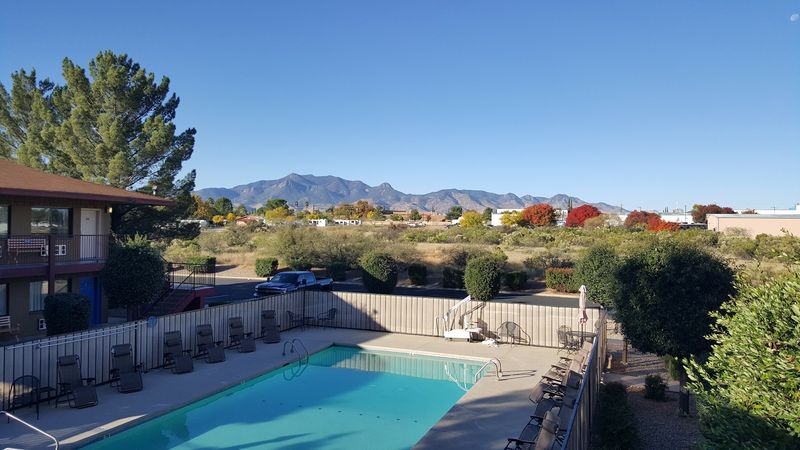
One pleasant surprise about Sierra Vista is that it does not force you to rough it. With a population above 45,000, the city offers genuine amenities alongside its wild surroundings.
That size strikes a nice balance. You get places to stay, eat, and resupply without losing the small-city ease that makes the trip relaxing.
After a morning in the canyons, returning to a comfortable base feels like a luxury rather than an afterthought. The city functions as a practical hub for the whole region.
Families appreciate that mix, since the combination of outdoor adventure and everyday convenience suits a wide range of travelers. Nature lovers, birders, and casual explorers all find room here.
The friendly, unhurried pace of the city adds to the appeal. It never feels frantic, which fits the kind of slow, watchful travel that hummingbird spotting rewards.
For Arizona residents planning a weekend away, that blend of wilderness at the doorstep and comfort back in town makes Sierra Vista an easy sell. You get the wild without giving up the cozy.
Getting There And Planning Your Days
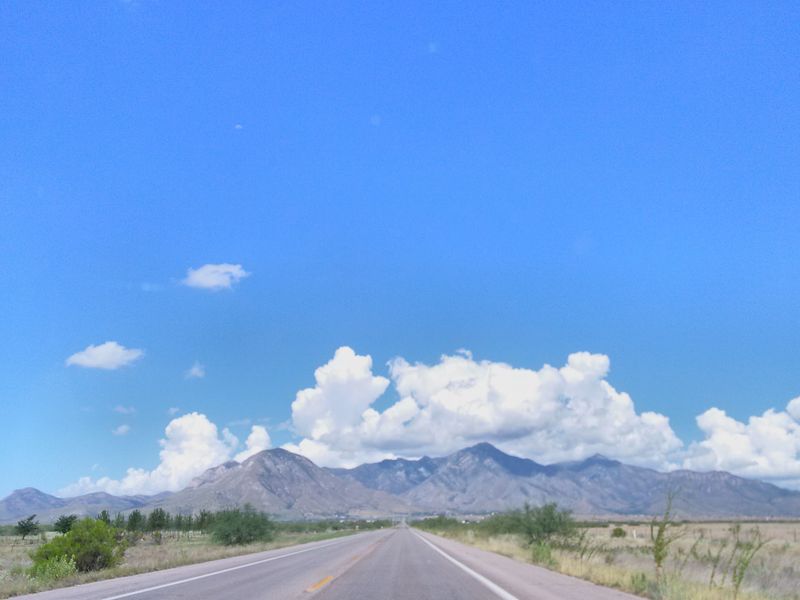
Reaching Sierra Vista is refreshingly straightforward for most Arizona residents. The city sits roughly 75 miles southeast of Tucson, making it an easy day drive from the state’s second-largest metro area.
From Tucson, the route heads southeast through open country before the Huachuca Mountains come into view. The drive itself is part of the appeal, easing you out of the city and into the grasslands.
Once you arrive, the compact layout keeps travel simple. Trailheads, canyons, and the city center all sit within a short radius, so you spend more time exploring and less time driving.
For trip planning, the city runs official visitor information through sierravistaaz.gov, a useful starting point for current details. Checking ahead helps with timing, especially around peak hummingbird season.
A weekend is enough to sample the highlights, though nature lovers may want longer to cover the canyons, the river corridor, and an evening of stargazing. Building in early mornings tends to pay off, since bird activity often peaks then.
With a little planning, Sierra Vista fits neatly into a long weekend escape from almost anywhere in southern Arizona.
Why This Corner Of Arizona Earns Its Spot
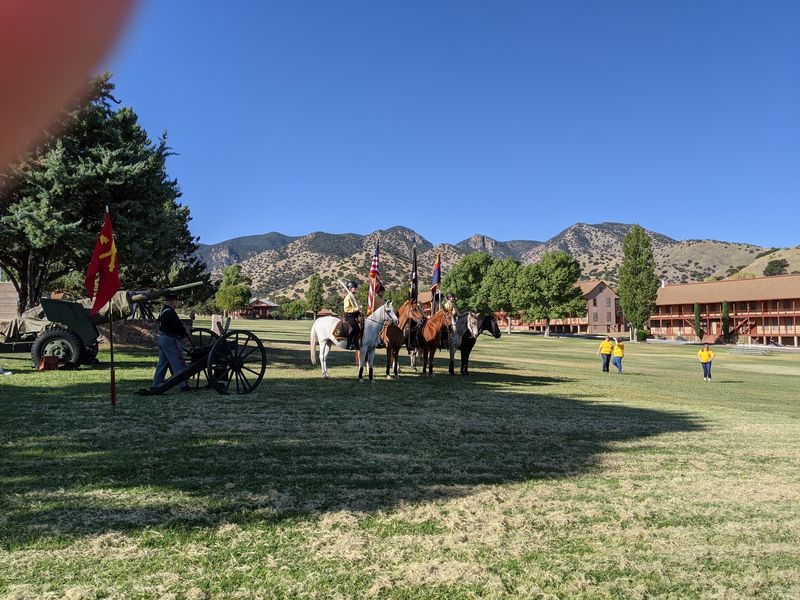
Adding up everything Sierra Vista offers, the case for a visit builds quickly. A city that welcomes more than a dozen hummingbird species, backed by mountains, canyons, a living river, and dark night skies, is not something most states can claim.
The blend is what sets it apart. Wildlife, scenery, history, and genuine comfort all sit within a short radius of one another.
Arizona residents in particular have every reason to feel a little proud. A world-class hummingbird destination has been sitting quietly in the state’s southeastern corner all along.
The trip works for serious birders, casual walkers, stargazers, and families looking for a change of scenery without a punishing drive. That range of appeal is rare.
Whether you come for a single day in Ramsey Canyon or a full weekend of exploring, the city tends to leave people planning a return. There is simply more here than one visit can cover.
Put Sierra Vista on the list, point the car southeast, and let Arizona’s feathered capital show you why the nickname fits. The tiny travelers, and the town that welcomes them, are worth the trip.