
Affiliate disclosure: As an Amazon Associate I earn from qualifying purchases. Learn more
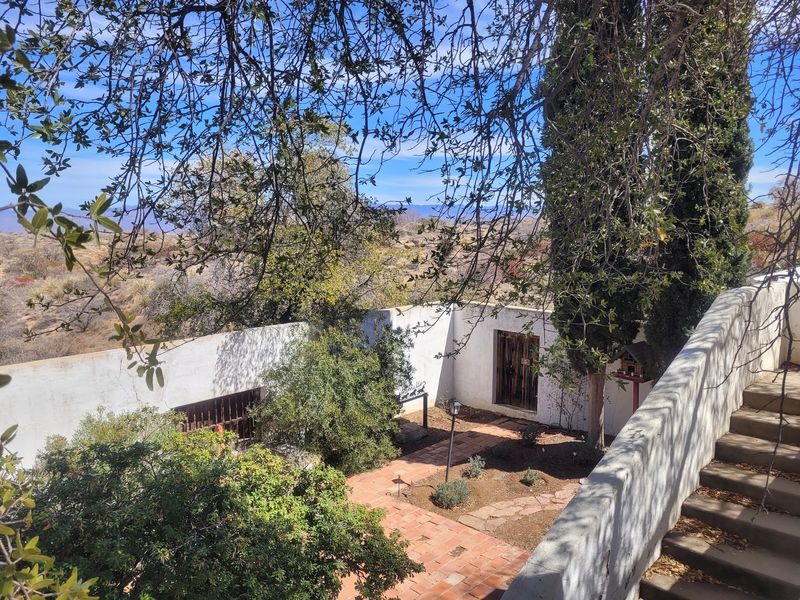
About an hour north of Tucson, the desert pulls a quiet trick on anyone who keeps driving. The cactus flats give way to granite boulders, oak-dotted hills, and a 1930s ranch house that looks like it wandered in from the Mediterranean coast.
Arizonans who find this place tend to ask the same question: how has it stayed off everyone’s radar for so long? The answer involves a wildlife refuge, more than 15 miles of trails, a slice of the Arizona Trail, and one of the darkest night skies in the state park system.
Some locals make the trip just for the stars. Others come for the history and stay for the views.
Keep reading to learn what makes this high-country escape special, when to go, what it costs, and the small insider details that help a day trip run smoothly.
A Refuge Hiding in Plain Sight
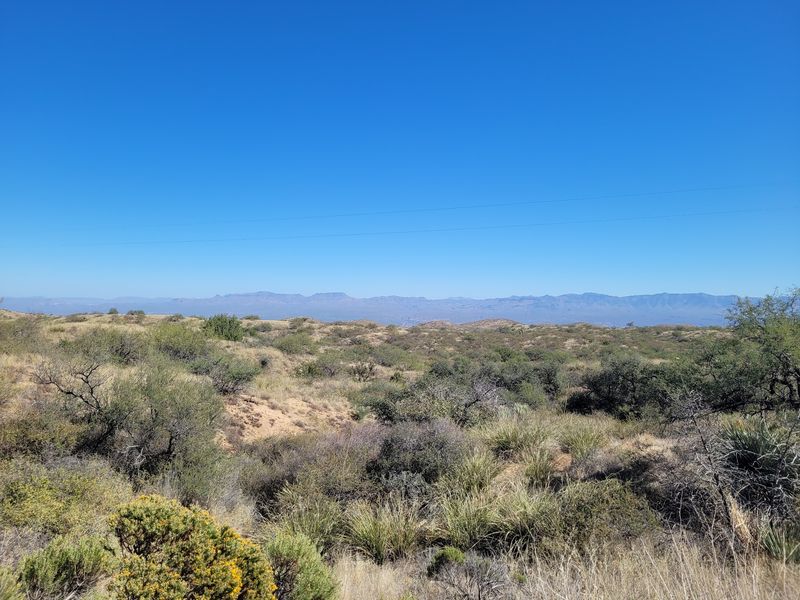
Some of Arizona’s best scenery sits just past a small-town turnoff most drivers never take. Oracle State Park is found at 3820 E Wildlife Dr, Oracle, AZ 85623, in the foothills north of the Santa Catalina Mountains.
Officially, the park is a large wildlife refuge with hiking trails. It covers a sprawling mix of forest and desert terrain, with miles of paths and several picnic sites spread across the property.
The landscape here is often described as high chaparral. That means a blend of grasses, shrubs, scattered trees, and boulder fields rather than the classic saguaro scene many people expect from southern Arizona.
People who know the Tucson side of the Catalinas often say the desert here feels completely different. The terrain is more open, with wide spaces and long views toward distant peaks.
That openness is a big part of the appeal. Instead of narrow canyon walls, hikers get room to roam and horizons that stretch for miles.
The park also enjoys a solid local reputation, holding a 4.7-star average across hundreds of opinions. For a place many Arizonans have never heard of, that is quite the quiet track record.
So what turns an open patch of high country into something people call unreal? The answer starts with a house.
The Kannally Ranch House Story
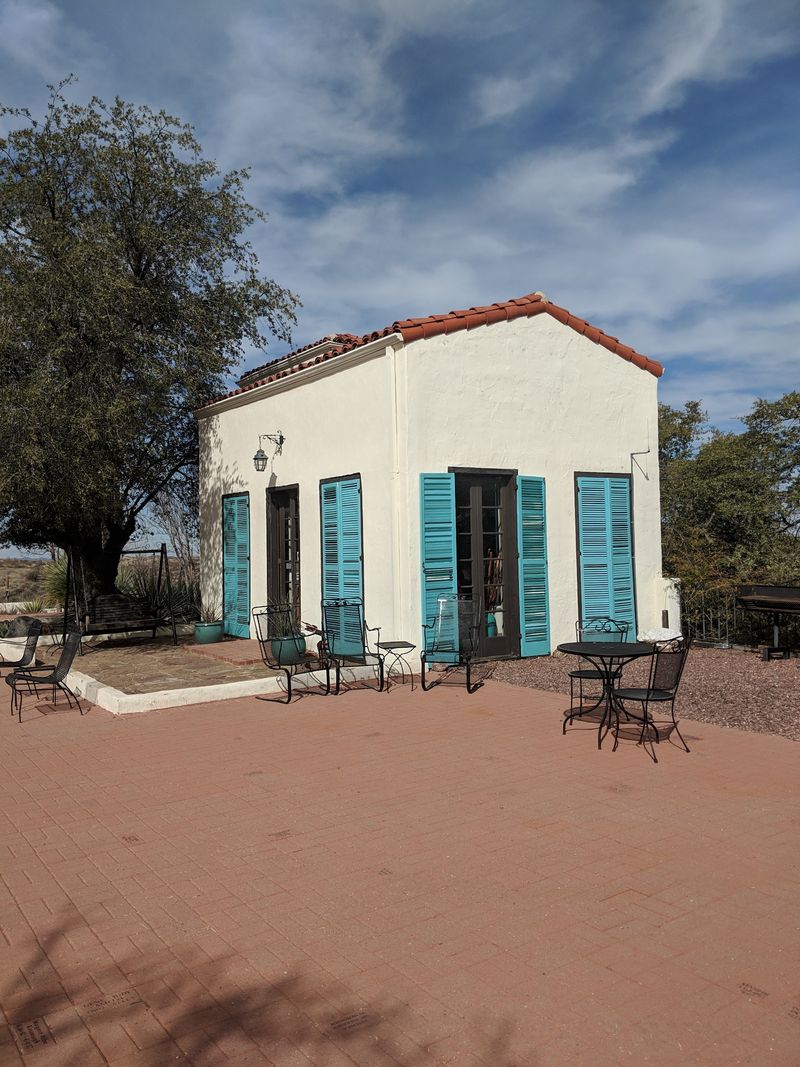
Built in 1932, the Kannally Ranch House is the park’s crown jewel. It stands as a Mediterranean Revival home set in the middle of Arizona ranch country.
The house was a fancy early 20th century winter home. Today it serves as the heart of the park, holding a small museum, historic sitting rooms, and household displays that show how the place once looked.
Guests can walk through the home and head down into the sitting rooms. The interior is well maintained, and the displays help tell the story of life on the ranch nearly a century ago.
A full guided tour runs about 45 minutes. Tours have been offered on Saturdays and Sundays, so weekend planning pays off for history fans.
Many people say the house is the first thing worth seeing. It offers context for everything else in the park, from the old corrals to the trail network beyond.
The building also houses the gift shop, which doubles as the spot where parking fees are paid. More on that later, because it trips up a few newcomers.
History lovers tend to linger here longer than planned. The trails, though, are waiting just outside the door.
Porch Seats for Bird Watchers
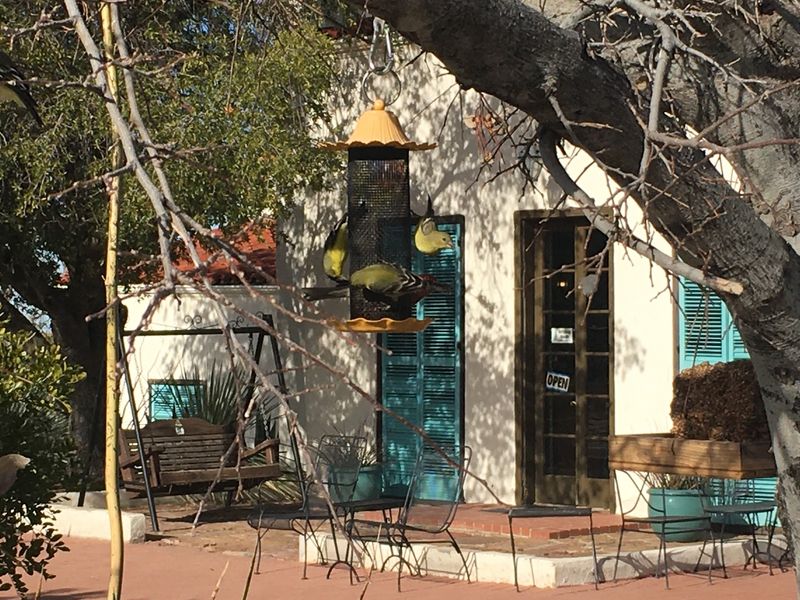
Goldfinches have figured out where the good seats are. A bird feeder in front of the ranch house draws them in, and the shaded porch gives people a front-row view.
Bird watching ranks among the most talked-about activities at the park. Many species pass through, and the porch makes it easy to sit still and let them come to you.
Next to the ranch house is a quiet bird watching area. It also works as a handy meeting point when a group splits up to explore different trails.
Beyond the house, birds show up along the trails too. On cooler days, birds may be the only wildlife spotted, which still makes for a satisfying outing.
A wildlife observation area adds another place to pause and scan the landscape. Binoculars are a smart thing to pack.
The appeal is simple. No long hike is required, and even young kids or older family members can enjoy the show from a chair.
Not every great park moment needs a trailhead, and this one proves it. Still, the trails are where the real variety begins.
Fifteen Miles of Choose-Your-Own Trails
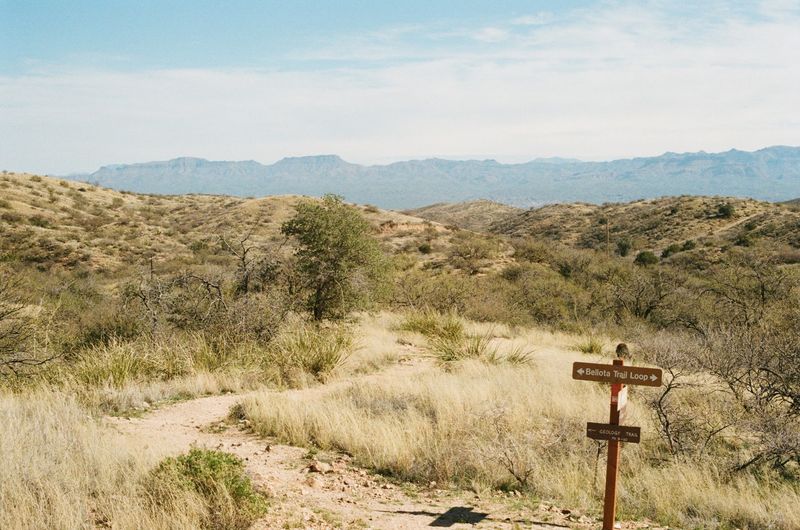
Short stroll or half-day trek, the choice belongs to the hiker. The park offers more than 15 miles of trails that can be stretched long or kept short.
Hiking is easily the most popular activity here. Paths include the Nature Trail, the Wildlife Corridor Trail, the Geology Trail, and the Granite Loop, among others.
One favorite route links the Nature Trail to the Wildlife Corridor Trail and on to a junction with the Arizona Trail. That out-and-back runs about 4 easy miles with few inclines and wonderful views.
Many trails are wide. Hikers with reactive dogs appreciate the visibility, since oncoming walkers can be seen early and there is room to step aside.
A short interpretive trail near the house leads past the old cattle corral area. It also offers some shelter on windy days.
Picnic pavilions and seating areas are scattered along the routes. They make natural rest stops and even host guided groups.
Here is the honest catch: some trails are not well marked on the paper map, and side paths can be confusing. A downloaded map and a little patience go a long way out here.
Boulders Steal the Show on Granite Loop
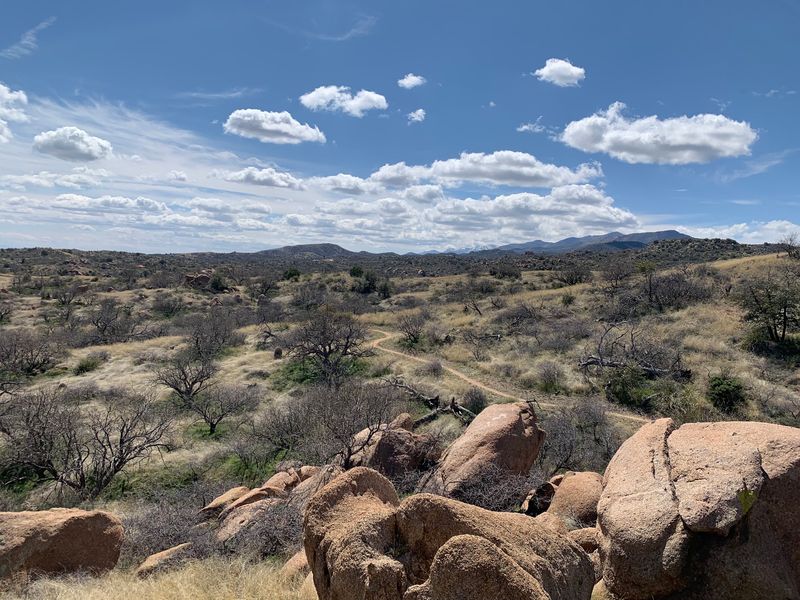
Big rocks make big impressions. The Granite Loop is often named as the trail with the best views in the park.
Boulder fields line the route, giving the landscape a sculpted look that sets it apart from flatter sections of the property. The Granite Overlook Trail is another option for hikers chasing a wide panorama.
Mountain views stretch out in the distance from these higher spots. On clear days, the open terrain lets the eye travel a long way.
Families with older kids often find this loop more exciting than the gentler paths. The boulders add variety, and there is more to look at along the way.
Trees and rocky outcrops also create plenty of natural hiding spots. That is good for wildlife, and a reminder that rattlesnakes may be around in warm weather.
Watch your step, stay on the trail, and give any snake plenty of space. Those simple habits keep the outing relaxed.
Photographers tend to favor this part of the park, and for good reason. Speaking of rocks, there is a trail built entirely around them.
A Self-Guided Lesson in Rock History
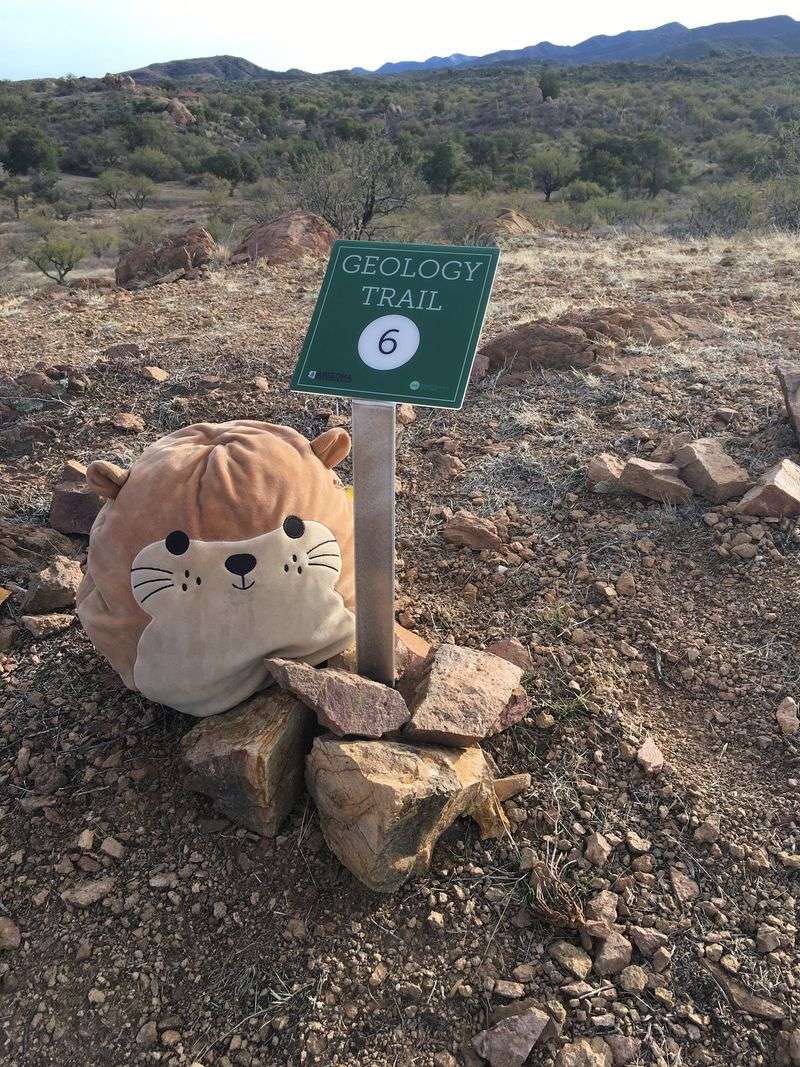
Rocks tell stories, and the Geology Trail hands out the script. Numbered markers line the route, and a trail map explains what each stop reveals.
The self-guided tour was developed with help from the park’s geologist. Information can be downloaded to a phone, and a paper brochure is also available.
The trail is easy and works well for curious families. Kids around 2 and up can handle sections of it during mild weather, though strollers are not a good fit.
A handy shortcut uses the Kannally wash to skip ahead between markers. That lets small groups enjoy a shorter loop without missing the highlights.
Opinions differ on how exciting it is. Some hikers find it a little plain, while others love learning what shaped the land beneath their boots.
Guided geology tours have also been offered at times. Those sessions earn strong praise for being packed with useful information.
The lesson here is that context changes everything. A plain-looking boulder becomes far more interesting once its backstory is known.
Wildlife on the Move

Gray foxes and white-tailed deer have both been spotted along the trails. For a park that calls itself a wildlife refuge, that fits the job description.
The Wildlife Corridor Trail is named for its purpose. It helps connect habitat across the landscape, letting animals move through the area.
Sightings are never guaranteed. Some days bring deer and foxes, while other days the most active residents are birds.
Season plays a role too. Winter can feel quieter, with fewer animals out and plants looking dry.
Warm months bring lizards and snakes out of hiding. Staying aware of rattlesnakes is wise when temperatures climb.
Early hours often bring the best luck for spotting wildlife. Since the gates open at 8 AM, morning hikers have a head start.
Patience is the main skill needed. Animals here keep their own schedule, and the park simply gives them room to keep it.
Where the Arizona Trail Passes Through
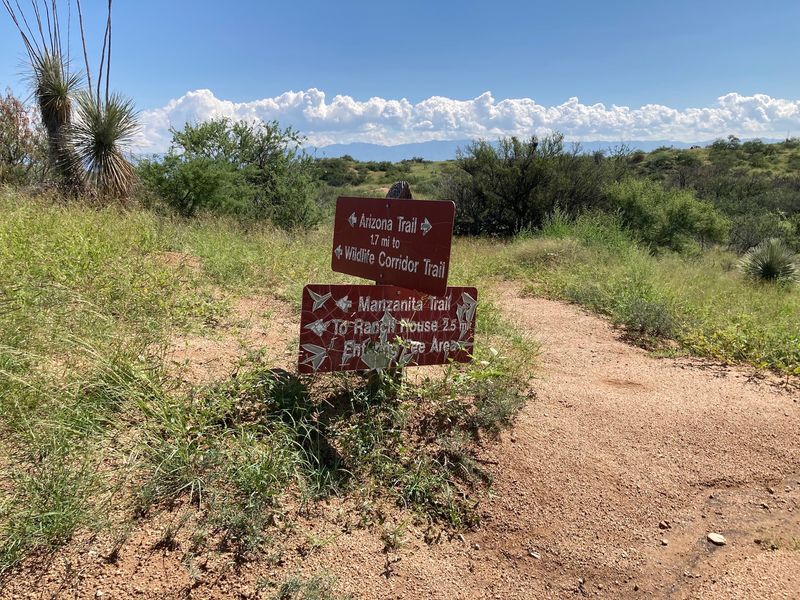
Few state parks can claim a piece of an 800-mile icon. A section of the Arizona Trail crosses right through this park.
That connection gives local hikers a taste of the famous long-distance route without committing to a major expedition. The Wildlife Corridor Trail leads to a junction with it.
For Arizonans, it is a fun bragging point. Walking even a short stretch counts as time on the state’s signature trail.
The route also gives a sense of scale. Standing at the junction, it becomes clear that this quiet park is part of a much larger story.
Mountain bikers have their eye on the park too. Some trails allow biking, though the experience gets mixed marks.
Dog owners should check before heading out. Many trails in the park do not allow dogs, so it helps to confirm which routes are open to pets.
A short walk here can spark bigger plans. More than a few hikers leave already eyeing the next segment north or south.
Arizona’s First Dark Sky State Park

When the sun goes down, the park plays its trump card. It was the first Arizona state park to earn a designation from the International Dark-Sky Association.
That recognition means very low light pollution. On a good night, every star in the Little Dipper can be seen, which is a known sign of a truly dark sky.
Star parties bring telescopes out for public viewing. Some events have even paired stargazing with a concert beforehand.
Plenty of guests skip the telescopes and simply lie back to look up. The view works fine without any equipment.
One insider tip stands out. The American Avenue trailhead parking area is considered the best spot for stargazing, and its gate is always open.
Star parties often require booking ahead by phone. Calling early helps secure a spot.
Arizona has no shortage of night skies, yet this one has the paperwork to prove its status. That is a point of local pride worth sharing.
Rangers, Cameras, and Story Hours
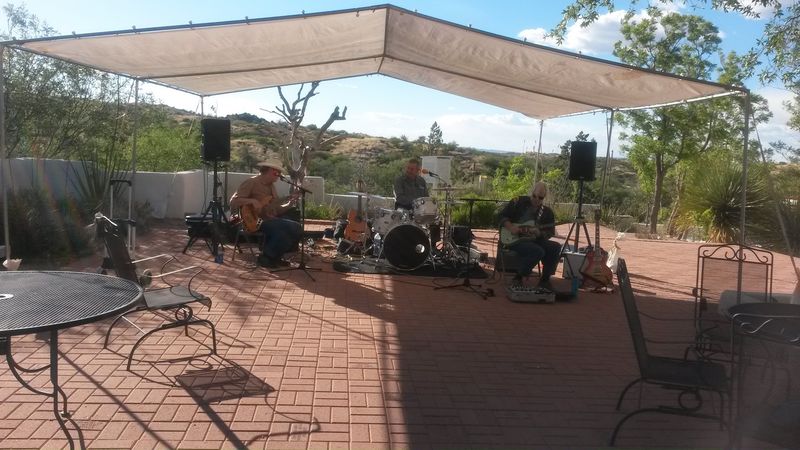
A guided outing can turn a nice day into a memorable one. The park hosts a steady lineup of events throughout the year.
Photography hikes led by a park ranger earn glowing praise. Participants describe him as a knowledgeable guide and a talented photographer.
Night photography classes follow a similar format. People leave happy with their shots thanks to hands-on help after dark.
The Storytelling Sky Tour is another popular event. It blends night sky viewing with stories told under the stars.
Special gatherings show up on the calendar too. A Reptile Expo has drawn crowds to the grounds.
Families with small kids should ask the ranger for an activity pamphlet. Completing it earns a yellow badge that young explorers love.
Staff get consistent credit for being friendly, helpful, and easy to talk to. Checking the park website before a visit is the easiest way to catch the next event.
Cooler Air and Quiet Days
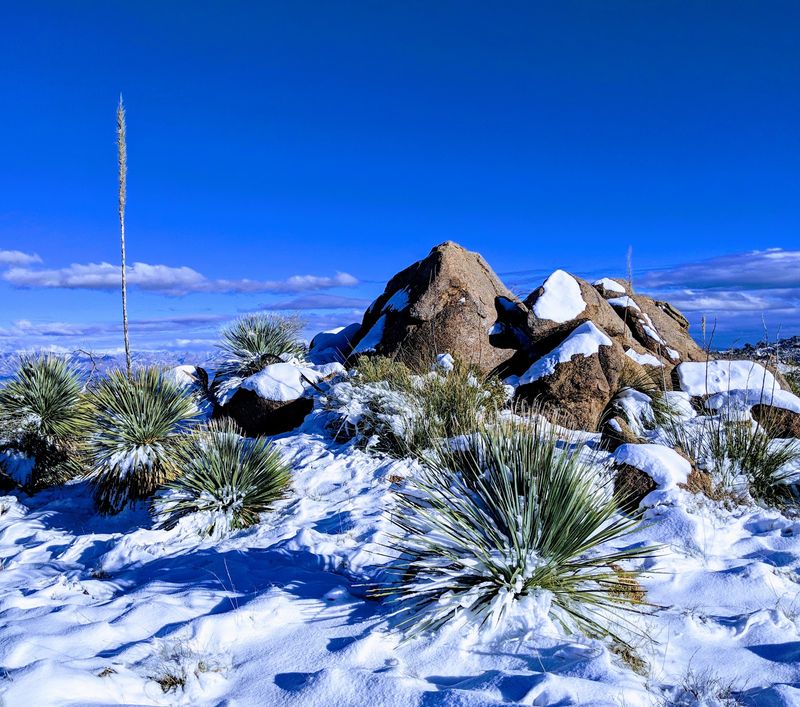
Tucson residents have a secret weapon for warm days, and it sits at higher elevation. The park offers cooler temperatures and a welcome break from city heat.
That elevation comes with a trade-off. Wind is common, and winter days can hover around 50 degrees in the shade.
Checking the forecast before leaving home is smart. Layers make a big difference, especially around the exposed ranch house grounds.
Crowds are rarely an issue. Many days feel peaceful, with only a few other hikers on the trails.
That calm suits families, older visitors, and anyone who prefers wide open space over busy trailheads. Easy routes work well for young kids and elders alike.
Winter can look sparse, with dry plants along some paths. Mild seasons tend to show the landscape at its best.
The quiet itself is part of the charm. Some places impress with crowds, and this one impresses by skipping them.
Hours, Fees, and Handy Facilities
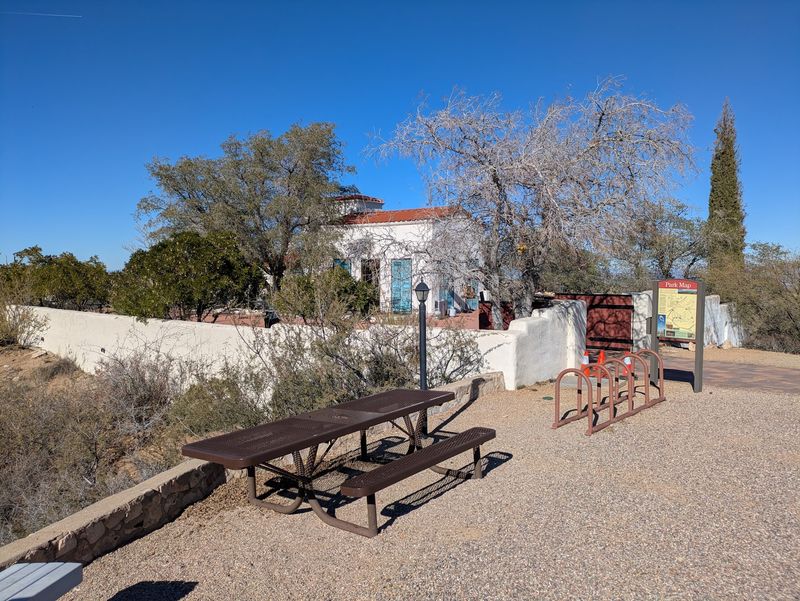
Good planning starts with the clock. The park is open daily from 8 AM to 4 PM, so arriving early leaves time for several trails.
Entry runs $10 per car for one person or $20 for a car with two to four people. Fees are paid at the gift shop inside the ranch house, not at the front gate.
Gift shop hours can vary during the day. Some guests have arrived to find it closed for a midday break, so keep that in mind.
Free entry days sometimes apply to Arizona residents. Martin Luther King Jr. Day has offered free admission at all state parks for locals.
Restrooms sit at the parking lot and along the trails. They earn steady praise for being clean and well kept.
Picnic ramadas and seating areas make lunch easy. Parking is simple too.
A few minutes of prep saves a lot of guesswork. Grab a map, check the hours, and the rest falls into place.
Worth the Drive to Oracle
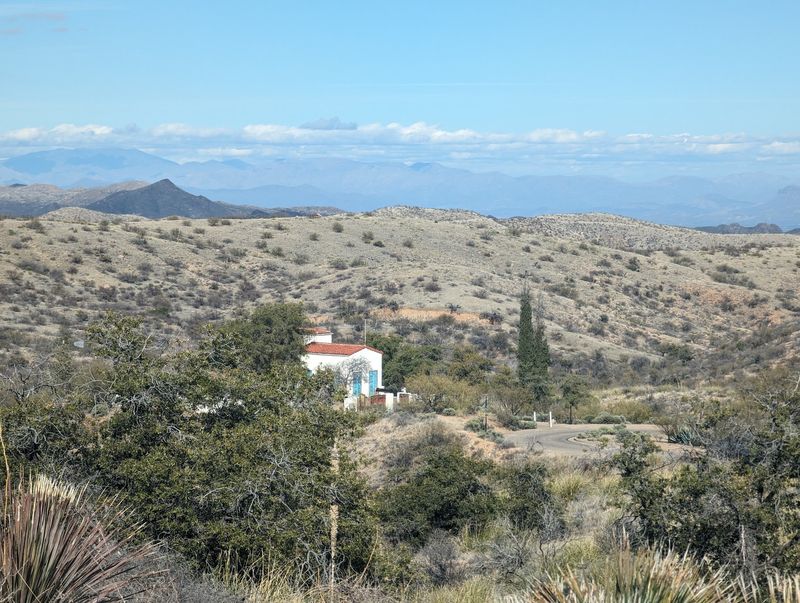
Not every beautiful place needs a famous name. Oracle State Park earns its fans through steady, quiet strengths.
The ranch house delivers history and charm. The trails offer variety, from easy family strolls to boulder-filled loops with long views.
Wildlife, birds, and a stretch of the Arizona Trail add depth. After dark, an officially recognized night sky takes over.
It is not flashy, and it does not try to be. A few trails could use better signs, and winter can look a bit bare.
Yet the overall picture keeps people coming back. Many plan return trips with bikes, dogs, or friends in tow.
For Arizonans who think they have seen the best of their state, this park offers a gentle surprise. It is close enough for a day trip and different enough to feel like a discovery.
Pack layers, bring a map, and leave room in the schedule. The road to Oracle has a way of rewarding those who finally take it.


