
Affiliate disclosure: As an Amazon Associate I earn from qualifying purchases. Learn more
Just outside Flagstaff, a quiet canyon hides dozens of stone rooms built right into its limestone walls. People lived in these homes long ago, and many of them are still standing today.
A short trail lets you walk right past their doorways, close enough to see how the walls were stacked. Stick around, because this spot near the freeway is one of the most rewarding history lessons in all of Arizona.
A Canyon Hiding in Plain Sight Near Flagstaff
Plenty of Arizonans have driven right past it on the way through Flagstaff without a second thought. That is a shame, because Walnut Canyon National Monument sits close to the freeway in northern Arizona, and it holds one of the state’s most impressive collections of cliff homes.
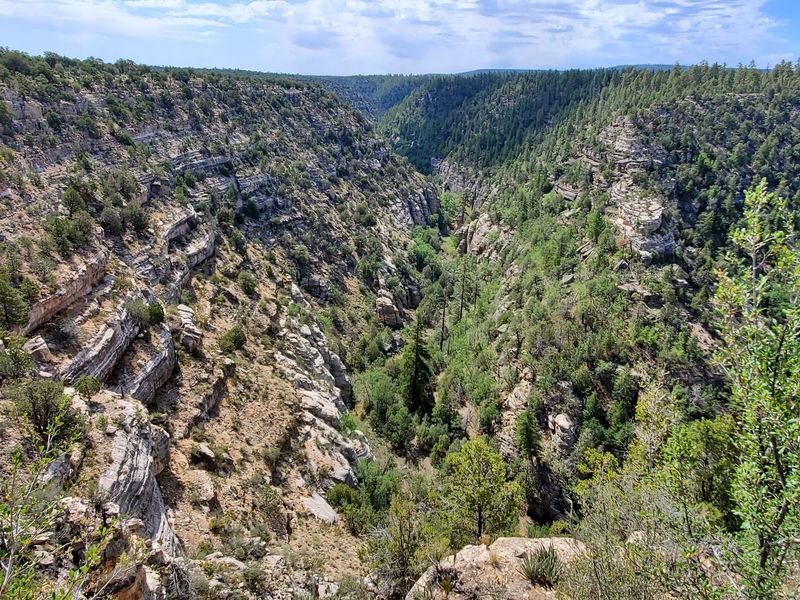
The monument is a national reserve managed by the National Park Service. Its main feature is an expansive, curved canyon lined with trails, stairs, and the ruins of Sinagua cliff dwellings.
The site carries a 4.8-star average from more than 5,600 people, which says a lot about how well it delivers. Folks who have explored bigger sites like Mesa Verde in Colorado still call this smaller canyon a highlight.
It is not the largest set of ruins in the region, and it does not pretend to be. What it offers instead is closeness.
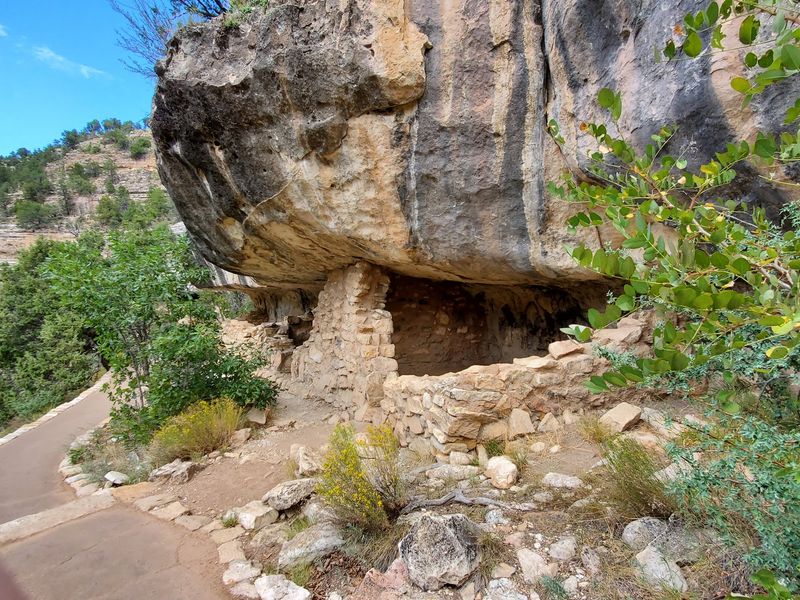
On the main trail, the old stone rooms are not distant specks on a far wall. Many of them sit right next to the path, so you can see the work up close.
For locals, the setup is ideal. You can leave Flagstaff, park at the visitor center, finish the main loop, and still have most of the day left for other plans.
Not bad for a stop that many people only know as a sign on the highway.
The Sinagua Story Behind the Stone Walls
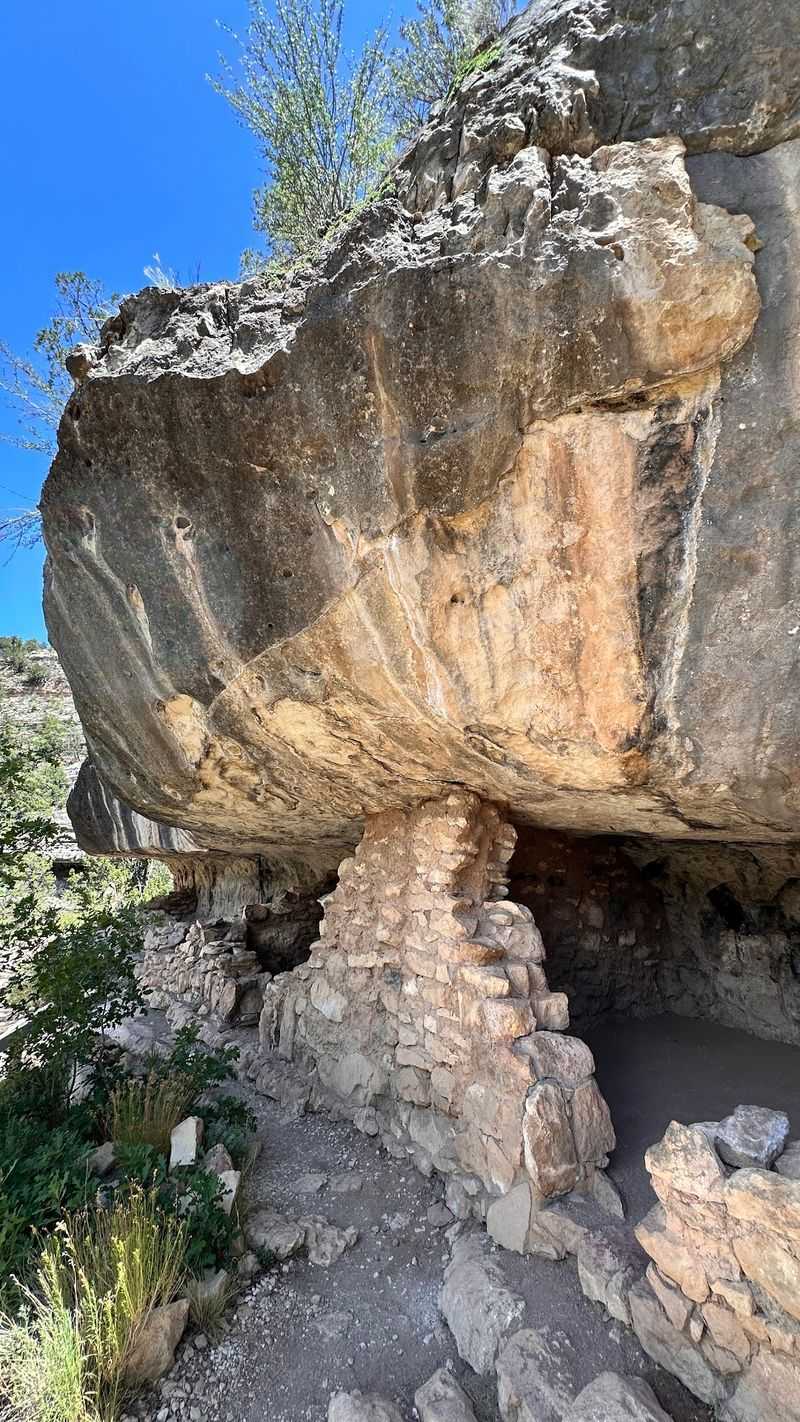
Long before trailheads and gift shops, families made this canyon their home. The people known as the Sinagua built rooms along the canyon walls, tucking them under natural ledges in the rock.
Their work was not limited to one or two houses. Rows of dwellings stretch along the canyon, and spotting so many of them in one place is often the moment that surprises people most.
The walkways they created along the canyon edge are impressive in their own right. Moving between homes on these cliffs took skill and planning.
One question follows almost everyone around the trail. Why did they eventually leave?
The visitor center exhibits and trail signs explain how the Sinagua lived, how they built their homes, and how their communities moved out of the area over time. Artifacts left behind by these residents are also on display.
That mix of answers and lingering mystery is part of the appeal. You come away knowing more, yet still wondering about daily life on these ledges.
Kids get pulled in too. Some young hikers study the signs along the trail, then get quizzed back at the center.
History rarely feels this hands-on, and that is exactly why the canyon sticks in the memory.
Island Trail and Its Famous Stairs
Here is the deal with the star attraction. The Island Trail is only about 0.9 mile long, yet it is the reason most people come.
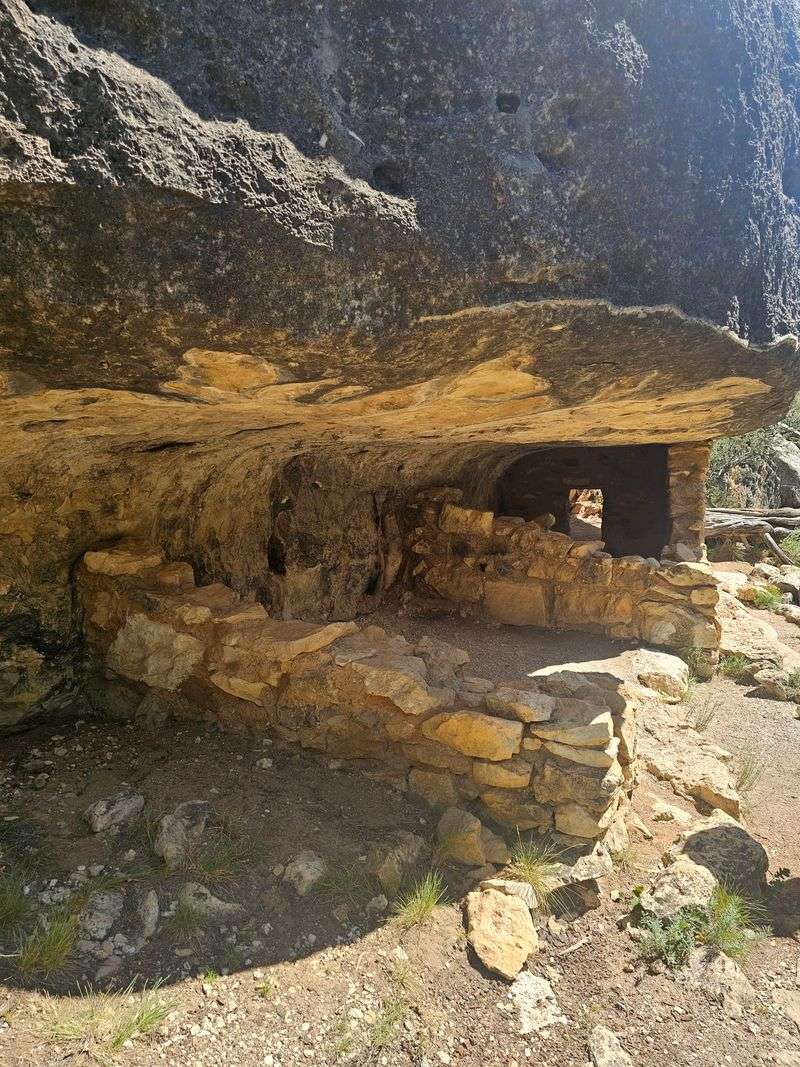
The loop drops from the visitor center down to a rocky island of land in the middle of the canyon. Along the way, it passes large groups of cliff dwellings, and some are close enough to almost touch the walls.
Getting there involves stairs, and lots of them. The trail descends roughly 240 to 275 steps, with an elevation change of about 185 feet.
Counting every step on the full round trip brings the total to 736. That number gets talked about almost as much as the ruins themselves.
Once you reach the island, the path is mostly flat with good signage. The stairs are well maintained, and some sections have railings.
The hard part comes at the end. Climbing back up is where most people feel it, especially on a warm day.
Benches and resting spots are placed along the way, so taking breaks is easy. Plenty of hikers with sore knees still make it out at their own pace.
The full loop can take around 40 minutes, including time for photos and reading signs. Short trail, big payoff, and a solid leg workout as a bonus.
Rim Trail Views for an Easier Day
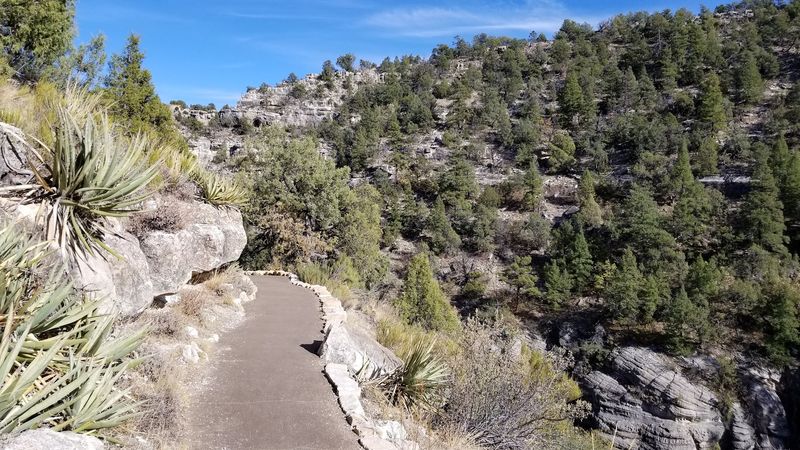
Not every great canyon visit needs a staircase. The Rim Trail offers a flat, paved option that follows the top edge of Walnut Canyon for about 0.7 mile.
It works well for anyone with mobility limits, balance concerns, or a simple wish to keep things relaxed. The path is well maintained and counts as an easy walk.
Better yet, the views do not disappear just because you stay on top. Several cliff homes built into the canyon sides are still visible from the rim.
Interpretive signs along the route identify plants and trees, so the walk becomes a light botany lesson too. You might also find a ranger along the way sharing background on the area.
Many people use both trails in one visit. A popular strategy is to tackle the Island Trail first while legs are fresh, then cool down on the Rim Trail.
Groups with mixed abilities also like the split. One part of the family can head down to the dwellings, while others stroll the rim and meet back at the center.
Either way, nobody leaves feeling left out. The rim proves that a gentle walk can still serve up a front-row seat.
Inside the Visitor Center
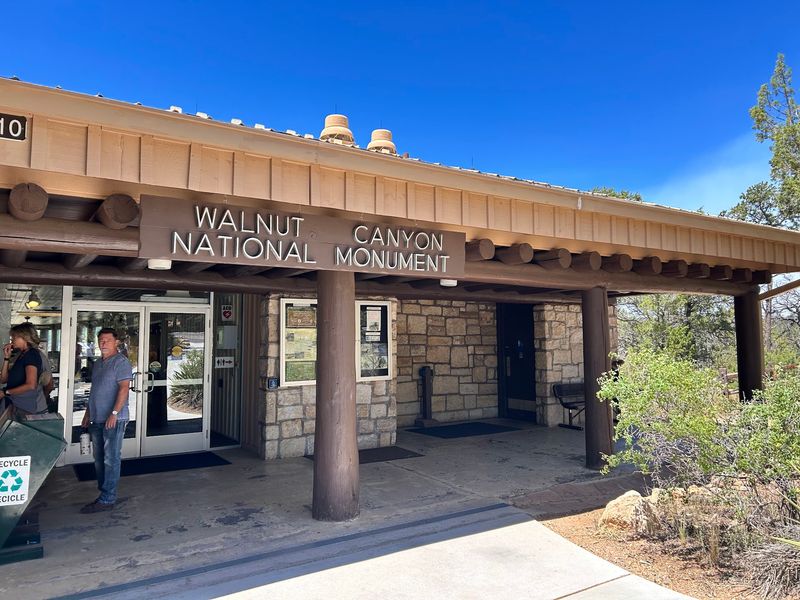
Every trip here starts and ends at the visitor center, and it earns its spot on the itinerary. The building has restrooms, water fountains, and windows that show off views of the canyon from inside.
A small exhibit area covers the people who once lived here, along with artifacts they left behind. It gives helpful background before you head down the stairs.
There is also a short movie. It provides a good overview of what the trail reveals, which makes it especially useful for anyone who cannot do the hike.
The gift shop stocks snacks and art pieces. Its staff gets frequent praise for being friendly and helpful.
Speaking of staff, the rangers are a big part of the experience. They are known for being knowledgeable, calm, and happy to answer questions both inside and out on the trails.
Guided tours are offered at times, so it pays to check ahead. People who arrive late sometimes miss them.
Treat the center as more than a pit stop. A few minutes inside turns the stone rooms outside from simple ruins into real homes with real stories.
Seasons, Snow, and a Peaceful Pace
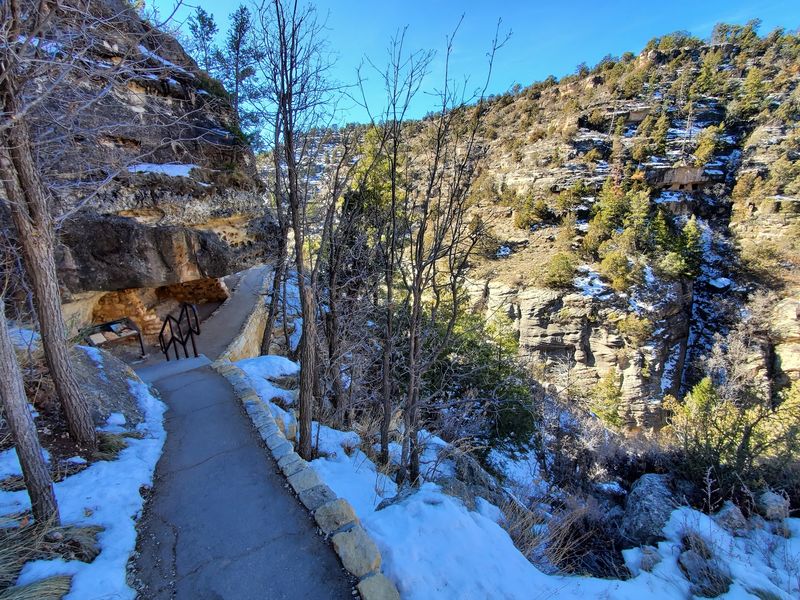
Seasons change this canyon in big ways. The rim sits around 7,000 feet, so winter can bring snow, wind, and cold.
Summer is a different story, with warm days that call for a hat. The trail is shady in spots, but sun protection is still a smart move.
Snow does not always close things down. Some hikers have walked the Island Trail during a light snowstorm, though parts of the steps got slick.
Seeing the old dwellings covered in fresh white snow is something people talk about for years. The contrast with the rock walls makes for striking photos.
On heavy snow days, the trip may be limited to the visitor center and the viewpoints just outside. Calling ahead to check trail status is a good idea in winter.
Whatever the month, the atmosphere stays calm. The canyon has a reputation for tranquility, and some people simply sit and take in the quiet.
Smoke from regional wildfires can affect views at times. Clear-sky days are worth the wait if your schedule allows.
Pick your season wisely, and the canyon rewards you with a very different look each time.
Hours, Fees, and Smart Planning
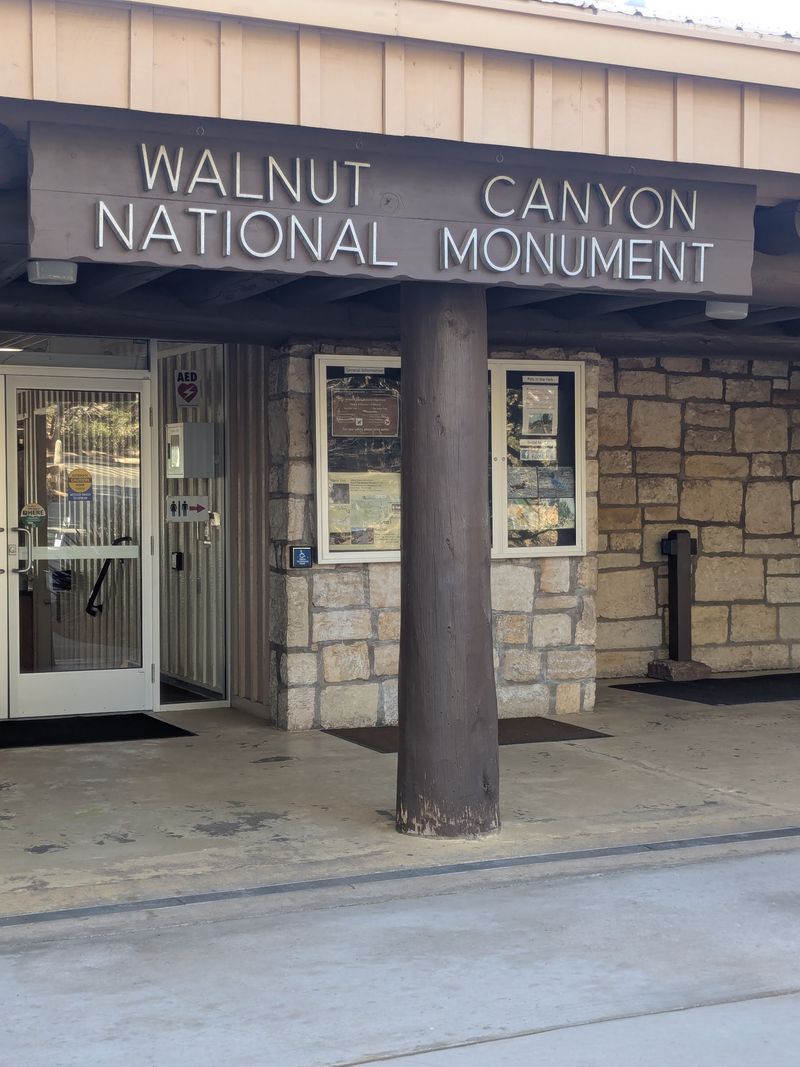
Planning a visit is refreshingly simple. Walnut Canyon is open every day of the week from 9 AM to 5 PM.
Keep an eye on the clock, because the gate closes at 5 PM. Arriving with enough time to finish the trail without rushing makes the day far more enjoyable.
The park charges an entrance fee. Entry is free with an America the Beautiful pass, so bring it if you have one.
Free-entry days also happen throughout the year. Those can be a great chance for locals to make the trip.
Parking sits right at the visitor center and is convenient, though the lot is on the small side. Not much is visible from the parking area itself, so plan to get out and walk.
Bring water, wear sturdy shoes, and remember the elevation. At around 7,000 feet, breathing can feel harder during the climb back up.
The Island Trail has steep drop-offs and few railings in many sections. It is not a good fit for wandering toddlers, people with a fear of heights, or anyone with breathing or balance issues.
Know your limits, and the rest takes care of itself. The official site at nps.gov/waca has current updates.
Worth the Climb Back Up
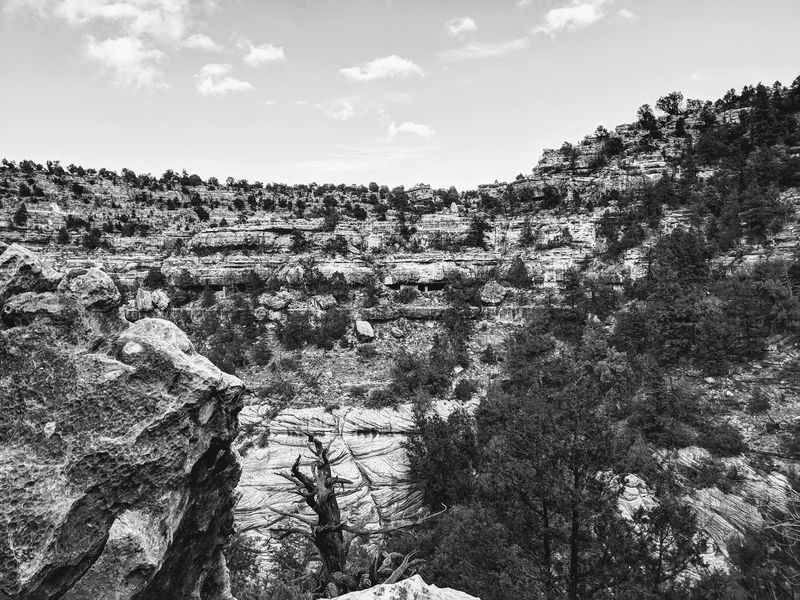
Some places get by on size. Walnut Canyon gets by on access, letting you walk right beside homes built into cliffs centuries ago.
It suits history fans, photographers, families with school-age kids, and anyone needing to stretch their legs on a long drive. The Rim Trail keeps it welcoming for those who would rather skip the stairs.
Many people who come once plan to return. Some come back in a new season just to see the canyon look completely different.
For Arizona locals, the real charm is how close it all is. A world-class archaeological site sits just minutes from Flagstaff, ready for a morning outing.
Yes, the 736 steps will test your legs. Most hikers agree the views and the history make every one of them count.
So the next time the Flagstaff exit comes into view, consider taking it. Those stone homes have been waiting a very long time, and they are still open for company.


