Affiliate disclosure: As an Amazon Associate I earn from qualifying purchases. Learn more
Some people plan road trips around beaches or national parks. Others plan them around a single steak.
Across California, families pack the car, fill the tank, and drive for hours toward a small Central Coast town for one reason: a ribeye cooked over a red oak fire. The restaurant is not fancy, and it does not try to be.
It is loud, busy, and packed with locals who have been coming for decades. The steaks are big, the dinners come with a long list of included extras, and the grill has a reputation that travels far beyond town limits.
Keep reading to learn where it is, what makes that ribeye famous, when to go, what to bring in your wallet, and why so many drivers say the miles are worth every minute.
A Small-Town Steakhouse in Nipomo
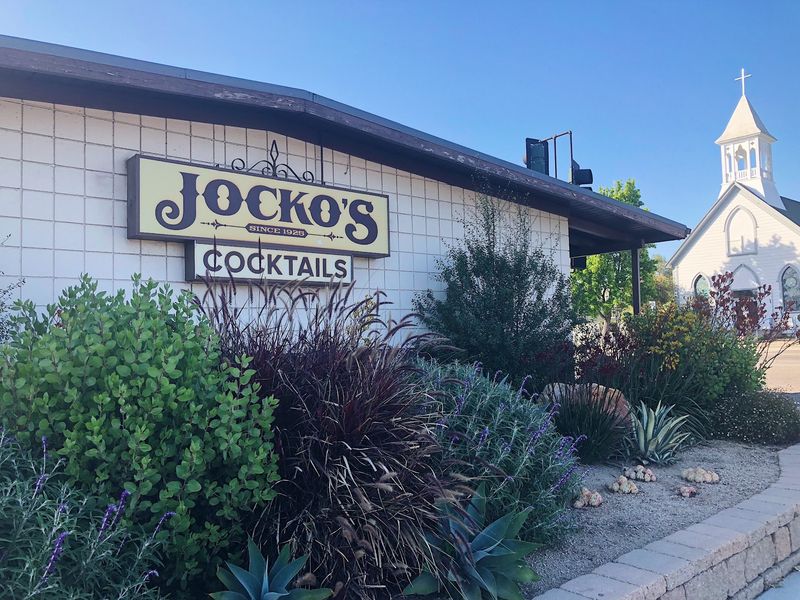
Road trip destinations rarely hide on quiet side streets, yet this one does. Jocko’s sits at 125 N Thompson Ave, Nipomo, CA 93444, in the United States, a small town on California’s Central Coast.
The restaurant is a longtime steakhouse with an old-school, no-frills style. It is best known for generous portions of oak-grilled meats, and that single idea shapes everything else about the place.
Nipomo itself is not a big city. It sits between larger coastal stops, which makes it an easy detour for anyone heading up or down the state.
That detour has become a tradition for many people. Some families have been coming for twenty, thirty, even forty years, and new faces show up every night after hearing about the ribeye from a friend.
The popularity shows in the numbers. Thousands of diners have shared their thoughts online, and the steakhouse holds a strong 4.5-star average across more than 4,400 ratings.
For a restaurant in a town this size, that is a lot of attention. It also means empty tables are hard to find, which is a detail worth remembering before you start the engine.
So what exactly draws people off the highway and onto Thompson Avenue? The answer starts with a fire pit.
The Red Oak Fire Behind the Legend
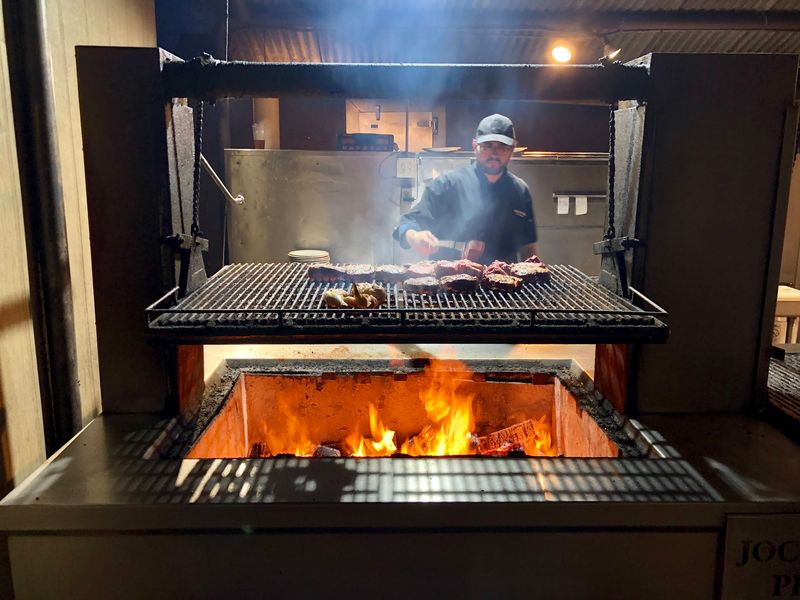
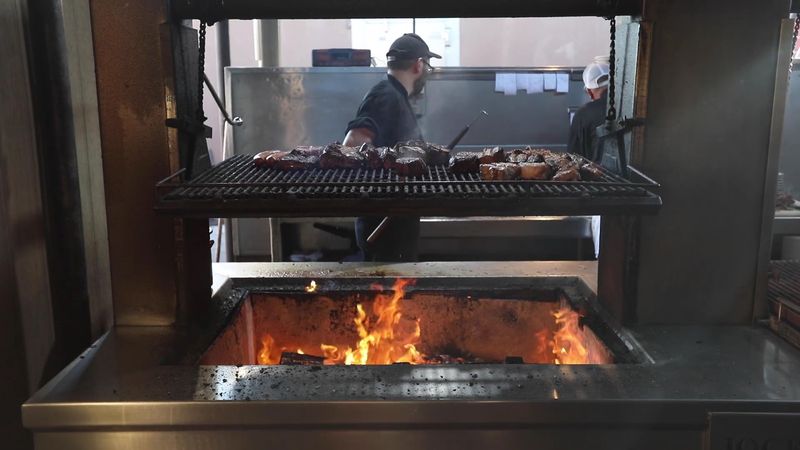
Every great steakhouse has a secret, and this one keeps it in plain view. Meat here is cooked over a red oak wood fire in an open pit, a method tied closely to Santa Maria style barbecue.
Santa Maria barbecue is a Central Coast tradition. It centers on beef grilled over red oak, and Nipomo sits right in the heart of the region where the style grew popular.
That connection explains why so many diners talk about the smoky flavor. The wood fire gives the steaks a char and depth that regulars say is hard to find anywhere else.
Some fans go even further. A common opinion is that eating here might make other steakhouses feel a little less exciting afterward.
The grill handles more than beef. Pork chops, lamb chops, ribs, and even artichokes spend time over the flames.
Still, the steak is the headliner. When people describe the most flavorful cut they have ever ordered, they often point straight back to this pit and its red oak coals.
It is a simple setup with a big payoff, and it sets the stage for the real star of the menu.
Why the Ribeye Steals the Show
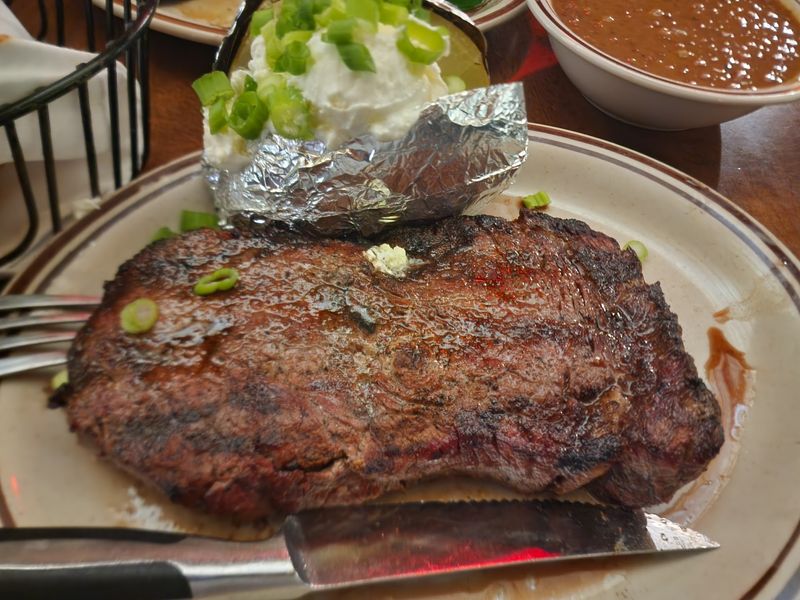
Plenty of dishes earn praise at Jocko’s, but the ribeye gets the loudest applause. Many diners call it the best ribeye anywhere, and some say it alone makes the trip worthwhile.
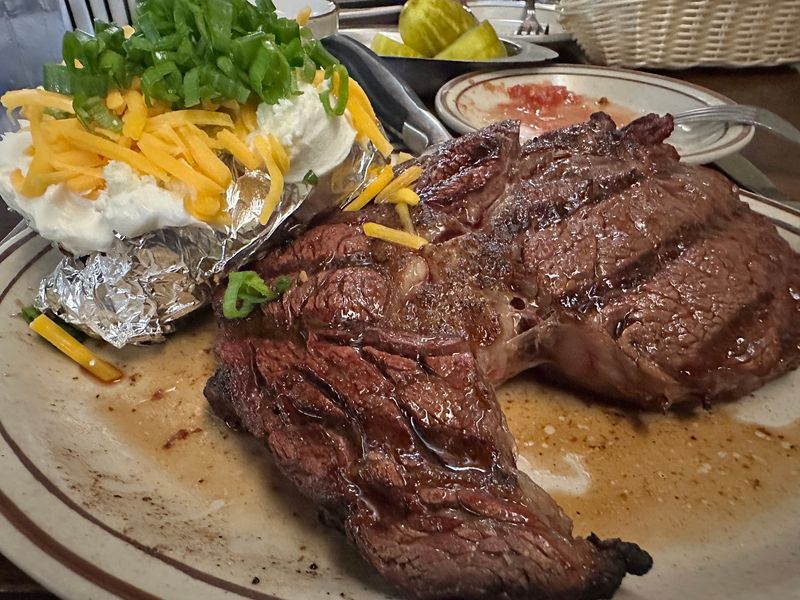
The menu offers it in different sizes. The small Spencer is an 8-ounce ribeye, and it has been listed at around $40, a price many people call fair for what arrives at the table.
Guests often order it medium rare. It comes off the red oak pit thick cut, with a charred crust and plenty of that smoky Santa Maria character.
Portions are known for being large. Leftovers are common, so a to-go box is almost part of the plan.
Of course, not every plate lands perfectly. A few diners have mentioned steaks that were too chewy, which can happen with rustic open-fire cooking.
In one case, the staff replaced a tough steak with a fresh one to go. That kind of fix helps explain why loyal fans keep returning.
For most people, though, the ribeye delivers exactly what the long drive promised. And the good news is that it does not show up alone.
A Dinner That Arrives With Company
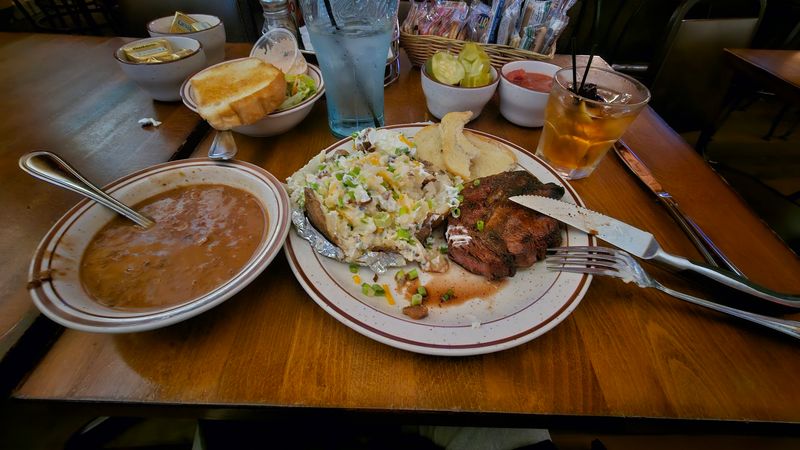
Most steakhouses charge for every extra. Here, the steak dinner is more of a full lineup than a single plate.
Dinners include a salad, garlic bread, salsa, fire-baked pinquito beans, and a side of your choice. Options like a baked potato, broccoli, or fries are part of the deal.
Before any of that, the table often gets pickles and crackers. Pickle lovers tend to get excited, and the crackers are one of the most talked-about extras on the menu.
The salsa has a loyal following too. Even longtime diners who miss older traditions say it still tastes like the original recipe.
Then there are the beans. Pinquito beans are a Santa Maria barbecue staple, and many guests say not to overlook them.
Some popular add-ons cost extra. The hash brown casserole and grilled artichokes get frequent praise, along with smoky grilled asparagus with bacon.
By the time the ribeye lands, the table is already crowded. That is part of the fun, and it is also why so many people leave carrying a box.
Save a little room, though, because dessert is included as well.
Ice Cream as the Final Chapter
Few steakhouses end a meal with a free scoop, which makes this sweet surprise stand out. A small bowl of ice cream comes with the dinner, and plenty of guests call it the perfect finish.
Spumoni is one of the most popular picks. Rainbow sherbet also shows up often, giving diners a lighter option after a heavy steak.
The ice cream comes from Thrifty, a brand many Californians remember fondly. For some families, that name alone brings back a wave of childhood memories.
Salted vanilla caramel is another flavor that earns strong praise. Fans say it is outstanding and worth making room for.
A common piece of advice from happy diners is simple. Say yes to the ice cream, even if you think you are full.
It is a small touch, but it fits the personality of the place. Nothing is overdone, and nothing is fancy, yet the meal feels complete.
After dessert comes the next question every road tripper asks. Who else is going to be sitting around you?
Cowboys, Farmers, and Road Trippers
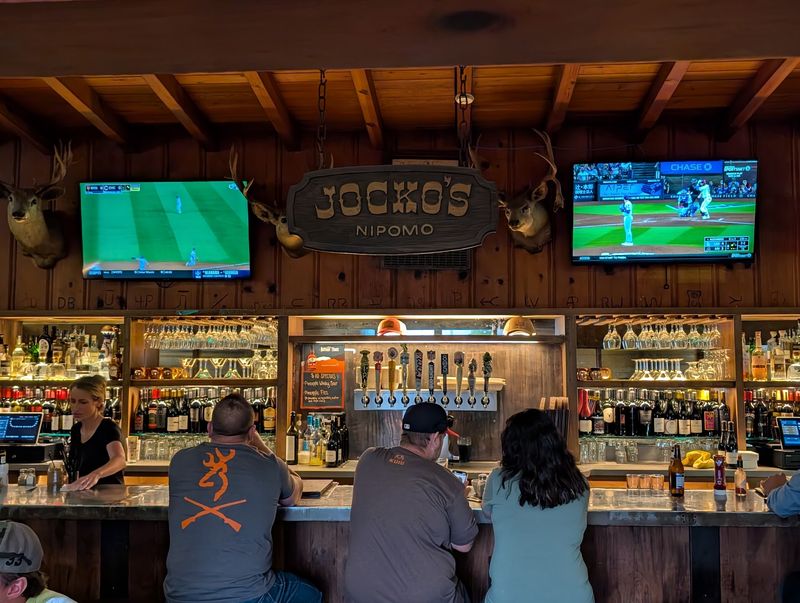
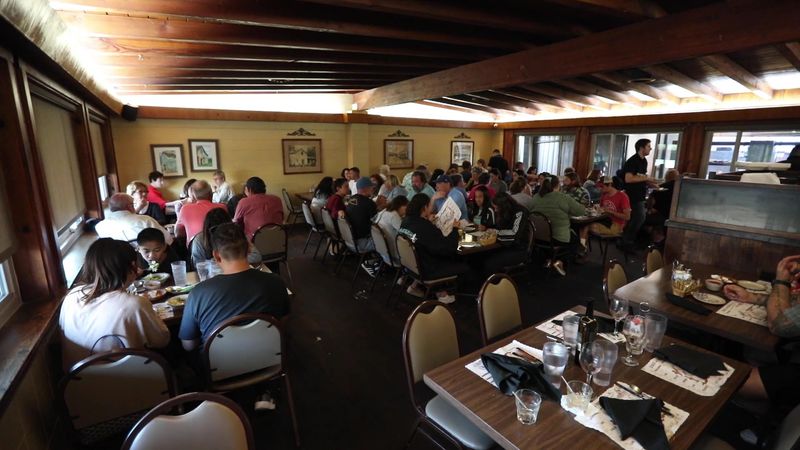
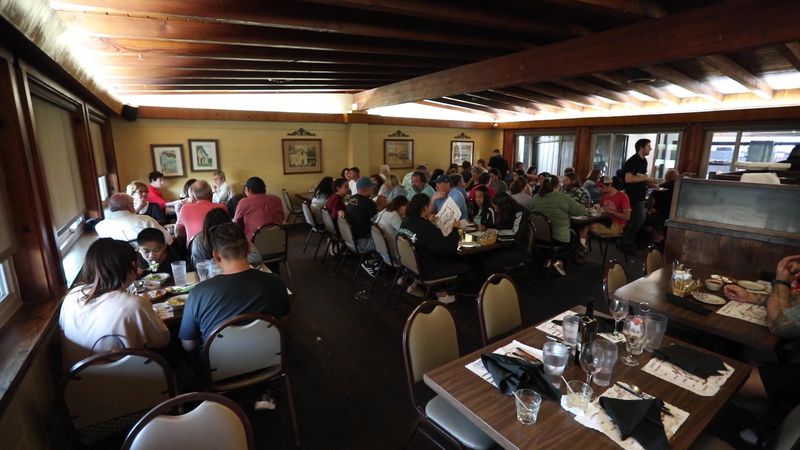
Nobody comes here for chandeliers. The decor is old school, and the room feels more like a homey small-town diner than a formal steakhouse.
The crowd matches that mood. Local farmers and cowboys often gather at the bar, while families and down-to-earth locals fill the dining room.
A full saloon-style bar adds to the western character. It is a lively spot, especially on busy nights.
Out-of-towners mix right in. Travelers who live a few hours away, or far up north, say they plan to return the next time they pass through.
Groups do well here too. Family combo meals can feed a whole table, and staff members have helped guests pick the right one.
The atmosphere is comfortable and no-nonsense. It feels like a place that has not changed much in years, and for many fans, that is exactly the appeal.
Not everyone agrees, though. Some longtime diners say the mood has shifted lately, and that part of the story deserves an honest look.
Service With a Few Bumps
Busy restaurants live and breathe by their staff. Here, most diners describe servers who are warm, fast, and attentive, even when every table is full.
Several team members get mentioned by name for going above and beyond. Guests talk about quick drink orders, frequent check-ins, and friendly help choosing meals.
That speed matters on crowded Friday and Saturday nights. Many people say the food still comes out quickly despite the packed room.
Honesty also requires sharing the other side. A handful of recent diners felt the service had slipped, describing servers who seemed rushed or unfriendly.
Some longtime fans miss older traditions. They mention that staff once wore western attire and that a larger relish tray used to come to the table.
One family was also disappointed when a weekly Sunday special was unavailable on a holiday without notice. Calling ahead about specials can save some frustration.
These moments seem to be the exception rather than the rule. The overall score stays high, and most guests still leave smiling.
Next up is the part of the trip that needs planning, because timing matters here.
Timing Your Visit Around the Grill
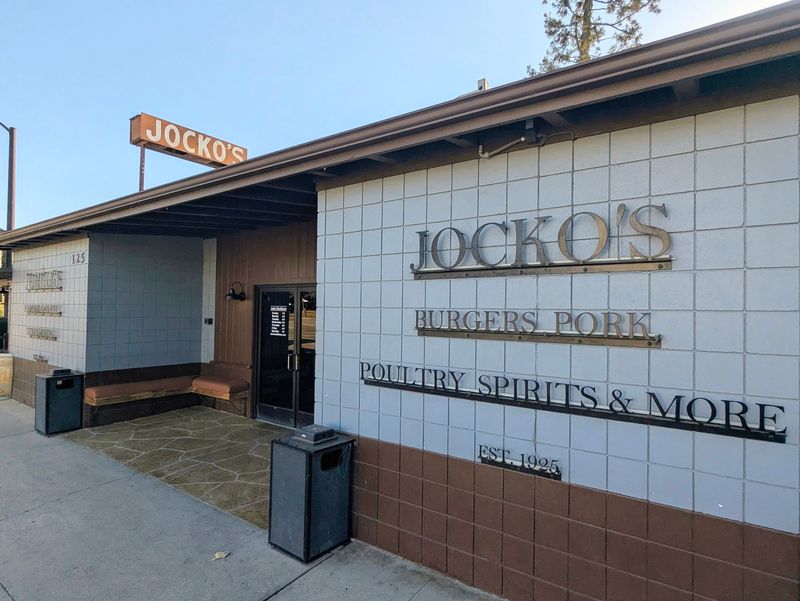
Hunger does not follow a schedule, but this steakhouse does. Jocko’s is open seven days a week, with hours that lean toward dinner.
Monday through Friday, doors open at 4 pm and close at 9 pm. On Saturday and Sunday, the kitchen starts earlier, running from 1 pm to 9 pm.
Those weekend afternoon hours are handy for road trippers. Arriving earlier in the day means a steak dinner without driving far after dark.
Reservations are strongly recommended. Diners regularly describe the place as crazy busy, and many are glad they called ahead.
Walking in can still work with good timing. One guest without a reservation arrived within ten minutes of opening and got a seat.
Once there, parking should not be a worry. The restaurant has an ample parking lot, which is a relief after a long drive.
A little planning goes a long way. Book a table, pick your arrival time, and then think about one more important detail tucked in your wallet.
What to Budget for the Ribeye Run
Great steak rarely comes cheap, yet many diners call the prices here surprisingly fair. Most meals fall in the range of about $30 to $70 per person.
That range makes more sense once you count what is included. Salad, bread, beans, salsa, a side, and ice cream all come with the steak dinner.
The 8-ounce small Spencer ribeye has been priced around $40. For many guests, that feels like strong value for the portion and the oak-fired flavor.
Extras can add up if you get adventurous. A grilled lobster tail added as a side was once charged at $29.95, and guests described it as huge.
Larger groups should expect bigger totals. A party of eight can easily spend a few hundred dollars before tip.
Now for the heads-up that surprises some newcomers. The restaurant has been noted as cash only, so it makes sense to stop at an ATM before arriving.
Somehow, the cash rule fits the old-school spirit of the place. It is one more reminder that tradition runs deep on Thompson Avenue.
Worth the Miles on the Odometer
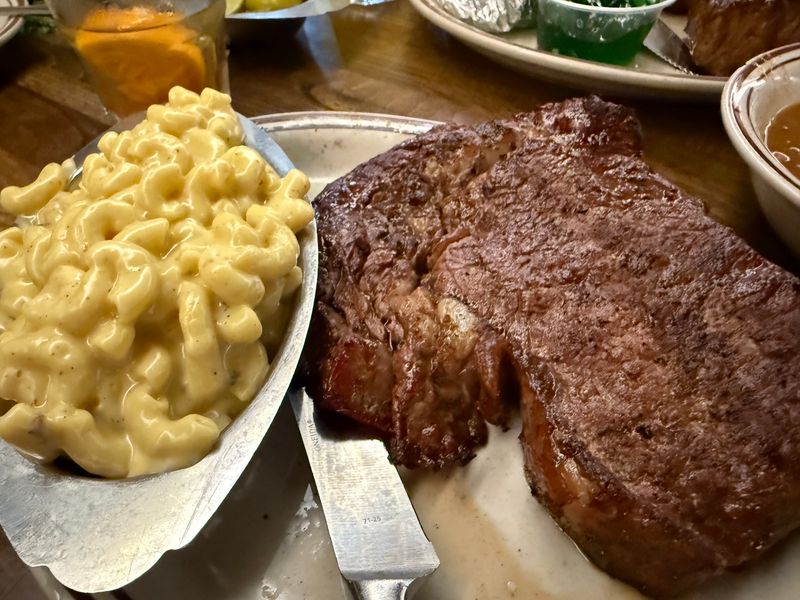
Some meals are good. Others become the reason for the drive, and this ribeye has earned a place in that second group for many Californians.
The appeal is easy to sum up. A red oak fire, a thick steak, a table full of included sides, and a scoop of ice cream to close it out.
The setting keeps things humble. Old-school decor, a western bar, and a mix of locals and travelers give it a genuine small-town feel.
It is not flawless. Busy nights can bring uneven service, and a few longtime fans feel parts of the old charm have faded.
Still, the steady stream of praise tells a clear story. Most guests leave full, happy, and already planning a return trip.
For the best experience, book ahead, bring cash, and arrive hungry. Order the ribeye, and do not skip the beans or the ice cream.
After that, the only thing left to decide is how soon to fill up the tank and head back to Nipomo.