
Affiliate disclosure: As an Amazon Associate I earn from qualifying purchases. Learn more
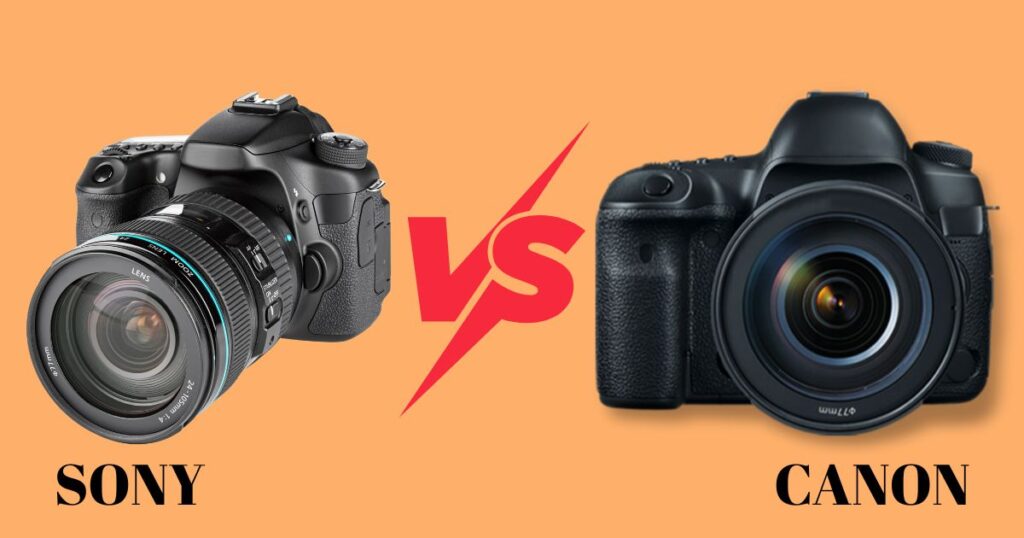
Choosing between Sony and Canon cameras can feel overwhelming, especially when you’re planning a big trip. We decided to put both brands to the test during a week-long travel photography adventure across different landscapes and lighting conditions. Our goal was simple: find out which camera system truly delivers when you’re on the road, dealing with real-world challenges like changing weather, fast-moving subjects, and limited time to capture the perfect shot.
1. Autofocus Speed and Accuracy
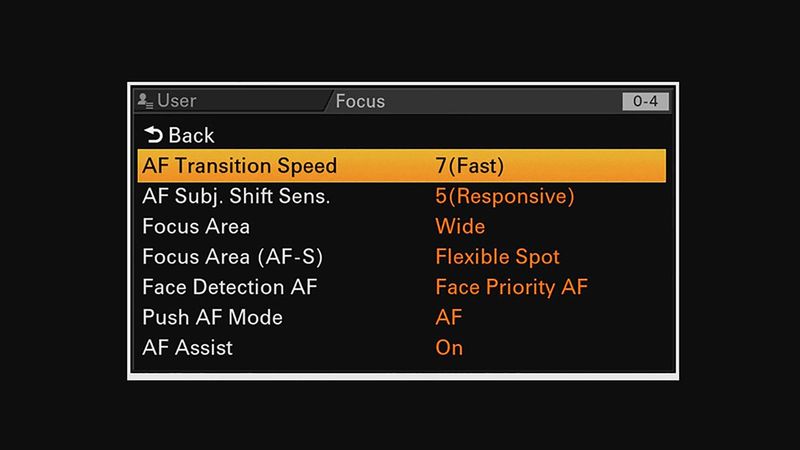
Sony’s autofocus system absolutely blew us away during our travels. The eye-tracking technology locked onto subjects instantly, even when people were moving quickly through crowded markets. We barely missed any shots, which was amazing for candid street photography.
Canon’s autofocus performed well too, but we noticed it occasionally hunted in lower light situations. When photographing a sunset ceremony, the Canon took an extra second to lock focus compared to the Sony. For fast-paced travel shooting, that split-second difference matters.
Both systems are excellent, but Sony edges ahead with more consistent performance across various lighting conditions. If you shoot lots of action or moving subjects, Sony’s tracking capabilities give you a real advantage in the field.
2. Battery Life Performance

Canon wins this category hands down. We shot an entire day exploring temples and markets on a single Canon battery, capturing over 800 images. The efficiency impressed us because we didn’t need to constantly worry about power levels during long shooting days.
Sony’s battery life, unfortunately, remains its biggest weakness. We burned through three batteries in the same timeframe, which meant carrying extra weight and stopping frequently to swap them out. Cold morning shoots drained the Sony batteries even faster than expected.
Packing spare batteries is essential for Sony users, adding bulk to your travel kit. Canon photographers can travel lighter with fewer batteries, which makes a noticeable difference when you’re hiking or moving between locations throughout the day.
3. Image Stabilization Effectiveness
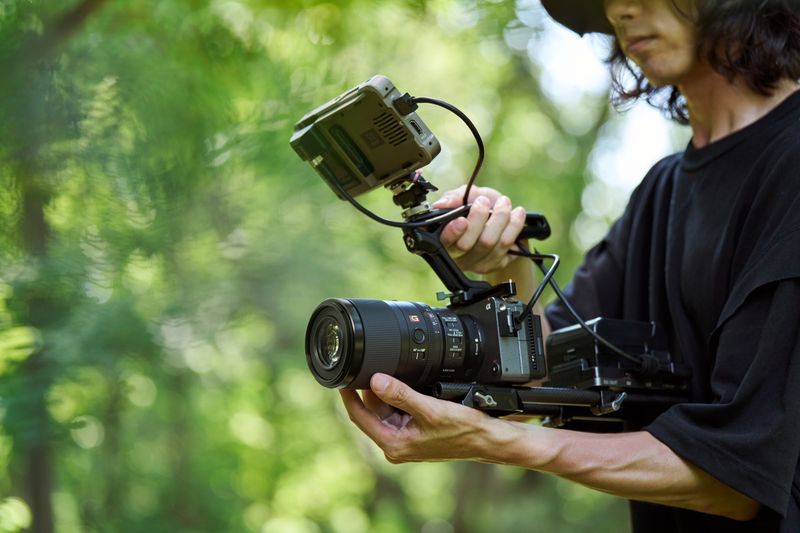
Handheld shooting at slow shutter speeds revealed interesting differences between these systems. Sony’s in-body stabilization delivered incredibly sharp images even at 1/10th of a second, which saved us multiple times during evening shoots. We could leave the tripod behind and still get crisp architectural shots.
Canon’s stabilization worked beautifully with their native lenses that have built-in stabilization. However, the performance varied depending on which lens we attached. Some older Canon lenses without stabilization meant relying solely on technique, which proved challenging in low light.
Sony’s consistent stabilization across all lenses makes it more versatile for travelers using various focal lengths. You gain creative freedom to shoot in dimmer conditions without lugging around extra support gear or boosting ISO unnecessarily high.
4. Lens Selection and Availability
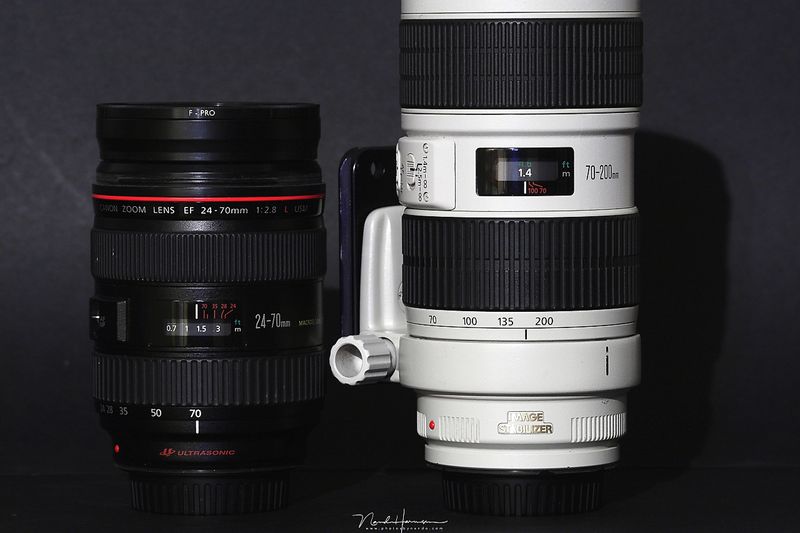
Canon’s decades in the camera business mean an enormous lens catalog to choose from. We found affordable third-party options everywhere we looked, plus an incredible selection of used glass. Whether you need a budget zoom or specialized macro lens, Canon has you covered with countless choices.
Sony’s lens lineup has grown impressively but still trails behind Canon’s massive ecosystem. Native Sony lenses tend to cost more, and the used market isn’t as developed yet. We struggled finding certain specialty lenses locally during our trip.
For travelers building a lens collection over time, Canon offers better long-term value and flexibility. The sheer variety means you can always find something that fits your budget and shooting style without compromising on quality or availability.
5. Weight and Portability
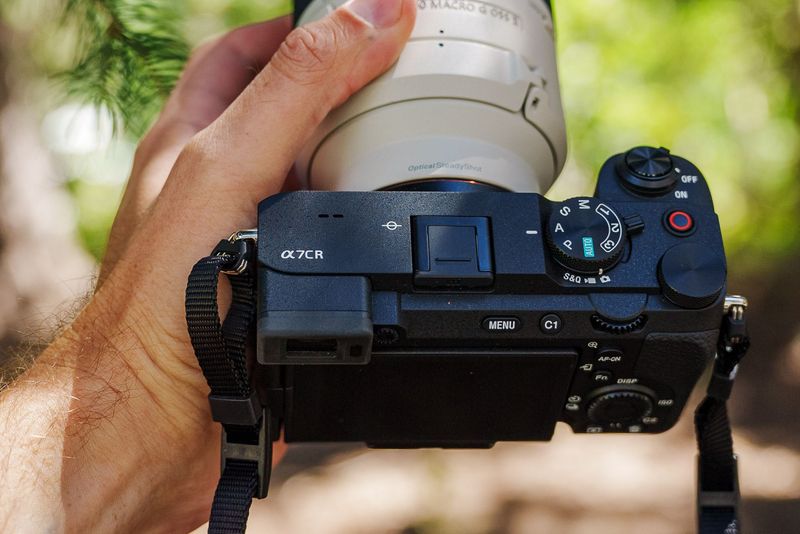
After carrying both systems for a week, our shoulders definitely noticed the difference. Sony’s compact mirrorless bodies weigh significantly less than Canon’s equivalents, making them perfect for all-day shooting adventures. The lighter weight reduced fatigue dramatically during our mountain hike.
Canon’s cameras feel more substantial, which some photographers prefer for better grip and stability. However, that extra weight adds up when you’re traveling light or navigating airports with carry-on restrictions. We found ourselves reaching for the Sony more often on casual walking tours.
Weight matters tremendously for travel photographers who walk miles daily. Sony’s lighter system lets you pack an extra lens without exceeding baggage limits, giving you more creative options without the physical burden that comes with heavier equipment.
6. Menu System and User Interface
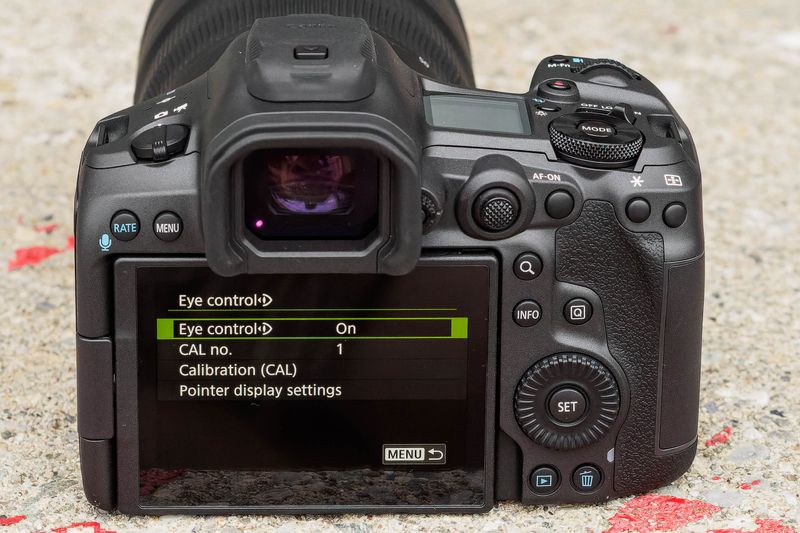
Canon’s menu system feels intuitive right from the start. We could adjust settings quickly without diving through endless submenus, which proved crucial when lighting conditions changed suddenly. The logical organization meant less time fiddling with buttons and more time actually shooting.
Sony’s menus have a notorious reputation for complexity, and we understand why after this trip. Finding specific settings required memorizing their location or consulting the manual repeatedly. The learning curve is steep, especially frustrating when you need to change something quickly in the field.
User-friendly interfaces matter more than photographers often realize. Canon’s straightforward approach lets beginners and pros alike work efficiently, while Sony demands patience and practice before you can navigate confidently without hesitation or second-guessing yourself constantly.
7. Low Light Performance
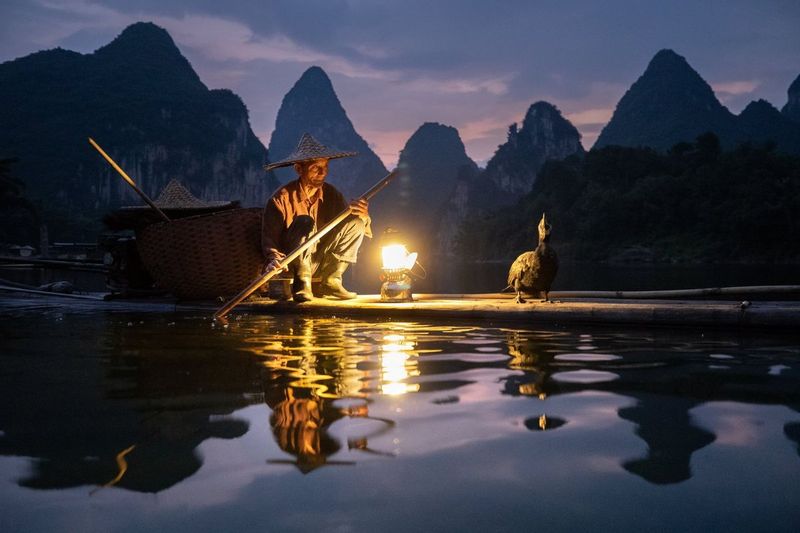
Shooting after sunset revealed where each system truly shines. Sony’s sensors handle high ISO settings beautifully, producing clean images even at ISO 6400. We captured stunning night market scenes without excessive grain or noise, maintaining excellent detail throughout the frame.
Canon performed admirably in low light but showed slightly more noise at equivalent ISO settings. The difference isn’t dramatic, but pixel-peepers will notice it when zooming into shadows. For social media posting, both cameras deliver perfectly acceptable results without question.
Travel photographers frequently shoot in challenging lighting, from dimly lit restaurants to twilight landscapes. Sony’s superior noise control gives you more flexibility to push ISO when necessary, resulting in sharper handheld images when flash isn’t appropriate or practical to use effectively.
8. Video Recording Capabilities
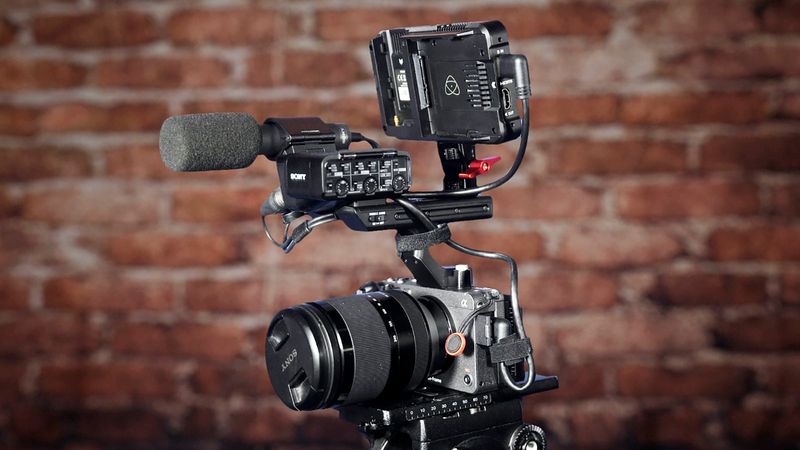
Sony dominates the video department without question. The video quality, autofocus tracking during recording, and professional features like 10-bit color made our travel vlogs look incredibly polished. We captured smooth footage while walking through busy streets, with the autofocus never losing our subject.
Canon’s video features have improved dramatically in recent models, offering excellent quality for most users. However, some Canon cameras still have recording time limits and fewer advanced video options compared to Sony. For casual travel clips, Canon works fine, but serious videographers will feel limited.
If video is half your travel content, Sony provides better tools right out of the box. The superior autofocus during video recording alone makes Sony the smarter choice for content creators who need reliable performance without extensive post-production fixes.
9. Weather Sealing and Durability
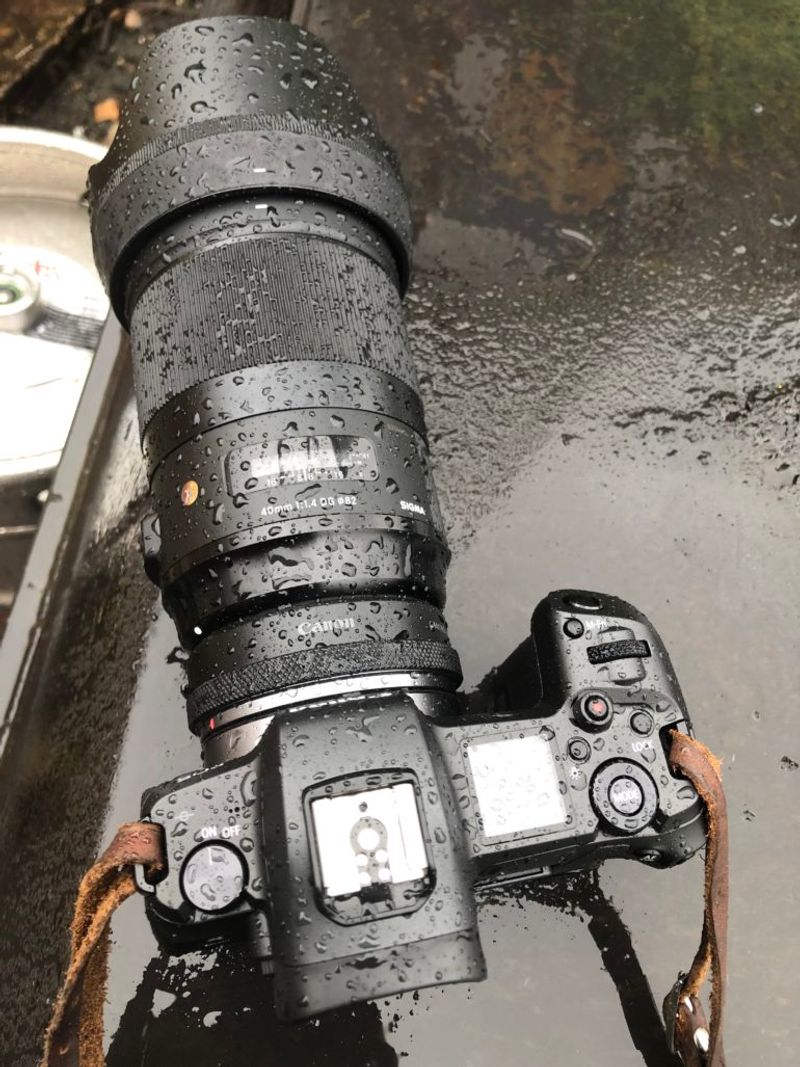
We encountered unexpected rain during a coastal shoot, which tested both cameras’ weather resistance. Canon’s professional bodies feature robust weather sealing that kept moisture out completely. We continued shooting confidently in the drizzle without worrying about damage to our gear.
Sony’s weather sealing has improved in newer models but still feels less comprehensive than Canon’s protection. We noticed moisture creeping around some button edges, making us more cautious about extended exposure to wet conditions. Budget Sony models have minimal sealing, requiring extra care.
Travel means unpredictable weather and dusty environments. Canon’s superior build quality and sealing provide peace of mind when shooting in challenging conditions, protecting your investment better over years of adventurous use in various climates and demanding situations worldwide.
10. Viewfinder Quality and Experience
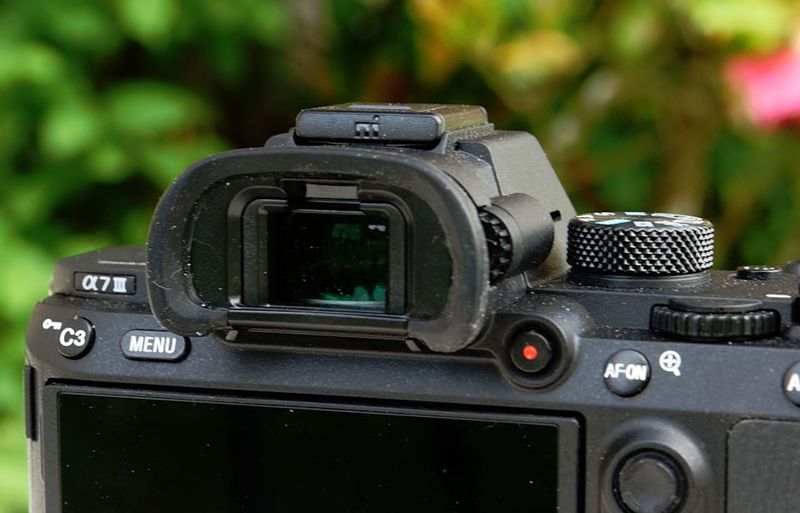
Electronic viewfinders have revolutionized how we compose shots. Sony’s EVFs typically offer higher resolution and faster refresh rates, creating a remarkably clear and responsive viewing experience. We could see exactly how our exposure settings affected the final image before pressing the shutter, eliminating guesswork completely.
Canon’s viewfinders are excellent too, though some models use slightly lower resolution panels. The difference is subtle but noticeable when comparing them side by side. Both systems provide accurate previews, but Sony’s implementation feels more refined and professional overall.
A great viewfinder improves your shooting experience significantly, especially in bright sunlight when LCD screens become difficult to see clearly. Sony’s investment in top-tier EVF technology pays dividends for photographers who spend hours composing carefully through the viewfinder daily.
11. Color Science and Skin Tones

Canon’s color science has a legendary reputation, and we understand why after reviewing our portraits. Skin tones looked natural and pleasing straight out of camera, requiring minimal editing. The warm, accurate colors meant we spent less time color-correcting and more time actually enjoying our trip.
Sony’s colors tend toward cooler tones that some photographers find less appealing for portraits. We needed to adjust white balance and add warmth during editing more frequently. Landscape photographers might prefer Sony’s punchy colors, but portrait shooters often favor Canon’s rendering.
Color preferences are subjective, but Canon’s natural skin tones save editing time for travel photographers shooting people. When you’re processing hundreds of images after a trip, having accurate colors from the start makes the workflow significantly faster and less tedious overall.
12. Price and Overall Value

Budget considerations ultimately influence most camera decisions. Canon offers more entry-level options at lower price points, making it accessible for photographers just starting their travel photography journey. You can build a capable Canon kit without breaking the bank, especially shopping used markets.
Sony’s cameras and lenses generally command premium prices, though the performance often justifies the cost. The investment pays off if you need Sony’s specific advantages like superior autofocus or video features. However, assembling a complete Sony system requires deeper pockets initially.
Both brands deliver excellent value depending on your priorities. Canon suits budget-conscious travelers building their first serious kit, while Sony appeals to photographers willing to pay more upfront for cutting-edge technology and performance advantages in specific shooting situations that matter most to them.