
Affiliate disclosure: As an Amazon Associate I earn from qualifying purchases. Learn more
Thousands of military aircraft sit in tidy rows on the southeast side of Tucson, and plenty of people who live nearby have never seen them up close. Some of these planes are wrapped and waiting, some are slowly giving up parts, and some have futures nobody can predict.
The place is so big that it shows up clearly on a phone map, yet getting inside takes real planning. Hollywood has filmed here, airmen have returned here to find old friends with wings, and longtime Tucsonans still get surprised to learn it sits in their own backyard.
Keep reading to learn what this desert lot actually is, why it holds so many airframes, how the public can tour it, and the planning mistake that leaves some hopeful guests stuck at the gate. It is one of Arizona’s most unusual landmarks, and it is closer than many locals think.
A Boneyard Address on Wilmot Road
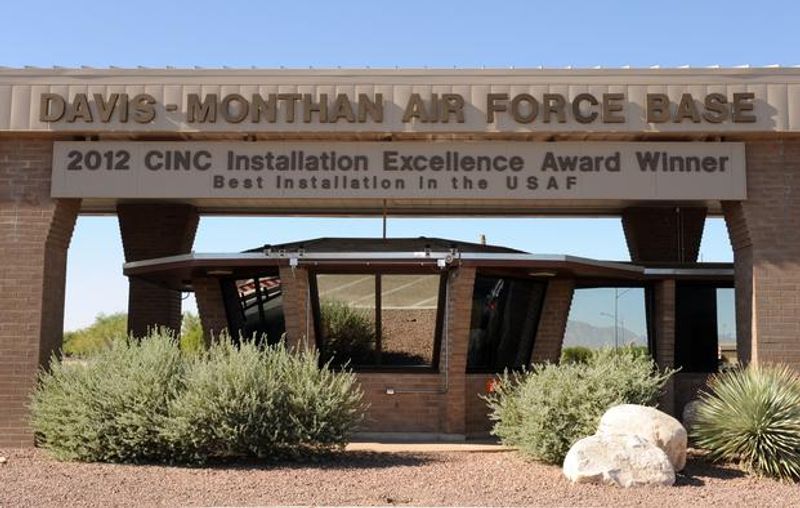
Arizona keeps one of its biggest secrets in plain view. The 309th Aerospace Maintenance and Regeneration Group sits off S Wilmot Rd, Tucson, AZ 85708, inside Davis-Monthan Air Force Base.
Most people simply call it the Boneyard. Some call it the aircraft graveyard, though plenty of these planes are far from finished.
The group works as a storage, preservation, and parts facility for retired U.S. military aircraft. It is listed as an air force base, and that label matters, because this is an active military site and not a theme park.
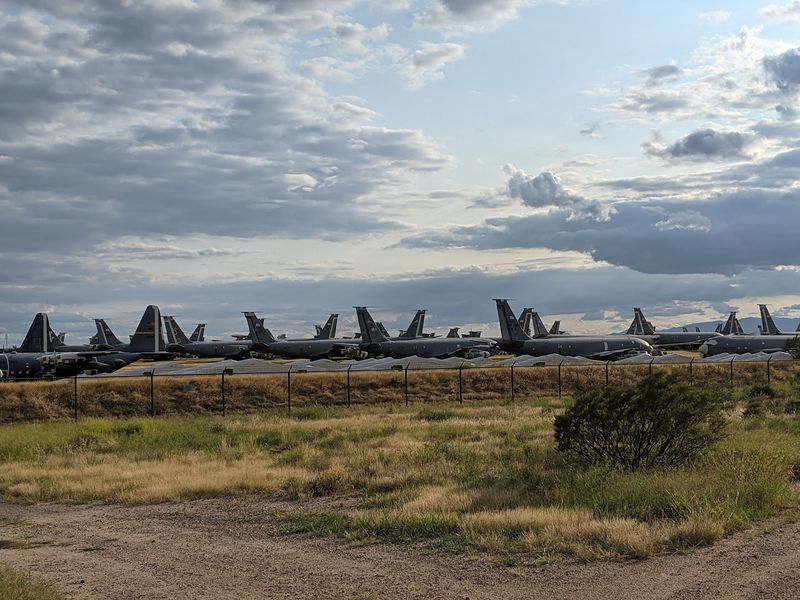
Jet fighters, bombers, cargo haulers, and helicopters line up across the property. The rows go on so long that the scale is hard to grasp from ground level.
For Tucson residents, the location is a bit of a twist. Many folks assume the famous boneyards must be out in Nevada or New Mexico.
In reality, the world’s largest airplane boneyard sits on the southeast side of their own city. The rest of this story explains how it got so crowded and how a regular person can actually get a look.
More Than 4,000 Reasons to Look Twice
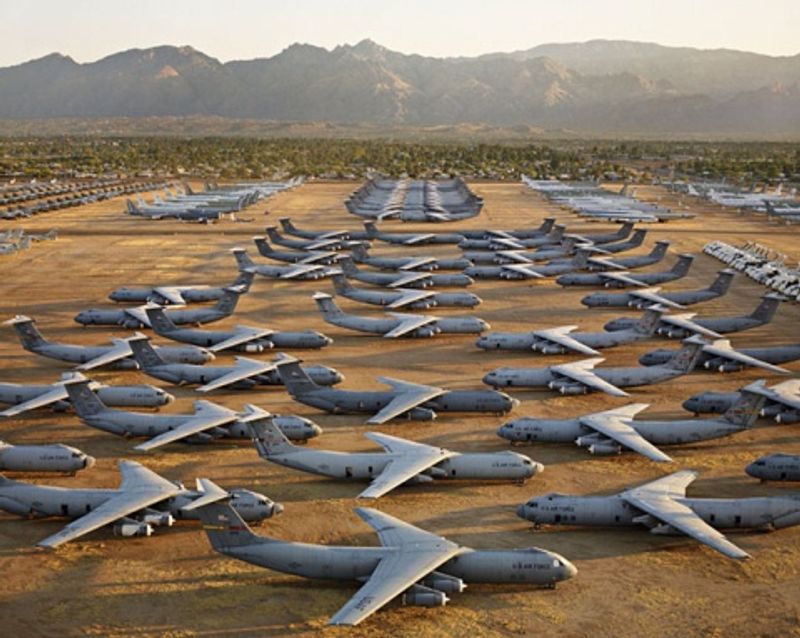
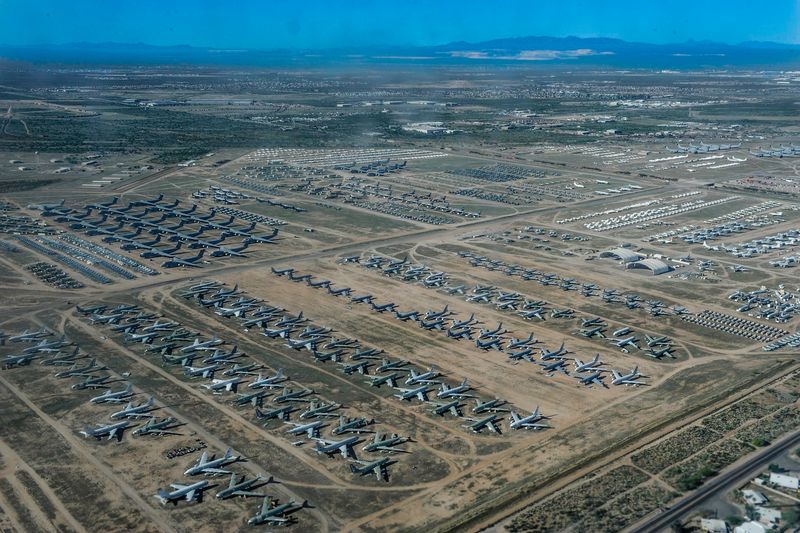
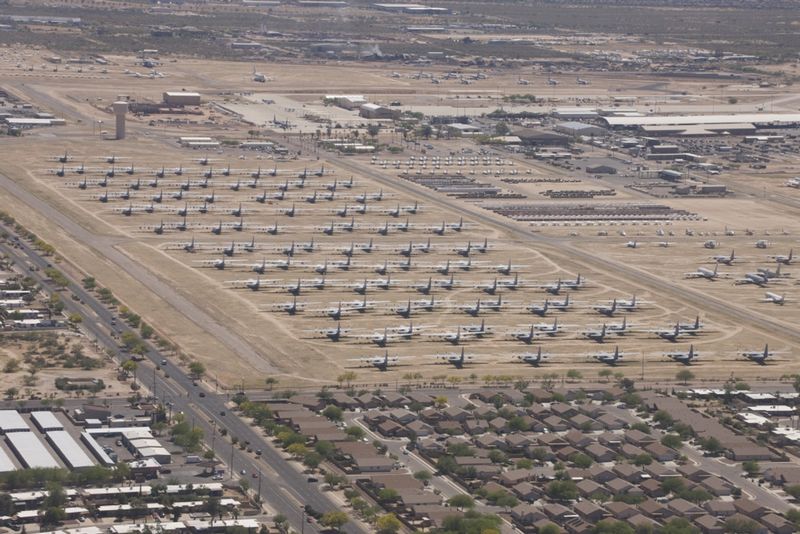
Numbers can sound dry until they start sprawling across a desert. The Boneyard covers more than 11 square kilometers and holds over 4,000 retired U.S. military aircraft.
That figure is not a typo. It is the reason this place carries the title of the largest airplane boneyard in the world.
Airframes here sit close together, often wingtip to wingtip. The tight spacing makes the collection look even bigger when a tour bus rolls past.
Many of the planes are wrapped up and stored. Others are waiting to be taken apart, and a few have uncertain futures that even the experts may not know yet.
Aviation fans often say the sheer volume is the real attraction. It is less about one famous plane and more about row after row of history parked in one spot.
Some people find the place less overwhelming on a map than in person, since an aerial view shows the full grid at once. Others feel the opposite once they are rolling between the wings.
Either way, 4,000 planes is a lot of metal to keep track of, and that brings up a natural question about why they are here at all.
Why Tucson Got the Job
Retired warplanes need somewhere to go, and southern Arizona answered the call. The Tucson desert makes a practical parking lot for aircraft that are no longer flying missions.
The dry climate is a big part of the appeal. Low humidity helps slow the kind of wear that would happen much faster in wetter places.
The ground itself also cooperates. Large, flat stretches of desert give the Air Force room to line up thousands of airframes without much fuss.
Being part of Davis-Monthan Air Force Base adds security and support. The planes stay under military watch while crews decide what each one will become.
For people who grew up around military aviation, discovering this setup can be emotional. Some longtime fans have said it felt like a childhood dream finally coming true.
Others simply had no idea it existed this close to home. Tucson residents have been known to find out about the Boneyard years after moving to town.
So the desert is not just scenery here. It is a working tool that keeps this huge collection in useful shape.
Spare Parts With a Purpose
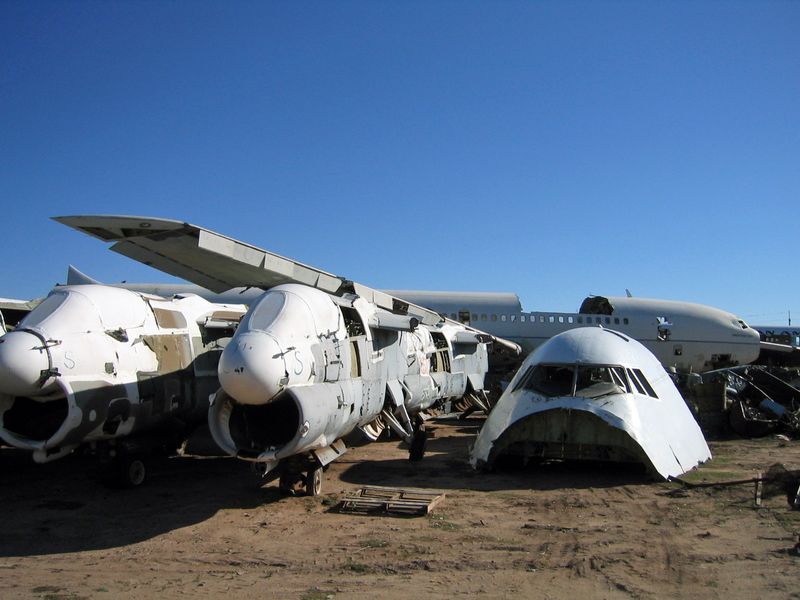
Calling it a graveyard misses half the story. A large share of the work here is about keeping active aircraft flying.
Retired planes often serve as donors. Crews remove useful components so that similar aircraft still in service can stay ready.
B-52 bombers are a well-known example. Older airframes have been stripped over the years to keep the current fleet of these long-serving bombers in working order.
That is where the word regeneration in the group’s name starts to make sense. Some aircraft get a second life, either as a source of parts or through return to service.
Not every plane follows the same path. Some are stored long term, some are dismantled, and some simply wait while decisions are made.
For taxpayers, the idea of reusing parts can be reassuring. Expensive equipment does not just sit idle when pieces of it can still help.
So when a bus passes a bomber missing a few panels, that gap likely has a story. The missing piece may be flying somewhere else right now.
Fighters, Bombers, and Real Oddities
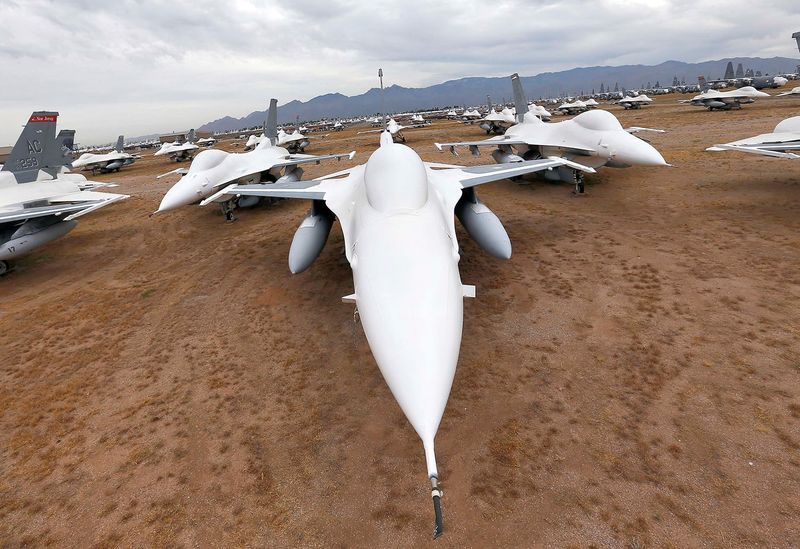
Variety is the quiet surprise of a Boneyard tour. The rows hold far more than one type of plane.
Fighter jets are a crowd favorite. Helicopters also appear among the stored aircraft, adding rotors to a sea of wings.
Large bombers and cargo aircraft take up serious space. Their size makes smaller fighters parked nearby look almost compact.
Then there are the oddities. Even former service members who worked on aircraft during active duty have spotted strange designs they never knew existed.
That mix makes the place interesting to more than hardcore plane spotters. Someone with a casual interest can still find a shape or story that sticks.
Veterans often find planes they once maintained or watched take off. Seeing a familiar airframe in the desert can bring back strong memories of their time in uniform.
Bring a curious eye and a camera. The odd ones tend to be the planes people talk about on the drive home.
A Movie Star Parking Lot
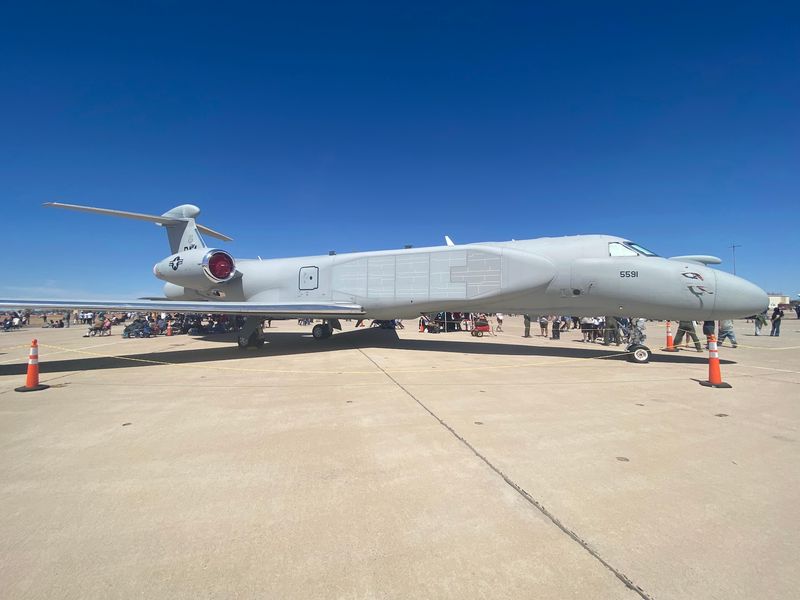
Hollywood found this lot long before many locals did. The aircraft storage site has appeared in films, including Transformers.
It makes sense from a filmmaker’s point of view. Few places on Earth can offer thousands of real military aircraft in one frame.
That screen time has helped spread the Boneyard’s fame far beyond Arizona. Aviation fans from as far away as South Africa have shared their wish to see it in person.
Movie fans sometimes arrive hoping to match a scene to a real row of planes. That is part of the fun, even if the tour moves along on its own schedule.
The film connection also adds a playful layer to a serious military site. The planes are retired from duty, yet some of them still land roles on the big screen.
Not a bad second career for a jet. Plenty of retirees would envy that kind of encore.
The Only Way Inside
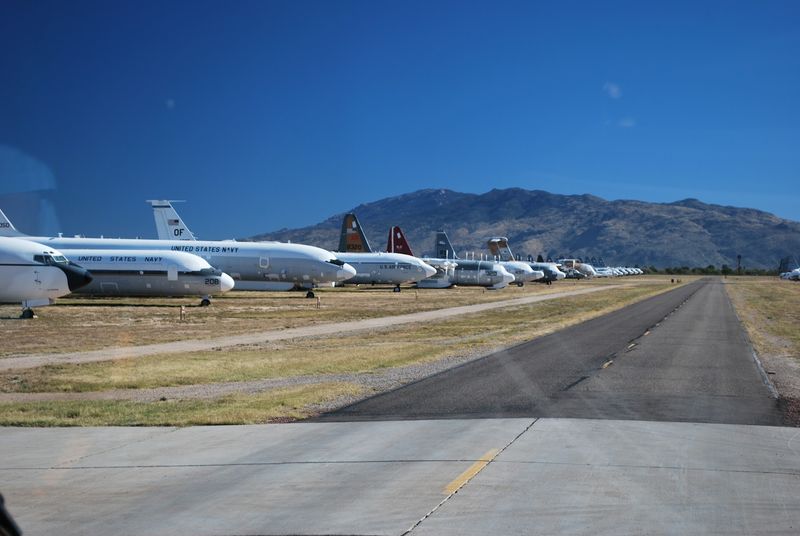
Here is the catch that trips people up. The Boneyard is generally accessible to the public only through tours run by the nearby Pima Air and Space Museum.
Those tours have run on weekdays, excluding holidays. They are bus tours, so guests stay seated rather than wandering among the planes.
Once aboard, getting off the bus is not allowed. Still, the route covers a lot of ground across the property.
Photos are permitted during the ride. That makes a window seat a smart grab if one opens up.
Guides often include volunteers and former members of the U.S. military. They share the history of the base and its aircraft as the bus moves along.
That mix of firsthand knowledge and big views is a strong combination. Many people leave impressed by how much they learned in a single ride.
Tour details can change at a military site, so checking the museum and the base website at dm.af.mil before planning is wise.
The Background Check Surprise
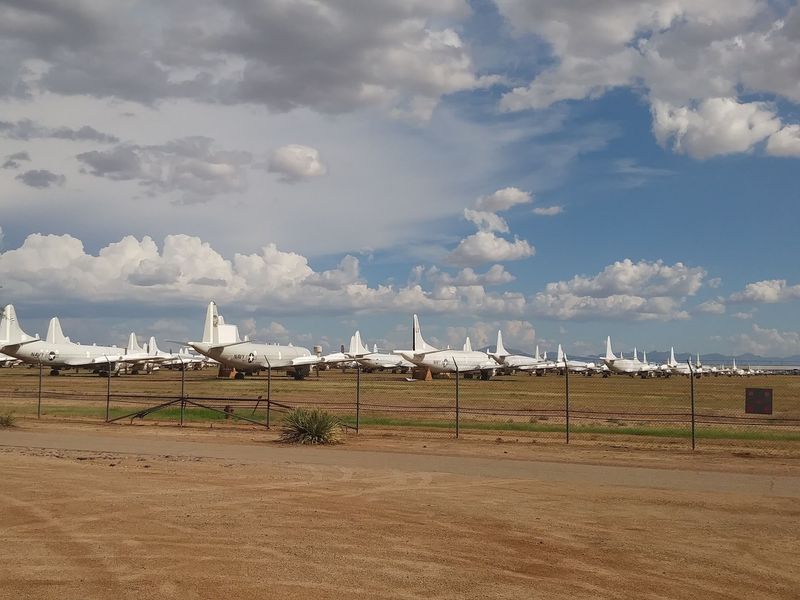
Nothing ruins a road trip faster than a closed gate. Some hopeful guests have shown up without the paperwork needed to board the Boneyard bus.
Because the tour enters an active air force base, a background check has been required. Reservations have needed to be made roughly 10 days ahead for that screening.
Skip that step, and the full bus tour may be off the table. Some folks have ended up with only a reduced option instead of the full ride they wanted.
Tours have also been known to sell out. Getting to the museum early helps when spots are limited.
Civilians are wise to plan well in advance. A little homework turns a possible letdown into a smooth day.
Requirements can shift over time, so confirm current rules before setting out. A quick check now beats a long face at the gate later.
Worth a Drive-By Anyway
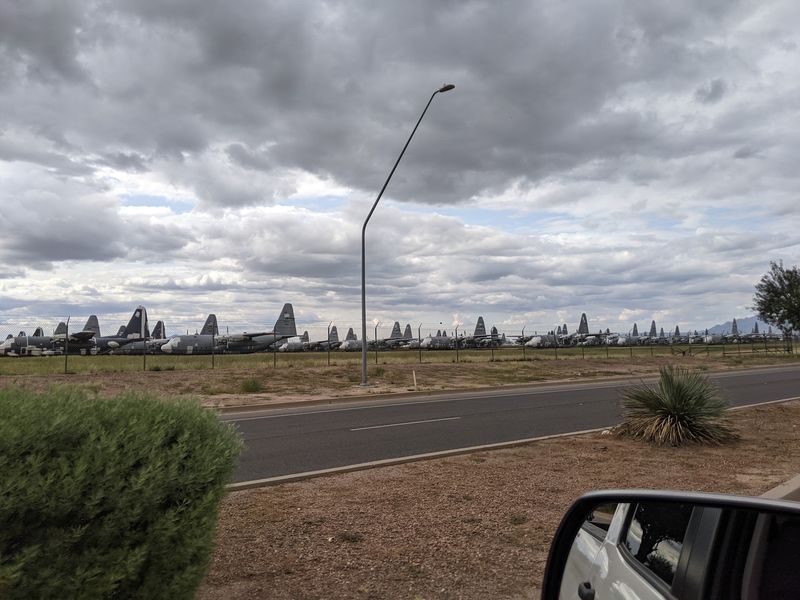
No tour ticket does not mean no view. Many Tucsonans simply drive by to take in the scale of the planes.
Even from the road, the volume of aircraft makes an impression. Rows stretch out far enough to grasp why this ranks as the largest boneyard in the world.
It is a handy option for anyone short on time. Locals often call it a top Tucson sight that deserves at least a quick pass.
Remember that this is a military installation. Stick to public roads and follow any posted rules.
The drive-by is also a nice teaser for a future tour. Seeing the edges tends to make people curious about everything deeper inside.
Online maps provide another angle. An aerial view shows the full grid of planes in a way no fence ever could.
Consider it a free preview for the full feature.
Memories Parked in Rows
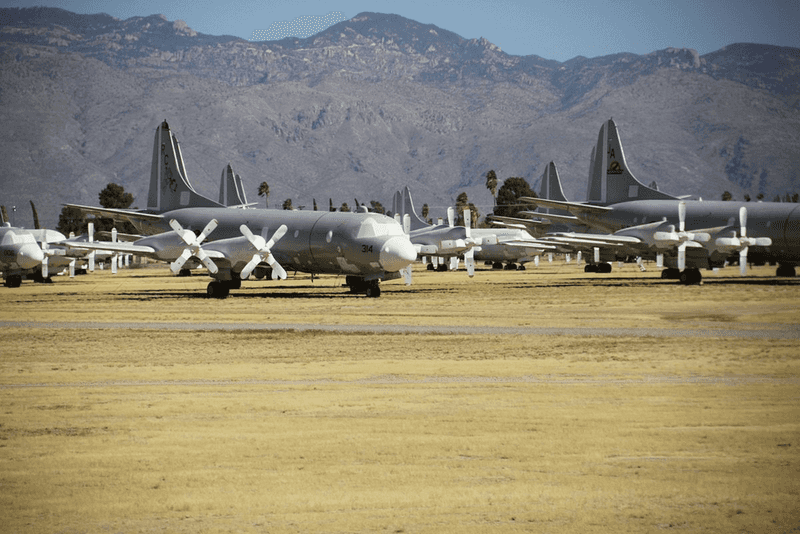
For some guests, the trip is personal. People who served in the military often come looking for aircraft from their own past.
Former airmen have recognized planes they once worked on during active duty. Others recall watching similar aircraft take off and land at bases where they grew up.
That connection gives the Boneyard a reflective side. Many people think about the crews who flew these warplanes and the missions they carried out.
Families of service members often feel it too. A row of parked bombers can open conversations that do not come up at the dinner table.
Non-military guests feel a pull as well. Anyone who has ever admired aircraft can find meaning in seeing so many in one place.
It is a place where history is not behind glass. It is sitting right there in the desert, wing after wing, telling quiet stories.
Air Show Days on Base
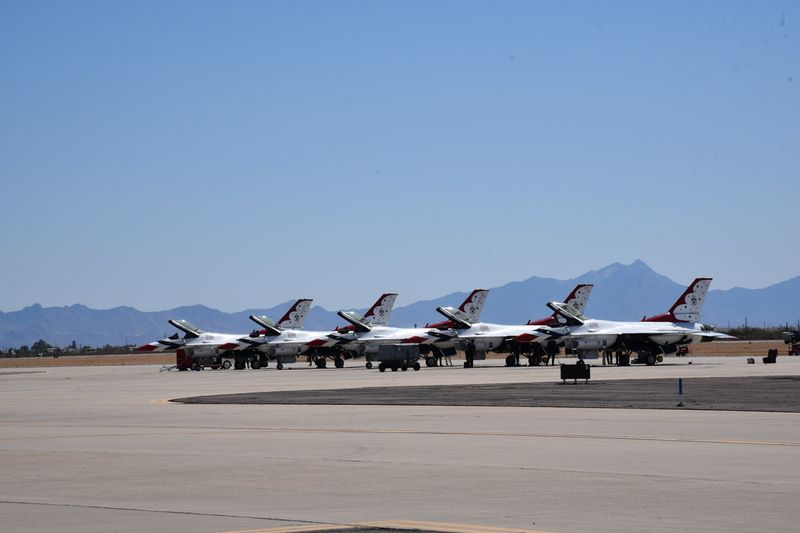
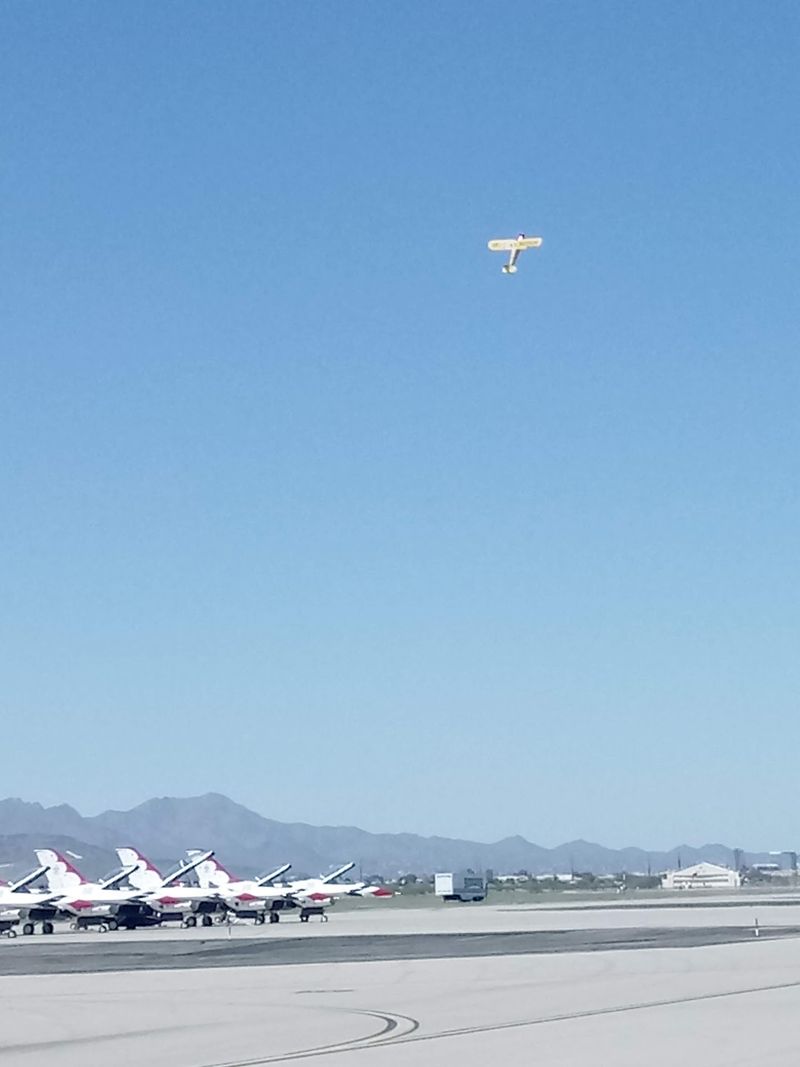
Davis-Monthan sometimes swaps quiet storage for roaring crowds. The base has hosted air shows featuring the Thunderbirds along with stunt and military aircraft.
These events draw enormous attendance. One show reportedly brought around 100,000 people onto base.
Crowds that size mean patience is required. Getting onto the base and through security has taken about an hour each in the past.
Packing smart helps. Money for food, water, and sunscreen are must-haves on a sunny Tucson day.
Air shows give locals a rare chance to be on base without a tour reservation. They also show the active flying side of a place many know only for parked planes.
Event schedules vary, so watch official base channels for announcements. When a show is on the calendar, it fills up fast.
Who Gets the Most Out of It
Aviation buffs are the obvious fans, though the list goes further. The Boneyard suits anyone who has ever wondered where military aircraft go when they retire.
Veterans and former contractors tend to treasure the trip. Many describe it as a must-see for anyone tied to aviation.
Students enjoy it too. School field trips have visited, often with kids buzzing about secret corners and hidden stories.
Movie lovers get the Transformers bonus. Photographers get rows of shapes that look great from a bus window.
Out-of-town relatives are another good match. It is a sight few other cities can offer, which gives hosts some bragging rights.
The bus format also helps those who prefer less walking. Seats are part of the deal, and the views come to you.
Since it is all outdoors and in the desert, sun protection is wise. Cooler months may feel friendlier for a long ride.
A Final Pass Over the Flight Line
Few cities can claim the world’s largest airplane boneyard, and Tucson rarely brags about it. That modesty is part of the charm.
The 309th Aerospace Maintenance and Regeneration Group mixes military purpose with real public curiosity. It preserves aircraft, supplies parts, and keeps thousands of airframes ready for whatever comes next.
Getting inside takes planning. A weekday bus tour through the Pima Air and Space Museum, a background check, and an early arrival have been the formula.
No tour slot this time is not a problem. A drive-by still shows off the scale, and an aerial map view adds a whole new perspective.
Veterans find memories here, kids find wonder, and film fans find a familiar backdrop. Locals may even find a fresh reason to feel proud of their city.
For Arizonans who have heard about it for years but never gone, this might be the season to finally book that seat. The planes are patient, but tour spots are not.


