
Affiliate disclosure: As an Amazon Associate I earn from qualifying purchases. Learn more
If one layer could simplify your packing list and your morning decisions, this is it. The Patagonia R1 Air Full-Zip Hoody became my go-to for travel, trails, and everything between. It is light, breathes like a champ, and somehow feels cozy without trapping sweat. Keep reading for ten practical insights that show exactly how it replaced half my luggage.
Breathability that actually works

You know those climbs where sweat builds fast, then chills you on the ridge. This hoody fixes that. The zigzag fleece and hollow-core yarns move air continuously, keeping heat regulated without feeling clammy.
During high-output hikes, I unzipped slightly and felt instant relief. On descents, it never turned into a cold sponge. You get warm when moving, comfortable when pausing, and dry surprisingly fast after efforts.
It feels like a microclimate that changes with you. For runners, scramblers, and quick summit pushes, this breathability saves energy. You stay focused on the trail instead of thermostat juggling.
Lightweight without the flimsy feel
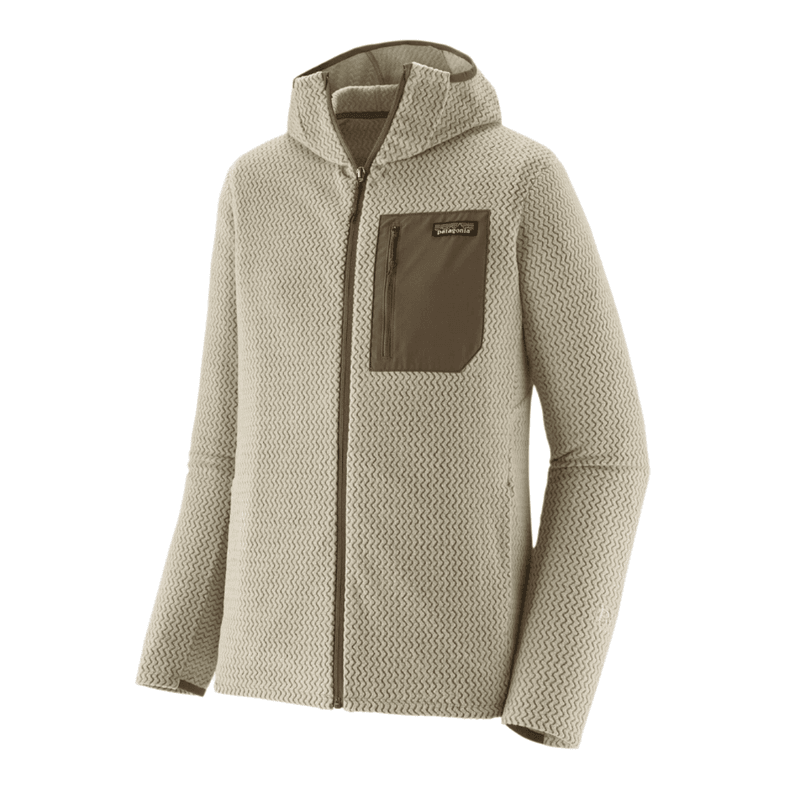
The weight surprised me first. Around 13 ounces feels barely-there in a backpack, yet it never comes off as delicate. The knit has enough structure to avoid that saggy, lifeless vibe some ultralight fleeces get.
It compresses easily into a packing cube, then springs back ready to wear. No sad wrinkles, no weird creases. I layered it under a shell on windy ridges, then wore it solo for coffee in town.
It is a rare balance: light enough to forget, tough enough to trust. That combination makes it a default grab every morning.
Warmth-to-effort balance for active days
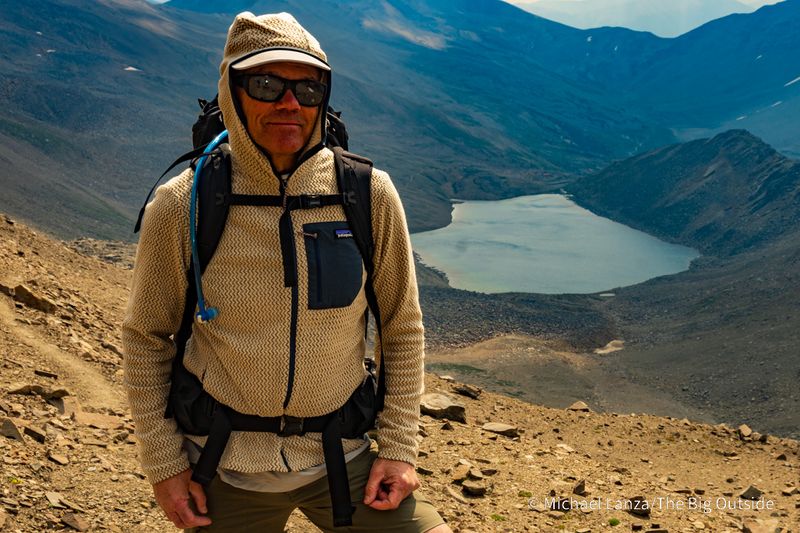
Warmth can be tricky when you are moving hard. This piece nails the sweet spot for cool conditions, letting excess heat escape before sweat becomes a problem. I used it for fast hikes and brisk city commutes with equal success.
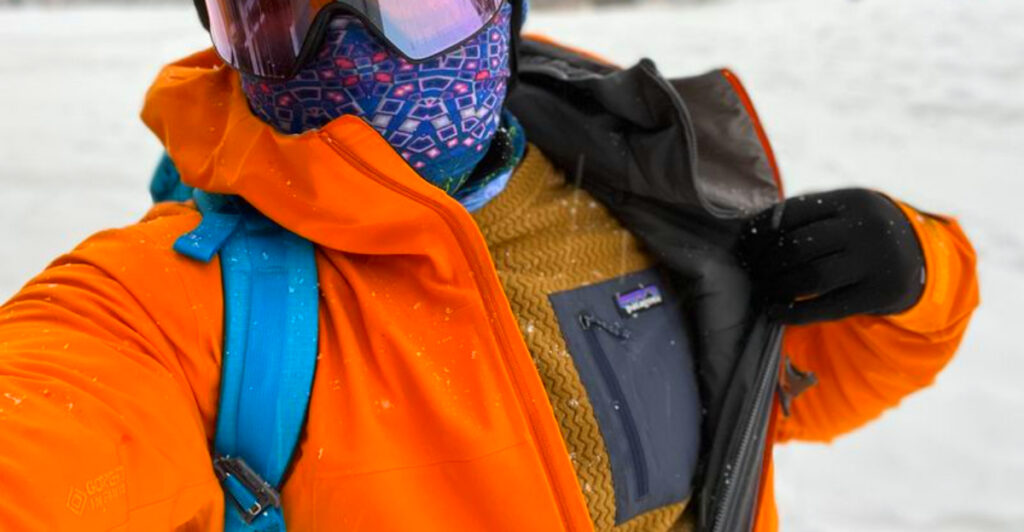
It pairs beautifully with a wind shell for chilly ridgelines, instantly boosting warmth without feeling swampy. In still air, it is cozy enough over a tee.
If you run hot, you will appreciate the full zip and breathable knit. If you run cold, add a thin base and you are golden. Versatility rules here.
Hood and fit that disappear under packs
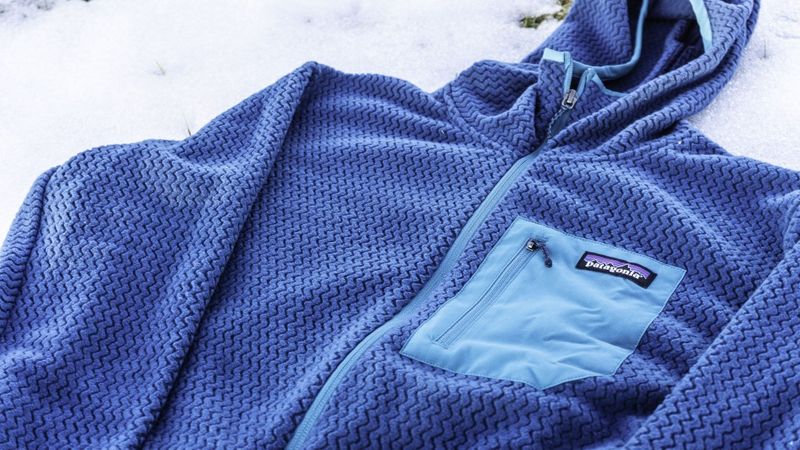
Some hoods flop around or bunch painfully under straps. This one stays put. The slim profile layers under helmets and shells without tugging, and the off-shoulder seams ride comfortably beneath pack straps.
On long days with a loaded pack, I noticed less friction and fewer hot spots. The cuffs and hem do not creep or twist as you move. The fit strikes athletic without strangling.
You zip it up, shoulder your pack, and forget it is there. That disappears-in-use feeling is exactly what I want from a technical midlayer.
Moisture management that dries fast
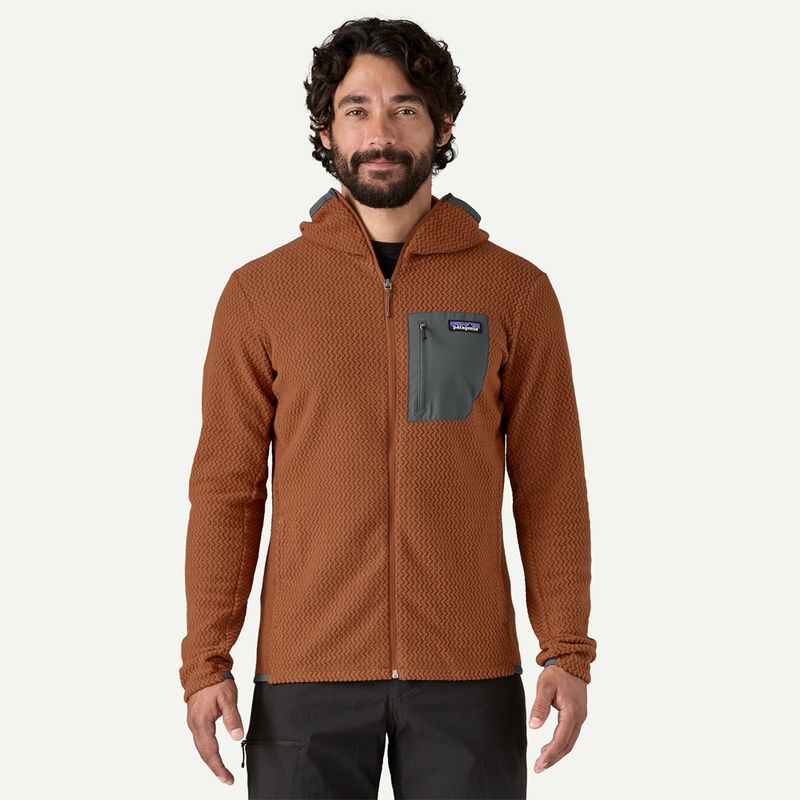
Sweat happens. What matters is how fast it leaves. The hollow-core yarns and open knit help water vapor move out quickly while the surface resists staying soggy.
After a steep hike, I took a shady snack break and felt the fabric dry as the breeze passed. No sticky cling, no cold, damp slump. It is the kind of performance that encourages you to keep going.
For travel, rinsing it in a sink overnight worked fine. By morning, it was ready to wear again. Minimal downtime equals more adventure per day.
Pocket practicality and limits
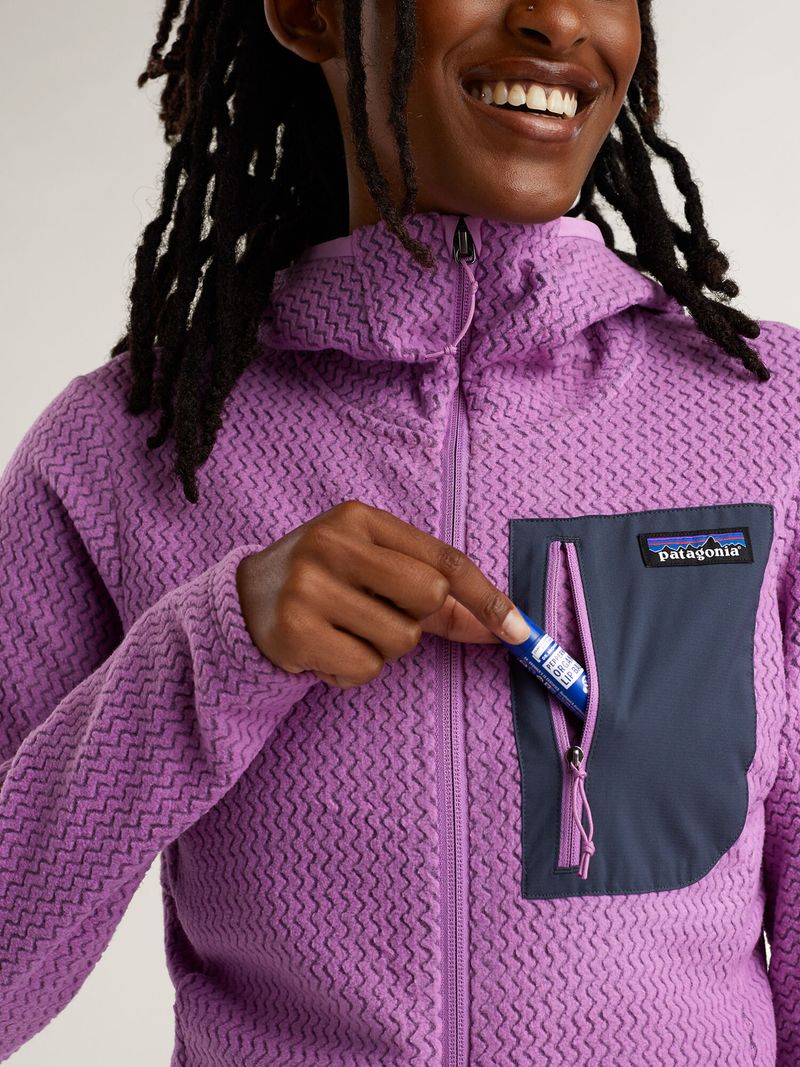
Storage is smart but minimal. Two hand pockets warm up fingers and swallow small items, while the left chest pocket keeps a card wallet or small phone secure. Zippers are low bulk and stay out of the way under a hipbelt.
Here is the catch: bigger phones may not fit comfortably in the chest pocket. Hand pockets are better for that, though bulky loads can sag.
For quick access to a snack bar, map, or transit card, the layout works beautifully. Treat it like a technical layer, not a cargo vest, and you will be happy.
Layering made ridiculously simple
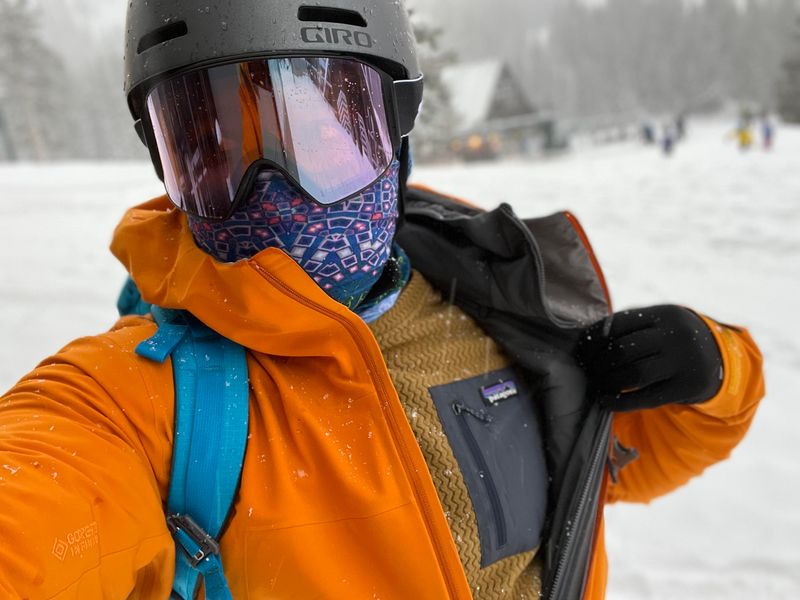
This hoody is a plug-and-play layer. Over a breathable tee, under a wind shell, or beneath a heavier rain shell, it adapts without fuss. The slim cut avoids bunching, so sleeves slide cleanly and the hood nests without rubbing.
In shoulder seasons, it covered early chill, midday heat, and evening breezes by just adding or removing a shell. You will spend less mental energy planning outfits.
If packing light, this piece anchors a three-layer system effortlessly. Fewer garments, more scenarios covered. That is how it ended up replacing half my luggage.
Travel friendliness and packability
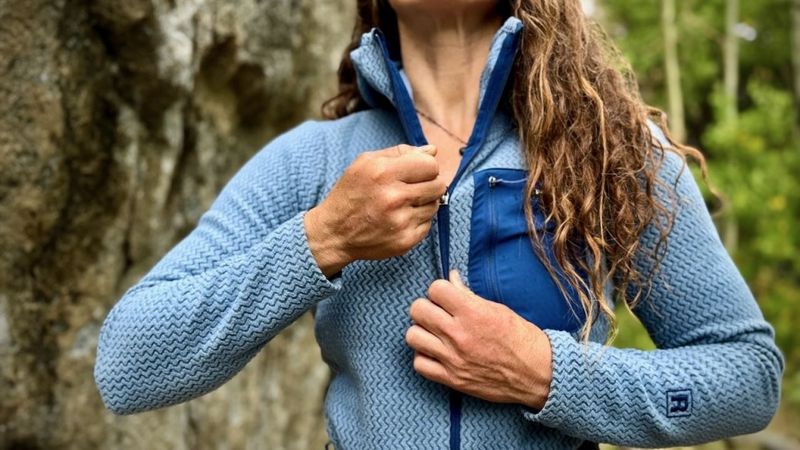
For trips, this became my do-everything midlayer. It looks clean enough for casual dinners and performs on trails the next morning. Roll it tight, stash it in a corner of your carry-on, and you still have room for extras.
On buses and planes, it is a cozy pillow. In damp climates, it dries overnight on a hanger. That quick turnaround means fewer garments in rotation.
If you value traveling light, this is the hero layer that bridges city and mountain. It simplifies decisions and frees space without sacrificing comfort or performance.
Durability and care over time

After months of use, the fabric remains springy and comfortable. Expect some pilling along cuffs and collar, which is normal for airy fleece. The interior can feel slightly rougher with age, but performance stays strong.
Cold wash, gentle cycle, and hang dry keep it looking sharp. Avoid abrasive packs without a smooth harness and you will reduce wear.
I treat it like technical gear, not a sweatshirt. Do that, and it holds up. The tradeoff for breathability is acceptable, especially when balanced against weight and all-day comfort.
Where it shines and where it does not

This hoody excels in cool, dry, or lightly breezy conditions and during high-output efforts. It breathes so well that strong wind cuts through, which is a feature until it is not.
Bring a wind shell on exposed ridges and gusty bike rides. That combo handles most three-season scenarios with ease. Skip it on hot, humid days and deep winter without insulation.
Know its mission: fast-moving comfort, quick-dry reliability, and minimal bulk. Use it for hikes, runs, travel, and early mornings. Add a shell when the forecast turns spiteful.