
Affiliate disclosure: As an Amazon Associate I earn from qualifying purchases. Learn more
Plenty of Arizonans dream of cool pines and lake trails for retirement, then see Flagstaff home prices and quietly close the browser tab. About an hour and a half from Phoenix sits a mile-high city with ponderosa forests, granite boulders around blue water, and a courthouse lawn that still works as the town living room.
It has pioneer museums, birding trails, and a downtown with real history, all at a pace that suits people who finally have time to enjoy it. Keep reading to see why so many locals call this place the high-country retirement option hiding in plain sight.
A Mile-High City In Central Arizona
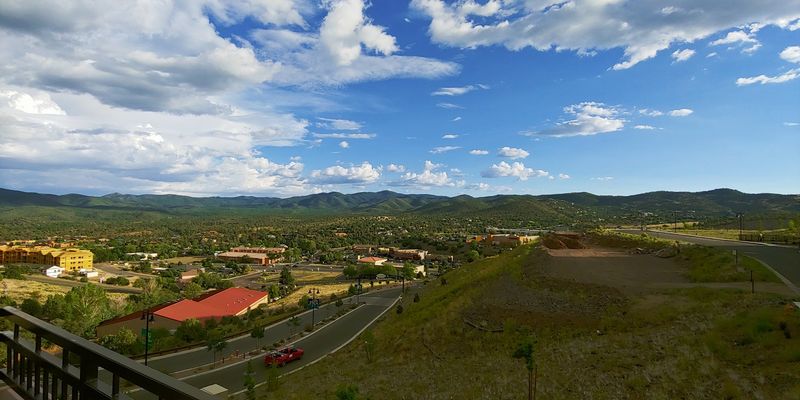
Roughly a mile above sea level, Prescott, Arizona, sits in the central part of the state, tucked into Yavapai County between the low desert and the Colorado Plateau.
That elevation is the whole secret. Summers here run noticeably milder than in Phoenix, and winters bring the occasional dusting of snow without the long, deep cold of the northern high country.
The city is easy to reach for most Arizonans. A drive up from the Valley takes well under two hours for many residents, which matters when grandkids, doctors, or old friends still live down south.
Prescott keeps a small-town feel even while offering the services a growing retiree population needs. The official city website, cityofprescott.net, is the best starting point for current details on parks, events, and local programs.
Neighbors include Prescott Valley and Chino Valley, so the wider area offers several options for housing styles and budgets. Many people end up comparing all three before settling down.
So what makes this spot stand out from every other quiet Arizona town? The answer starts with its story, which goes back further than most folks expect.
The Territorial Capital Back Story
Before Phoenix ran the show, Prescott held the title of territorial capital of Arizona. That chapter still shapes the city’s sense of identity today.
Gold and silver drew prospectors into these mountains in the 1860s. A town grew quickly around them, and with it came government buildings, merchants, and families looking for a fresh start.
Later, the capital moved south, but Prescott never lost its pride. Locals still like to call it a hometown with deep roots, and the city leans into that heritage with museums, historic districts, and preserved buildings.
For retirees, history is more than trivia. It means streets full of older homes with character, neighborhoods that feel settled, and a community calendar packed with heritage events.
A fun bit to share at the next family dinner: much of the downtown was rebuilt after a major fire in 1900, which is why so many storefronts share a similar brick look from that era.
History lovers can spend weeks exploring the background of this place. The next stop, though, is the spot where most of that story still gathers every single day.
Courthouse Square, The Town Living Room
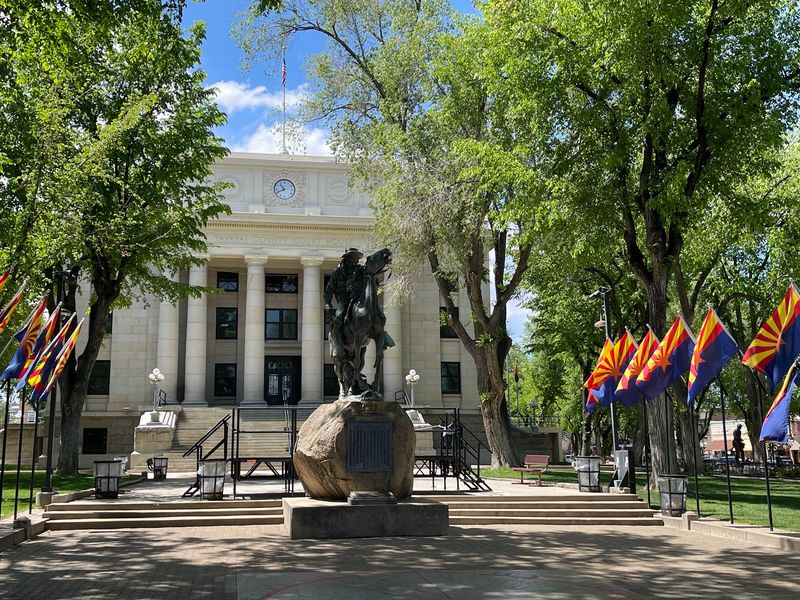
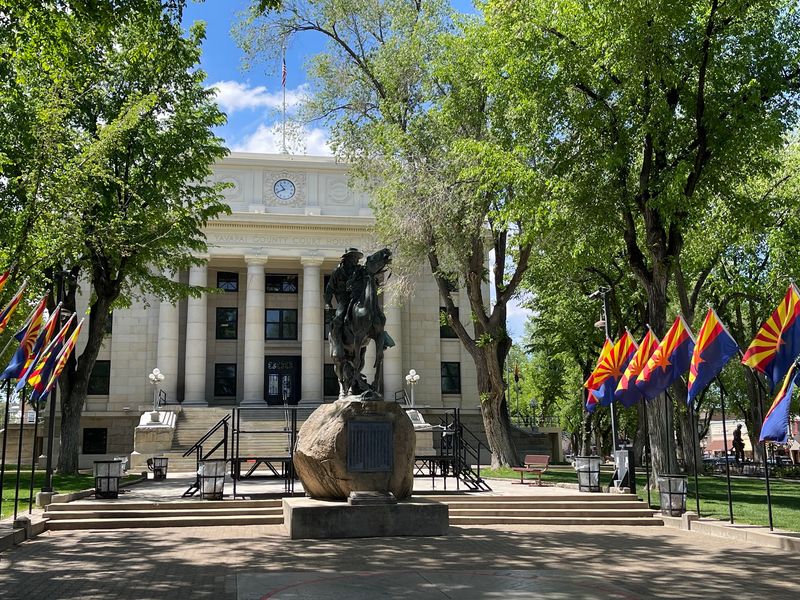
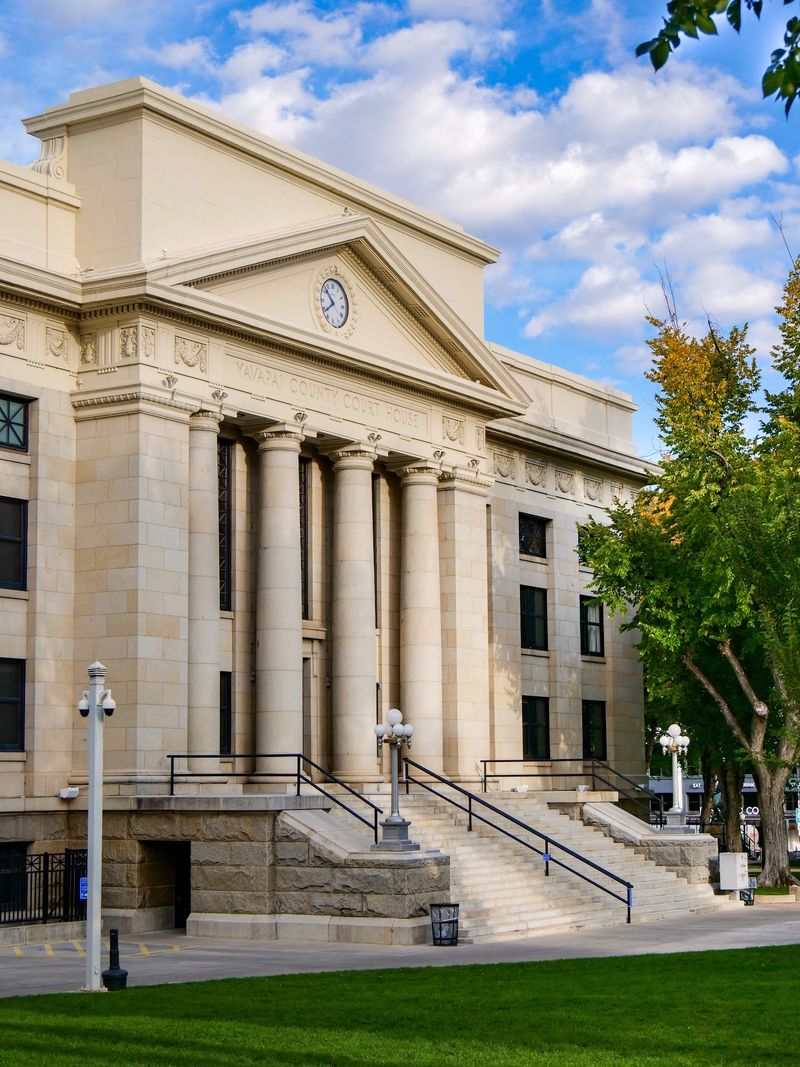
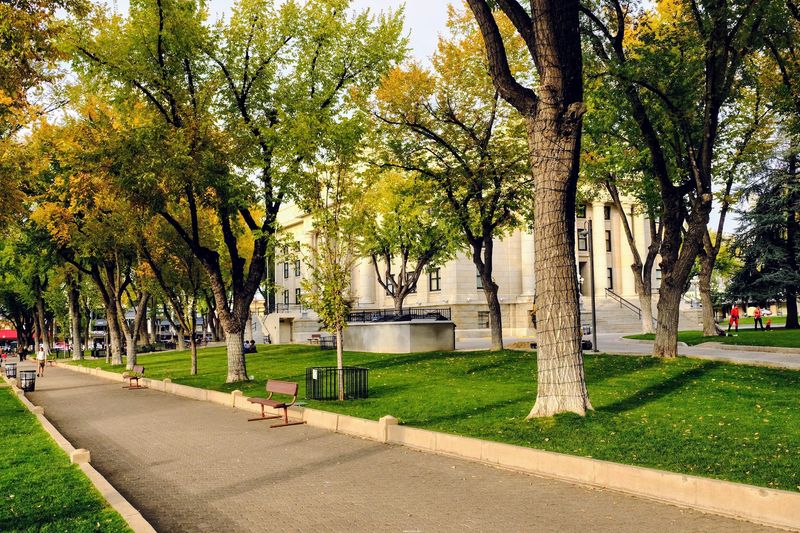
Every good small town needs a gathering place, and Prescott built a grand one. The Yavapai County Courthouse sits in the middle of a tree-shaded plaza right downtown.
The lawn works like a shared backyard for the whole city. People stroll, sit on benches, meet friends, and watch the comings and goings of downtown life.
Throughout the year, the square hosts community events, arts gatherings, and seasonal celebrations. Holiday decorations on the courthouse are a big local tradition, and plenty of residents make an annual habit of seeing them.
Shops, galleries, and eateries ring the plaza, so a simple walk can easily turn into an afternoon. Parking around downtown is generally manageable, though busy event days take a bit more patience.
Retirees often say the square gives them something many suburbs lack, which is a real center. Running into neighbors becomes part of the routine instead of a rare surprise.
Sitting on that lawn on a mild afternoon, it becomes clear why people keep calling Prescott a hometown rather than just a place to live. Across the street, history gets even louder.
Historic Downtown Blocks And Live Music
Facing the courthouse on Montezuma Street is a block of old brick storefronts that ranks among the most famous streets in Arizona. Its history stretches back to the town’s frontier days.
Today, the strip is known for its lively live music venues. Weekends tend to bring bands and a busy crowd, while weekday mornings stay calmer and easier for browsing.
Along the way, antique shops, boutiques, and galleries fill many of the old buildings. The architecture alone is worth a slow walk, since so many facades date to the rebuild after the 1900 fire.
Retirees who enjoy a night out without big-city traffic often find this block a pleasant surprise. Live music within walking distance of a quiet neighborhood is a rare combo.
Those who prefer daytime outings can still enjoy the street. Morning coffee, window shopping, and a loop around the plaza make for an easy, low-key routine.
Downtown gives Prescott its social energy. A few blocks west, though, a very different kind of attraction keeps the frontier era on display.
Sharlot Hall Museum And Pioneer Life
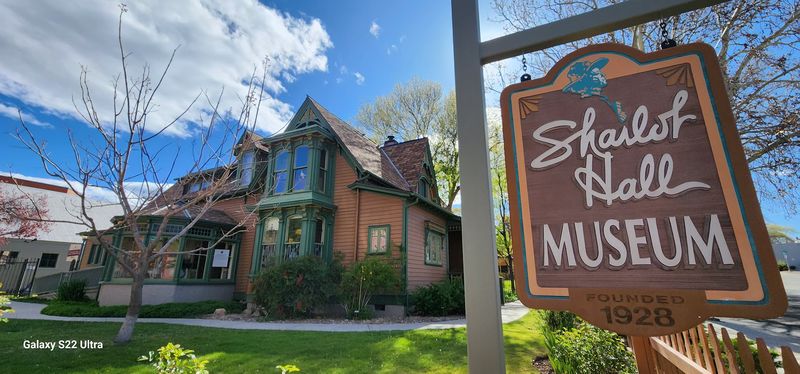
Few small cities have a museum campus quite like this one. The Sharlot Hall Museum documents the pioneer-era history of the region across several historic buildings and exhibits.
It carries the name of Sharlot Hall, a notable Arizona writer and historian who worked to preserve the territory’s past. Her efforts helped save structures connected to the early capital days.
Among the highlights is a log building tied to the territorial governor’s era. Exhibits cover ranching, mining, everyday frontier life, and the people who shaped central Arizona.
For retirees, a place like this offers more than a single visit. Many history fans return for programs, special exhibits, and seasonal events held on the grounds.
Hours and admission can change, so checking the museum’s official site before heading over is a smart move. Plan for at least a couple of hours to see the campus properly.
Curious grandkids tend to enjoy the hands-on feel of old buildings more than a typical gallery. And the cultural story of the area does not end with pioneers, as the next museum shows.
Indigenous Heritage At The Smoki Museum
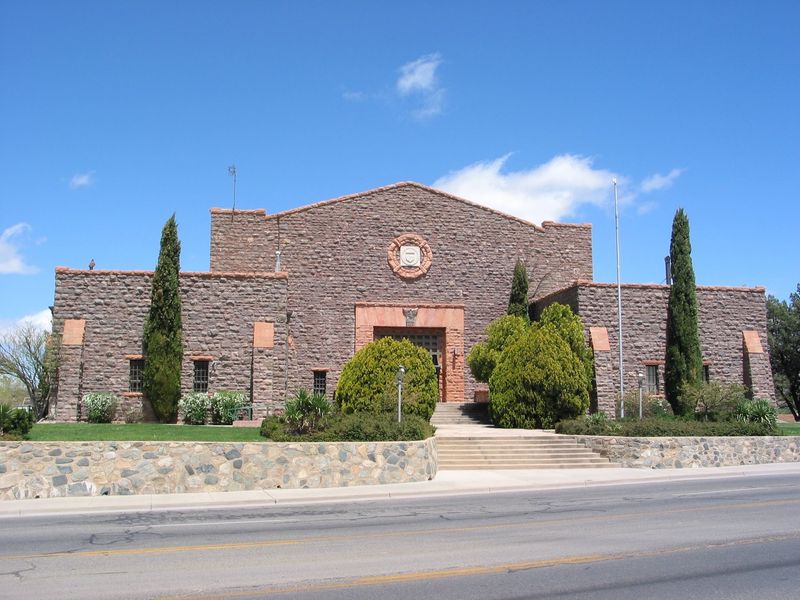
Long before prospectors arrived, Native peoples called this land home. The Smoki Museum helps tell that deeper story through artifacts from Indigenous peoples of the Southwest.
Collections include pottery, baskets, and other cultural items. The displays give a wider view of the region than pioneer history alone can provide.
The building itself is a modest, distinctive stone structure, and the museum keeps a smaller footprint than the Sharlot Hall campus. That makes it an easy add-on for the same day.
Retirees with a love of art and culture often appreciate the focused size. It is the kind of place where reading every label actually feels doable.
Visiting details such as hours and admission are best confirmed directly with the museum before a trip. Smaller institutions sometimes adjust schedules by season.
Between these two museums, Prescott offers a fuller picture of central Arizona than many larger cities manage. Now it is time to trade exhibit halls for something with a lot more boulders.
Watson Lake And Its Granite Dells
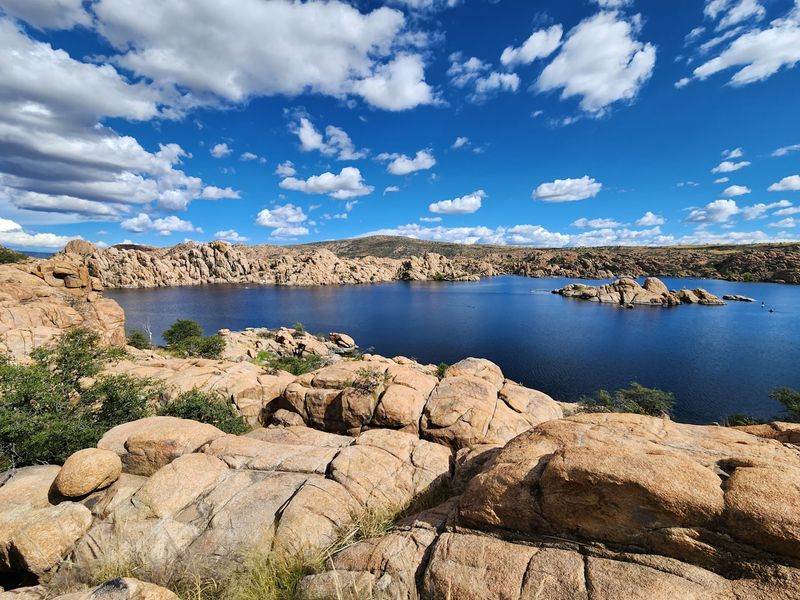
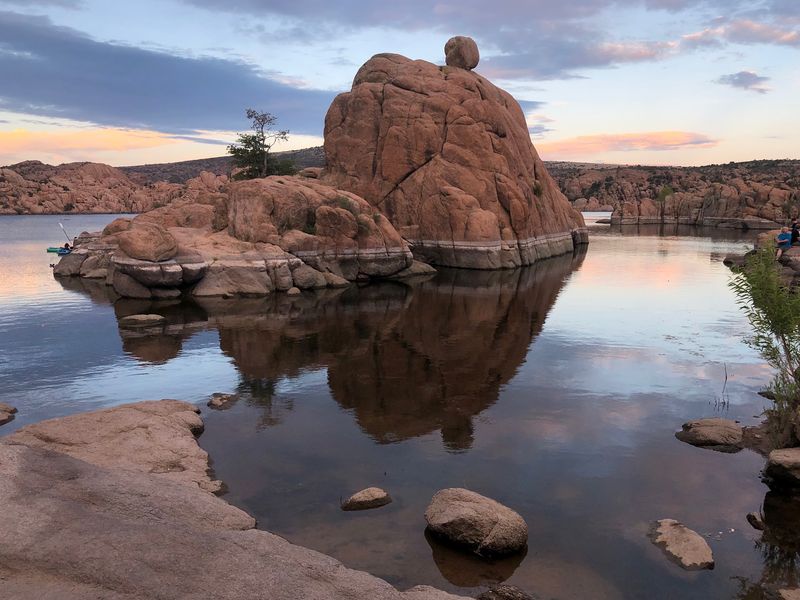
Here is where Prescott starts to look almost unreal. Northeast of downtown, Watson Lake sits among piles of rounded granite boulders known as the Granite Dells.
Many Arizonans have seen photos of the lake without realizing it was a short drive from a city they already know. The rock formations rise straight from the shoreline, creating one of the most photographed scenes in the state.
Kayaks and paddleboards are a popular way to explore the coves between the rocks. Calm mornings tend to be favorite times for paddlers and photographers.
For retirees, the lake offers easy access to outdoor time without a long road trip. A picnic by the water or a slow paddle can fill a morning with very little planning.
Fees and seasonal hours for the city park areas can change, so the City of Prescott website is the place to check before heading out.
Out-of-state friends visiting tend to ask the same question at the shore: why is this not more famous? Locals usually just smile, then point toward the trails.
Trails Through The Boulders
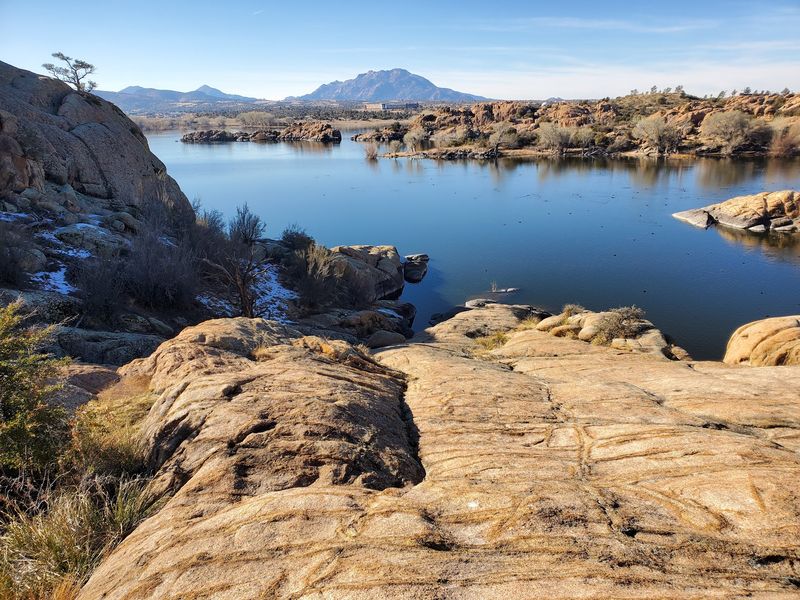
Hikers, take note. A circuit of trails runs among the granite boulders dotting the shore of Watson Lake, giving walkers a way to explore far beyond the parking lot.
Sections of the loop involve scrambling over rock, and painted markers help guide the route. Some stretches are easygoing, while others call for good shoes and steady footing.
That variety is a big plus for active retirees. Shorter out-and-back walks work for casual outings, and the longer loop provides a solid challenge for experienced hikers.
Early starts are wise in summer, and carrying water is always a good idea. Trail conditions can shift after storms, so checking with the city beforehand helps.
Prescott as a whole has a strong trail network that connects parks, lakes, and neighborhoods. Many residents build daily walks around it the way others plan around a gym schedule.
A good boulder hike tends to turn first-timers into regulars. And some of the most devoted regulars carry binoculars instead of trekking poles.
Hundreds Of Bird Species At The Shoreline
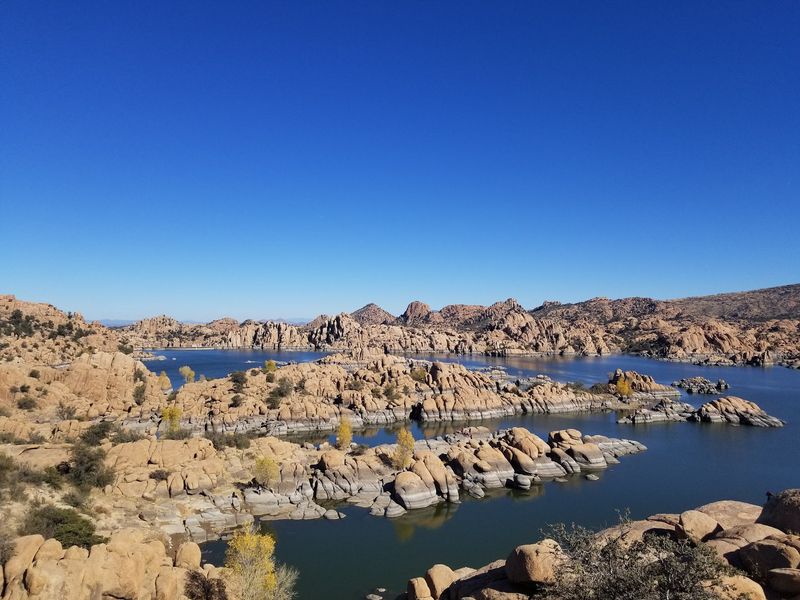
Birdwatchers may find their new favorite hobby headquarters at Watson Lake. The area is home to hundreds of bird species, which makes it a standout for anyone who enjoys wildlife.
Water birds, waders, and songbirds all make use of the lake and its surroundings. Migration seasons tend to bring extra variety, which keeps regulars coming back again and again.
Birding suits retirement especially well. It rewards patience, gets people outside, and works at any pace, from a bench by the water to a slow walk along the trail.
Local birding groups and nature programs in the Prescott area give newcomers a friendly way to learn. Joining one is also a simple way to meet neighbors with shared interests.
A decent pair of binoculars and a field guide are about all the gear required. Morning hours usually offer the best activity.
Counting species can become a surprisingly competitive pastime among friends. Beyond the lake, a much larger green backdrop sets the stage for everything else in town.
Ponderosa Pines At The Edge Of Town
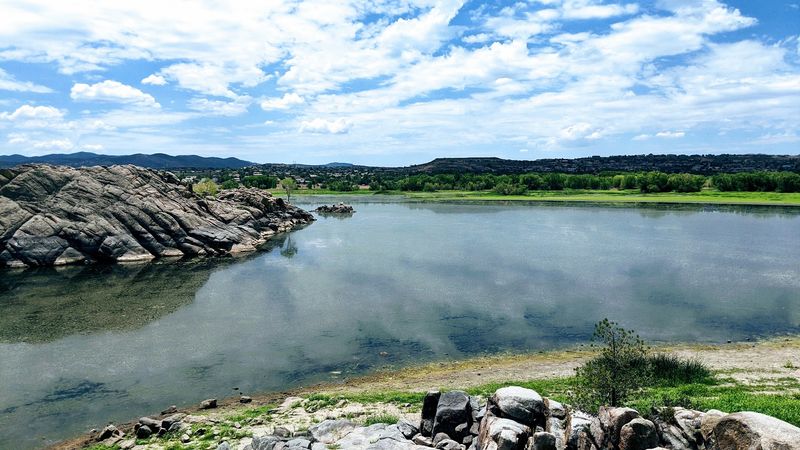
Forget the stereotype of Arizona as all cactus. Prescott sits beside the Prescott National Forest, where ponderosa pines cover the hills just minutes from many neighborhoods.
The forest offers hiking, picnicking, and scenic drives. Thumb Butte, a well-known rocky landmark west of downtown, is a popular spot for a trail outing with wide views of the city.
Having pines this close changes daily life. A walk in the woods can happen on a random Tuesday instead of requiring a full weekend trip up the mountain.
Other lakes in the area, including Lynx Lake and Goldwater Lake, add more options for fishing, paddling, and quiet shoreline time. Each has its own personality and crowd level.
Fire season can bring restrictions, so checking with the national forest before planning campfires or backcountry trips is essential.
Pines, lakes, and granite all within a short drive is a combination many mountain towns charge a premium for. That brings up the question every budget-minded retiree eventually asks.
The Flagstaff Comparison
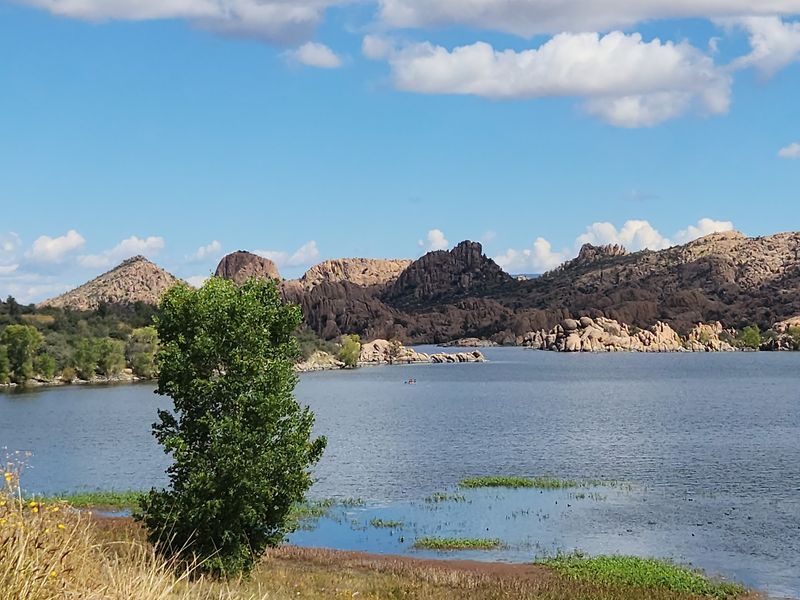
Flagstaff gets most of the attention when Arizonans talk about cool-weather living. Its higher elevation, big snow, and university crowd come with a housing market that many retirees find hard to stomach.
Prescott offers a different deal. The climate is milder in winter, the pines are still close by, and the town is closer to Phoenix for family visits and big-city errands.
Housing costs vary by neighborhood and change with the market, so no single number tells the full story. Still, many buyers find that Prescott and its neighboring towns open up more choices across different budgets.
Working with a local real estate professional and comparing current listings is the honest way to judge value. Property taxes, insurance, and utilities also deserve a close look.
Retirees often weigh lifestyle as much as price. Less shoveling, shorter drives to the Valley, and a walkable historic downtown carry real value.
Price tags matter, but so does the feeling of a place. And on that front, Prescott has a very particular mood.
Who Thrives Here
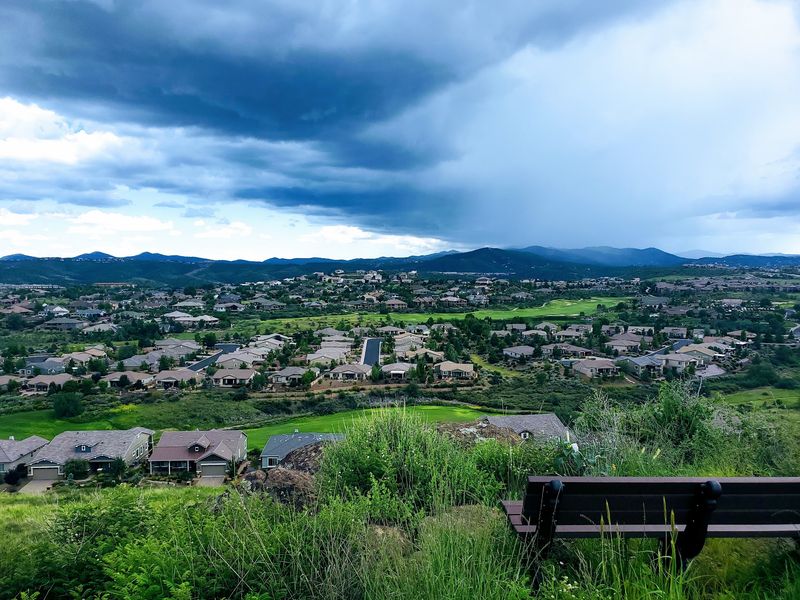
Some towns suit everyone a little. Prescott suits certain people a lot, especially retirees who like a mix of outdoor time, local history, and community events.
Hikers, paddlers, and birders will find plenty to do. History buffs get two museums and a downtown full of preserved buildings, while social types can lean on the plaza calendar and live music.
The city has a large retiree population, which helps create clubs, volunteer groups, and classes aimed at active older adults. Newcomers rarely struggle to find a circle.
Elevation is worth considering for anyone with heart or lung concerns. Talking with a doctor before moving to a mile-high city is a sensible step.
Those who crave nonstop nightlife or big-city shopping may find the pace too relaxed. For many, though, relaxed is exactly the point.
Prescott tends to reward people who show up, join in, and spend time outside. Planning a scouting trip first is the smartest way to test that fit.
Planning A Scouting Trip And A Soft Verdict
Ready to see it in person? Most Arizonans reach Prescott by car, and drivers from the Valley often head north on Interstate 17 before connecting west on state highways.
Spring and fall are popular times to visit, with comfortable temperatures for hiking and strolling downtown. Summer draws plenty of Valley residents escaping the heat, while winter offers a quieter look at year-round life.
A good scouting itinerary covers the courthouse plaza, the historic downtown blocks, both museums, Watson Lake, and a forest trail. Spending a weekday morning in town gives a better sense of daily routine than a busy Saturday.
Museum hours, park fees, and event dates can change. The City of Prescott website and each attraction’s official site are the most reliable sources before a trip.
So is Prescott the answer for every retiree? Probably not, but for Arizonans who want pines, granite lakes, and a real town square without stretching toward Flagstaff budgets, it deserves a serious look.
One weekend there may be enough to start browsing listings on the drive home.


