
Affiliate disclosure: As an Amazon Associate I earn from qualifying purchases. Learn more
Every Arizonan knows the red rocks of Sedona, and most of us also know what it costs to call those rocks home. About a twenty-minute drive away, a quieter river town in the Verde Valley offers many of the same horizons with a much more relaxed pace.
Retirees have been doing the math for years, and plenty of them have landed here for good. The town sits on the Verde River, keeps a walkable historic district, and has become a hub for vineyard tasting rooms that put the Verde Valley on the map.
It also keeps you close to Jerome, Clarkdale, and some of the most famous scenery in the state. Read on to see why this small city might be the smartest move in our own backyard.
A River Town in the Heart of Yavapai County
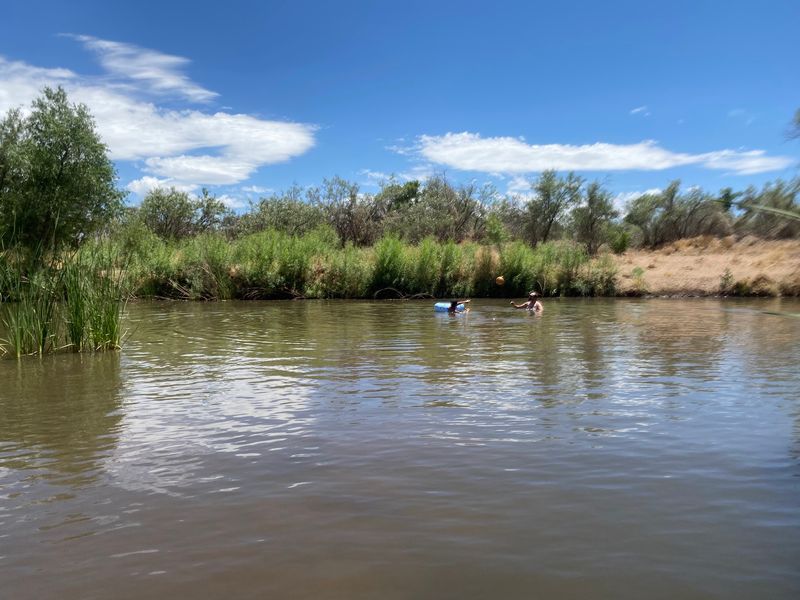
Cottonwood is a city in Yavapai County, Arizona, USA, tucked into the Verde Valley in the center of the state. It sits right on the Verde River, which gives the town a ribbon of green that stands out against the surrounding high desert.
As of the 2020 census, the city counted 12,029 residents. That number tells you a lot about the place.
It is big enough to handle daily errands, groceries, and medical appointments without a long drive. Yet it is small enough that the downtown still feels like a neighborhood instead of a tourist strip.
The location is the real selling point for many retirees. Sedona is roughly a short drive to the northeast, Jerome climbs the mountainside to the west, and Flagstaff and Phoenix are both within reach for day trips.
Many people first discover the town while passing through on the way to somewhere more famous. A surprising number of them circle back later with a moving truck.
The city keeps its official information online at ci.cottonwood.az.us, which is a handy first stop for anyone researching services, events, or local parks. Think of it as the town’s front porch, minus the rocking chair.
How a Farming Settlement Grew Up
Long before it became a retirement favorite, the area was valued for one simple reason: water. The Verde River made farming and ranching possible in a valley surrounded by dry country.
The town takes its name from the cottonwood trees that grow along the riverbanks. Those trees have long served as a landmark for anyone hunting for water in this part of Arizona.
The community grew alongside the mining boom in nearby Jerome and the smelter operations in the valley. Workers and their families needed homes, stores, and services, and Cottonwood helped fill that role.
When mining slowed down, the town did not fade away. It shifted into a regional service center for the Verde Valley, a role it still plays today.
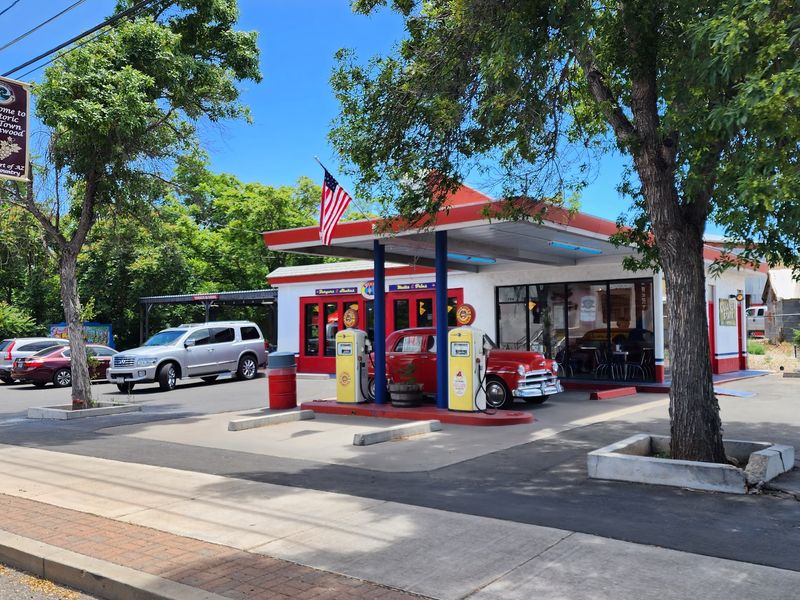
You can still trace that past in the older buildings of the historic downtown. Several storefronts keep their early twentieth century look, giving the main drag a sense of continuity that newer developments often lack.
For locals who love Arizona history, the story here is less about a single dramatic event and more about steady survival. Few towns can claim they reinvented themselves this many times without losing their character.
Red Rock Horizons Without the Red Rock Bill
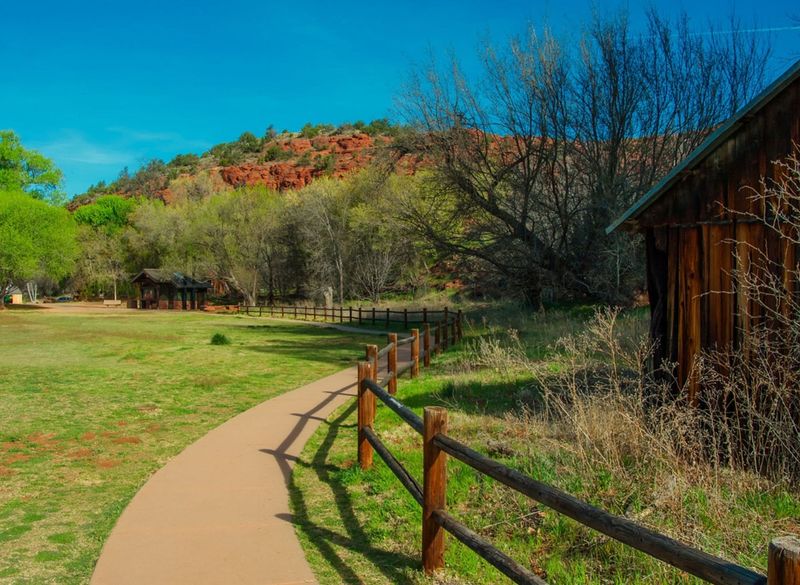
Sedona gets the postcards, but its neighbor gets a front-row seat to many of the same views. From much of the Verde Valley, the red rock country rises on the horizon to the northeast.
That geography matters for anyone on a fixed income. Living in Sedona itself is famously expensive, while Cottonwood has long been seen as the more affordable home base in the valley.
Retirees here often split the difference in a clever way. They live where daily life is practical and then drive over to the trailheads and scenic pullouts whenever the mood strikes.
The trip is short enough to make a morning hike and still be home for lunch. There is no need to book lodging or plan a big weekend to enjoy the scenery.
The other direction offers its own drama. Mingus Mountain and the town of Jerome sit on the slopes to the west, adding a second skyline to the view.
It is a bit like owning season tickets without paying for the luxury box. The show is the same, and the seat is closer to the parking lot.
Vineyards That Put the Verde Valley on the Map
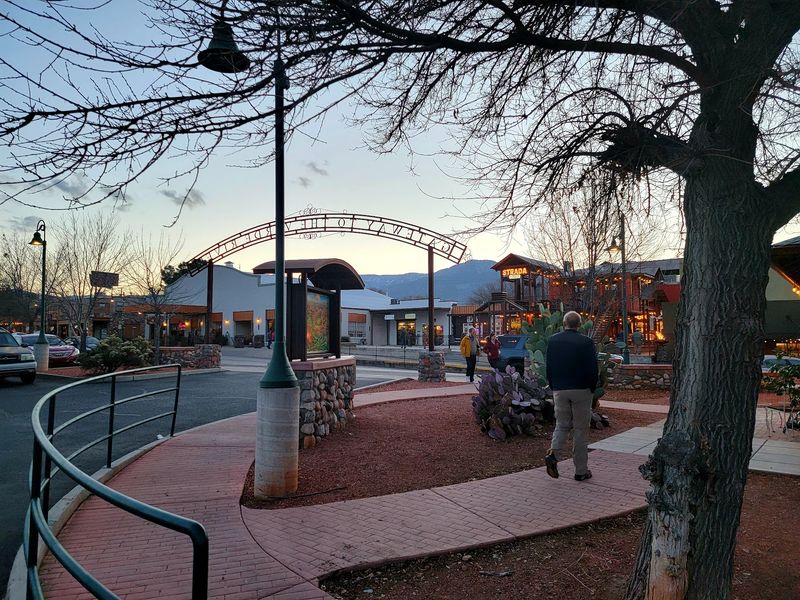
Grapes might not be the first crop that comes to mind when Arizonans think about Yavapai County. Over the past couple of decades, however, the Verde Valley has become one of the state’s recognized growing regions.
Cottonwood sits at the center of that story. Its historic downtown hosts a cluster of tasting rooms, and vineyards dot the surrounding valley.
For many retirees, the appeal is less about the product and more about the scene. Small, locally owned operations bring weekend energy, events, and fresh faces into town.
These businesses also help support the local economy. They draw day-trippers from Phoenix and Flagstaff who then shop, eat, and explore the rest of downtown.
Arizona residents often take quiet pride in the fact that the valley now competes for attention with more famous growing regions in other states. It is one more example of the state being more varied than outsiders assume.
Checking the city website or local event listings before a visit is smart. Hours at small, family-run tasting rooms can shift with the seasons, so a quick look ahead saves a wasted trip.
Old Town’s Walkable Main Street
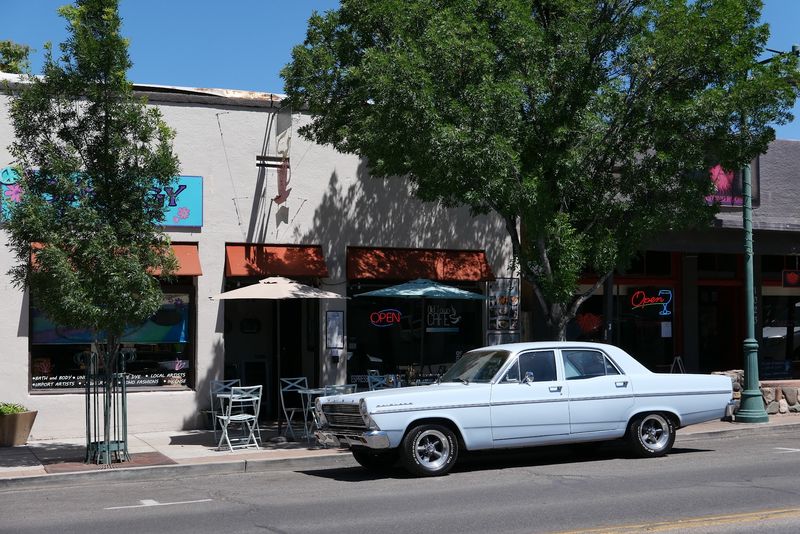
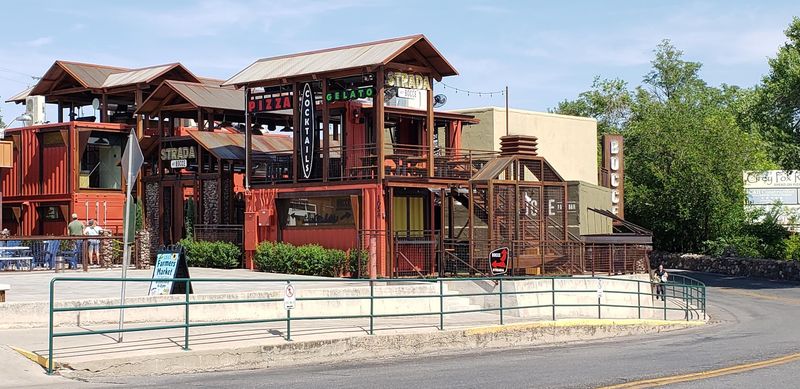
Strolling is the main activity in Old Town Cottonwood, and that is exactly the point. The historic district packs shops, galleries, eateries, and tasting rooms into a compact few blocks.
Parking once and exploring on foot is easy. That makes the area especially friendly for retirees who would rather not hunt for spaces every time they want a coffee or a browse.
The shops lean local rather than chain. Antique stores, boutiques, and small galleries give the district a browsable quality that rewards slow wandering.
Events and seasonal gatherings often bring extra life to the street. The mix of residents and day visitors keeps things lively without tipping into the crowds that can swamp Sedona on a busy weekend.
Newcomers tend to find their social circles quickly here. When the downtown is this small, running into the same neighbors twice in one afternoon is pretty much guaranteed.
The historic look of the buildings adds to the appeal. Old storefronts house new businesses, and the result feels lived-in rather than staged for the cameras.
Life Along the Verde River
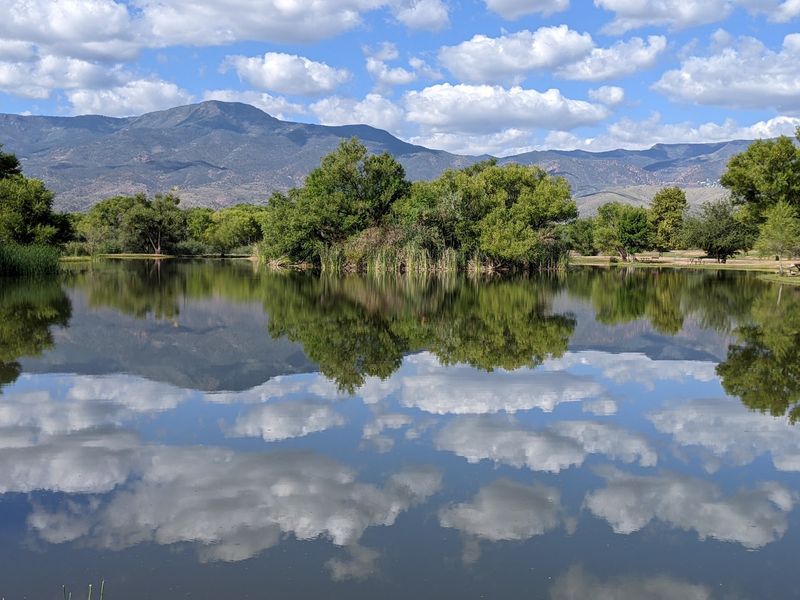
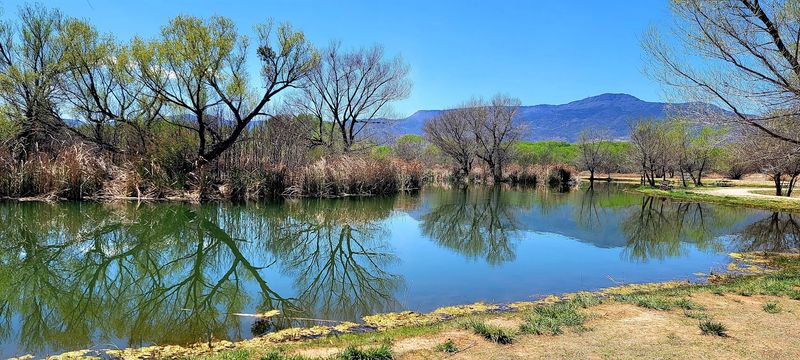
Few desert towns can point to a flowing river and call it their own. Cottonwood can, and the Verde River shapes much of what makes the area special.
The river corridor supports a band of trees and wildlife habitat that contrasts sharply with the dry hills around it. Birders, anglers, and walkers all find reasons to head down to the water.
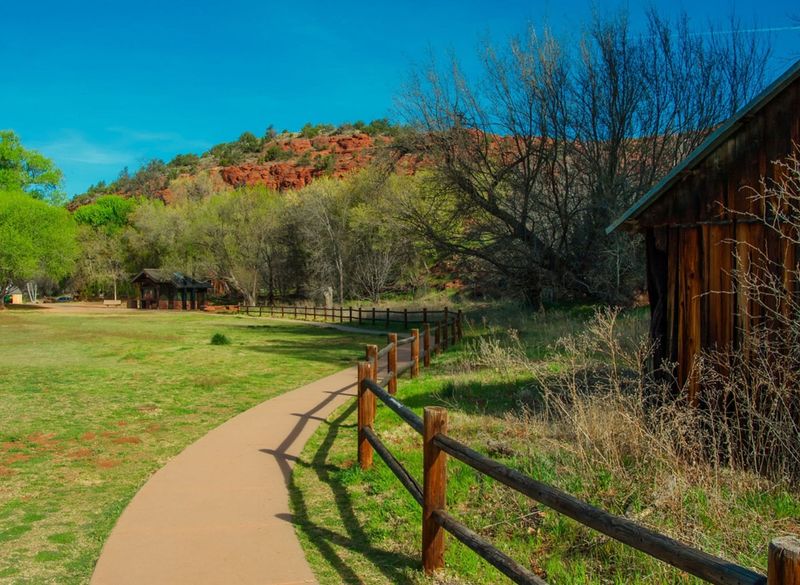
A state park sits along the river on the edge of town. It offers trails, lagoons, picnic areas, and camping, giving residents a large natural space just minutes from home.
Kayaking and paddling are popular on stretches of the Verde when water levels cooperate. Local outfitters in the valley can help newcomers figure out where and when to launch.
During the hotter months, the river offers a welcome escape from the Phoenix heat. Many Valley residents first fall for the area during a summer getaway.
Not bad for a town that started out simply because the water was here. The river that drew the first settlers is still the town’s best neighbor.
Neighbors Worth Visiting: Jerome, Clarkdale, and Tuzigoot
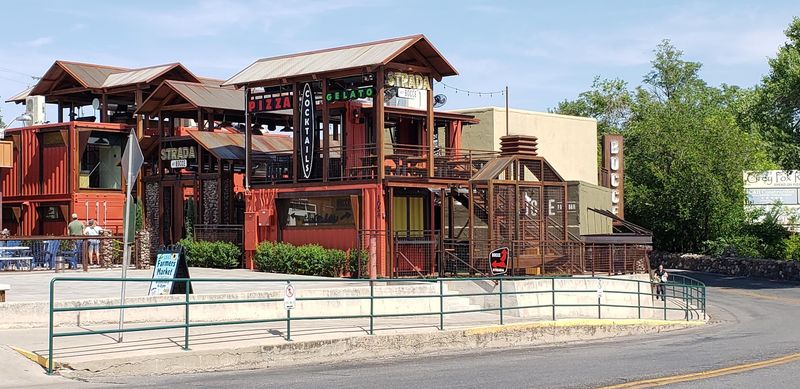
One of the quiet perks of living in Cottonwood is how much is packed within a short drive. The surrounding towns turn an ordinary week into a buffet of day trips.
Jerome perches on the side of Cleopatra Hill above the valley. The former copper mining town is known for its steep streets, historic buildings, and artist community.
Clarkdale sits just next door. It serves as the starting point for the Verde Canyon Railroad, a scenic train ride that follows the river through a canyon.
Tuzigoot National Monument rests on a ridge between the towns. It preserves the remains of a pueblo built by the Sinagua people centuries ago, offering a deep look at the valley’s earliest communities.
Montezuma Castle and Montezuma Well are also within reach farther down the valley. Both are popular stops for anyone curious about Arizona’s ancient past.
Retirees with visiting grandkids tend to love this lineup. A full week of outings can be planned without ever needing a hotel reservation.
Who Feels at Home Here
Retirees make up a big part of the community, and it shows in the rhythm of daily life. Mornings start early, trails get used, and weekday afternoons feel unhurried.
The town tends to suit people who want small-town ease without feeling cut off. Grocery stores, medical services, and everyday shopping are close at hand, which matters more with every passing birthday.
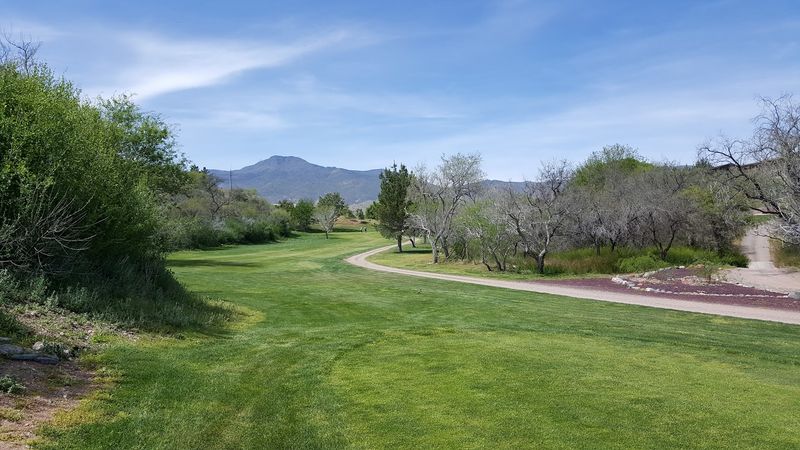
Outdoor fans tend to settle in quickly. Hiking, birding, paddling, and golf in the region give active retirees plenty to fill their calendars.
Creative types also find a welcome. Galleries in Old Town and nearby Jerome support a lively arts community that hosts events throughout the year.
The town is not for everyone, of course. Anyone craving big-city nightlife or a long list of major attractions on the doorstep may find the pace a little too mellow.
For the rest, that mellow pace is exactly the draw. Plenty of Phoenix transplants say the slower tempo was the main thing they were shopping for.
Getting There and Timing Your Trip
Reaching Cottonwood from the Phoenix area usually means heading north on Interstate 17. Most drivers exit toward Camp Verde and continue on State Route 260 into town.
The drive typically runs under two hours from the northern Valley, depending on traffic. From Flagstaff, the trip is shorter and comes down through either the I-17 route or the scenic road through Sedona.
Spring and fall are popular seasons for a scouting visit. Temperatures tend to be comfortable for walking around town and exploring the nearby trails.
Summer brings warm days, though the elevation of roughly 3,300 feet keeps things milder than the low desert. Winter can bring chilly nights and the occasional dusting of snow on the surrounding peaks.
Retirees considering a move often recommend spending time here in more than one season. A town can look very different in July than it does in January.
Before setting out, the city’s website lists local services, parks, and community events. A little planning helps a first visit feel less like a guess and more like a real test run.
The Verdict on Verde Valley Living
Arizonans love to brag about Sedona, and they should. Still, the smartest move for many retirees may be settling just down the road.
Cottonwood offers a working town with real services, a river running through it, and a historic downtown that keeps getting more interesting. The red rocks stay on the horizon, ready for a visit whenever the urge hits.
Add the vineyards scattered across the valley, the tasting rooms clustered in Old Town, and neighbors like Jerome and Tuzigoot. The result is a lifestyle that feels bigger than the population sign suggests.
Costs are not the same as they once were anywhere in Arizona, and smart buyers will do their own research. Yet the town is still widely seen as a more approachable option than its famous neighbor.
The best way to judge is to spend a few days walking Main Street, following the river, and taking the short drive to the red rocks. Many people arrive planning a quick look and leave already checking listings.
Sometimes the best seat in the house is the one that does not come with the luxury price tag.


