
Affiliate disclosure: As an Amazon Associate I earn from qualifying purchases. Learn more
Some people drive two hours for a fancy dinner, but a growing crowd of Ohio quilters makes that same trip for cotton. Since the big chain fabric stores closed, sewers from Columbus, Cleveland, Cincinnati, and Akron have been mapping out a route to one busy outlet in Amish Country.
The reason is simple: clearance fabric can drop to about $2 a yard, and some bolts go for even less. Stick around to learn where it is, what the prices look like, when to go, and a few insider tips that can make the long drive pay off.
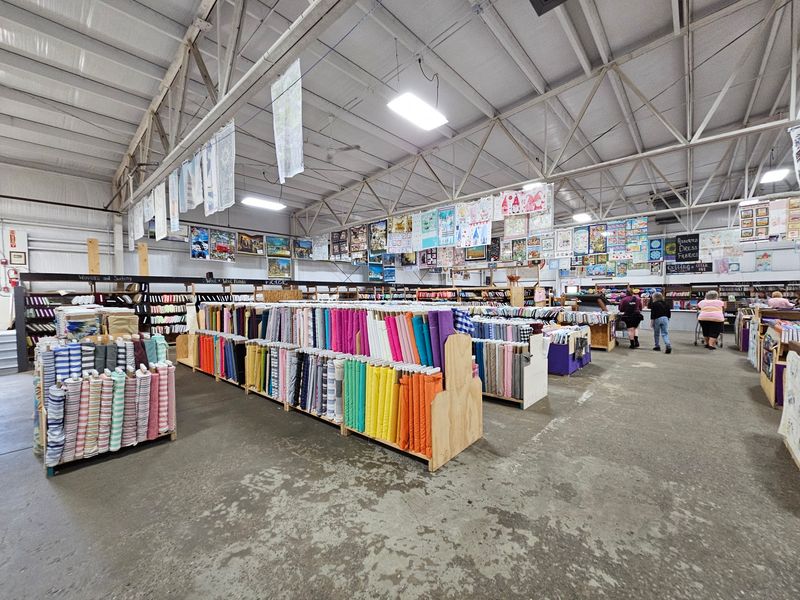
A Fabric Warehouse Just Outside Berlin
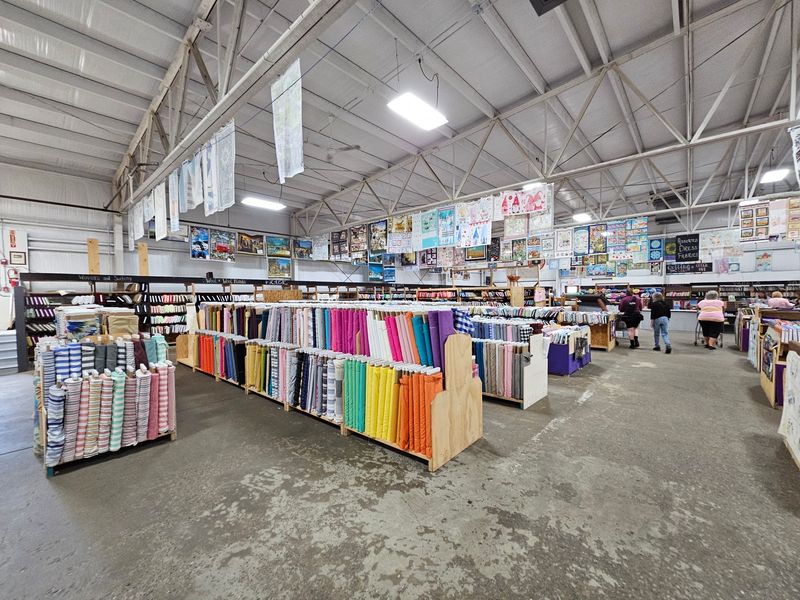
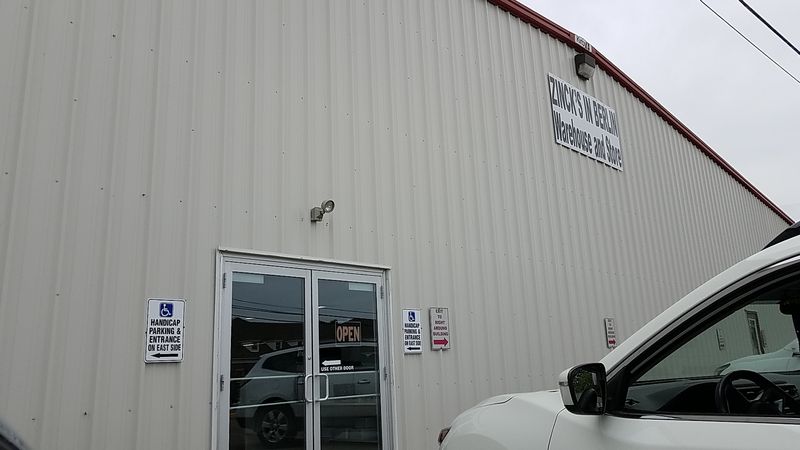
Zinck’s Fabric Outlet sits at 4568 OH-39, Millersburg, OH 44654, right on the edge of Berlin in Holmes County.
It is a fabric store first and last, built for people who sew, quilt, and craft. The shop is just outside the main downtown of Berlin, so it fits neatly into a day of browsing other local shops.
Holmes County is the heart of Ohio’s Amish Country. That setting matters, because quilting has deep roots in this part of the state.
The store carries quilting cotton, wide backing fabric, fleece, panels, notions, thread, batting, and some decorator fabrics. Bulk fabric is part of the mix too, sold at low prices.
Zinck’s also runs an outlet near Lancaster, Pennsylvania. Shoppers who know that location often make the Berlin store their next stop.
With a 4.7-star average across more than 280 opinions, the outlet has earned a loyal following. For a store in a small rural town, that is quite a seam of support.
Why the Drive Got Longer for So Many Sewers
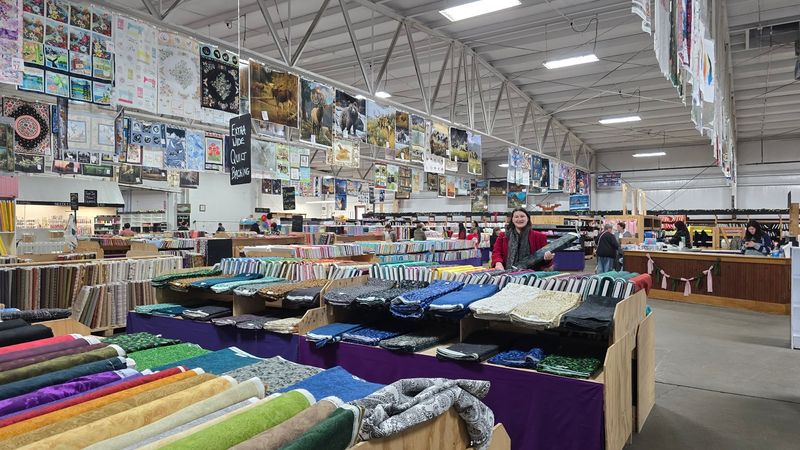
When Joann Fabrics closed, a lot of Ohio crafters suddenly had nowhere close to buy cloth.
That gap sent people looking farther from home. Many landed in Berlin.
Shoppers now come from Akron, Columbus, Cleveland, and Cincinnati to stock up here. Some families from west of Columbus and north of Dayton also count it as one of their few good options.
A mother and daughter from Columbus might spend the morning scouting every aisle before choosing anything. A quilter from the Cleveland area might drive an hour mostly to fill a trunk for several projects.
The math behind those trips is simple. A budget quilter can buy enough fabric for many projects here compared to small local craft stores.
GPS can be a little tricky in the rolling Holmes County roads, so check your route before leaving. Once you arrive, though, the long ride tends to feel like a fair trade.
For many regulars, the trip has become a habit, not a one-time adventure.
Clearance Bins That Earn the Headline
Here is the number that gets quilters into their cars: clearance fabric runs around $2 a yard.
The store has had two clearance sections. Downstairs, clearance was priced at $1.99 a yard.
Upstairs, there has been an even deeper deal. Fabric sold by the full bolt went for $1 a yard.
Prices like that change how people plan projects. A quilter can try a bold color or a new pattern without worrying much about the cost.
Clearance stock shifts all the time, so what you find depends on the day. That unpredictability is part of the fun for bargain hunters.
A smart plan is to visit the clearance areas early in your trip. Then you can build the rest of your shopping around what you already scored.
For a craft that can get expensive fast, these sections are a real budget saver. They are also why so many people leave with more bags than they planned.
Regular Prices That Still Feel Like a Sale
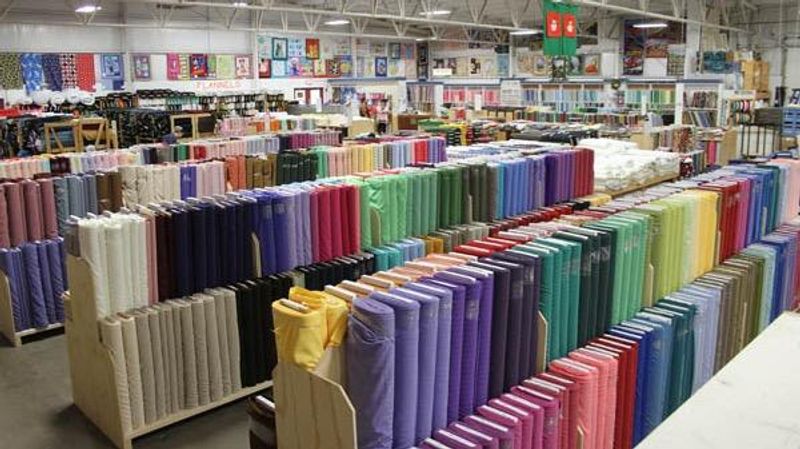
Even outside the clearance zones, the price tags tend to surprise first-timers.
Quilting cotton generally ranges from about $6 to $10 a yard. Some shoppers have found large amounts of quilting cotton topping out at $6.99.
Wide backing fabric has been priced around $15.99. For a full quilt back, that can be a solid value.
Notions and thread are also known for good prices. That helps when a project needs zippers, trim, or a fresh spool or two.
Bulk fabric is sold cheaply as well. Sewers who make many items at once, such as charity quilts, may find that especially handy.
Prices can change, so treat these numbers as a guide rather than a promise. Still, they give road-trippers a clear idea of what to budget.
Bring a list, and maybe a little extra room in the plan. Good deals have a way of growing a shopping pile.
Quilting Cotton by the Mile
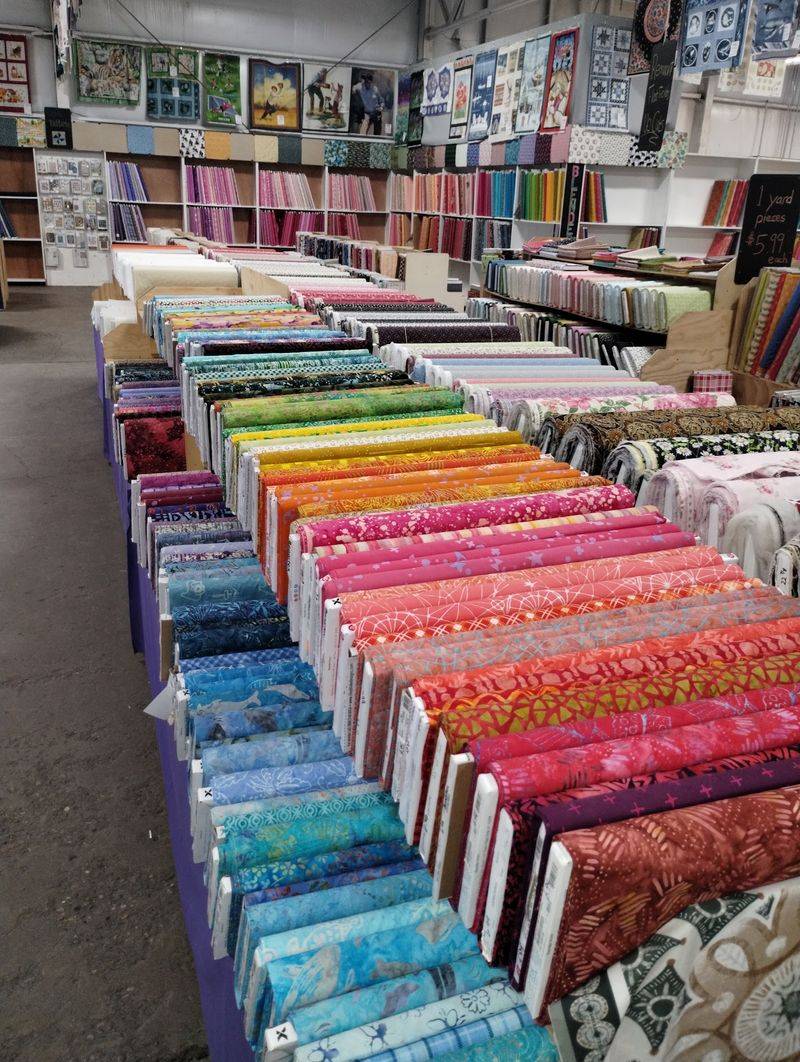
Quilters are the core crowd here, and the shelves show it.
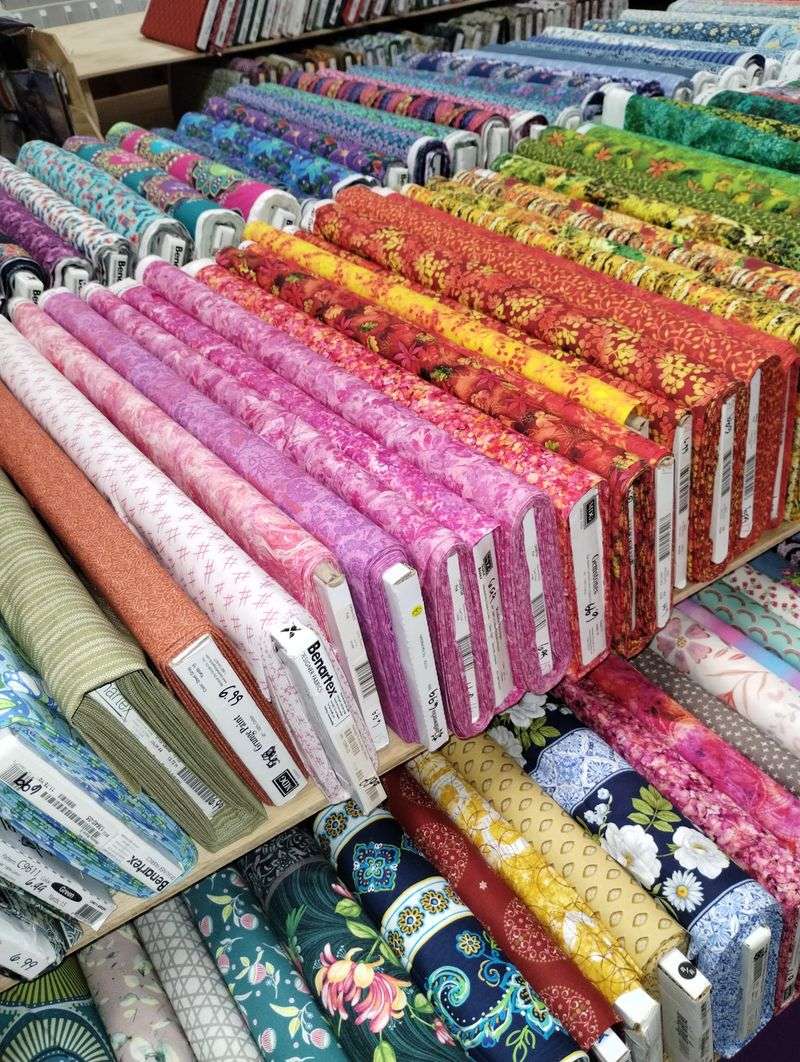
The selection of quilting cotton is huge. It is one of the things people talk about most after a visit.
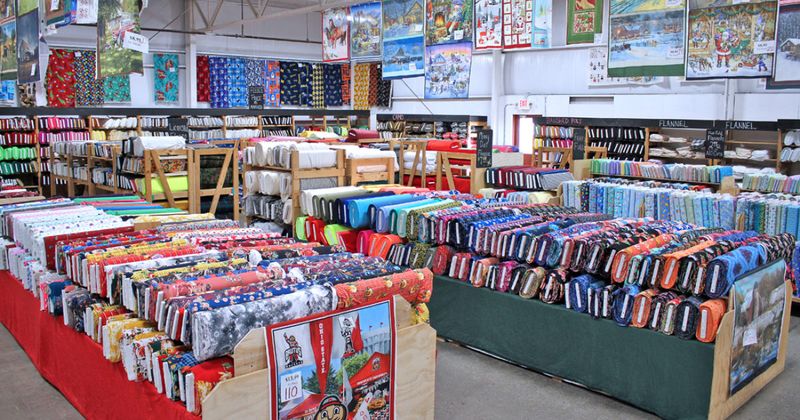
Much of the fabric is sorted by color. A good amount is also grouped by theme, which helps when you want something specific for a holiday or a child’s quilt.
One shopper found everything needed for four baby quilts in a single visit. Another bought fabric for a 50th anniversary project.
Beginners are welcome too. More than one person bought the fabric for a very first quilt here and kept coming back for many more.
The store also stocks fabric suitable for clothing. Some decorator fabrics are mixed in as well.
With so many bolts to compare, it is easy to lose an hour or two. Plan for that, and the time spent becomes part of the treat.
Wide Backs the Box Stores Skip
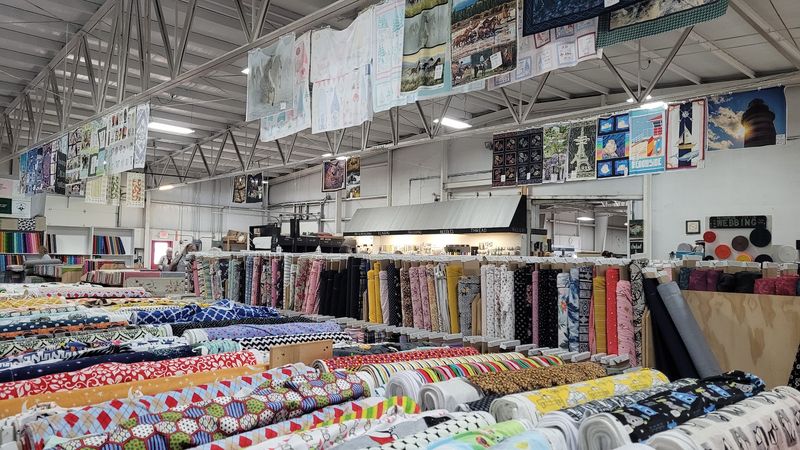
Finishing a big quilt usually means hunting for backing, and that hunt ends quickly here.
Zinck’s carries a large selection of 108-inch cotton. That width is made for quilt backs and other large projects.
Many big chain stores do not stock much of it. That makes this outlet a reliable source for quilters working on bed-sized pieces.
Using wide backing means fewer seams on the back of a quilt. It can also save time during the finishing stage.
Backing has been priced at about $15.99. Compare that with piecing together several cuts of standard fabric, and the value adds up.
Batting is another strong area, with a good selection on hand. You can pick up the middle layer during the same trip.
Getting all three layers in one stop is a big plus for anyone traveling a long distance. One trip, one quilt sandwich, done.
Panels Hanging Overhead
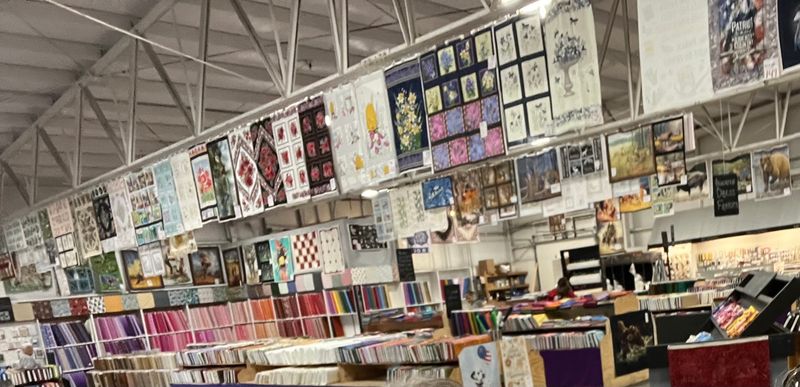
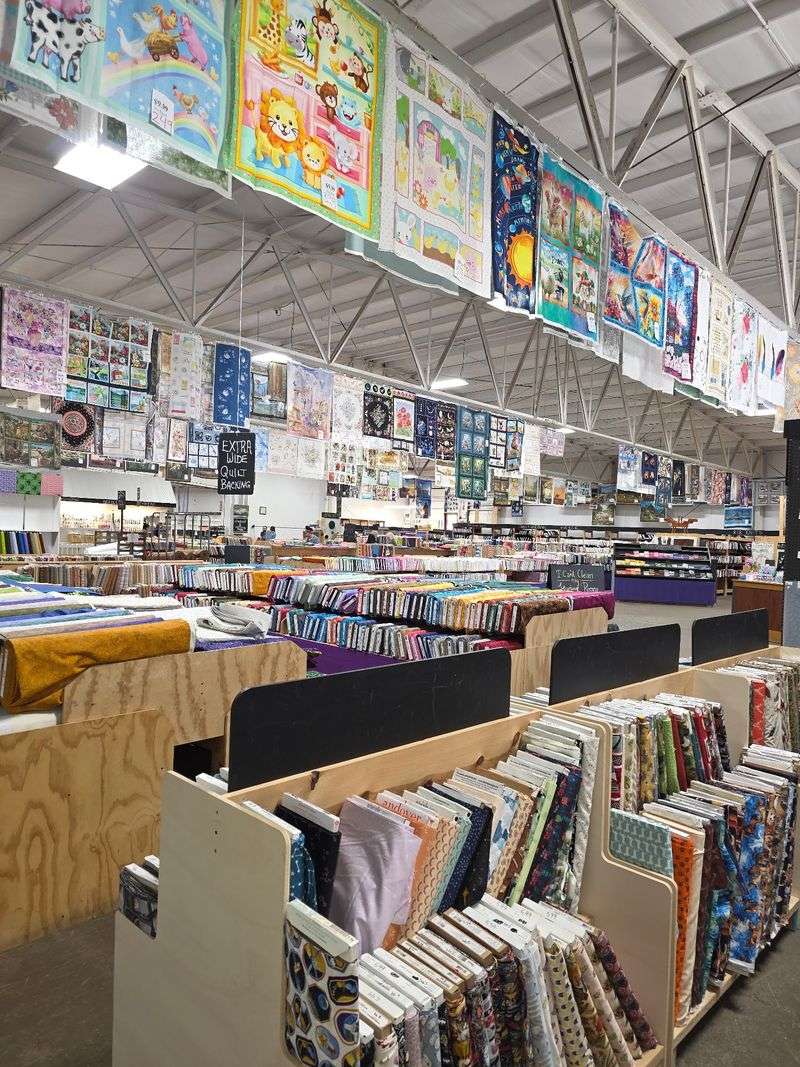
Look up once you are inside, because some of the best displays are above eye level.
The store shows its fabric panels in the ceiling space. That makes it easy to see each full design before buying.
Panels are popular with quilters who want a quick project. They also work well for baby quilts, wall hangings, and gifts.
There are all kinds of panels to choose from. The selection covers many styles and themes.
Appliqué pattern packets are another find. Shoppers have picked up eye-catching sets here for future projects.
Seeing a panel at full size helps you decide how to frame it with borders. You can then pull matching fabric from nearby shelves.
It is a small detail, but it saves a lot of guessing. Good display choices make shopping smoother for everyone.
The Back Room of Notions and Necessities
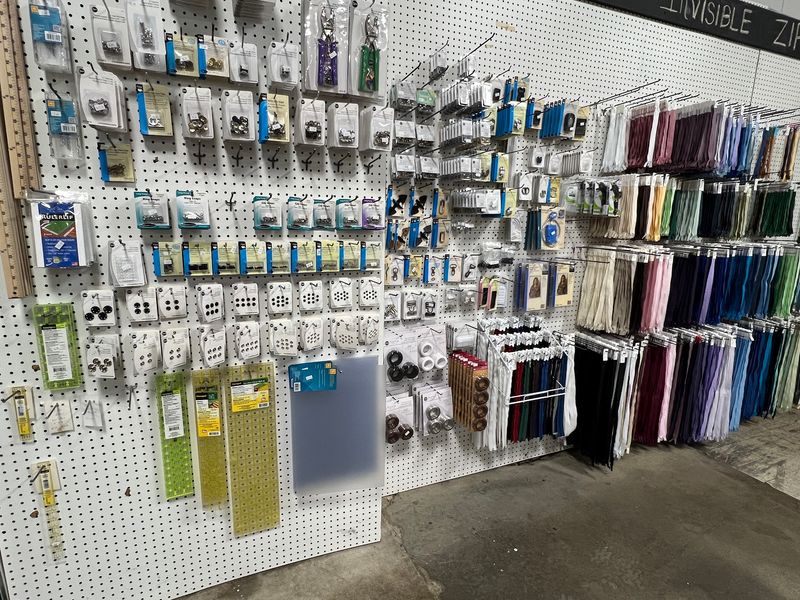
A quick tip for first-timers: do not stop at the main floor.
Notions, bins, and coffee are in the back room. The restrooms are back there too, which is welcome after a long drive.
Thread is well stocked and fairly priced. Zippers, lace trim, and other small items are easy to find.
Someone making a bag can grab fabric, a zipper, and trim all in one visit. That kind of one-stop shopping matters when home is two hours away.
Hand quilting supplies are more limited. That is true at many stores these days, so plan ahead if you need them.
Quilting supplies in general are well covered, along with batting. Most machine quilters will find what they need.
Take a lap through the back before heading to the counter. It is the easiest way to avoid that forgotten-spool moment at home.
Fleece and the Seasonal Calendar
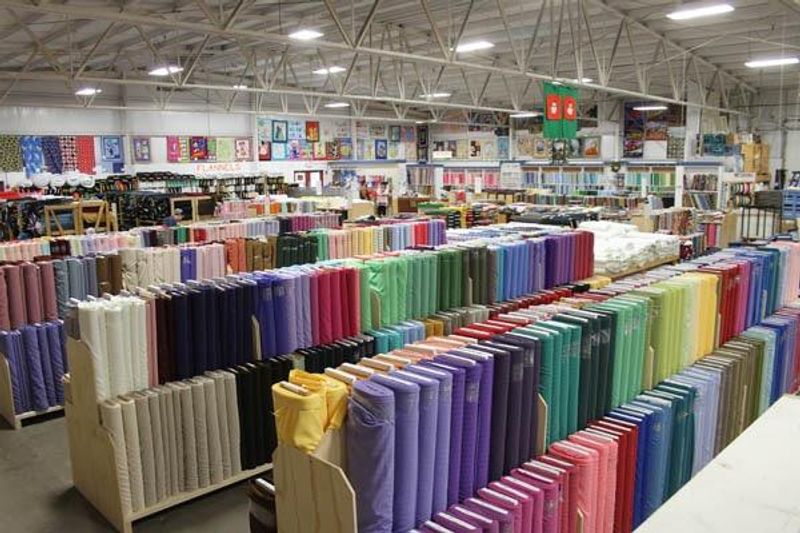
Timing your trip can make a difference, especially for fleece.
Fleece stock can run thin at certain times of year. Some shoppers looking only for fleece have left wanting more.
The store has said more fleece arrives closer to fall with new shipments. That makes autumn a smart season for blanket makers.
Fall is also a lovely time for a drive through Holmes County. Pairing a fabric run with a day in Berlin makes the trip feel bigger.
For regular quilting fabric, the selection stays strong all year. The main thing to watch is specialty items.
Following the store on Facebook helps. Staff post incoming fabric there, so you can see what has arrived before you leave.
A little planning keeps expectations in line. It also helps you catch fresh stock while the shelves are full.
Counter Staff Who Cut Generous
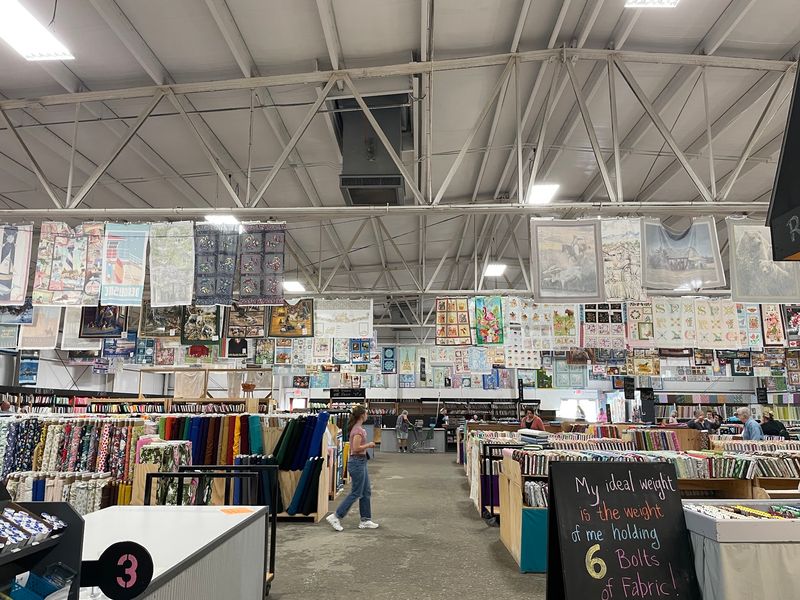
Helpful staff is the most talked-about part of the store, even ahead of the fabric.
Workers are known for being friendly, caring, and knowledgeable. They take an interest in your project and offer real help.
The cutting counter gets special credit. Staff cut straight and do not stretch the fabric.
Cuts tend to be generous. Shoppers often end up with an inch or two extra.
Service is fast too. That matters on busy days when a line forms at the counter.
Regulars sometimes build a friendly bond with certain staff members. A quilter might return year after year to the same helpful face.
Small kindnesses add up over a long drive. Good service is part of why so many people say the trip was worth it.
Tidy Aisles and Clear Signs
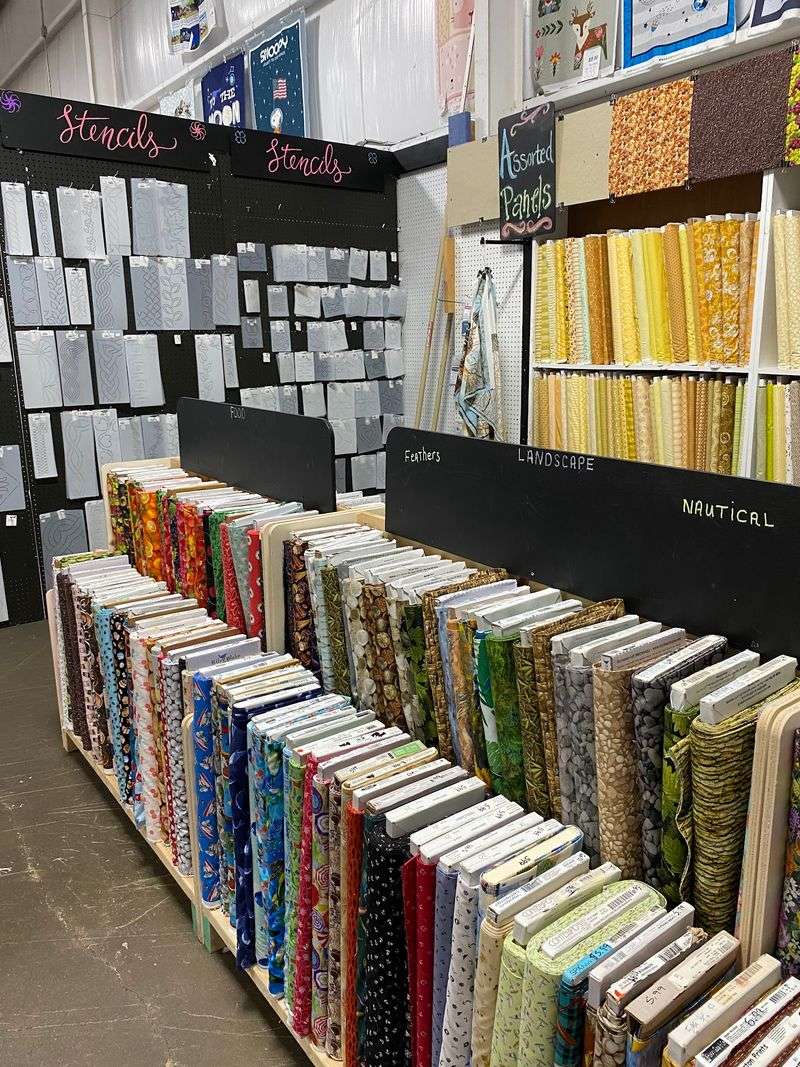
A big store can feel overwhelming, but this one stays orderly.
The warehouse is clean and neat. Shoppers mention it often.
Sections are clearly labeled. That makes it easy to narrow your search when you need something specific.
Fabric is sorted by color and, in many areas, by theme. You can browse freely or go straight to a target.
Shelves may not always be packed to the brim as in years past. Still, the store remains well stocked and easy to move through.
Some bolts sell out quickly, so gaps can appear. The overall layout keeps things simple anyway.
Many people like to walk every section once, then circle back to choose. The tidy setup makes that second lap easy and enjoyable.
Grab It Before Someone Else Does
Hesitation can cost you here.
Fabric moves fast. One shopper walked away to think about a bolt and came back less than 15 minutes later to find it gone.
The lesson is clear: if you love it, carry it with you. You can always put it back later.
Stock can get bought up fairly quickly, so some bolts may be missing on a given day. Arriving early helps.
Morning visits give you room to walk around and think about yardage. Fewer people means less pressure while deciding.
Once in a while, a fabric may arrive with an odor from shipping. The store usually discounts those pieces, and a single wash tends to fix it.
Pre-washing is a good habit anyway. Then your new treasures are ready to cut as soon as you get home.
Hours, Parking, and Planning the Trip
Practical details can make or break a long drive, so here they are.
The store opens at 9 AM Monday through Friday and closes at 5 PM. Saturday hours run from 9 AM to 3 PM.
It is closed on Sunday. Plan weekend trips around that early Saturday close.
Parking in front is tight. Drive around to the back for plenty of space.
There are side and rear entrances too. That makes getting in easy once you park.
Bad weather can affect hours. The store posts closures on its Facebook page, so check before heading out in winter.
From Akron or Cleveland, expect roughly an hour or more on the road. Cincinnati and Columbus shoppers make longer trips, but many say the payoff is worth it.
Berlin’s other shops are close by, so build in time to wander after your fabric run.
A Fabric Run Worth the Mileage
Some stores are errands, and some become traditions.
This outlet clearly falls into the second group. Church groups attending events in Berlin stop by, and husbands learn the route by heart.
The appeal is easy to sum up. Low prices, a deep quilting cotton selection, wide backing, and caring staff all sit under one roof.
It suits quilters of every level, from first-quilt beginners to longtime makers. Garment sewers and bag makers will find plenty too.
Fleece hunters should time visits for fall. Hand quilters may want to bring some supplies from home.
For Ohio families looking for a cozy day trip, the pairing of Berlin and a fabric haul is hard to beat. It works in any season.
Bring a list, an open mind, and room in the trunk. The $2 clearance bolts might just stitch themselves into your next favorite project.


