
Affiliate disclosure: As an Amazon Associate I earn from qualifying purchases. Learn more
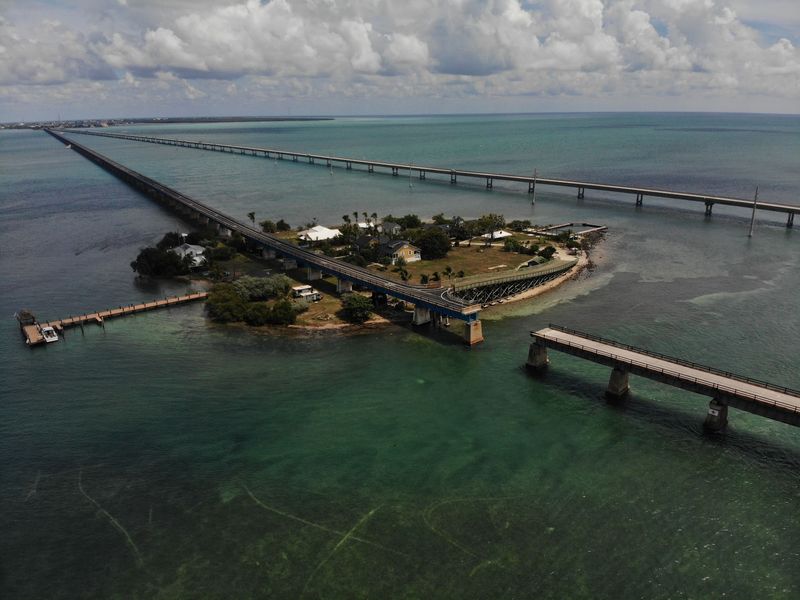
Drive the Seven Mile Bridge in the Florida Keys and you will spot a tiny patch of land tucked beneath the old span, dotted with wooden buildings. Most drivers zip right past it without a second thought.
That little island once housed hundreds of railroad workers, and today it still holds their story, plus clear water, a small museum, and one of the friendliest tours in the Keys. Keep reading to learn how to get there, what it costs, and why so many people call it the highlight of their trip.
A Five-Acre Island Hiding in Plain Sight
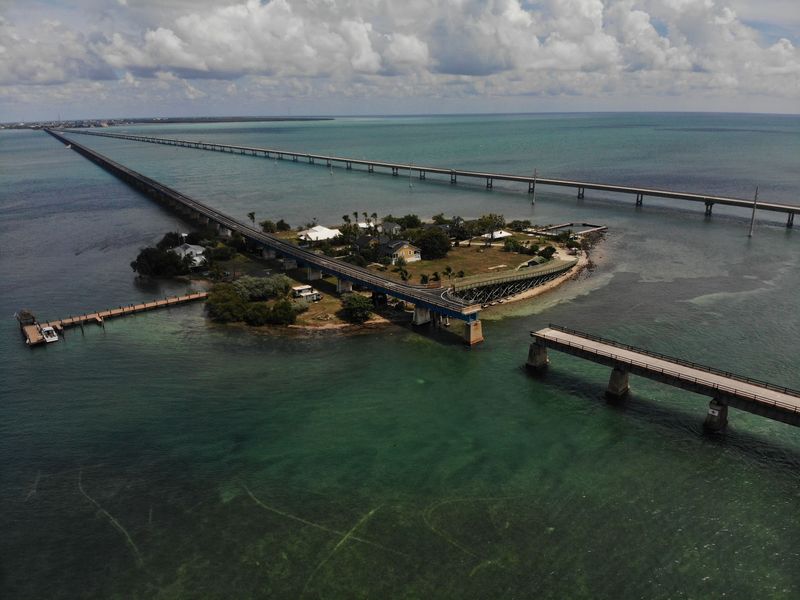
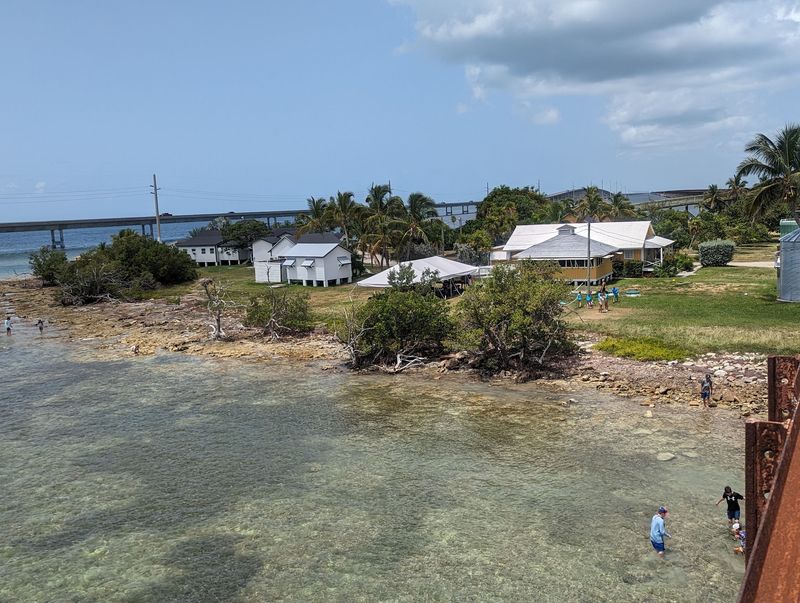
Thousands of cars cross it every day, yet few people ever set foot on it. The island is Pigeon Key, a small spot in the Florida Keys, Florida, USA, sitting right beside the Old Seven Mile Bridge near Marathon.
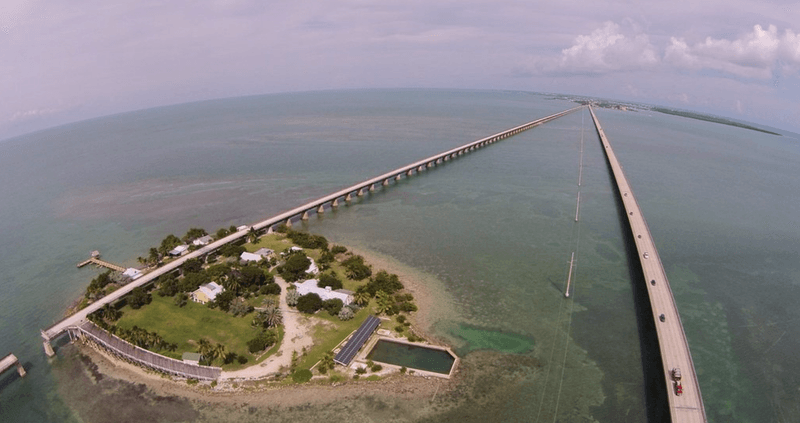
It covers just five acres. That is about the size of a few city blocks, which makes the amount of history packed onto it even more surprising.
Eight noteworthy historic buildings stand on the island. One of them has been turned into a museum that tells the story of the people who once lived and worked here.
The island is operated by the Pigeon Key Foundation, a not-for-profit group. Its job is to keep the buildings standing and the history alive for anyone curious enough to make the trip.
The drive from Key West takes roughly 50 minutes along US 1. The road itself offers wide water views, so the trip starts paying off before you even arrive.
Many first-timers admit they had no idea what to expect. Most leave saying it was one of the best surprises of their Keys vacation, which is a pretty strong showing for a place smaller than a shopping mall parking lot.
The Railroad Camp That Built a Path to Key West
Back in the early 1900s, this island was a busy work camp. From 1906 to 1912, it served as the largest work camp in Florida.
More than 400 workers lived here while building the Overseas Railway. That railroad was the big dream of Henry Flagler, and it stretched across open water toward Key West.
Life on the island was not easy. Workers dealt with hurricanes, mosquitoes, and a long list of bugs while building bridges over the sea.
The railway later became the path for the Overseas Highway. So every car rolling down US 1 today owes a little something to the crews who once slept on this tiny key.
Guides on the island love sharing this part of the story. Some fans arrive after reading the book Last Train to Paradise, eager to see the real setting for themselves.
Once you know the backstory, the old bridge never looks the same again. Plain concrete suddenly becomes a record of hard work and a lot of grit.
Getting Across the Old Seven Mile Bridge
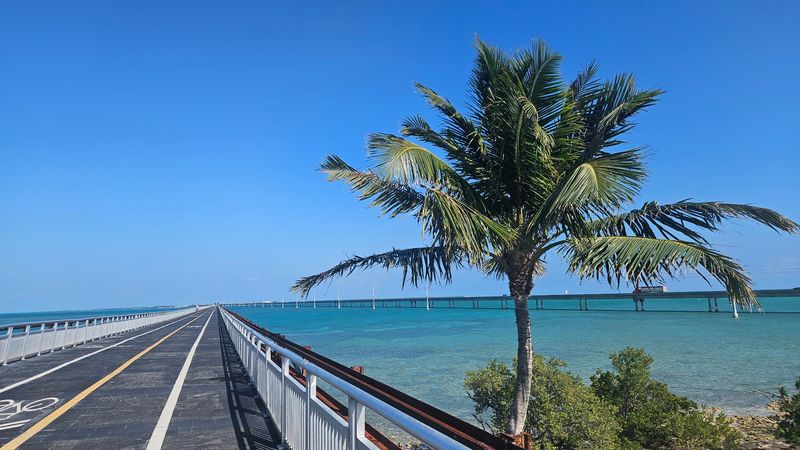
Reaching the island is half the fun. The trip covers about two miles each way along the Old Seven Mile Bridge, which is now closed to cars.
You have a few choices. You can walk, run, bike, or ride the small tram, sometimes called the train, across the span.
Biking is a popular pick, and bikes can be rented in Marathon. Some people even use scooters to make the four-mile round trip go faster.
The tram has its own quirks. It does not pick up at the lot right at the start of the bridge, so plan to drive about a quarter mile farther to the correct lot.
Tram slots fill up fast, so booking online ahead of time is a smart move. The schedule can run a bit unpredictably, so checking times before you go helps.
On a clear day, the water below is so clear that people have spotted starfish from the top of the bridge. Keep your eyes down as much as up.
Guided Tours With Storytellers Who Love Flagler
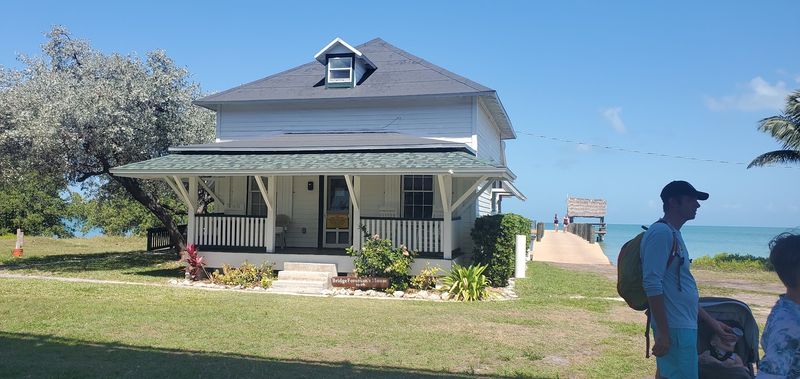
A good guide can turn old buildings into a living story. On this island, the guides have built quite a following.
Tours run at set times, including 10 a.m., 12 p.m., and 2 p.m. They usually last somewhere between 30 minutes and about an hour and fifteen minutes.
Some guides are volunteers, and many are known for deep knowledge and plenty of passion. One longtime guide is so engaging that some guests got caught up in her stories and never even put on their snorkel fins.
Questions are welcome. Guides cover the railroad, Henry Flagler, and what happened on the island after the trains stopped running.
You will also learn about details you would miss on your own. That rectangle-shaped pool you can see from the highway, for example, has a story worth hearing.
After the tour, you are free to wander. Most people find the island makes a lot more sense once someone has walked them through it.
A Small Museum With Big Lessons
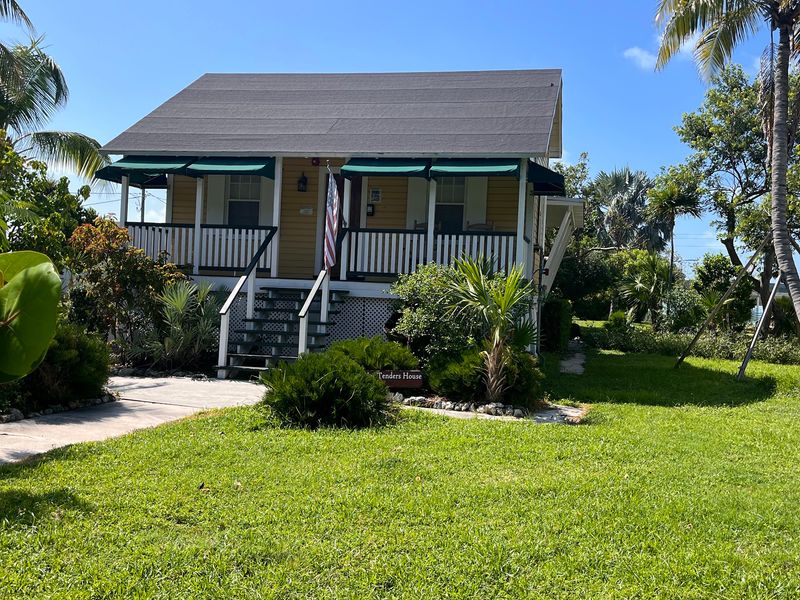
Do not let the size fool you. The museum on Pigeon Key fits a lot of history into one historic building.
Inside, you will find artifacts, dioramas, and informational photos. They show what daily life looked like around 1910 for the people building the bridge.
The displays focus on the hardships workers faced. Storms, insects, and isolation all get their moment in the exhibits.
Many guests describe it as quaint. It is the kind of place where you can take your time, read every sign, and leave knowing much more than when you walked in.
Most of the other buildings are closed to the public. Students from schools and a local university use them as part of their studies, so the island stays a working place of learning.
That mix of past and present gives the key a quiet, purposeful feel. History here is not just preserved behind glass, it is still being put to use.
Snorkeling, Swimming, and Sharks at the Dock
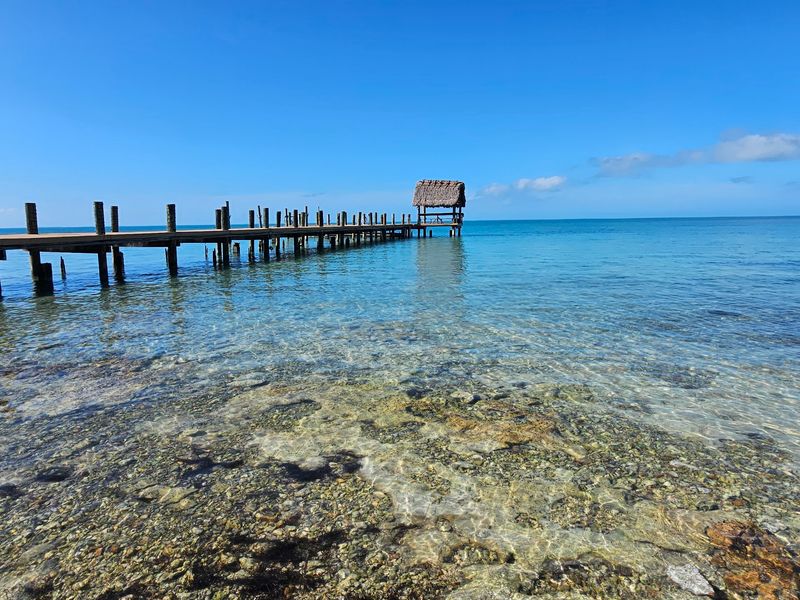
History buffs are not the only ones who leave happy. The water around the island draws plenty of snorkelers and swimmers too.
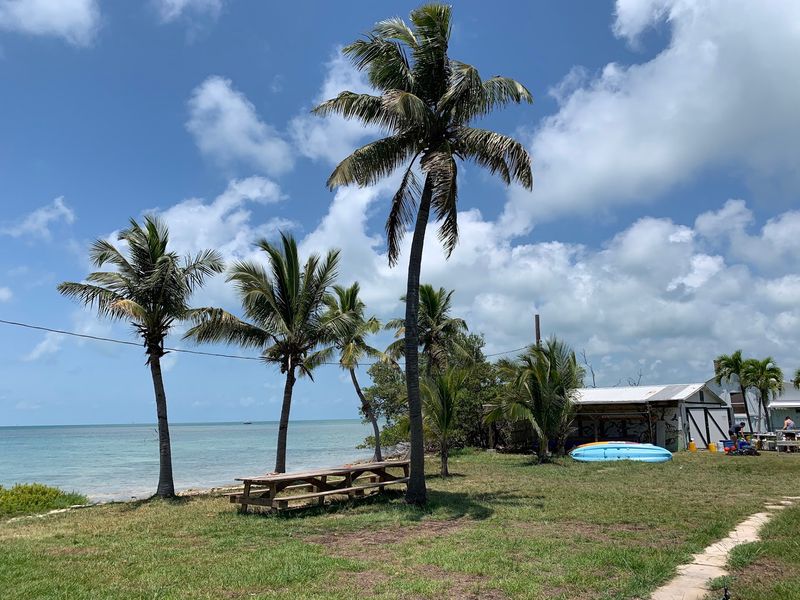
There is a small beach and a swim area. The bottom is rocky, so water shoes are a smart thing to pack.
The water is often so clear that fish can be seen right from the dock. Tarpon and nurse sharks have been spotted nearby.
A pool on the island is off limits for swimming, but it is great for fish viewing. Some guests have even seen small hammerhead sharks inside.
One of the most talked-about events is the shark feeding around 3:30 p.m. Guests on the 2 p.m. tour can catch it, and earlier arrivals can stay all day to see it.
Bring your snorkel gear and a beach towel. A full day here can mix a morning history lesson with an afternoon in the water, and that is a pretty great trade.
An Unhurried Island for Curious Day-Trippers
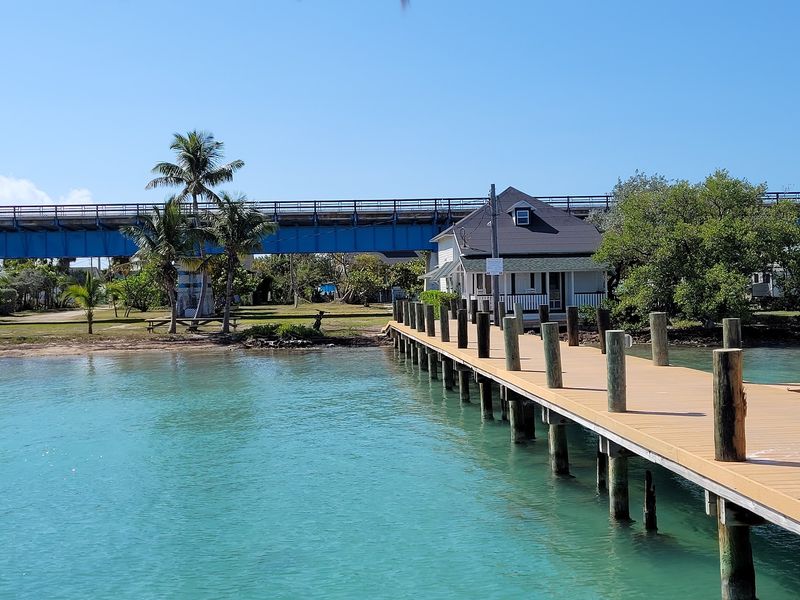
Some places rush you along. Pigeon Key does the opposite.
Once the tour wraps up, you can stroll, picnic, swim, or just sit and take in the views of the old bridge. Fishing gear is allowed too, so anglers can join the fun.
Wildlife adds to the calm mood. Keep an eye out for an osprey and its nest if you look closely.
The staff get frequent praise for being kind and welcoming. Friendly smiles at the dock set a relaxed tone for the whole visit.
The island works well for couples, families, and anyone who likes learning on vacation. Guests of all ages tend to find something to enjoy.
It suits people who prefer slow days over packed schedules. If your ideal Keys outing involves fewer lines and more breathing room, this little island fits the bill.
Fees, Restrooms, and What to Pack
A little planning goes a long way here. The island is privately run, and entry costs $15 per person.
That fee includes a guided tour, which makes it a solid value for the Marathon area. Keep in mind it applies even if you only want to use the restroom.
There are no restrooms at the start of the bridge. Signs at the far end mention fees for bathroom use, so it helps to plan ahead.
Food options are limited. Pack water and snacks, or a full lunch if you plan to stay a while.
The gift shop sells some water and snacks, and there is a water fountain on the island. Still, bringing your own supplies is the safest bet, especially for the two-mile walk or ride.
A visit with the tram usually takes around two and a half hours. Pack sunscreen, snorkel gear, a towel, and water shoes, and you will be ready for nearly anything the day brings.
Why the Little Island Earns a Spot on Your List
Plenty of Keys attractions come with big price tags and bigger crowds. This one offers history, clear water, and a friendly tour for $15.
The island gives you a real look at the Florida that existed before the highway and the resorts. It is a place where workers once built a path across the sea, and you can still walk in their footsteps.
Logistics take a bit of thought. Book the tram online, find the right parking lot, and pack your own food and water.
Do that, and the rest falls into place. You get a scenic ride, a lively history lesson, a quaint museum, and time to swim or snorkel.
Many travelers who stopped on a whim ended up calling it a trip highlight. That says a lot about a five-acre island most people only see through a car window.
Next time you cross the Seven Mile Bridge, consider pulling over instead of passing by. The little key underneath has been waiting over a century to tell its story.


