
Affiliate disclosure: As an Amazon Associate I earn from qualifying purchases. Learn more
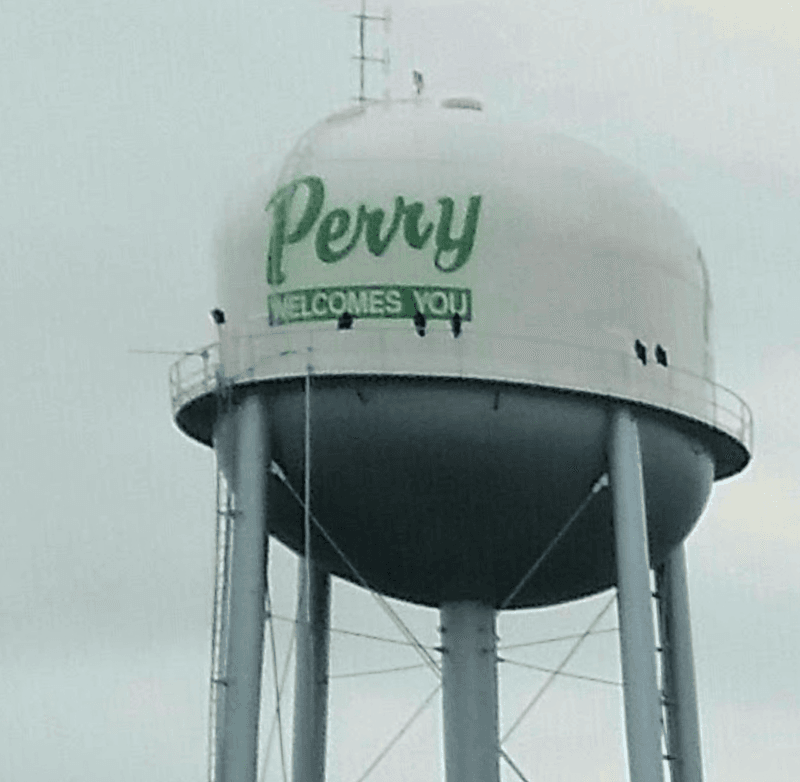
A social media post or viral headline promising $450-a-month rent in a quiet Florida town sounds almost too good to be true, and the numbers suggest you should look carefully before packing a moving truck. Perry, Florida, a small city tucked into the Nature Coast about 50 miles southeast of Tallahassee, is the most likely town behind that claim.
Understanding what the evidence actually shows, and what $450 might really describe, could save you from a disappointing, or expensive, surprise.
Perry May Be the Florida Town Behind the $450 Claim
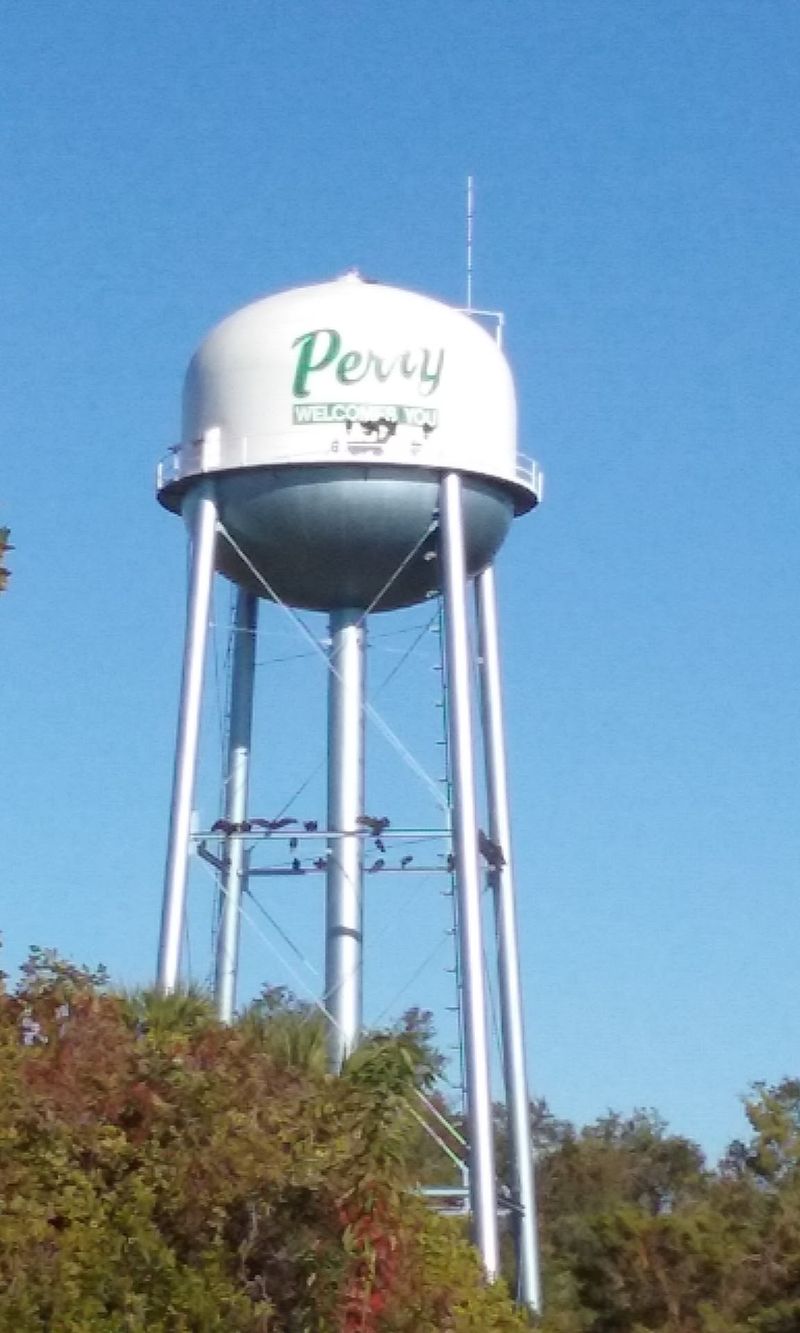
Somewhere behind the headline about $450 rent in a peaceful Florida town, a real place is hiding, and the strongest candidate is Perry, Florida. Perry is the county seat and only incorporated city in Taylor County, sitting on Florida’s Nature Coast roughly 50 miles southeast of Tallahassee.
The city government describes it as the “Tree Capital of the South,” a nod to the region’s deep roots in the timber and forestry industries that still shape the local economy and landscape today.
Getting oriented to Perry requires separating city-level data from countywide figures, because the two can tell different stories. Census Bureau QuickFacts for Perry city, Florida provides current population estimates and housing statistics that apply specifically to the city rather than to Taylor County as a whole.
The city’s own website references an older 2010 population estimate of 7,017 residents, so any population figure used for Perry should come with a reference year attached to avoid confusion.
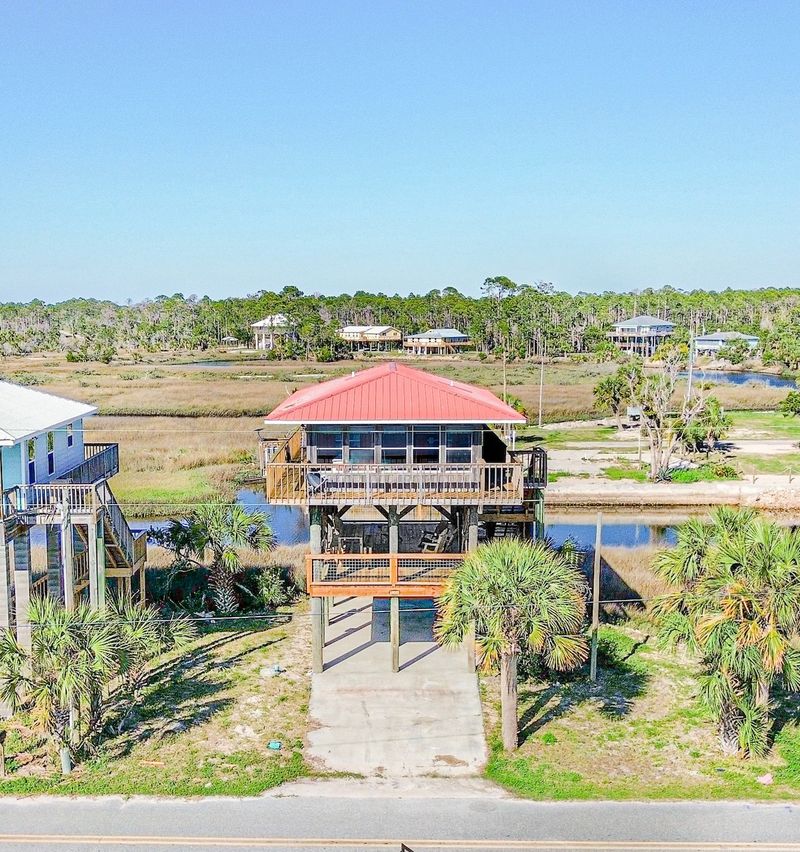
Placing Perry on a map helps explain part of its appeal. The Nature Coast corridor is less developed than Florida’s urban corridors along the I-4 corridor or the southeastern coast, and that lower development density does tend to push housing costs below what renters in Tampa or Orlando typically face.
However, lower than a major metro is not the same as $450 per month, and the location alone does not confirm that unusually cheap rentals are widely available.
Perry is also worth knowing on its own terms, separate from any rent claim. The city’s About page points to fishing, scalloping, nearby springs, festivals, and a manufacturing and agricultural base as features that define life there.
Those characteristics are useful context for anyone genuinely evaluating a move, even if they say nothing definitive about what a landlord will charge.
Perry’s Documented Appeal Comes From Its Small-Town Setting
Rural character is one of Perry’s most honest selling points. The city maintains several public parks and a historic downtown walking trail that lets visitors move through the older commercial core on foot.
The city’s historic walking trail page describes a self-guided route through Perry’s downtown, making it an accessible, no-cost way to get a feel for the area without driving.
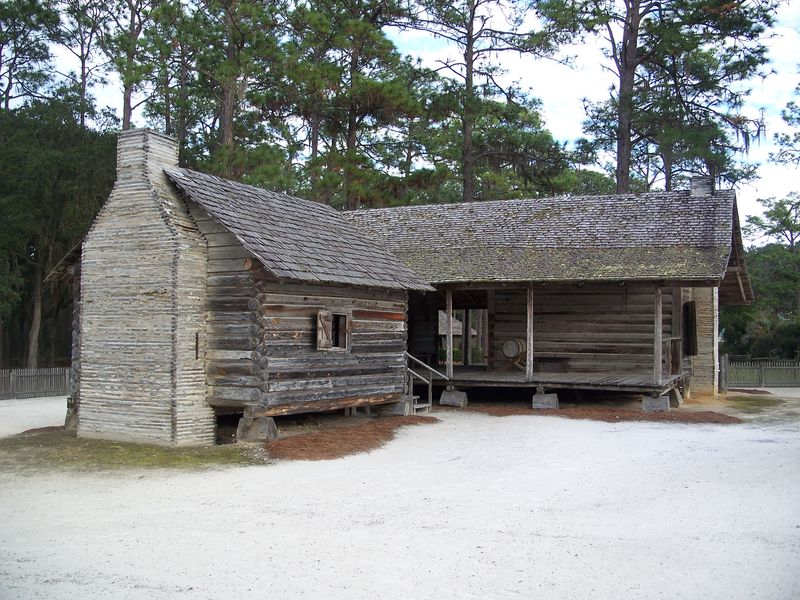
Forest Capital Museum State Park is one of Perry’s most distinctive public assets. Florida State Parks describes the site as covering the region’s forestry history, featuring a walking trail and a historic cracker homestead, and charging no park-entry fee.
Museum admission is listed at $2 per person, though visitors should confirm current hours and fees before going, since those details can change.
Beyond the parks, the city identifies fishing, scalloping, hunting, and springs as part of what draws people to the area. Festivals and community events fill parts of the local calendar, and manufacturing, agriculture, and healthcare represent the primary employment sectors.
These are genuine features of life in Perry, but they are local context, not a guarantee that jobs are plentiful, that entertainment options are broad, or that daily expenses outside of rent are uniformly low.
The honest framing for Perry is outdoors-oriented and low-key rather than universally peaceful or socially vibrant. Residents who value access to natural spaces, a slower pace, and a compact downtown will find genuine appeal here.
Those who need a wide range of dining, retail, nightlife, or cultural venues may find the options limited. The city parks system reflects a community that invests in outdoor access, which is a real and documentable asset, even if it is not a substitute for a full cost-of-living assessment.
Current Evidence Does Not Show $450 as a Typical Rent
Before accepting any rent figure as representative of a market, it helps to know what kind of number you are looking at. Three separate measures describe Perry’s housing costs, and none of them supports $450 as a normal price for an independent apartment or house.
The broadest measure is the Census Bureau’s median gross rent. Census QuickFacts for Perry city, Florida reports a 2020-2024 median gross rent of $986 per month.
That figure covers occupied housing units and includes estimated utility costs, so it is not a listing price for a vacant unit. It describes what renters already living in Perry were typically paying across a five-year survey window, and it sits nearly $540 above the $450 figure in the headline.
A second measure comes from the federal government’s housing programs. HUD’s FY 2026 Fair Market Rent schedule for Taylor County sets benchmarks at $887 for a studio, $908 for a one-bedroom, and $1,018 for a two-bedroom unit.
Fair Market Rent is a program benchmark used to set payment standards in housing assistance programs, not a cap on what landlords actually charge or a promise that units at those prices exist and are available.
The third measure comes from active listings. Apartments.com’s August 2026 market snapshot for Perry lists an average rent of $1,115 per month, with one-bedroom units averaging the same.
Specific listings reviewed on Apartments.com’s Perry rentals page at that time included a studio at $1,000, a one-bedroom community listing starting from $1,140, and two-bedroom units ranging from roughly $1,195 to $1,335. These are asking rents, a dated market snapshot rather than a fixed or guaranteed price, and they should be verified at the time of any actual housing search.
Taken together, the Census median, the HUD benchmarks, and the current listing data all place ordinary Perry rents well above $450. A gap that large between a headline figure and documented market prices is a signal to ask what kind of housing arrangement the $450 actually describes.
A $450 Price Could Describe a Special Housing Arrangement
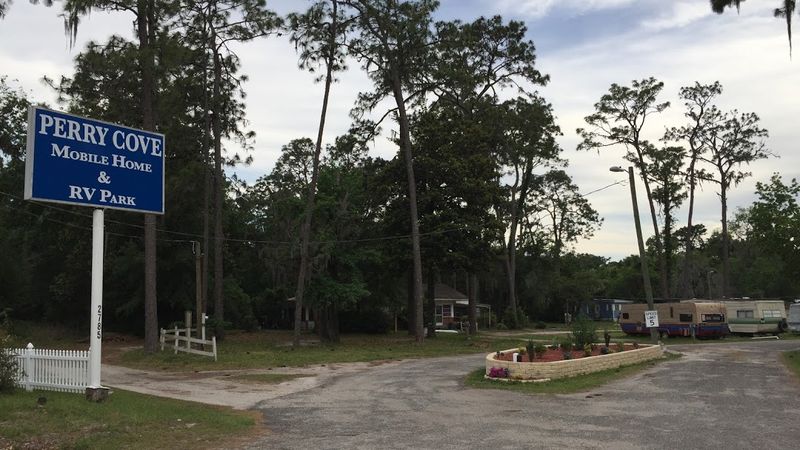
A $450 monthly figure is not impossible in Perry, but it almost certainly describes something other than a standard market-rate apartment or house rented independently. Several specific arrangements can produce a price that low, and understanding which one applies matters enormously before treating it as a general opportunity.
Room rentals and shared housing are the most straightforward explanation. A private room in a shared house, or a space in a boarding arrangement, can fall well below market rate for a whole unit without involving any government program.
The $450 could also reflect a mobile-home lot rent, a seasonal or temporary arrangement, or a price that excludes utilities, deposits, pet fees, or required add-on services, costs that can easily add hundreds of dollars to a monthly housing bill.
Income-restricted housing is another possibility. One third-party affordable-housing directory lists a Pine View LIHTC unit in Perry at around $400, but that directory entry is not an official vacancy record and specifically warns that listings may have waiting lists.
A LIHTC, or Low Income Housing Tax Credit, property restricts rents based on area median income limits set at the time the development was financed, not on each individual tenant’s actual income. That distinction matters: a LIHTC rent of $400 does not automatically mean a tenant earning very little pays only $400.
Eligibility, income limits, unit availability, and lease terms all apply separately.
HUD’s Housing Choice Voucher program can also reduce a tenant’s out-of-pocket payment to a figure in that range, but the voucher covers the gap between the tenant’s contribution and the actual rent, which means the landlord receives more than $450 while the tenant pays less. The tenant’s share depends on income, family size, utility responsibilities, and the local payment standard, not on a fixed $450 rule.
Florida Housing’s 2025 Rental Market Study documents major statewide shortages of affordable and available units for renters at or below 60% of area median income, a reminder that a program’s existence does not guarantee access to a unit.
Any $450 listing that does not specify which of these arrangements it represents deserves a careful look before any money changes hands.
Assistance May Reduce a Tenant’s Share but Cannot Guarantee a Unit
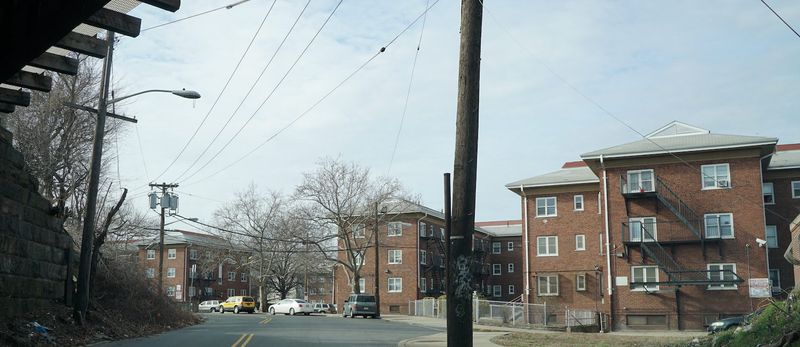
Federal and local housing assistance programs can genuinely lower what an eligible renter pays each month, and for some households that reduction could bring a tenant’s share close to $450 or below. The mechanics of how that works, and the limits on who can access it, are worth understanding clearly.
HUD’s Housing Choice Voucher program generally expects participating tenants to contribute about 30% of their adjusted monthly income toward rent and utilities. The local housing authority sets a payment standard, and the voucher covers the difference between that standard and the tenant’s share.
In practice, the exact amount a tenant pays depends on their verified income, household size, which utilities they pay separately, the payment standard for their area, and the rent charged by the specific unit they choose. A $450 tenant contribution is plausible for a very low-income household, but it is not a fixed benefit available to everyone who applies.
Accessing that benefit in Perry requires navigating the Perry Housing Authority directly. The Perry Housing Authority’s application portal presented conflicting signals when reviewed: a landing page suggested applications were being accepted, while the application-status section indicated that public-housing waiting lists were closed.
Prospective applicants should contact the Perry Housing Authority directly to confirm current waiting-list status, application windows, and eligibility requirements rather than relying on what any website showed at a prior date.
Public housing and voucher programs are not fast routes to cheap housing. Waiting lists in many Florida communities stretch for months or years, and unit availability, income verification, family-size matching, and inspection requirements all affect whether and when an applicant receives assistance.
Treating a voucher as an immediate solution to a housing search in Perry would be a mistake.
Evaluate Perry’s Housing Costs Without Assuming It Is Cheaper Everywhere
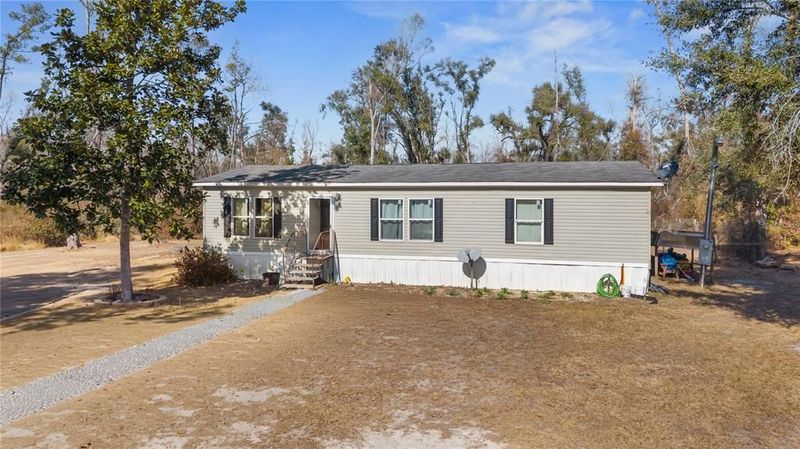
A lower housing cost does not automatically translate into a lower total cost of living, and Perry’s rural setting introduces expenses and constraints that do not appear in a rent figure. Anyone seriously evaluating a move to Perry should run the numbers on the full monthly budget, not just the housing line.
Transportation is one of the first gaps to assess. Perry has limited public transit, which means most residents need a personal vehicle.
Commuting costs, car insurance, fuel, and vehicle maintenance add up quickly in a rural area where driving distances to employers, grocery stores, medical facilities, and shopping centers can be substantial. Healthcare access deserves particular attention: specialized medical care may require a trip to Tallahassee or another larger city, which adds both time and expense.
Utilities, renter’s insurance, security deposits, and ongoing maintenance costs all belong in a realistic monthly budget alongside rent. A unit priced attractively may carry higher utility bills due to older construction, inadequate insulation, or aging systems.
Florida Housing’s statewide data adds important context: the 2025 Rental Market Study prepared for Florida Housing by the University of Florida’s Shimberg Center reports that statewide median gross rent rose from $1,238 in 2019 to $1,719 in 2023, a 39% increase, and that shortages of affordable and available units affect renters at or below 60% of area median income across the state. That statewide picture does not prove access to a specific Perry unit, but it does confirm that affordability pressure is real and that available units at the low end of the market are scarce.
Perry’s Census data shows a median household income and housing cost profile consistent with a lower-cost rural community, but lower relative to the statewide average is not the same as low in absolute terms, and it says nothing about grocery prices, utility rates, or the cost of services. Those require separate local research before drawing conclusions about whether Perry fits a specific household’s financial situation.
Check Storm and Flood Exposure Before Signing a Lease
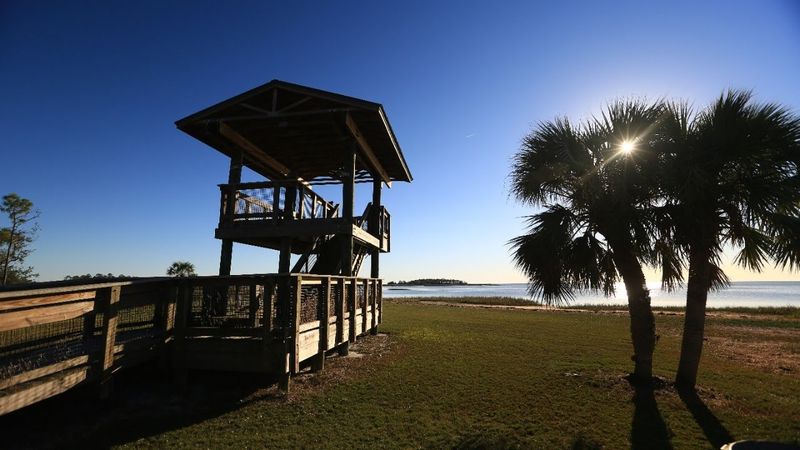
Taylor County’s position on the Nature Coast puts it in the path of Gulf of Mexico storm systems, and that exposure is a practical factor in any relocation decision, not just an abstract risk. Taylor County’s Local Mitigation Strategy identifies hurricanes, tropical storms, flooding, repetitive-loss locations, and flood-related infrastructure as documented hazards affecting the county.
Repetitive-loss properties are those that have filed multiple flood insurance claims, which is a signal worth checking for any specific address a renter is considering.
Before signing a lease in Perry or anywhere in Taylor County, prospective tenants should look up the property’s flood zone designation using FEMA’s official flood map service, confirm whether the unit or building sits in a special flood hazard area, and ask the landlord about the property’s storm history. Evacuation routes and evacuation zone assignments are also worth locating in advance, since a storm requiring rapid departure is not the moment to be figuring out where to go.
Flood insurance is a related cost that renters sometimes overlook. A landlord’s property insurance does not cover a tenant’s personal belongings in a flood event.
Renter’s flood insurance is available separately and may be worth the cost depending on the property’s flood zone, but it adds to the monthly housing budget. Homeowner and flood insurance costs in coastal and near-coastal Florida have risen sharply in recent years, and those pressures can affect rental pricing indirectly when landlords pass costs through to tenants.
Storm and flood exposure does not make Perry a bad place to live, but it does mean that a low advertised rent should be evaluated alongside the full picture of housing risk, insurance requirements, and emergency preparedness for the specific property and its location within the county.
Verify an Unusually Cheap Listing Before Paying Anyone
A rental listing priced at $450 per month in a market where comparable units ask $1,000 or more is a red flag worth taking seriously. The gap between an advertised price and documented local market rates is one of the clearest signals the FTC uses to identify rental fraud, and Perry’s current market data makes $450 stand out sharply.
The FTC’s guidance on rental listing scams advises renters to verify the owner or management company through independent sources, inspect the property in person whenever possible, and confirm that the person offering the lease actually has authority to rent the unit. Scammers frequently copy legitimate listings, change the contact information, and post them at artificially low prices to attract urgent responses from renters who fear losing a deal.
Before sending any money or signing anything, work through a practical checklist. Confirm whether the listing covers a whole unit or only a room.
Identify what utilities, fees, and deposits are included or excluded. Ask whether income limits or program eligibility apply.
Verify that the unit is currently vacant and available on the date you need it. Search the property address independently to see whether the same listing appears at a different price on another platform.
Payment method is another critical screen. Legitimate Perry-area rental listings reviewed on Apartments.com are associated with identifiable property management contacts.
A landlord who insists on payment by wire transfer, gift card, cryptocurrency, or any other irreversible method before you have seen the unit or signed a verifiable lease is following a pattern consistent with fraud. No legitimate landlord requires those payment methods as a condition of holding a unit.
Treating any unusually cheap listing as unverified until you have confirmed the property, the owner, the availability, and the full cost in writing is not excessive caution. Given the current Perry market data, it is the baseline standard of care.
Perry Offers a Rural Alternative, Not a Guaranteed $450 Life

Perry, Florida, is the likely town behind the $450 rent premise, but the documented evidence does not support that figure as a standard price for an independent apartment or house. The Census Bureau’s 2020-2024 median gross rent for Perry sits at $986, HUD’s FY 2026 Fair Market Rent benchmarks for Taylor County range from $887 to $1,018 depending on unit size, and current Perry listings on Apartments.com run from $1,000 to over $1,300.
Each of those measures tells a consistent story: $450 is not a normal market price here.
What $450 could represent is a specific housing arrangement tied to a subsidy, an income restriction, a shared or room rental, a mobile-home setup, or a price that excludes significant additional costs. Each of those scenarios comes with its own eligibility rules, availability limits, and financial conditions that have to be verified for the specific unit before the number means anything useful.
Perry does offer a genuine rural alternative for people who value outdoor access, a slower pace, and housing costs that run below Florida’s largest metros. That is a real and honest case for the area.
The decision to move there, however, should rest on confirmed costs for a specific unit, a clear-eyed look at transportation, employment, healthcare, storm exposure, and the full monthly budget, not on a headline that promises something the market data does not back up. Rural Florida can still be an affordable choice; it just takes more than a single rent figure to know whether it is the right one for you.