
Affiliate disclosure: As an Amazon Associate I earn from qualifying purchases. Learn more
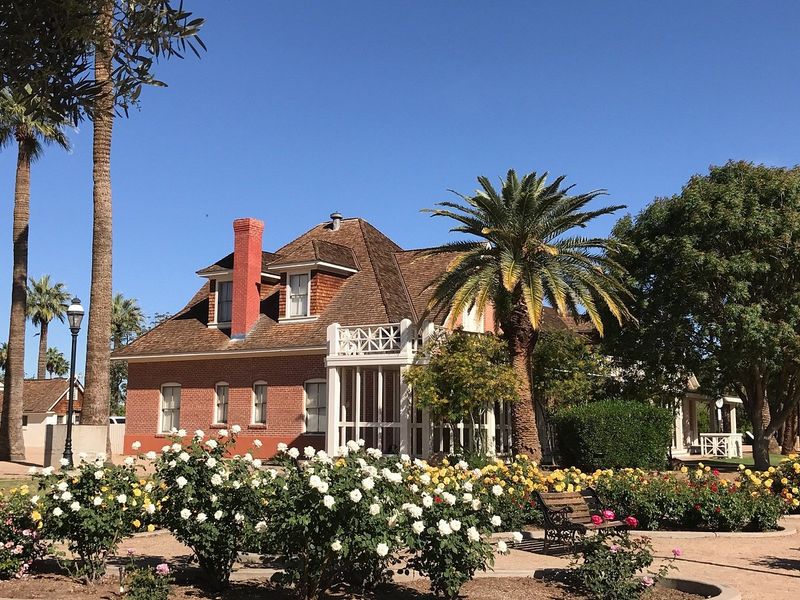
Most Glendale parks offer swings, grass, and a ramada or two. One of them also offers a ranch house built in 1895, a rose garden, orange trees, and birds that once strutted across the lawn like they owned the deed.
Families have been coming here for generations, and many longtime residents still drive right past it on the way to somewhere else. That is a mistake worth fixing.
This West Valley green space packs real Arizona ranch history into a free, easy afternoon outing close to home. The story of its famous peacocks has even taken a surprising turn lately.
Keep reading to learn where to find it, what to see first, when to go, and why so many locals call it a hidden piece of their own backyard.
A Ranch Hiding in Plain Sight
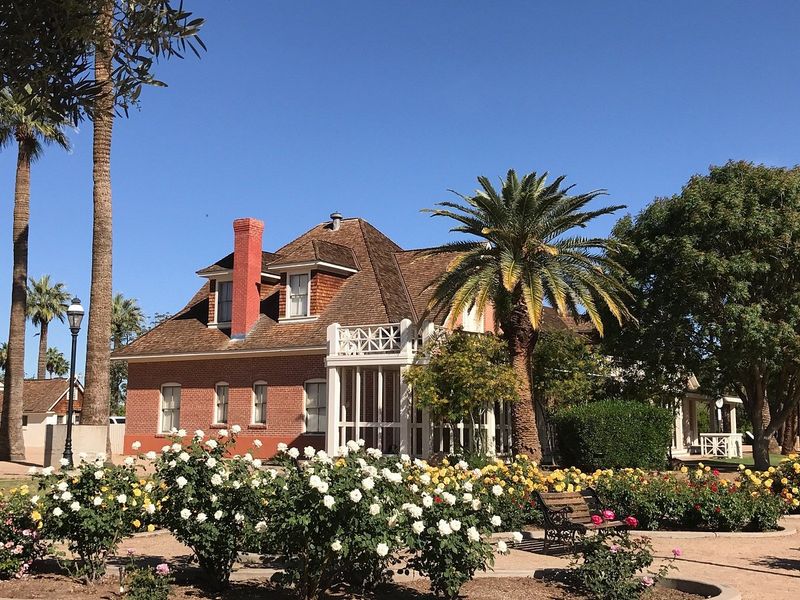
Sahuaro Ranch Park sits at 9802 59th Ave, Glendale, AZ 85302, in the heart of Arizona’s West Valley. It is a city park built on old ranch grounds, and that detail changes everything.
Instead of a basic patch of turf, the property mixes open lawns with a historic house museum, farm animals, play areas, and roaming fowl. The grounds sit right next to the city library and Glendale Community College, so plenty of people pass it daily without stopping.
Locals clearly love it once they do stop. The park holds a 4.7-star average from more than 4,400 Google ratings, a number most neighborhood parks only dream about.
Different corners serve different moods. Sports fields and big lawns handle the active crowd, while a historical walking area and a rose garden appeal to slower strollers.
Covered picnic tables come with covered grills that even have vent hoods, a small upgrade regulars appreciate. Maps posted around the grounds show where you are and where everything else sits, which helps on a first trip.
The mix of history and everyday recreation is what sets this spot apart. Next up is the story behind the old buildings.
The 1895 Main House and Its Ranch Roots
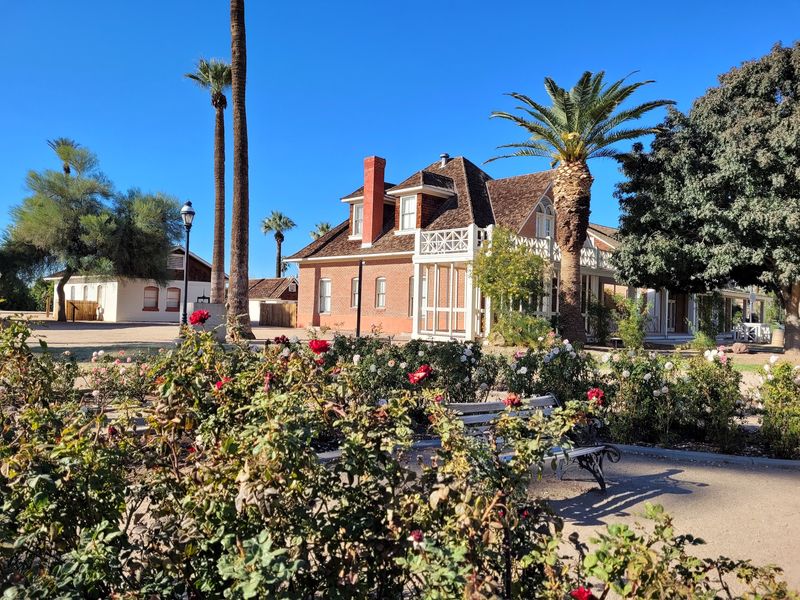
Long before Glendale filled with rooftops, this land worked as a ranch. The Main House was built in 1895 and offers a window into Arizona ranch life from roughly the 1880s through the 1930s.
That date puts it squarely in the 1890s, which explains the farmhouse half of this article’s title. Several original outbuildings still stand around the house.
Tours of the main house have returned after a long pause following Covid. Anyone hoping to go inside should check with the city ahead of time, since guides are not always on hand.
Even without a tour, the exteriors are well worth a slow lap. Interpretive signs explain what each structure is and how it fit into ranch operations.
Some boarded-up buildings give the grounds a slightly spooky edge, which some guests find oddly fun. Kids tend to enjoy that mystery factor.
The real appeal is history you can stand next to rather than view in a textbook. For Arizonans curious about how their valley looked before the freeways, few free stops deliver this much context.
Plenty of that history connects to the trees still growing nearby.
What Happened to the Peacocks
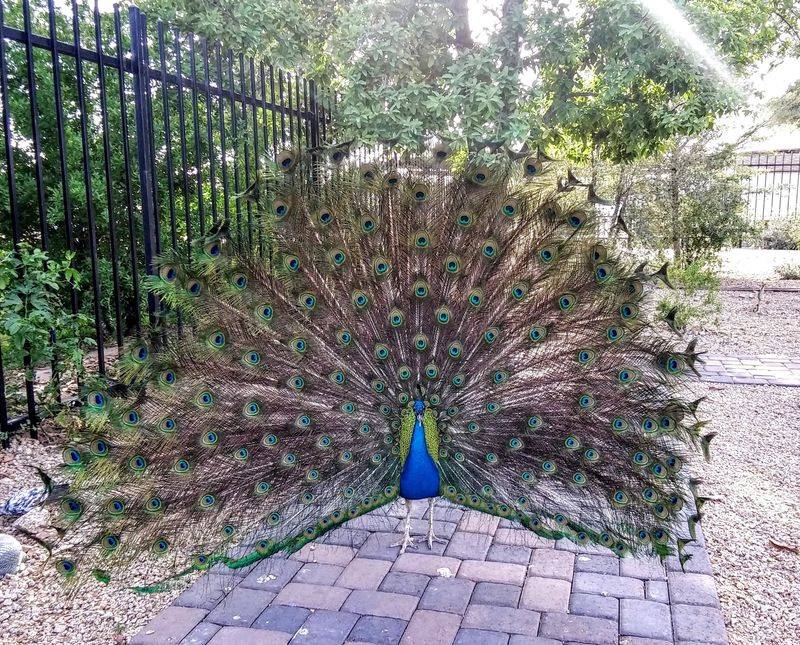
Ask any Glendale kid about this park and peacocks will come up within seconds. They are by far the most talked-about feature, with hundreds of mentions online.
For years, around 30 birds roamed the property. They wandered through picnic areas, perched near the historic buildings, and kept a healthy distance from people.
Their personalities made them local celebrities. Rival males would squabble and let out calls that some compare to braying donkeys, which tends to crack up anyone nearby.
Recent reports tell a different story, though. Word around the park is that the resident flock was relocated because its numbers were growing fast, raising a serious maintenance challenge.
Some guests still spot a single peacock or a few birds, while others leave wondering where they all went. Results seem to vary by visit.
Fans of the tradition have voiced disappointment, and the topic remains a hot one among regulars. It is wise to treat a peacock sighting as a bonus rather than a promise.
The good news is that the feathered cast was never limited to one species.
Bunnies, Chickens, and a Busy Bird Crowd
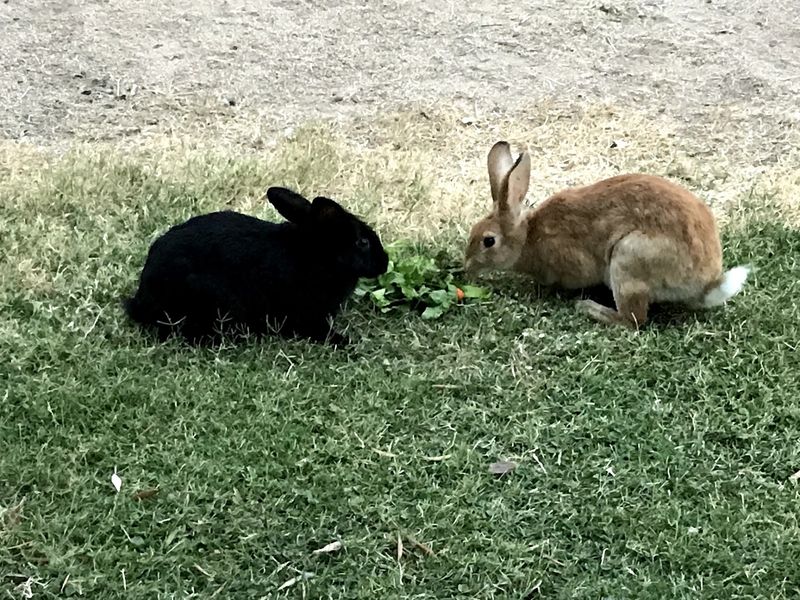
Peacocks grabbed the headlines, but the supporting cast deserves credit too. Rabbits pop up around the grounds, especially later in the day.
Chickens roam the farm areas, and a variety of other birds keep things lively. Pigeons dart around in unpredictable flight patterns that children find endlessly entertaining.
Evening walkers often catch the bunnies out and about. That makes a late stroll a smart choice for families hoping to show little ones some wildlife.
The animal element is a big reason the park feels unlike a typical city playground. Kids get a taste of farm life without a long drive out of the metro.
A few simple habits help everyone enjoy it:
Keep a respectful distance from the animals. Keep dogs on leash, as the park expects.
Bring patience, since the creatures run on their own schedule. Some days they are everywhere, and other days they play hard to get.
Animal watching pairs nicely with the next stop, which blooms in a very different way.
Rose Garden Rows and Orange Grove Shade
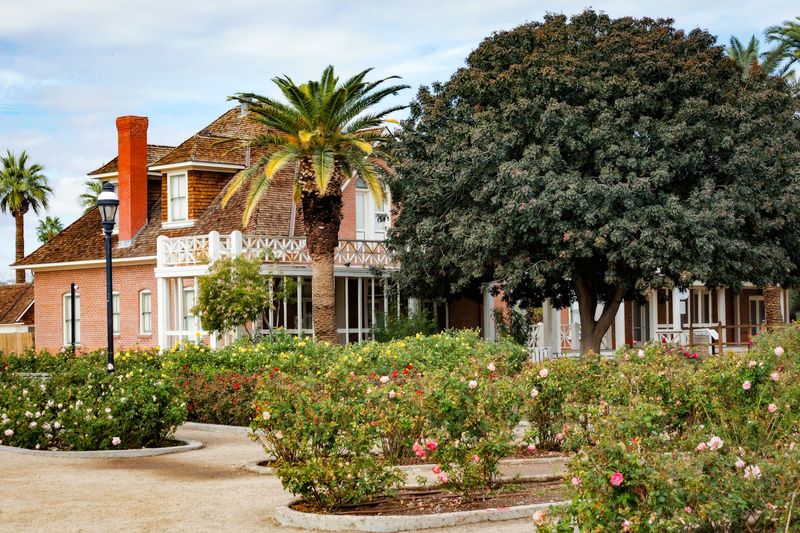
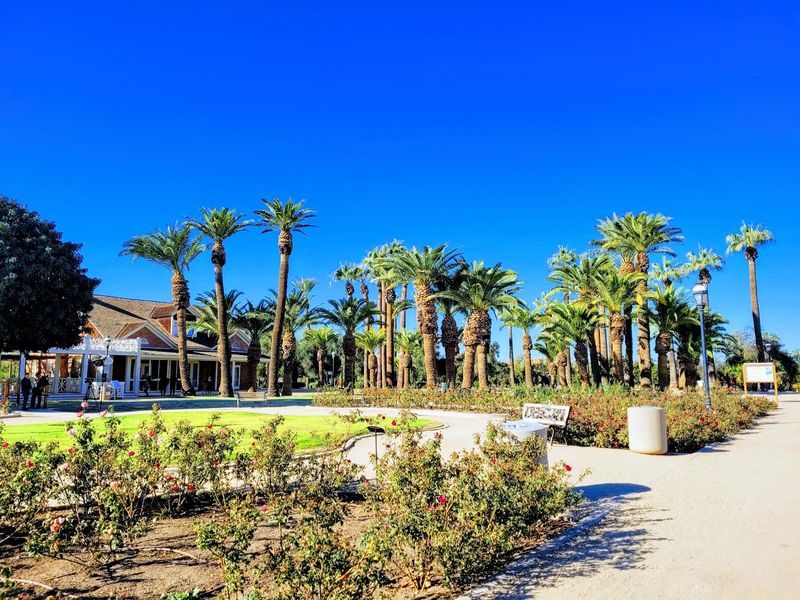
Roses in the Sonoran Desert sound like a stretch, yet this garden proves it works. Rows of rose bushes in many varieties and colors draw steady praise.
The garden ranks among the most mentioned features after the birds. It is a favorite backdrop for strolls and photos.
Nearby, citrus trees and orchards tie the grounds back to their agricultural past. Orange trees grow across the property, a reminder of the farming that once defined this part of the valley.
Groundskeepers keep these areas tidy, and many guests note how well-kept the garden looks. Bloom quality naturally shifts with the seasons.
Outside the library sits a desert rock garden as well. It offers a native-plant contrast to the lush roses.
Gardeners and casual walkers alike can spend a happy half hour here. Bring a camera and some patience for finding the perfect angle.
Speaking of cameras, the park has built quite a reputation with photographers.
A Favorite Backdrop for Big Moments
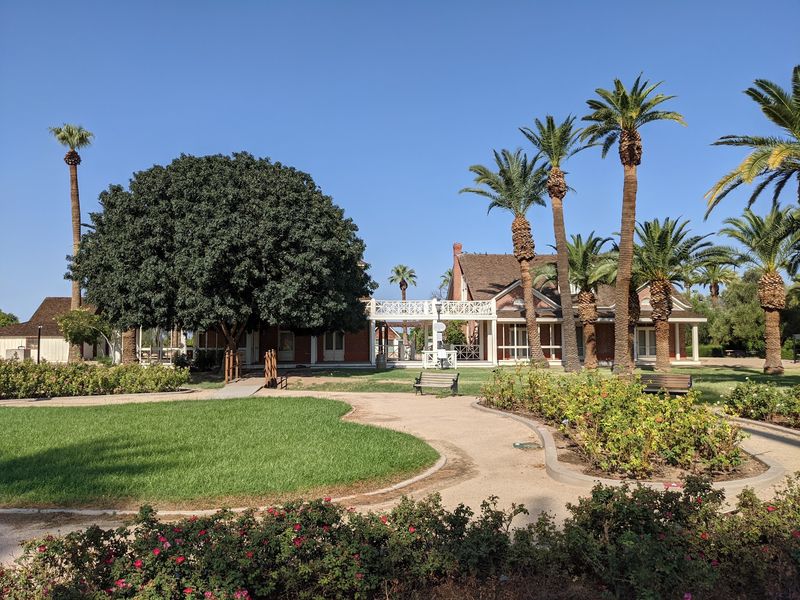
Family portraits, bridal shower picnics, birthday parties: this lawn has hosted them all. The open space lets groups spread out without feeling rushed or crowded.
Photographers like the mix of green grass, historic architecture, and garden color. Few West Valley settings combine all three in one place.
Planners of luxury picnics have also taken notice. The quiet atmosphere on calmer days suits styled setups.
Major celebrations happen here too. The park has long been a spot for Fourth of July fireworks, a tradition that many families plan around every summer.
Themed events pop up throughout the year and lean fun and educational. Glendale’s website is the place to check what is coming up.
One standout example: an old stable building has hosted a free juried art exhibit featuring Arizona artists only. Shows like that come and go quickly, so timing matters.
Big moments need good logistics, which brings us to the picnic setup.
Grills, Ramadas, and Room to Roam
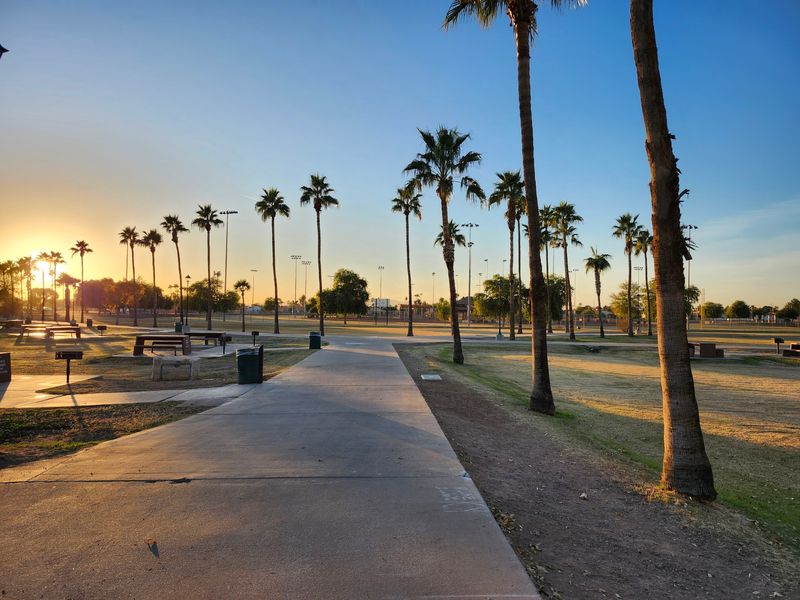
Sunday barbecue culture is alive and well here. BBQ ranks among the most mentioned topics, beating even the rose garden.
Benches come with grills right beside them. A large ramada area adds seating, grills, and sinks for bigger gatherings.
Kids get large playgrounds with swings and play sets for different ages. Sports fields, sand volleyball, and wide lawns handle everyone else.
A dog park gives four-legged family members their own space. Leashed pets are welcome around the picnic areas.
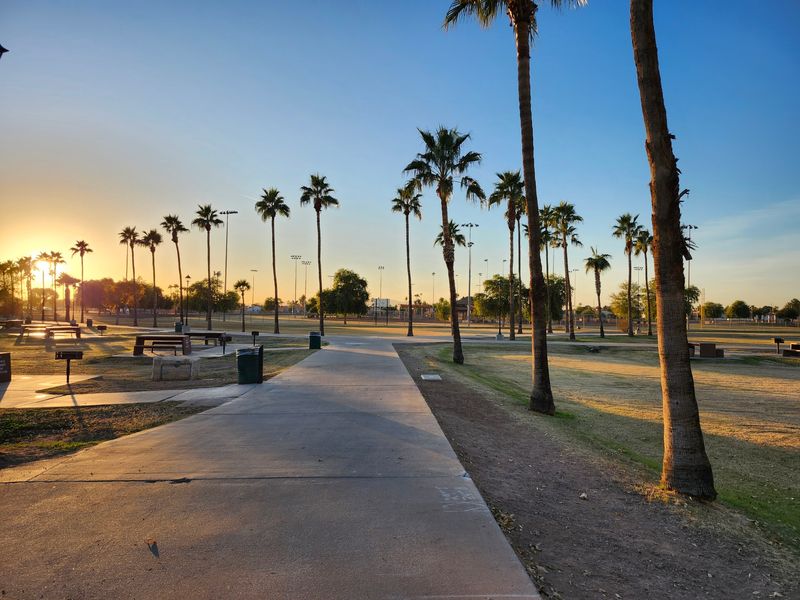
Wide sidewalks loop the perimeter, creating a handy route for walking or running. Some stretches offer shade, which helps in Arizona heat.
The paths can fill up with strollers at busy times. Early mornings tend to feel calmer.
Many praise how clean the grounds are, with plenty of trash cans and decent restrooms. A few have suggested upkeep could be more consistent, so experiences vary.
Comfort matters, but timing matters even more in the desert.
Hours, Parking, and Beating the Heat
Good news for budget-minded Arizonans: walking the grounds is free. That includes the gardens, the historic exteriors, and the animal areas.
The park is open daily from 6 AM to 10 PM. Those long hours make sunrise strolls and after-dinner walks easy to fit in.
Free parking is plentiful. The park is well lit in the evenings, which adds comfort for later visits.
Summer heat is the main thing to plan around. A Phoenix-area heat wave can cut any outing short, so early mornings and evenings are the smartest windows from late spring through early fall.
Cooler months open up the full day. They are also a good time to catch seasonal events and exhibits.
A few handy reminders:
Pack water and sun protection. Check the city parks website for tour availability and events.
Plan for no on-site guides most days. Signs and maps fill that role well.
With the practical details settled, one question remains.
Why Generations Keep Coming Back
Some parents who played here as children now bring their own kids. That kind of loyalty says more than any brochure could.
The park blends Glendale history, farm charm, and everyday recreation without charging a dime to wander. It suits families, walkers, history buffs, garden fans, and photographers alike.
The peacock situation may be in flux, and that stings for longtime fans. Still, the 1895 house, the roses, the orange trees, and the bunnies keep plenty of reasons on the table.
For locals, it is a reminder that real Arizona heritage often sits just down the street. No long road trip required.
Plan an early morning lap or a golden evening stroll. Read the markers, check out the gardens, and keep an eye out for any feathered holdouts.
Sahuaro Ranch Park rewards anyone willing to slow down for an hour or two. Glendale’s ranch days are not gone, they are simply waiting behind the library for the next curious visitor.


