Affiliate disclosure: As an Amazon Associate I earn from qualifying purchases. Learn more
Every winter, the flat farm country north of Sacramento fills up with guests who never booked a room. They arrive by the thousands, dropping out of the sky onto shallow wetlands, and they bring their noisy relatives along.
Out here, a bald eagle can be perched right beside a gravel road, and a jackrabbit might cross your path before you have finished your coffee. The spot that hosts all of this is quiet, affordable, and easy to reach by car.
The following sections cover where it is, what lives there, when to go, and a few smart tips that can turn a simple drive into a memorable day. Grab your binoculars, because this is one road trip where looking out the window is the whole point.
A Refuge Hiding Near Willows
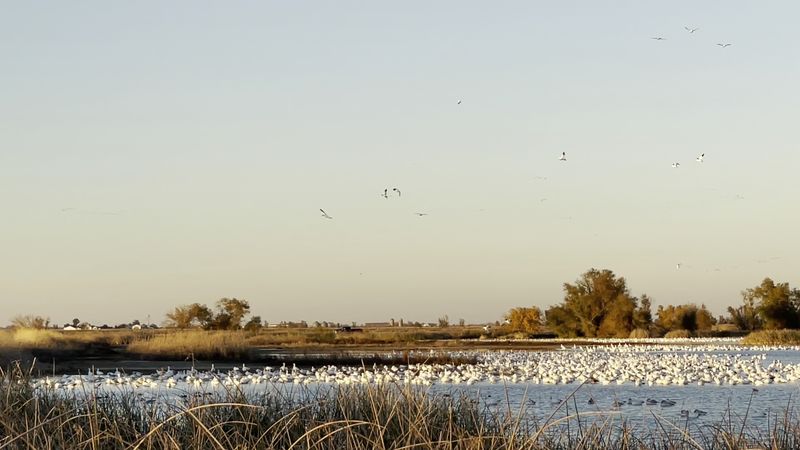
Some of the best birding in California sits just off a county road in Glenn County. Sacramento National Wildlife Refuge is found at 752 Co Rd 99W, Willows, CA 95988, in the northern Sacramento Valley of California.
The refuge is managed by the U.S. Fish and Wildlife Service.
It protects wetlands and uplands that serve as a stopover and winter home for huge numbers of migratory birds.
Getting there is simple for most road trippers. The drive from the city of Sacramento is manageable by car, which makes it a realistic day trip rather than a big expedition.
Once you arrive, the layout is easy to understand. There is a visitor center, a set of short walking paths, and an auto tour route that loops through the wetlands.
More than 190 bird species have been recorded here, and that number explains why so many binocular straps get worn out in this corner of the valley. Waterfowl, raptors, wading birds, and songbirds all share the space.
The best part is that the refuge does not feel crowded or flashy. It is a working piece of protected land that happens to welcome guests, and that quiet character is a big part of its charm.
Wetlands With a Winter Guest List
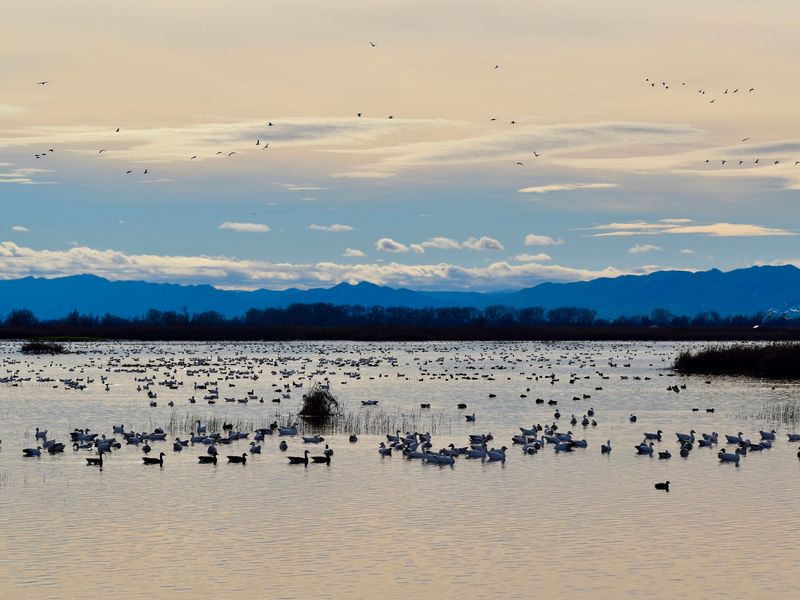
Thousands of birds pouring into a single marsh is not an exaggeration here. It is a regular winter event.
The refuge sits along the Pacific Flyway, a major migration route for birds traveling between northern breeding grounds and warmer winter spots. The flooded wetlands give them food, rest, and safety.
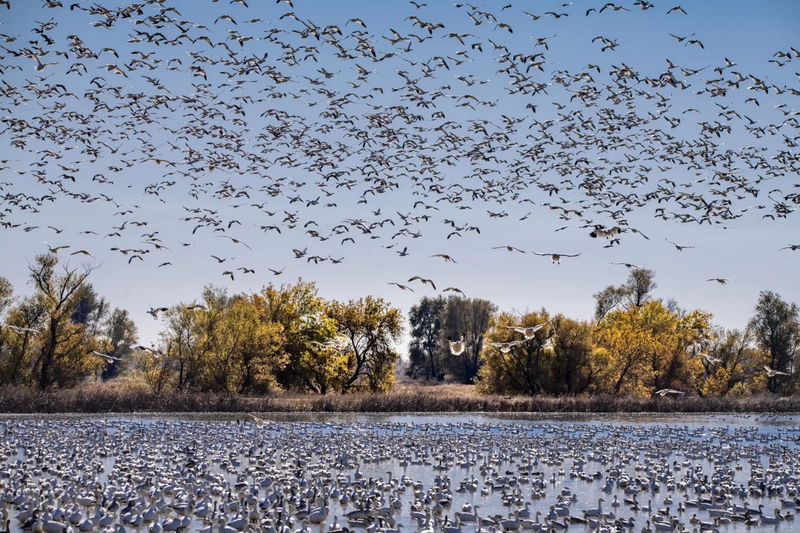
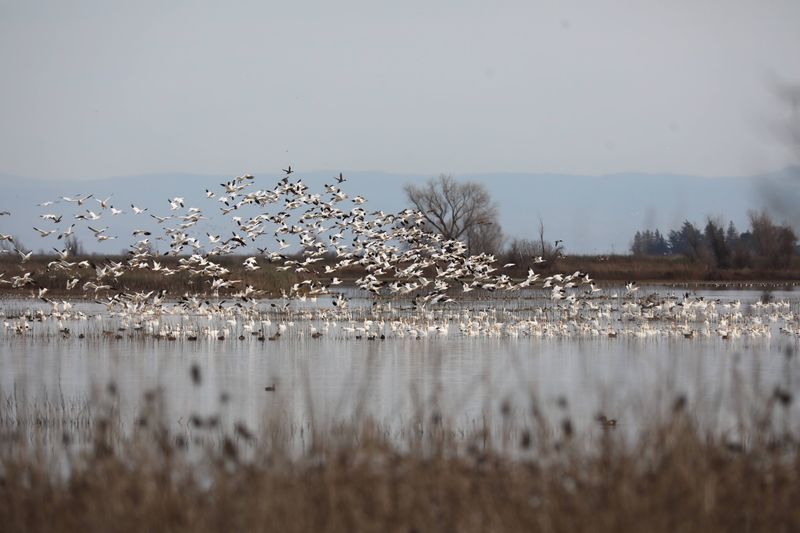
Late November and December are often the peak months. In a typical year, hundreds of thousands of migrating birds can be spread across the ponds and fields.
Nature does not always follow the calendar, though. During warmer seasons up north, the main wave of birds can arrive later than expected, so a little flexibility helps.
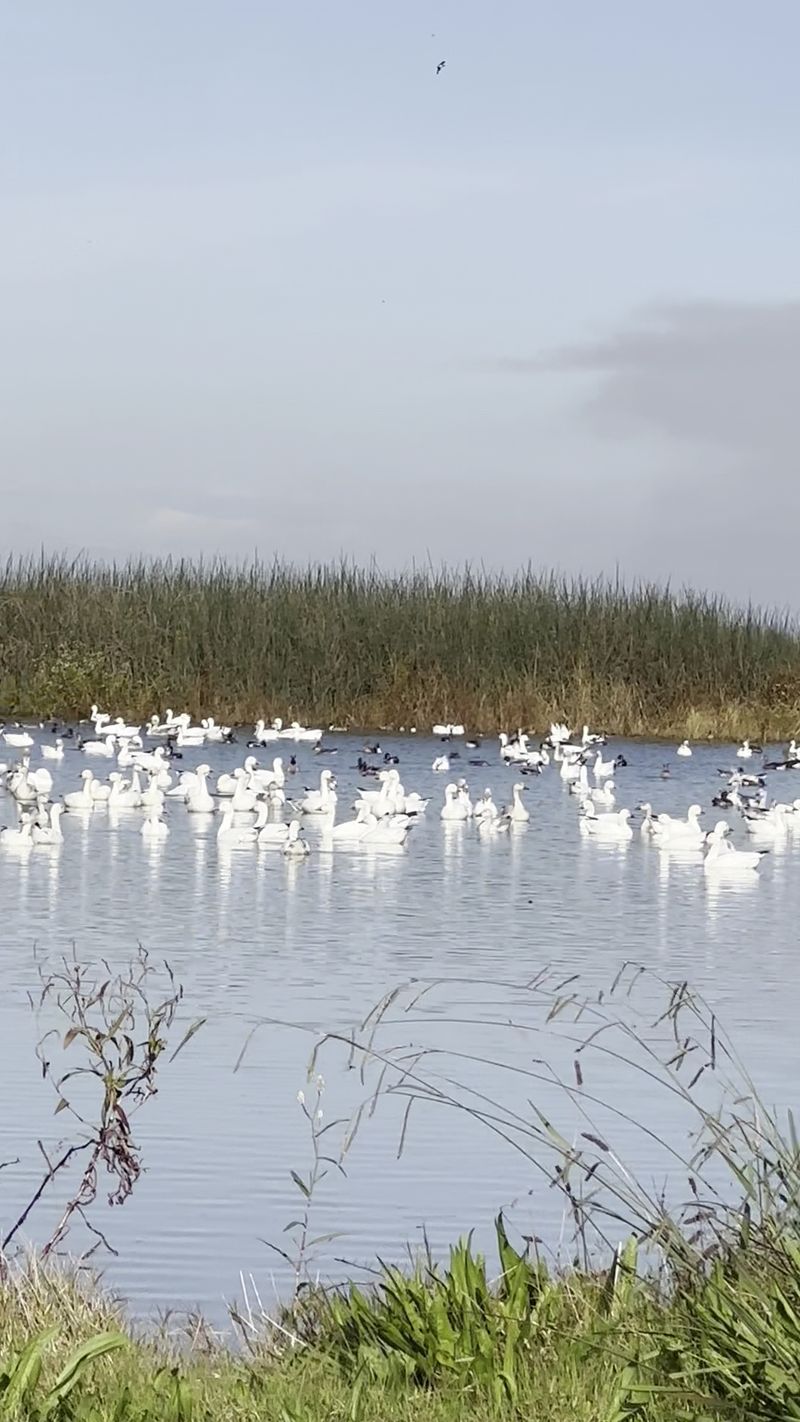
In some areas, birds seem to stretch as far as the eye can see. Ducks, geese, and other waterfowl crowd the shallow water in numbers that are hard to count.
The refuge is also part of a larger network. There are five preserves in the surrounding Colusa area, and most can be explored on foot, by car, or both.
For anyone planning a trip around bird numbers, winter is the season that earns the headlines. Just keep an eye on migration news before you pack the car.
The Auto Tour Everyone Talks About
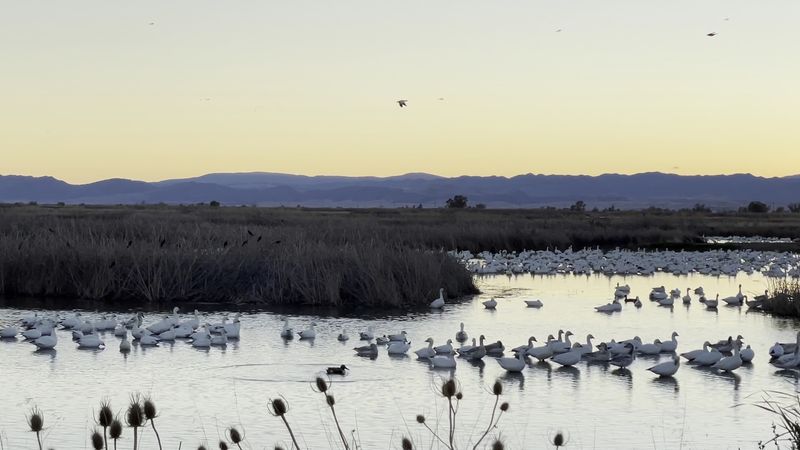
Your car becomes the best bird blind in the valley on this route. The auto tour is the headline act at the refuge, and for good reason.
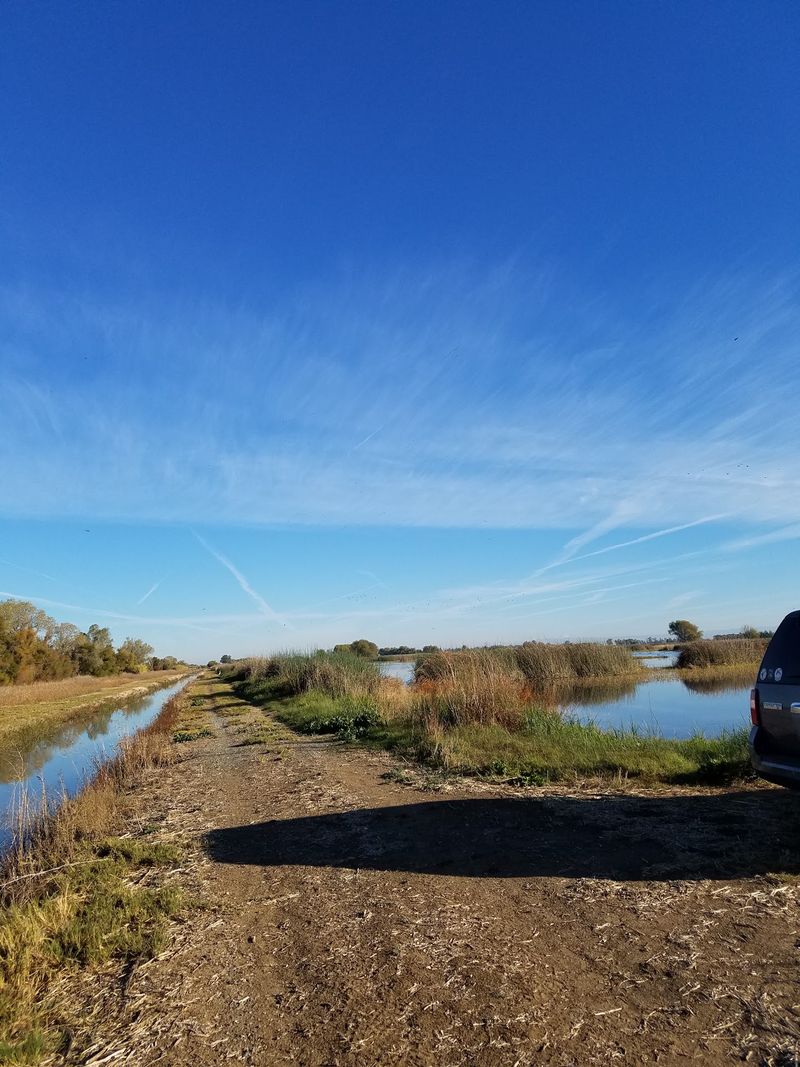
The loop covers about six miles of gravel road through the wetlands. The roads are in fair shape, so a regular car can handle the trip without trouble.
Speed is not the goal. A slow driver who stops often can easily spend two hours on the loop, while a quicker pace might take about an hour.
Staying inside the vehicle actually helps. Birds tend to be less nervous around cars than around people on foot, which means closer views and better photos.
Along the way, there are pullouts and spots to stop and stretch your legs. Some of these areas also have restrooms, which is a welcome detail on a long birding day.
Many people return several times and drive the same loop every visit. The birds change with the season, so the same road rarely delivers the same show twice.
Consider it the scenic route with a feathered cast.
Bald Eagles on the Roadside
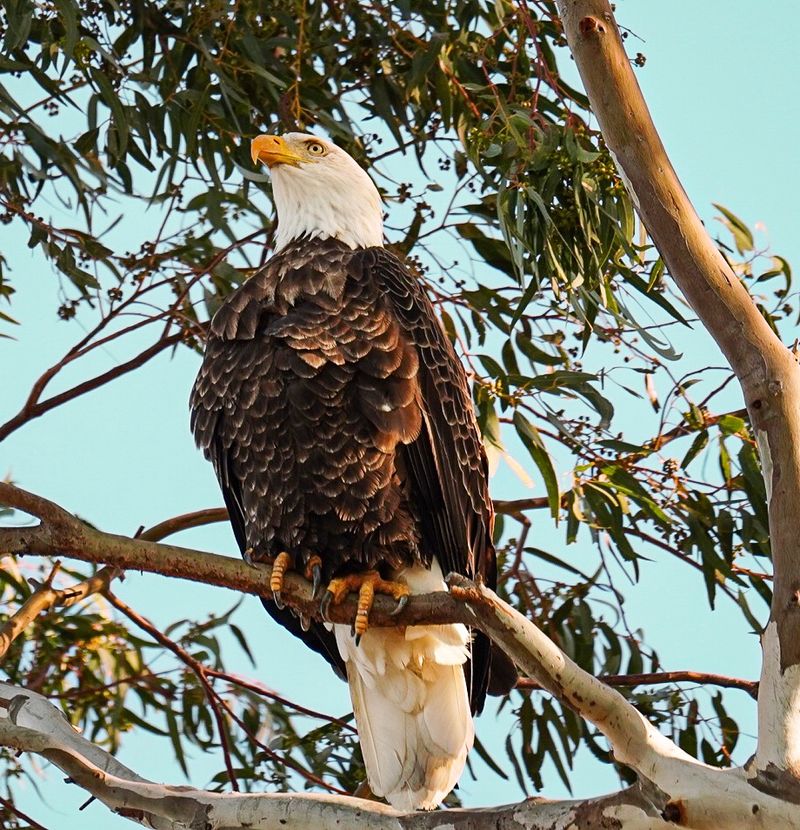
Few moments beat spotting America’s national bird just a few feet from your window. At this refuge, that moment happens more often than you might expect.
Bald eagles are among the most talked about residents here. Some are seen perched right beside the road, and others appear in pairs sitting in the same spot.
An eagle nest has also been spotted on the property. Getting a sharp photo of it takes patience, a good lens, and a bit of luck.
For many people, this is the first time seeing a bald eagle in the wild. It tends to become the story they tell for weeks afterward.
Winter is a strong season for eagle sightings, when the wetlands are full of waterfowl. More birds in the water usually means more reasons for eagles to hang around.
Not every trip guarantees one, of course. Eagles keep their own schedules, and some days they simply stay out of sight.
Scan the tall trees and the edges of the ponds as you drive. The eagle might already be watching you first.
Snow Geese, Ducks, and a Crowded Pond
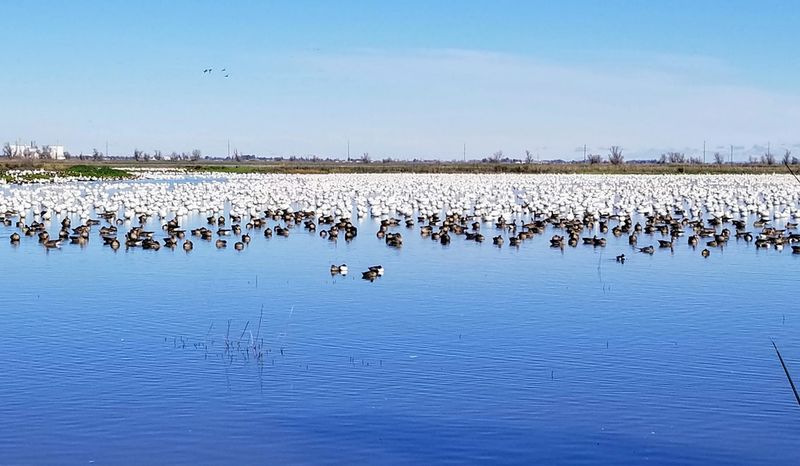
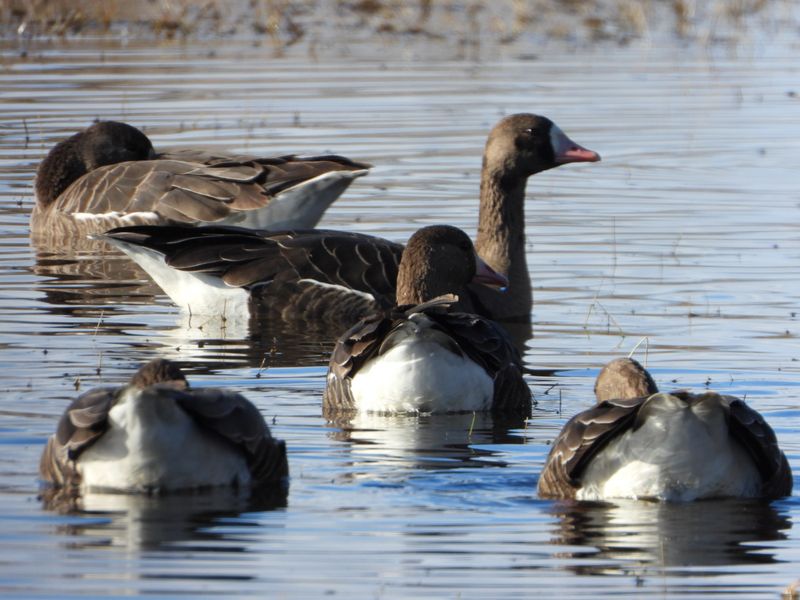
Geese are loud neighbors, and this refuge has plenty of them. Snow geese are a winter favorite, gathering in large white flocks across the wetlands.
They are far from alone. A wide mix of ducks, geese, and other waterfowl shares the water throughout the cold months.
Mallards are common, and in the right season they can be seen doing their courtship displays. Shovelers, with their oversized bills, are another species that shows up on many checklists.
Even on a windy day, the waterfowl count can stay high. Strong wind tends to keep many birds on the ground and water, which can actually make them easier to spot.
For beginners, waterfowl are a great place to start learning. They are big, they sit still for long periods, and they gather in open water where views are clear.
A simple field guide can turn a pond full of ducks into a fun identification game. Kids and adults alike can keep a running tally as the loop goes on.
Quack counting is highly encouraged here.
Hawks, Harriers, and Other Hunters
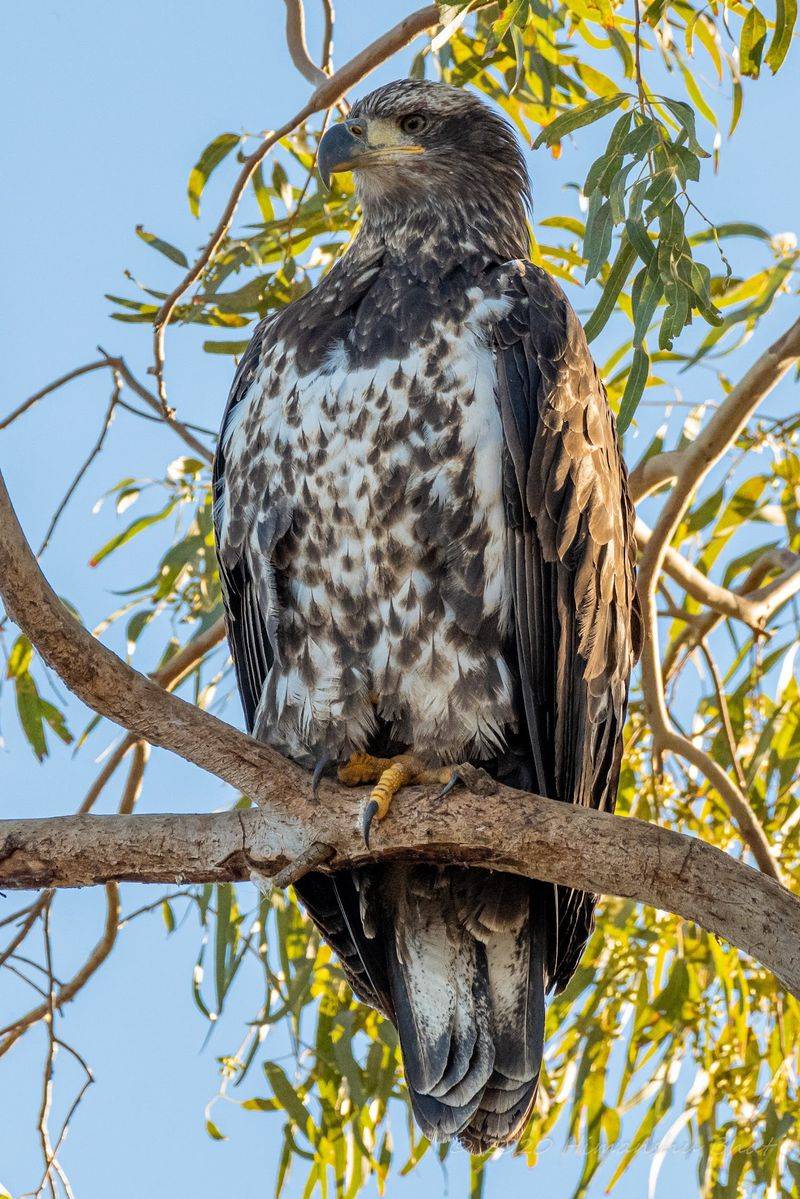
Keep one eye on the sky, because the raptors here are busy. Hawks are a common sight across the refuge, both on the loop and along the walking trails.
Northern harriers are often seen gliding low over the fields. Their hunting style makes them one of the easier raptors to recognize from a car.
American kestrels, small falcons with bold markings, also appear on species lists from the auto tour. They often perch on wires or posts while scanning the ground.
With so much prey available, the refuge supports a healthy mix of hunters. Rodents, rabbits, and smaller birds keep the food chain moving.
Raptor watching adds a different rhythm to a birding day. Ducks tend to stay put, but hawks keep moving, so it helps to have binoculars ready at all times.
Photographers often find that these birds offer dramatic shots. A hawk on a fence post against open sky makes for a clean, simple frame.
Between the eagles overhead and the hawks on patrol, this refuge gives birds of prey plenty of room to show off.
Pelicans, Stilts, and the Long-Legged Crowd
Not every bird here floats. Some wade, some dive, and some stand on legs that look borrowed from a much taller animal.
Black-necked stilts are among the wading birds seen along the auto tour. Egrets also show up in the shallow water, hunting patiently along the edges.
Pelicans are part of the lineup too. Their large size makes them easy to pick out even from a distance.
Grebes and cormorants add diving birds to the mix. They disappear under the water and pop back up somewhere else, which keeps birders guessing.
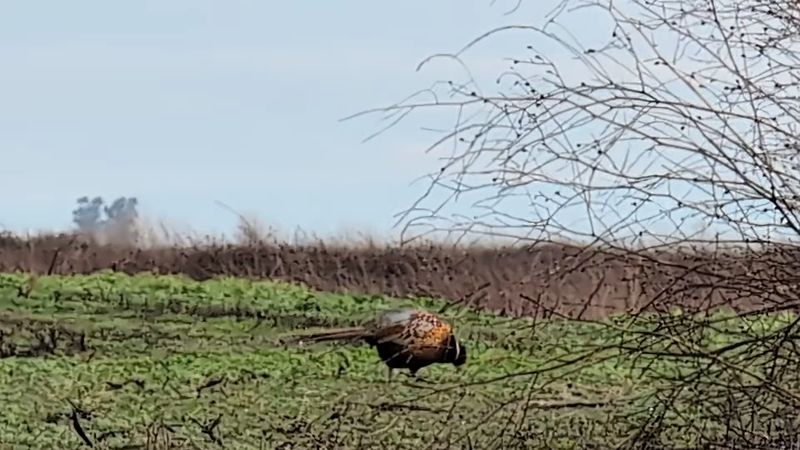
Pheasants have been spotted in the uplands, and warblers flit through the brush. The variety is a big reason the species count climbs above 190.
A single drive can produce a surprisingly long checklist. One recent loop turned up pelicans, grebes, stilts, geese, shovelers, pheasants, kestrels, harriers, cormorants, and warblers.
That is quite a guest list for one afternoon, and it rarely looks the same from month to month.
Jackrabbits and Surprise Mammals
Birds get top billing, but the mammals often steal a scene or two. Jackrabbits are a frequent sight, hopping across fields and along the gravel roads.
Deer also live on the refuge. Several can be seen in different spots on one visit, including bucks with impressive antlers.
Luckier trips have included river otters and even a badger. These are rare finds, so seeing one feels like winning a small wildlife lottery.
Raccoons have been spotted as well, usually around the water. They tend to be more active at certain times, so sightings are hit or miss.
Mammals add a nice surprise factor for families. Kids who get tired of ducks usually perk up the moment a jackrabbit bolts across the road.
Drive slowly and scan the edges of the fields as well as the water. Many of these animals blend into the grass until they move.
Bunny spotting may not be the official reason for the trip, but it is a very welcome bonus.
Short Trails and a Viewing Tower
Sometimes you just need to get out of the car. The refuge offers small walking paths for exactly that.
Trails near the visitor center total about two miles and follow the water. They are easy to walk at a relaxed pace and suit most fitness levels.
Wildlife on foot can be less predictable than on the auto loop. Some walks turn up plenty of hawks, while others are quieter with fewer birds.
An observation tower gives a higher view over the wetlands. It is a useful spot for scanning large flocks from above.
Some viewing spots along the tour also have binoculars available. That feature helps kids and anyone who forgot their own pair.
Cyclists get a treat in the warmer months. From May through August, the auto tour loop is open to bikes.
Between the trails, the tower, and the bike season, the refuge offers more than one way to explore. Pick the pace that suits the day.
Inside the Visitor Center
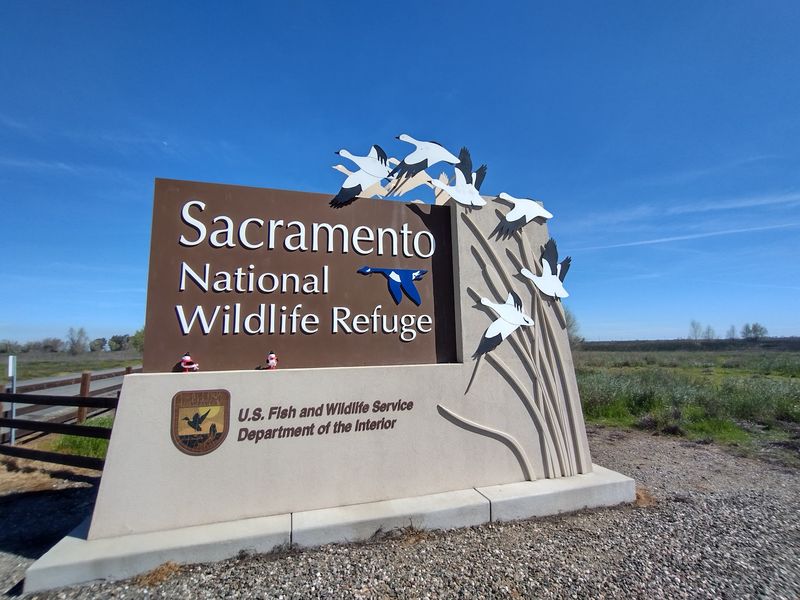
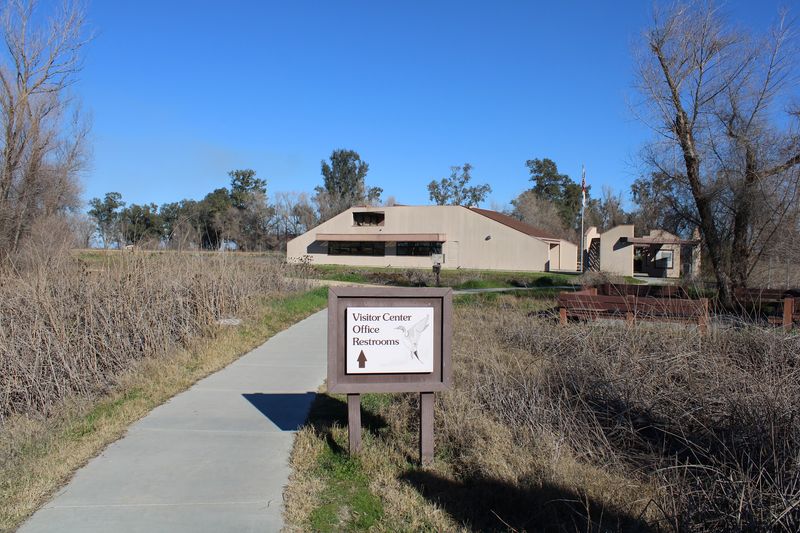
Before heading out on the loop, the visitor center is a handy first stop. It has been renovated in recent years and now serves as the main information hub.
Inside, there are exhibits that explain the refuge and its wildlife. Many people find the center informative, especially on a first trip.
A gift shop is also on site. Friendly staff are known for helping with questions about the area.
Not every display lands perfectly, though. Some newer signs use older photos, including images of a boardwalk that no longer exists.
The biggest thing to plan around is the schedule. Visitor center hours are limited, so check before you go if a stop inside matters to you.
Accessibility is another plus. The refuge includes handicap accessible spaces and restrooms, which makes it easier for more people to enjoy.
Clean bathrooms and places to stretch round out the basics. Small comforts like these make a long wildlife day much more pleasant.
A Calm Day Out for Every Kind of Birder
Relaxing is the word that comes up again and again about this place. The pace here is slow by design, and that is the appeal.
Serious photographers show up with very large telephoto lenses. Casual guests arrive with a phone camera and a curious mind.
Both groups fit in just fine. The auto tour gives everyone room to pull over and watch at their own pace.
Families will find plenty to like. Kids tend to enjoy the auto tour because there are many viewing spots and some have binoculars to use.
Nature fans who are not hardcore birders still get a full day. Wildflowers, including purple blooms in season, add color to the drive.
A little courtesy goes a long way on busy days. Photographers stepping out of cars can crowd the road, so be patient and share the space.
Many people love it enough to return all year long. That kind of loyalty says plenty about how easy it is to enjoy.
Fees, Passes, and Packing Smart
Good news for budget travelers: this is an inexpensive outing. The auto tour costs $6 per vehicle.
Frequent visitors can save with an annual pass for $12. Many people buy one so they can return in different seasons.
Packing matters more than you might think. There is very little shade on the tour, and strong wind and sun are common.
Bring plenty of water and a hat. Sunscreen is a smart addition too.
Bugs are the other big planning point. The walking trails sit next to water, so mosquito repellent or face nets are a good idea.
Some seasons also bring small biting bugs that can cause itching the next day. They tend to stick around until temperatures climb above 100 degrees.
For more details, the U.S. Fish and Wildlife Service website for the refuge lists current information.
A quick check before leaving home can save a wasted trip.
A few simple supplies turn a good day into a great one.
Why the Refuge Deserves a Spot on Your Calendar
Quiet places rarely make the loudest headlines, but this one earns its fans honestly. A near perfect reputation among those who visit backs that up.
The formula is simple. Affordable entry, an easy driving loop, and more than 190 bird species make it hard to beat.
Winter is the strongest season for sheer numbers, especially from late November into December. Spring and summer still offer wildflowers, trails, and bike access on the loop.
Eagles, snow geese, hawks, and jackrabbits are the stars. Surprise guests like otters, badgers, and deer can make any trip memorable.
The refuge is also a strong reminder of why protected land matters. It supports wildlife that depends on these wetlands every single year.
Pack water, bring binoculars, and give yourself a few unhurried hours. The birds will handle the rest of the entertainment.
Once you go, do not be surprised if that $12 annual pass starts looking like one of the best deals in California.