
Affiliate disclosure: As an Amazon Associate I earn from qualifying purchases. Learn more
Some Tucson traditions never show up in glossy travel guides, and that is exactly why locals love them. On the south side of the city, a huge outdoor market wakes up every weekend and turns into a maze of tables, tents, and food trucks.
One aisle might hold used tools, the next might have straw hats, spices, or a stack of vintage signs. Families have treated it as a Friday night outing for decades, and plenty of grown-ups first walked these rows as little kids.
The crowds arrive when the sun drops, the deals get made in cash, and nobody knows what will turn up next. Keep reading to learn when to go, what to bring, what you might find, and why this sprawling weekend market still pulls Tucson out of the house.
A South Tucson Weekend Landmark
Tucson has plenty of weekend plans, but few are as big or as unpredictable as the Tanque Verde Swap Meet.
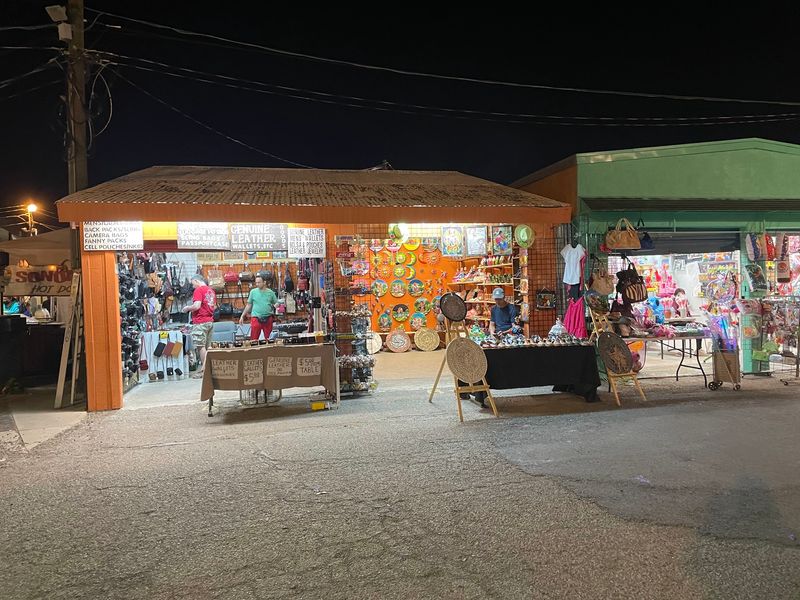
The market sits at 4100 S Palo Verde Rd, Tucson, AZ 85714, in the United States. It is a vast outdoor flea market with aisle after aisle of vendors, food stands, and small buildings where sellers set up shop.
Despite the name, it is not out on Tanque Verde Road on the east side. It lives on the south side of town, so plug the real address into your map before you go.
The basic idea is simple. Sellers rent a space, lay out their goods, and shoppers wander the rows looking for something useful, odd, or cheap.
What makes it stand out is the sheer range. The official description mentions everything from vintage signs to apparel, plus plenty of food to keep the hunt going.
It has also earned a big following, with more than 5,600 Google ratings and a 4.1-star average. That is a lot of opinions for one patch of south Tucson.
Think of the address as your starting line. The real fun begins once you pass the gate.
Decades of Family Friday Nights
Ask a longtime Tucsonan about this market and a story usually follows.
The swap meet has been a Tucson tradition for a few decades. Some regulars have been coming since they were around four years old, first as kids tagging along and later as shoppers or sellers themselves.
For many local families, it was the Friday evening outing. Kids ran around, parents browsed, and everyone grabbed a snack before heading home.
Not everything has stayed the same. Admission used to be free, and today there is a $2 per person charge at the gate, which some longtime fans miss.
Ownership has also changed over the years. Some regulars feel the crowds are smaller than in the old days, especially on slower nights.
Still, the nostalgia is strong. Many people return simply because the place is part of their own Tucson history.
That mix of memory and change gives the market its character. It is part time capsule, part working marketplace, and fully a south side original.
Rows Upon Rows of Vendors
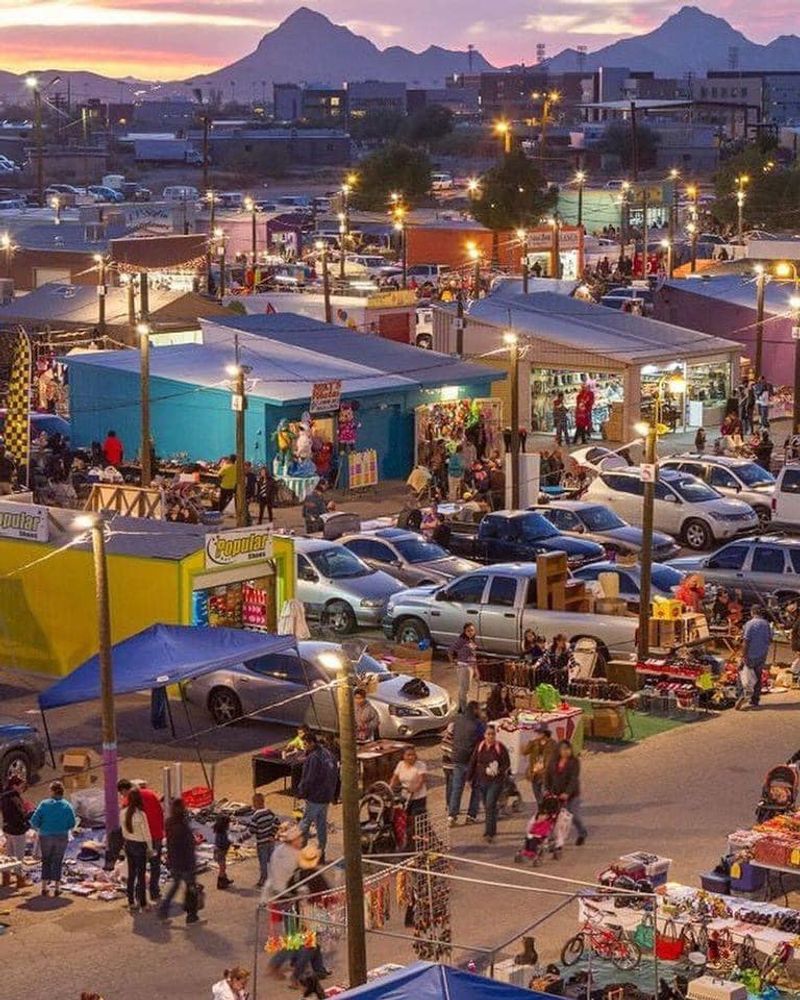
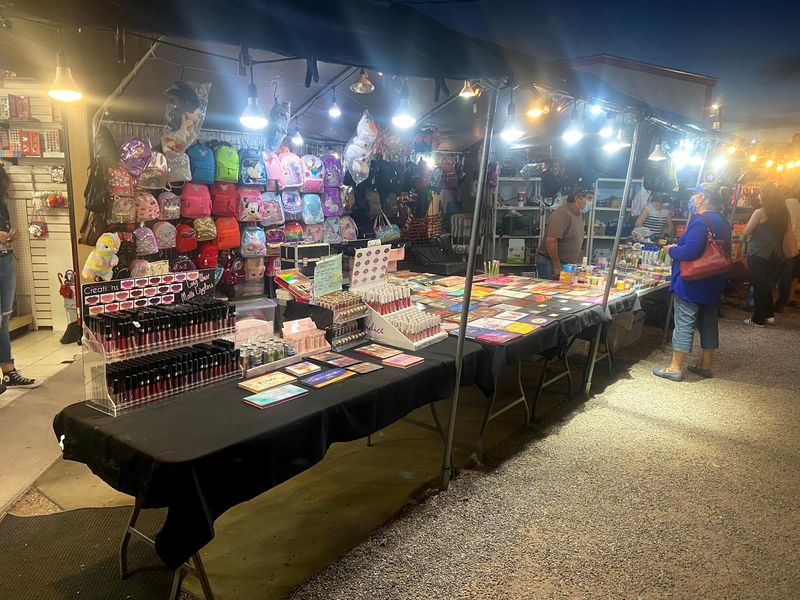
Over 150 vendors can fill these aisles, and the layout feels close to a small town of tables.
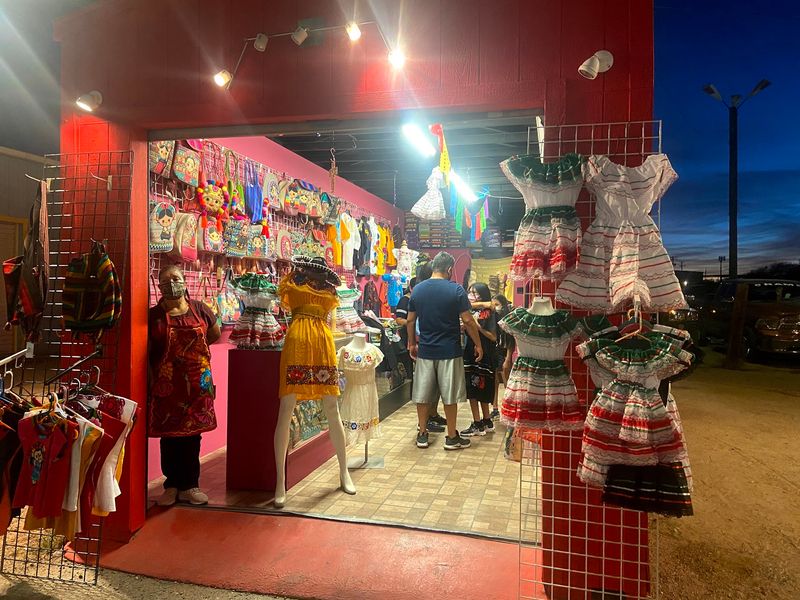
Sellers set up in open dirt spaces, under canopies, and inside small rented buildings. The rows are numbered, so a seller might tell you to look for them in Aisle 4.
Some vendors are full-time regulars with shops. Others pop in once or twice a month with a truck load of stuff from home.
That mix means the market changes from week to week. A table that was there last Saturday might be gone, while a brand new seller appears across the way.
Shoppers often mention friendly, helpful vendors. Many sellers are happy to chat, explain an item, or talk price.
The space is large enough that comfortable shoes matter. Plan to walk, double back, and get a little turned around.
Getting lost is half the plan here. The other half is finding something on the way back out.
Literally Anything on the Tables
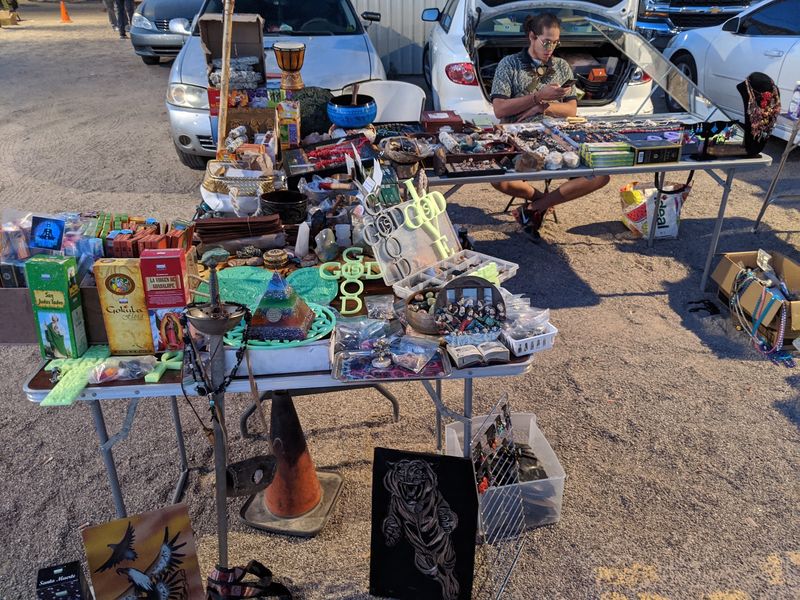
A leaf blower, an airbrushed shirt with a pet on it, a used car seat, and a Mayan calendar could all share one row.
That is not an exaggeration. The variety is one of the most talked-about parts of the market.
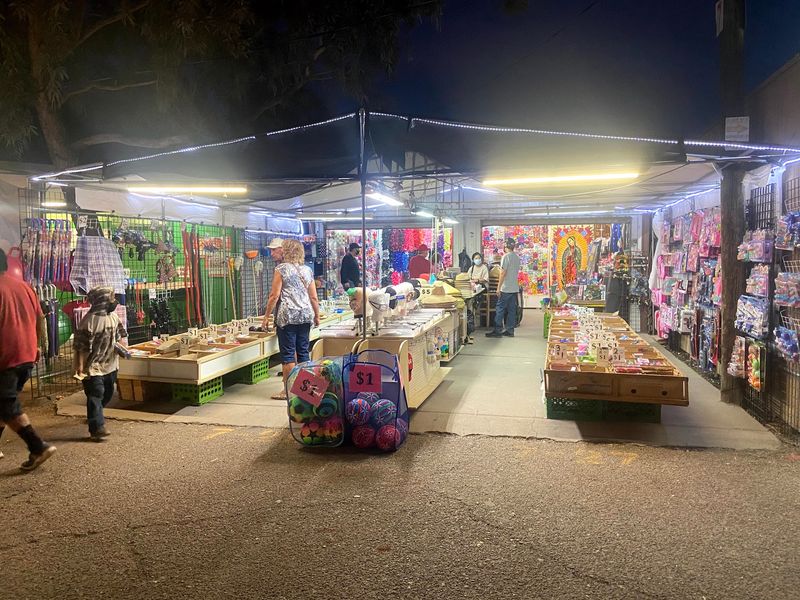
Shoppers find clothing, spices, tires, tools, fruit and vegetables, furniture, jewelry, books, and pet supplies. Serapes and straw hats show up too.
Used tools and appliances are some of the most common things people come looking for. Collectors also prowl the aisles, including Hot Wheels hunters who return every weekend.
There are a few limits. Firearms and live animals are not sold here.
Quality varies, and that is part of the deal. Some tables lean toward yard sale clutter or off-brand goods, while others feature local makers with handmade pieces.
The trick is patience. Skim fast, stop often, and keep an open mind about what counts as a treasure.
The Art of the Cash Deal
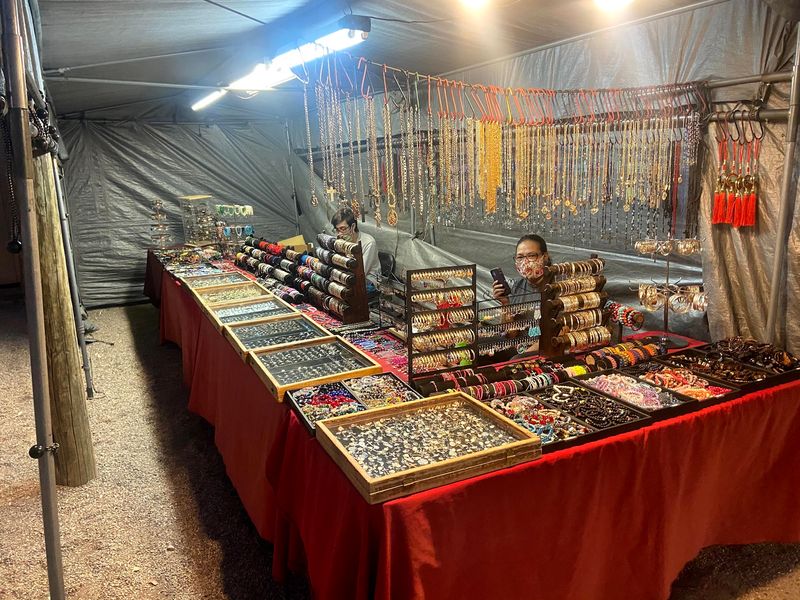
Leave the card at home, or at least do not count on it.
Much of the market runs on cash, and regulars repeat the same advice: bring cash. Small bills make haggling smoother for everyone.
Bargaining is part of the culture here. A pair of sunglasses for $4 is the kind of deal that keeps people coming back.
Many shoppers say the prices are great. Others point out that you need a little grit to find the real steals among the clutter.
Be friendly and fair when you negotiate. Sellers pay for their spaces, so a reasonable offer goes further than a lowball one.
A smart approach is to walk the whole market first. Then return to the tables that caught your eye and make your offer.
Walking away is allowed too. Sometimes the best price shows up right as you turn to leave.
Food Trucks and Snack Bars
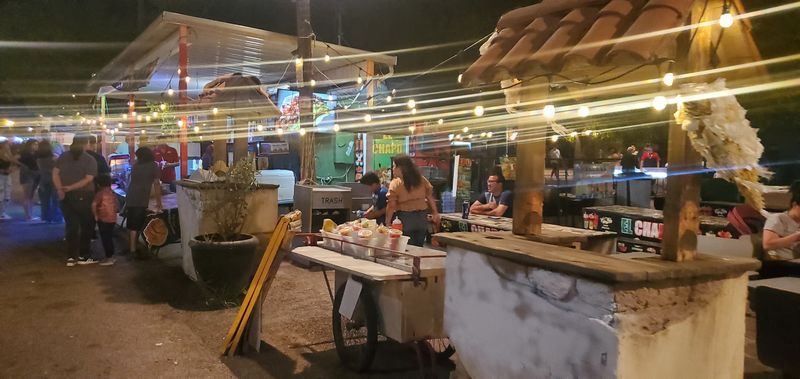
Shopping burns energy, and the market has a plan for that.
Several food trucks and stands set up around the grounds. There are also a few snack bars for a quick bite between aisles.
Freddies Grill operates inside the swap meet, and on some nights live music plays nearby. That pairing makes the evening feel more like a community party than a shopping trip.
Plenty of people come mostly to stroll and eat, then buy something if it catches their eye. For many families, the food stop is the main event.
Prices at the snack bars can run a little high. Most regulars treat it as part of the outing anyway.
Food trucks rank among the most mentioned features of the whole market. They give the place a lively, street festival rhythm after dark.
Bring a little extra cash for this part. Your feet will want a break, and the trucks are waiting.
Rides, Music, and Kid Corners
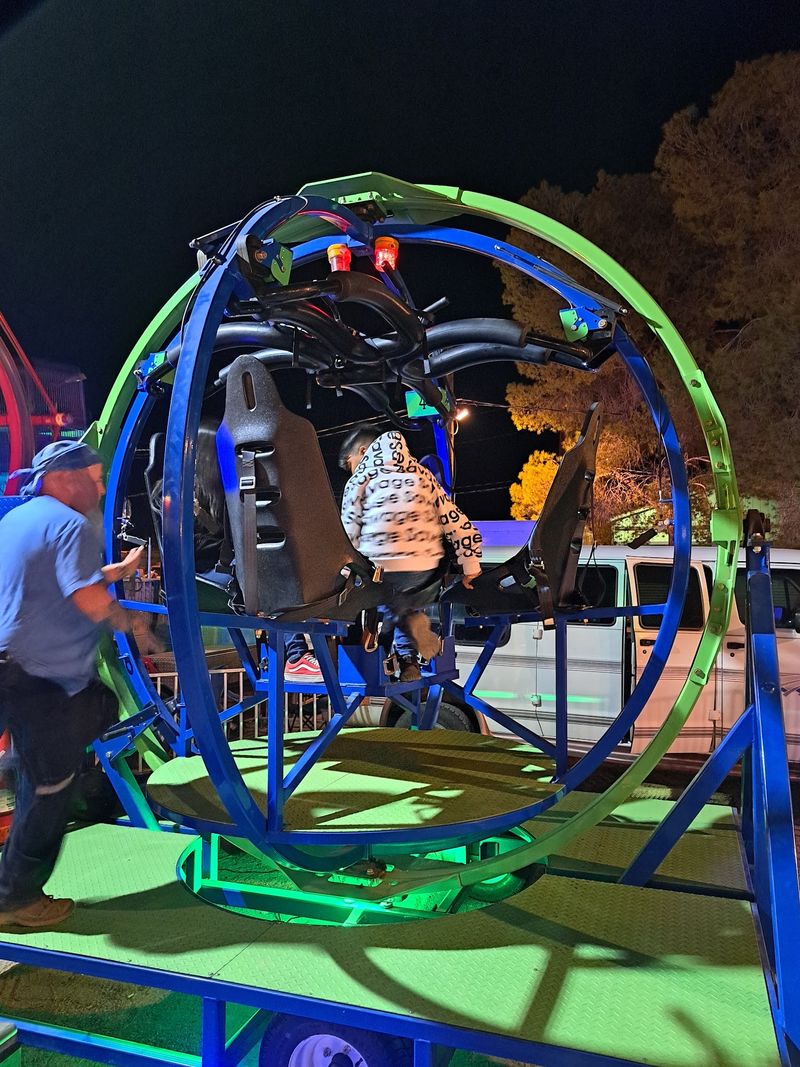
Shopping is not the only thing on the menu here.
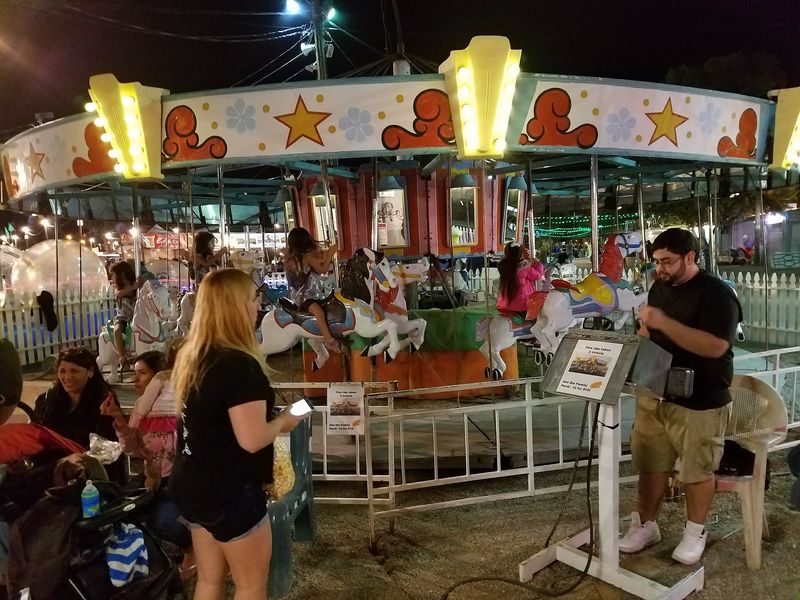
The grounds include a small amusement area with motion rides. There is also a petting zoo near one end of Aisle 4.
Live music shows up on some nights too. It adds a fun soundtrack to the food area and gives people a reason to linger.
Opinions on the rides are mixed. Some guests find them dated, so parents may want to take a look before buying tickets.
Even so, kids tend to treat the whole market as an adventure. Open aisles, snacks, and random toys make for an easy evening out.
The family angle is part of why the swap meet became a Tucson ritual. Generations have grown up making weekend memories in these rows.
Let the little ones pick one stop. It keeps the night moving and gives them a story to tell.
The After-Sunset Rush
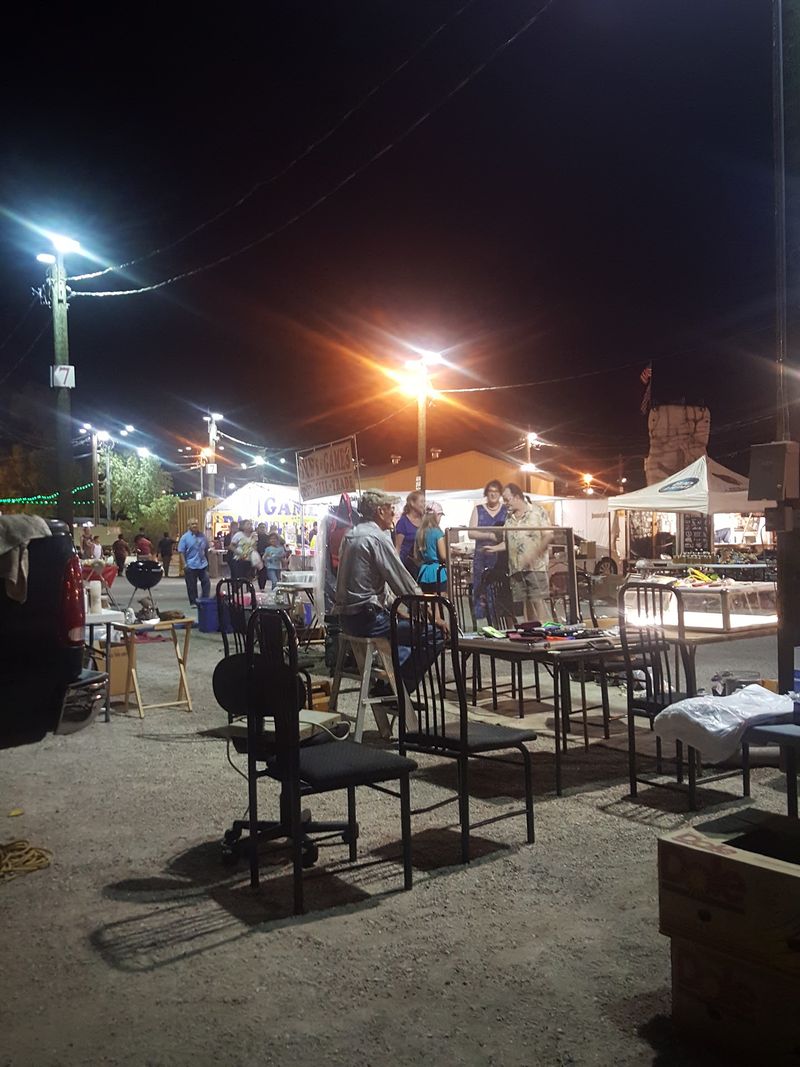
Timing matters more here than almost anywhere else in town.
Gates may open earlier, but the crowds follow the sun. Most shoppers do not show up until 5 or 6 pm, especially in the warmer months.
After about 7 pm, the place gets lively. That is when the most vendors are set up and the aisles fill with people.
Midday tends to be quiet, with only a handful of sellers open. Arriving at 11 am on a Saturday can mean a mostly empty market.
Saturday nights usually have more vendors than Fridays. Sunday turnout can be thin, so plan accordingly.
Many sellers arrive early to claim a spot, then leave and come back in the late afternoon. That rhythm explains why the early hours feel so slow.
The takeaway is simple. Treat this as a night market, and you will see it at its best.
Rough Edges and Real Character
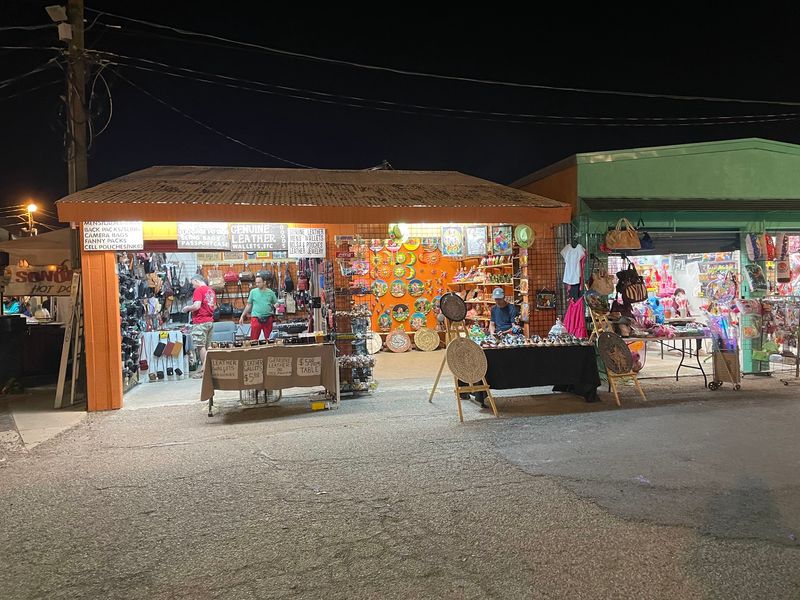
Polished, it is not, and nobody here is pretending otherwise.
The grounds show their age. Faded paint, older buildings, and dirt vendor areas are part of the landscape.
Shade and misters are limited. That is a big reason crowds wait for evening before showing up.
Restroom conditions have drawn complaints at times. Some sellers have also raised concerns about lighting and electrical upkeep.
On the flip side, the rough edges give the market a rogue, anything-can-happen personality. Many fans describe it as weird, wild, and different from the trendy markets in bigger cities.
It is not a curated vintage boutique with racks of 1970s fashion. It is a working swap meet, with all the surprises that come with that.
Go in with realistic expectations. The charm is in the chaos, not the paint job.
What Sellers Should Know
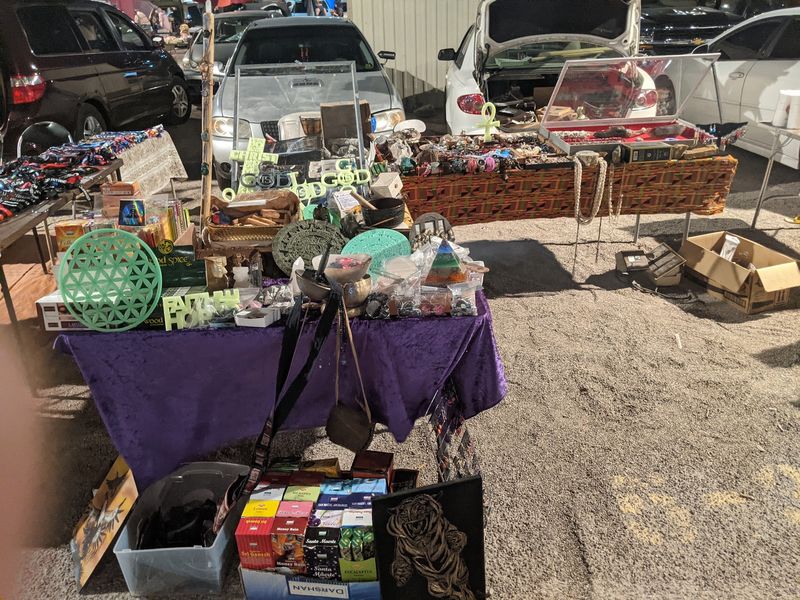
Thinking about clearing out the garage? The market welcomes sellers, but a little planning helps.
Space rental runs around $30 to $40, with $36 commonly noted for a Saturday. Tables rent for about $5 each.
Extra items or a parked vehicle in your area may count as an additional space. Ask staff about the rules before you unload.
Since buyers arrive late, many sellers grab their spot around 11 am or noon. They then return around 3 or 4 pm to catch the evening traffic.
Results vary. Some sellers break even, while others enjoy the atmosphere enough to come back once or twice a month.
Lower-priced goods and practical items like tools tend to move better. Higher-priced pieces can be harder to sell here.
Bring change, water, and patience. The sale might be slow at first, then pick up fast once the lights come on.
Who Will Love This Market
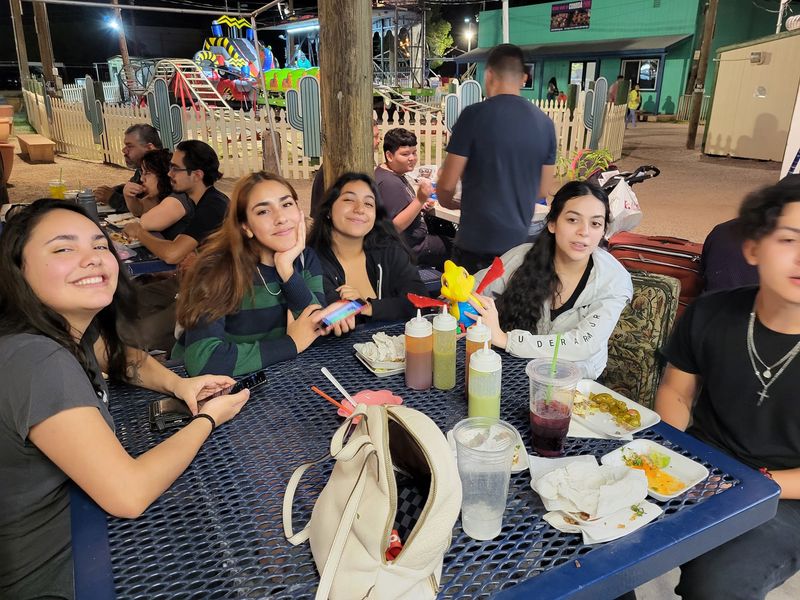
Certain people light up the second they pass the gate.
Bargain hunters top the list. Anyone who enjoys sifting through piles for one great find will feel at home.
Collectors do well here too, especially those chasing toy cars, tools, or quirky decor. Weekly regulars treat the aisles as a personal hunting ground.
Families looking for a cheap night out can stroll, snack, and let kids explore. Night owls who prefer outings after sunset are another natural fit.
On the other hand, shoppers wanting tidy, curated vintage may leave disappointed. Some people feel thrift stores or garage sales offer better odds.
The market rewards curiosity more than a strict shopping list. Regulars advise showing up without a plan, because the place will rewrite it anyway.
Match your mood to the market. Loose plans tend to bring the best surprises.
Hours, Fees, and Smart Timing
A little homework saves a wasted trip.
Posted hours are Friday from 3 to 11 pm, Saturday from 11 am to 11 pm, and Sunday from 2 to 10 pm. The market is closed Monday through Thursday.
Actual activity often starts much later than the posted opening. Many vendors are not open until 5 or 6 pm.
Sunday openings can be less reliable. Holidays may also bring fewer open shops, so lower your expectations on those days.
Admission is $2 per person at the gate. Entry is generally non-refundable, so arriving at the right time matters.
Weather can change things quickly. Rain can shut down vendors, so check the sky before heading out.
The official website is tanqueverdeswap.com. A quick look before leaving home can help confirm the current schedule.
A Tucson Ritual Worth a Saturday Night
Some places earn loyalty by being perfect. This one earns it by being itself.
The Tanque Verde Swap Meet is unpolished, unpredictable, and very much a Tucson original. It mixes bargain tables, food trucks, family memories, and plenty of surprises.
It has its flaws, from aging buildings to slow early hours. Even longtime fans admit it is not quite the packed scene of years past.
Yet on a busy Saturday night, the old energy returns. Aisles fill up, music plays, and people haggle over tools, hats, and toys.
Bring cash, wear good shoes, and show up after the sun goes down. Keep your expectations flexible and your eyes open.
The best finds here are rarely planned. Sometimes the prize is a $4 pair of shades, and sometimes it is simply a good night out in your own backyard.


