
Affiliate disclosure: As an Amazon Associate I earn from qualifying purchases. Learn more
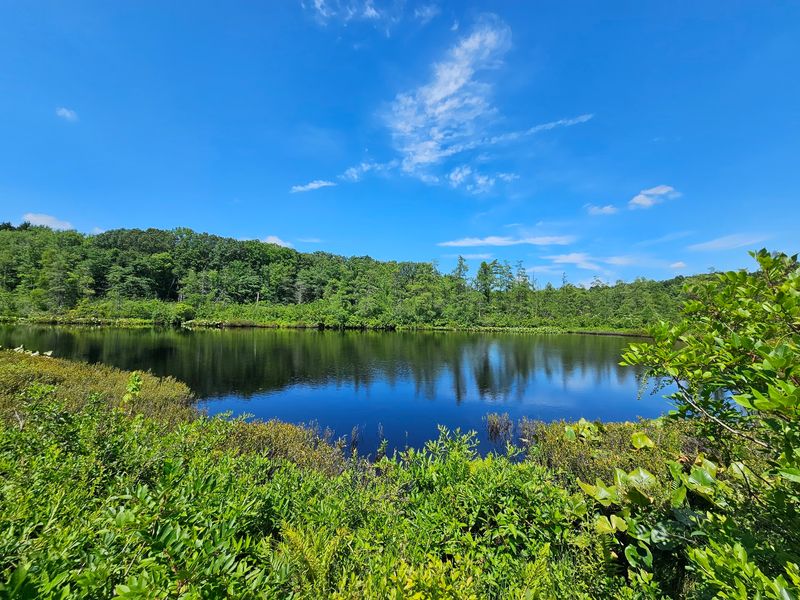
Ohio hides a landscape older than almost anything you can drive to in a single afternoon. Tucked away near a busy college town sits a cold, deep lake ringed by a floating mat of moss that has been slowly forming since the last great ice sheets pulled back.
Carnivorous plants grow here, tamarack trees lean over the water, and a short boardwalk lets you walk straight into a world that feels frozen in a much earlier chapter of time. Most people drive right past without ever knowing it exists.
That quiet mystery is exactly what makes it worth finding, and this article will guide you through its story, its plants, its wildlife, and the practical details you need before you go.
A Glacial Secret Near Ravenna
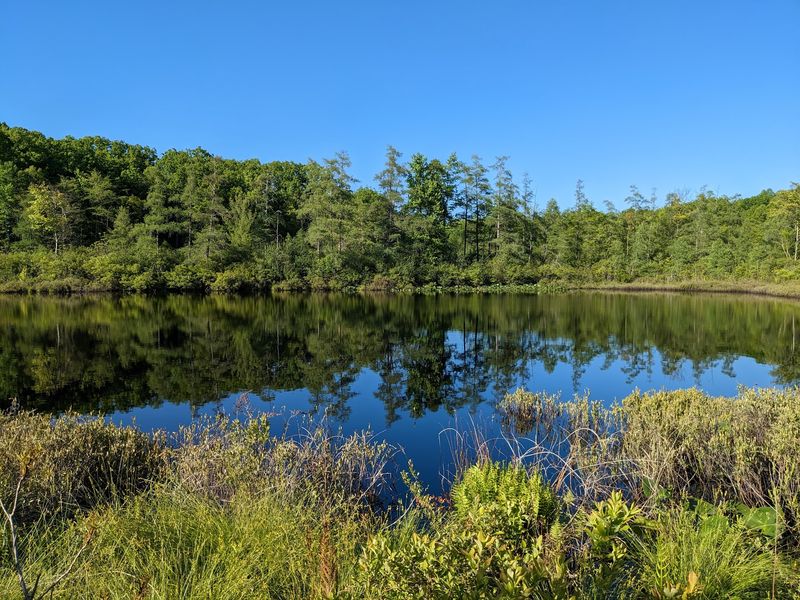
Roughly 61 conserved acres wrap around a glacial kettle-hole bog at Triangle Lake Bog State Nature Preserve, found in Ravenna, Ohio, 44266. The land is managed as part of the Ohio state nature preserve system.
The lake at its heart traces back about 12,000 years, formed when a chunk of ice from a retreating glacier left behind a deep depression. Over the long stretch of time since, sphagnum moss and other bog plants crept in to build the spongy world you see today.
What sets it apart is how little it announces itself. There are no big signs shouting for attention, no crowds jostling for space, just a quiet pocket of ancient Ohio waiting for anyone curious enough to look.
The preserve packs forest, shrubs, and open water into a compact area, all tied together by a short trail. It rewards the kind of traveler who slows down and pays attention to small things.
The Story Written In Ice
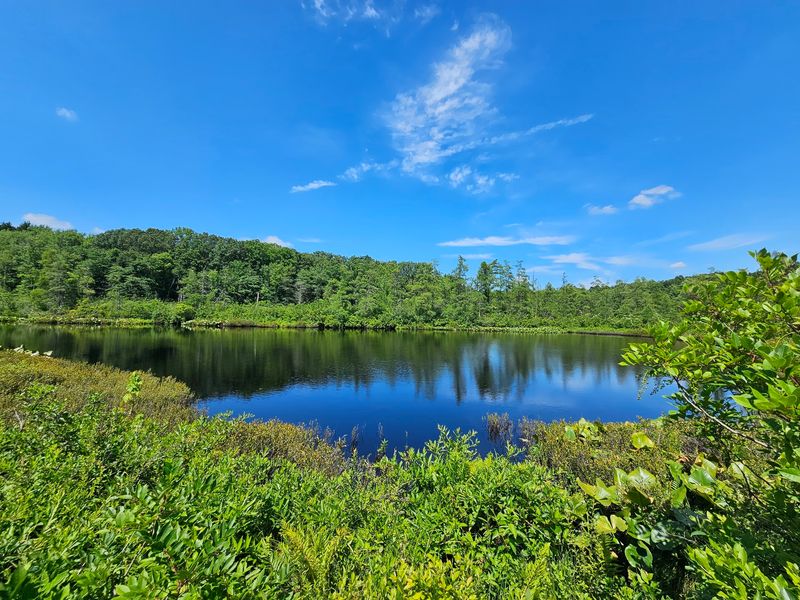
Long before Ohio had roads or towns, sheets of ice covered much of the region. When those glaciers began their slow retreat, they left calling cards behind, and this bog is one of them.
A buried block of ice melted in place and carved out a deep, water-filled basin known as a kettle hole. Cut off from streams and fed mostly by rain, the water stayed cold, still, and low in nutrients.
Those conditions set the stage for something rare. Instead of the usual pond plants, acid-loving moss took hold and slowly spread across the surface, forming a floating mat that thickens year after year.
The result is a living record of deep time. Standing near the water, you are looking at a process that started when mammoths might still have roamed the continent.
Geology and biology fans find plenty to appreciate here, since the bog explains itself the moment you understand how it was born. It is history you can walk beside.
The Boardwalk That Steals The Show
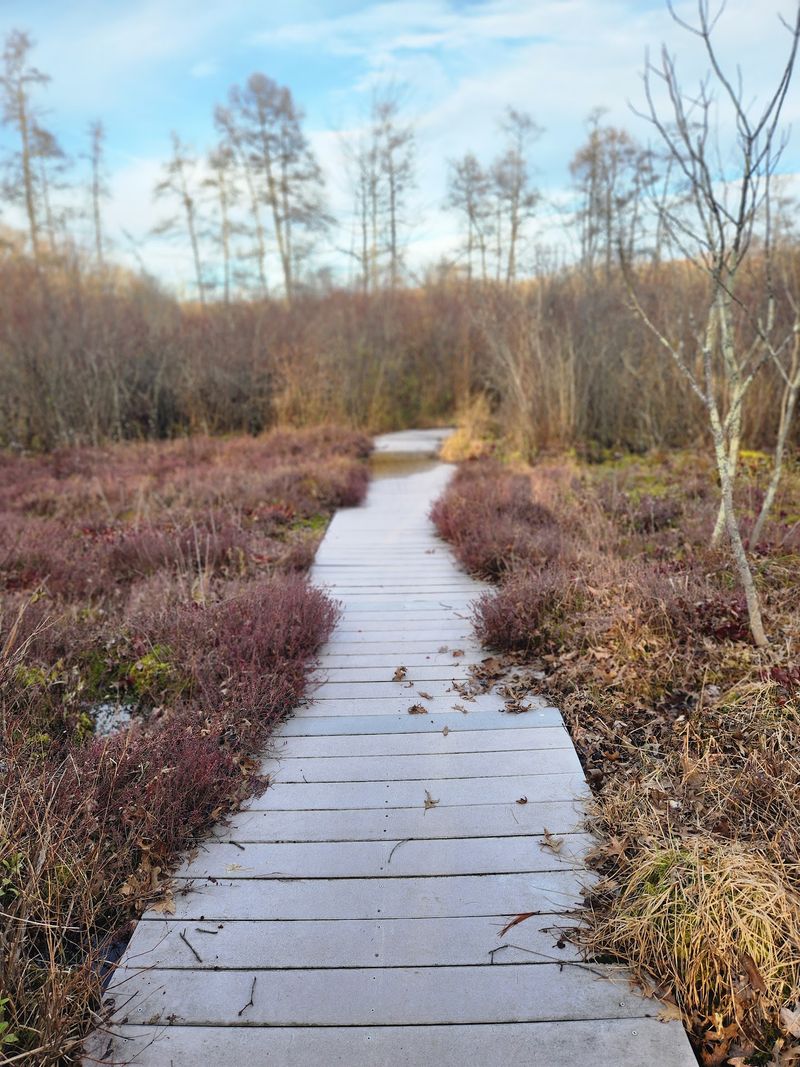
The trail begins on a paved access road that leads down toward the bog, and honestly, it does not look like much at first. Regulars say the smart move is to hold your judgment until you reach the boardwalk.
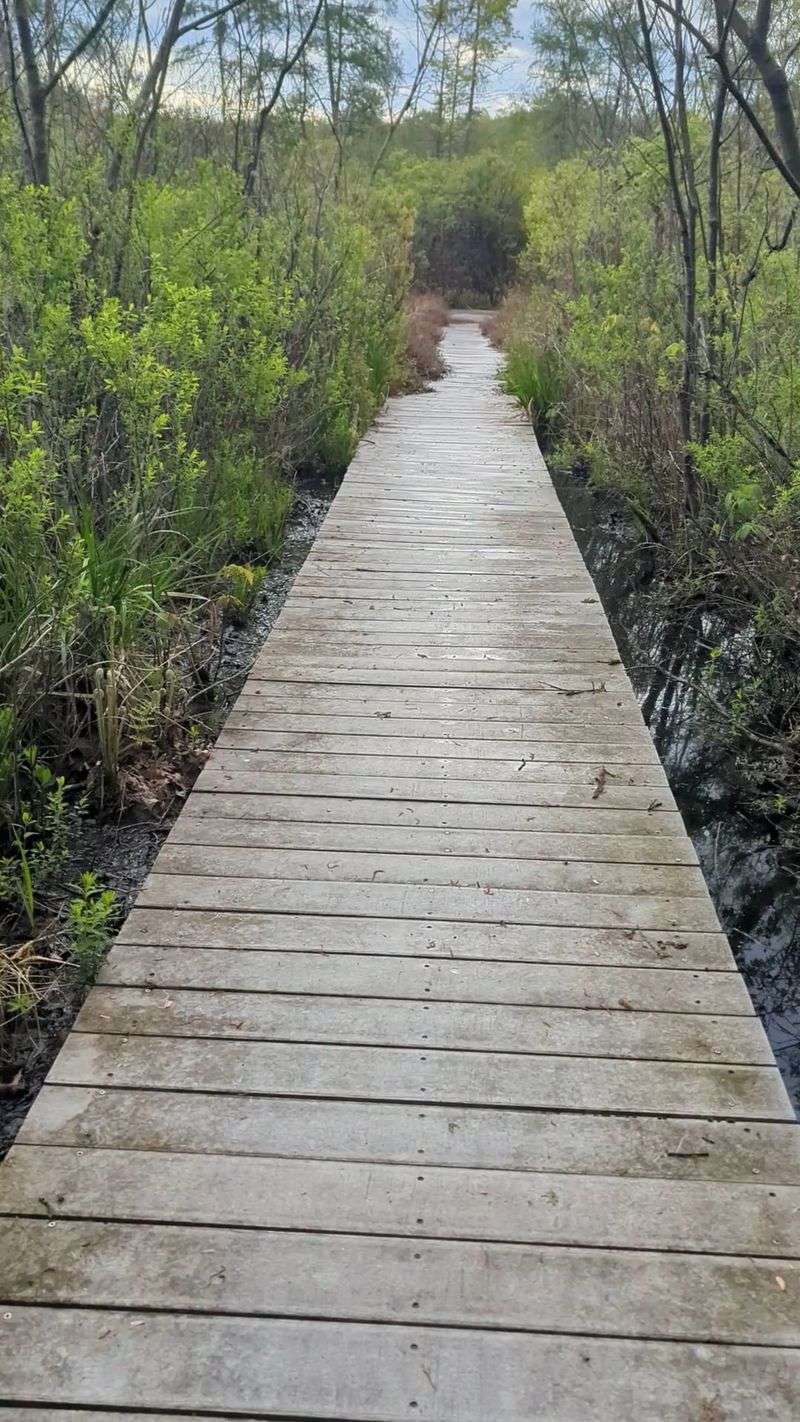
Once the planks appear, the whole visit changes. The wooden path carries you out over the spongy mat and around the water, letting you stand in the middle of a landscape you could never safely cross on foot.
About half the loop is dirt or gravel, and the other half is boardwalk. That mix keeps the quarter-mile route interesting without ever feeling long or tiring.
A word of caution that comes up often: after rain, water can lap up over the planks. Some folks turn their loop into an out-and-back rather than test soggy boards, and that is a perfectly reasonable call.
Dry weather makes the full loop easy and pleasant. Either way, the boardwalk is the part people remember most.
Meet The Carnivorous Pitcher Plants
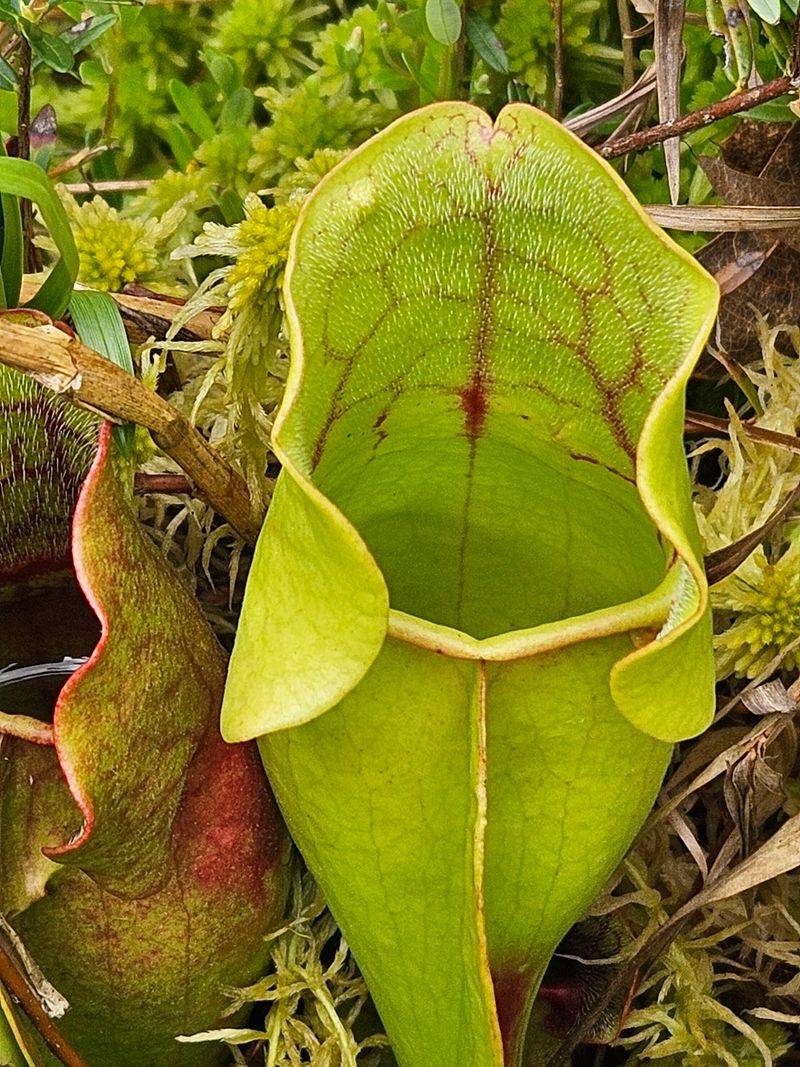
Not every plant here waits politely for sunlight and rain. Pitcher plants, which trap and digest insects, grow throughout the bog and count among its biggest draws.
People come specifically to find them, and when they bloom, the trip feels like hitting the jackpot. They thrive in the low-nutrient, acidic conditions that would defeat most ordinary greenery.
The preserve mentions these carnivorous plants often, and for good reason. Seeing them growing wild in Ohio, rather than in a greenhouse, feels genuinely unusual.
Tamarack trees add to the strangeness. Unlike most conifers, tamaracks drop their needles each autumn, giving the shoreline a look you will not find in a typical Ohio woodland.
There is one firm rule that everyone repeats: do not pick anything. These plants are fragile and will not survive being removed, so admiring them where they stand is the only way to enjoy them.
Bring curiosity and leave everything else untouched.
Wildlife You Might Spot Along The Way
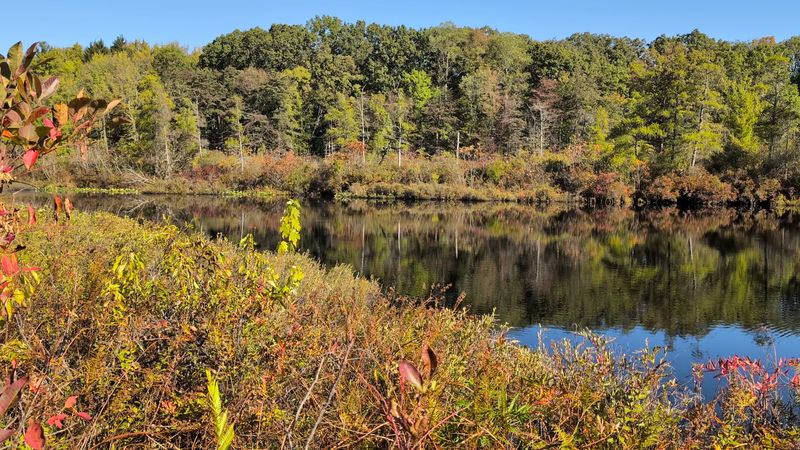
Birdwatchers treat this little preserve as something of a personal treasure. The mix of water, forest, and shrub attracts plenty of feathered residents, and blue herons turn up along the water more than once.
Frogs and bullfrogs are part of the soundtrack, especially near the pond in the back. They give the place a lively, active feel even when no other people are around.
Beavers have been noticed working the area too, and there is talk of river otters being spotted here, which would be a real prize for anyone lucky enough to catch a glimpse.
Snakes also live here, so watching where you step is simple common sense rather than cause for worry. The wildlife thrives precisely because the habitat has been left largely alone.
Every trip seems to turn up something a little different depending on the season and the day. That element of surprise keeps people coming back to see what shows up next.
A Quiet Refuge For Every Season
Calm is the defining quality here. The bog stays hushed and still, offering the kind of quiet that invites you to slow your pace and simply pay attention.
Autumn earns special praise, when the surrounding trees turn and the whole preserve takes on a warm, golden mood. Many make a point of returning in fall just for that shift in scenery.
The place suits a lot of different people. Families appreciate that the trail is short and manageable, which makes it friendly for kids and for anyone who prefers an easy, gentle walk.
It also works nicely as a peaceful outing for a couple looking for a calm afternoon together. The setting leans toward reflection rather than rowdy activity.
Because it looks different across the seasons, some folks aim to visit in spring, summer, fall, and winter to catch each version. Each round brings its own small discoveries, so no two trips feel quite the same.
Getting There And What To Know Before You Go
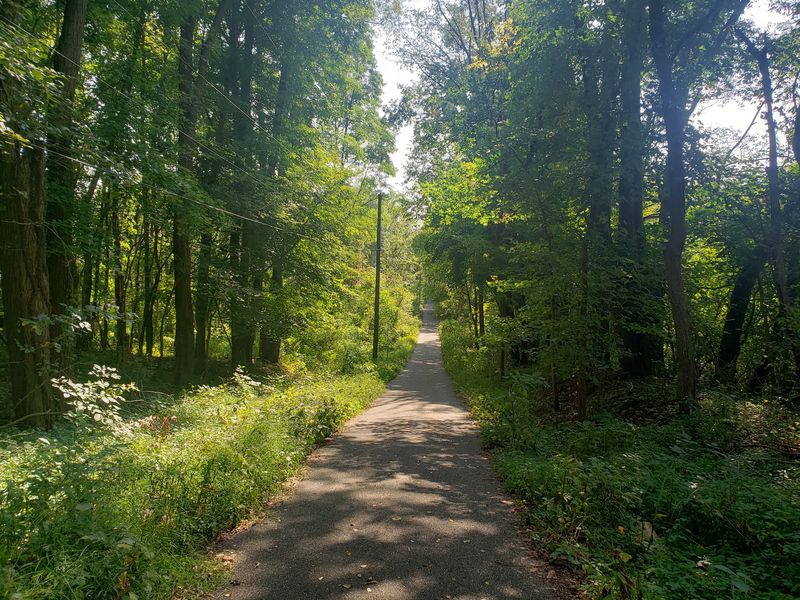
A long paved access road leads from the entrance down toward the bog and the loop trail. It is well maintained, and the gravel path that follows keeps footing steady on the non-boardwalk portions.
Parking is the main thing to plan around. There are only a few spaces, and the entrance road runs one way in and out, so arriving when it is quieter helps avoid any squeeze.
There are no restrooms on site, so it is wise to take care of that before you arrive. Packing bug spray is another tip that comes up regularly, especially in warmer months.
Dogs are not allowed, which helps protect the sensitive habitat. Sticking to the trail and leaving all plants in place keeps the bog healthy for the next curious traveler.
You can check current details and hours through the Ohio Department of Natural Resources website before heading out. A little preparation makes the short visit smooth and stress-free.
Why This Hidden Bog Deserves A Detour
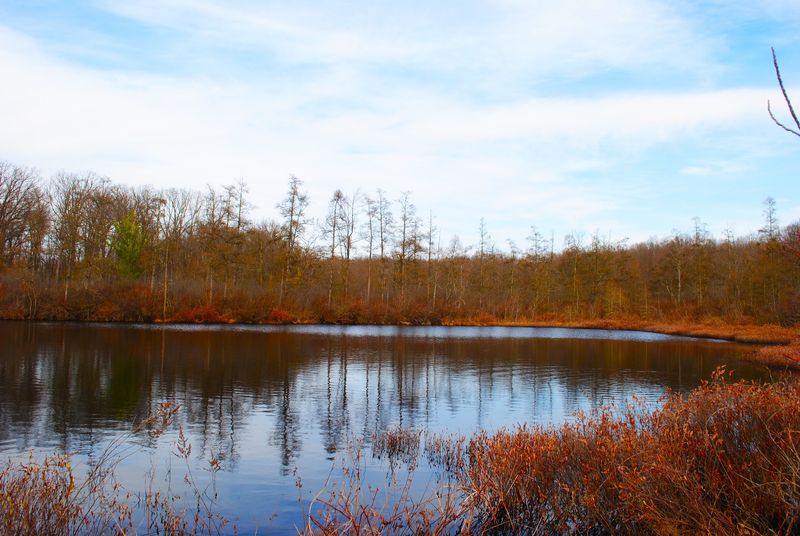
The payoff arrives at the viewing platform, where the trail opens onto the water and the bog reveals itself all at once. That overlook is widely considered the highlight, and the view across the lake earns steady admiration.
Holding a strong 4.6-star average across nearly 200 opinions, the preserve clearly leaves a lasting impression despite its modest size. People often describe leaving with the sense that they found something special that most travelers miss.
Pairing it with nearby West Branch State Park is a popular way to fill out a full day, since that park offers more trails just a short drive away. Together they make a satisfying outdoor outing without much driving.
Small, quiet, and remarkably old, this bog rewards anyone willing to seek it out and step onto the boardwalk. It proves that some of Ohio’s most memorable places are the ones that never ask for the spotlight.
Add it to your list, tread lightly, and let a 12,000-year-old landscape do the rest.