
Affiliate disclosure: As an Amazon Associate I earn from qualifying purchases. Learn more
Some California towns chase headlines, and some just keep their porch lights on and wait for the world to notice. When the praise finally arrived for one Central Valley city, the locals mostly shrugged and went back to their Saturday plans.
They already knew about the century-old arch over the main drag, the lake park where kids still learn to paddle, and the winter skies full of big gray birds. They also knew that a regular family can still afford to put down roots here, which feels rarer every year in this state.
This article walks through the history, the parks, the downtown, the practical travel details, and the small-town habits that make residents so calm about the news. Stick around, because the best part of this story is how ordinary life here still feels in the best possible way.
A Valley Town With a Famous Name
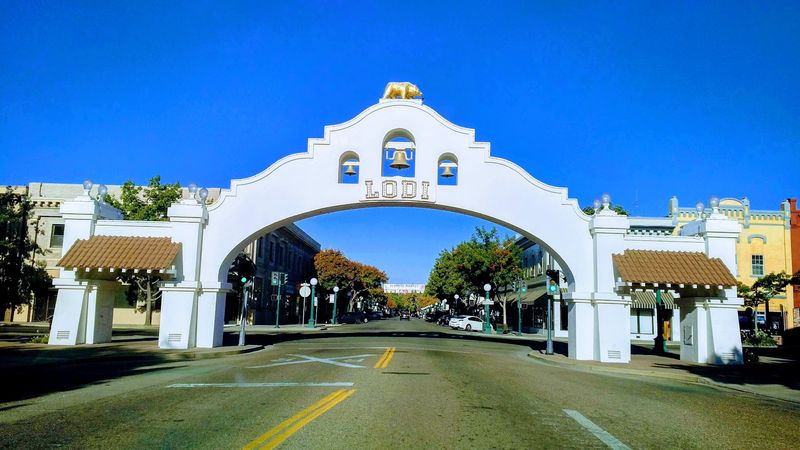
Plenty of people know the name before they ever find it on a map. The town is Lodi, a city in San Joaquin County, California, USA, sitting in the center portion of the state’s Central Valley.
That middle-of-everything spot is a big part of the appeal. Lodi sits between Sacramento to the north and Stockton to the south, so bigger city errands are never far off.
Yet the town itself keeps a scale that feels manageable. Streets are laid out in a sensible grid, neighborhoods sit close to the downtown core, and farmland begins right where the houses end.
Locals tend to describe it as a place where you can still run into your old teacher at the hardware store. Newcomers often arrive expecting a sleepy farm town and find a full city with its own schools, parks, and civic life.
The city keeps its official information at lodi.gov, which is the best starting point for anyone checking events, parks, or services before a trip.
So where did all this hometown confidence come from? The answer starts with a few numbers and a lot of history.
The Numbers Behind the Hometown Feel
Sixty-six thousand, three hundred forty-eight. That was Lodi’s population at the 2020 census, and it lands in a sweet spot that many Californians quietly wish for.
A city that size is big enough to support real amenities. It has grocery options, medical care, schools, and community programs without the gridlock that wears people down in larger metros.
It is also small enough that faces become familiar. Parents recognize each other at youth games, and the same families show up at the same parades year after year.
For older Californians who remember when most towns in the state felt like this, Lodi can read like a time capsule that still works. The grid of older homes near downtown speaks to a city that grew steadily rather than all at once.
Growth has come, of course, as it has everywhere in the valley. Still, the city has managed to keep a recognizable center instead of dissolving into endless strip development.
Statistics only explain so much, though. The real personality of a place shows up in the landmarks residents point to first, and in Lodi, one of those stands right over the street.
An Arch That Has Welcomed Folks Since 1907
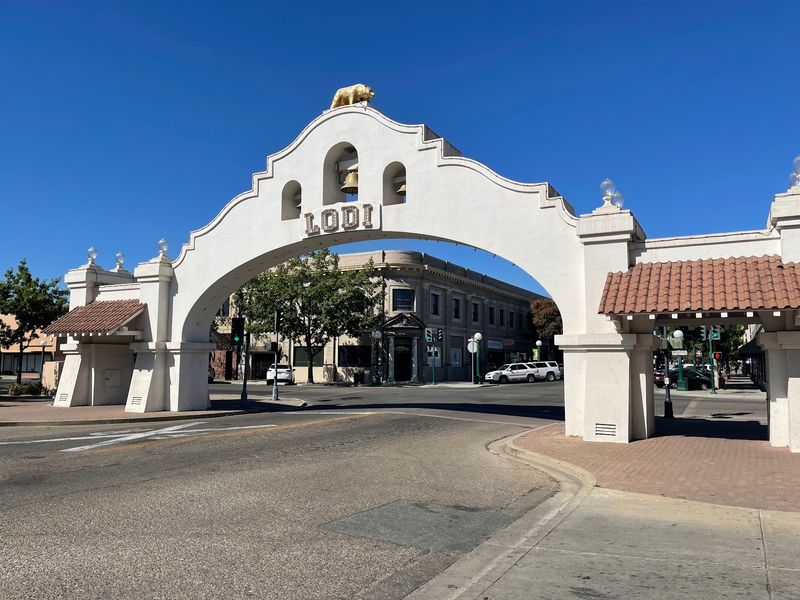
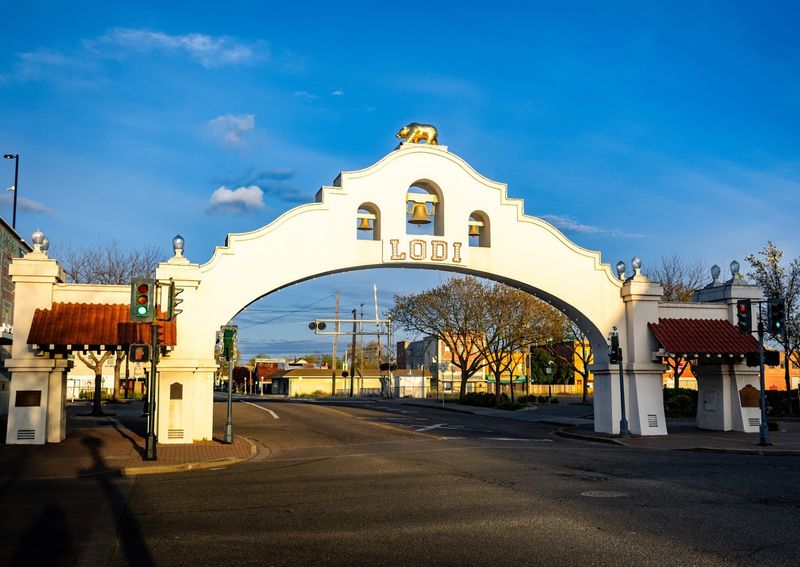
Back in 1907, the town built a grand entrance for a harvest celebration, and it never took it down. The Lodi Arch, a Mission Revival structure spanning the street downtown, has been part of daily life ever since.
It is recognized as a California Historical Landmark. That status matters to a community that values its past instead of bulldozing it.
The arch is the kind of landmark that ends up in family photos across several generations. Grandparents posed under it, and now their grandkids do the same on their way to lunch or a parade.
Few downtowns in the state can claim a gateway that has stood for well over a century. Many similar structures from that era were lost to road widening or simple neglect.
Here, it remains a working piece of the streetscape. Cars pass beneath it, and locals barely glance up, which is perhaps the highest compliment a town can give a landmark.
For a first-time visitor, it makes an easy starting point. Snap the photo, then wander the nearby blocks, because the arch is the front door to a downtown worth a slow stroll.
Downtown Blocks Built for Strolling
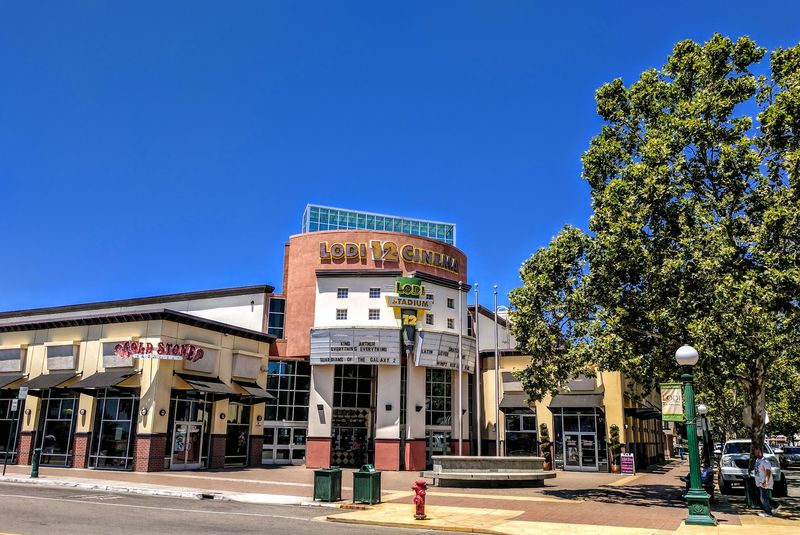
Parking once and walking everywhere is a small luxury that many California towns have lost. Downtown Lodi still offers it.
The core around the arch is compact, with older storefronts, local businesses, and sidewalks that encourage people to linger. Errands can turn into a social hour without anyone planning it.
Independent shops fill a good share of the storefronts. That mix gives downtown a personality that chain-heavy shopping centers rarely match.
Community events often spill into these streets. Farmers markets, holiday gatherings, and parades bring residents out in numbers that would surprise anyone who thinks small cities are quiet.
The scale also suits a wide range of ages. Strollers, bikes, and folks with walking canes all share the same blocks without much fuss.
Event dates change from season to season, so the city website is the smart place to confirm what is happening before making the drive.
A good downtown gives a town a heartbeat. Lodi’s also has a soundtrack, thanks to a famous rock band that borrowed its name.
A 1969 Song and an Unexpected Claim to Fame
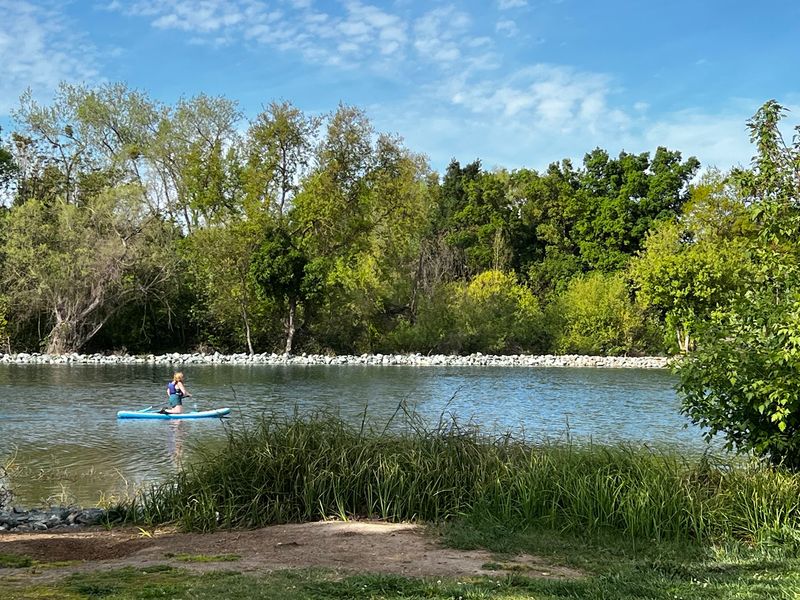
Ask anyone over sixty about Lodi, and there is a decent chance they start humming. Creedence Clearwater Revival released a song called “Lodi” in 1969, and it gave the town a name recognition most small cities never get.
The song is about a musician stuck in town, which is a funny twist for a place that so many people now want to move to. Residents have long taken the joke in stride.
Over the decades, the tune turned into a kind of calling card. Travelers passing through on the highway would spot the exit sign and remember the chorus.
That bit of pop culture history connects with Californians who grew up with the radio on in the family car. It is a shared memory that crosses generations in a way few towns can claim.
Today the song feels less like a complaint and more like a nostalgic wink. Being stuck in Lodi, many locals would argue, is not much of a hardship at all.
Music aside, the place people truly get stuck is outdoors. A riverside park keeps families coming back every summer.
Lodi Lake and the Mokelumne River
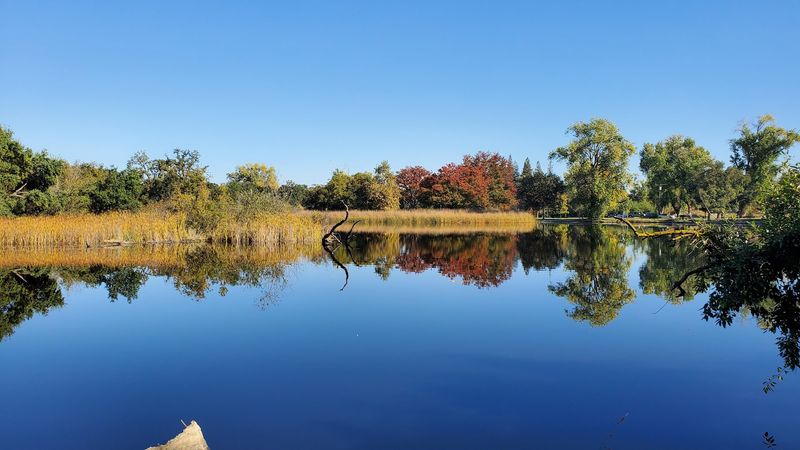
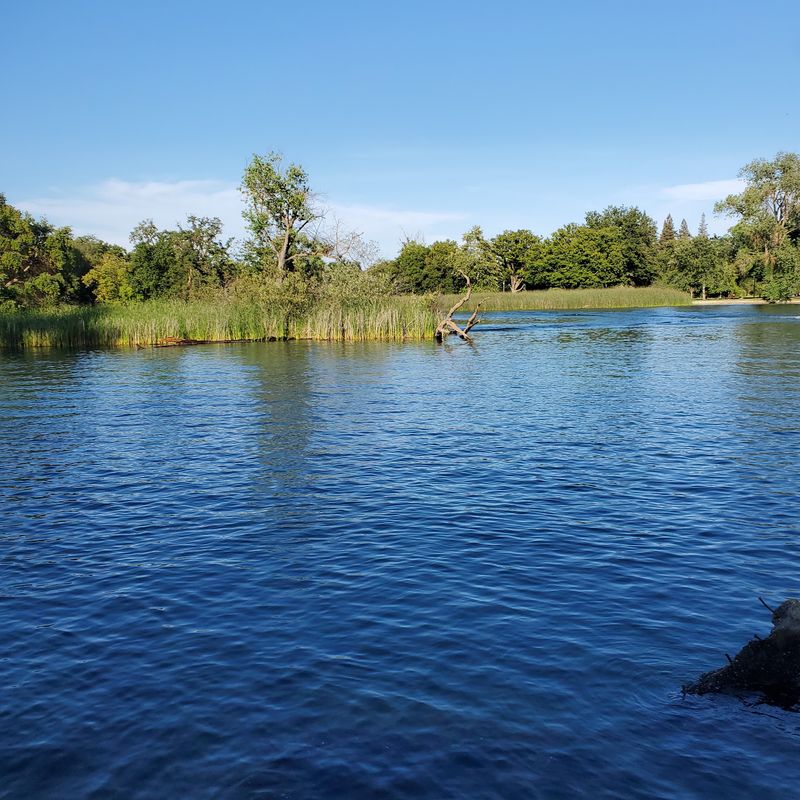
Summer in the valley gets hot, and Lodi has a built-in answer. Lodi Lake Park sits along the Mokelumne River on the city’s edge.
The park is a longtime favorite for families. It offers a place to swim during the warm season, paddle the calm water, picnic under big trees, and walk the nature trails near the river.
Boat rentals have been available in past seasons. Operating schedules and fees can change, so it is wise to check the city website for current details and any entry charges, which have traditionally been modest.
What makes the lake special is how close it sits to everyday life. Families can head over after work without planning a full day trip.
For many residents, this was the spot where they learned to swim or paddle as kids. Now they bring their own children, keeping a local tradition rolling forward.
That kind of easy access to the outdoors is a big reason people stay put. And come winter, the most impressive outdoor show in the area takes place in the sky above the fields.
Winter Visitors With Very Long Legs

Every fall, thousands of sandhill cranes return to the fields around Lodi. These tall gray birds spend the winter in the Central Valley wetlands, and the Lodi area is one of the best places in the state to see them.
Wildlife areas west of town, including the Woodbridge Ecological Reserve, are known for crane viewing. Guided tours are often offered during the season, though spaces can be limited and may require advance sign-up.
The town has embraced its feathered guests. A Sandhill Crane Festival has been held in Lodi for years, bringing bird lovers together for talks and tours.
Crane season generally runs through the cooler months. Late afternoon tends to be a popular time, when the birds fly in to settle for the evening.
For families, it is an affordable outing that teaches kids something real about California’s natural cycles. No tickets to a theme park required.
Festival dates and tour availability vary each year, so check ahead. Next up is another outdoor favorite, just a short drive south of town.
Micke Grove Park Down the Road
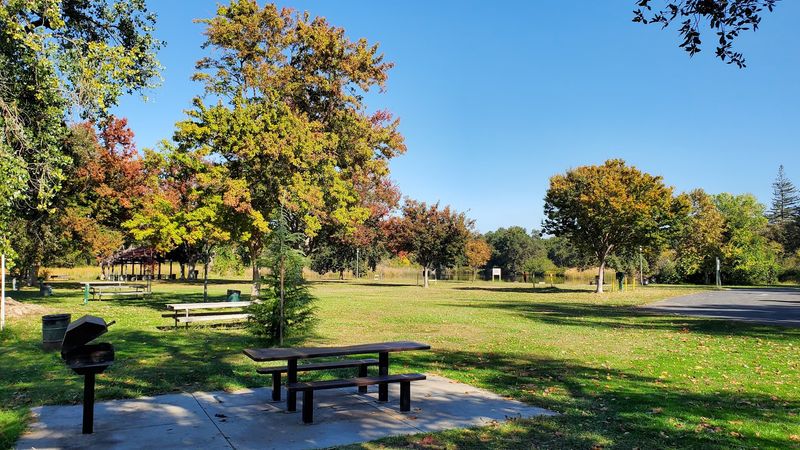
A short hop south of Lodi, a grove of old oaks has hosted family picnics for generations. Micke Grove Regional Park is a San Joaquin County park that many Lodi residents treat as their own backyard.
The park includes a small zoo, a Japanese garden, and a historical museum on its grounds. That combination makes it an easy all-ages destination.
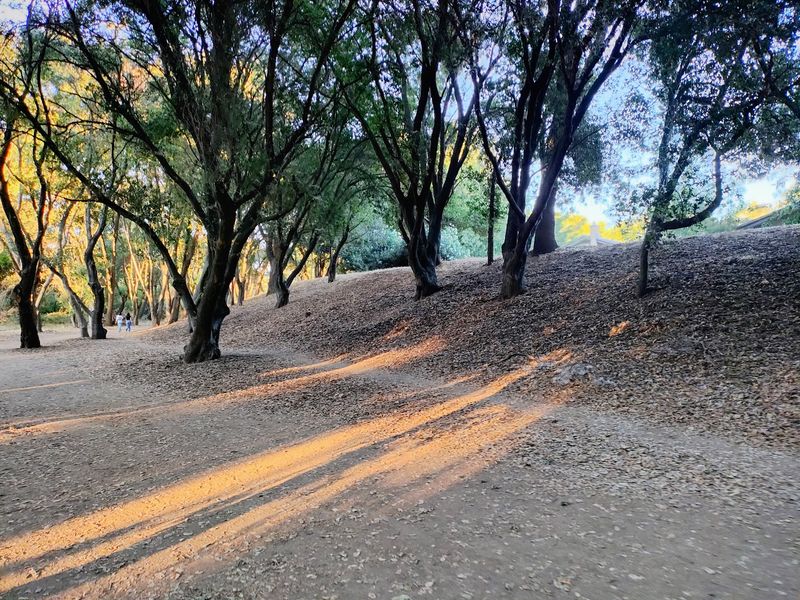
Shade is the big draw on warm days. The oak trees give families a comfortable place to spread out a blanket and stay a while.
Admission to the park and its attractions has traditionally been budget-friendly, though fees can change. Checking with San Joaquin County before visiting is a good idea.
For older locals, the park often holds memories of school field trips and birthday parties. For younger families, it offers the same simple fun at a fraction of what bigger attractions charge.
Having places like this close by adds up over time. It is one more reason the people who live here talk about value as much as charm.
Why Families Keep Choosing It
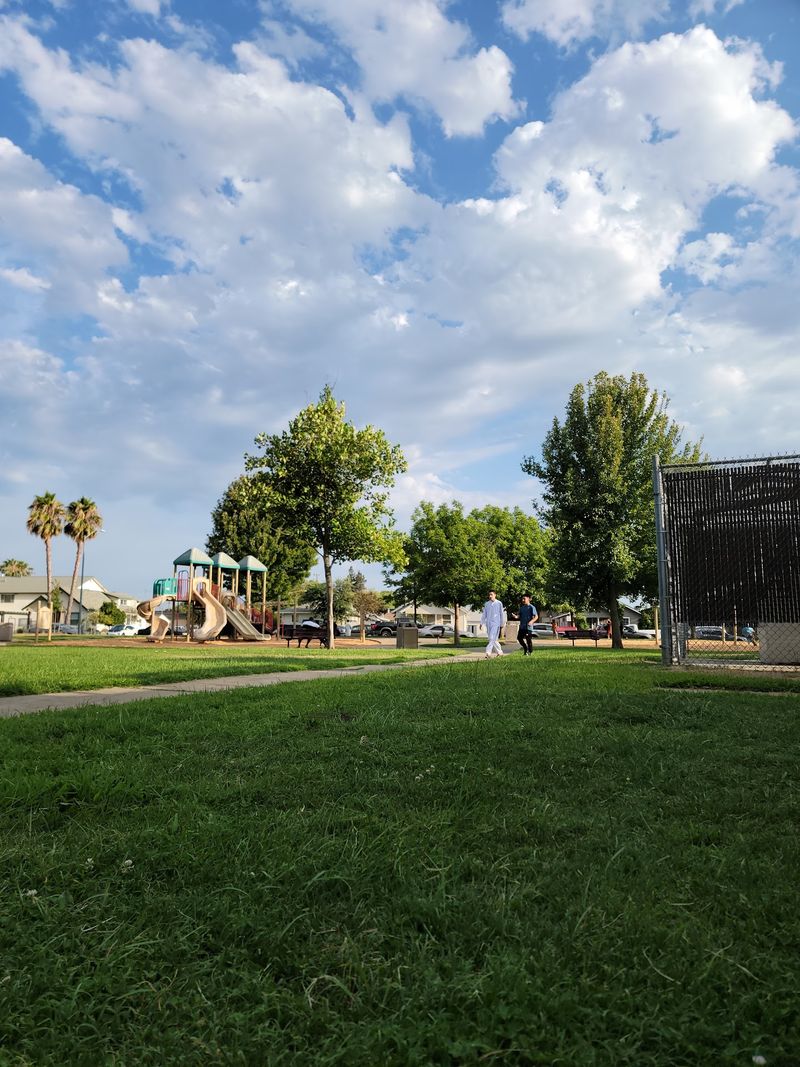
Housing costs drive a lot of California conversations, and they rarely end well. Lodi is one of the places where that conversation tends to feel a bit more hopeful.
Compared with the Bay Area and much of coastal California, home prices in the Central Valley have generally been lower. Exact figures shift with the market, so anyone considering a move should check current listings rather than rely on old numbers.
Families also point to the pace of life. Short drives, nearby parks, and community events make it easier to spend time together instead of sitting in traffic.
Retirees find a similar appeal. The town offers the services they need while keeping a familiar, old-California rhythm that many feel has faded elsewhere.
None of this means Lodi is perfect. Summers run hot, and like every California city, it faces growing pains and rising costs.
Still, the balance tends to tip in its favor for people who want space, community, and a reasonable budget. Getting here to see it for yourself turns out to be pretty simple.
Getting There Without a Headache
Few things test patience like a road trip that turns into a parking lot. Lodi is refreshingly easy to reach.
Highway 99 runs right through the area, connecting the town with Sacramento to the north and Stockton and the rest of the valley to the south. Interstate 5 runs a short distance to the west.
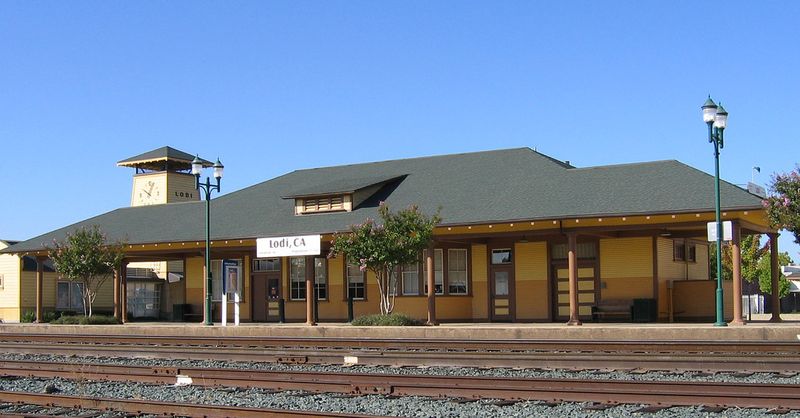
For those who would rather skip the drive, Amtrak’s San Joaquins line stops in Lodi. The train offers a relaxed way to arrive from other valley cities, and schedules are posted on Amtrak’s website.
Sacramento International Airport is the nearest major airport for most travelers. From there, the trip south takes well under an hour in typical traffic.
Once in town, getting around is straightforward. The downtown is walkable, and most parks and neighborhoods are a short drive from the center.
That convenience also explains why some residents commute to larger cities while keeping their homes here. Now for a few practical notes on timing a visit.
Timing Your Trip Like a Local
Smart timing can make a Lodi visit twice as good. Spring and fall tend to bring the most comfortable weather for walking downtown and spending time outdoors.
Summer is lake season. Expect hot valley days, so plan outdoor time for mornings or evenings and save the midday hours for indoor stops.
Winter belongs to the cranes. Bird lovers should aim for the cooler months and book any guided tours early.
The city website at lodi.gov lists community events, park information, and seasonal programs. Hours and fees at parks and attractions can change, so a quick check before leaving home saves frustration.
Weekends usually bring more activity downtown, especially during festivals and markets. Weekdays tend to be calmer for anyone who prefers a slower pace.
A little planning goes a long way here, mostly because there is more going on than first-time guests expect. All of which brings us back to that big question of why locals were not surprised.
The Quiet Confidence of a Content Town
Praise from the outside world is nice, but Lodi never needed it to know what it had. The arch has stood since 1907, the lake keeps welcoming swimmers, and the cranes keep coming back every winter.
That steady sense of continuity is rare in modern California. So many places have changed so fast that longtime residents barely recognize them.
Here, change has come at a pace people can live with. The town has grown to more than 66,000 residents while holding on to its downtown, its parks, and its traditions.
For families looking for room to breathe and retirees hoping to find a bit of the California they remember, it makes a strong case. Costs are not what they were decades ago, but the value can still feel real.
Maybe the best summary comes from the people who live here. They were never surprised by the honor, because they have been enjoying the reasons for it all along.
And if that old song ever gets stuck in your head on the drive home, it might be a sign to come back and stay a little longer.


