
Affiliate disclosure: As an Amazon Associate I earn from qualifying purchases. Learn more
Some Tucson restaurants open and close before the paint dries, but one has been feeding the city since 1922. It started with a woman running her own business at a time when that was rare, and her family still keeps it going generations later.
Beef dries on the roof, old family artifacts line the walls, and the portions are big enough to send most people home with a to-go box. Many locals know the name, yet plenty have never sat down inside the historic house that holds it.
The chimichanga gets plenty of attention here, and the history behind the place gets even more. Keep reading for the story, the seating secrets, the parking truth, and the timing tips that help a first meal go smoothly.
Arizona has a lot of legendary tables, and this one has more than a century of practice.
A Century-Old Address in Downtown Tucson
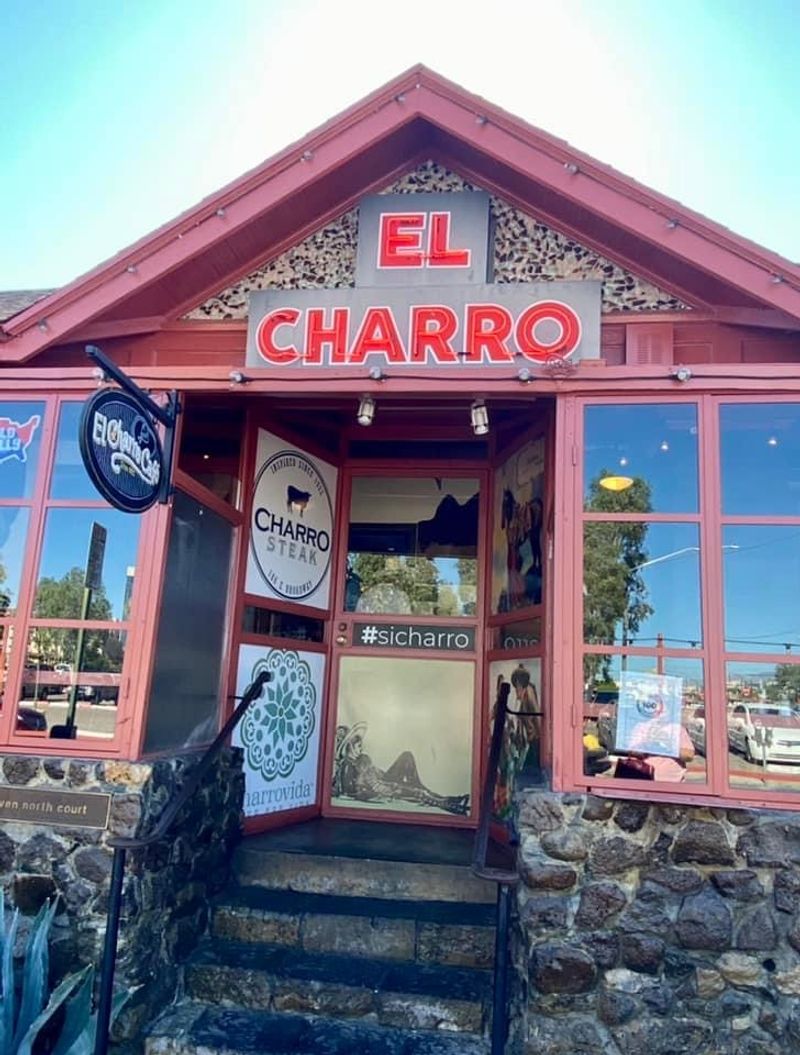
Tucson has no shortage of Mexican restaurants, but only one can claim the title of the oldest in town.
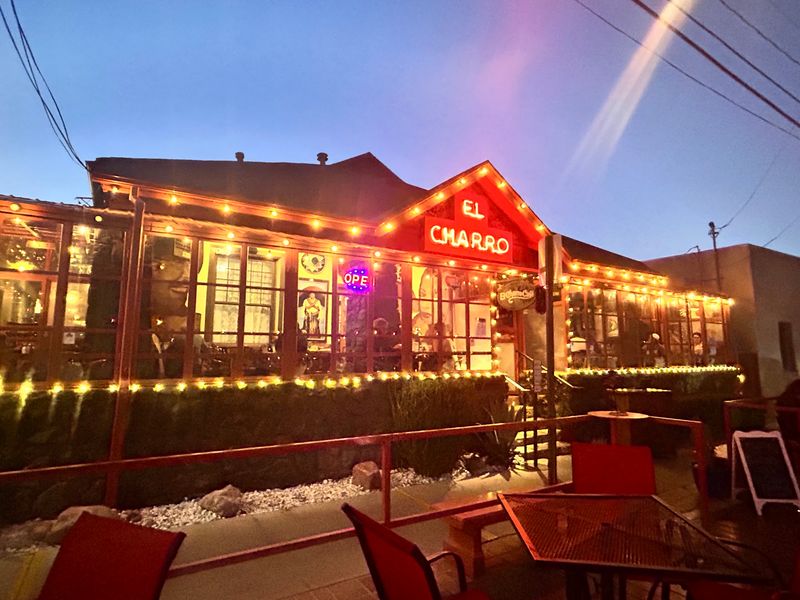
El Charro Café Downtown sits at 311 N Court Ave, Tucson, AZ 85701, in the historic heart of the city in southern Arizona, United States. The restaurant has been serving Sonoran-style food since 1922.
It is often described as the oldest continuously family-run Mexican restaurant in the country. That is a big claim for a small house on a quiet downtown street.
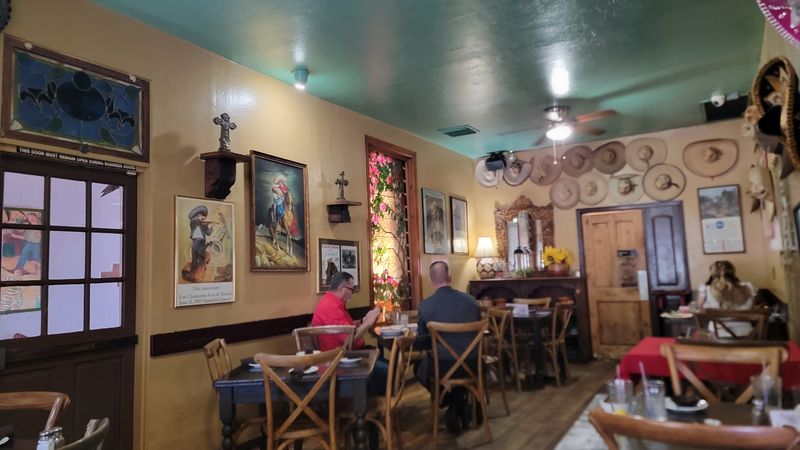
The building itself is a converted home, and the charm of that home has been carefully preserved. Diners eat in rooms that once belonged to a family residence, out on what used to be the original porch, or on the patio.
The location is handy for anyone already exploring downtown. Escape rooms and other activities sit within a short walk, so the restaurant fits easily into a day of wandering.
Locals from Phoenix have been known to call it worth the drive. For Tucson residents, it is the kind of place that turns an ordinary lunch into a small lesson in city history.
The Woman Who Started It All
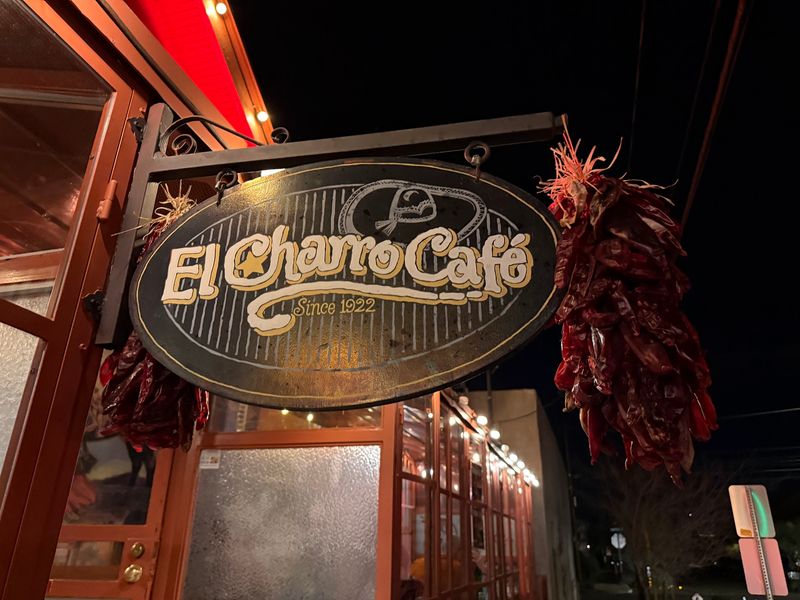
Back in 1922, a woman opening and running her own restaurant was not the usual story. That is exactly how this one began.
The business started as a woman-owned and operated venture, which made it a rarity for its time. It has stayed in the same family for generations ever since.
Today the restaurant is run by the grandniece of Tia Monica, keeping the family line unbroken. Members of the Flores family are still known for greeting guests and making them feel welcome.
That family connection shows up in small ways. Staff members often share the restaurant’s history with diners, and many seem genuinely proud of its heritage.
The menu is extensive, and some items are based on original recipes. Keeping recipes alive for this long takes more than luck.
It takes a family willing to keep showing up.
Plenty of diners mention the history as a reason they came in the first place. Some are sent by parents who visited years earlier and insisted the next generation go too.
Few restaurants can say their founding story is still being written by the same family more than a hundred years later.
An Old House With Many Rooms
Here is a fun puzzle: the restaurant dates to 1922, but the house is older than the business.
Staff members say the home was built in 1896, and a building plaque in Old Town points to 1885. Either way, the structure has been standing far longer than most of downtown’s newer spots.
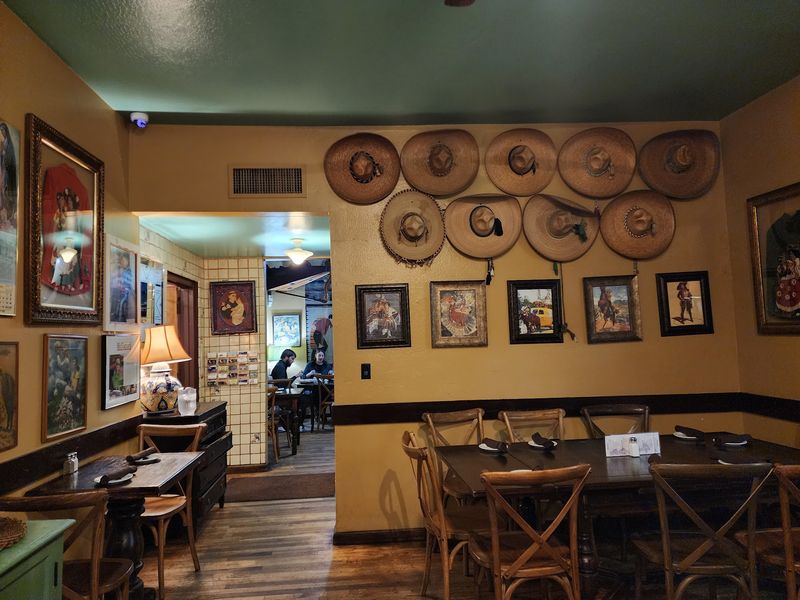
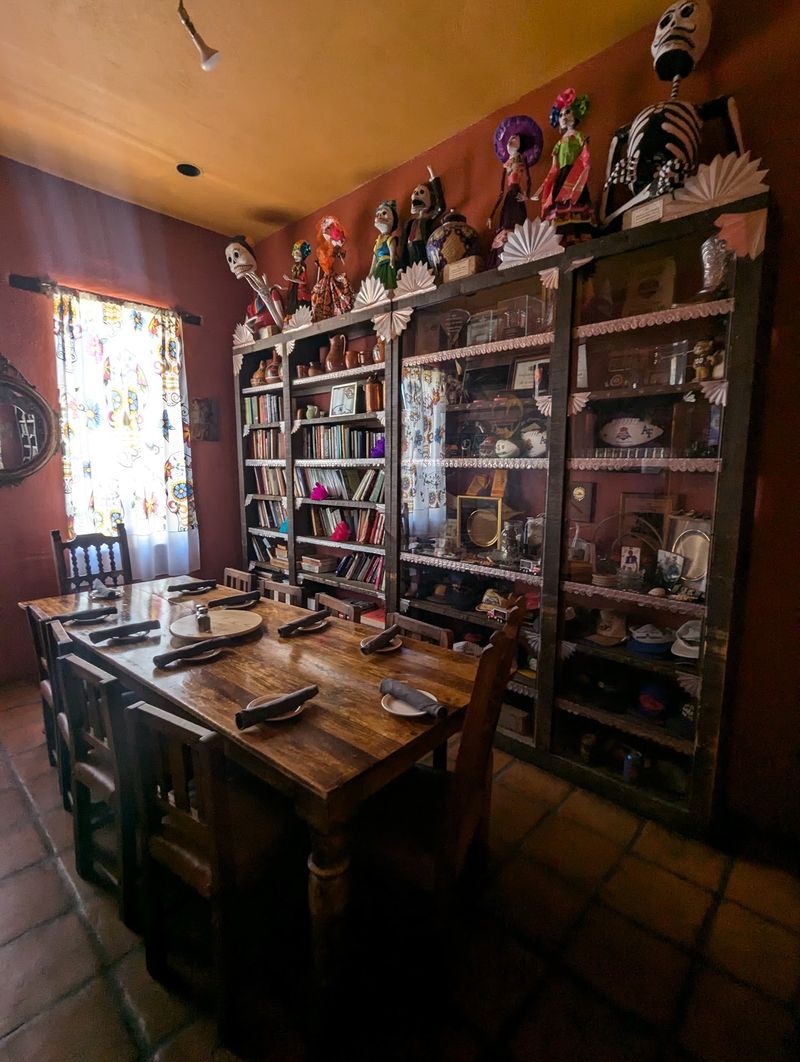
Dining here means choosing between several kinds of spaces. There are rooms inside the old homestead, the former porch, an outdoor patio, and a basement area.
The basement has a name of its own, the Down Under, and it is used for private parties. It also serves as extra seating when the main floor fills up.
Artwork and historic artifacts appear throughout the building. Many diners spend part of the meal studying the walls instead of their phones.
One popular tip is to ask for the front room by the windows. It is a favorite seat for people who want a good view of the space.
The colorful decor keeps the mood lively without hiding the bones of the old house. It feels exactly like a Mexican restaurant with deep roots should.
The Chimichanga’s Hometown Claim
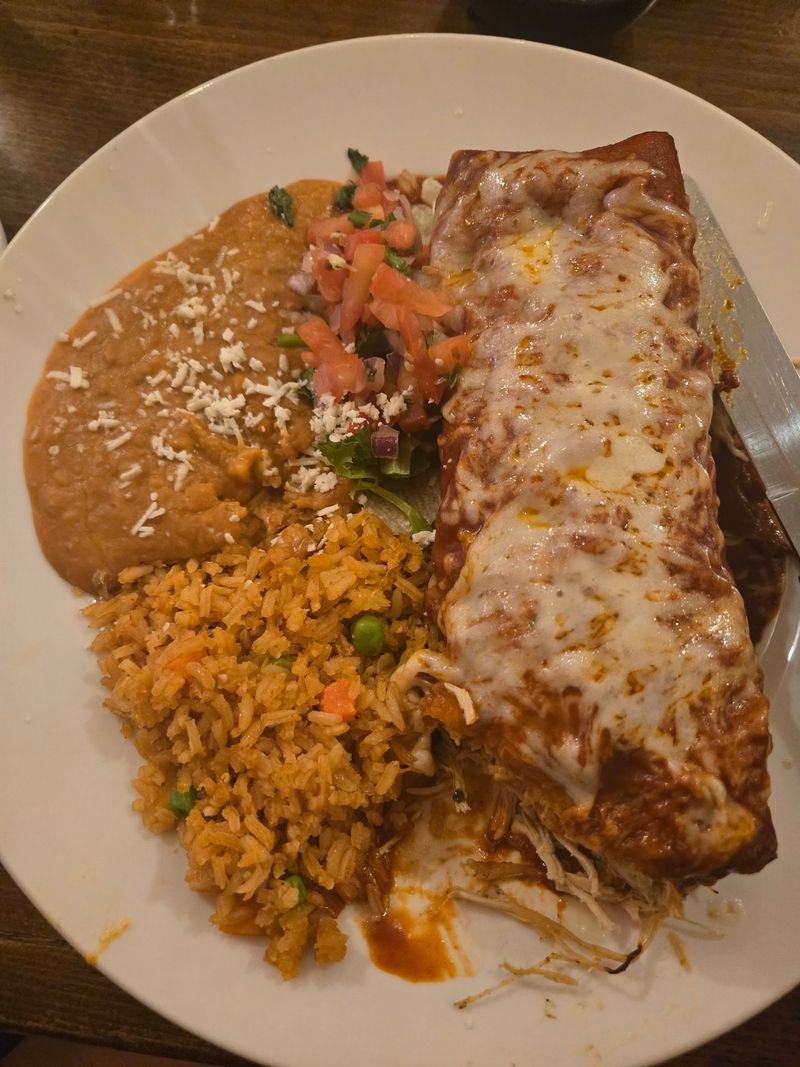
Ask around Tucson about the chimichanga, and this restaurant’s name tends to come up fast.
El Charro is widely known as the original home of the chimichanga. That reputation is a big reason the dish draws so much attention on the menu.
One popular choice is the sun dried beef chimichanga, which pairs the house specialty with the famous fried favorite. A carne asada version is another option for those who prefer a different filling.
The portions are huge. Many diners leave stuffed, and to-go boxes are a common sight at the end of a meal.
Opinions on the chimichanga do vary. Some people come away thrilled, while a few say it did not match the hype they expected.
That mix is normal for a dish with such a famous backstory. Expectations run high when a plate carries a century of legend.
The best advice is simple: order it, share the story at the table, and decide for yourself. At minimum, nobody walks out hungry, which is a pretty solid promise for any lunch.
Beef That Dries on the Roof
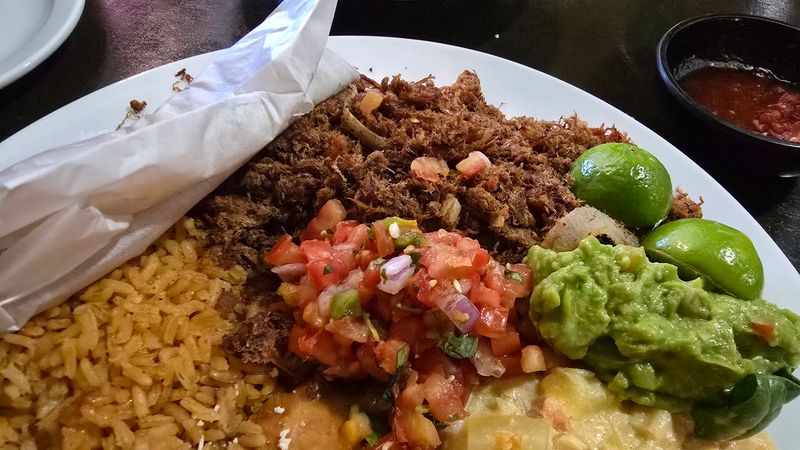
Most kitchens keep their secrets indoors. This one hangs a signature ingredient up high for everyone to notice.
Carne seca, the restaurant’s sun dried beef, is the most talked about item on the menu by a wide margin. It is dried outside, and staff members sometimes point out where it hangs on the roof.
Some servers even walk curious diners to the back patio to show where the carne seca is made. A small sample might appear if you ask nicely and they have it.
Staff explain that it is the only sun dried meat allowed to be served in a restaurant under USDA rules. That detail alone makes it a conversation starter.
The dish is so popular that it can run low on busy nights. Arriving earlier helps if it is the main reason for the trip.
Fans have detoured miles out of their way just to eat it again after years away. Others find it is not quite their style and switch to carne asada next time.
Either way, seeing beef drying on a rooftop downtown is a Tucson moment you will not find just anywhere.
Beyond the Famous Plates
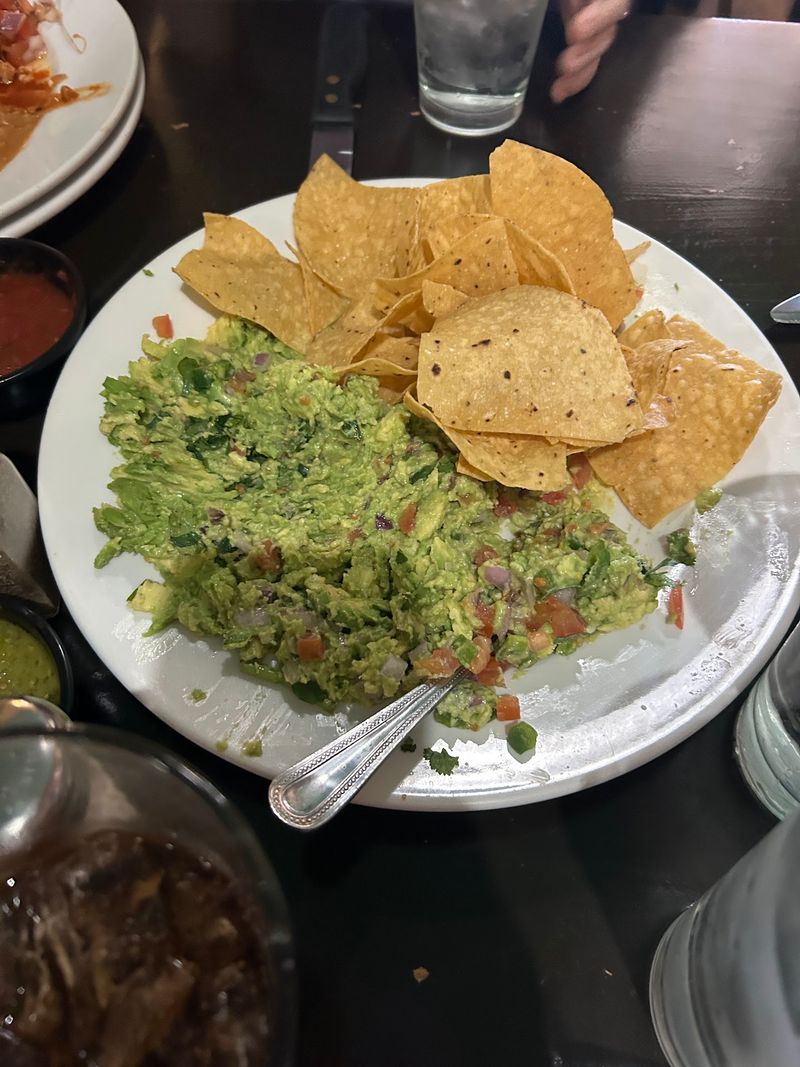
A chimichanga may get the headline, but the menu goes much deeper than one plate.
Tamales show up often in conversations about this kitchen. The fresh corn tamale platter, served with a side of calabacitas, has won over entire tables at once.
Other frequently mentioned items include the cheese crisp and tableside guacamole. Enchiladas, tacos, and fajitas round out the choices.
Meals usually start with chips and two house-made salsas. The green one carries a little kick, and many diners rank the salsa among their favorite parts of the visit.
Vegan options exist too, including jackfruit taquitos. That helps groups with different eating styles find something for everyone.
Dessert is worth saving a little room for, though that is easier said than done. Churros, tres leches cake, and caramel flan all make appearances.
Diners often recommend ordering the house specialties, since they earned that status for a reason. With an extensive menu, a return trip feels almost required.
Who Feels at Home Here
History lovers, hungry families, and big groups all seem to find their way to this table.
The staff gets plenty of credit for friendly, homey care. Servers often take time to explain the history and answer questions about the menu.
Large parties are welcome. One group with a reservation for four was comfortably seated as a party of ten.
The atmosphere is lively and colorful. That energy is part of the fun, but it can get loud.
Diners bringing older relatives who have trouble hearing may want a quieter room or an off-peak visit. Lunchtime on a weekday tends to be calmer.
Service speed can vary with the crowd. Some meals move quickly, while busy weekend dinners can mean longer waits for food and refills.
Patience pays off for most people. The restaurant suits anyone who enjoys a meal with a story attached, especially those who like learning something between bites.
Beating the Crowd and the Heat
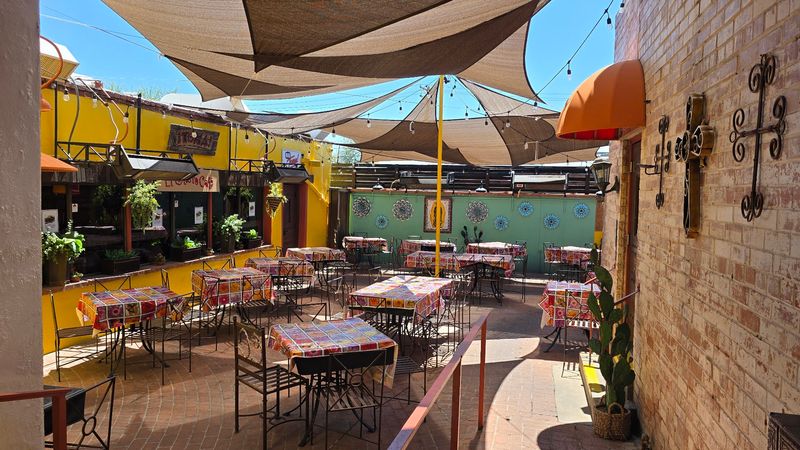
Timing matters at a place this popular. A Saturday at 1 PM without a reservation can easily mean a wait.
The restaurant is open every day from 11 AM to 9 PM. That steady schedule makes planning simple.
Going early is the most common advice. Weekend dinners are the busiest, with waits both to get seated and to get food.
Summer brings another factor to consider. Air conditioning is only available in the indoor dining areas and the basement, not on the outdoor patio.
In the hot months, ask for an indoor table. The basement has turned out to be a pleasant surprise for diners escaping the afternoon heat.
Cooler months open up the patio and porch. Outdoor seating can be lovely then, though a few flies may join the party.
A reservation helps, especially for groups. A little planning turns a long wait into a relaxed meal.
Parking, Prices, and Practical Notes
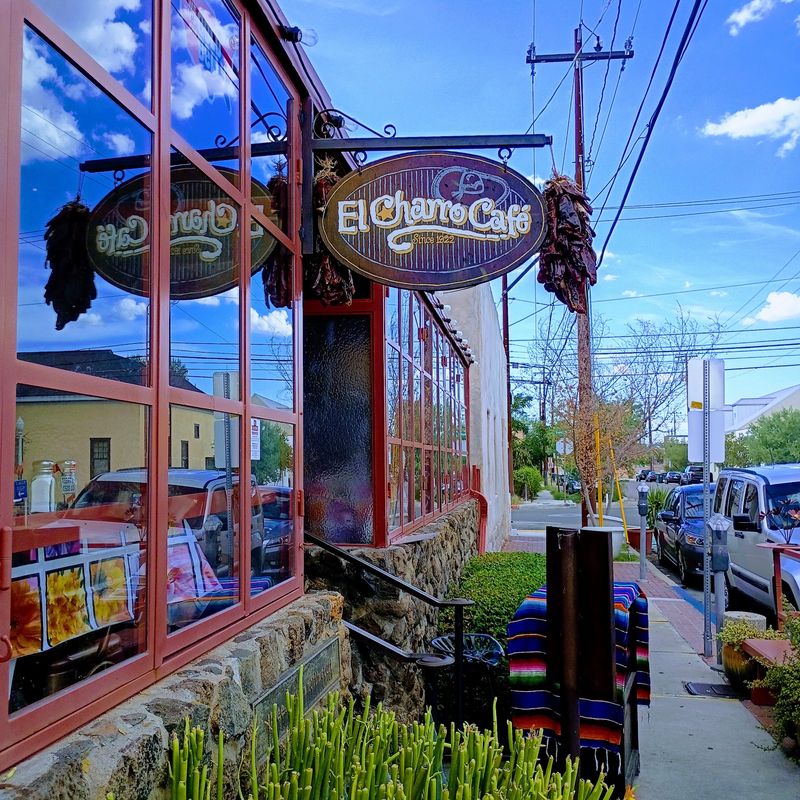
Every great meal comes with at least one small hurdle. Here, the hurdle is parking.
There is no free parking at the restaurant. Most diners use a paid lot nearby, and one lot across the street has charged around $10.
Parking is limited and can be frustrating at busy times. Building in a few extra minutes helps keep the mood light.
Walking from nearby downtown spots is another option. The restaurant sits close to other attractions, so combining stops can make the parking fee feel more worthwhile.
Prices are generally considered reasonable. Many diners call them about average for Tucson, and the generous portions stretch the value further.
Leftovers are common enough that planning for a to-go box is smart. Lunch today can easily become dinner tonight.
The phone line and website handle reservations and questions. With a 4.4-star standing across more than 7,000 opinions, booking ahead on weekends is a wise move.
Why the Old House Still Matters
Plenty of restaurants promise tradition. Very few can back it up with more than a hundred years of family ownership.
El Charro offers something rare in Arizona: a meal tied directly to the story of the city. The house, the recipes, and the people running it all connect back to 1922.
Not every plate wins every diner. Some find the food beyond expectations, and others leave only mildly impressed.
Still, the overall picture is strong. Huge portions, house-made salsa, sun dried beef, and a famous chimichanga keep people coming back.
The experience works best with a little planning. Arrive early, ask for an indoor seat in summer, and budget for parking.
Most of all, take time to ask the staff about the history. Those stories are as much a part of the meal as anything on the plate.
For Tucson locals, this is a reminder that some of the state’s best traditions are hiding in plain sight downtown. Bring an appetite, and maybe an extra container.


