

Affiliate disclosure: As an Amazon Associate I earn from qualifying purchases. Learn more
Freezing mornings, slick sidewalks, and crunchy trails reveal the truth about winter shoes fast. If you have wondered whether Nike ACG or Salomon holds up better when temps nosedive, you are in the right place. I pushed both through slush, ice, and powder to see which pair actually kept feet warm, dry, and surefooted. Let’s break it down so you can pick with confidence before the next cold snap hits.
1. Insulation and Warmth
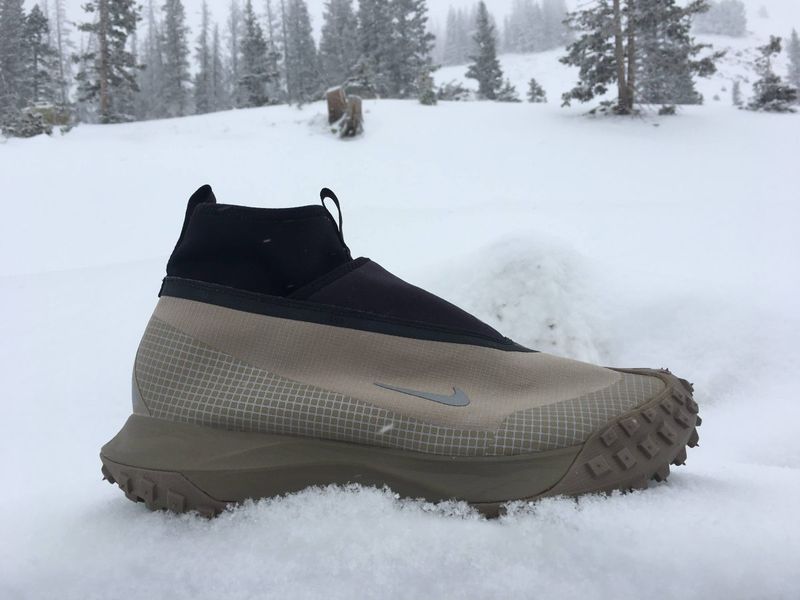
Warm toes decide whether a winter day feels doable or miserable. Nike ACG often leans into insulated liners and plush collars, keeping heat in when the wind stings. Salomon models like Speedcross 6 GTX feel less insulated, but pair a snug fit with active warmth if you keep moving.
Standing around at a bus stop favors ACG’s insulation. Running or fast hiking favors Salomon’s lighter build that warms with motion. If you run cold or stop frequently, ACG wins. If your pace stays high, Salomon holds steady without roasting your feet.
2. Traction and Outsole Design
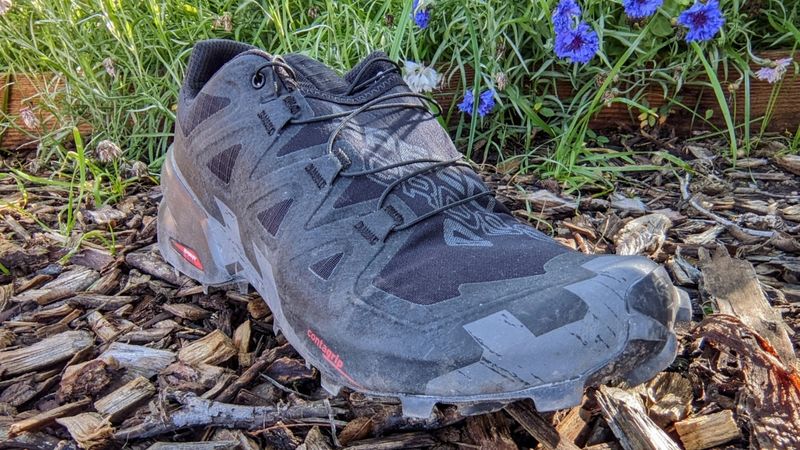
Ice makes heroes humble. Nike ACG boots with aggressive rubber and squared lugs bite well on packed snow and urban slush. Salomon’s deep chevron lugs feel sharper on mixed trails, especially sidehill traverses and crusty ice where edges matter.
On icy sidewalks, both need care, but Salomon’s pattern clears slush fast and grips when you toe off. ACG feels planted on flat, gritty winter pavement and stairs. For technical trails, Salomon wins. For city ice plus salted mess, ACG holds its own. Add microspikes if black ice rules your route.
3. Waterproofing and Breathability
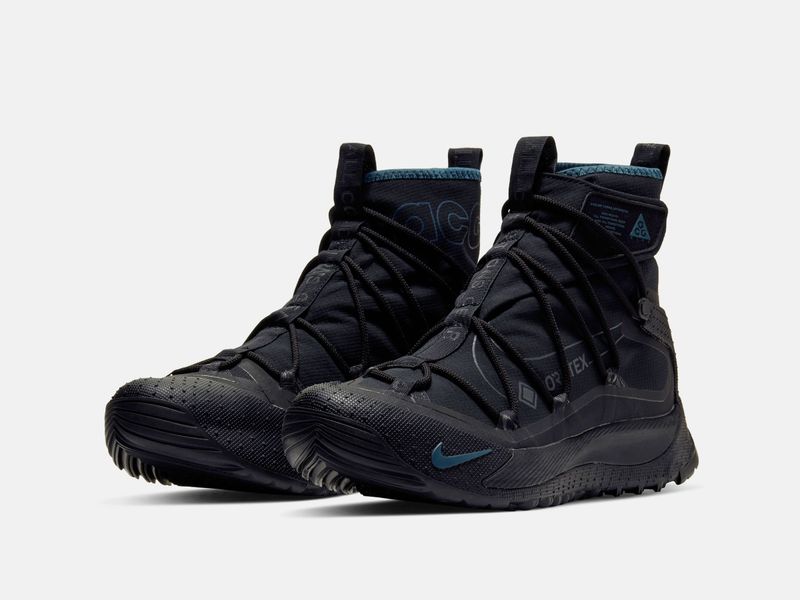
Wet socks end adventures fast. Nike ACG’s GORE-TEX builds kept slush out while venting heat during commutes, especially when puddles hid beneath snowbanks. Salomon’s GTX uppers sealed similarly, but dried quicker inside after hard efforts.
On long wet treks, both protected well, yet ACG’s taller boot options guarded ankles from splash better. For breathability during tempo runs, Salomon edged ahead, keeping that steamy feeling down. If your day mixes bus rides, errands, and snowdrifts, ACG’s coverage shines. For steady runs in sleet, Salomon breathes a touch better without sacrificing dryness.
4. Fit and Comfort in the Cold
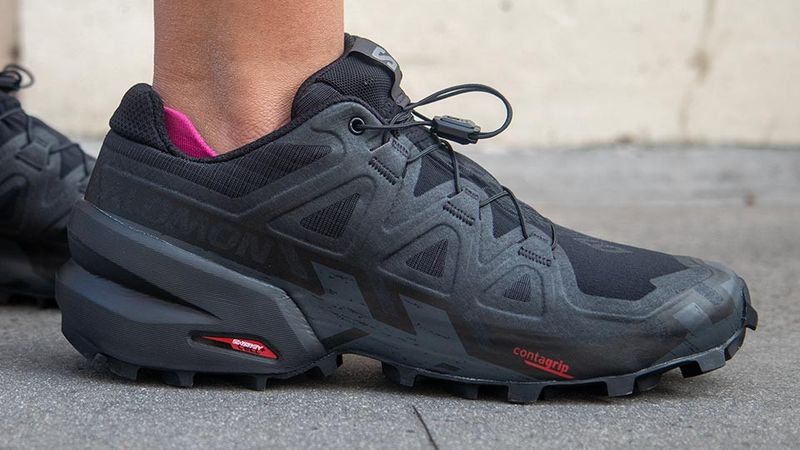
Winter comfort is more than cushioning. Nike ACG fits a bit roomier for thick socks, plus has softer collars that keep drafts out. Salomon hugs the midfoot securely, delivering locked-in confidence on uneven frozen ground.
For long walks or commuting, that ACG space feels luxurious and warm. For quick, precise footwork on rutted trails, Salomon’s hold feels dialed and stable. If you value cozy and casual comfort, pick ACG. If you want performance fit without heel slip, Salomon wins. Try both with your winter socks, because thickness changes everything.
5. Weight and Agility
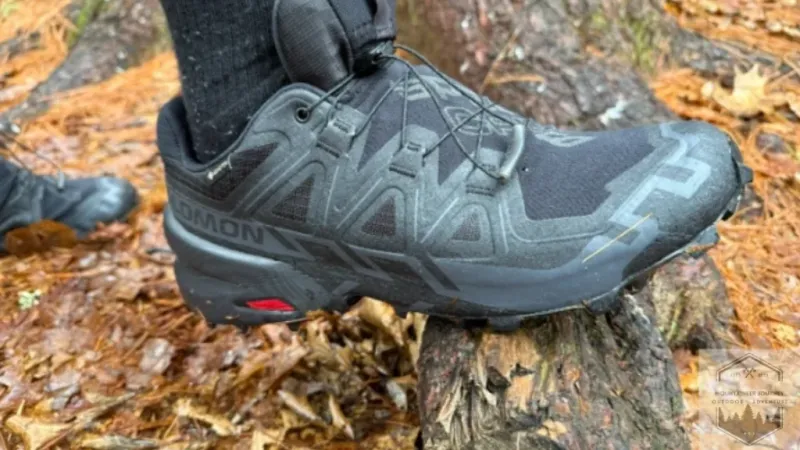
When the mercury drops, every ounce shows. Nike ACG’s beefier builds add protection but can feel slow if you are sprinting for a train. Salomon keeps things light, making quick strides and uphill bursts feel easier.
On icy trails, less weight helps lift and place feet carefully, reducing missteps. In deep slush, the extra mass from ACG boots sometimes stabilized footing, trading speed for confidence. If agility matters, favor Salomon. If you prefer planted, steady steps in messy streets, ACG’s heft is reassuring. Consider your pace and terrain before choosing your winter workhorse.
6. Durability and Materials
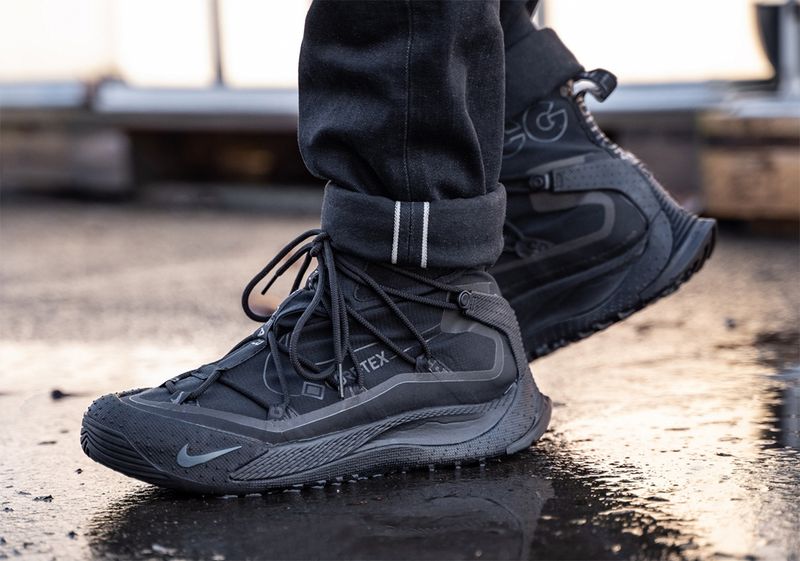
Cold cracks weak gear. Nike ACG’s rugged uppers and rubber rands handled curbs, salt, and abrasive ice with minimal scuffing. Salomon’s welded overlays and dense mesh shrugged off flex creases and trail brush remarkably well.
After weeks of freeze thaw cycles, both pairs stayed structurally sound. ACG showed fewer salt stains and better toe-bumper resilience. Salomon’s tread wore slower under high mileage, especially on mixed dirt and ice. If you abuse shoes in the city, ACG feels tougher. If you log trail miles all winter, Salomon’s outsole longevity pays dividends.
7. Price and Value
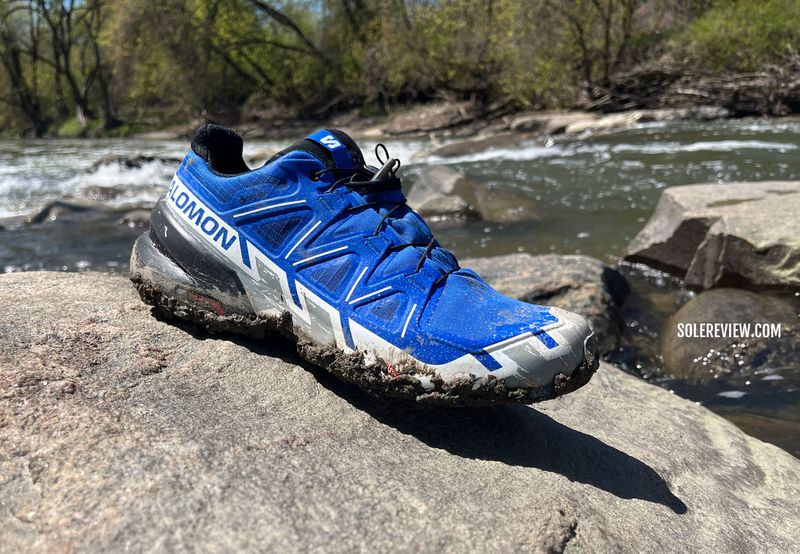
Budgets matter, especially when winter demands layers. Nike ACG often costs more when insulation and GTX stack together, but that comfort feels worth it on frozen mornings. Salomon’s trail focused models typically land slightly lower, offering strong performance per dollar.
Factor socks, traction aids, and waterproof spray into the total. If you want one boot that handles commute to trail, ACG’s versatility earns its keep. If you prioritize speed, grip, and mileage, Salomon’s value shines. Sales rotate seasonally, so watch prices and pounce when your size appears.
8. Best Use Cases and Verdict
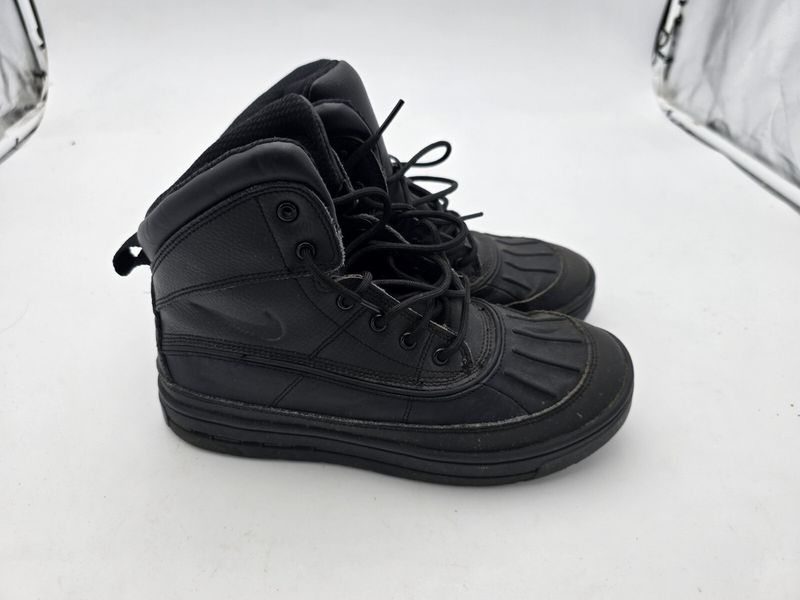
Here is the bottom line after cold weeks outside. For urban winters with stop and go warmth needs, deeper slush, and style flexibility, Nike ACG performed better overall. For trail running, tempo hikes, and icy singletrack, Salomon delivered superior traction, agility, and breathability.
If your winter mix skews city, choose ACG. If your calendar says trails, choose Salomon. When in doubt, match socks to conditions and consider microspikes for glare ice. Both brands succeeded in freezing temps, but the winner depends on where and how you move.