
Affiliate disclosure: As an Amazon Associate I earn from qualifying purchases. Learn more
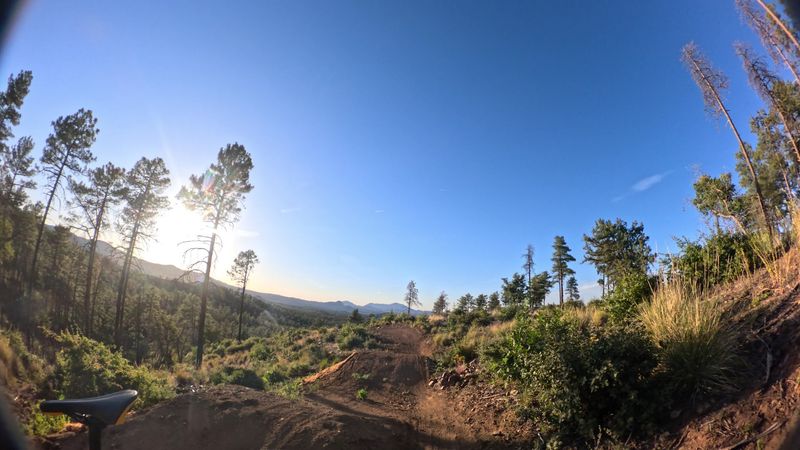
Some riders waited years for a trail system like this one, and now they cannot stop coming back. Just outside Prescott, a mountain has been shaped into a playground of berms, jumps, and one-way descents built for pure flow.
Uphill riders get their own routes, downhill riders get their own lines, and nobody has to play chicken on a narrow singletrack. The trails are clearly marked, the parking is free, and the gate opens to riders of many skill levels.
Locals call it world class, and out-of-state riders leave wishing their own towns had something similar. Keep reading to learn where it is, who built it, which trails suit which bikes, and the timing tricks that help riders squeeze in extra laps before the crowds arrive.
A Mountain Trailhead on Highway 89
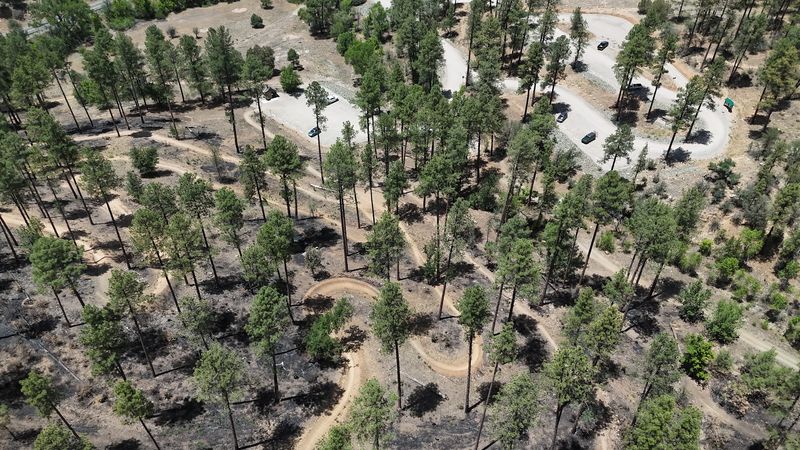
Bean Peak Mountain Bike Gravity Flow Trails sits at 2501 AZ-89, Prescott, AZ 86303, in the high country of central Arizona. It is listed as a park, and it is built almost entirely around one activity: riding bikes downhill with a grin.
The system starts from the White Spar trailhead area, just a short drive from town. That easy access is part of the appeal for Prescott riders, who can be on the dirt quickly after leaving home.
One small warning for first-timers. Signage along the drive up is limited, so it helps to load directions before leaving.
Once there, the payoff is clear. The mountain holds a network of trails marked for different skill levels, with separate climbing routes and descending routes woven across the slopes.
Riders describe it as a dedicated gravity park, which means the downhill is the star. Climbs exist to deliver riders to the fun, and many say even those climbs are enjoyable.
The combination of location, layout, and purpose makes this place feel different from the typical shared-use trail. It was built for bikes from the ground up, and that focus shows in every corner.
The Long Wait for a Local Bike Park
Eight years. That is how long at least one local rider says they hoped for a place like this before it finally arrived.
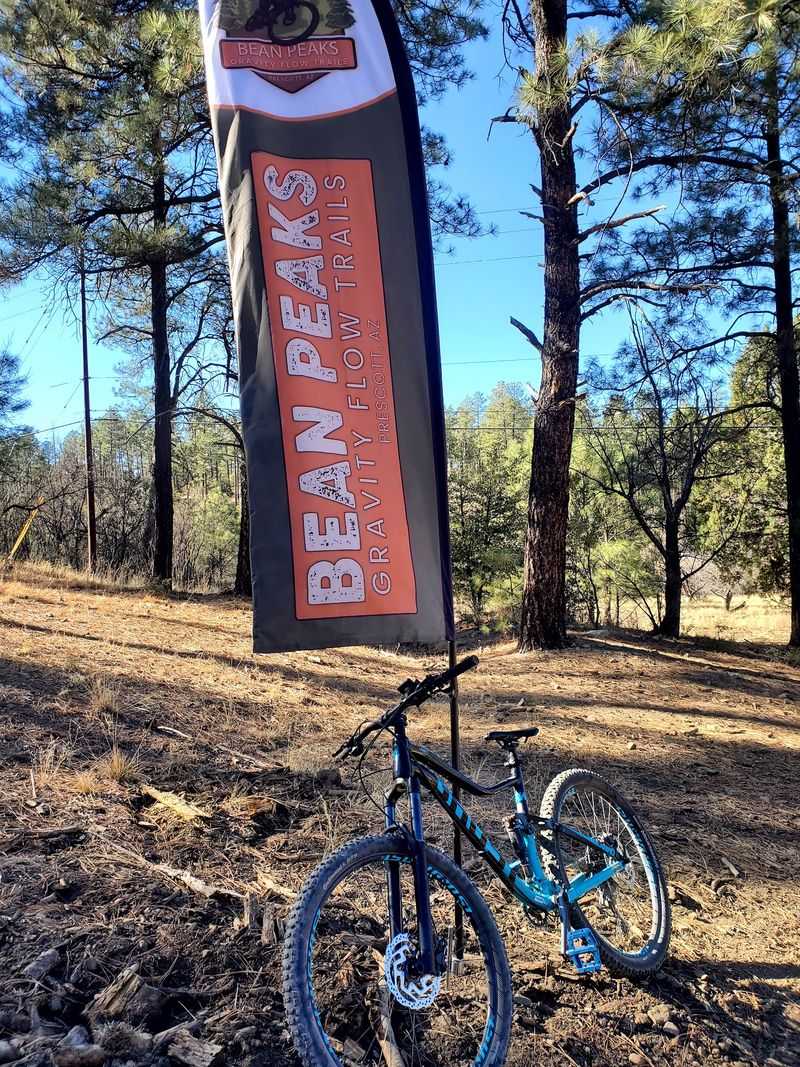
The trails came together through the Prescott Mountain Bike Alliance, known as PMBA, with guidance from the International Mountain Bicycling Association. The goal was engineered, one-way trails designed specifically for riding.
Construction happened in phases. Phase 2 was underway in recent years, and riders have spoken eagerly about Phase 3 as well, so the network has been growing over time.
Gratitude toward the builders is a common thread among people who ride here. Many riders mention thinking about the trail crews while climbing, and thank-you messages to PMBA come up again and again.
That community effort matters. A trail system of this scale depends on planning, labor, and ongoing maintenance, and riders notice how well it is kept.
For Arizona locals, the story carries a bit of pride. A homegrown group built a venue that riders compare favorably to destinations across the West, right in Prescott’s backyard.
Berms Built for Carving
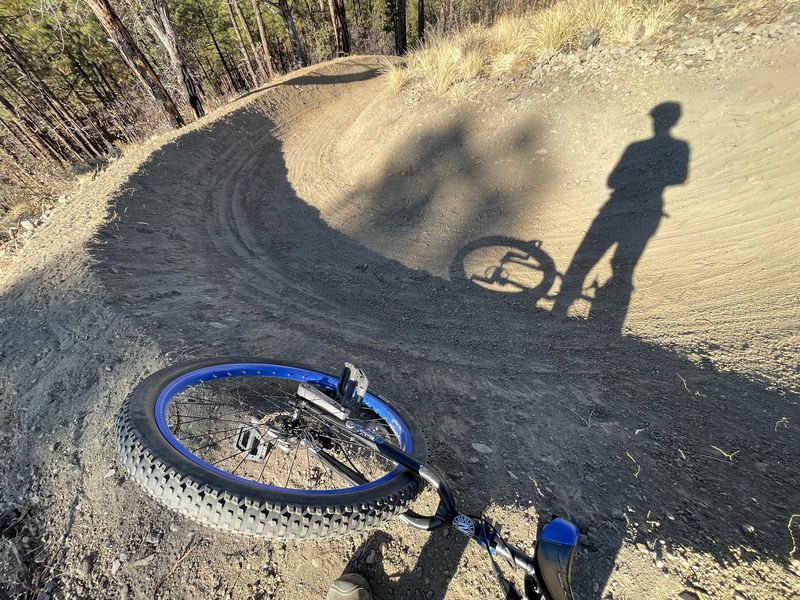
Berms get mentioned more than almost anything else here, and for good reason. These banked turns are the backbone of a flow trail.
A well-shaped berm lets a rider keep speed through a corner without braking hard. String several together, and the descent becomes a rhythm instead of a series of stops.
Riders praise the berms at Bean Peak as beautiful and well built. The words fast and flow show up often when people describe the downhill runs.
That flow is the whole point of a gravity trail. It rewards smooth riding and lets intermediate riders feel like they are moving with real style.
The trails are also described as well groomed. Freshly maintained dirt means the berms hold their shape, which keeps each lap consistent and predictable.
For riders who mostly know rocky natural trails, the first carve here can be a revelation. Corners stop being obstacles and start being the best part of the ride, which explains why so many people circle back for one more lap.
Jumps, Rock Gardens, and the Beany Baby Surprise
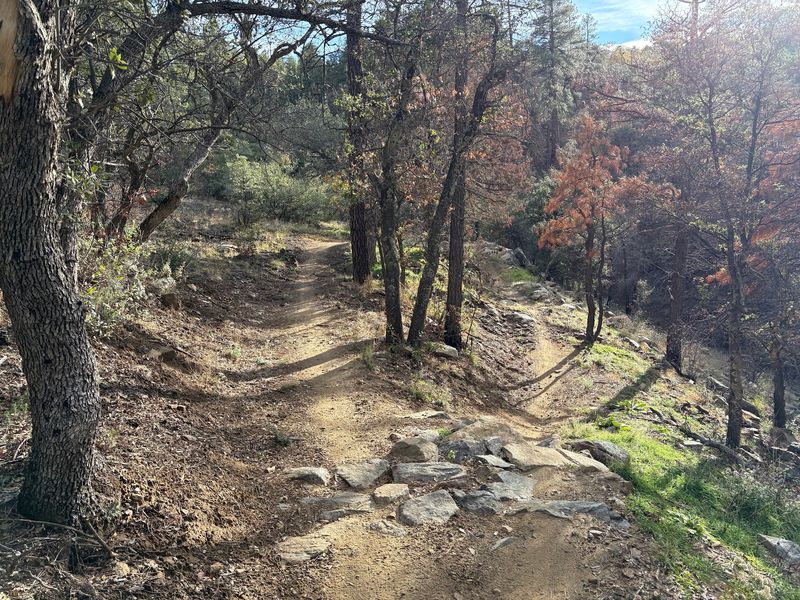
Airtime is on the menu. The trail network includes plenty of jumps, along with some rock garden features and other built elements.
The blue trails, which are rated intermediate, get special praise for their jumps. Many riders consider them the sweet spot of the whole system.
Easier green trails still include jumps, but riders can roll them slowly and keep their wheels on the ground. Ride-arounds are available for the more challenging features, so nobody is forced into something beyond their comfort.
One detail is worth knowing ahead of time. On the green trail called Beany Baby, one of the last jumps can catch riders off guard if they expect it to behave like the earlier ones.
That is why a classic piece of advice fits so well here: pre-ride, re-ride, then free-ride. Scout a feature first, try it again with more confidence, and only then let it fly.
Following that pattern helps riders progress safely. It also turns each repeat lap into a small lesson, and the jumps get more fun as skills grow.
One-Way Traffic, Zero Head-On Drama
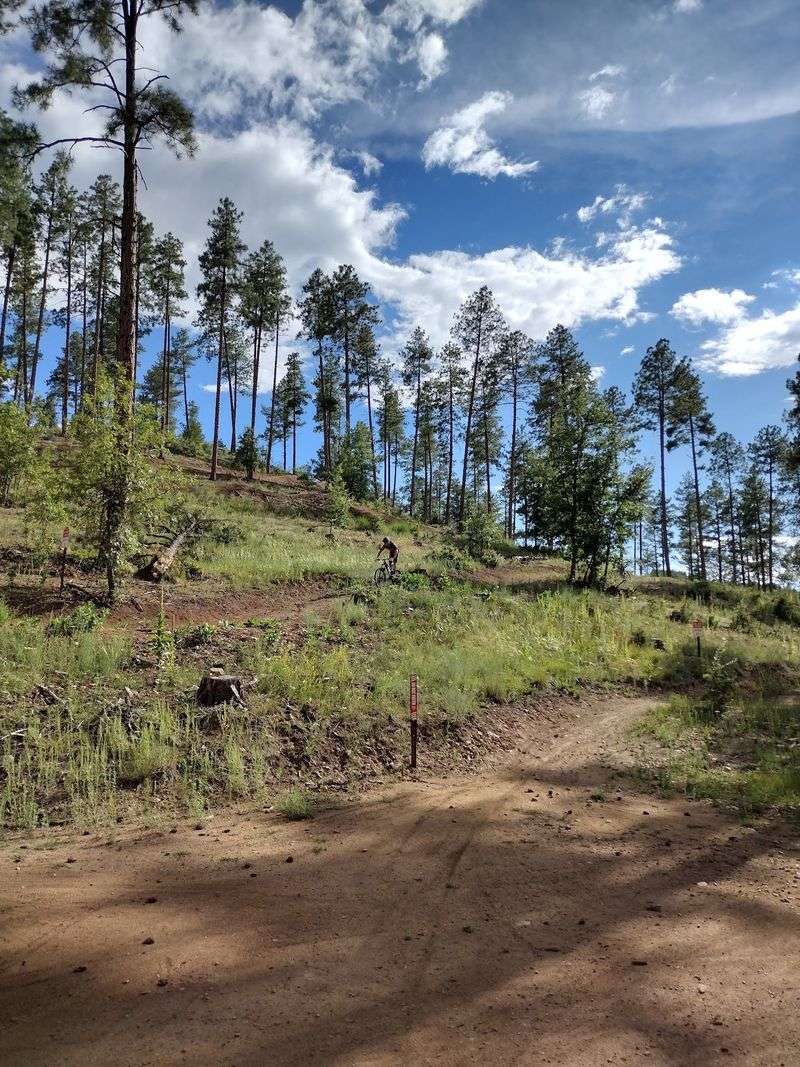
Few things ruin a fast descent like meeting a climber around a blind corner. Bean Peak solves that problem with smart design.
Designated uphill routes are separate from the downhill trails. Many of the descending sections run one way, so riders can focus on the trail ahead rather than oncoming traffic.
Riders consistently point to this separation as one of the best features of the park. It makes the downhills feel freer and the climbs feel calmer.
The climbs themselves earn compliments too. They are described as enjoyable rather than punishing, which is not something every trail system can claim.
This layout also makes it simple to build different loops. Riders can climb, pick a descent that suits their mood, and then choose a new combination on the next round.
Clear trail marking ties it all together. With well-placed signs on the mountain, it is easy to know which way to go, even on a first visit.
The result is a system that feels organized, efficient, and ready for lap after lap.
Green, Blue, and the Skill Ladder in Between
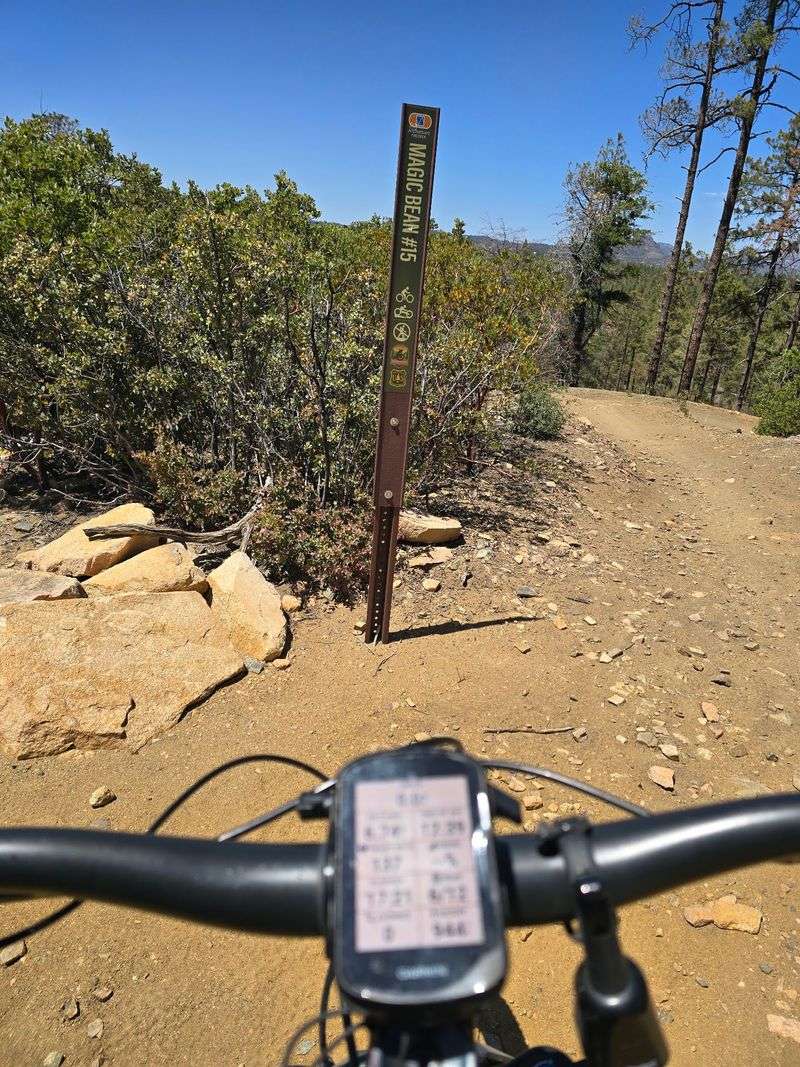
Here is the honest rundown on difficulty. Most of the network leans toward blue, or intermediate, trails.
Green trails are available for newer riders, and the system is described as fun for beginners through advanced riders. Some riders recommend the network mainly for intermediate to expert levels, so beginners should start slow.
Rocks still appear on the beginner trails. The mountain has plenty of them, and the easier routes do not completely escape that terrain.
For riders on a budget hardtail or a cross-country bike, one trail stands out. A trail called Cool Beans is considered a strong match for those setups.
Advanced riders have a few suggestions of their own. Some wish for more natural, technical trails, though the wider Prescott area has plenty of that style elsewhere.
That mix gives the park a clear identity. It is a progression playground, where a nervous green-trail rider can slowly work toward blue jumps over several visits.
Know the Rules on E-Bikes
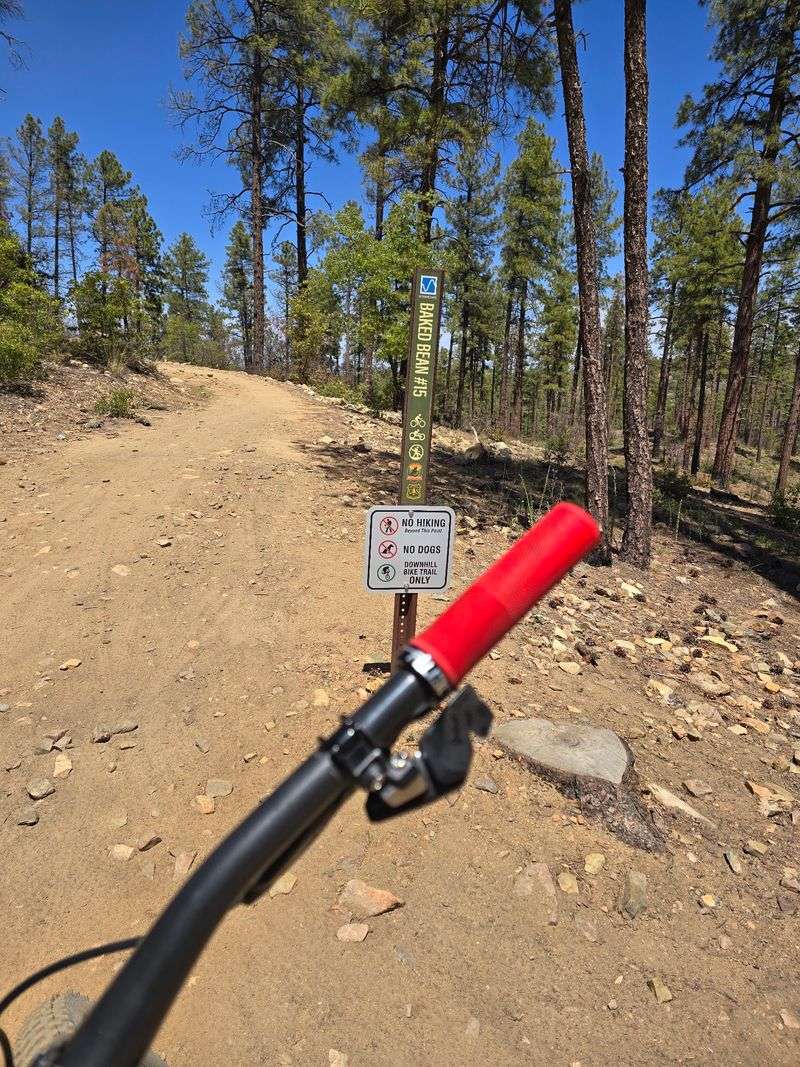
Bike type matters at this mountain. The trails are aimed at analog bikes, meaning traditional pedal-powered mountain bikes.
E-mountain bikes are restricted, and that includes pedal-assist models. Riders who show up expecting to use an eMTB may be disappointed.
The restriction is not always easy to spot ahead of time. Some riders have noted that it was not clearly called out online, so checking current rules before the trip is a smart move.
Full suspension bikes are a popular choice for the jumps, berms, and rock features. Hardtails can work too, especially on trails like Cool Beans.
Some riders have also mentioned gravel bikes in connection with the area. Even so, the gravity flow trails are clearly built with mountain bikes in mind.
Taking a minute to confirm the rules keeps the day smooth. It also respects the work of the volunteers and organizations who planned and built these trails for a specific kind of riding.
A Single Trail for Hikers
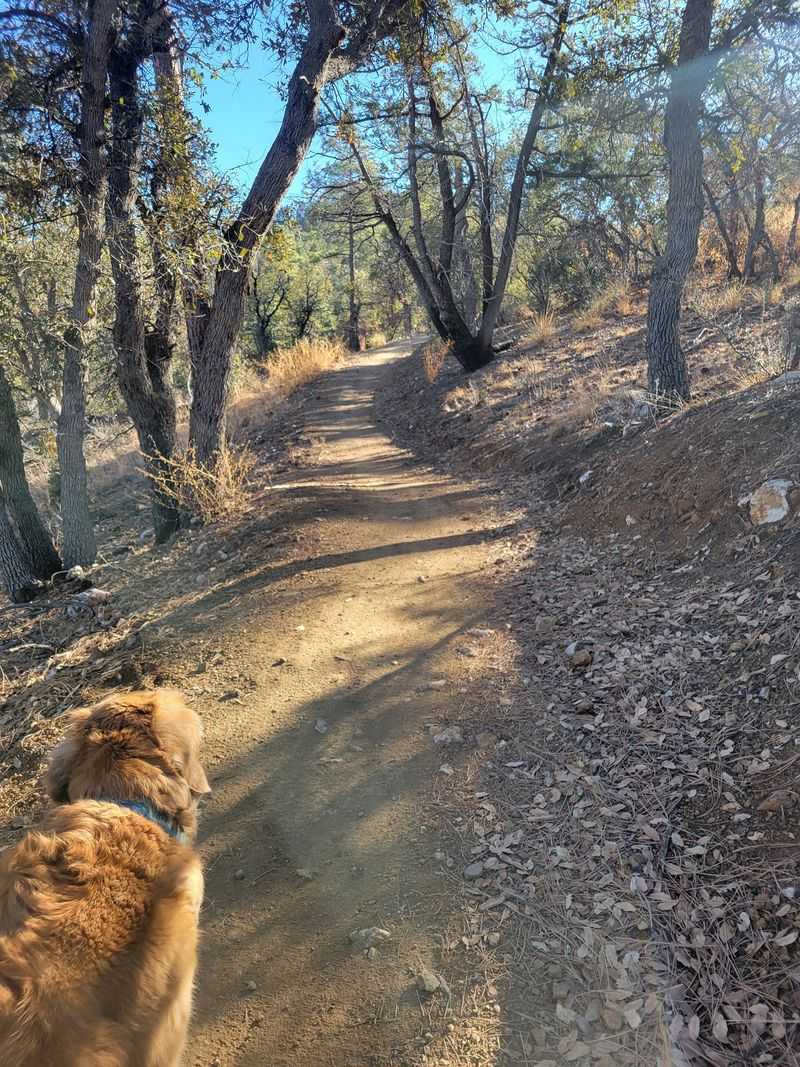
Bikes rule most of this mountain, but hikers are not left out. One trail in the system is open to hiking.
That route runs roughly six miles out and back. Mountain bikers can only use it going uphill, which means hikers do not have to worry about riders flying down toward them.
Hikers describe it as a fun outing and an easy spot to take in the views. Many plan to return for another walk.
Speaking of views, they get regular praise. The mountain offers wide looks across the surrounding landscape, giving both riders and hikers a reason to pause.
This makes Bean Peak a workable spot for mixed groups. A rider can chase laps while a hiking partner covers the out-and-back trail.
It is a thoughtful setup. Keeping hikers on a route where bikes only climb reduces conflict and lets everyone enjoy the mountain at their own speed.
Parking Lots, Restrooms, and a Campground Next Door
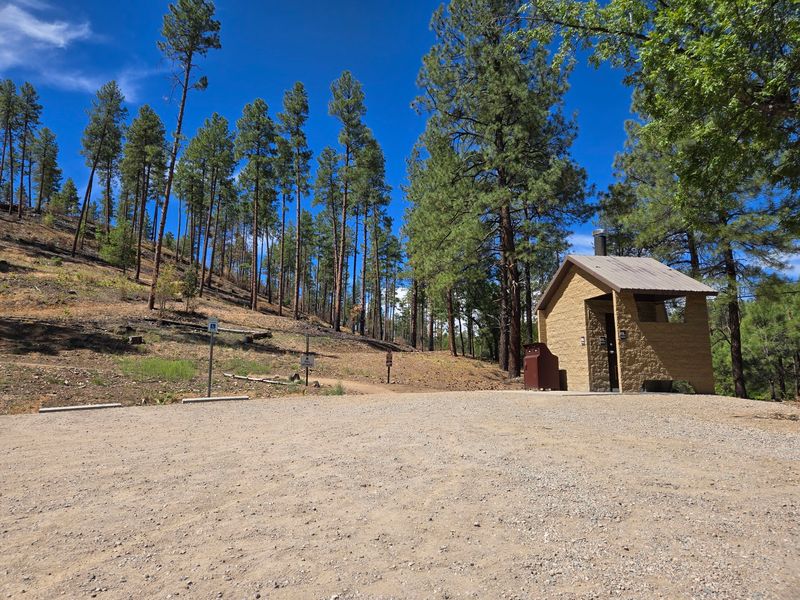
Good trails deserve good basics, and this trailhead delivers. Parking is free, and there is plenty of it.
Restrooms are available on site, which riders appreciate after a long drive or a few hard laps. It is a simple detail that makes a full day much easier.
The lot can fill up at busy times. Even then, riders report finding a space fairly quickly because people come and go throughout the day.
There is also a campground right across the parking lot. Reservations can be hard to get, so planning ahead is a must for anyone hoping to stay overnight.
Staying close means waking up steps from the trails. For riders coming from Phoenix, Tucson, or farther, that can turn a day trip into a relaxed weekend.
These practical touches support the main event. With parking, restrooms, and camping handled, the focus stays on riding and building those loops.
The Early Bird Gets the Extra Laps
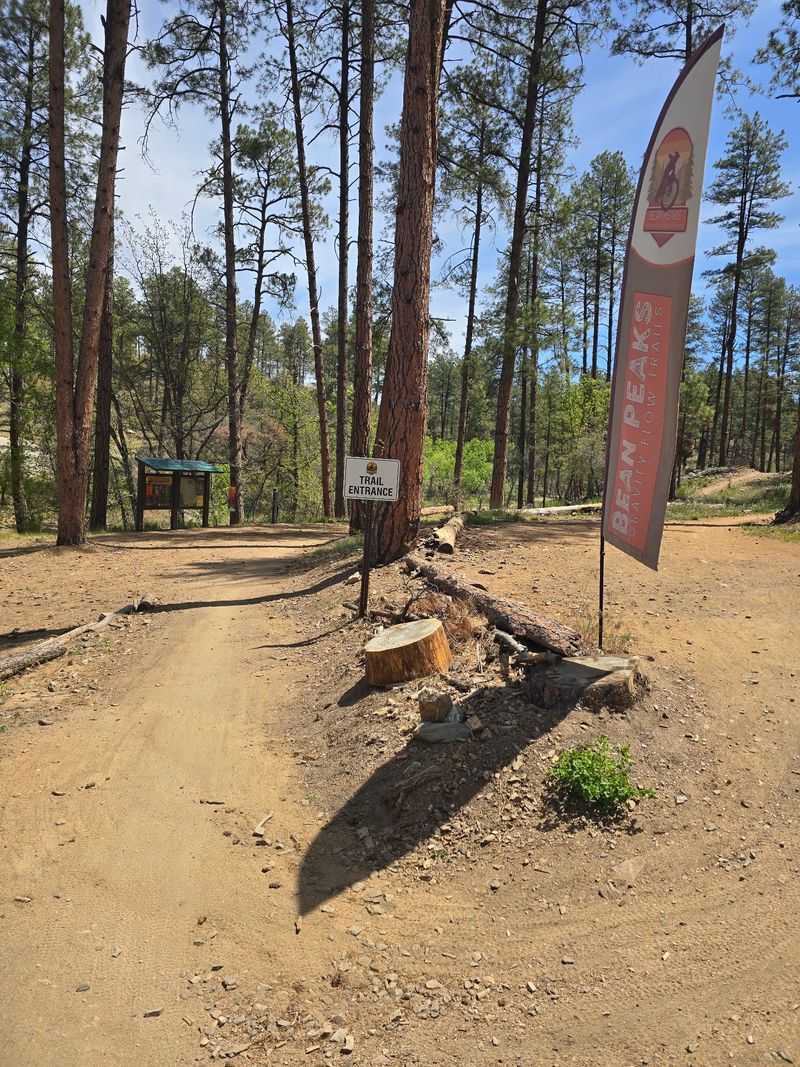
Timing can make or break a visit. Riders who know the mountain often recommend showing up early in the morning.
Arriving early allows multiple runs before the bigger crowds roll in. One group of local bike shop workers met at the lot at 7 a.m. and had a great session.
The park is listed as open 24 hours every day of the week. Still, the gate does close at night, so after-dark plans are not realistic.
Morning rides also leave the rest of the day free. Riders can explore Prescott afterward or head home before afternoon traffic.
Weekends tend to draw the heaviest use. Anyone with a flexible schedule may find a weekday visit more relaxed.
The takeaway is simple. Set the alarm, pack the bike the night before, and be rolling at the trailhead while the lot still has room to spare.
Why Out-of-State Riders Take Notice
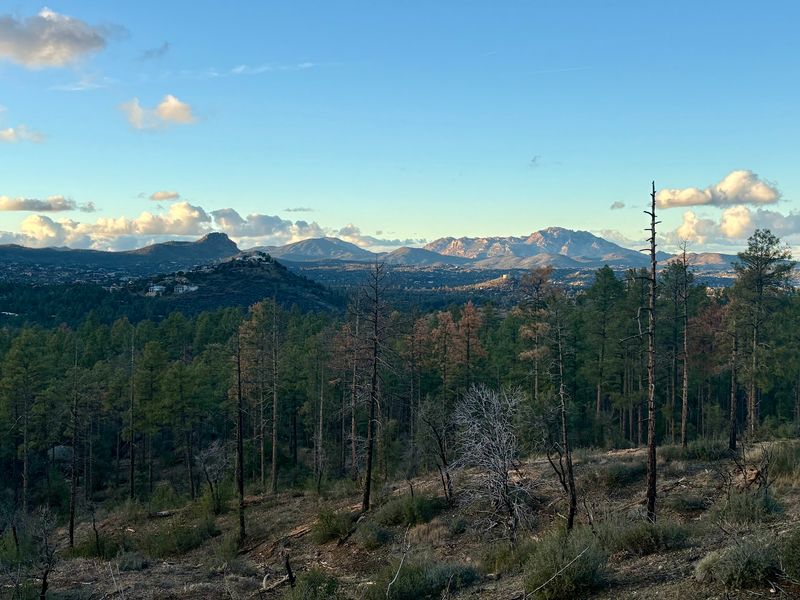
Arizona locals might not realize how much attention this mountain gets. Riders traveling through Utah and southern Nevada have called it a favorite stop on their trips.
Out-of-state visitors often say every town with a hill should have something like it. That is a strong compliment for a trail system built by a local alliance.
The park holds a 4.9-star average across dozens of ratings on Google. Words like world class and must ride come up repeatedly.
Some riders even call it the best mountain biking in all of Arizona. Others say it is the only place they ride now.
Part of the appeal is the variety of loops. Riders can mix routes in different ways, so a second or third visit still feels fresh.
For Arizonans, this is a chance to enjoy a destination-level bike park without leaving the state. It is the kind of place worth planning a whole trip around.
Worth the Drive Up the Hill
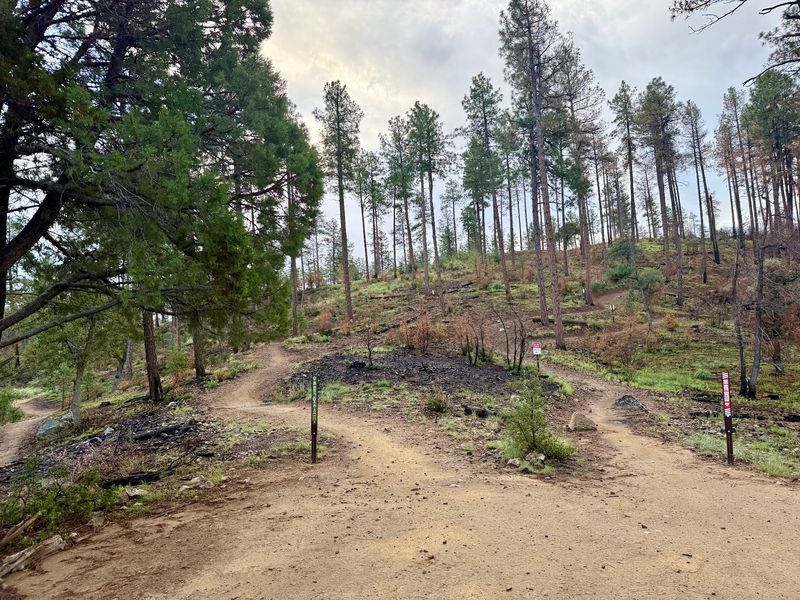
So does this mountain live up to the buzz? For riders who love berms, jumps, and one-way descents, the answer leans strongly toward yes.
The trails are well maintained and clearly marked. The climbs are enjoyable, the downhills are fast, and the separation between them keeps things smooth.
There are a few things to plan around. E-bikes are restricted, the gate closes at night, and the drive in has limited signage.
Some riders hope for future additions, like a playground or a spot where tired family members can hang out between laps. With new phases in the works, the park continues to grow.
Beginners should expect rocks, and intermediate riders will find the most variety. Hikers have their own route with views to match.
Put it all together and Bean Peak earns its reputation. It is a community-built ride that proves Prescott can stand with the big names, and it keeps pulling riders back for one more lap.


