
Affiliate disclosure: As an Amazon Associate I earn from qualifying purchases. Learn more
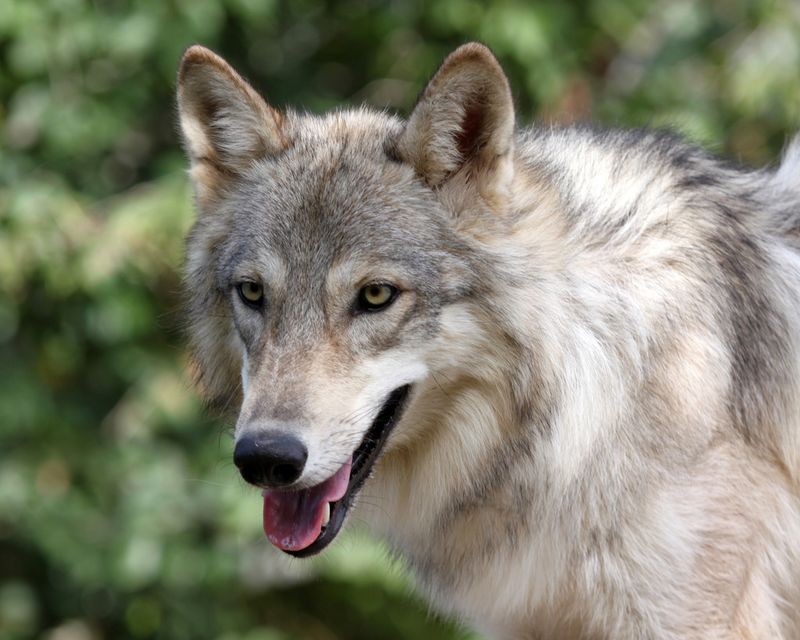
Wolves have not lived wild in Texas for a very long time, and state law says they can only exist here in captivity. That makes one quiet patch of countryside near Navasota a true surprise.
Out past the farm roads, a group of rescued wolves and wolfdogs spends its days running, resting, and howling in large, carefully built enclosures. Each animal arrived with a hard story, and each one now has a safe home for life.
Many Texans drive right past this region without knowing what lives down the road. Keep reading to learn where it is, how the tours work, what the animals have been through, and why so many families say the trip is worth every mile.
A Wild Secret on Pavlock Road
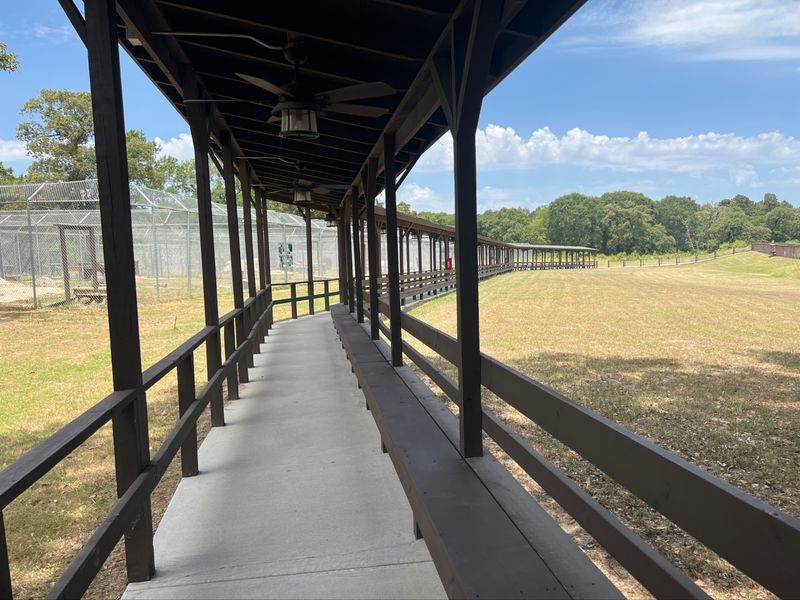
Tucked into the rural landscape of Grimes County, Saint Francis Wolf Sanctuary sits at 6731 Pavlock Rd, Navasota, TX 77868. It is an animal protection organization devoted to wolves and wolfdogs that have nowhere else to go.
Many guests learn during their tour that this is the only wolf sanctuary in Texas. It is also described as the only USDA certified wolf sanctuary in the state, which adds weight to every visit.
Navasota is small, but people travel a long way to reach it. Some families drive more than two hours just to spend an afternoon here.
The pull is easy to understand. Texas law, under Parks and Wildlife Code Section 63.102, does not allow wolves to live in the state outside of captivity.
So for anyone hoping to see a wolf in Texas, this sanctuary is the place. The animals here are not on display for entertainment, though.
They are residents, and the tours exist to teach people about them and support their care.
The property is also larger than many first-timers expect. Plenty of guests arrive thinking it will be a quick stop and leave surprised by how much ground the sanctuary covers.
That surprise sets the tone for the rest of the visit, which tends to hold more than anyone planned for.
Stories That Start in Hard Places
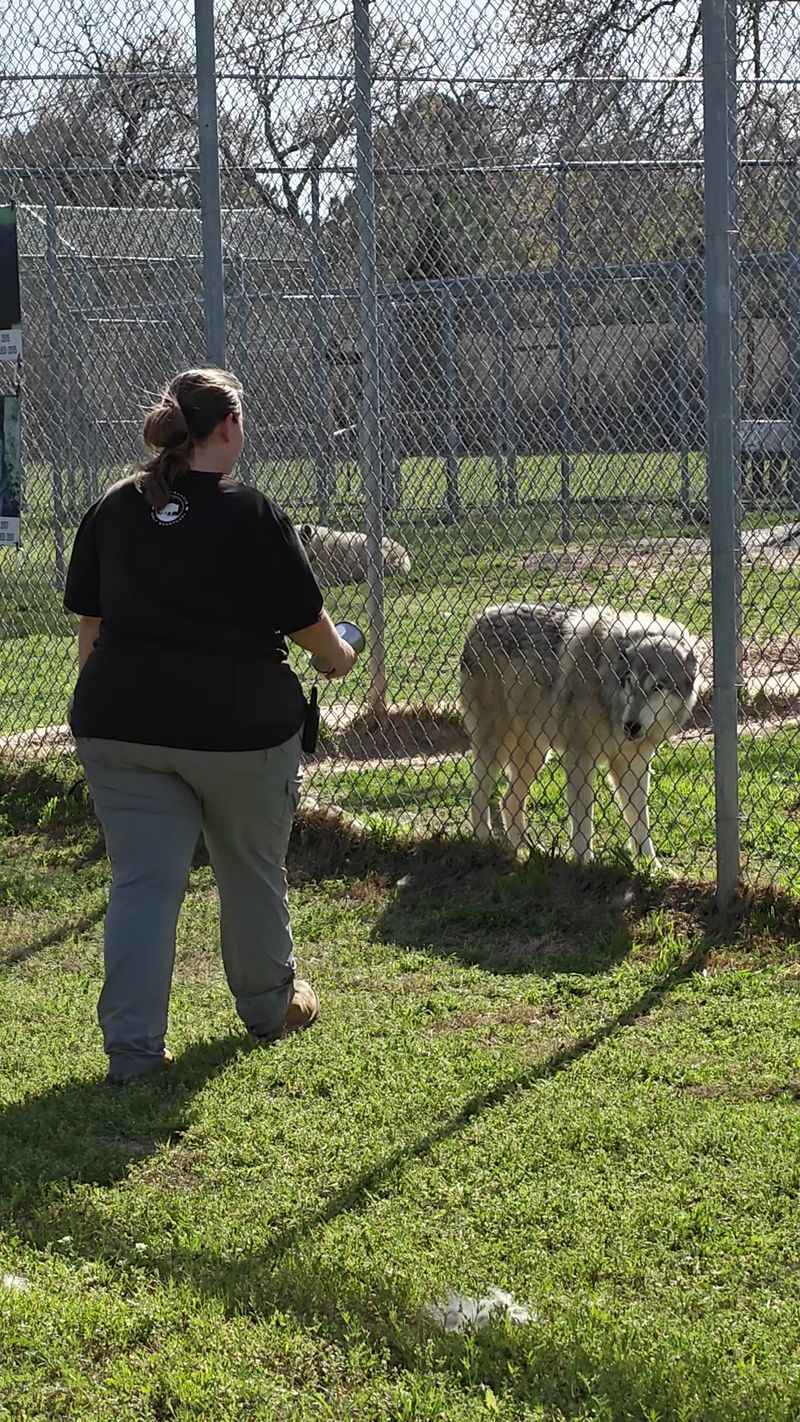
Every wolf here has a past, and few of those pasts are happy. The heart of each tour is learning how each animal came to live at the sanctuary.
Guides walk the group from enclosure to enclosure and share the backstory of every resident. Some were kept in poor conditions.
Others were caught up in the illegal wolf trade, a topic many guests had never heard about before.
These stories can be tough to hear. More than a few people leave the tour with tears in their eyes.
Game wardens across the country know the sanctuary well. When they recover wolves, they sometimes call and ask if the animals can be housed here.
That reputation says a lot about the trust the team has earned. It also explains why the residents come from so many different situations.
The contrast between then and now is what sticks with people. The animals that once lived in fear now run, rest, and go about their days with calm confidence.
One guide put it plainly during a tour. The fact that these animals need a sanctuary at all is the result of humans failing them.
It is a sobering thought, and a fitting one to carry into the next stop on the walk.
Wolf or Wolfdog: Spot the Difference
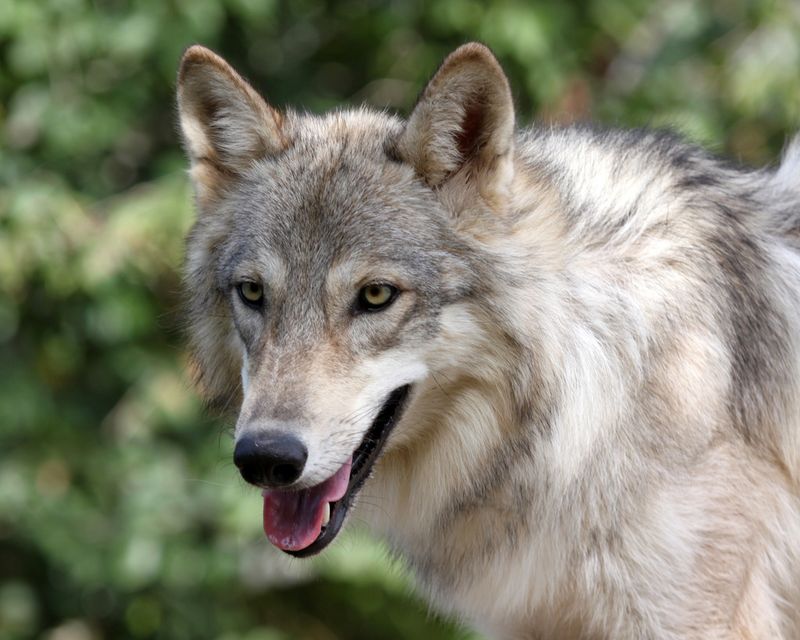
Quick quiz: is the animal on your bag of dog food actually a wolf? Most of the time, the answer is no, and that fun fact gets plenty of laughs on tour.
The sanctuary cares for both wolves and wolfdogs. Learning how to tell them apart is one of the most popular parts of the experience.
Guides point out the clues that separate a true wolf from a mix. By the end, even casual animal fans start spotting the differences on their own.
It turns a simple walk into a hands-on lesson. Kids especially enjoy the challenge of guessing before the guide reveals the answer.
Along the way, the tours cover a wide range of wolf facts. Guests learn about wolf behavior, how the animals live, and why protecting them matters.
Many people leave unable to stop thinking about what they learned. Some go home and start reading about wolves for days afterward.
That is the point. Awareness helps protect these animals, and the sanctuary treats every tour as a chance to share it.
Consider it a classroom where the students are humans and the teachers have four legs.
Guides Who Know Every Howl
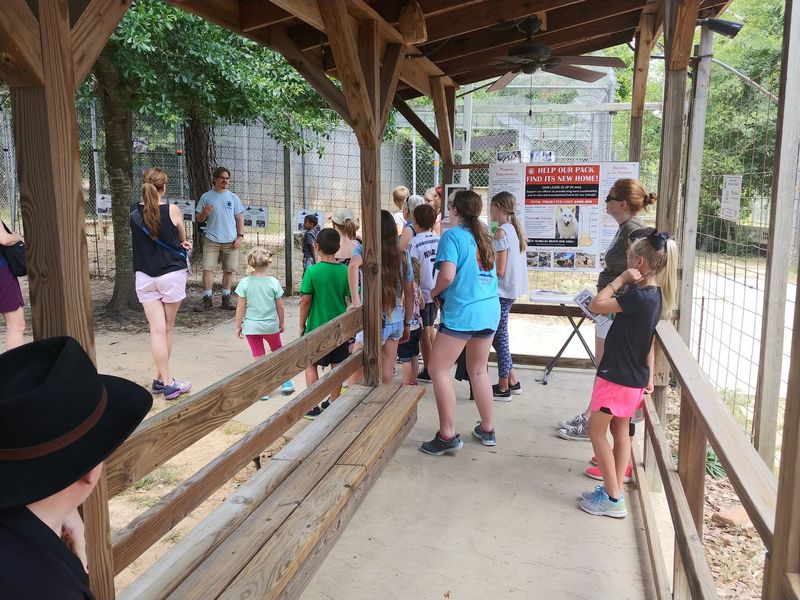
Ask a question here and expect a real answer. The guides at this sanctuary know their stuff, and it shows.
Knowledgeable staff come up again and again as a highlight of the visit. Guides answer questions with depth and patience, whether they come from a curious 11 year old or a longtime wolf enthusiast.
The team keeps energy high from start to finish. Even guests who came along reluctantly, just tagging behind their family, often end up having the most fun of anyone.
Founder Nicole sometimes leads tours herself. Her passion for the wolves is clear, and her knowledge covers everything from individual animals to the wider wolf trade.
Other guides earn just as much praise for their warmth and storytelling. Each one seems to genuinely love the work.
That care extends well beyond the tour. The staff builds the enclosures with clear attention to detail and thinks carefully about how wolves are paired together.
Running a sanctuary, caring for the animals, and hosting public programs is no small job. The team manages all of it while keeping the residents healthy and well adjusted.
A good guide makes a good tour, and this crew makes it look easy.
Treats, Enrichment, and a Few Howls
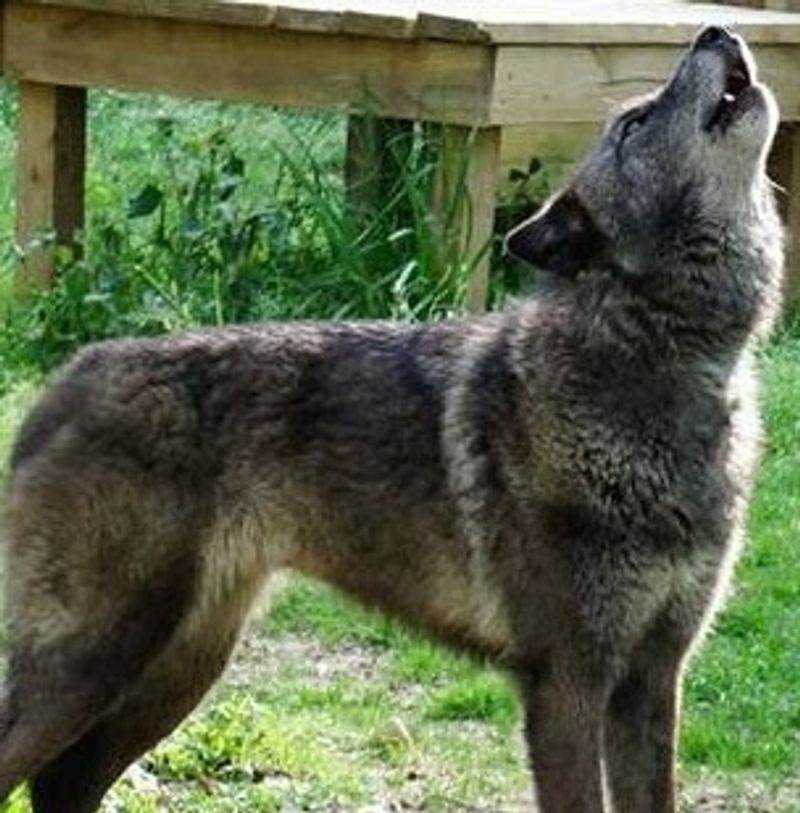
Sometimes the wolves start the show before the tour even begins. Some groups arrive to a chorus of howls right from the parking area.
Wolf howling is a favorite memory for many guests. It is one of those moments people talk about long after they head home.
Tours often include treat time as well. Guests may watch the wolves receive cool treats on warm Texas days, and some groups help toss treats while hearing each animal’s story.
On certain tours, guests get to make and feed enrichment treats. It is a simple activity that gives the wolves something fun to do.
There is one firm rule, though. This is not a place to cuddle wolves or feed them by hand.
The staff works to keep the animals as independent from people as possible. That choice protects their natural behavior and their well-being.
Some guests plan to come back just to hear the wolves howl at night. A sleepover option has caught the attention of families who want more time on the property.
Either way, the wolves set the schedule, and they rarely disappoint.
Calm Country Grounds Built With Care
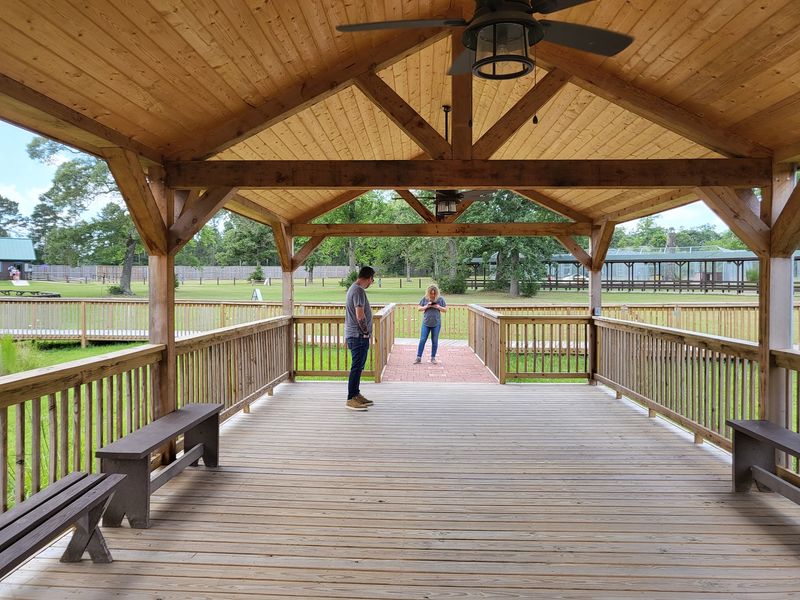
Clean, peaceful, and thoughtfully designed: that sums up the property in a few words. Many guests call it the cleanest sanctuary they have ever visited.
The setting is calm and serene. It is a place built for the animals first, with people as quiet guests.
Enclosures show clear attention to detail. They give the wolves room to run and space to rest.
Pairing is handled with thought too. The staff carefully considers which wolves live together, so each animal has a stable social life.
Someone who has studied wolves for years noted how well adapted these residents are to their situation. That is high praise for a captive setting.
The facility itself makes a strong impression. Guests often describe it as impressive and far bigger than they had pictured before arriving.
A cute gift shop rounds out the grounds. It is a handy stop for wolf lovers who want a keepsake and a chance to support the mission.
Every dollar spent here goes back toward the animals, which makes souvenir shopping feel a little more meaningful.
Tours for Families, Field Trips, and Wolf Fans
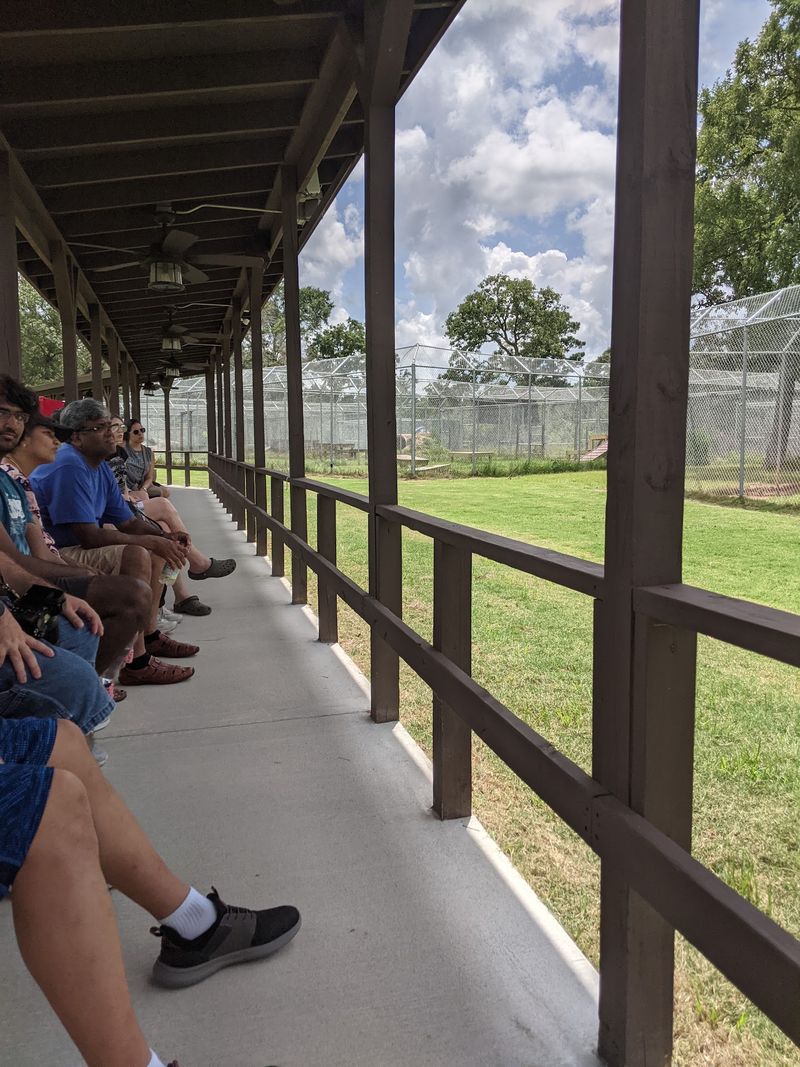
Birthday outings, family days, school trips, and date afternoons all land here. The sanctuary fits a wide range of groups.
Kids who love wolves tend to have the time of their lives. Parents often bring children around 11 or 12, and they leave with plenty of new facts to share.
Field trips are a natural match. The tours are educational without feeling like a lecture.
Couples enjoy the visit as well. Some book a VIP tour and end up as the only guests, which gives the experience a personal feel.
Private tours are another option. Guests who choose them often say the extra time and attention are well worth it.
Groups of friends find it a unique little adventure outside of town. It makes a memorable change from the usual weekend plans.
The experience stays with people long after they leave. Some sign up their grocery store charity programs to support the sanctuary once they get home.
Others simply tell everyone they know. Word of mouth seems to be one of the sanctuary’s best friends.
Planning the Trip and a Gentle Verdict

A little planning goes a long way before heading to Navasota. Visits are built around guided tours, so checking the sanctuary’s official website first is the smart move.
Tour types, times, and booking details are listed there. Options can include standard tours, private tours, VIP tours, and overnight experiences.
Plan for a drive if you live in a big city. Many guests travel a couple of hours, and nearly all say the trip was worth it.
Come ready to listen and learn. The animals are not pets, and the staff keeps a respectful distance between people and wolves.
Bring questions too. The guides love them.
So is it worth the effort? With a 4.8 star average from more than 850 people, the answer leans strongly toward yes.
The real reward is not just seeing wolves in Texas. It is watching animals that once had nothing now living calm, safe lives.
Leave a little room in your schedule, and maybe a little room in your heart. Both tend to fill up out here.