
Affiliate disclosure: As an Amazon Associate I earn from qualifying purchases. Learn more
Thousands of Phoenix drivers pass a quiet patch of desert on Washington Street every day without a second glance. Behind that low profile sits the remains of a village built by people who were farming this valley roughly 1,500 years ago.
They dug canals so clever that modern Phoenix still follows their routes. Some locals who have lived here for decades only discover the place when a school project sends them looking.
The trail is short, the museum is small, and the story is huge. Keep reading to learn where this ancient village hides, what you can see on the outdoor loop, why the site recently changed its name, and how to plan a visit that beats the Arizona heat.
Your hometown is a lot older than the freeway signs suggest.
An Ancient Village on Washington Street
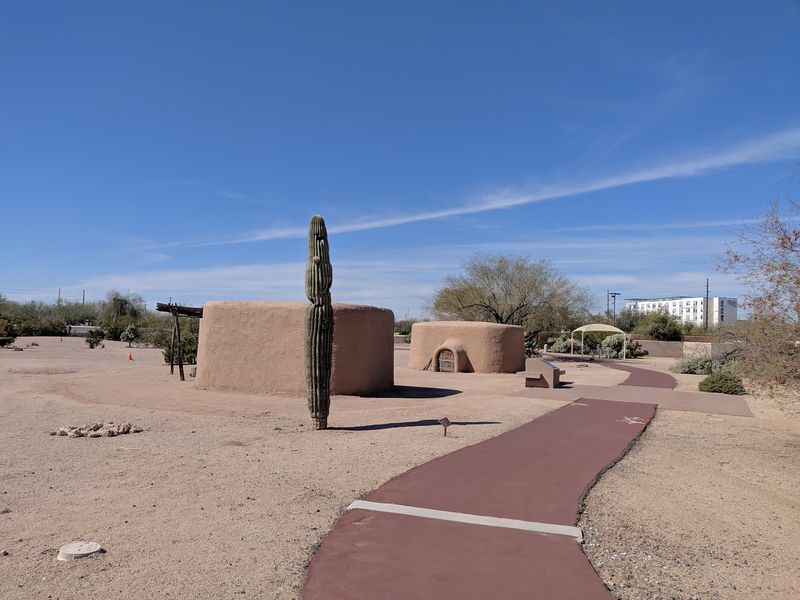
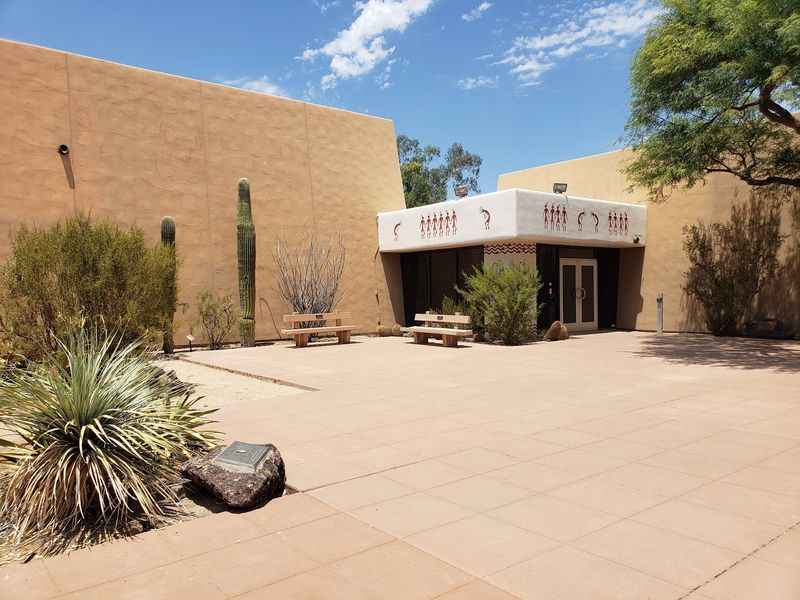
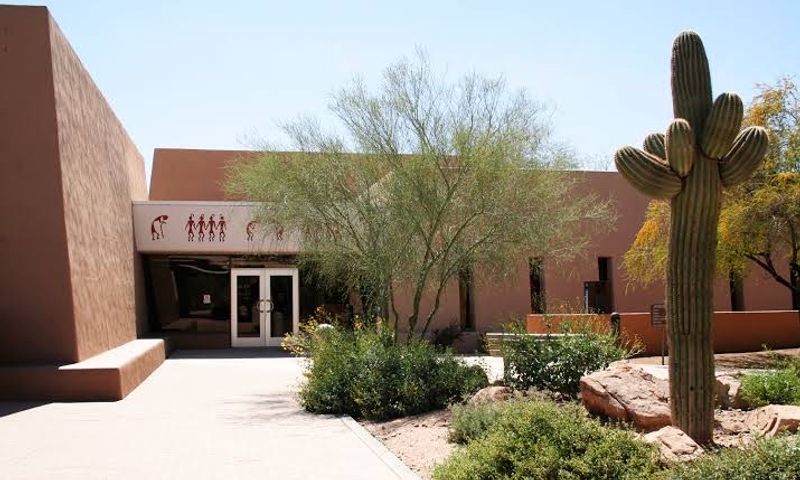
Few city addresses carry this much history. S’edav Va’aki Museum, formerly known as Pueblo Grande Museum, sits at 4619 E Washington St, Phoenix, AZ 85034, in the United States.
The museum is run by the City of Phoenix and classified as a local history museum. Its main attraction is outside, where a trail winds through preserved remains of a Hohokam village.
The location surprises many people. The site sits in the middle of the city, close enough to the airport that some guests swing by on the way to catch a flight.
That convenience is part of the charm. A full archaeological site tucked between busy roads feels almost like a secret hiding in plain sight.
Plenty of longtime residents admit they drove past it for years. One Phoenix native of nearly four decades made a first trip only after a child started studying Native American history in school.
The site holds a 4.6-star standing from more than 1,100 people, a strong showing for a small museum. Not bad for a place many locals could not point to on a map.
Why the Name Changed
Longtime Phoenicians may still call it Pueblo Grande. The newer name, S’edav Va’aki, reflects a fresh direction for the museum and its relationship with the people connected to the site.
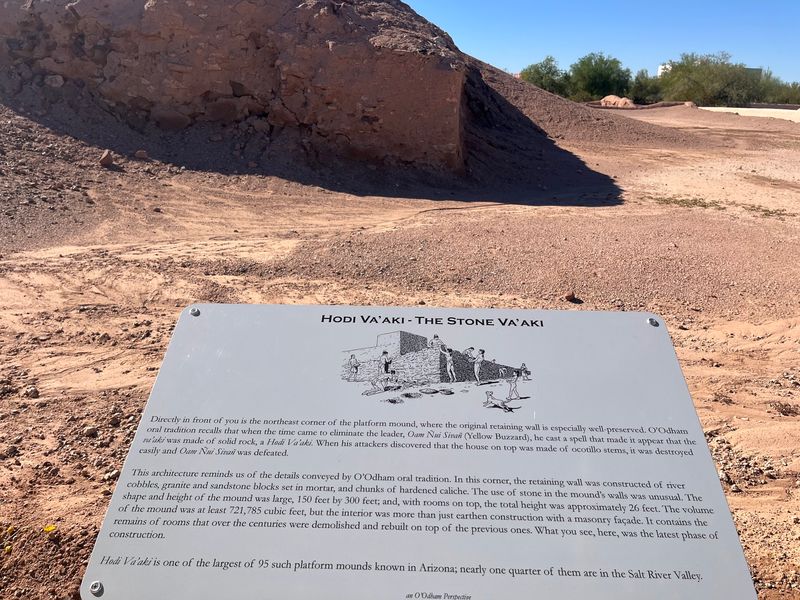
The word va’aki refers to the large platform mound that anchors the village. The O’odham people are closely tied to this place, and the name shift is part of a broader effort to tell the story more accurately.
The museum does not hide from its past. A pop-up exhibit openly addresses older ideas and inaccurate information that were once shared here.
That honesty stands out. Rather than quietly erasing earlier mistakes, the staff point them out and explain what has changed.
The museum also partners with local tribal members in stewarding the site. Recently updated exhibit information reflects that collaboration.
For locals who grew up with the old name, the update is worth learning about. It turns a simple field trip into a lesson about how history gets told and retold.
Phoenix Before Phoenix
Here is a fun bit of trivia for your next dinner party. The modern city of Phoenix was not the first community to thrive in this valley, not even close.
The Hohokam lived along the Salt River for centuries. The remains here date back around 1,500 years, long before European explorers or Spanish settlers arrived.
That fact can reshape how residents see their own city. Many people believe Arizona lost most of its history to demolition, yet this site shows the story runs far deeper.
The indoor exhibits trace how different periods changed life and surroundings for the people living here. You learn how they adapted, built, and farmed in a demanding desert.
Some call this spot the ground zero of the Phoenix origin story. It is hard to argue with that label once you see the evidence up close.
The takeaway is simple and a little humbling. Your daily commute crosses land that has been home to communities for many centuries.
Canals That Still Shape the Valley
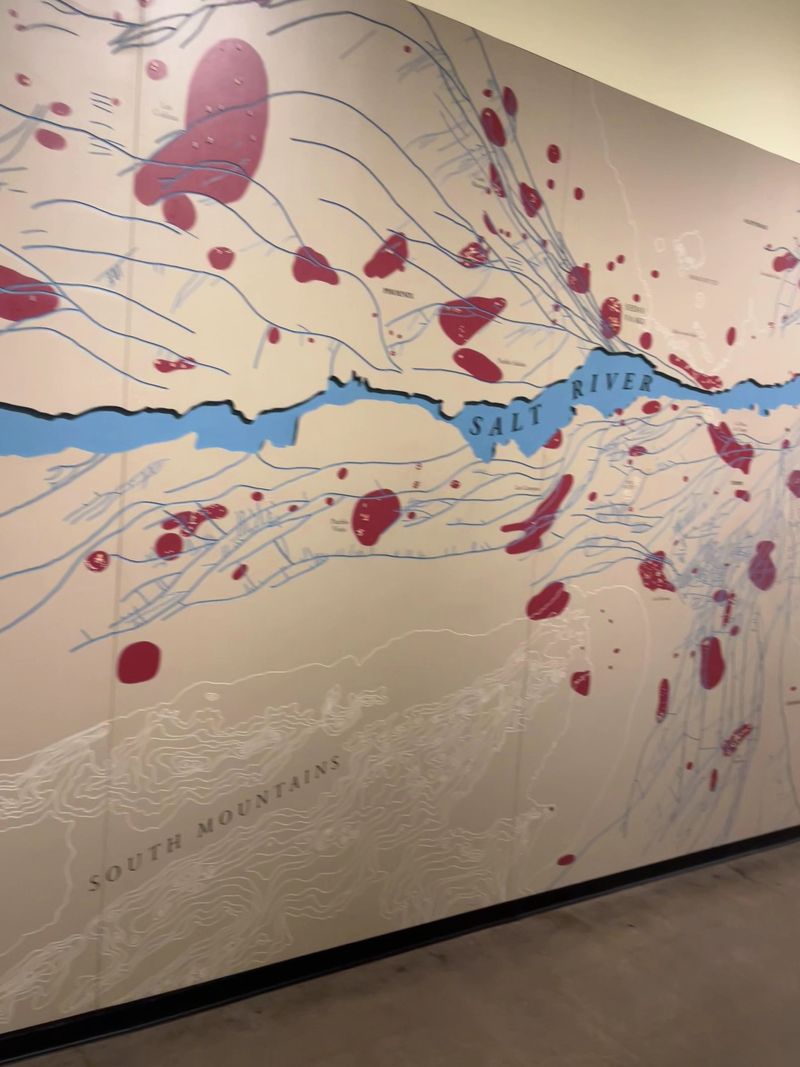
Water built this city, and the Hohokam figured that out first. Their canal network is considered the most complex prehistoric irrigation system in North America.
They built it in a desert, by hand. The effort required both engineering skill and serious physical endurance.
Inside the museum, a map of the Salt River shows canals branching to many locations across the valley. The scale of it leaves plenty of people genuinely astonished.
Out on the trail, you can see remnants of these irrigation canals. Signs explain how the system moved river water to fields.
The legacy did not vanish. Modern canal systems in the Phoenix area trace back to the routes these early engineers started.
Next time you drive over an SRP canal, give a quiet nod to the original designers. They solved desert farming long before anyone had a backhoe.
The Platform Mound at the Heart of It All
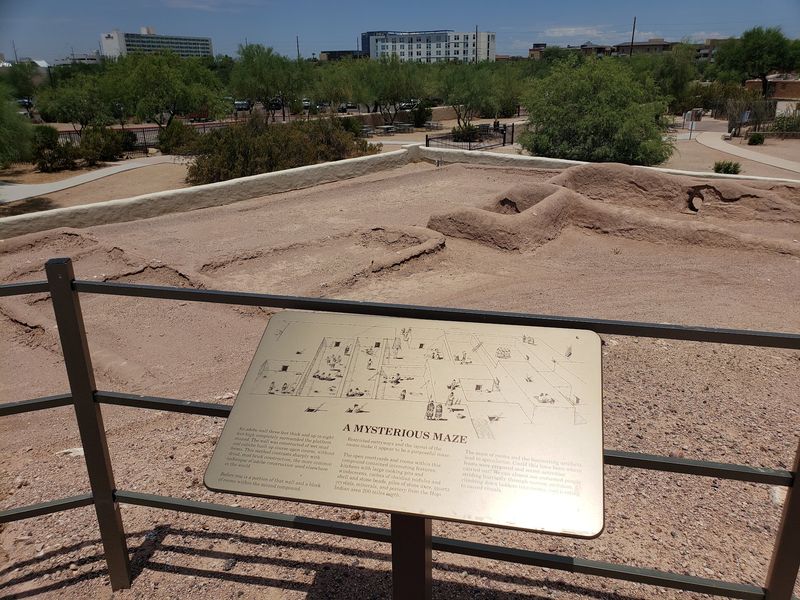
Every village needs a centerpiece. At this site, that role belongs to the va’aki, the large platform mound that gives the museum its new name.
The mound is the most impressive feature on the grounds. It invites you to stop and think about the work and planning behind it.
Excavation of the mound has revealed walls and structures that help researchers understand the community. Signs along the path explain what each section is and why it matters.
One detail worth seeking out involves the solstice rooms. The museum shares information about these rooms and a possible connection with the Hole in the Rock formation at nearby Papago Park.
That link hints at how closely these builders tracked the calendar. Astronomy and architecture seem to have worked hand in hand here.
Give yourself a few extra minutes at this stop. The mound rewards anyone willing to read the signs slowly.
Homes, Gardens, and a Ballcourt
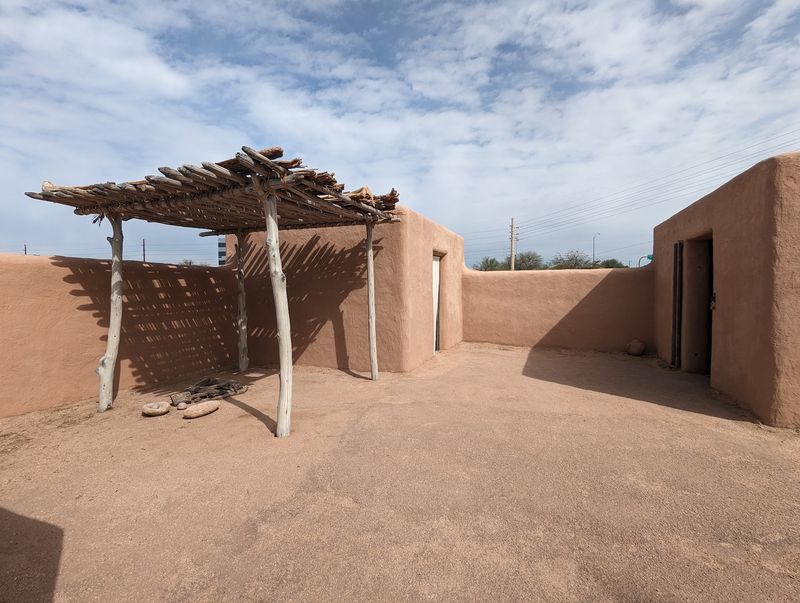
Ruins can feel abstract until you see where people actually slept and cooked. The outdoor area fixes that problem nicely.
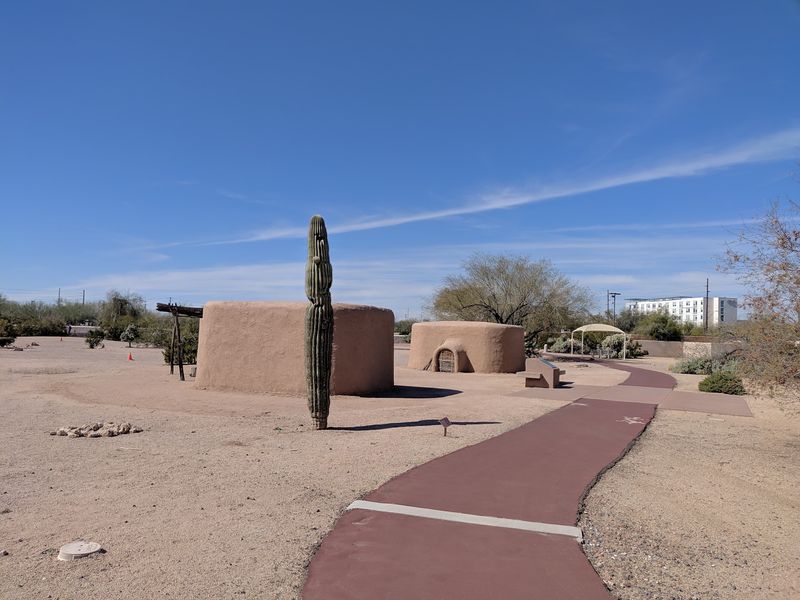
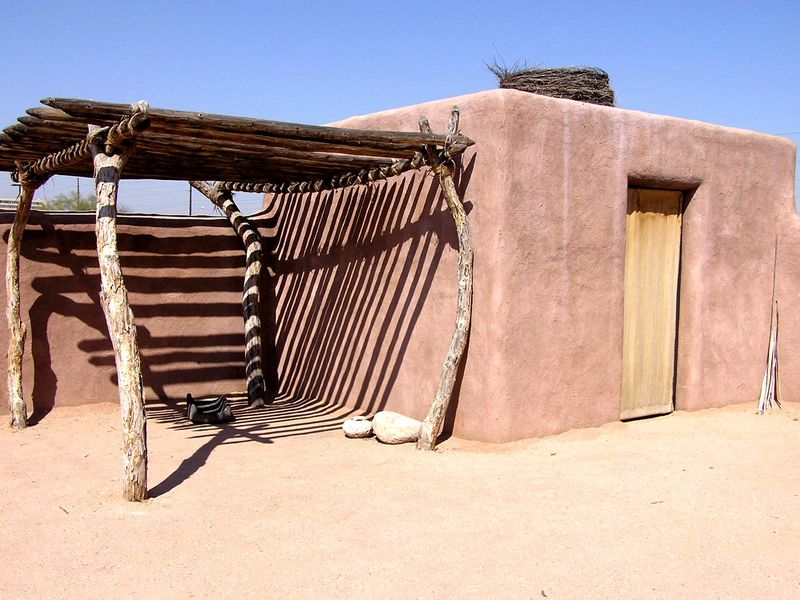
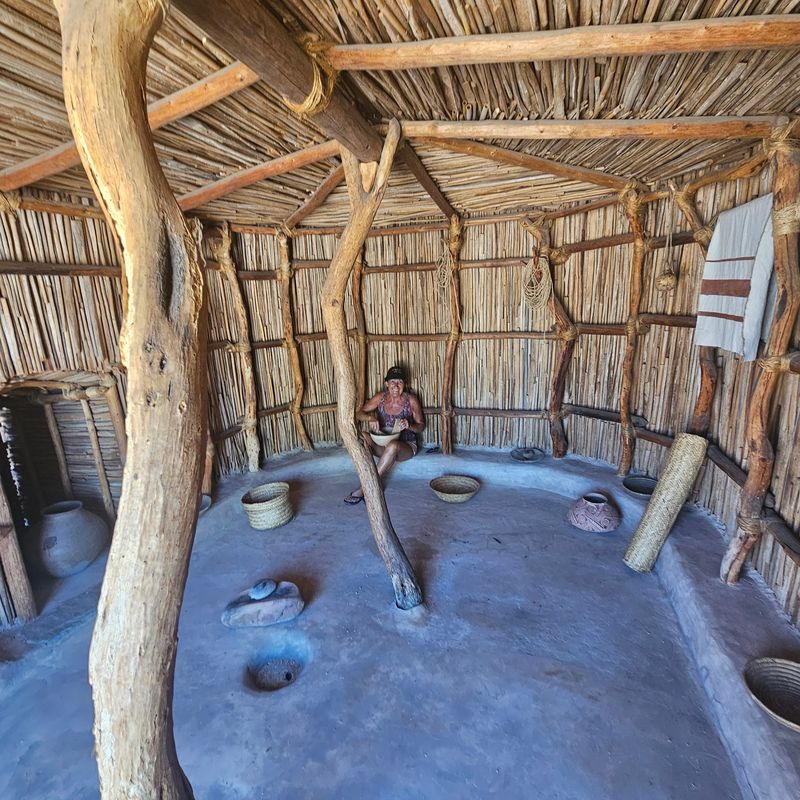
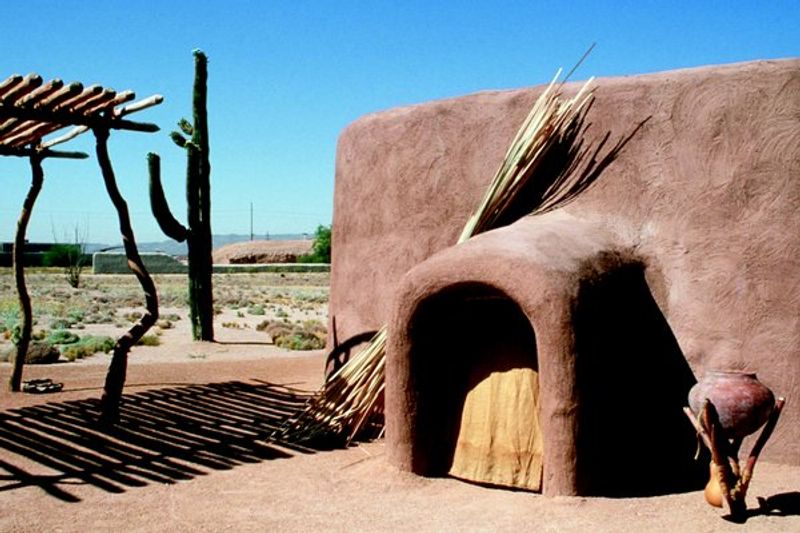
Along the trail sit models of ancient homes. You can look inside and get a sense of how living spaces were arranged.
There is also an outdoor kitchen setup with props and a garden area. Together they show daily routines rather than just stone foundations.
Many people say these replica houses are their favorite part. They make the past easier to understand, especially for younger guests.
Keep an eye out for the excavated ballcourt. Its concave shape is a highlight for history buffs who did not expect sports to show up in an ancient village.
Yes, the Hohokam had a field for games. Phoenix has apparently loved its sports teams for a very long time.
Inside the Small but Mighty Galleries
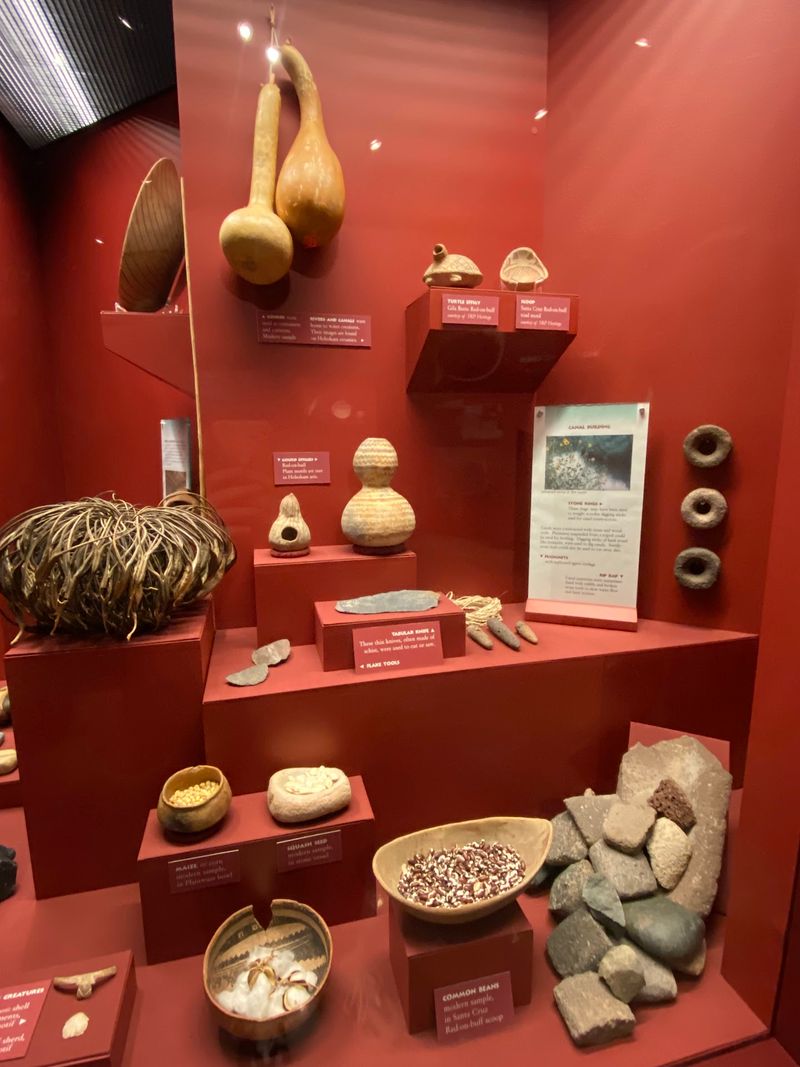
Size is not everything. The indoor museum is compact, and some guests wish there were more galleries, yet it packs in plenty.
Artifacts span a long stretch of time. If you read every panel and watch the video, you could spend hours inside.
The exhibits connect objects to the larger history of the region. They explain the sustainable ways of life practiced by the people who lived here.
Art exhibits add another layer. Even professional archaeologists have found them moving and praised the care given to preserving material culture.
Interactive exhibits also appear in the mix. They help break up the reading for people who learn better by doing.
Short on time? The galleries still give a solid overview in a quick pass, though you will probably want to come back.
A Self-Guided Loop at Your Own Pace
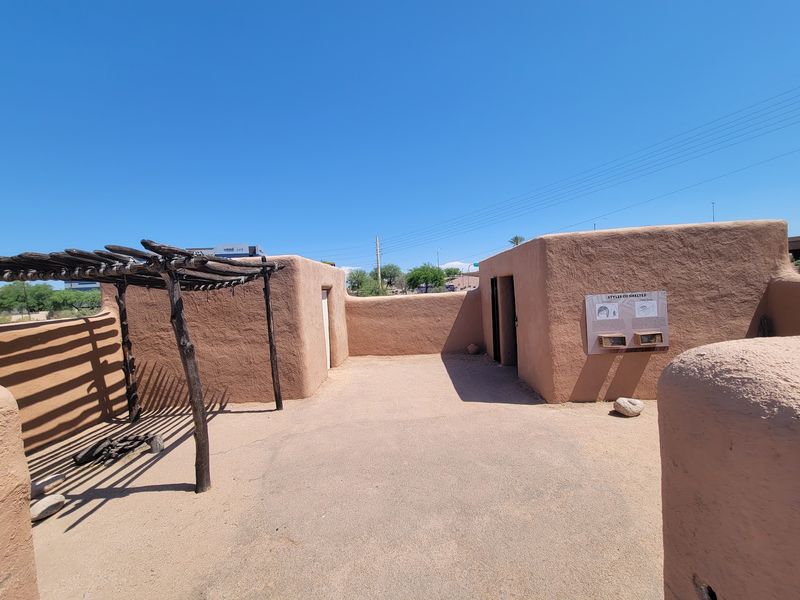
No tour guide schedule to chase here. The outdoor trail is self-guided, so you set the speed.
The path loops around the archaeological area. Signs at each stop explain what you are looking at.
Many people finish the loop in about 30 minutes of easy walking. It is peaceful and well maintained, with petroglyphs among the features that catch attention.
The museum suggests planning about an hour and a half for a complete visit. That estimate holds up if you read every sign and watch the indoor video.
Another bonus sits beyond the ruins. Thanks to the nearby airport, a couple of plane spotters enjoy watching aircraft overhead while they walk.
Ancient village below, jets above. Few trails in Arizona mix eras quite so neatly.
Staff Who Bring the Past Forward
A good guide can turn a sign into a story. The staff here earn steady praise for being friendly, knowledgeable, and happy to answer questions.
An archaeology cart sometimes appears along the way. Conversations there help turn dry reading into real discovery about how people once lived.
Events add even more life to the grounds. On some days the museum hosts Native dancers and local artisans.
Group activities also take place on site. Community organizations have used the dwellings and grounds for hands-on gatherings.
The gift shop offers local Native art and cultural products. Some find the selection a little limited, while others appreciate its local focus.
Either way, the people working here clearly care. That enthusiasm tends to rub off by the end of the loop.
Beating the Arizona Sun
Every Arizonan knows the rule. Outdoor plans live or die by the thermometer.
The museum gets this. It lends large umbrellas so you can carry your own shade along the trail.
Water bottles have also been provided at times, but bring your own just in case. Hydration is a must on the outdoor loop.
Hot afternoons can make the walk tiring, especially for kids. Several groups have cut their outdoor time short when temperatures climbed.
Thursday offers a helpful option. The museum stays open until 8 PM that day, giving you a later window when the heat may ease.
A moderate Phoenix day is the sweet spot. Cooler months make the trail far more pleasant for a slow, thoughtful stroll.
Hours, Admission, and Parking
Timing matters, because the schedule has a few quirks. The museum is closed on Tuesday and Wednesday.
Thursday runs from 9 AM to 8 PM. Monday, Friday, and Saturday run from 9 AM to 4 PM.
Sunday hours are shorter, from 12 PM to 4 PM. Sunday afternoons can be fairly quiet, which suits anyone who prefers elbow room.
Admission has been listed at $12. Some feel that price is steep for the small indoor space, though the outdoor site helps balance it out.
Parking is plentiful. That alone is a small luxury in central Phoenix.
For the latest details, check the City of Phoenix website at phoenix.gov/SVmuseum before heading out. Arriving late still works, but you will want more time than you think.
A Backyard Lesson Worth the Drive
Not every great Arizona outing requires a road trip to the high country. Sometimes the best history lesson sits a few miles from home.
This site suits curious adults, history fans, and anyone interested in archaeology. Kids around eight or nine can appreciate it, though younger children may tire on hot trails.
The kids craft section is mainly coloring pages. Families looking for heavy hands-on play should set expectations accordingly.
It is quiet, educational, and simple. Some call it a reflective experience rather than a flashy attraction.
Residents get the most out of it. Knowing the legacy of the place you live adds meaning to every canal and street you pass afterward.
So the next time you drive Washington Street, consider pulling in. The original Phoenicians left quite a story behind, and it is waiting just off the road.


