
Affiliate disclosure: As an Amazon Associate I earn from qualifying purchases. Learn more
Thousands of Arizona drivers fly up I-17 toward Flagstaff every week with their eyes on the road and their minds on cooler air. Just off the freeway near Camp Verde, a five-story home built into a limestone cliff has been waiting for more than 800 years.
It sits about 90 feet up a sheer wall, and most people blow right past the exit without a second thought. That is a shame, because this stop takes less than an hour and might be one of the most jaw-dropping things in our own backyard.
The walk is short, flat, and shaded, so almost anyone can do it. Keep reading to learn who built it, why nobody can go inside anymore, how much it costs, and the easy bonus stop just up the road that many locals have never heard of.
An Exit Worth Taking Off I-17
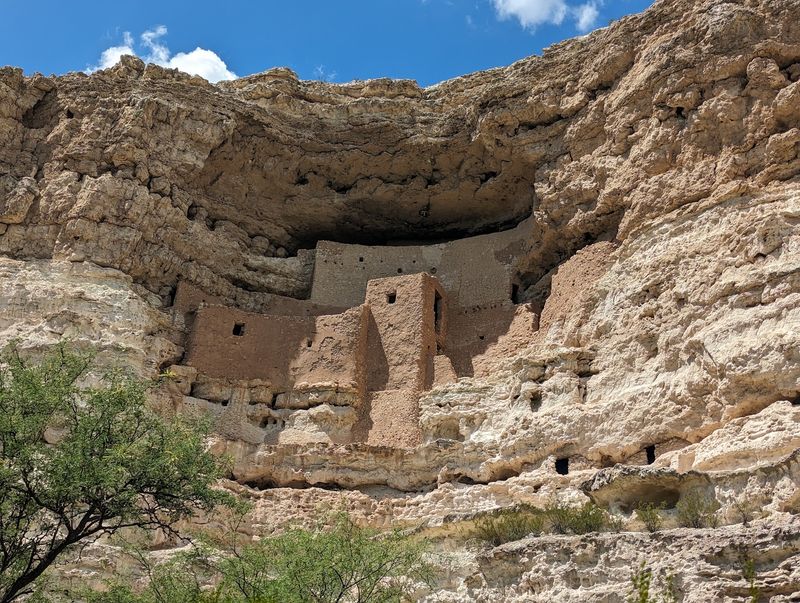
Montezuma Castle National Monument sits at Montezuma Castle Rd, Camp Verde, AZ, in the heart of the Verde Valley. It is a short hop off I-17, the same freeway Phoenix folks use to escape to Flagstaff.
The monument protects preserved cliff dwellings built by the Sinagua people. The main structure dates back to the 12th century and overlooks Beaver Creek.
For a place this old, the access is surprisingly simple. There is plenty of parking, and roads from Camp Verde, Cottonwood, Sedona, and Prescott are clearly marked.
That is part of the reason so many drivers miss it. It is almost too close to the highway to seem special.
Many people treat it as a quick break from driving on the way to Sedona. Others discover it by pure chance and leave wondering how they never stopped before.
The National Park Service runs the site, and it holds a strong 4.7-star standing from more than 12,000 people. Those numbers say a lot about a stop that takes under an hour.
So next time the Camp Verde exits roll up, consider easing off the gas. History is parked just a few minutes away.
The Sinagua Builders Behind The Walls
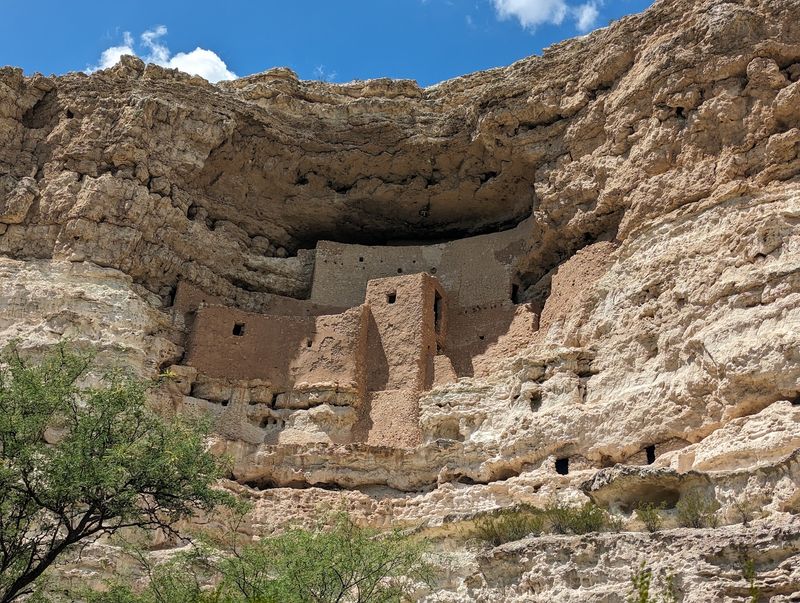
Long before Arizona had freeways, the Southern Sinagua people were farming the Verde Valley. They built this cliff dwelling more than 800 years ago.
The name Sinagua comes from Spanish words meaning without water. That label feels a little funny given that Beaver Creek flows right below the cliff.
Along the trail, signs explain how these families farmed, traded, and lived day to day. The details make the structure feel less like a ruin and more like a former neighborhood.
One fun fact catches many people off guard. Despite the name, Aztec ruler Montezuma never lived here and had nothing to do with it.
Early settlers guessed wrong about who built the castle, and the name simply stuck. It is a classic case of a label outlasting the facts.
The real story belongs to the Sinagua. Their engineering skill is the reason the walls are still standing after so many centuries.
Learning that history first makes the first glimpse of the cliff hit even harder. And that first glimpse is coming up next.
Five Stories Up A Sheer Limestone Wall
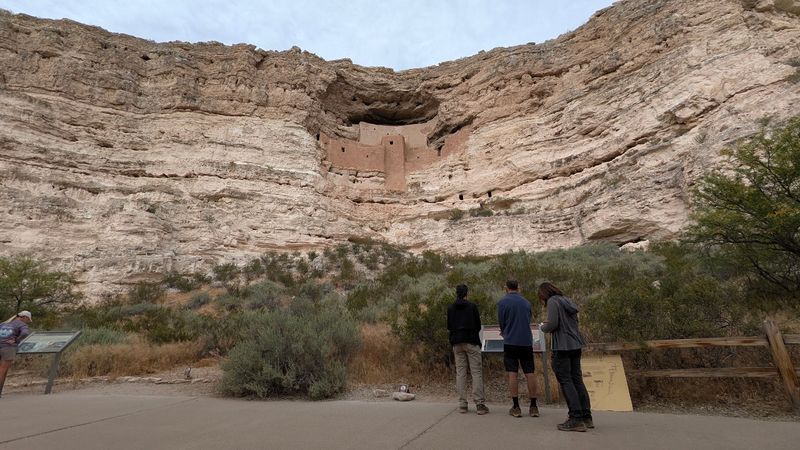
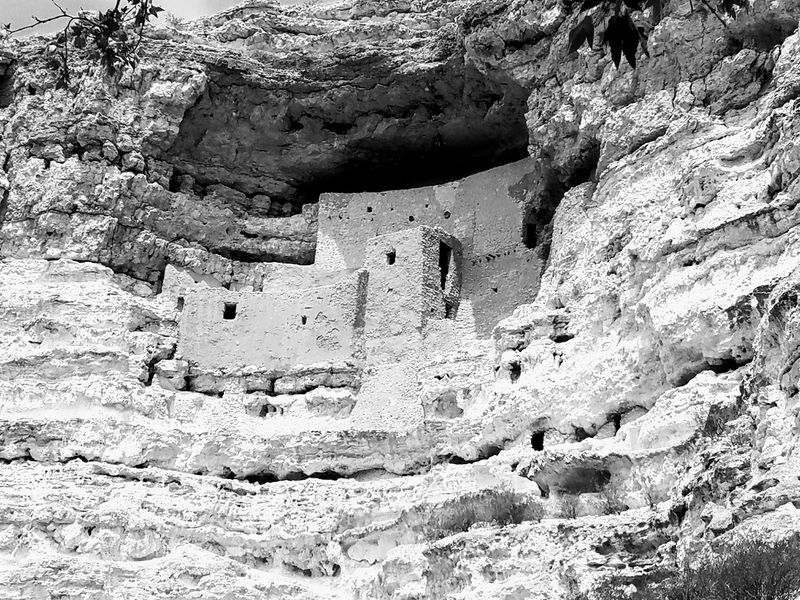
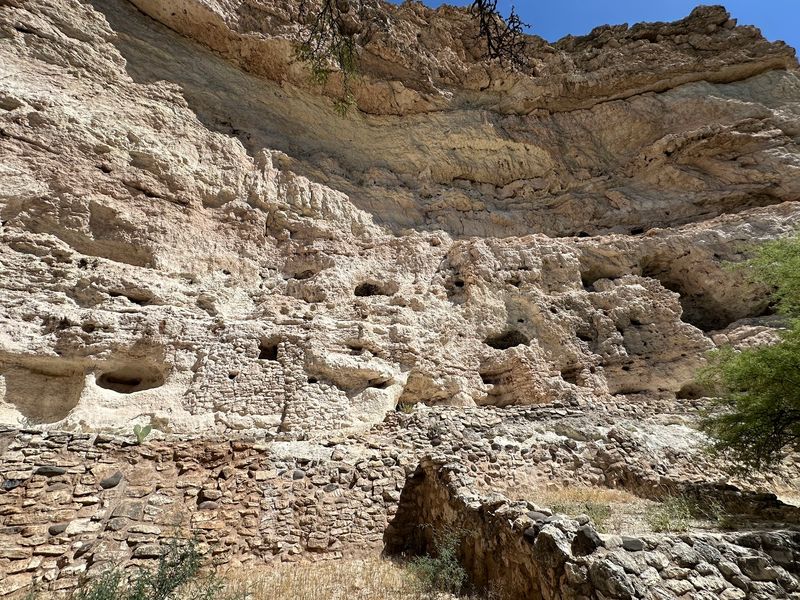
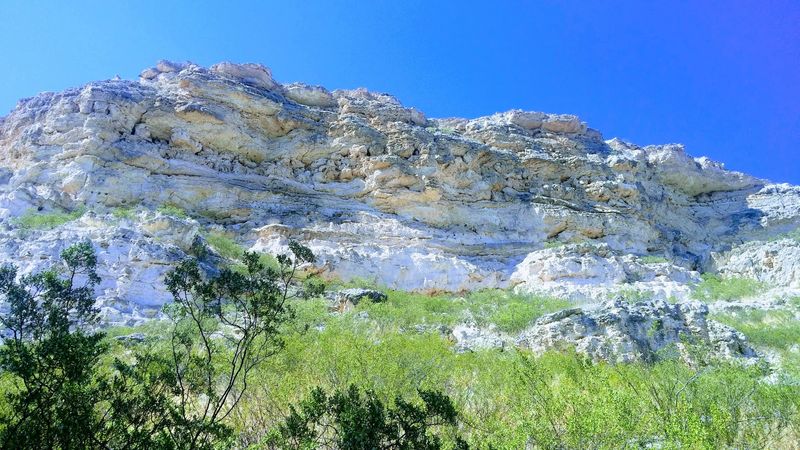
Ninety feet. That is roughly how high the dwelling sits above the ground, tucked into a natural alcove in the limestone.
The structure rises five stories and holds about 20 rooms. Building something like that today would require cranes and permits.
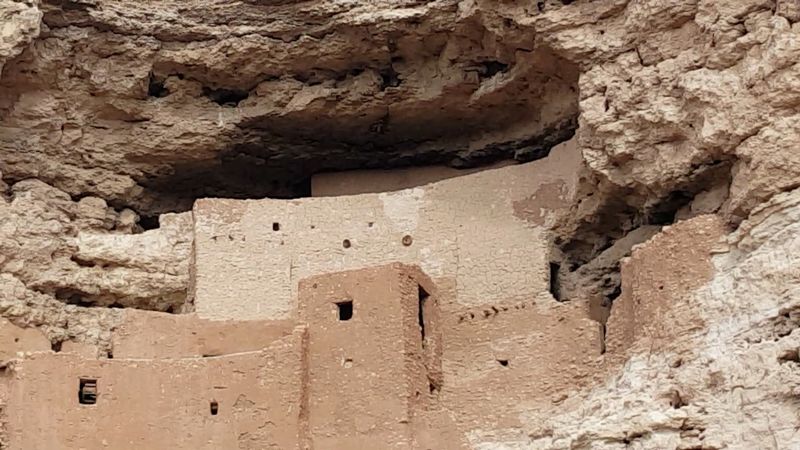
The Sinagua managed it with stone, mud, and wooden beams. Some of those original ceiling beams and patches of mud plaster are still visible.
Photos online rarely capture the scale. Many people say the castle is far more impressive in person than on any screen.
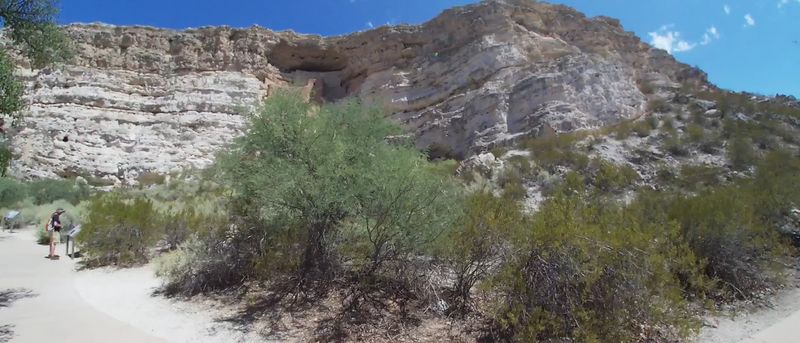
One moment on the path stands out. The trees open up and the whole dwelling suddenly appears in the cliff face.
From below, individual rooms, windows, and building details are easy to make out. The contrast between the pale rock and the earthy walls makes it a favorite for photography.
It is one of the best-preserved cliff dwellings in the region. Not bad for a building that predates almost everything else in the state.
Why The Front Door Stays Shut
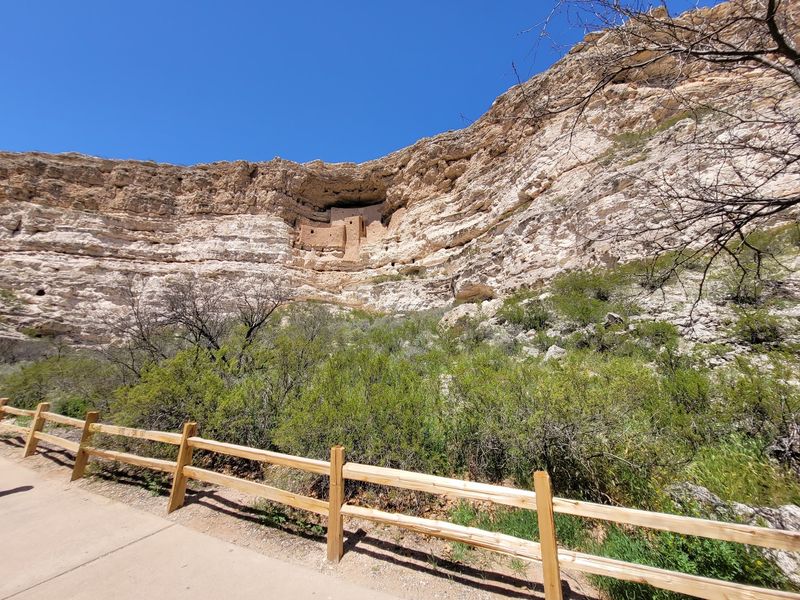
Plenty of longtime Arizonans remember older stories about climbing up into the castle. Those days ended back in the 1950s.
Entry was closed to protect the fragile ruins. Too many feet on ancient floors was simply wearing the place down.
Some people arrive hoping for a tour inside and leave a bit disappointed. Most quickly understand the reason and enjoy the view anyway.
The good news is that the trail below offers clear vantage points. The castle is easy to study without any ladders involved.
Binoculars or a zoom lens are a smart addition to the bag. They help spot the wooden beams and plaster work high on the cliff.
The view comes from a couple hundred yards away at most points. That distance keeps the structure safe for future generations.
Think of it as the castle setting healthy boundaries. After 800-plus years, it has earned a little personal space.
A Shaded Loop Under Arizona Sycamores
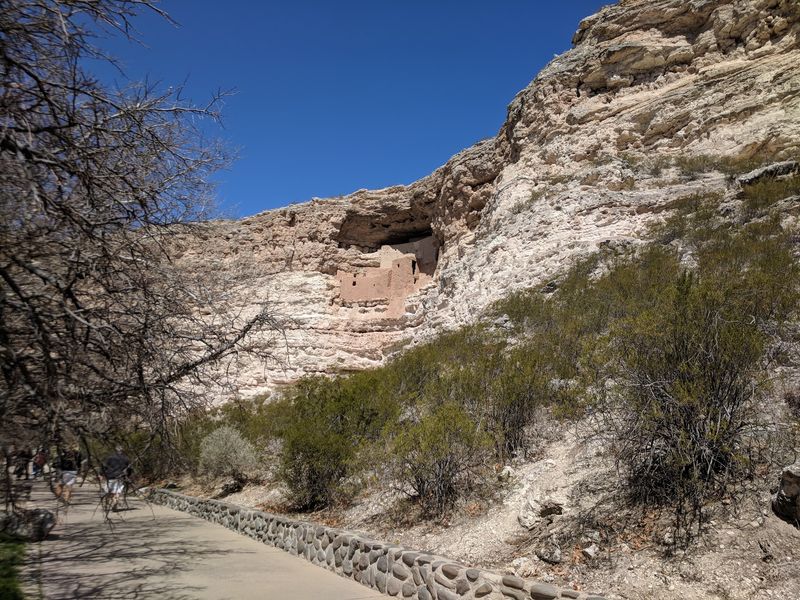
Good news for anyone who dreads a long desert hike. The main trail is a flat, paved loop of about a third of a mile.
Large Arizona sycamores line much of the path. Their shade is a real asset during warmer months.
Benches are spread along the way for anyone needing a breather. The route loops back toward the parking area and picnic tables.
The path is smooth enough for strollers and wheelchairs. Families with grandparents, toddlers, or anyone with mobility needs can enjoy it together.
Most people finish the loop with time to spare. The total visit usually runs about 45 minutes to an hour.
Photo spots pop up along the trail, giving different angles of the cliff. Each turn offers a slightly new view of the dwelling.
It may be the easiest walk in Arizona with this kind of payoff. Short distance, big history, zero sweat required for most of the year.
The Little Diorama Everyone Talks About
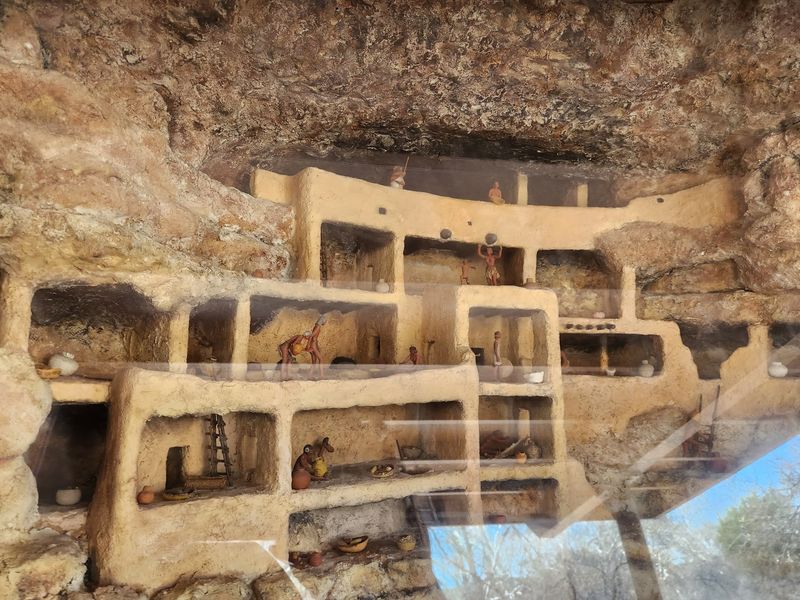
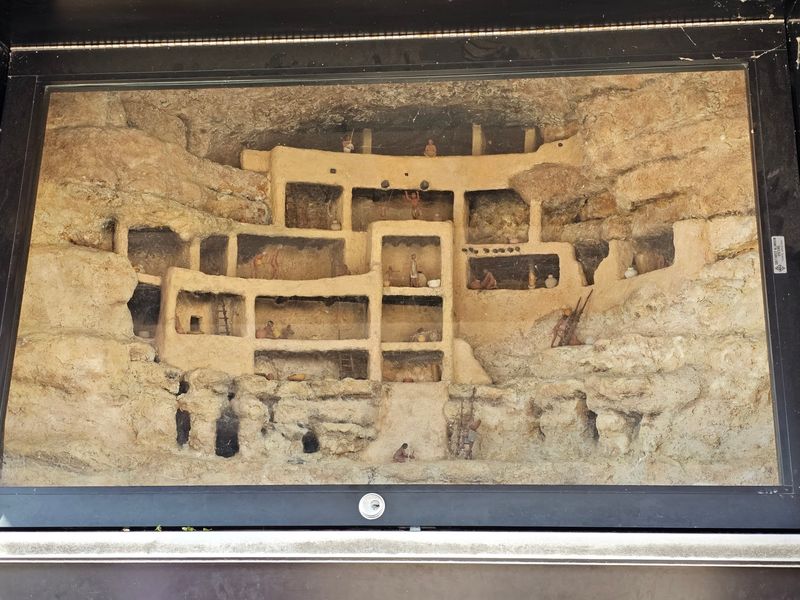
Halfway around the loop sits a feature that steals plenty of attention. A small diorama shows a cross-section of the castle and its levels.
It reveals what the rooms might have looked like from the inside. Since nobody can go in, this is the next best thing.
A recorded audio narration plays alongside it. The audio describes what daily life may have been like for the families living above.
Many people name it as their favorite part of the walk. It turns a building on a cliff into a home with real routines.
Kids especially tend to linger here. The miniature layout makes the five stories easy to understand.
Listening while glancing up at the actual cliff ties everything together. The connection between the model and the real thing clicks fast.
Small exhibit, big effect. Sometimes the tiniest display does the heaviest lifting.
Trail Signs That Tell The Story
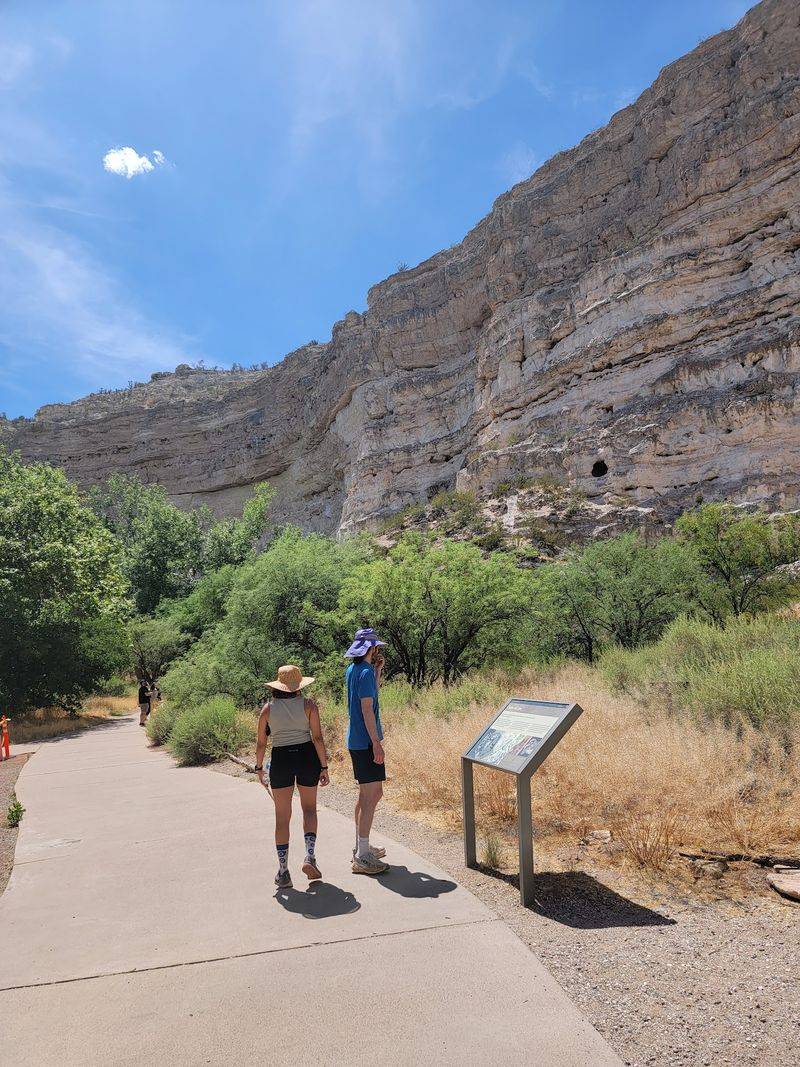
Reading on vacation might not sound thrilling. Here, the trail signs make it worth slowing down.
Informational boards line the path and explain history, geology, and daily life. They cover farming, the use of the land, and the role of Beaver Creek.
The text is detailed without being overwhelming. Most people find the right balance of facts and pace.
Some do wish for short summaries above each sign. Skimmers might appreciate a quick headline version.
Still, the signs give strong context for what the castle meant to its builders. They explain how the land and creek supported a whole community.
Brochures and maps also point toward nearby heritage sites. Tuzigoot National Monument, Fort Verde State Historic Park, and the V-V Petroglyph Site all show up.
Together, they make the Verde Valley feel like one connected cultural region. A few minutes of reading opens a whole new chapter.
Beaver Creek And The Valley Setting
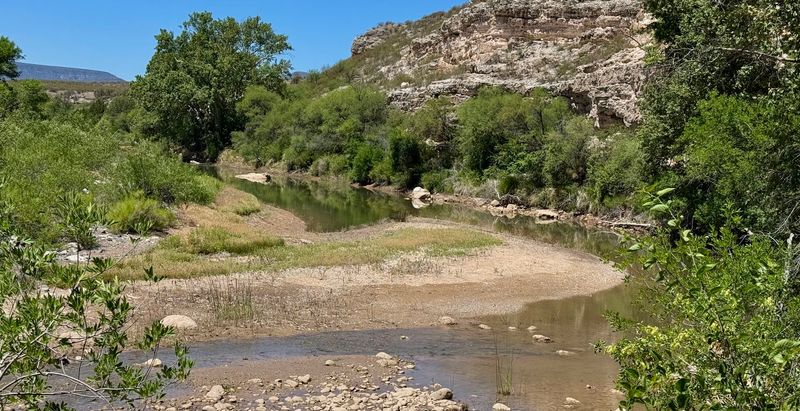
Water explains a lot about why people settled here. Beaver Creek runs about a hundred yards from the trail.
The creek supported farming in the valley for the Sinagua. It still supports a ribbon of trees today.
Cottonwoods, sycamores, and desert plants surround the area. The setting balances the dramatic cliff with a calm, open feel.
Many describe the atmosphere as peaceful and quiet. It is a welcome contrast to the rush of I-17 just minutes away.
The valley floor sits well below the dwelling. Looking from the trail shows how the builders chose high ground near a reliable water source.
The location was smart planning, not luck. Food, water, and protection all lined up in one spot.
Spend a minute just taking in the surroundings. The castle is the star, but the setting is a strong supporting actor.
Visitor Center, Museum, And Gift Shop
Before or after the loop, the visitor center is worth a stop. It holds a small museum with artifacts from the region.
Displays show tools, trade items, and daily life objects of the people who lived here. They add helpful context to what the trail reveals.
Rangers are on hand and are known for being friendly and helpful. They answer questions and help with passes at the desk.
The gift shop is well stocked with regional books and Native American crafts. It also has a stamping station for Junior Rangers.
Collectors of park passport stamps can add this one to their books. It is a small thrill for stamp hunters.
The museum is compact, so it does not take long. Even a quick walk through deepens the experience outside.
Start here if possible. The castle looks different once you know what you are looking at.
Leashes, Paws, And BARK Rangers
Four-legged travelers get a warm welcome here. Leashed dogs are allowed on the trail.
That makes it a rare national park stop where pets can join the fun. Plenty of Arizona dog owners consider that a big win.
The site also offers the BARK Ranger program. Dogs can earn their own badge, which is about as cute as it sounds.
The program encourages good habits like keeping pets leashed and picking up after them. It keeps the site in good shape for everyone.
The short, shaded path suits dogs well, especially on cooler mornings. Summer pavement can heat up, so timing matters.
Picnic tables near the parking area offer a place to rest afterward. Water for pets is a smart thing to pack.
Paws up for a park that includes the whole family. Your pup might leave with more credentials than you.
Who Gets The Most Out Of It
Short answer: almost everyone. The easy trail makes it suitable for all ages.
Families with young kids find it a great history lesson that does not drag. Children can learn about Arizona’s earliest communities in under an hour.
Fourth graders get a special perk through a federal program. Their families can enter free, which makes field trips with the whole crew affordable.
Wheelchair users and those with limited mobility can enjoy the full loop. The paved surface and benches help a lot.
Photographers love the clear views and the contrast of cliff and sky. A zoom lens rewards patience here.
History buffs can spend extra time on the signs and museum. Casual travelers can do a quick loop and hit the road.
It works as both a destination and a pit stop. Few places pull off that double duty so well.
Hours, Fees, And Free Entry Perks
Plan around the clock first. The monument is open daily from 9:00 am to 4:45 pm.
Early birds can wait in a small parking lot before opening. Arriving soon after 9 helps with parking and the heat.
There is a per-person entry fee for those 16 and older, listed at $10. Kids under 16 get in without paying.
Parking is free, and the picnic areas can be used without paying entry. Outside food is allowed, so packing lunch is easy.
Active-duty service members and spouses get in free with an America the Beautiful military pass. They also receive 10 percent off at the gift shop.
The same entrance pass can work with Tuzigoot National Monument. That stretches the value even further.
Check the NPS website before heading out for any updates. A two-minute check beats a surprise at the gate.
Timing Your Trip Around Arizona Heat
Summer in Camp Verde can easily reach 100 degrees. That is not ideal for any outdoor walk, even a short one.
Early morning is the sweet spot during warm months. The shade from the sycamores helps, but timing helps more.
Fall and winter offer the most comfortable conditions. Those seasons are often recommended for a relaxed visit.
Summer visitors should bring sunscreen, a hat, and water. The walk is short, but the sun still means business.
Going early also beats the crowds and frees up parking. It is a classic Arizona trick for a reason.
The stop fits neatly into a morning drive north. A quick loop can be done before the day heats up.
Beat the sun, and the castle is all yours. Well, yours and a few other smart early risers.
The Bonus Stop And A Final Verdict
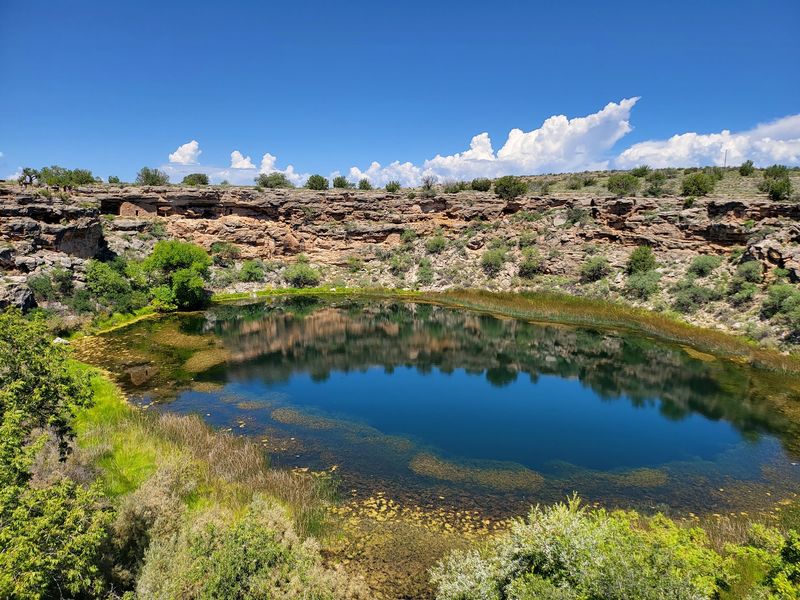
Here is the secret many locals miss. Montezuma Well is part of the same monument and sits about 15 minutes up the road.
Entry there is free, and it is usually far less crowded. It pairs nicely with the castle for anyone with extra time.
Plenty of people say both stops are worth the visit. Together, they round out the Sinagua story in the Verde Valley.
Some treat Montezuma Castle as a quick break rather than a full destination. That is fine, since the payoff is huge for the time spent.
Plan for 45 to 75 minutes at the castle. Add the well, and it becomes a satisfying half-morning outing.
For Arizonans, this is history in our own backyard. It is old, easy to reach, and genuinely world-class.
So next time Flagstaff is calling, answer with a short detour. The castle has waited 800 years, and it can wait a few more minutes for you to pull over.


