
Affiliate disclosure: As an Amazon Associate I earn from qualifying purchases. Learn more
Cars hum along a quiet McHenry County road every day, and most drivers never tap the brakes. Just off that pavement sits a tiny wetland preserve with boardwalks, wooded hills, rare plants and a few surprising pieces of Chicago history hidden in plain sight.
A full loop takes well under an hour, and there is no gate fee. For families who want a real outdoor adventure without spending a dime, this little spot delivers more than its size suggests.
Keep reading to learn where it is, what makes it special, when to go and the small tips that make a visit easy.
A Tiny Preserve on Cherry Valley Road
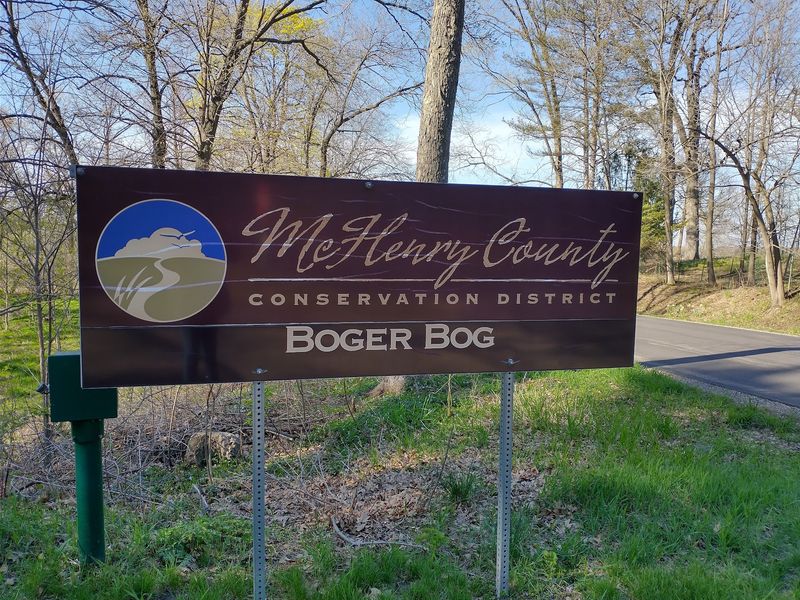
Blink and the turnoff slips by. Boger Bog Conservation Area sits at 2100 Cherry Valley Rd, Bull Valley, IL 60098, tucked into the rolling countryside of McHenry County in northern Illinois.
The site is managed by the McHenry County Conservation District, the same group behind many of the county’s protected lands. It is listed as a nature preserve, and it stays small on purpose.
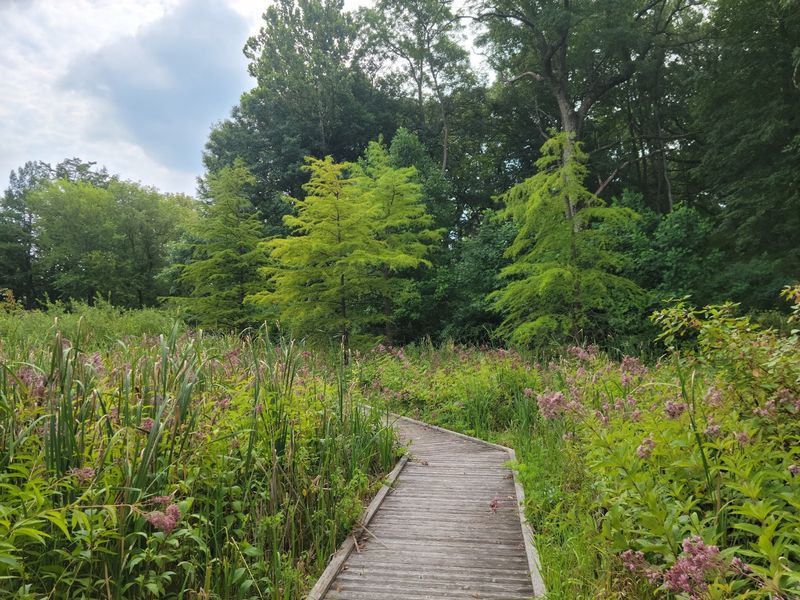
What waits inside is a mix of flat wetlands and wooded hills joined by a trail that is just under a mile. Part of the path runs on boardwalk and part on dirt.
That compact layout is the whole appeal for busy families. There is no long drive into a sprawling park and no big parking fee to manage.
The area is free to walk, which makes it an easy add-on to a weekend errand run or a drive through the area. Grandparents and kids can both handle the distance without much fuss.
Many people pass by without knowing the bog exists at all. Once you know where it is, though, the drive past it will never feel the same again.
Why a Fen Is Worth the Fuss
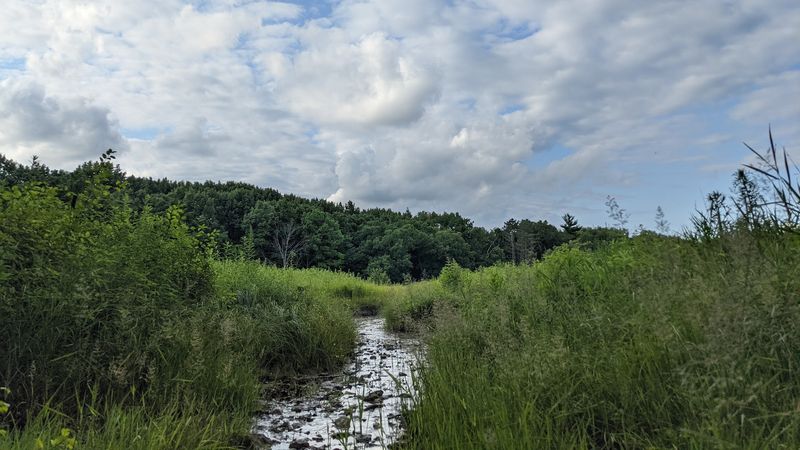
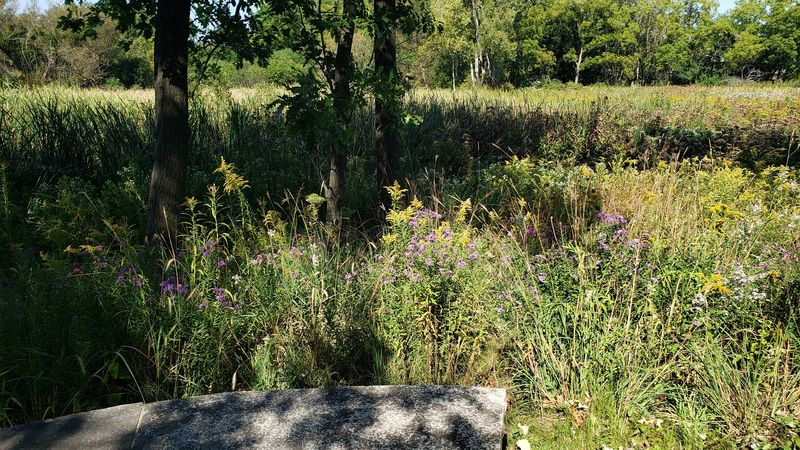
Wetlands come in many types, and fens are among the rarest in the country. They are fed by groundwater, which supports a special group of plants that do not grow just anywhere.
At Boger Bog, that wetland setting sits right beside wooded hills. The result is a surprising variety of plant life squeezed into a small piece of land.
Many people who walk the trail point out that the flora here is unusually diverse for such a compact space. Some of the plants and flowers are ones you might not spot in a typical backyard or city park.
For kids, this is a chance to see a real wetland up close without a long hike. For adults, it is a reminder that rare places can exist just minutes from home.
Protecting land like this takes steady work. The McHenry County Conservation District has placed informative signs along the trail that help explain what you are looking at.
Reading those signs together turns a short stroll into a mini science lesson. Not bad for a stop that costs nothing at all.
Rooftops From the 1933 World’s Fair
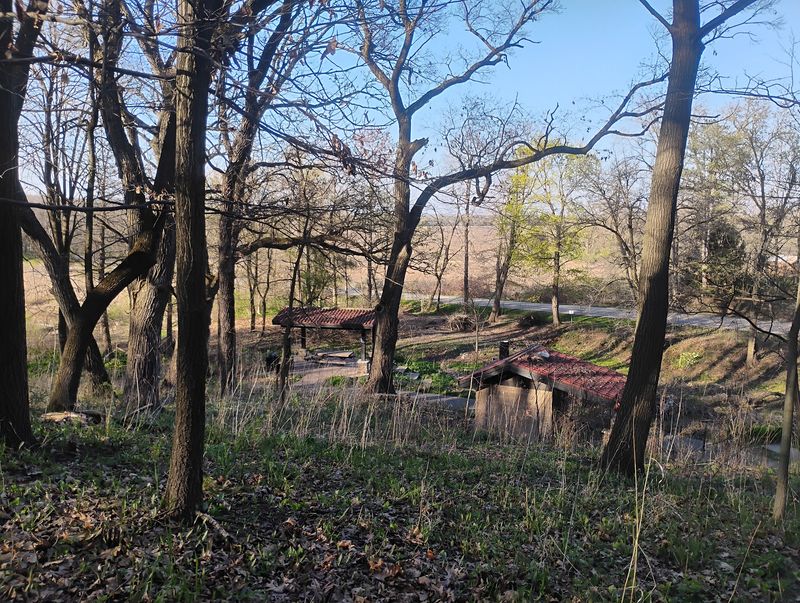
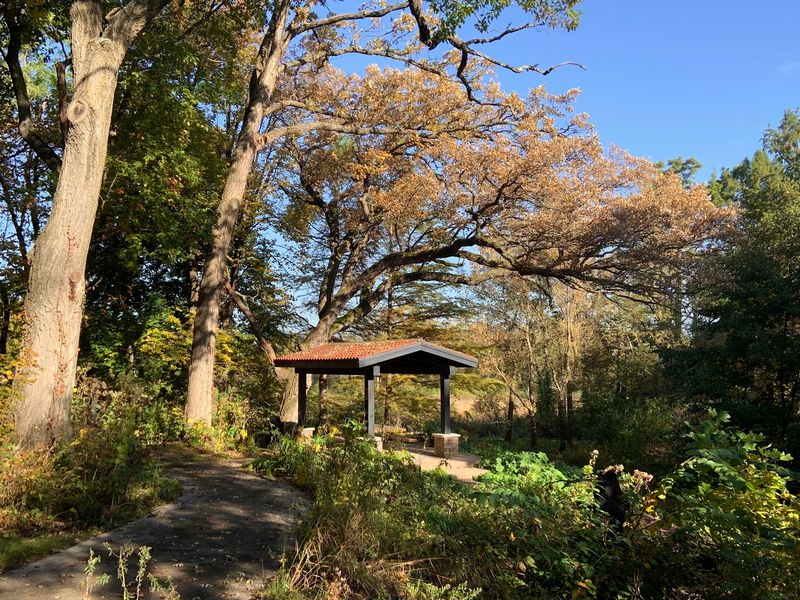
History buffs, here is the plot twist nobody expects in a swampy patch of woods. The roofs on the small covered picnic area and the pit toilet are shingled with terracotta tiles salvaged from the 1933 Chicago World’s Fair.
That fair, known as the Century of Progress, drew huge crowds to the Chicago lakefront. Pieces of it now rest quietly in McHenry County.
Signs on site share more about these historic features, and they are well worth a few minutes of reading. Many people call these signs a must for anyone curious about the past.
This is a fun conversation starter for grandparents and grandkids. Older family members may remember hearing stories about the fair from their own parents.
It is not every day that a restroom roof doubles as a history exhibit. Kids tend to find that detail pretty hilarious.
The fair tiles give this little preserve a connection to one of the biggest events in Illinois history. Next up, another salvaged treasure waits a short walk away.
A Council Ring Built From Chicago Streets
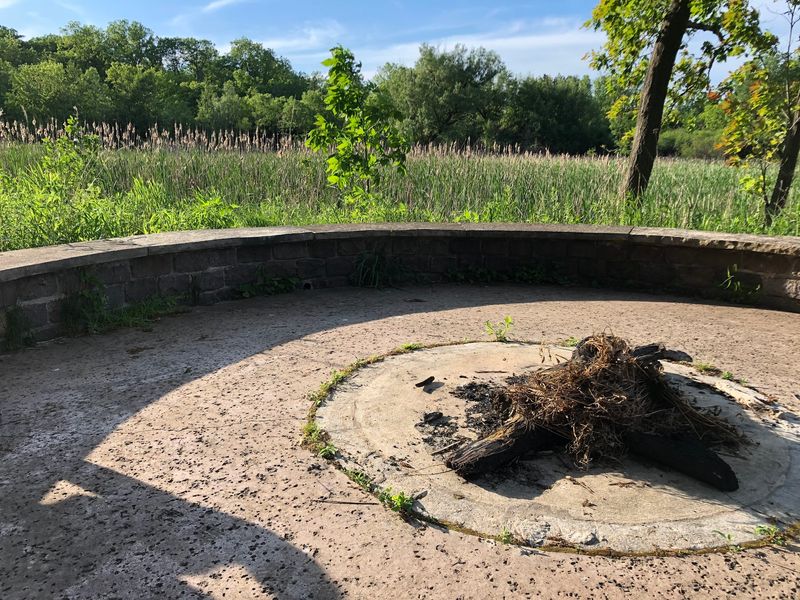
Old city streets rarely retire to the countryside. At Boger Bog, though, antique granite pavers salvaged from a street in Chicago were used to build a council ring.
A council ring is a circular stone seating area meant for gathering and talking. It makes a natural destination along the trail.
Many people walk the short path out to the council ring and then turn back. On a chilly autumn day, that out-and-back route is a favorite.
For families, the ring is a perfect spot for a snack break or a quick story. Kids can count the stones or guess which Chicago street they came from.
The ring also adds to the historic flavor of the site. Paired with the World’s Fair tiles, it gives the preserve a link between city and country.
It is a quiet reminder that old materials can find a second life. Here, they have become part of a place built for slowing down.
Boardwalks, Dirt Paths and Rolling Hills
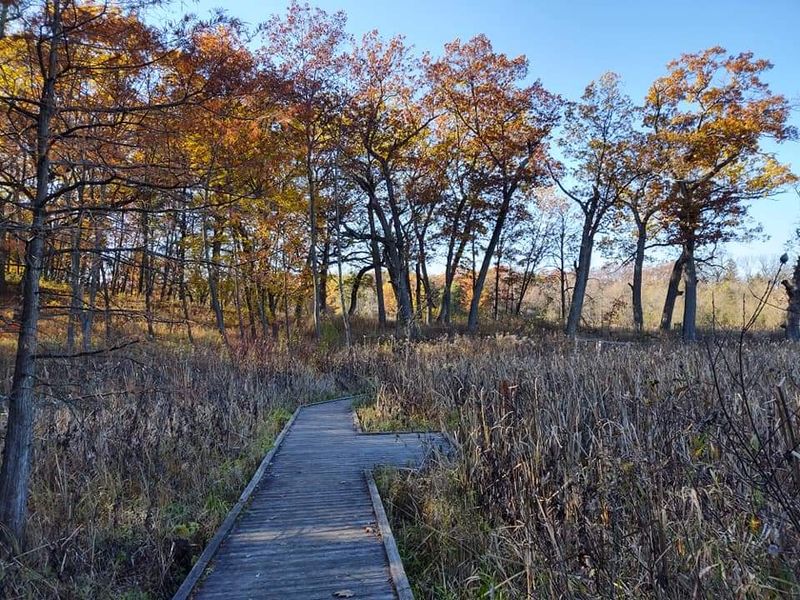
Just under a mile of trail covers a lot of ground here. The path blends boardwalk sections with dirt stretches that are mostly even and reasonably wide.
Expect some moderate elevation change as the trail moves from the bog up into the woods. Those hills add a little challenge without wearing anyone out.
Most people finish the walk in around 15 to 30 minutes. That makes it ideal for little legs or anyone wanting a quick stretch.
A few trail notes help. Some find the path a bit narrow in spots, and in one area the tall grassy plants can make the trail fade so you need to turn back.
Sticking to the main trail is the smart move. A smaller side path may lead toward a stream, but it tends to get muddy.
Short, varied and easy to manage, the route works for a wide range of ages. Comfortable shoes are all the gear required.
Bald Cypress Far From the South
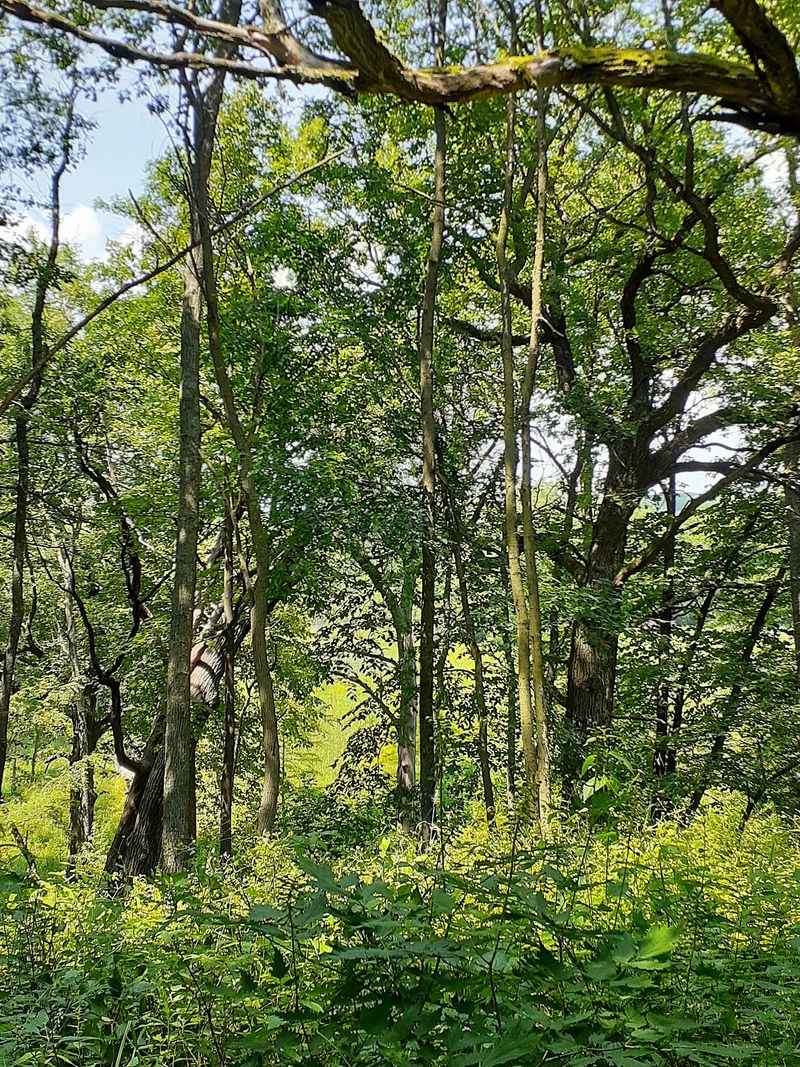
Here is a fun fact for the car ride over: Bald Cypress trees grow at Boger Bog. These trees are often linked with southern swamps, so finding them in northern Illinois feels like a pleasant surprise.
The preserve offers a wide variety of trees beyond the cypress. Wooded hills rise above the wetland areas, creating two very different settings on one walk.
Kids can play a game of spotting different tree shapes and bark types. The informative signs along the trail help with identification.
Fall brings a different look to the woods. Many people find the site especially picturesque in autumn, whether the day is sunny or foggy.
Bald Cypress are known for dropping their needles in fall, which is part of how they got their name. That makes them a neat lesson for curious young naturalists.
Tree lovers will find plenty to talk about here. The variety packed into such a small space is a big part of the charm.
Spring Wildflower Season
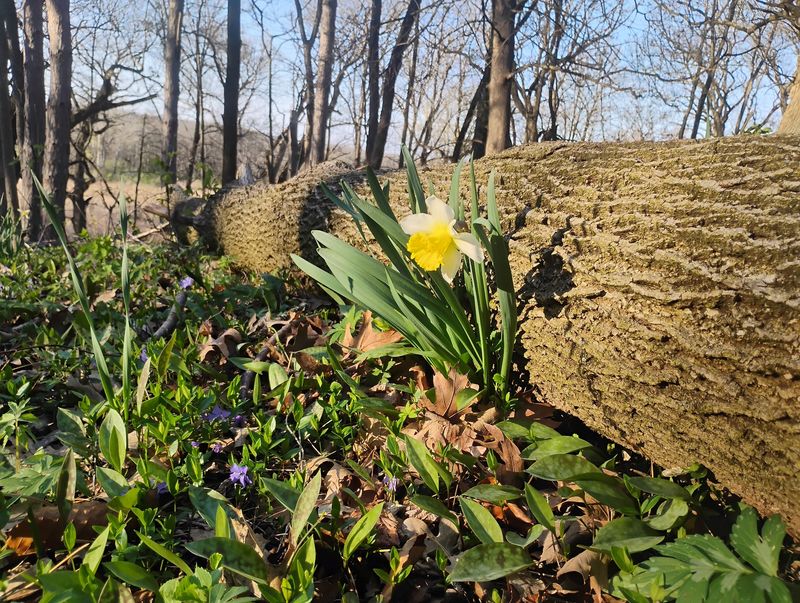
Early spring is when the bog wakes up first. Around the beginning of April, skunk cabbage and yellow daffodils appear even before the trees have leafed out.
Skunk cabbage is one of the earliest plants to show up in wetlands. Despite its silly name, it is a highlight for plant fans.
As spring rolls on, ferns and white trillium join the show. These are considered can’t-miss displays during the season.
Spring visits can be a little muddy, so boots are a good idea. Families should plan for a quick shoe wipe before getting back in the car.
Bare trees in early spring also make it easier to see the shape of the hills and wetland. Then the foliage fills in as summer approaches.
Coming back in different months lets kids watch the same place change. That repeat-visit habit costs nothing and builds a real connection to the land.
Summer Blooms and Tall Greenery
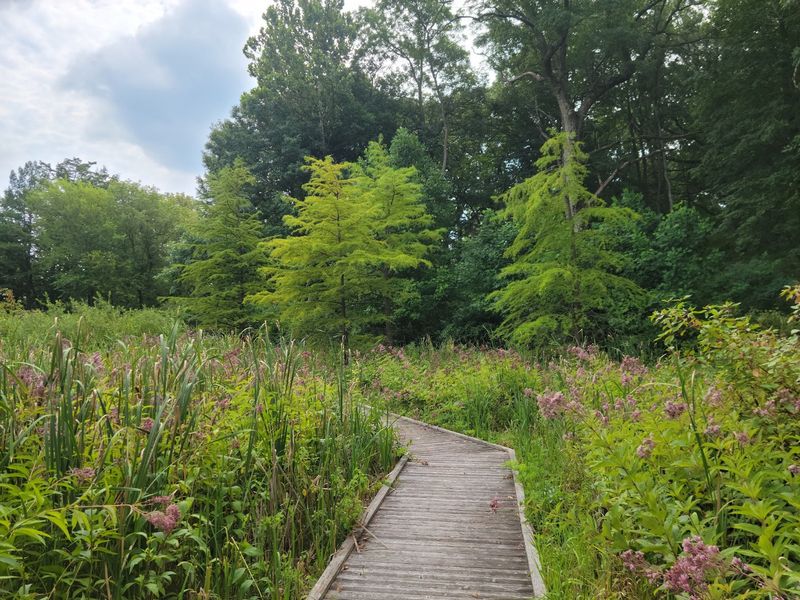
By late July, the preserve shifts into full bloom mode. A wide range of flowers can be seen along the trail during this stretch of summer.
The plants grow tall and grassy in places. That fullness is lovely, but it can also crowd parts of the path.
Summer is a good time for families who want to see a multitude of plants that may not grow elsewhere nearby. It turns a short walk into a scavenger hunt.
Bugs are part of the summer package in any wetland. Early afternoon tends to be more comfortable, though some times of day may be buggier.
Bringing insect repellent is a small step that makes a big difference. A water bottle is also a smart addition on warm days.
Wildlife is part of the experience too, with native plants and animals calling the area home. Sharp-eyed kids may spot more than flowers.
Fall Fog and Quiet Woods
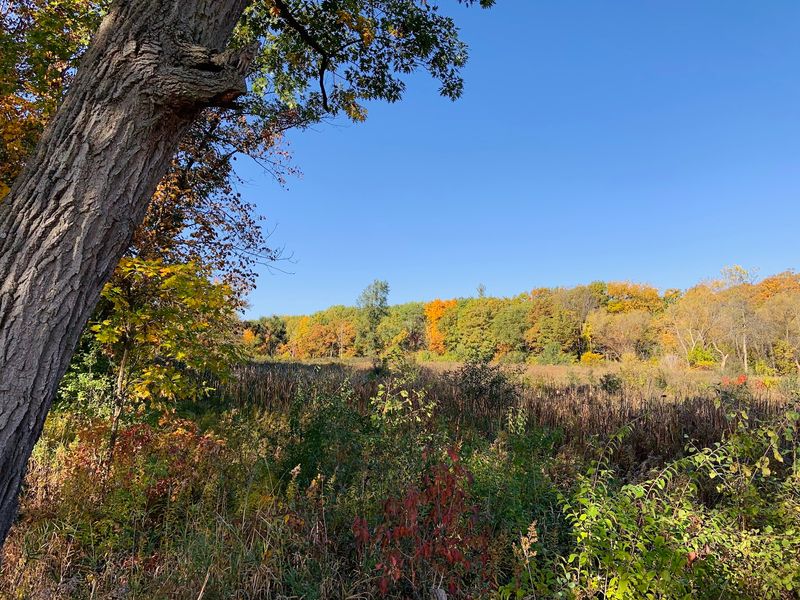
Autumn might be the best-kept secret of all at Boger Bog. The wooded hills and wetland look especially picturesque this time of year.
Foggy mornings and sunny afternoons both work well. Late autumn brings a deep sense of peace to the trail.
Muddy patches are common in fall. Most people agree the walk is still worth a little dirt on the boots.
The short trail to the council ring and back is a great match for a chilly day. It is long enough to feel like an outing and short enough to finish before fingers get cold.
Fall is also a reminder to do a quick tick check. Wandering off the main trail raises the chance of picking one up on a coat or pant leg.
Pair a fall visit with other seasonal family stops in McHenry County. The only cost at the bog is a warm jacket and a bit of time.
A Peaceful Escape Who Will Love It
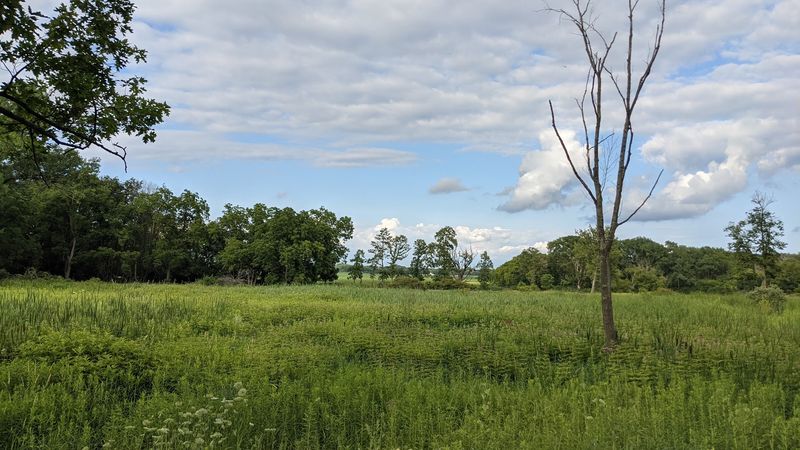
Quiet is the main attraction for many who stop by. The preserve feels secluded and away from most of the noise of town and city life.
It works well as a relaxing spot to stretch your legs and get some fresh air. Some people treat it as a perfect 30-minute break.
Families with young children will appreciate the manageable distance. Grandparents can join in without worrying about a long hike.
Plant lovers, budding scientists and history fans all find something here. The mix of nature and salvaged history keeps different ages interested.
Anyone looking for big playgrounds or long trails may want to pair this with another stop. The site is small, and it is proud of it.
The overall vibe is calm and well kept. Many people thank the district for the upkeep, and it shows across the property.
Parking, Amenities and Smart Prep
Plan ahead for parking, because the lot is tiny. It only holds a few vehicles, so arriving at a quieter time can help.
Walking the trail is free. That makes this outing cheaper than a movie ticket for the whole crew.
Amenities are simple but handy. There is a small covered picnic area and a pit toilet, which was kept clean according to recent accounts.
Hours can change, so check the McHenry County Conservation District website before heading out. The district’s page for the site lists current details.
Pack bug spray, water and sturdy shoes. Muddy spots are common, especially in spring and late fall.
A tick check before leaving is always a wise habit. With those basics covered, the visit stays simple and stress-free.
Small Size, Big Payoff
Size is not everything, and this little preserve proves it. What it lacks in acreage it makes up for in variety, history and calm.
A loop of under a mile packs in wetlands, wooded hills, rare plants, World’s Fair tiles and a council ring of Chicago granite. That is a lot of story for a short walk.
For budget-minded families, the free price tag is hard to beat. Every season brings a reason to return.
Spring offers skunk cabbage and trillium. Summer brings blooms, and fall delivers peaceful, picturesque woods.
Grandparents can share memories of Chicago history while kids explore boardwalks and spot plants. It is the kind of outing that sticks in family memory.
So next time Cherry Valley Road comes up on the GPS, slow down and pull in. This tiny bog has been waiting patiently for you to notice it.


