
Affiliate disclosure: As an Amazon Associate I earn from qualifying purchases. Learn more
Some small towns stay quiet forever, and some get discovered. This little valley city in Ventura County got discovered, and the people who grew up here are still adjusting.
Folks who once knew every face downtown now see new shops, new homes, and a steady stream of weekend guests from Los Angeles. The mountains are the same, the trails are the same, and the famous music festival still returns every year.
Yet many longtime residents say the feeling of home has shifted in ways that are hard to name. So what changed, and what stayed?
The answer says a lot about how small towns across California are growing up. Keep reading for a closer look at the valley, its village center, its wild backyard, and the tricky balance between welcome and worry that defines life here today.
A Valley Address Northwest of Los Angeles
Every story about change needs a starting point on the map. This one begins in Ojai, California 93023, USA, a small city in Ventura County.
The town sits northwest of Los Angeles, close enough for a day trip and far enough to feel separate. That distance has always been part of its charm.
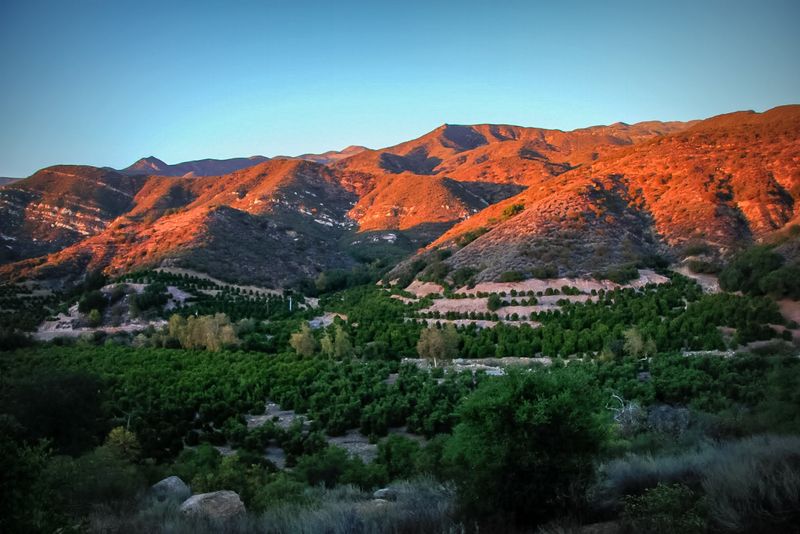
Ojai rests inside a valley in the Topatopa Mountains. The setting gives the city natural edges, so it cannot sprawl the way larger places do.
That limit matters. When more people want to live in a place with fixed borders, the pressure shows up fast, in housing, traffic, and the general mood on Main Street.
The city keeps an official website at ci.ojai.ca.us, where residents and guests can find local government information. It is a handy resource for anyone trying to understand how the town runs.
On paper, Ojai is simply a small city with a ZIP code. In practice, it is a place many people feel strongly about, and that strong feeling is exactly why change stirs up so much talk here.
Why the Small-Town Feeling Is Shifting
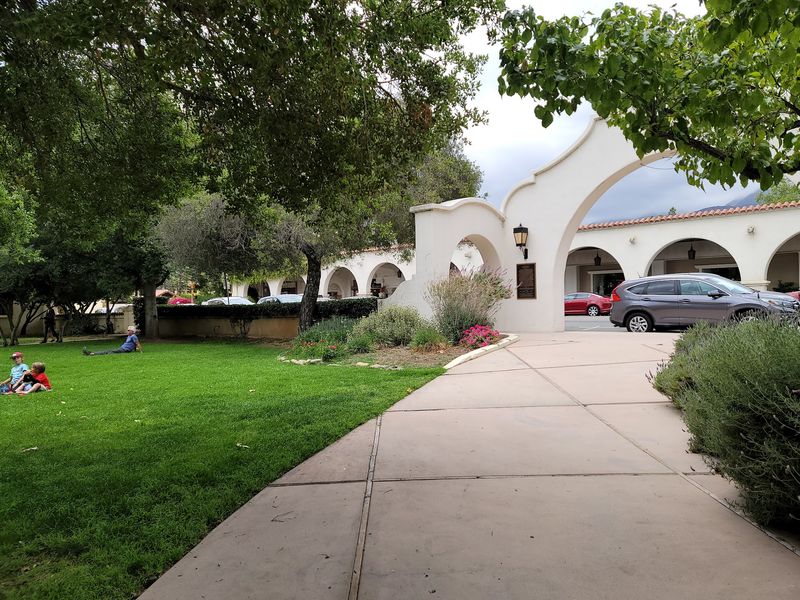
Ask a longtime local about the old days, and the answer often starts with who used to be around. Fewer familiar faces is the most common complaint.
Ojai has long attracted people looking for a slower life. The trouble is that many more people now want that same slower life at once.
Its closeness to Los Angeles makes it an easy escape. Weekend crowds arrive, spend time in the village center, and head home, leaving residents to share their town with a rotating cast.
None of this makes Ojai less pretty. The mountains have not moved, and the trails still wander through the forest to the north.
What has moved is the rhythm. A town built on quiet routines now hums with outside interest, and adjusting to that takes time.
Many residents describe it as a gentle drift rather than one big event. Home is still here, but it feels a little more like a destination than a neighborhood, and that small shift carries real weight.
The Topatopa Mountains as a Constant
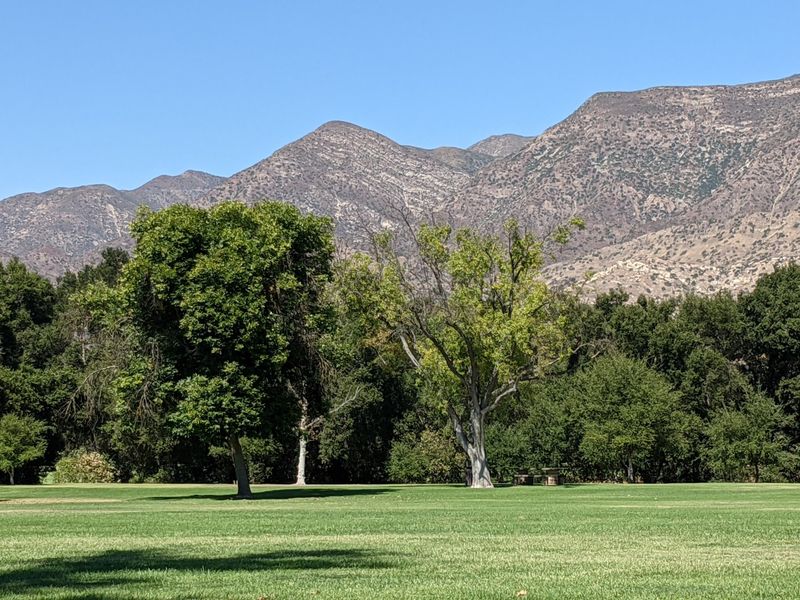
Some things in Ojai refuse to change, and the mountains lead that list. The Topatopa range frames the valley on the horizon every single day.
For residents feeling unsettled, that steady backdrop offers a kind of anchor. Storefronts may turn over, but the ridgeline stays put.
The mountains also shape the town’s layout. Being tucked into a valley gives Ojai its contained, tucked-away character.
That geography explains a lot about the appeal. People are not just drawn to a downtown, they are drawn to the whole bowl of land around it.
It also explains the pressure. A valley can only hold so much, and newcomers compete with longtime families for the same limited space.
Still, the peaks remain a shared treasure. Old-timers and new arrivals look up at the same view, which might be the closest thing the town has to common ground.
Galleries Along the Village Center
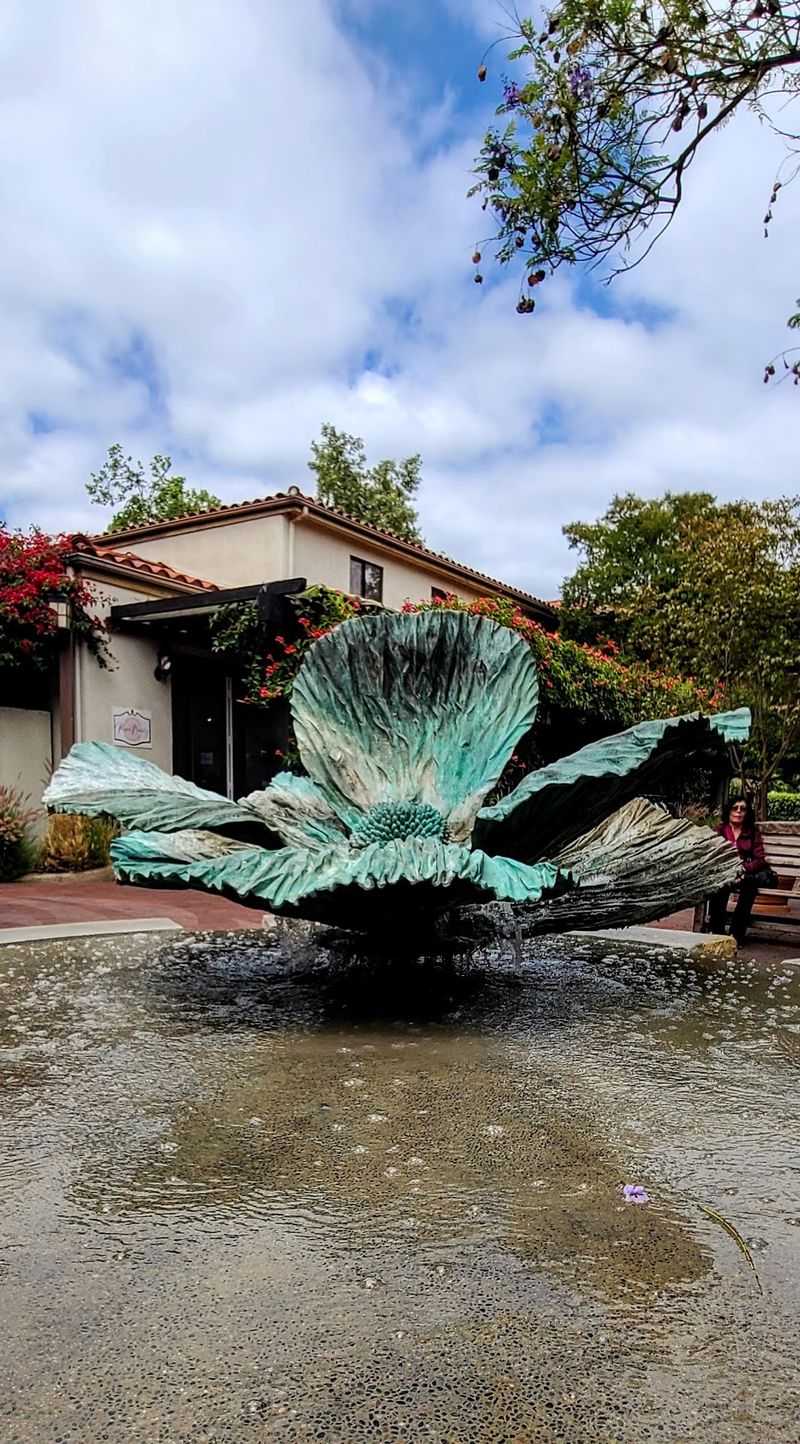
Art has always been part of Ojai’s identity. The village-like center is dotted with galleries, giving the downtown a creative streak.
For decades, that artistic spirit helped define the town. It drew painters, makers, and people who simply liked being around creative work.
Today, those same galleries also attract a steady flow of shoppers from out of town. That brings business, which helps keep doors open.
The flip side is that a downtown aimed at guests can feel less like a local hangout. Some residents say errands now feel like walking through a showroom.
Even so, the galleries remain a highlight for anyone strolling the center. They give a reason to slow down, browse, and chat with the people behind the work.
The art scene, in a way, mirrors the whole town. It is still lovely and still local at heart, just with a much bigger audience watching than it used to have.
New Age Shops and a Spiritual Reputation
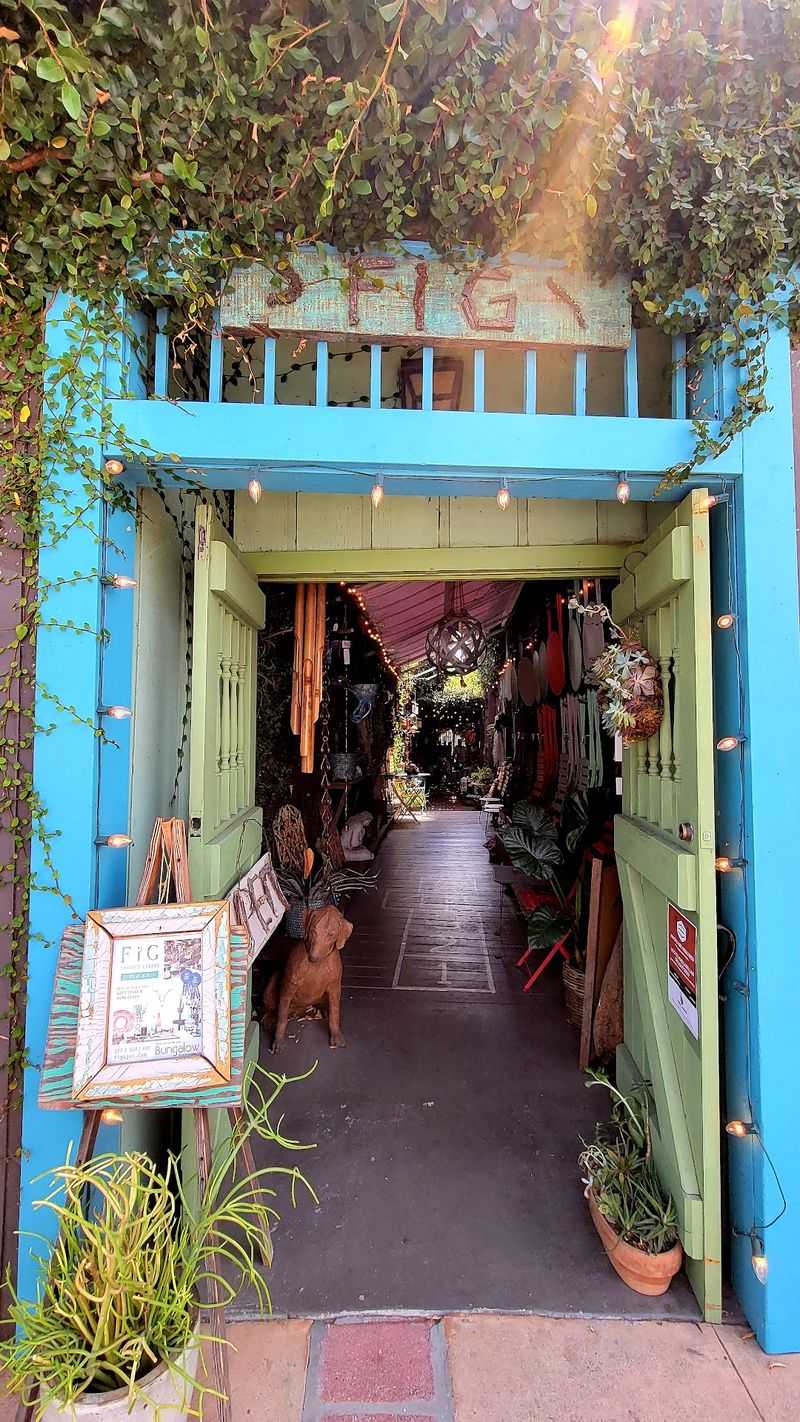
Crystals, books on mindfulness, and quiet little boutiques have long been part of the Ojai story. New Age shops are a signature of the village center.
The town built a reputation as a place for reflection and personal growth. That image predates the recent wave of attention.
Now that reputation works almost like a magnet. People seeking a peaceful getaway find their way here, often carrying high hopes for calm.
Here lies a small irony. The more people arrive looking for peace, the busier the peaceful town becomes.
Locals tend to view the shops with affection. They are part of the town’s personality, and many have been familiar sights for years.
The worry is less about the shops themselves and more about balance. Residents hope the spiritual side of Ojai stays sincere instead of turning into a souvenir, and that hope runs deep in local conversations.
Trails Through Los Padres National Forest
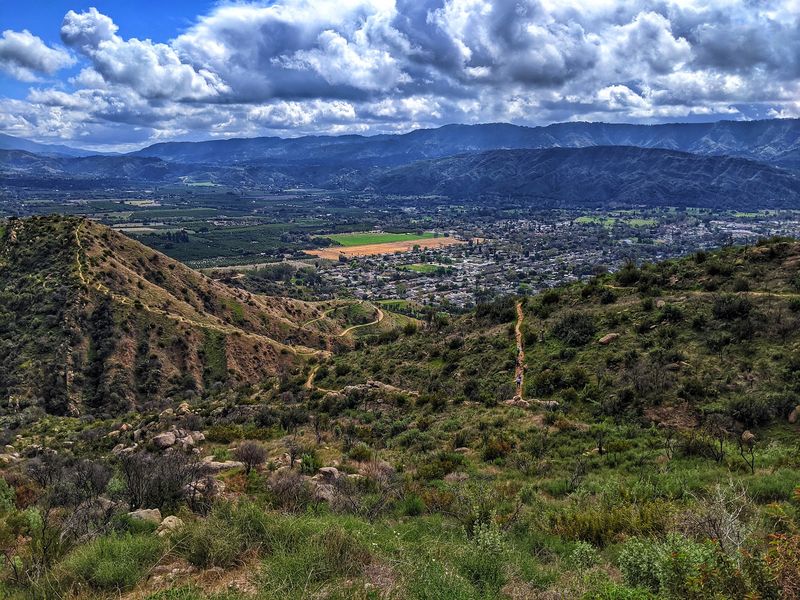
Just north of town, the wild part of Ojai begins. Los Padres National Forest borders the city and is crisscrossed with meandering trails.
For many residents, these paths are where home still feels most like home. The forest does not care how many new cafes opened downtown.
Trails here suit a range of hikers, from casual walkers to people chasing longer routes. The variety is part of why the forest is so loved.
Of course, more people in town means more people on the trails, especially on weekends. Early starts tend to bring a quieter outing.
Simple habits help everyone share the land:
Stay on marked paths, carry water, and pack out everything brought in. Small courtesies keep the forest in good shape for locals and guests alike.
Out among the ridges, the old Ojai feels close at hand, a reminder that some of the best parts of a town were never for sale.
Lake Casitas and Weekend Recreation
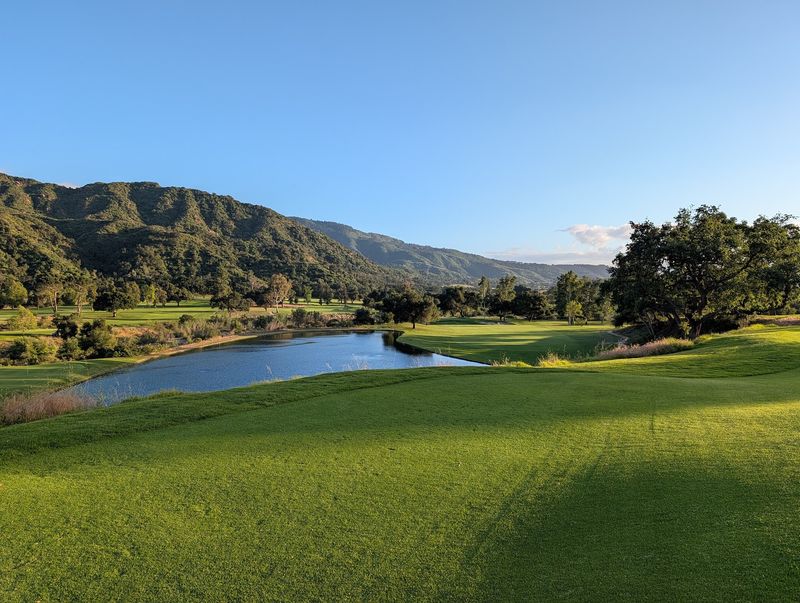
Water is a welcome sight in this dry corner of the state. Nearby Lake Casitas is another popular recreation area for the Ojai Valley.
Families have long treated the lake as a local escape. It offers open space and a break from town life without a long drive.
Popularity, though, is a theme that keeps coming up in Ojai. Lake Casitas draws people from beyond the valley, just like the downtown does.
Residents who remember quieter days at the lake often notice the change most on weekends. Weekdays tend to feel more relaxed.
Anyone planning a trip should check current access and rules before heading out, since recreation areas can update their policies.
The lake works as a nice counterpoint to the mountains and the village center. Put together, the three make a strong case for why so many people want a piece of this valley, and why locals feel protective of all of it.
Classical Music That Puts Ojai on the Map
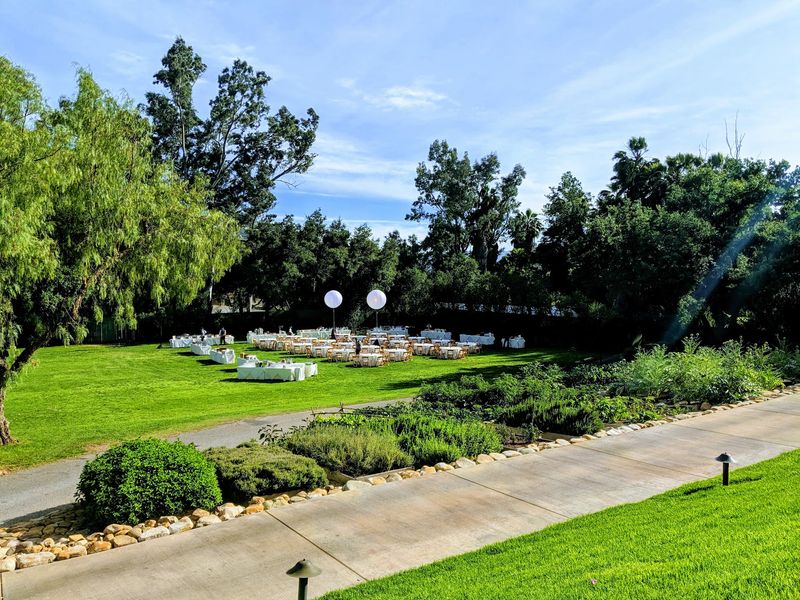
Few small towns can claim a world-class music event. Ojai can, thanks to the annual Ojai Music Festival, which features famed classical artists.
The festival returns every year and brings performers and listeners from far away. For a few days, the town becomes a gathering place for serious music lovers.
Many locals take real pride in it. The event shows that a small valley city can hold its own on a big cultural stage.
It also offers a preview of the tension residents feel. Big crowds arrive, the town fills up, and then life settles again.
Planning ahead makes sense for anyone hoping to attend. Checking festival details early helps with timing and lodging in such a small place.
In many ways, the festival is a model of good change. It welcomes outsiders while celebrating something the town has cherished for years, and plenty of residents wish all growth felt this harmonious.
Who Feels at Home Here Now
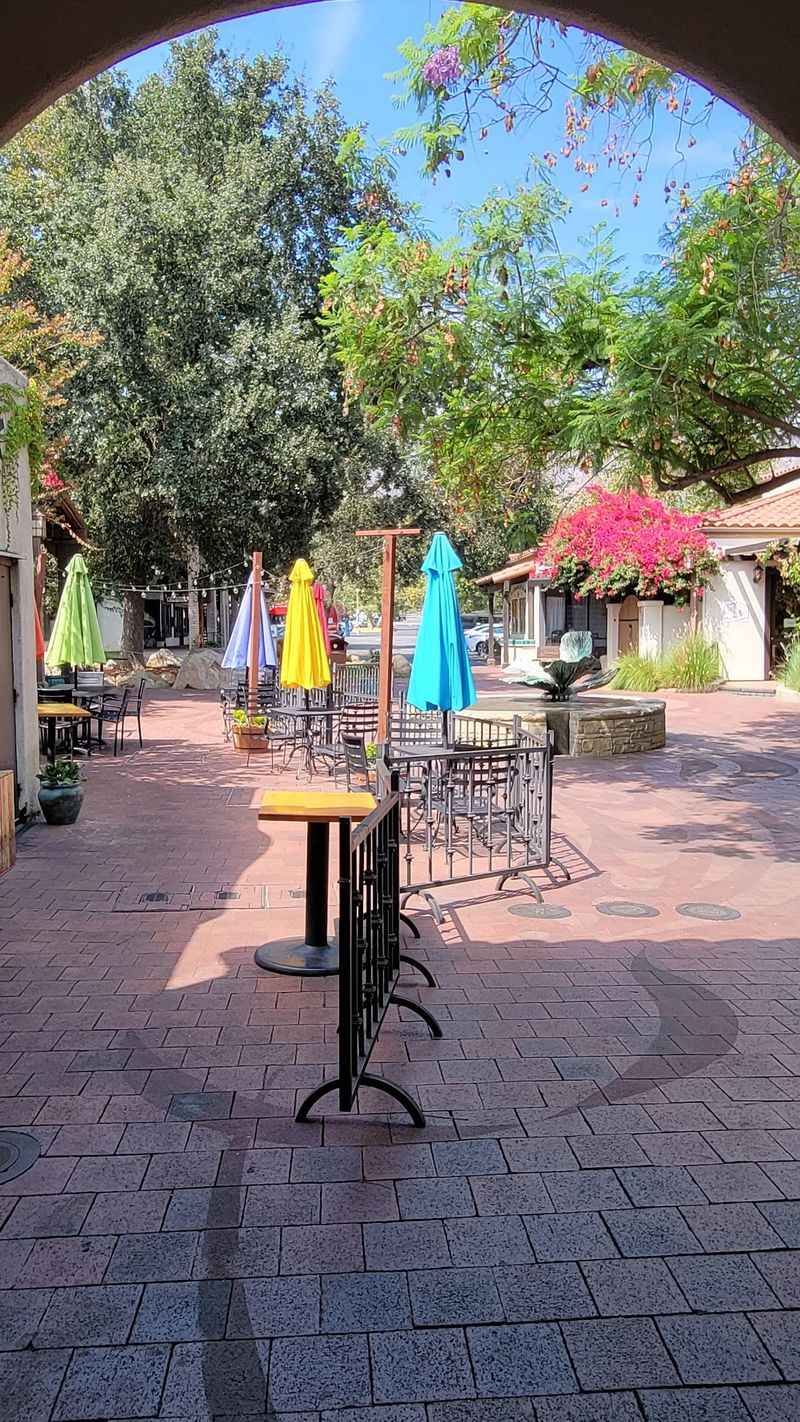
A town’s mood depends on who fills its sidewalks. In Ojai, the mix now includes longtime families, newer residents, and plenty of day-trippers.
Art lovers tend to feel right at home among the galleries. Hikers find their happy place in the forest to the north.
People drawn to reflection and wellness gravitate toward the New Age shops. Music fans circle the calendar for the festival.
That variety is a strength. It keeps the town lively and helps local businesses stay afloat.
Longtime residents, however, sometimes feel like guests in their own hometown. The places they once had to themselves now belong to everyone.
Bridging that gap takes effort on both sides. Newcomers who learn local history and respect quiet streets often find a warmer welcome, and the town is better when its old and new chapters share the same page.
Practical Notes for a Respectful Visit
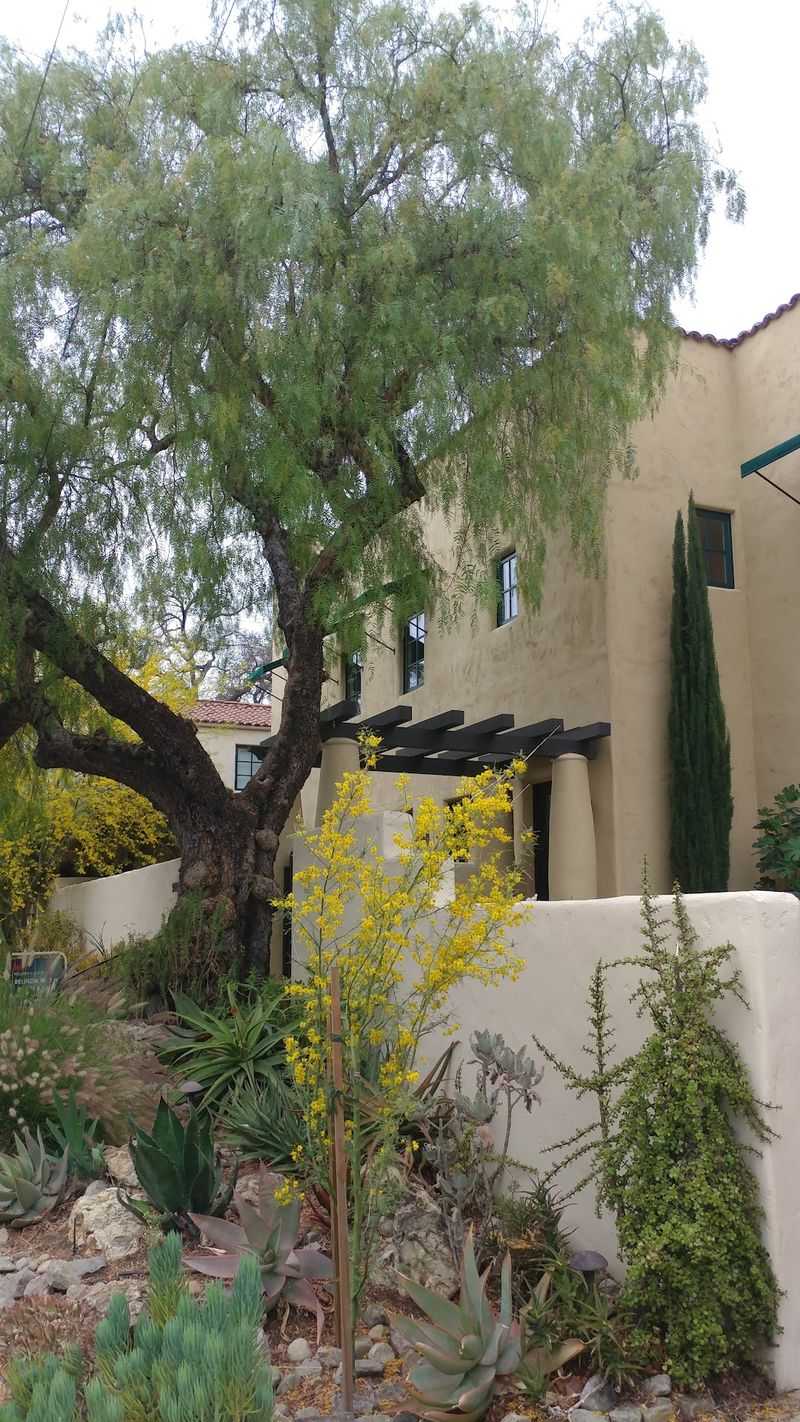
Getting here is simple for most Southern Californians. Ojai sits northwest of Los Angeles in Ventura County, making it an easy drive.
Weekends bring the biggest crowds, so a weekday trip often feels calmer. That timing also eases the strain on residents.
The city website, ci.ojai.ca.us, is a good place to check for local news and official updates before a visit.
A few habits help guests fit in:
Shop at local businesses, park thoughtfully, and keep noise low in neighborhoods. Small choices add up in a small town.
Outdoor plans need some prep too. Trails in Los Padres National Forest and the area around Lake Casitas reward people who bring water and plan routes ahead.
Treating Ojai as a community instead of just a backdrop goes a long way. Visitors who act like temporary neighbors leave the place a little better than they found it.
Still Worth Loving, Still Worth Protecting
Change rarely asks permission, and Ojai has learned that firsthand. The town is busier, better known, and more in demand than ever.
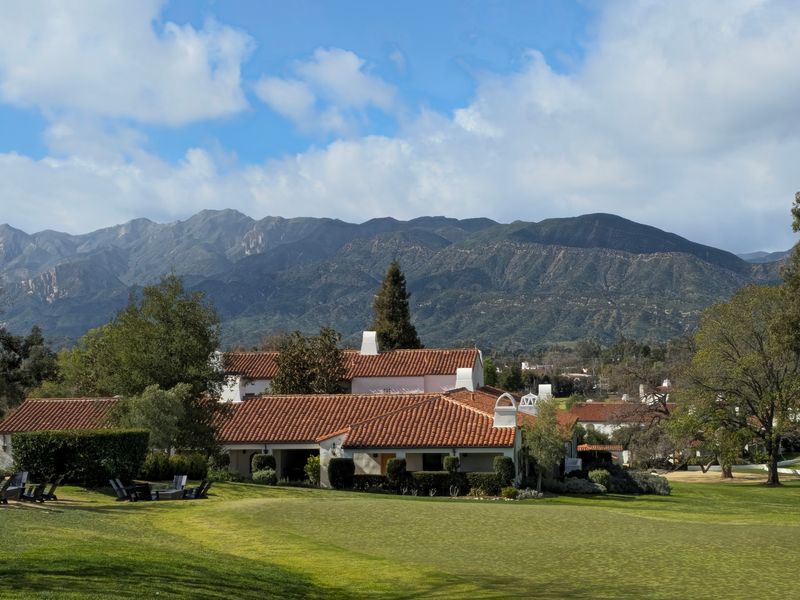
Yet the core pieces remain. The Topatopa Mountains still frame the valley, the forest trails still wind north, and the music festival still returns each year.
Longtime locals are right to notice what feels different. Their concern comes from love, not grumpiness.
Newer residents and guests can honor that love by slowing down. Learning the town’s rhythm is the best way to belong to it.
The future of Ojai likely depends on balance. Welcoming people while guarding what makes the valley special is a tough job for any small city.
For now, home may not feel exactly like home to everyone. Still, it remains a place worth caring about, and the conversation around it shows just how much it matters to the people who call it theirs.


