

Affiliate disclosure: As an Amazon Associate I earn from qualifying purchases. Learn more
There is a spot in Detroit where the walls are covered in portraits of commodores, yet there is no marina in sight. It has been serving lunch since 1909, which means it opened before most of the cars in the Motor City even existed.
Locals gave it a nautical nickname that makes almost no sense until a plate of fried perch lands on the table. Stick around, because the story behind this little corner spot involves one family, more than a century of weekday lunches, a famous automaker on the wall, and a schedule so short that planning ahead is part of the adventure.
A Corner of Joseph Campau Avenue

The mystery spot has a name, and it is Ivanhoe Cafe. You will find it at 5249 Joseph Campau Ave, Detroit, MI 48211, in the state of Michigan, United States.
The building sits on the edge of Hamtramck, the historically Polish enclave tucked inside Detroit. That location helps explain a lot about what ends up on the menu and on the walls.
From the street, the cafe looks plain. Many people drive right past it the first time, because nothing about the outside shouts that a century of history waits behind the door.
Officially, it is listed as a cafe. Longtime locals describe it as an old school Detroit bar and restaurant with a homey feel and a simple menu built around seafood, salads, sandwiches, and Polish cooking.
The modest front is part of the charm. There is no flashy sign, no trendy patio, and no attempt to look like anything other than what it has always been.
Inside is a different story, and that is where the nickname comes in. Locals rarely call it Ivanhoe at all.
Ask around Detroit, and plenty of folks know it simply as the Polish Yacht Club. Why a lunch spot far from any dock earned that title is a tale worth unpacking next.
Roots Planted in 1909
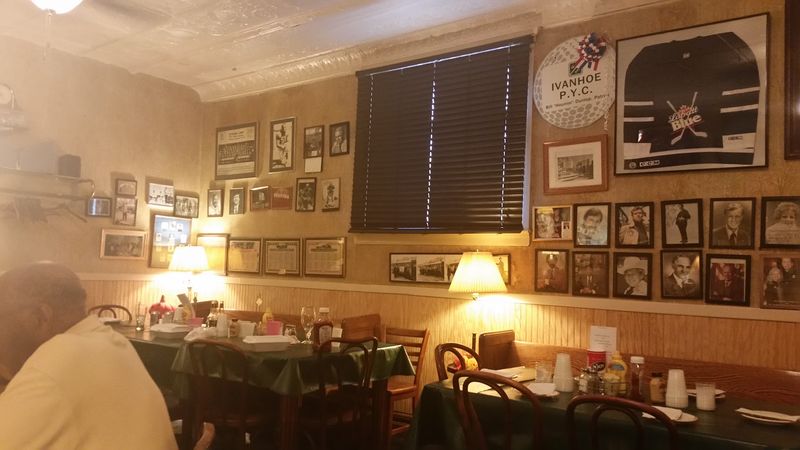
Back in 1909, Henry Ford was still a year away from opening his Highland Park plant. That same year, the doors of this cafe opened in Detroit.
More than 116 years later, the place is still going. Even better, it has stayed in the hands of the same family the whole time.
The current owner, Patti, comes from the family that has run the business since the beginning. She is often right there in the dining room, greeting guests and sharing stories about the restaurant and its past.
That kind of continuity is rare anywhere. In a city that has changed as much as Detroit, it is close to remarkable.
The neighborhood around the cafe once had houses lining the streets. Many of those homes are gone now, and longtime regulars remember a very different view from the front door.
Through all of that change, the cafe kept doing its thing. The menu has stayed much the same for years, and the routine of weekday lunches has rolled on decade after decade.
Some guests first came as kids in the 1970s and returned as adults to find the place nearly untouched. For a restaurant, that might be the best compliment of all.
The family story is a big part of the visit. Ask about it, and you may get a short history lesson along with lunch.
The Story Behind the Nickname
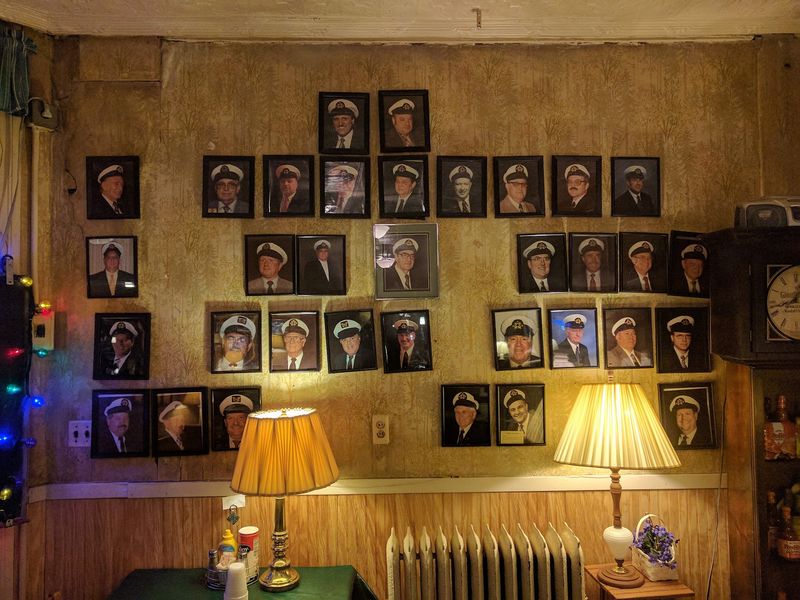
No boats are docked outside. There is no water view, no sailing lessons, and no membership dues.
Still, somewhere along the way, the cafe picked up the name Polish Yacht Club. The exact moment it started is part of local legend, but the name stuck so well that regulars now shorten it to PYC.
The joke is a classic piece of Detroit humor. Fancy yacht clubs line the waterfront areas of the region, and this neighborhood spot playfully claimed the same status for its own crowd.
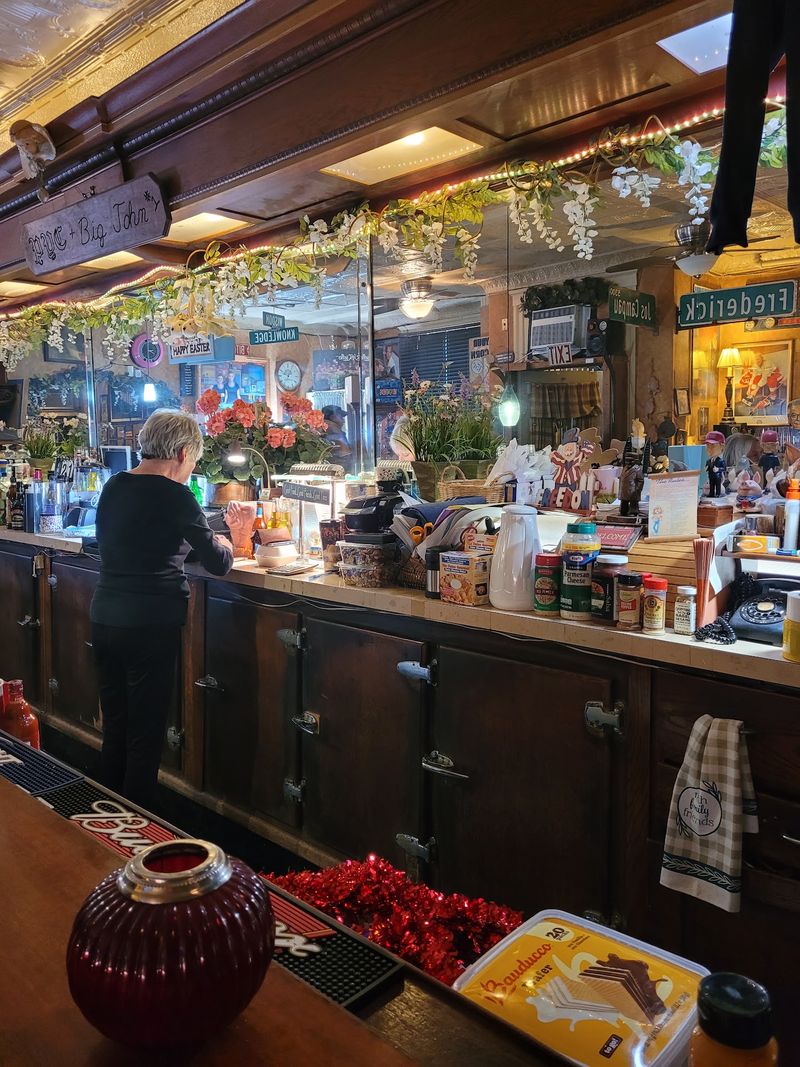
The cafe leaned into the gag. Photos of sea captains and commodores hang on the walls, giving the dining room the look of a clubhouse for sailors who never quite made it to the lake.
The fish on the menu fits right in, too. Michigan and the Great Lakes have long been perch country, and a yacht club without a good fish fry would hardly earn the title.
So the name works on two levels. It pokes fun at country club culture while celebrating a place where the only dress code is showing up hungry.
Membership, by the way, is free. All it takes is walking through the door during lunch hours, which turns out to be the tricky part.
Walls That Double as a Museum
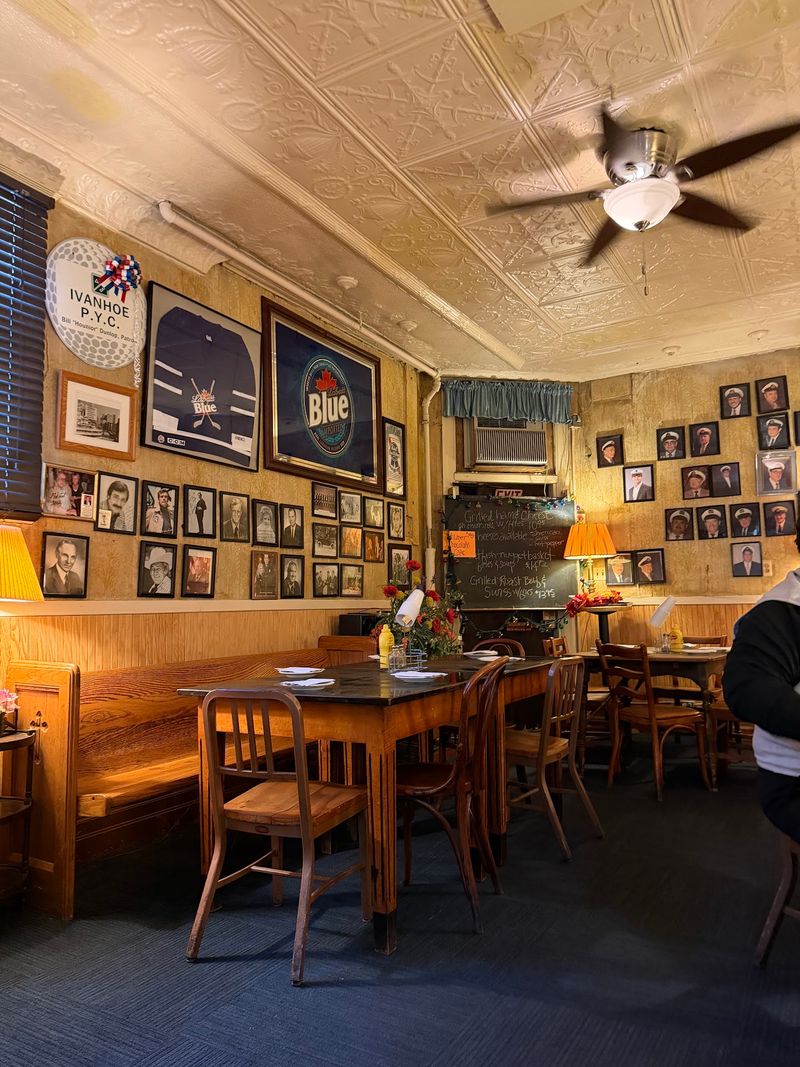
Henry Ford is on the wall. Not in person, of course, but in a photo among the many past guests whose pictures decorate the dining room.
The walls work like a scrapbook of more than a century in Detroit. Framed photographs, autographs, and those famous commodore portraits fill nearly every open space.
Plan to spend a few minutes looking around before or after the meal. Every corner seems to hold another piece of the story, from old snapshots to signed mementos.
Many guests call the whole place a piece of history. That is not an exaggeration when the building has hosted lunch crowds since before World War I.
The decor is not curated in a polished, modern way. It feels collected over time, one picture after another, as the decades rolled by.
That gives the room a personality that no designer could copy. Each frame seems to say that someone, at some point, thought this place was worth remembering.
Families who have been coming for generations sometimes point out familiar faces and moments. For first timers, the walls offer a crash course in the cafe and its city.
Bring curiosity along with your appetite. The history on display might be the most filling thing in the building, at least until the fish arrives.
Fried Perch, the Famous Catch
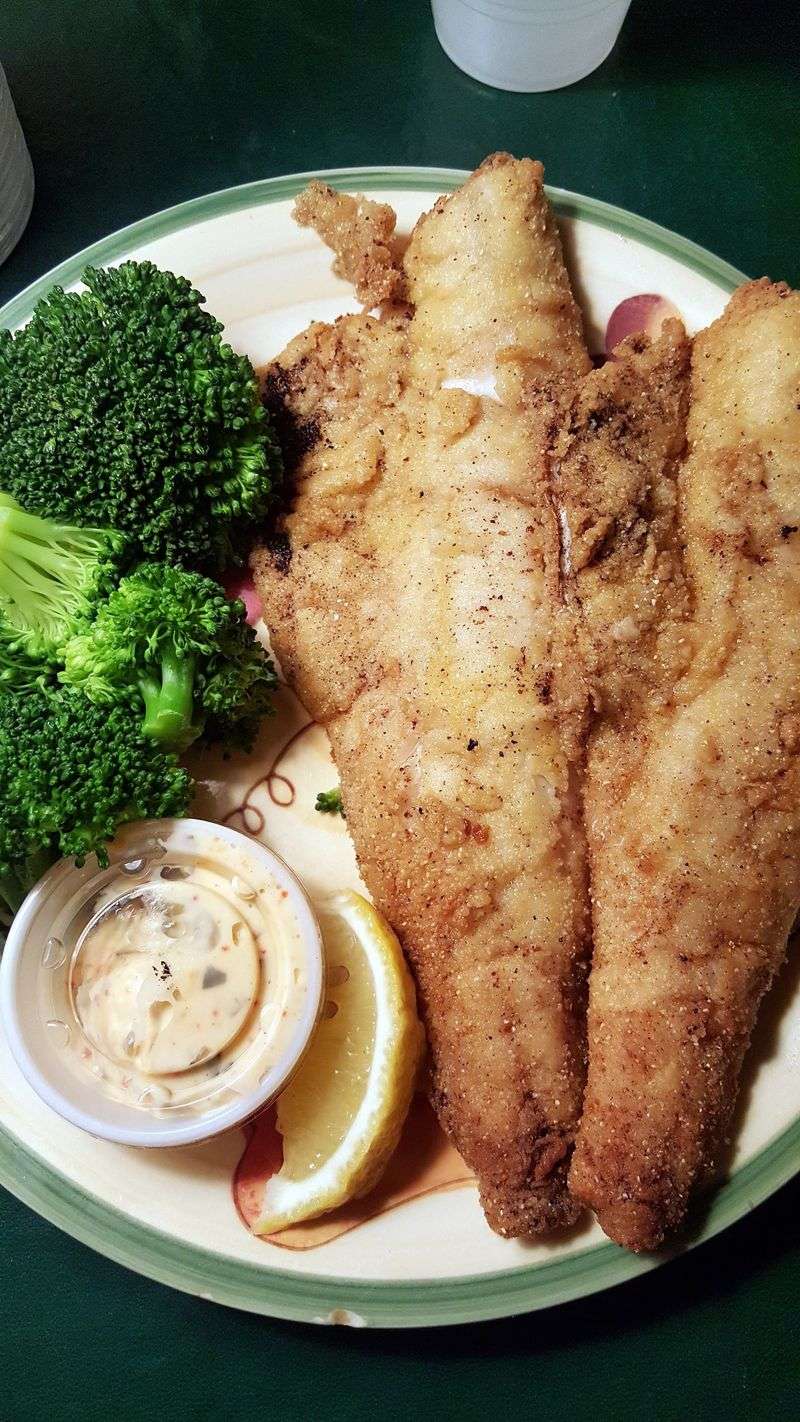
Every yacht club needs a signature catch. At this one, it is the fried perch.
Longtime regulars rank the perch among the best in town. Some have been ordering it for decades and see no reason to switch things up.
The fish comes as small fillets rather than one oversized slab. A lighter dinner version has been offered in the past, served with fries, which works well for a midday appetite.
Perch has deep roots in Michigan dining. The Great Lakes made it a regional favorite, and Friday fish fries became a tradition across Detroit neighborhoods.
Here, that tradition feels right at home. The perch fits the nautical nickname so neatly that it almost seems planned.
Fans often say the same thing about the fish that they say about the decor. Nothing has changed, and that is exactly the point.
Other seafood shares the menu, and many guests praise those plates as well. Still, ask a regular what to order on a first visit, and the answer usually lands on the perch.
Portions tend to be generous, and plenty of people leave with no room for anything else. If the Polish Yacht Club had a flag, a perch would probably be on it.
A Menu That Refuses to Change
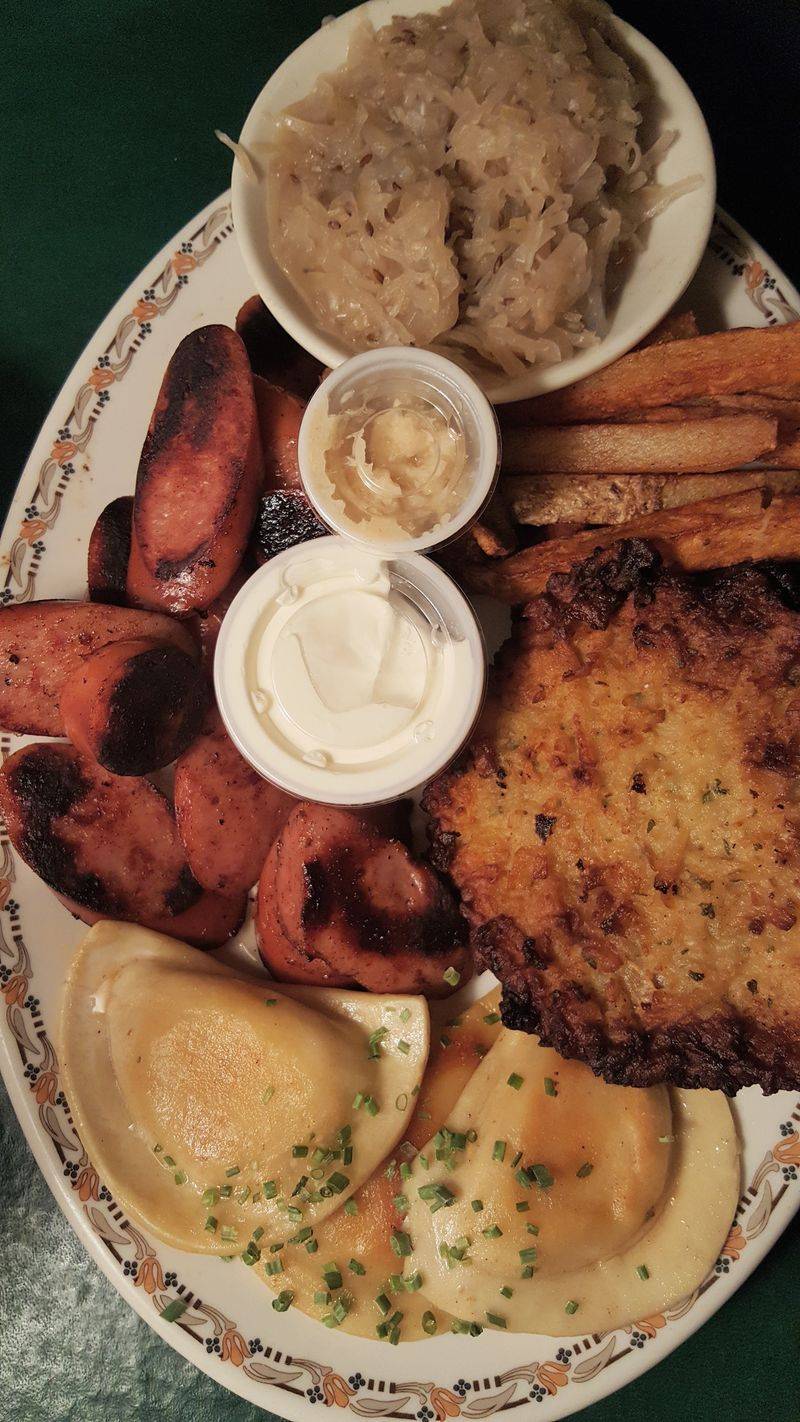
Short menus can be a sign of confidence. This cafe sticks to a handful of items and focuses on doing them well.
The lineup covers seafood, salads, sandwiches, and Polish dishes. Polish cooking comes up again and again when people talk about the place, which makes sense given its spot near Hamtramck.
Fans call it a shrine to Polish cuisine. Others compare the meals to the cooking at a grandmother’s house, with a homemade style that feels personal rather than corporate.
The menu has stayed in place for years. Prices and portions shift over time, but the core lineup is something regulars count on.
Sandwiches have a strong following, and some of them arrive in serious sizes. A Polish platter is another popular choice for those who want to sample a bit of everything.
Not every dish wins over every guest, of course. Opinions on a few of the Polish items vary, so the seafood remains the safest bet for a first visit.
Carry-out is available for those who cannot linger. Just double check your order before heading out, as with any takeout meal.
The beauty here is simplicity. Nobody needs ten minutes to decide, which leaves more time for chatting and wall gazing.
Hospitality Before the First Order
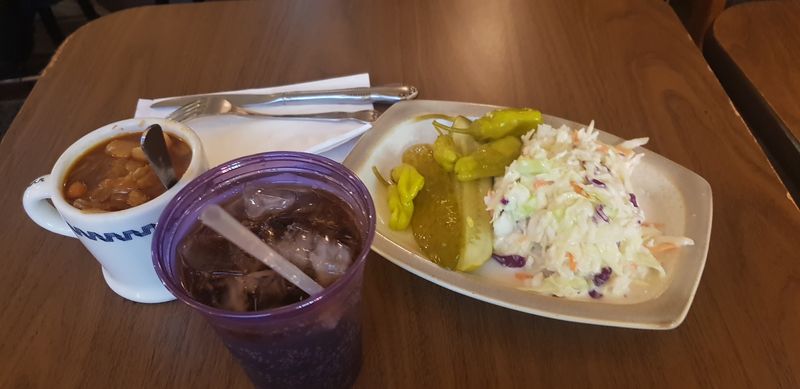
Lunch starts before anyone even opens the menu. A complimentary starter plate typically arrives at the table as a welcome.
That small gesture sets the tone for the whole visit. It feels less like a transaction and more like being invited into someone’s home.
Patti, the owner, often makes a point of greeting guests personally. Many people leave talking about meeting her almost as much as they talk about the food.
The staff earns plenty of praise as well. Servers are often described as friendly, pleasant, and quick to make newcomers feel at ease.
The ladies who run the place have built a loyal following. Some guests say they have never had a bad meal or a bad experience in years of coming back.
One saying captures the spirit well. You walk in a stranger and leave as a friend.
That warmth matters because the cafe is not on the way to anywhere. People make a special trip, and the welcome makes that trip feel worthwhile.
Small family businesses live or die on this kind of personal touch. After more than a century, it is clear this family figured out the recipe long ago.
A Dining Room Frozen in Time
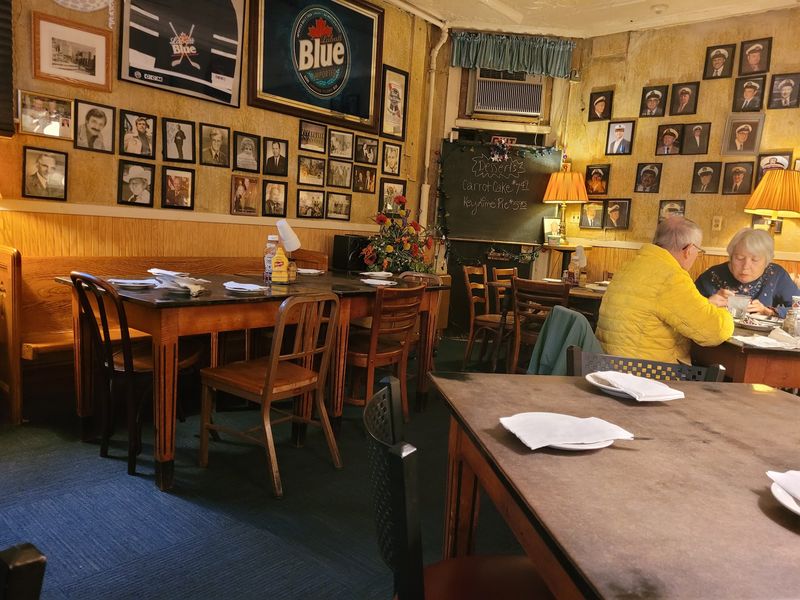
Time travel exists, at least on weekday afternoons in Detroit. Many guests describe the dining room as a step back into the early 20th century.
Some compare it to a 1930s movie set. Others say it reminds them of visiting a European grandmother who happened to have a few people over for a meal.
The room is cozy, quaint, and a little quirky. Low lighting and old fixtures add to the sense that the decades have politely skipped over this building.
Nothing about the space feels staged. It is simply what happens when a family keeps a business running in the same spot without chasing trends.
That old world character is a big reason people return. The food matters, but the setting turns lunch into an outing.
Guests who first came decades ago often say the place looks almost exactly as they remember. For them, the visit is part meal and part memory.
Newcomers get something else out of it. They get a rare look at what neighborhood dining in Detroit once looked like before chain restaurants took over.
Bring a camera, though the best souvenir might be the story you tell afterward. Few lunch spots can claim a whole century as their decorating style.
Who Belongs at the Club
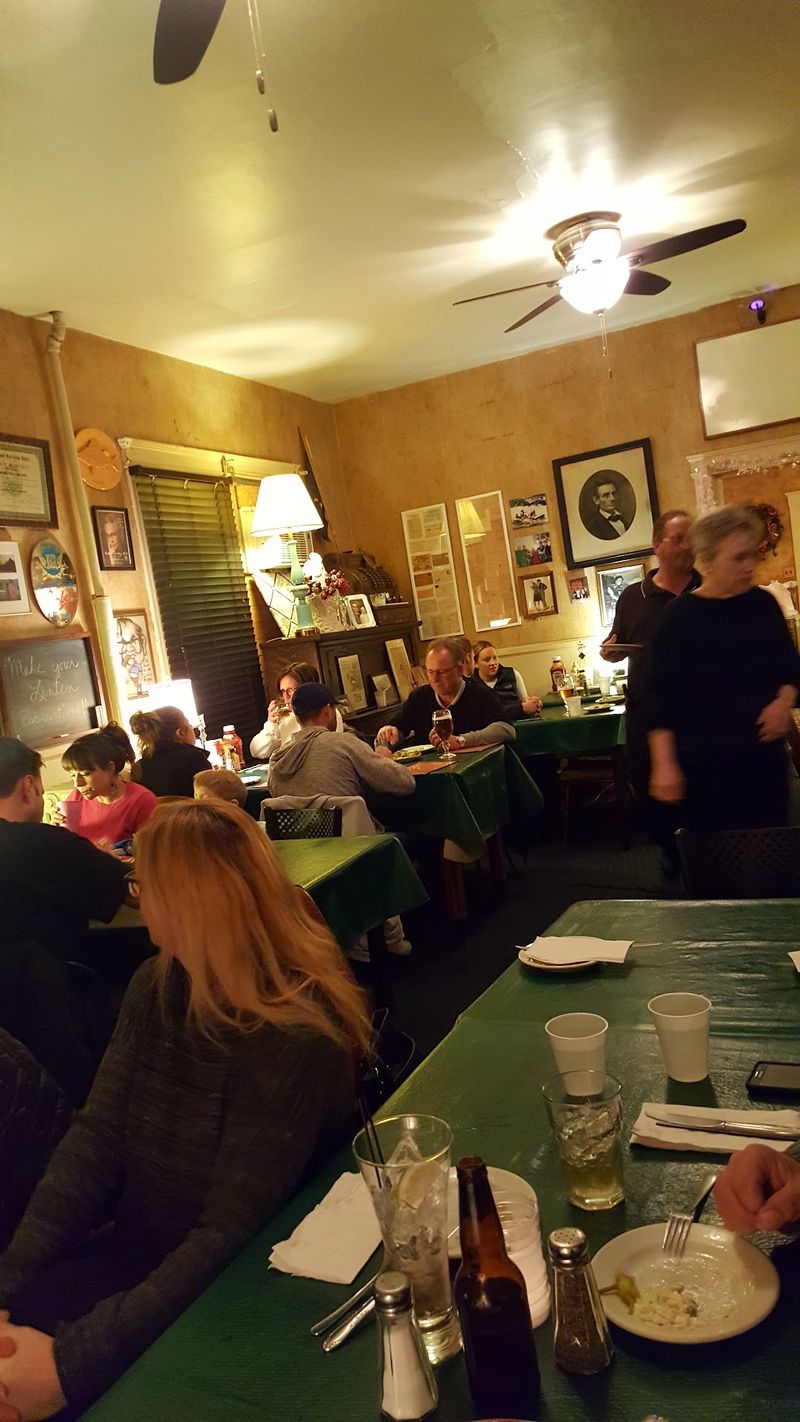
Regulars here often seem to know each other by name. The room can feel like a local town club where everyone shares a history.
That might sound intimidating to a first timer. In practice, the owner and staff go out of their way to make outsiders comfortable, even guests traveling from abroad.
The cafe suits people who enjoy history with their lunch. Fans of old Detroit, Polish heritage, and family-run institutions will find plenty to love.
It is also a natural fit for groups. Families, old friends, and coworkers on a day off gather around tables for long, relaxed meals.
Speed is not the main goal. Food can take a while during busy stretches, so this is not the best pick for anyone squeezed by a 30 minute lunch break.
Instead, think of it as a place for a leisurely afternoon. Many people bring a friend they have not seen in a while and let the conversation run long.
Some regulars have been coming for 30 or 40 years. Their loyalty says a lot about the experience the cafe offers.
No yacht required, no fancy outfit needed. The only real membership rule is a willingness to slow down.
Four Days, Three and a Half Hours
Timing is everything at this club. The cafe is open only Tuesday through Friday, from 11:30 AM to 3 PM.
It is closed on Saturday, Sunday, and Monday. That leaves a narrow window of weekday lunch hours, so a spontaneous weekend trip will end at a locked door.
Those limited hours are a big reason the place feels special. Seats fill up, and holidays can get especially busy.
Calling ahead is the smart move. Many longtime fans recommend phoning a day before to check seating and make a reservation, since hours can occasionally vary.
The cafe also has a website, which is worth checking before a visit. Planning a little in advance saves a lot of disappointment.
Arriving near the start of service is a good strategy. Coming late in the afternoon can mean a slower wait as the kitchen wraps up the lunch rush.
Prices are generally considered fair for the portions. Older menus listed sandwiches around nine dollars and a lighter perch dinner around twelve, though costs have likely risen since then.
Budget a bit more for a full meal with sides. Most people feel the value matches the generous plates and the experience.
Getting There and Parking Out Front
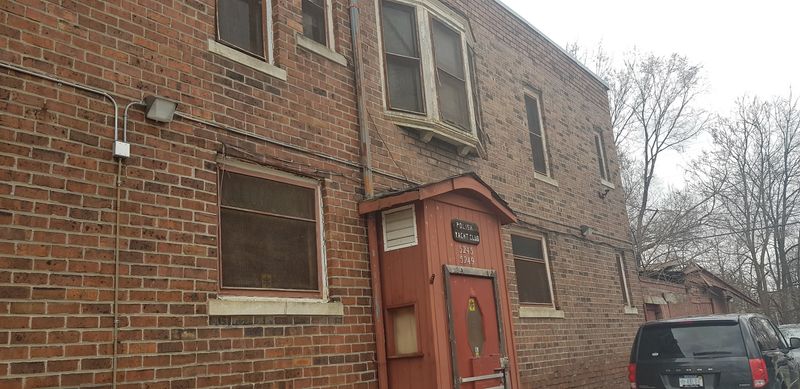
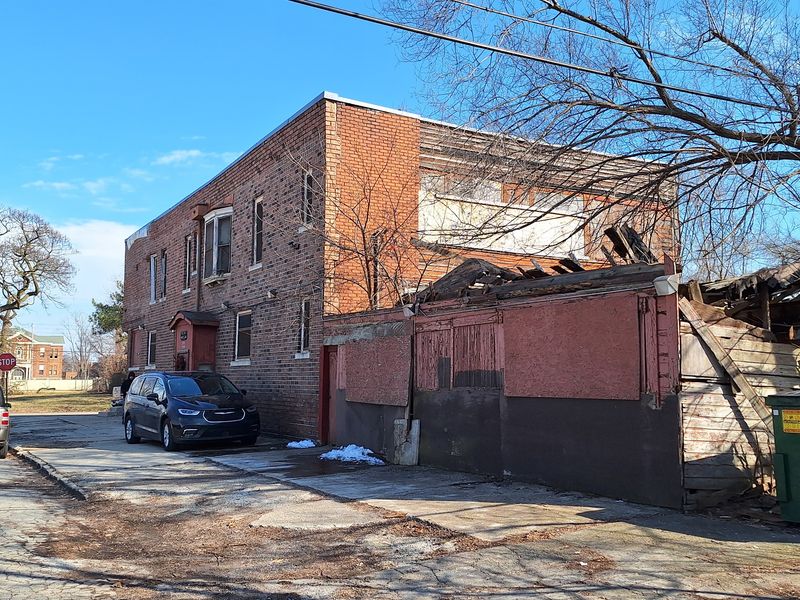
Honesty helps here. The neighborhood around the cafe has seen hard times, and the surroundings look rough to first time guests.
Plenty of empty lots now stand where houses once lined the streets. Some people admit they almost turned around before reaching the door.
Regulars encourage newcomers not to be scared off. Many describe the trip as safe enough, especially during daytime lunch hours.
A helpful detail eases nerves. Someone is often stationed outside keeping an eye on parked cars while guests eat.
The parking scene says something too. On a typical day, a line of Cadillacs often sits out front, a fitting sight for a Motor City institution.
Driving is the easiest way to arrive. The cafe sits on Joseph Campau Avenue, a major street that runs up into Hamtramck, so it is simple to find with a map app.
Keep an eye out, because the plain exterior is easy to miss. Slow down as the address approaches so you do not cruise right past it.
Once inside, the outside world fades quickly. That contrast between the street and the dining room is part of what makes the visit memorable.
A Club Worth Joining
Some restaurants chase every new trend. This one has spent more than a century ignoring them, and it is better for it.
The Polish Yacht Club offers something hard to find in modern Detroit. It pairs a family story going back to 1909 with a menu that still feels homemade.
The fried perch is the headliner, and it explains the nautical nickname better than any sign could. Add the commodore portraits, the Henry Ford photo, and the warm welcome, and the picture comes together.
Not every dish will win over every guest. The seafood and the setting, however, keep people coming back for decades.
The narrow weekday hours mean a little planning is required. Call ahead, arrive early, and budget enough time to linger.
The neighborhood may look rough, but the reward on the other side of the door is real. Many guests say there are not many places like this left, and that seeing it now is worth the effort.
For travelers, it is a slice of authentic Detroit history. For locals, it is a reminder that the city still holds onto its stories.
Membership in this yacht club costs nothing more than a lunch order. Few clubs anywhere offer a better deal, or a better catch.


