
Affiliate disclosure: As an Amazon Associate I earn from qualifying purchases. Learn more
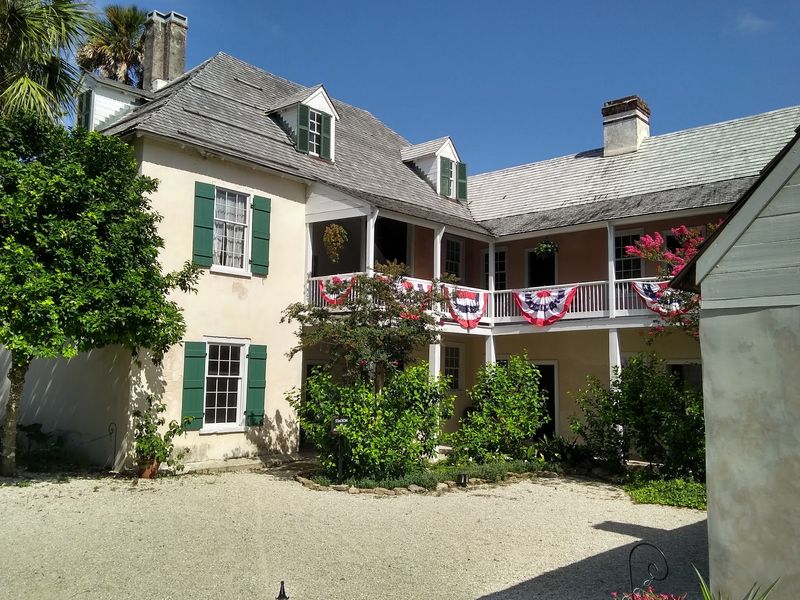
St. Augustine is famous for crowds, cannons, and very old streets, yet one of its best stories sits on a narrow lane most people skip. Behind a plain gate stands a house built in 1798, a garden with a fig tree older than most family trees, and a courtyard that rarely feels rushed.
The rooms upstairs once housed paying guests, and a determined woman ran the whole operation in an era when that was far from common. Today the home works as a museum about everyday Florida life, with audio stories, guided tours, and even a pair of resident cats who mostly ignore everyone.
Keep reading for the backstory, the best tour option, a warning about summer heat, the hours, the parking tip, and a few nearby bonus finds that turn a short stop into a full morning downtown.
A Quiet Address on Aviles Street
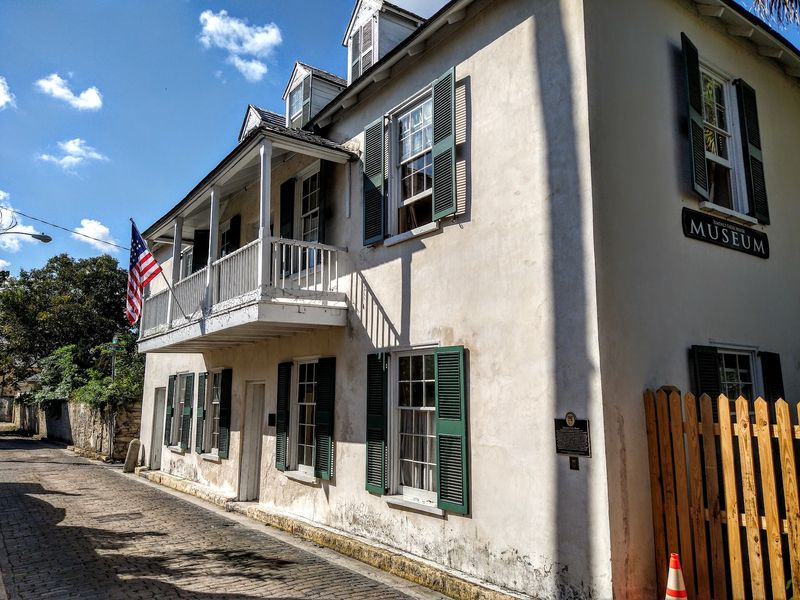
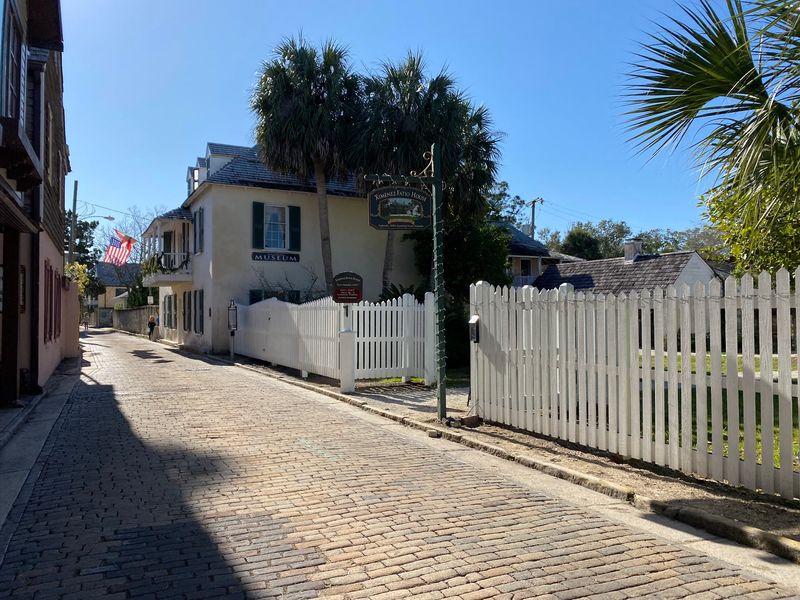
The oldest city in the country hides plenty, but few spots stay as low-key as the Ximenez-Fatio House Museum at 20 Aviles St, St. Augustine, FL 32084. It sits on Aviles Street in the historic downtown of St. Augustine, Florida, in the United States.
Aviles is a skinny, walkable lane south of the busiest blocks. That location keeps foot traffic lighter than on the main tourist strips.
The property is officially a heritage museum set inside a historic home. Its mission is to chronicle the history and heritage of Florida through the way people actually lived.
Think of it less as a glass-case museum and more as a home frozen in a busy chapter of its life. Each room is staged with furniture and objects that match the period it represents.
Locals who spend a lot of time downtown often admit they never noticed it. That fact alone makes it a fun find for anyone who loves a place before the crowds catch on.
Restaurants and the historic library sit close by, so the museum slots easily into a wider walking day. Consider it the calm chapter in a busy downtown story.
Built in 1798 and Still Standing Tall
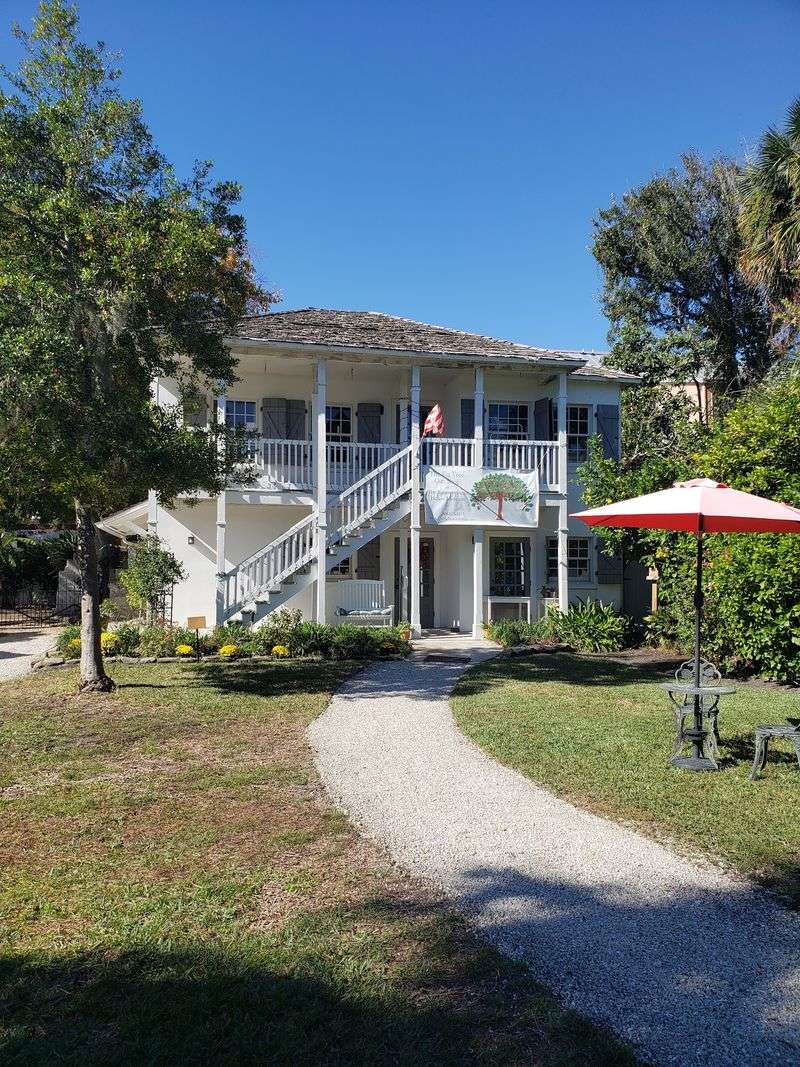
Some houses get a plaque, and this one got a second life. The building dates to 1798, which places its start in the Spanish colonial era of St. Augustine.
Before anyone gets carried away, a small correction helps. It is not the oldest house in town, and older homes stand nearby.
What sets it apart is how much of its story has been preserved and explained. The museum focuses on how people used what they had in those early days.
Furnishings, tools, and household pieces fill the rooms in careful layers. Many of the objects are genuinely old, which makes the scale of the preservation work clear.
The house now operates as what the museum calls a lifestyle museum. In plain terms, the focus is daily routines, work, and the people who passed through.
That angle is what keeps a tour from feeling like a dry date lesson. It turns a timeline into a list of real people with real reasons for being there, and that is where the next chapter begins.
Louisa’s Boarding House Era
Long before hotels lined the bayfront, travelers needed somewhere to sleep. This house answered that need as a boarding house.
The best-known chapter centers on Louisa, whose stewardship of the boarding house shapes much of the story told today. Her role is a striking example of a woman running a business behind the scenes in an era with few such chances.
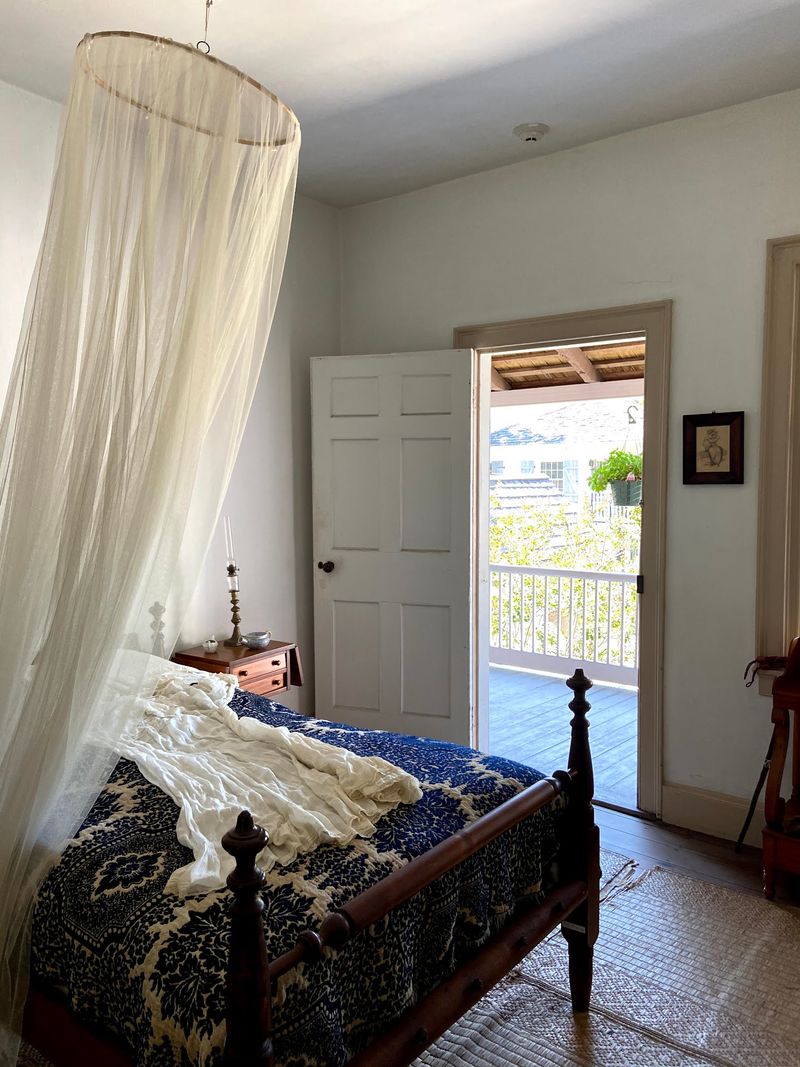
The upstairs boarding house bedrooms are among the most talked-about spaces in the building. Each one is set up to reflect the guests who might have stayed there.
Guides explain why different people came to the house. Some arrived for health, some for travel, and some for work, so life inside looked different for each of them.
That detail adds real depth. A single bedroom becomes a small biography rather than a showroom.
Fans of Florida family history may also spot links to other parts of the state’s past. The house carries ties that stretch beyond the city walls, which is part of why the stories keep pulling people up the next staircase.
Guided Tour or Audio Adventure
Choice is the quiet luxury here. Guests can pick an in-person docent tour or a self-guided audio tour.
The audio option uses handheld devices. At each room, a number gets punched in and a narrated story plays.
A smarter move is scanning the QR code in the gift shop. That puts the narration on a personal phone, which can be easier to hear and navigate than the handheld units.
Written transcripts are also available for anyone who prefers reading. That lets a fast reader move at their own speed without waiting on every clip.
The guided tour, though, earns the loudest praise. Docents are known for deep knowledge, an engaging style, and a knack for adjusting the tour to what a group finds interesting.
Those guides also leave room for questions in every room. Many people say the guided route is what made the whole stop worthwhile.
Short on time? Go audio.
Curious about every odd object on the shelf? Book the docent and settle in for the full story.
Period Rooms Full of Quirky Surprises
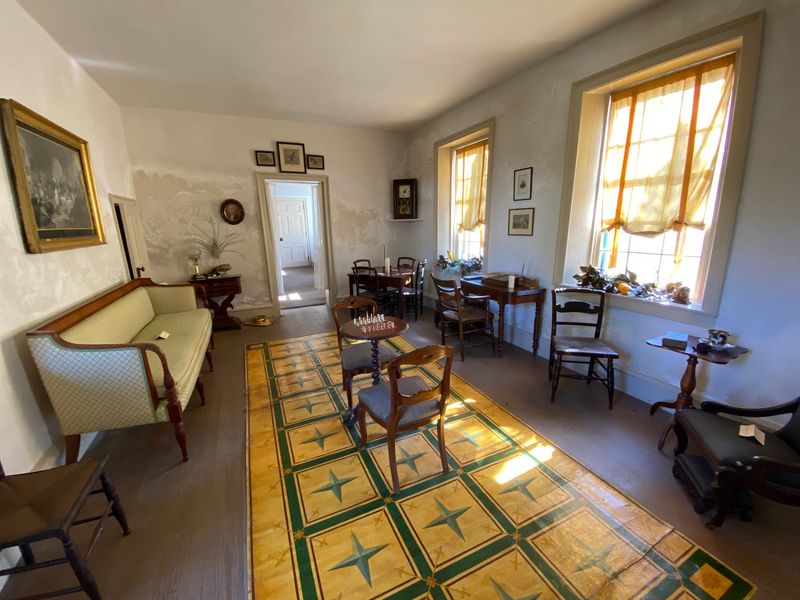
Period furniture is the obvious draw, but the oddball details steal the show. The rooms are staged with many layers of pieces, so there is always another object to spot.
Every area of the house is open to tour. Nothing is roped off as a teaser that leaves people guessing.
The displays are creative without feeling gimmicky. Antiques sit where they would have been used, which helps explain daily life without a long lecture.
Guides love pointing out the quirky surprises tucked into corners. Those little tidbits tend to stick in memory longer than any date on a sign.
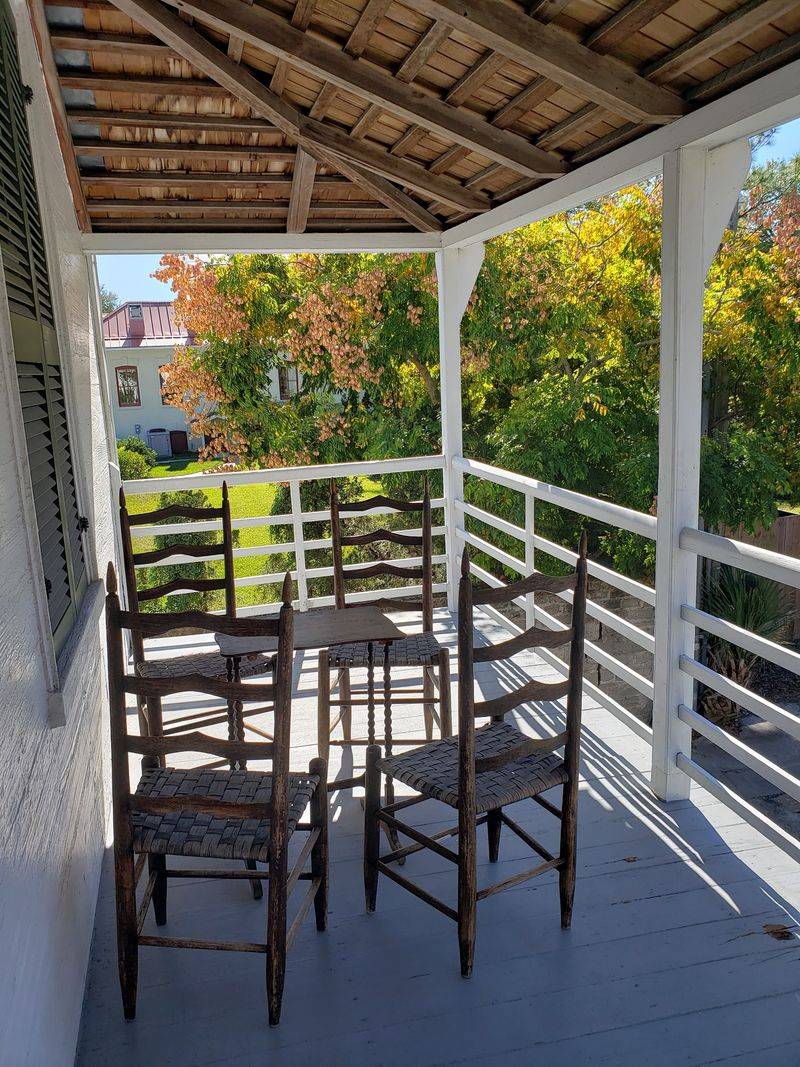
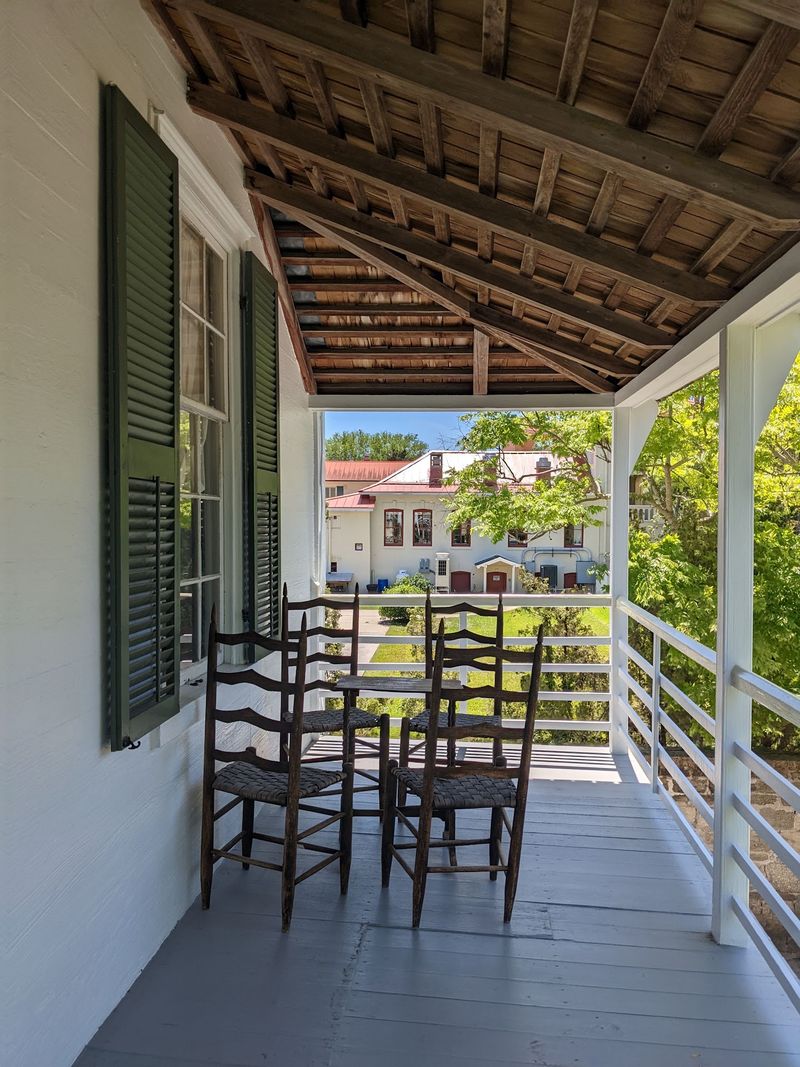
One standout feature sits outside the rooms. A connecting outdoor balcony links parts of the house and gives a great view over the property.
Fair warning for anyone with tired knees. The house has three levels and some steep stairs, so pacing matters.
Taking it slow is no loss here, since the slow route is exactly where the best finds hide.
The Garden, the Fig Tree, and the Orange Tree
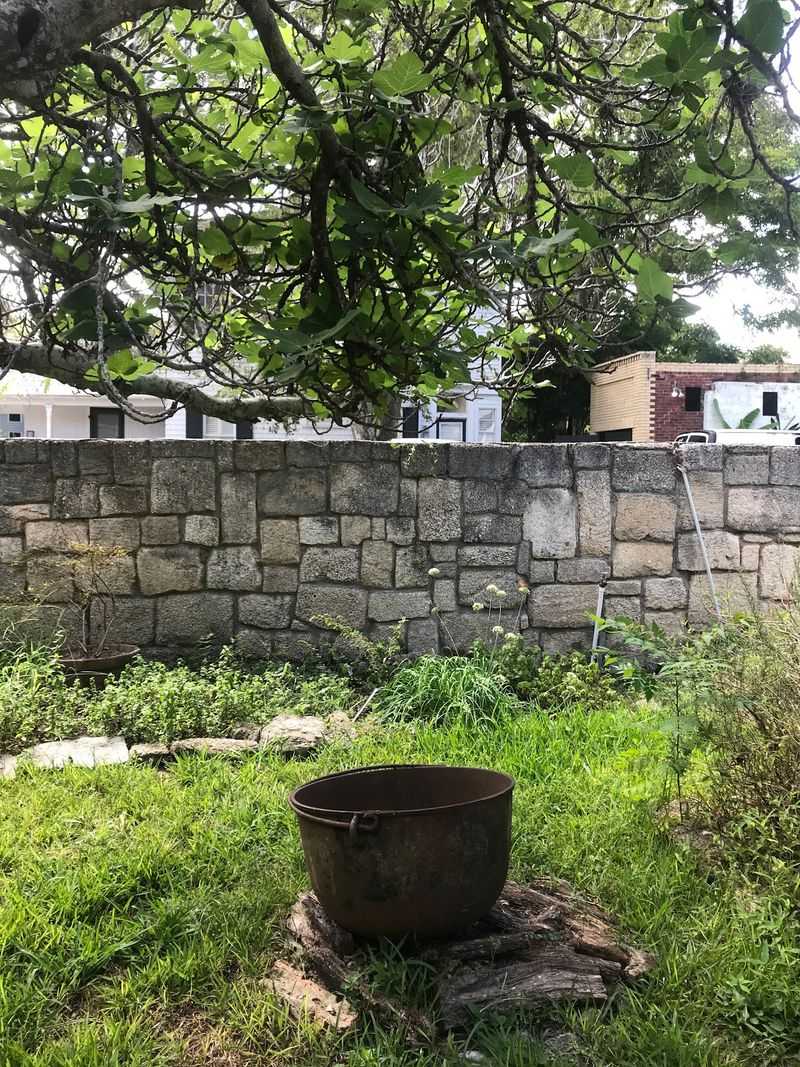
Here is the part that turns a house tour into a courtyard escape. Out back, a peaceful garden offers a break from the busy streets.
The garden is home to one of the oldest fig trees many people have ever seen. It is a living link to the property’s long past.
An orange tree grows here too, and its blossoms add a seasonal bonus in spring. Shady spots under the branches make a natural pause between floors.
The caretakers are happy to chat about the grounds. Plenty of people leave having learned as much outdoors as indoors.
It is honestly a quiet spot in a city that rarely stops moving. The calm is a big reason the property feels like a secret.
The garden also has a romantic streak. It is considered an elegant setting for a small wedding ceremony.
Couples planning something intimate downtown may want to ask about it. For everyone else, the courtyard is simply a good place to sit for a few minutes before heading back into the crowds.
Mourning Tours, Holiday Lights, and Paranormal Buzz
A regular weekday tour is only one side of the house. The museum keeps a calendar of specialty tours, exhibits, and events.
One of the most unusual is the Mortality and Mourning Tour. It looks at old customs around grief, and it features a collection of famously creepy dolls.
Those dolls have a reputation. Some people swear their photos came out a little strange.
The property has also hosted a paranormal investigation. Fans of that kind of thing tend to leave with extra stories to share.
Not into spooky stuff? The holidays bring a gentler mood.
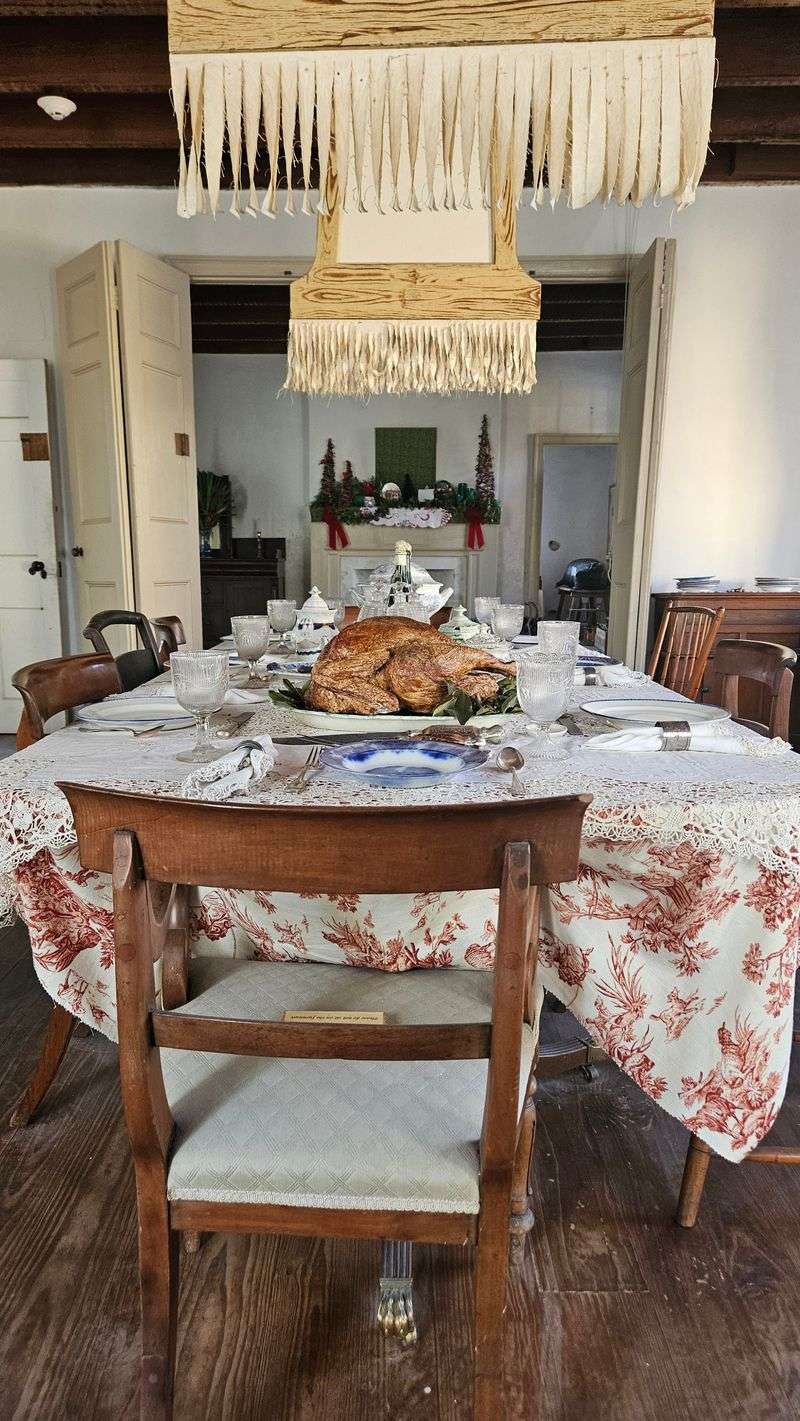
During the city’s Night of Lights season, the house is dressed in Christmas decorations. That makes a winter trip feel like a bonus round.
Live actors have also appeared in real-life history scenes at times. These programs are well researched and add a lively layer.
Checking the museum website before a trip is the easiest way to catch something special, because the schedule changes and the surprises are half the fun.
Kids, Cats, and Curious Minds
Bringing children to a historic house can feel risky. This one has a clever fix.
A scavenger hunt keeps younger guests focused as they move through the rooms. At the end, kids get to choose a prize from a solid selection.
Multi-generation groups do well here too. Grandparents, parents, and grade-schoolers can all follow the audio tour at their own speed.
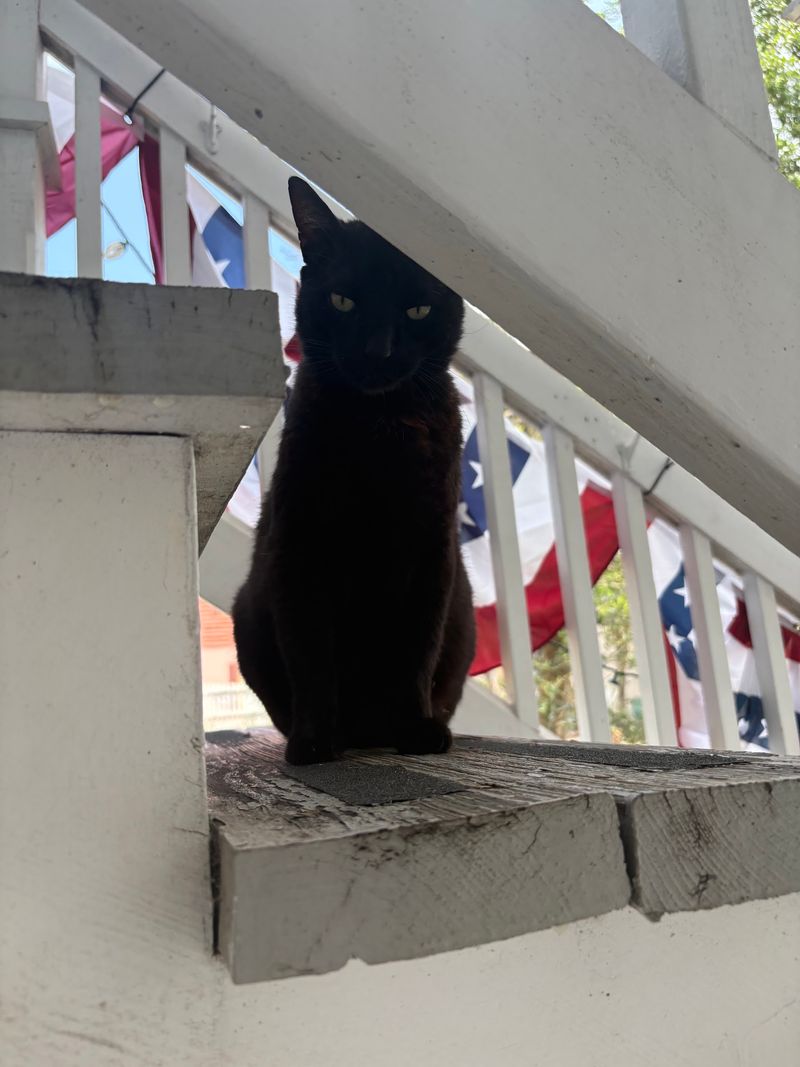
Then there are the cats. A couple of them lounge around the property and mind their own business.
They are harmless and quite relaxed. Kids usually count them as a highlight, even if the cats remain unimpressed.
History fans of any age will find plenty to chew on. The stories about different guests and workers give curious minds lots of questions to ask.
The staff earns steady praise for being friendly, helpful, and fun to talk with. That warm welcome makes a big difference for families who need a little patience.
All in all, it suits families, couples, and solo explorers who prefer depth over flash.
Hours, Admission, and a Heat Warning
Timing matters more here than at most museums. The house is open Monday through Saturday from 10 am to 5 pm and closed on Sunday.
Admission has been around 12 dollars per person in recent years. Student discounts have not been offered, so it is wise to check current rates on the museum website.
Now the big tip. The historic house has no air conditioning.
A few fans help, and breezes on the balcony can make things tolerable. Still, the upper floors get very hot in summer.
The gift shop, where check-in happens, is usually the only cooled room. Water is sold there, but bringing a bottle is a smart move.
Arriving right at opening often means fewer people and cooler air. Early birds sometimes have the whole house nearly to themselves.
Spring, fall, and winter are friendlier seasons for the stairs. Clean restrooms are on site, and the shop stocks books and items from local producers, which makes a nice souvenir stop on the way out.
Parking Tips, Nearby Finds, and a Gentle Verdict
Parking downtown can be a puzzle. The good news is that the museum has a lot available for its guests.
Once the car is settled, the area rewards a short stroll. Head south on Aviles for about a block to find the Father Miguel O’Reilly House.
Turn right onto the next street and look near the school playground on the left. A live oak stands there with a palm tree growing straight up through its middle.
It is the kind of local oddity worth a quick photo. Plenty of restaurants and the historic library are close as well.
So is the house worth the stop? For anyone who loves historic homes, the answer leans strongly toward yes.
It is affordable, uncrowded, and packed with real stories about real people. The guided tour, the garden, and the boarding house rooms deliver more than most expect from a quiet side street.
Just skip the hottest afternoon and wear decent shoes. Do that, and this calm corner of St. Augustine may end up as the part of the trip that gets talked about the most.


