
Affiliate disclosure: As an Amazon Associate I earn from qualifying purchases. Learn more
Southern Indiana hides a patch of land where a stream vanishes into rock, boats float into dark caverns, and a village from the early 1800s still has its mill turning. Near Mitchell, this park mixes limestone sinkholes, wooded hills, and old buildings into a day out that feels far from the cornfields nearby.
It holds caves you can paddle through, stairs that lead down to a rushing underground creek, and a space-age tribute to an astronaut. Campers, hikers, and history fans all find something to do here.
Read on to learn what makes this corner of Lawrence County so memorable, what it costs, and how to plan a trip that makes the most of it.
A Strange Landscape Near Mitchell
Spring Mill State Park sits at 3333 IN-60 E, Mitchell, IN 47446, in southern Indiana, United States. It is a state park that blends recreation with culture and lodging.
Hiking and biking trails, caves, a nature center, campsites, and an inn all surround a restored village dating to 1814. That list alone sets it apart from the average weekend green space.
The park holds a 4.8 star average across more than 3,400 ratings, which is strong for a place with this much variety. Gates are listed as open from 7:30 am to 11 pm every day of the week.
Most people come for the caves and the village, yet the trails, picnic grounds, and campground keep many of them around for days. Even a first trip can fill a full schedule.
Consider this opening section a map in words. The rest of the article breaks down each piece so planning is simple.
The Village That Time Kept
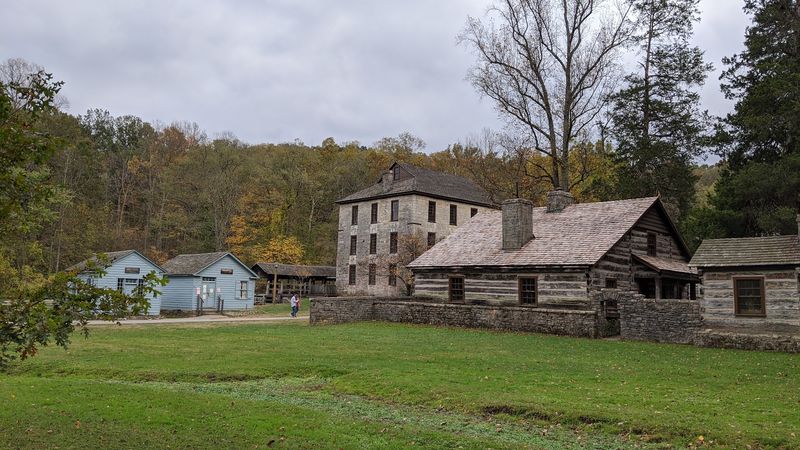
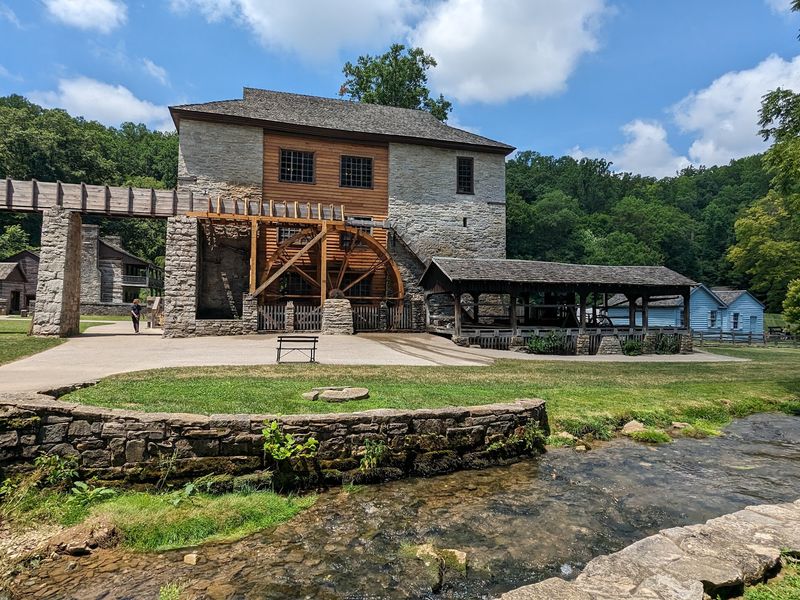
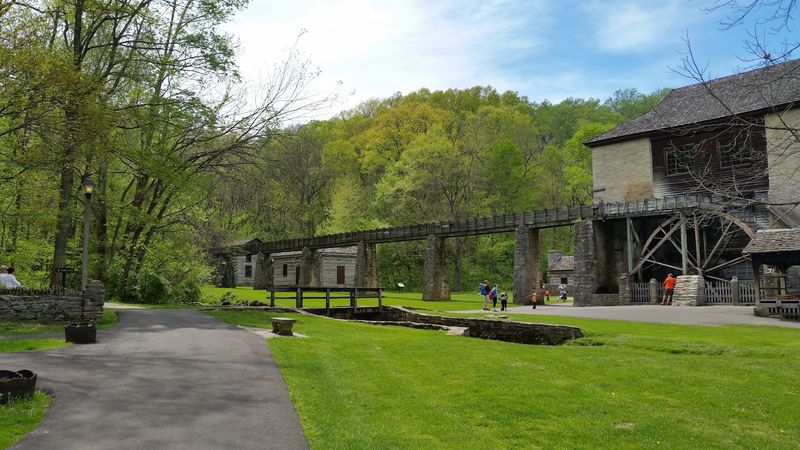
Long before it was a park, this spot was a working community. The restored village dates to 1814, and its buildings still stand in the hollow where the mill once drew in farmers and neighbors.
Walking its paths takes only a relaxed stroll, and every stop adds a bit more of the story. Some travelers have been returning for years and say it looks just as it did on their last trip.
The buildings are in strong condition, which surprises many first-timers. Gardens and grounds around them are tidy and well kept.
One review-style complaint calls the village underwhelming, but plenty of guests disagree and call it unique and well worth the time. It works best when taken slowly, with a look inside each doorway.
History fans get the most from it, though younger explorers tend to enjoy the hands-on feel. Plan a good chunk of the day here.
Grinding Corn at the Old Stone Mill
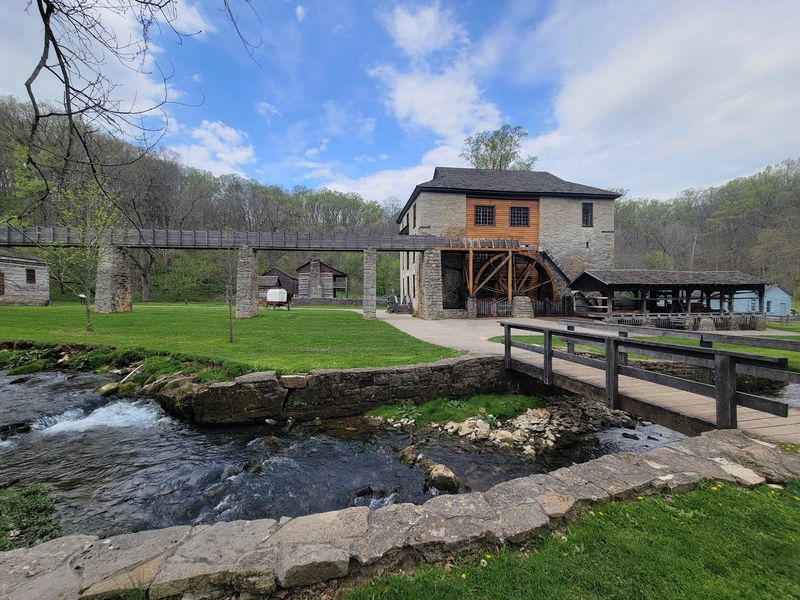
Few historic sites let you watch the work, and the grist mill here does exactly that. The stone building is the village centerpiece, and its machinery still turns corn into meal.
Guests have gone in for the grinding demonstration and left with a bag of fresh cornmeal. A bag has sold for about four dollars, a modest souvenir with a real story behind it.
Inside, a museum spread over three levels covers daily life in the period. It also traces the families tied to the village, from its early growth through its decline and its later revival.
Students get a quick crash course in history without a textbook. Adults tend to linger over the displays longer than planned.
The mill workers are described as friendly and attentive, and they explain the process clearly. Keep an eye on the schedule, since demonstrations depend on the season.
Trades, Shops, and Costumed Guides
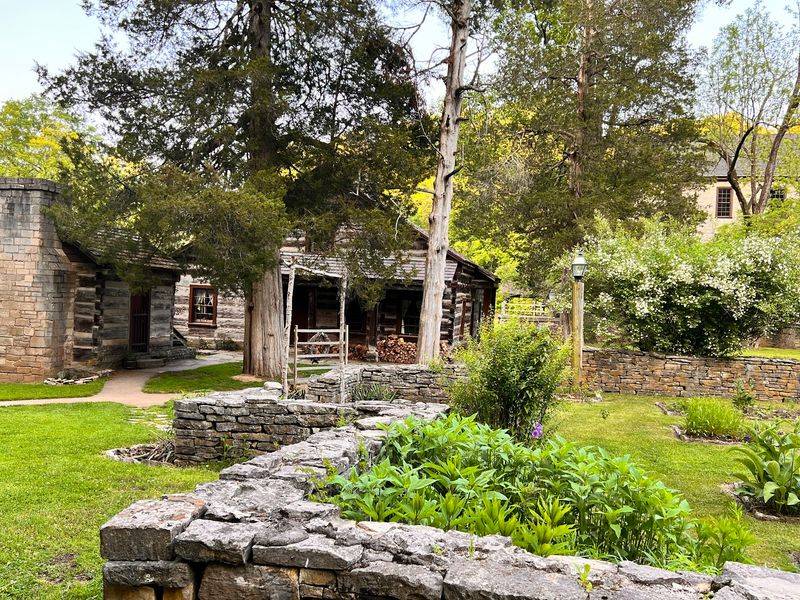
Behind the village doors sits a lineup of period trades. Leather work, a blacksmith, an apothecary, and a school all give families a lively look at how people lived back then.
In warmer months, interpreters stand in several buildings to explain what happened in each one. That extra context turns a simple walk into a lesson that sticks.
Winter trips are quieter, and one couple who visited in January noted the village is staffed by historic interpreters mainly in the warmer months. A park ranger in the office filled in plenty of details during that visit.
The mercantile shop sells handmade items, so there is a chance to take something home. Prices are modest and the goods fit the setting.
One practical note: most buildings have one to three steps at the entrance. Wheelchair users and stroller families may not reach every room, though the paths between buildings are an easy stroll.
Gliding Through Twin Caves
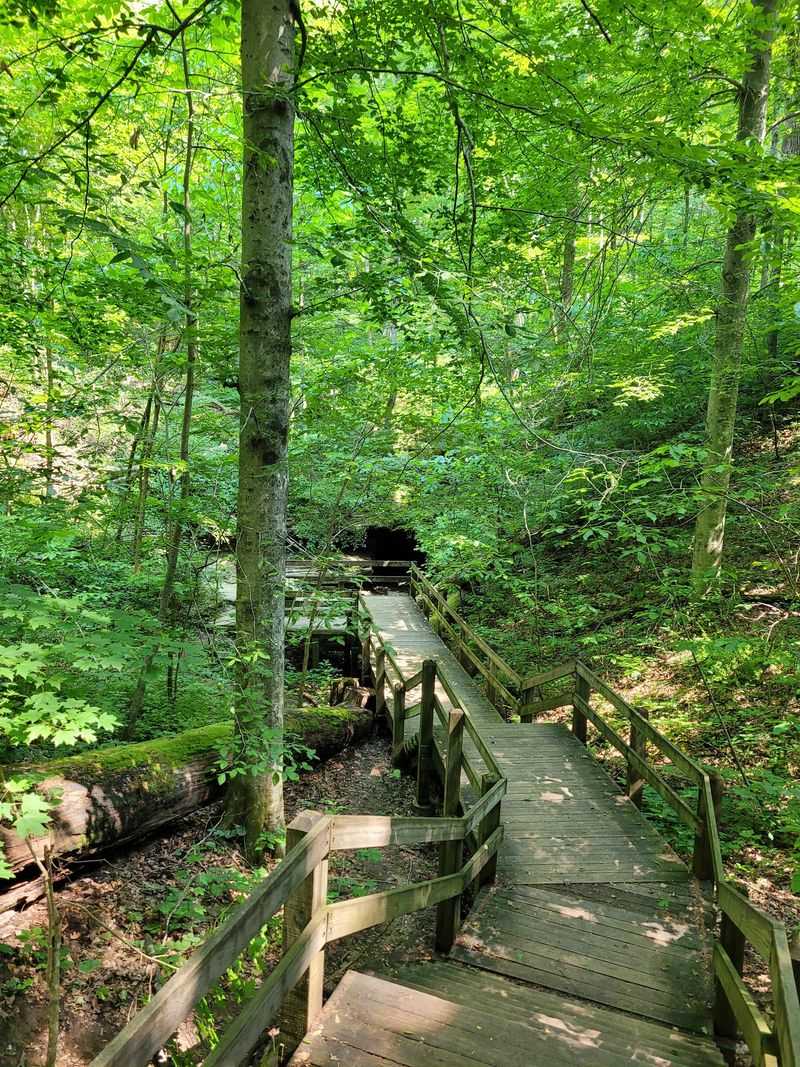
Boarding a boat and floating into a cave tops many to-do lists here. The Twin Caves boat tour runs about 20 to 30 minutes and costs around three dollars per person for anyone older than three.
Guides lead the ride and keep it friendly. Families who rode years ago still remember spotting the blind fish and a bat or two.
Spots fill quickly, so the smart move is arriving first thing in the morning to reserve a place. Waiting until midday can mean missing out.
Weather matters too. Heavy rain can force the boat rides to close, and low water in autumn has shut down tours of one of the caves for the season.
When water is low, adventurous guests have been able to explore one of the Twin Caves on foot. Always check conditions at the park before building a day around it.
Down the Stairs to Donaldson Cave
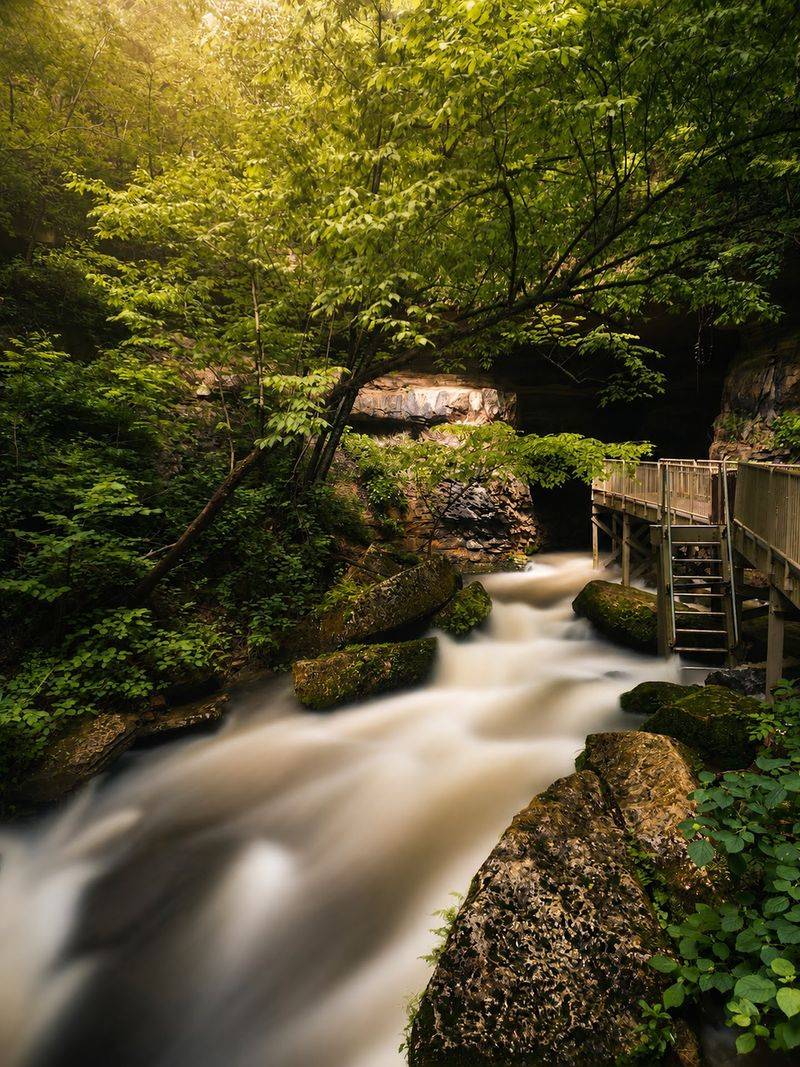
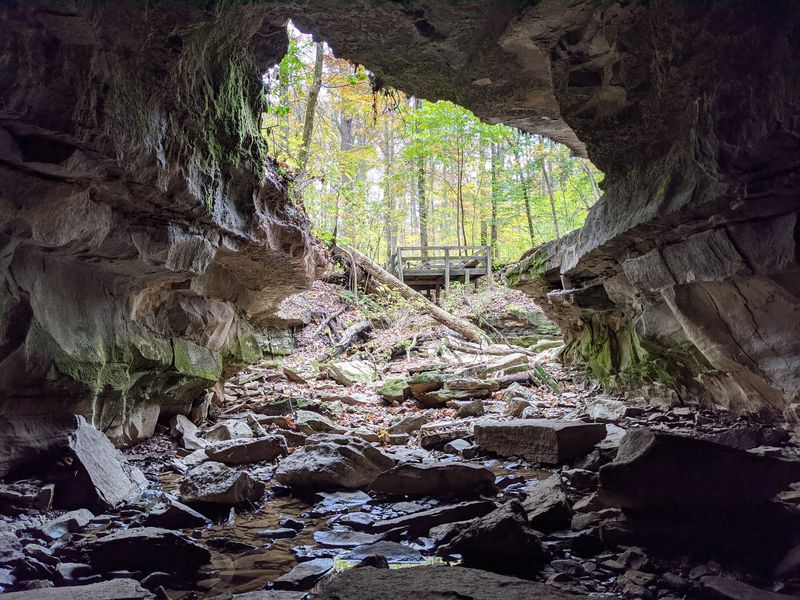
Mud, stairs, and a surprise stream make Donaldson Cave a favorite short hike. The route drops down a set of steps, so expect a workout on the climb back out.
After heavy rain, the small creek outside can swell into a roaring river. Inside, water sometimes flows from high up in the rock.
The footing is slick, so sturdy boots and a headlamp are smart gear. Families with young kids say the slippery ground adds to the fun rather than taking away from it.
Exploring here is self-led, which gives it a sense of freedom that guided tours lack. Repeat guests say it never gets old, even when they bring a new group of children.
Go slowly, watch the steps, and keep little ones close. A short trip can still feel like a full adventure.
Trails Worth Lacing Up For
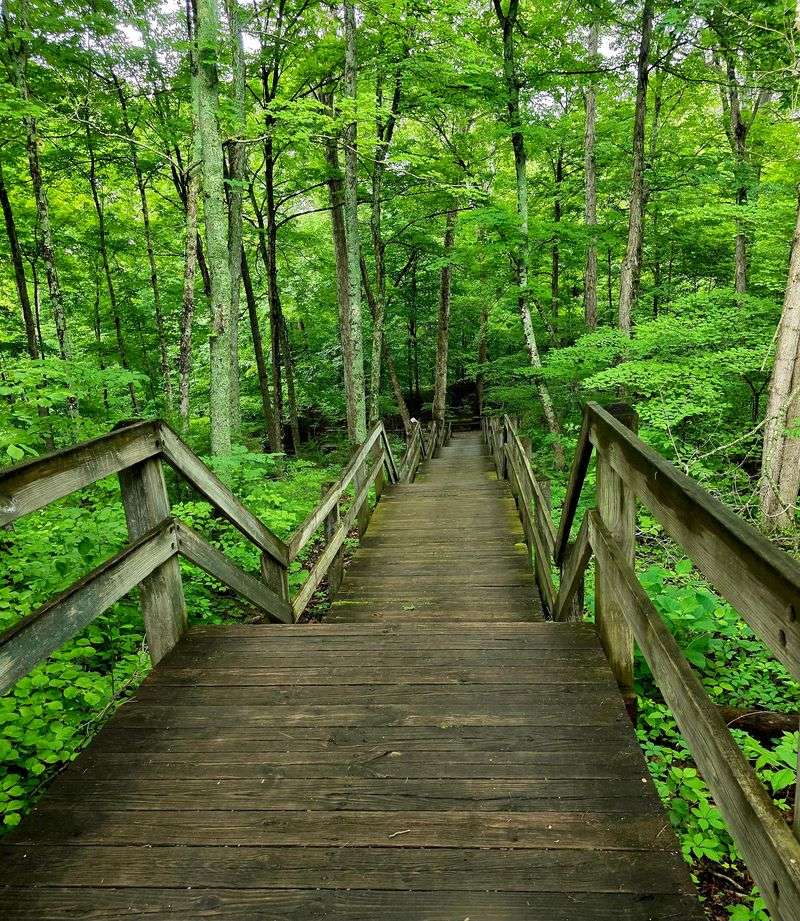
Hiking ranks near the top of what draws people here, and the trails earn the attention. Markers are clear, paths are maintained, and the routes are easy to follow.
The mix of woods, scenery, and historic areas gives a walk more variety than a typical Indiana hike. Sinkholes and karst terrain add to the interest.
Some people come specifically for a hiking challenge and end up staying for the extras. Autumn brings lovely color, while summer heat is manageable under the tree cover.
Dogs are welcome on the trails, and one family said their dog enjoyed swimming in the water. The only place pets are not allowed is Pioneer Village.
Photographers find plenty of material along the way. Bring water, pick a route that fits the group, and leave time to detour toward a cave.
A Salute to Gus Grissom
History here reaches beyond the pioneer era and into the space age. The Gus Grissom Memorial honors an astronaut with ties to the area, and it adds a surprising second theme to the park.
A couple who visited in January called the combination of pioneer days and space history a highlight. They also praised the natural views along the way.
The memorial fits neatly into a day that already includes the village and trails. It needs less time than the mill, so it slots in between bigger stops.
For kids who love rockets, this stop gives the trip a different kind of story. For adults, it is a quiet reminder of how much Indiana history is packed into one property.
The park ranger on duty can answer questions and point out more details.
Camping Under the Shade
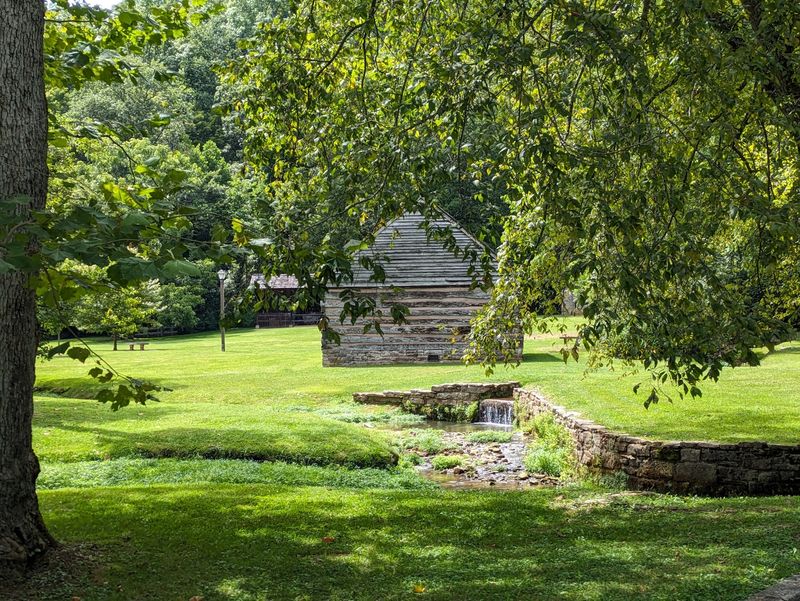
Overnight guests get shaded sites in a campground that regulars call clean and well run. Bathrooms and shower houses are kept tidy, although one camper found hot water in only two showers at their shower house.
Sites are large in many spots, though a few feel a little close together. Families have camped here repeatedly and say each trip gets better.
A camp store on site is well organized. Staff are described as friendly and respectful, which makes check-in smooth.
The campground fills up for school breaks, and fall decorations on the sites become a small show of their own. Squirrels and butterflies add some company around the tents.
Buying a camper pass for a vehicle means paying the entrance fee only once. That is handy for stays of several days.
Splash Zones, Playgrounds, and Picnic Spots
Younger travelers have plenty to do beyond the caves. A playground, a pool, and indoor and outdoor splash pads keep kids busy between hikes.
Picnic areas are numerous, so even a crowded day leaves room to spread out. One school group arrived on a bus and the grounds still had enough space for everyone.
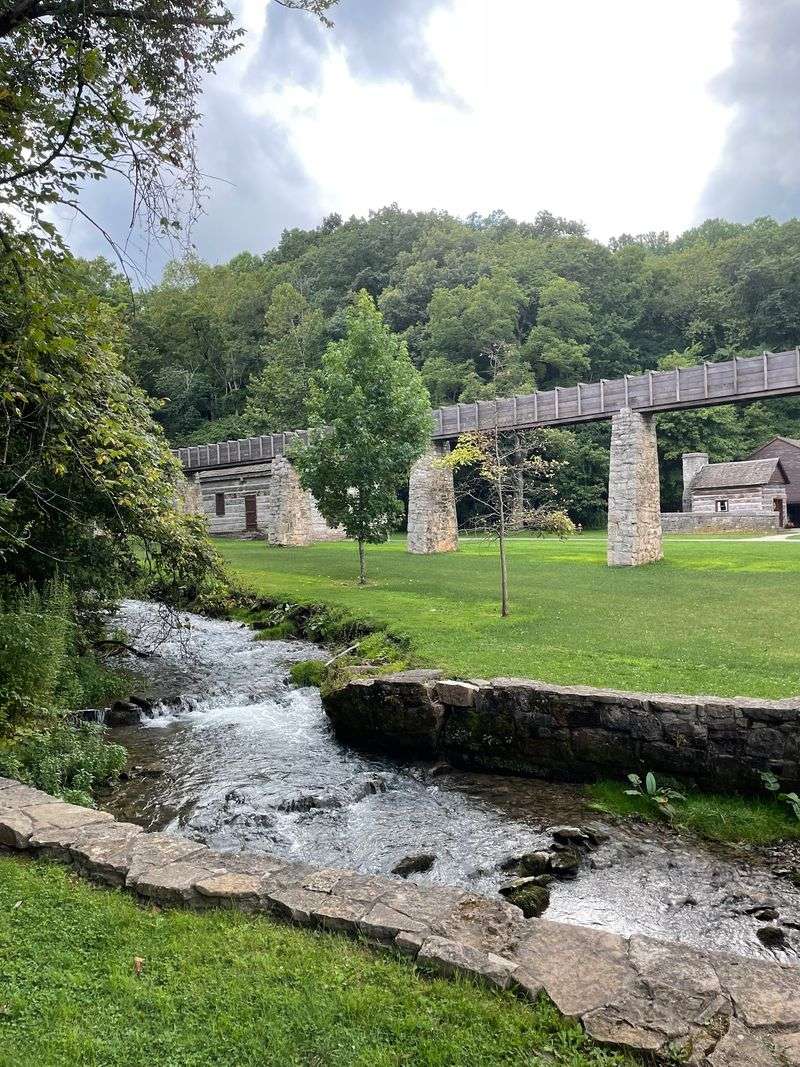
Streams in the park let children wade and play. Wildlife sightings add a nature lesson to the day.
Restrooms across the park get steady attention. One guest noticed staff cleaning the bathrooms while they visited, something they had not seen elsewhere.
Pack a lunch, claim a table, and give the little ones time to burn off energy. The park holds up well for a full family day.
The Inn and Its Game Room
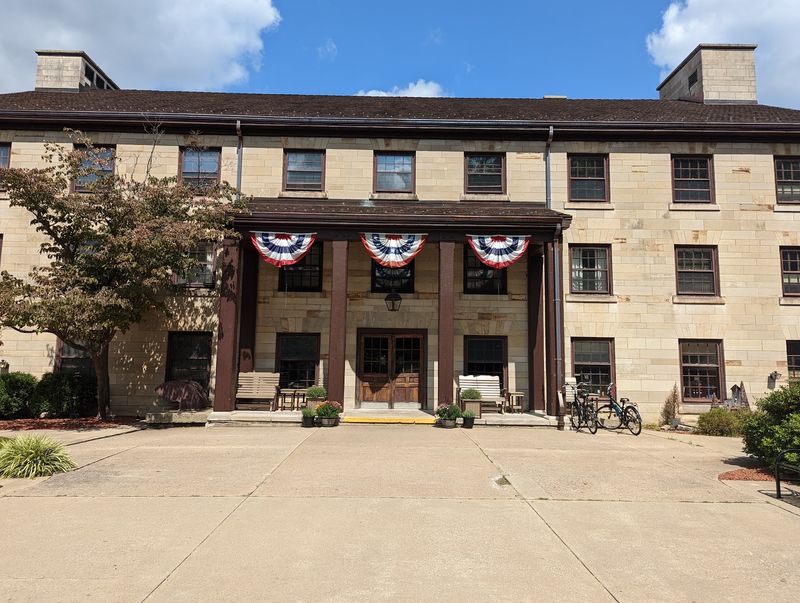
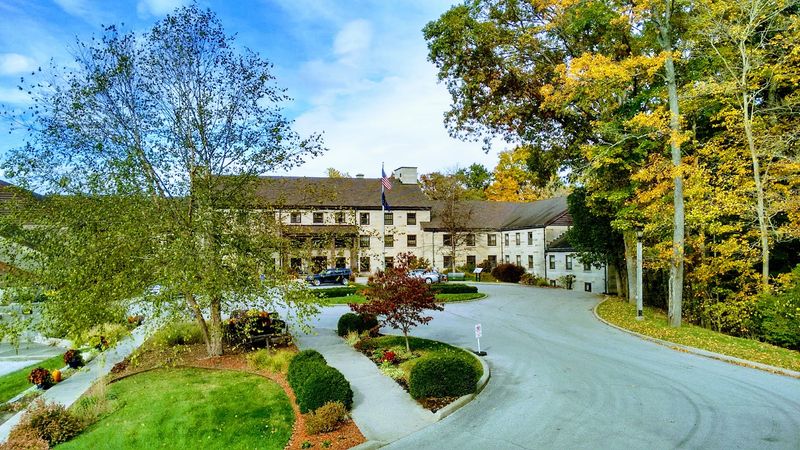
Spring Mill Inn offers a roof and a bed for those who prefer lodging to a tent. The park is described as a recreational and cultural site with lodging, and the inn is a big part of that.
The lower level has a game area with a piano, television, pool, chess, and board games. Indoor and outdoor splash pads sit nearby, which keeps rainy days from feeling wasted.
Dining is available at the inn, and guests have enjoyed a lunch there. A buffet at the main house is called good and affordable.
Staff are mentioned as respectful, and the atmosphere is calm. Couples and families both fit in easily.
Check availability early, since the park gets busy during holidays and school breaks.
Hours, Fees, and Smart Timing
The park lists daily hours of 7:30 am to 11 pm. Getting there is simple, since it sits right along IN-60 East near Mitchell.
Entry fees draw the most debate. Recent guests mention rates of about seven dollars for Indiana plates and fifteen dollars for out-of-state vehicles, while an older note listed nine dollars for out-of-state.
Check the park website at on.in.gov/springmillsp for current prices.
Some travelers feel the higher out-of-state fee is steep. Others say the clean grounds and wide range of activities justify it.
Arrive early for the boat tour, and watch the weather, since rain can close the cave rides. Wear grippy footwear for cave stops.
Spring and fall offer comfortable temperatures, while warm months bring staffed village buildings. Pick based on what matters most.
The Verdict on Spring Mill
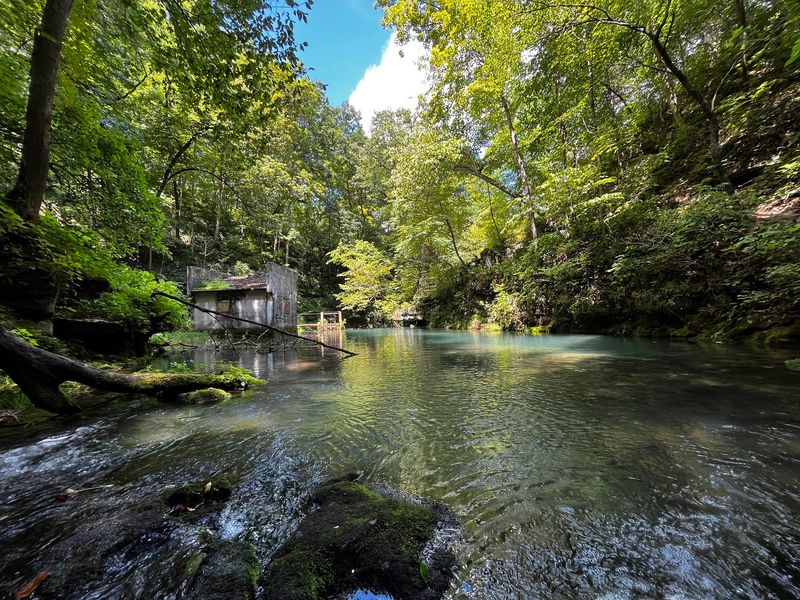
Spring Mill earns its strong reputation by packing a lot into one place. Caves, trails, a living history village, a space tribute, and a campground all share the same grounds.
Some guests think the fee is high for travelers from other states, and a few feel regional rivals offer more scale. Most still leave happy and plan to return.
Families, couples, and history fans find a fit here, and many call it among the best parks in Indiana. A day trip works, but a weekend lets you see it all.
Bring boots, a headlamp, and curiosity. The park rewards all three.
For a spot that looks like another world at the cave mouths and feels like another century in the village, this Mitchell favorite is easy to recommend.


