
Affiliate disclosure: As an Amazon Associate I earn from qualifying purchases. Learn more
Retirement housing in Virginia does not have to cost a fortune. In several parts of the state, older adults can find manufactured and modular homes in age-restricted 55+ communities priced in the ballpark of $60,000.
These neighborhoods often come with shared amenities, lower upkeep, and a built-in social scene. Here are eight things worth knowing before you start your search, so you can decide if this kind of move makes sense for you.
1. Manufactured Homes Drive the Low Price
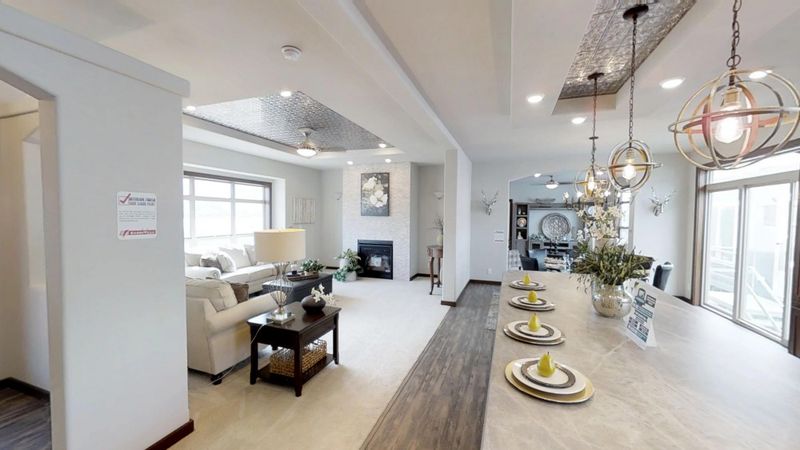
Most homes near the $60,000 mark are manufactured or modular units rather than traditional stick-built houses. That single factor is what keeps the price low.
Manufactured homes are built in a factory and placed on a lot inside the community. Many newer models include full kitchens, two bedrooms, and updated flooring.
Because the structure costs less to produce, buyers get square footage that would be far pricier in a conventional home. For a fixed-income retiree, that difference can free up money for travel, medical needs, or savings.
2. Lot Rent Is Part of the Math
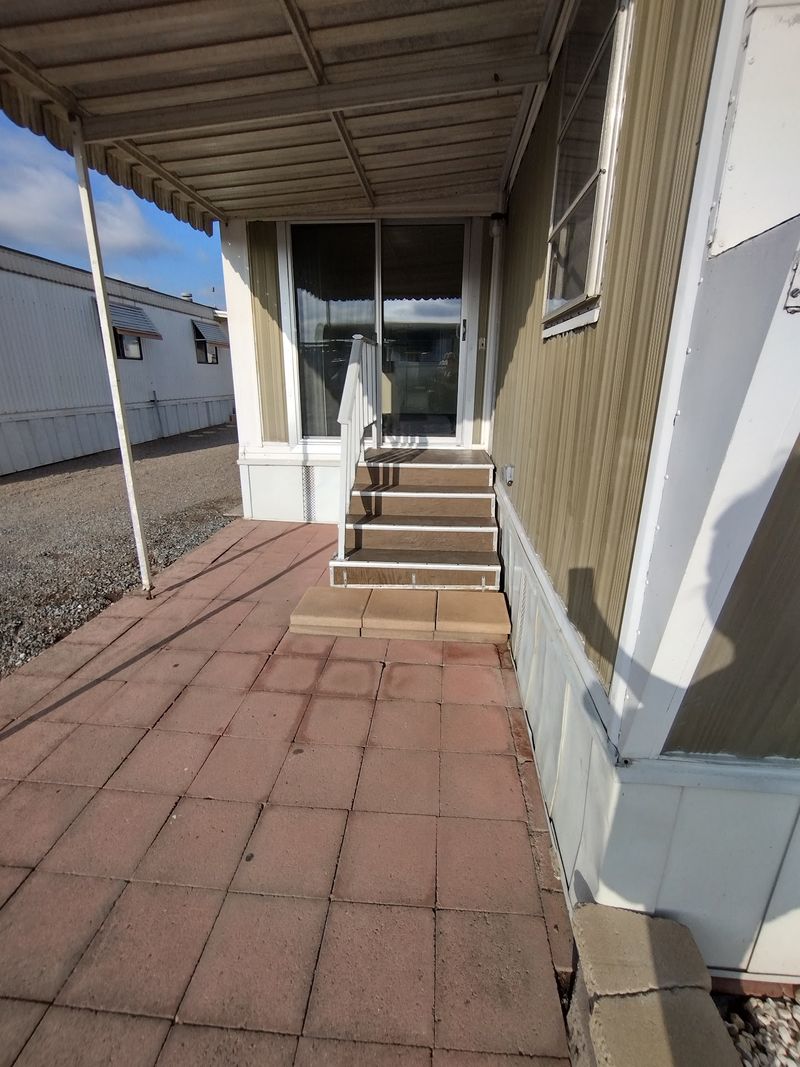
The sticker price on the home is only half the story. In many communities, you own the house but rent the land underneath it.
Monthly lot rent typically covers services like trash pickup, water in some cases, road maintenance, and access to shared amenities. That fee can range widely depending on the location and what is included.
Understanding this arrangement matters before you sign anything. A $60,000 home with a reasonable lot fee can still be far cheaper than renting an apartment, but you want the full picture first.
3. Amenities Come Built In
One of the biggest draws is what comes with the neighborhood. Many 55+ communities in Virginia include a clubhouse, pool, walking paths, and organized social events.
Residents often gather for card games, fitness classes, potlucks, and holiday gatherings. For people who want an easy way to meet neighbors, the calendar does a lot of the work.
Shared spaces mean you get resort-style features without paying to build or maintain them yourself. That value is a big reason the low home price feels even better once you move in.
4. Lower Maintenance Than a Traditional House
Trading a large yard and aging roof for a smaller, simpler home appeals to a lot of people at this stage of life. Manufactured homes on managed lots usually mean less to worry about.
In many communities, the association or park handles common-area landscaping, snow clearing on roads, and general grounds upkeep. That leaves residents with far shorter to-do lists.
Less maintenance also means predictable costs. Fewer surprise repairs make budgeting easier, which is exactly what many retirees are looking for.
5. Age Restrictions Shape the Community

The 55+ label is not just marketing. These communities follow federal housing rules that allow age restrictions, usually requiring at least one resident in each home to be 55 or older.
The result is a quieter, more settled atmosphere geared toward adults. Neighbors tend to share similar routines and interests.
For buyers who want peers nearby and a peaceful pace, the age requirement is a feature rather than a limit. It is worth confirming the exact rules for any community you consider, since some have small variations.
6. Location Affects What You Get
Where you look changes what your $60,000 buys. Communities in more rural and small-town parts of Virginia tend to offer the best prices.
Areas near larger cities or the coast usually cost more, so the same budget stretches further inland. Some retirees are happy to trade a busy metro for a calmer county with lower expenses.
Think about what matters to you day to day, whether that is proximity to family, hospitals, shopping, or outdoor recreation. Matching the right town to your budget makes the move feel like an upgrade.
7. Financing Works a Little Differently
Buying a manufactured home is not always the same process as buying a traditional house. Some lenders treat these homes as personal property, especially when the land is leased.
That can affect loan types, interest rates, and terms. There are lenders and programs that specialize in manufactured housing, so it pays to shop around.
Some buyers pay cash after selling a larger home, which sidesteps financing altogether. Either way, talking with a lender familiar with these communities early can save you time and stress.
8. Do Your Homework Before You Sign
A low price is only a good deal if the details hold up. Before committing, ask for the community rules, the lot lease terms, and a clear list of monthly fees.
Visit at different times of day, talk with current residents, and inspect the home carefully. Check the age and condition of the roof, HVAC, and plumbing.
Read the fine print on how lot rent can increase over time. A little research up front helps make sure your affordable new home stays affordable for years to come.