

Affiliate disclosure: As an Amazon Associate I earn from qualifying purchases. Learn more
Finding an affordable place to live after age 55 can feel tricky, especially in a state as scenic as Oregon. But some 55+ communities offer move-in-ready homes at prices that surprise a lot of folks, sometimes starting right around $60,000.
These neighborhoods often bundle low-maintenance living with shared amenities, quiet streets, and neighbors in the same season of life. If you or someone you love is thinking about downsizing without draining savings, this list is worth a careful look.
Below are seven things to understand about these communities, what makes them affordable, and how to know if one is right for you.
1. Why Homes Can Start Around $60,000
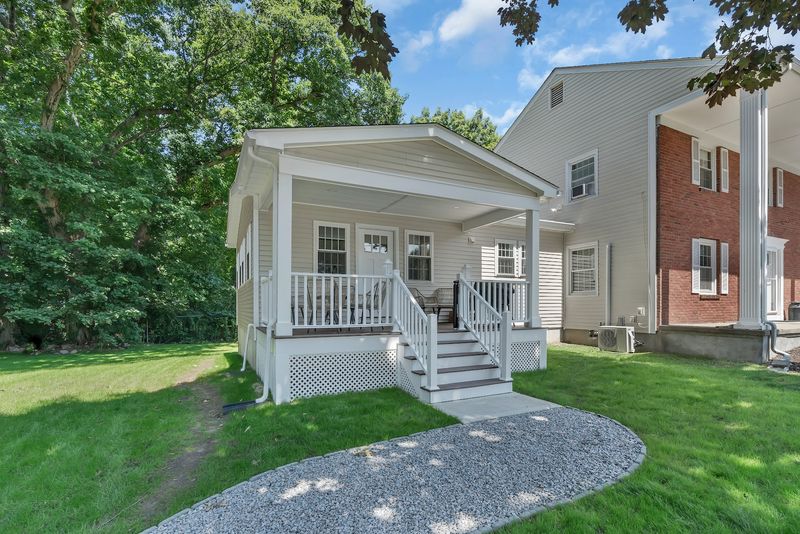
The eye-catching price tag usually comes down to one thing: many of these homes are manufactured or mobile homes placed inside a resident-owned or leased community.
You buy the home itself, but the land underneath is often rented through a monthly space fee. That structure keeps the upfront cost far lower than a traditional stick-built house on its own lot.
Around $60,000 typically buys a smaller, older, or updated single-wide home that is ready to live in. Prices climb from there depending on size, age, and upgrades.
Understanding this setup early helps you compare listings honestly and avoid sticker shock when the lot rent shows up in the paperwork.
2. What Move-In-Ready Actually Means Here
Move-in-ready is a phrase that gets stretched thin in real estate, so it helps to know what it means in these communities.
At the affordable end, it usually means the home has working appliances, functional plumbing and heating, and no major repairs needed before you unpack. Many have been refreshed with new flooring, paint, or updated fixtures.
Some listings include furniture, which can be a real cost saver for someone downsizing from a larger house.
Ask for a recent inspection or walk through with someone handy. A home can look ready on the surface while hiding older wiring or a tired roof, so a little checking goes a long way.
3. The Monthly Lot Rent to Budget For
Here is the part that catches people off guard: the low purchase price often comes paired with a monthly lot rent.
In Oregon 55+ communities, that space rent commonly runs anywhere from a few hundred dollars to around a thousand, depending on location and amenities. It typically covers use of the land and access to shared facilities.
Some communities fold in water, sewer, trash, or landscaping, while others bill those separately, so always ask what is included.
When you add lot rent to a modest home price, the total monthly cost can still land well below renting an apartment or carrying a full mortgage. Running the real numbers is the smartest move before you fall for a listing.
4. Shared Amenities That Come With the Community
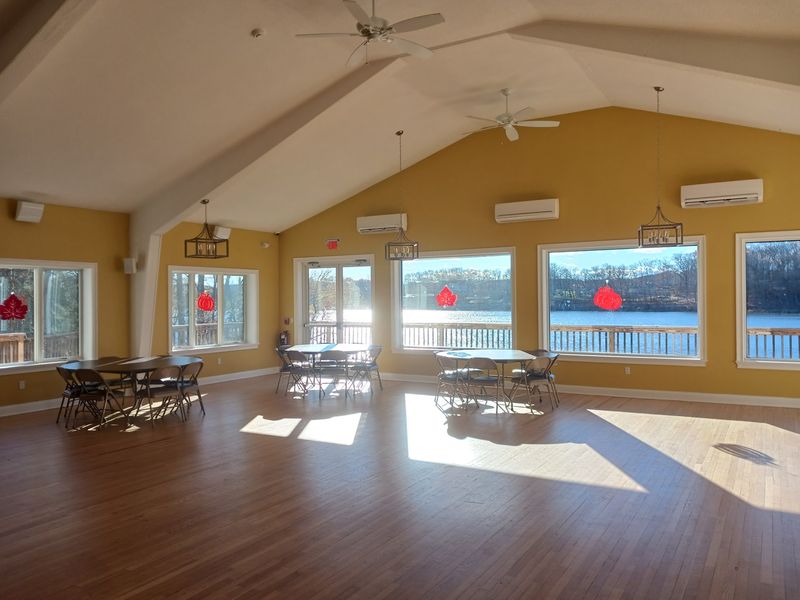
One of the quiet perks of these neighborhoods is that your low home price often unlocks amenities you would pay extra for elsewhere.
Many Oregon 55+ communities include a clubhouse, a swimming pool, laundry facilities, or a fitness room. Some add walking paths, picnic areas, or a library corner.
Social calendars are common too, with card games, potlucks, craft groups, and holiday gatherings that make it easy to meet neighbors.
For someone who wants connection without organizing everything themselves, this built-in community life is a genuine draw. It turns an affordable home into a lifestyle, not just a place to sleep.
5. The Age Rules and How They Work
The 55+ label is not just marketing. These are age-restricted communities governed by federal housing rules for older residents.
Most require that at least one household member be 55 or older, and many set a rule that a large share of homes have someone in that age range. Younger spouses or partners can often live there as long as the age requirement is met by one resident.
Rules about visitors, especially younger relatives staying long term, vary from place to place.
Reading the community guidelines before buying saves headaches. Knowing the age policy also reassures buyers who specifically want a calmer, adult-focused neighborhood.
6. Where in Oregon These Deals Show Up
Location shapes price more than almost anything else, and Oregon has real variety.
The most affordable 55+ homes tend to appear away from the priciest coastal and Portland-area markets. Towns in the Willamette Valley, Southern Oregon around Medford and Grants Pass, and parts of Central Oregon often list homes at friendlier numbers.
Smaller cities usually mean lower lot rents and more inventory in that entry-level range.
If staying near family or medical care matters, weigh that against the savings of a quieter town. Sometimes a short drive to a larger hub gives you both affordability and access to what you need.
7. How to Search and What to Ask Before You Buy
Chasing a deal is fun, but a little homework protects your money and your peace of mind.
Start with listing sites that filter for 55+ and manufactured homes, then contact community offices directly since many have units that never hit the big websites. Local park managers often know what is opening up soon.
Ask about the exact lot rent, what utilities it covers, whether rent increases are capped, and what the pet policy allows.
Request the community rules in writing and confirm the home is on a rented space versus owned land, since that changes everything about your monthly cost.
A patient search, a good inspection, and clear answers can turn a $60,000 listing into a comfortable, affordable place to call home.