
Affiliate disclosure: As an Amazon Associate I earn from qualifying purchases. Learn more
Massachusetts has a reputation for high prices, so the idea of stretching about $1,300 a month sounds almost too good to be true. But in one scenic corner of the state, careful retirees really do make it work by leaning on paid-off homes, small budgets, and a slower pace of life.
The trick is knowing where the free walks, cheap eats, and simple pleasures live. Here are seven reasons a modest monthly budget can still feel rich in the right small town.
1. A Paid-Off Home Changes Everything
The single biggest reason retirees can live on around $1,300 a month comes down to housing. When the mortgage is gone, the monthly math shifts in a big way.
Many longtime residents in smaller Massachusetts towns bought decades ago, before prices climbed. That means their main housing cost becomes property taxes, insurance, and upkeep instead of a large loan payment.
Massachusetts also offers property tax relief programs for older homeowners, including exemptions and a senior work-off program in some communities where residents reduce their bill through volunteer hours. Checking with the local assessor is a smart first step.
A paid-off home frees up money for food, heat, and small comforts. It is the quiet foundation that makes the rest of this list possible.
2. Free Nature Is the Best Entertainment

Entertainment budgets shrink fast when the best local attraction costs nothing. Western and central Massachusetts towns are surrounded by state forests, rail trails, and river paths that stay open year round.
Places like the Norwottuck Rail Trail near the Pioneer Valley give walkers and cyclists flat, paved miles with no admission fee. State parks across the region offer hiking, ponds, and picnic areas at little or no cost for walk-in visitors.
For retirees, a daily walk becomes both exercise and a social outing. You bump into neighbors, watch the seasons change, and skip the gym membership entirely.
Free scenery is a real budget line. When your backyard includes hills, rivers, and quiet woods, you spend far less to feel entertained.
3. Local Senior Centers Do Heavy Lifting
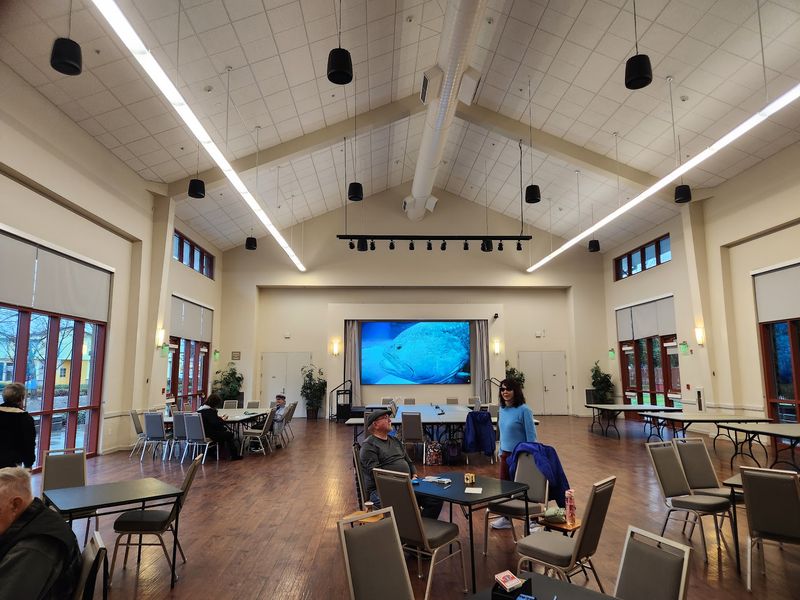
Small towns tend to punch above their weight when it comes to senior services. The local Council on Aging is often the hub that keeps monthly costs low.
Many centers offer low-cost or donation-based lunches, sometimes just a couple of dollars for a full meal. That alone can trim a grocery bill while adding steady company.
Beyond food, senior centers commonly run free exercise classes, card games, craft groups, and educational talks. Some also coordinate rides to medical appointments and the grocery store.
For anyone watching every dollar, these programs replace expenses that would otherwise add up quickly. A friendly lunch, a ride to the doctor, and a free fitness class turn a tight budget into a livable one.
4. Transportation Costs Stay Small
Car costs quietly drain retirement savings, so towns where you drive less have a real advantage. Compact downtowns let residents handle errands close to home.
Regional transit authorities across Massachusetts, such as the PVTA in the Pioneer Valley, offer reduced fares for older riders and even fare-free service on certain routes. That keeps gas and parking spending low.
Fewer miles also means less spent on maintenance, tires, and insurance. Some retirees drop to a single car or skip driving altogether for daily trips.
When the pharmacy, library, and grocery store sit within a short ride or walk, the monthly transportation line stays lean. That leaves more room for the things that matter.
5. The Public Library Is a Money Saver
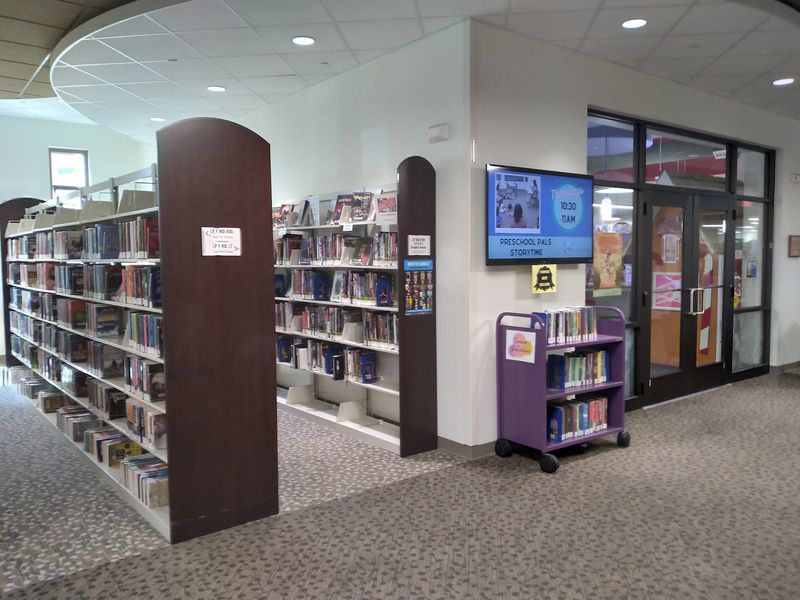
Few places stretch a small budget like a well-run town library. Massachusetts communities take their libraries seriously, and it shows.
Beyond books, most offer free movies, audiobooks, magazines, and streaming through services like Libby and Hoopla with just a library card. Many also lend museum passes that cut or eliminate admission at regional attractions.
Free programs fill the calendar too, from author talks and book clubs to computer help and craft afternoons. Warm reading rooms give residents a comfortable place to spend an afternoon at no cost.
A library card turns into one of the cheapest sources of daily enjoyment around. For retirees counting pennies, it replaces subscriptions, tickets, and outings that would otherwise cost real money.
6. Farm Stands and Simple Cooking

Food spending drops when the countryside is your grocery store. The farming regions of the state, especially the Pioneer Valley, are dotted with roadside stands and farmers markets.
Seasonal produce like corn, squash, apples, and tomatoes often costs less than the supermarket during peak months. Some retirees stretch that further by freezing and canning for winter.
Massachusetts also runs a program that gives eligible seniors coupons for fresh produce at participating farmers markets. That puts real, healthy food within reach of a very small budget.
Cooking at home with simple ingredients keeps meals affordable and nourishing. A few dollars of local vegetables can carry a whole week of dinners.
7. A Slower Pace That Costs Less

The final piece is less about programs and more about lifestyle. A slower pace naturally spends less.
In a scenic small town, the good days often revolve around a walk to the common, a chat with neighbors, or an afternoon on the porch. None of that carries a price tag.
Community events like town concerts, church suppers, and seasonal festivals give retirees plenty to do for little or nothing. The social calendar stays full without draining the wallet.
When the surroundings are pretty and the routine is simple, the pressure to spend fades. That mindset, more than any single program, is what makes roughly $1,300 a month feel comfortable rather than tight.
Add it all up, and the picture makes sense. A paid-off home, free nature, strong local services, and simple pleasures let modest budgets go a surprisingly long way in the right Massachusetts town.