
Affiliate disclosure: As an Amazon Associate I earn from qualifying purchases. Learn more
If you have ever wondered whether an affordable retirement home in Minnesota is still possible, the answer might surprise you. Across the state, move-in-ready homes in 55+ communities are listed at prices near $60,000, mostly manufactured and modular homes set in dedicated senior neighborhoods.
These places come with amenities, low-maintenance living, and a built-in community of neighbors in the same stage of life. Here are 12 things to know before you start shopping for one.
1. Why 55+ Communities Keep Prices Low
The big reason these homes stay affordable comes down to how they are built and where they sit. Most listings in this price range are manufactured or modular homes placed inside a land-lease community.
You own the home itself, but you pay a monthly lot rent for the land underneath it. That setup keeps the upfront purchase price far below a traditional house.
For buyers on a fixed budget, the math often works better than renting an apartment. The tradeoff is the ongoing lot fee, which is worth studying closely before you sign anything.
2. What Move-In-Ready Actually Means
Move-in-ready is a phrase that gets tossed around a lot, so it helps to know what it usually covers here. In most $60,000 listings, it means the home has functioning appliances, updated flooring, and fresh paint already done.
Many of these homes were recently remodeled by sellers hoping to attract buyers quickly. That can mean new countertops, refreshed bathrooms, and updated light fixtures.
Still, always ask for a checklist of what was replaced and when. A home that looks finished can still hide an aging furnace or water heater.
3. The Lot Rent Question
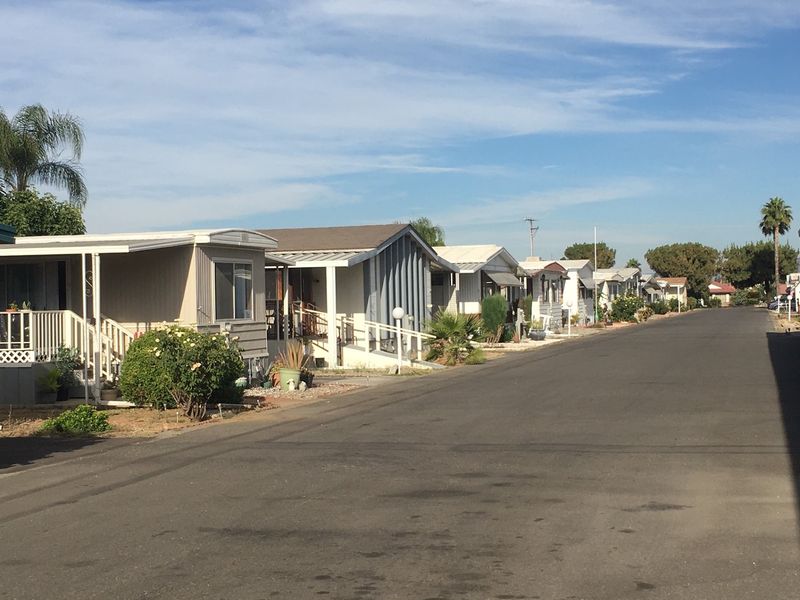
Before you fall for a listing, get the lot rent number in writing. Monthly lot fees in Minnesota 55+ communities often run a few hundred dollars, and they can rise over time.
The fee typically covers things like community maintenance, trash service, and sometimes water or sewer. It rarely covers your electricity, heat, or internet.
Add the lot rent to your projected utility costs and property expenses to see the real monthly picture. That number, not the sticker price, tells you if the home fits your budget.
4. Community Amenities You Might Get
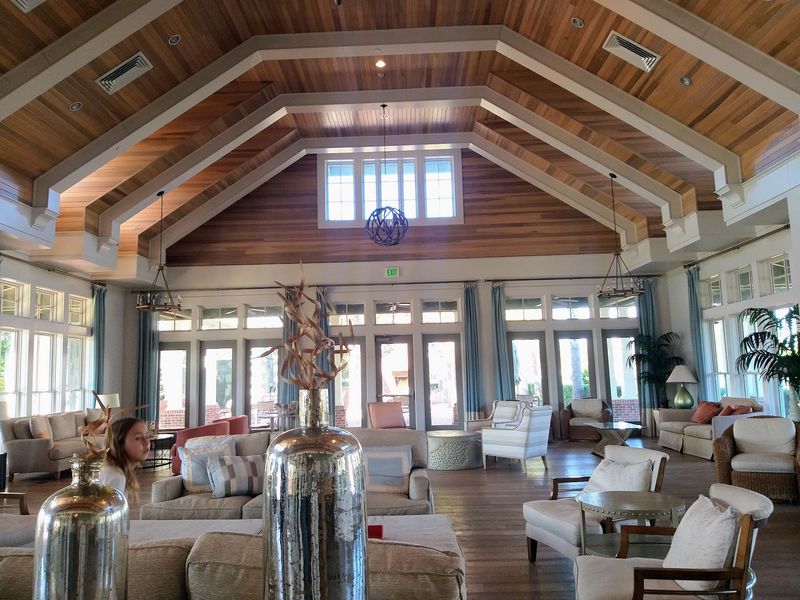
Part of the appeal here is that you are not just buying a home, you are joining a neighborhood built for your age group. Many 55+ communities include a clubhouse where neighbors gather for card games, potlucks, and holiday events.
Some properties offer walking paths, community gardens, or a fitness room. Larger developments occasionally include a shared pool or picnic shelters.
Amenities vary widely from one community to the next, so tour a few before deciding. The social calendar can matter just as much as the floor plan.
5. Low-Maintenance Living

One of the quiet joys of these homes is how little upkeep they demand. Single-story layouts mean no stairs, and small lots mean minimal yard work.
In many communities, lawn mowing and snow removal are handled as part of the lot rent. That is a real relief during a long Minnesota winter.
For folks who spent decades caring for a big house, the freedom to skip weekend chores is a genuine perk. More time for hobbies, family, and travel is often the whole point.
6. Popular Areas to Search

Affordable 55+ homes turn up all over the state, not just in one corner. Suburbs around the Twin Cities metro have several established communities, though prices there tend to climb.
Smaller cities like Rochester, St. Cloud, and Mankato often list homes closer to that $60,000 range. Rural and lake-adjacent towns can be even more affordable.
Location shapes everything from lot rent to nearby healthcare access. Search a wide radius before narrowing down, since a short drive can mean a big price difference.
7. Financing a Manufactured Home
Financing works a little differently when the home sits on leased land. A traditional mortgage may not apply, so many buyers use a chattel loan, which is a loan for the home as personal property.
These loans often have shorter terms and different interest rates than standard mortgages. Some buyers in this price range pay cash from savings or a home sale.
Talk to a lender who specializes in manufactured housing before shopping. Knowing your options up front keeps the process smoother once you find the right home.
8. Age and Occupancy Rules
The 55+ label comes with rules that are worth understanding early. Under federal housing guidelines, at least one resident of each home usually must be 55 or older.
Many communities allow a younger spouse or partner to live there as well. Rules on visitors, grandchildren staying over, and pets vary by community.
Ask the management office for the community handbook and read it carefully. Knowing the guidelines prevents surprises after you move in.
9. Inspecting Before You Buy
A shiny interior can distract from what matters most beneath the surface. Hire an inspector familiar with manufactured homes, since they check systems a standard inspector might overlook.
Key items include the furnace, water heater, roof, and the skirting and supports underneath the home. In Minnesota, proper insulation and heating are not optional given the cold.
An inspection might cost a few hundred dollars, but it can save you thousands. Never skip it just because the price seems low.
10. Handling Minnesota Winters

Winter is the real test for any Minnesota home, and these are no exception. Well-maintained manufactured homes handle the cold fine when they have good insulation and skirting to protect the pipes.
Ask whether the home has heat tape on the water lines and how the heating system performs in deep cold. Check who is responsible for snow removal on your lot and the shared roads.
Communities with plowing service included make the season far easier. A quick chat with current residents can tell you how the neighborhood holds up in January.
11. The Sense of Community
Beyond the numbers, the neighbors are what many buyers end up loving most. Living among people in a similar stage of life makes it easy to find company for coffee, cards, or a morning walk.
Organized events give newcomers a natural way to meet others. That built-in social network can ease the loneliness some people feel after leaving a longtime home.
For anyone downsizing solo, that friendly setting is a big draw. It turns a smaller home into a bigger life.
12. Steps to Take Before Making an Offer
Once you find a home you like, a little homework protects your money. Confirm the lot rent, read the community rules, and get a written inspection report before you commit.
Verify what the sale price includes, since some listings come furnished and others do not. Ask the management office about any pending fee increases or upcoming assessments.
Talk with a couple of current residents if you can, because they will give you the honest scoop. With those boxes checked, a $60,000 home in a Minnesota 55+ community can be a comfortable and affordable place to settle in.