
Affiliate disclosure: As an Amazon Associate I earn from qualifying purchases. Learn more
Blizzards, slush, and surprise chinook melt all tried to ruin my Canadian Rockies trip, but my Sorel Caribou boots had other plans. I put them through iced-over parking lots, knee-deep powder, and soggy trail edges without slipping or soaking through. If you are eyeing these classics for real winter, you will want honest, trail-tested insights. Here is what stood out when comfort met cold hard reality.
Warmth that actually lasts
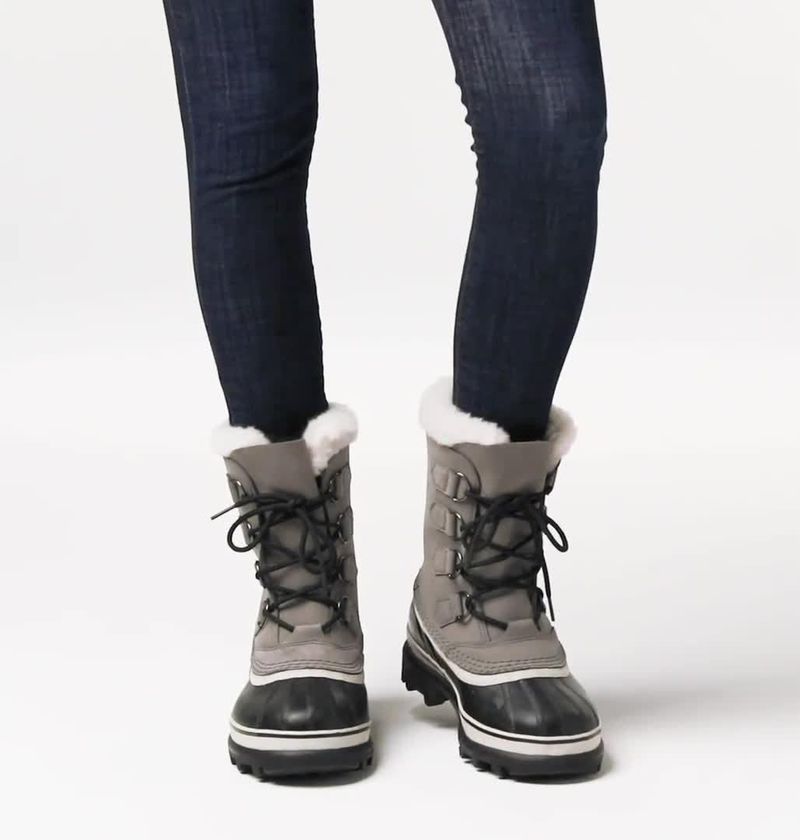
Standing still on a windy ridge near Lake Louise, my toes stayed surprisingly toasty. The 9mm felt liner trapped heat even when the mercury bottomed out. You can feel warmth rebound after short rests, which matters during photo stops.
While hiking, warmth never became clammy thanks to breathable wool blend socks. If you run cold, pair with midweight liners for backup. For true arctic blasts, heat packs in the toe box add a safety margin without cramping.
The warmth rating felt honest for real winter travel. I never dreaded lacing up before dawn.
Waterproofing you can trust
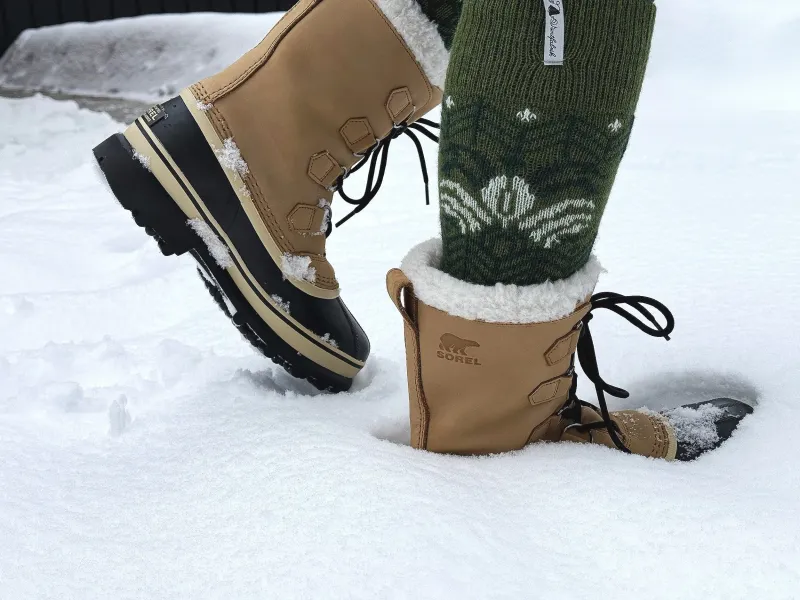
Slush days are the real test, not powder days. The rubber lower and seam-sealed leather upper shrugged off puddles and snowmelt along Bow Falls. After hours of wet crossings, socks stayed dry and morale stayed high.
I sprayed a light conditioner before the trip, then brushed off salt at night. That helped the leather avoid white stains. The rubber foxing never let water sneak in.
If you are planning urban to trail days, this level of waterproofing means fewer wardrobe changes. No soggy socks, no cold chill creeping in during lunch stops.
Traction on mixed ice
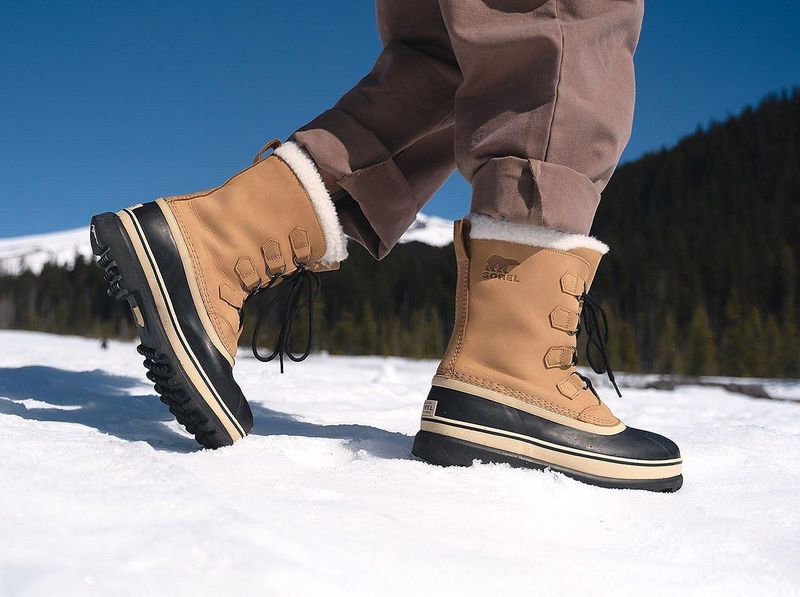
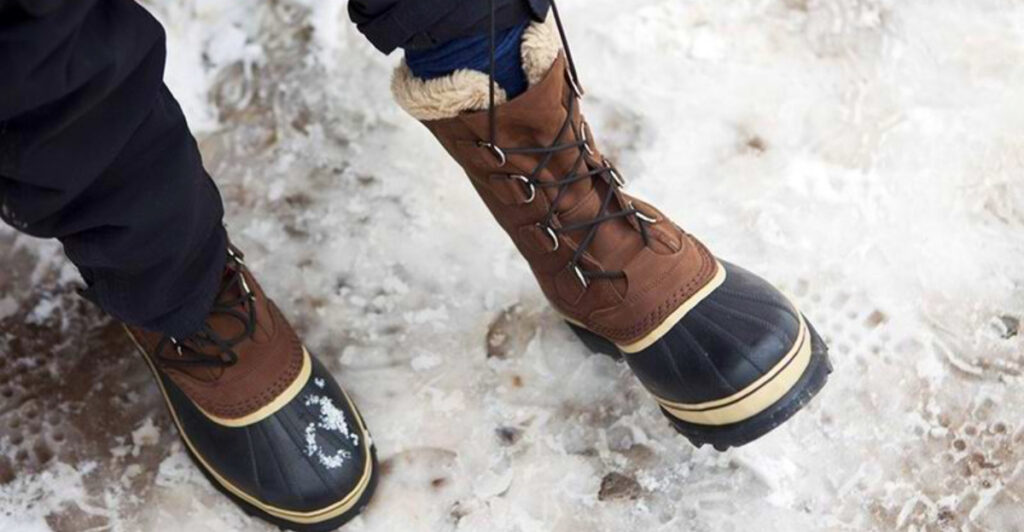
On packed paths around Canmore, the handcrafted rubber sole delivered decent bite. It is not a crampon, but careful foot placement and shorter strides prevented slips. On glassy black ice, I added microspikes and felt unstoppable.
The lugs shed snow well, avoiding heavy snow balls that can cause ankle tweaks. On wood boardwalks, traction felt predictable. You will still respect steeper, wind-polished spots.
For daily travel, the balance of grip and comfort worked. If your itinerary includes steep frozen waterfalls, pack traction aids. For town and trails, you will be fine.
Fit and sizing quirks
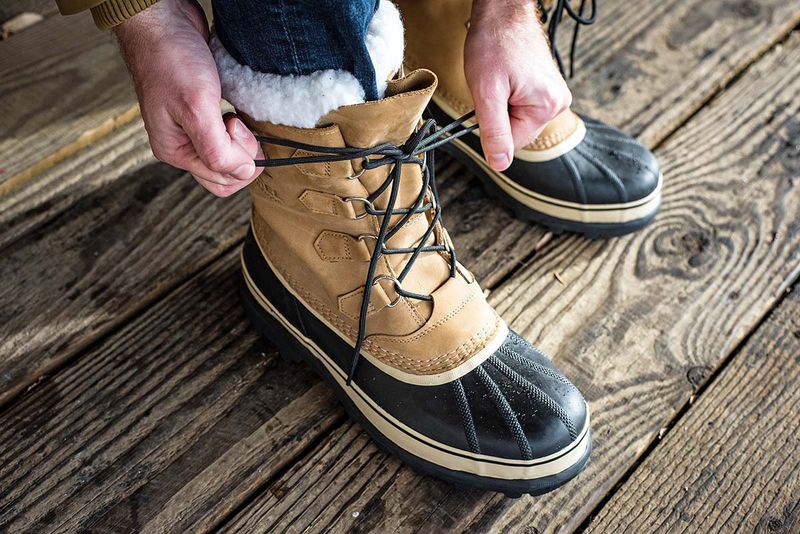
These run large. I sized down half a size and still had room for thick socks. That extra space helps circulation, which keeps feet warmer in prolonged cold.
Heel hold was secure after a proper lace lock. The wide forefoot avoided hot spots during long walks through snowdrifts. If you have narrow feet, consider an insole to reduce volume.
Try them on with your actual winter socks. Walk stairs, flex the toe, and ensure no heel lift. A dialed fit transforms these from clunky to comfortable, especially on uneven terrain.
Weight vs comfort tradeoff
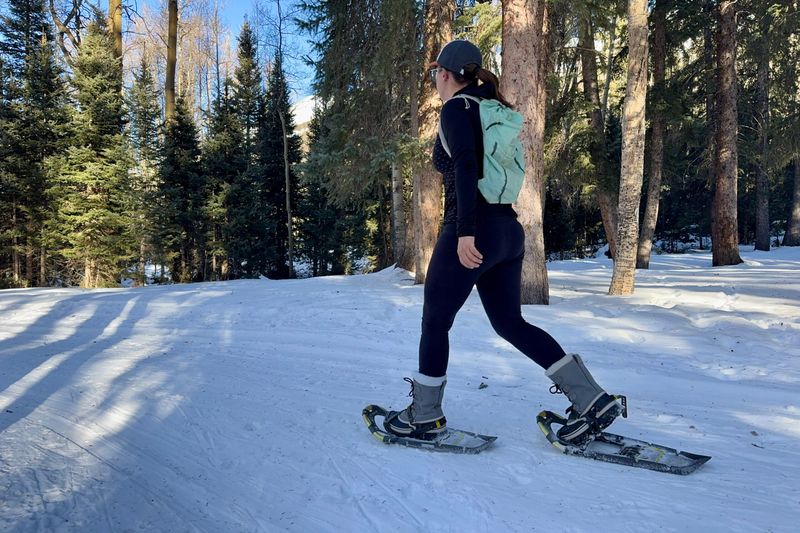
Yes, they are heavy. But the plush liner and stable platform reduce fatigue differently than light hikers do. On long village-to-trail days, the steady stride felt reassuring.
If you are racing, choose something lighter. If you are sightseeing, photographing, or carrying a kid sled, the comfort pays off. The boots cushion packed snow ruts and broken crust nicely.
Think of them as winter cruisers, not sprinters. For shoveling, driving between trailheads, and exploring frozen lakes, the weight disappears into warmth. Your knees may thank you.
Durability lessons in cold
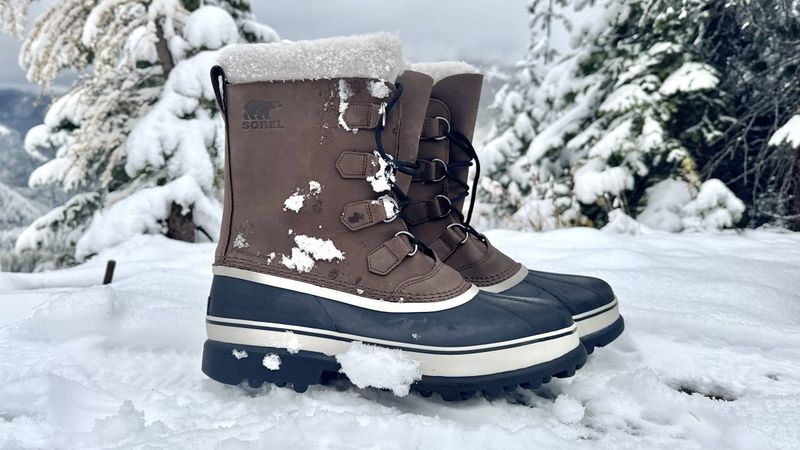
Several seasons in, stitching remained intact and liners held shape. I did notice minor scuffing and kept an eye on the rubber for cracks. Regular cleaning and conditioning after salty sidewalks slowed wear.
Cold makes materials brittle. Warming boots indoors before flexing helped prevent stress marks. Do not leave them near a direct heater; slow drying worked best.
A quick inspection after each day caught issues early. For expedition use, consider a backup lace and insole. Treat them well and they repay you across many winters.
All-day comfort and support
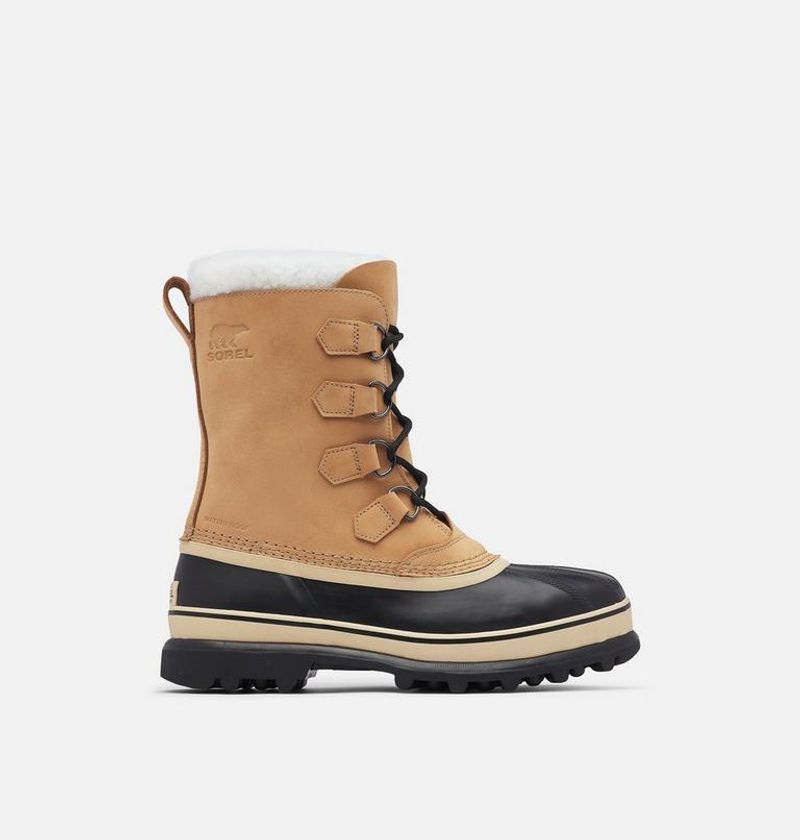
From sunrise drives on the Icefields Parkway to twilight strolls in Banff, comfort stayed consistent. The felt liner feels like a cozy slipper inside a tank. Ankle support is steady without biting into the shin.
I swapped in a supportive insole for longer days, which improved arch comfort. The roomy toe box prevented numbness. Even after hours, there were no pressure points.
If you have sensitive arches, plan the insole upgrade. Otherwise, these are road-trip friendly right out of the box. You can stand in lift lines or snowshoe approach paths without foot complaints.
Temperature management on the move
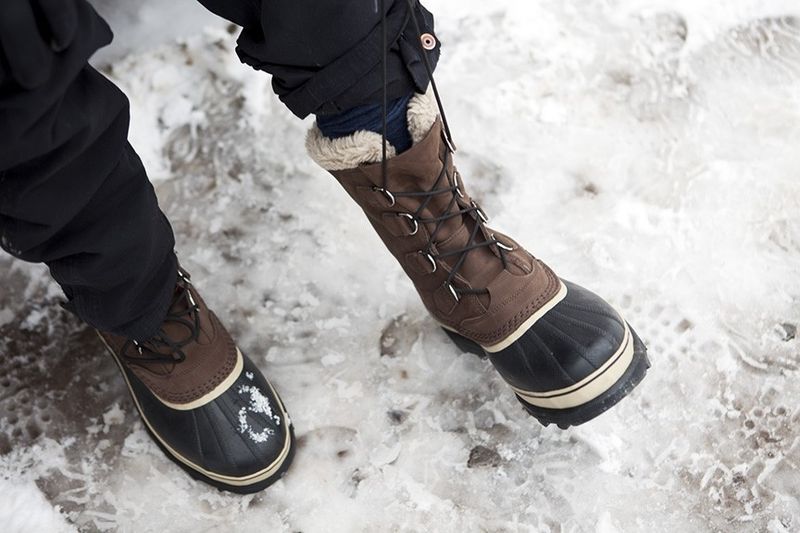
Going from subzero air to warm cafes can cook your feet. I cracked laces slightly before stepping inside, letting heat escape. The removable liner helps dry quickly if you do overheat.
Midweight merino socks balanced warmth and moisture. On steep climbs, I opened the top eyelets a touch. That stopped sweat buildup without compromising support.
Back at the lodge, I pulled liners and propped them near gentle airflow. They were dry by morning. Temperature swings are manageable with simple routine tweaks, and your feet will thank you for it.
Style that fits everywhere

Classic duck-boot looks pair well with jeans, puffers, and wool coats. I never felt out of place going from trails to dinner in Canmore. Neutral colorways keep them timeless for trips and daily commutes alike.
Scuffs add character instead of ruining the vibe. If you like understated gear that works hard, these deliver. They photograph beautifully against snowy backdrops.
Travel packing gets simpler when one boot handles everything. Less gear means more spontaneity. You can chase auroras, grab pastries, and step into snowbanks without a footwear costume change.
Who should and should not buy
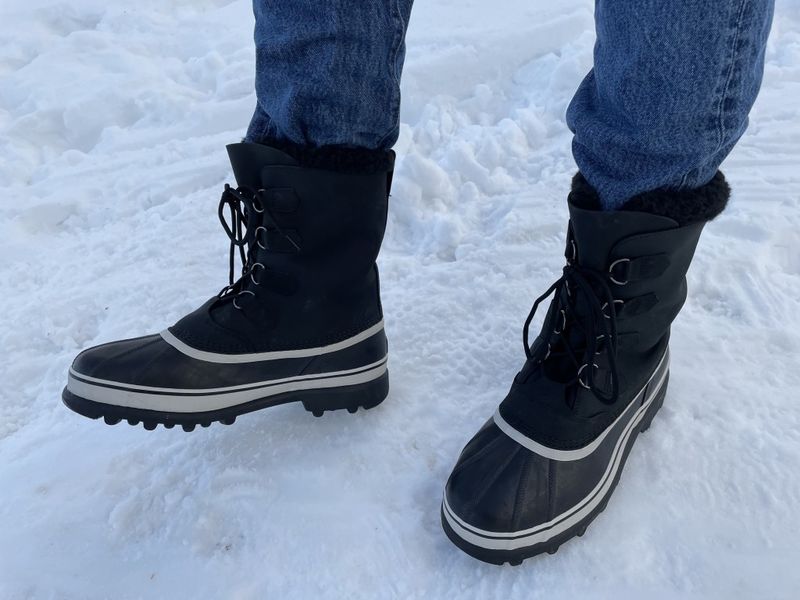
Buy these if you prioritize warmth, waterproofing, and comfort over speed. They shine for travelers, photographers, drivers, and families exploring snowy towns. Daily commuters in slushy cities will also appreciate the dryness.
Skip them if you want lightweight hiking agility or mountaineering traction. Consider sizing down and adding an insole for a precision fit. Microspikes expand their range on icy hills.
If durability worries you, maintain the leather and inspect the rubber regularly. With basic care, they become winter companions, not just boots. You will step out confidently, wherever your itinerary leads.