Affiliate disclosure: As an Amazon Associate I earn from qualifying purchases. Learn more
Every hiker has a story about the gear that changed everything. Maybe it was the moment their knees stopped aching on descents, or the day a sudden rainstorm didn’t ruin their trip. Experienced trail lovers keep sharing the same must-haves for good reason: these items genuinely work. After testing them myself, I finally understand the hype.
1. A Comfortable Daypack That Actually Fits
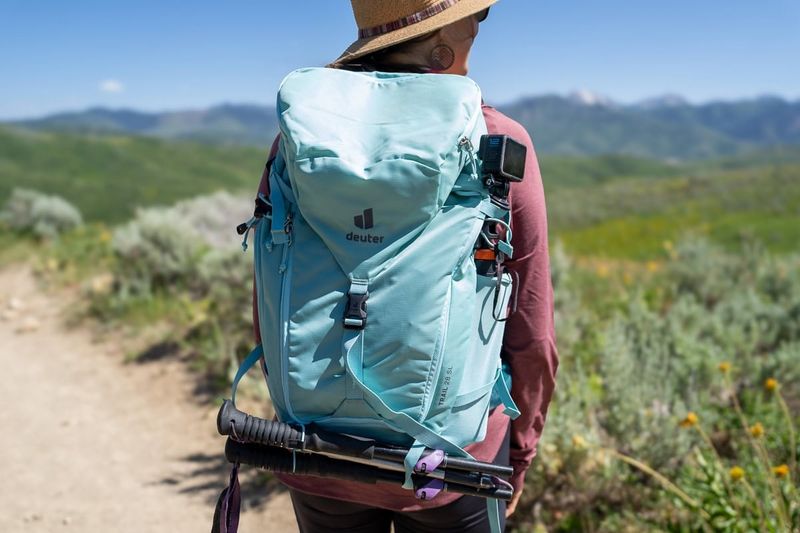
Most hiking guides suggest a 20 to 25 liter daypack for typical day hikes. It holds your Ten Essentials without feeling like you’re hauling bricks up a mountain.
Hip belts and sternum straps work magic by shifting weight off your shoulders. Multiple pockets keep snacks, first aid supplies, and navigation tools within easy reach instead of buried at the bottom.
Look for padded shoulder straps and a breathable back panel. Overpacking turns fun outings into exhausting slogs, so choose just enough capacity for your usual adventures.
2. Navigation You Can Use Offline (Map, Compass & Phone)
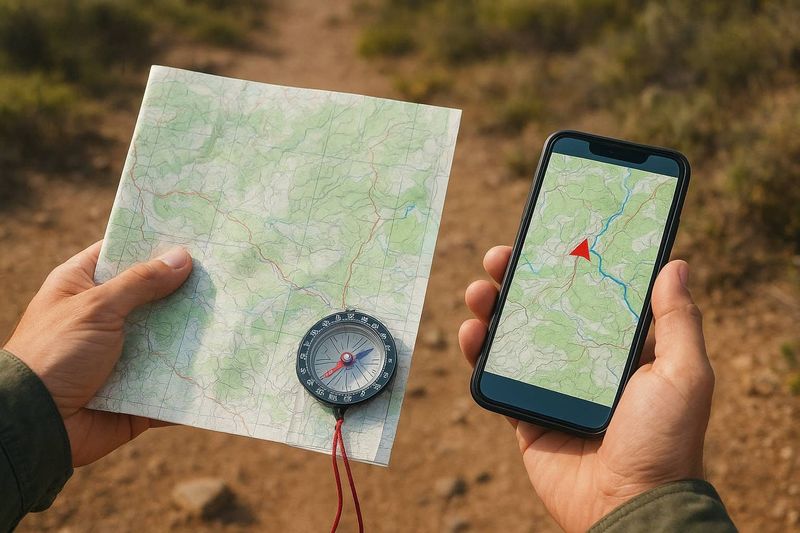
The Ten Essentials list puts navigation right at the top: map, compass, and GPS devices all count. Phone apps with offline maps are incredibly handy until your battery dies or your screen cracks on a rock.
A simple paper topographic map and basic compass skills give you reliable backup when technology fails. Signals drop in canyons and forests more often than you’d think.
Modern beginner guides emphasize carrying at least one non-electronic navigation method, especially on longer or poorly marked trails where getting lost becomes a real safety concern.
3. A Real Hydration System (Plus a Plan)
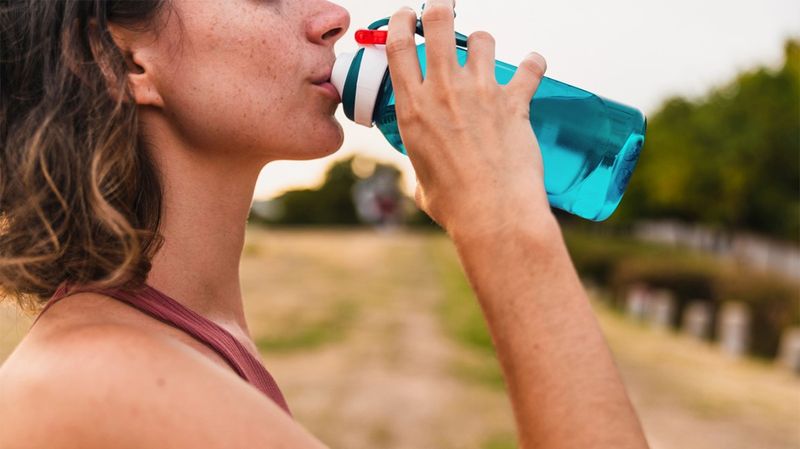
Dehydration wrecks hikes faster than almost anything else. Safety guides recommend about half a liter per hour in mild conditions and up to one liter per hour during heat, steep climbs, or high altitude.
Hydration bladders or easy-to-grab bottles encourage frequent sipping instead of waiting until you’re already parched. A lightweight water filter lets you refill from streams and avoid carrying extra weight.
Pack electrolytes for hot days or longer efforts. Modern hydration guides treat them as standard on strenuous hikes, not just optional extras.
4. High-Energy Snacks That Don’t Melt or Crumble

Updated Ten Essentials checklists include nutrition and extra food as core safety items, not mere comfort. Carb and fat-rich foods like trail mix, jerky, nuts, and bars deliver steady energy without blood sugar crashes.
Extra snacks act as your insurance policy when hikes take longer than planned. Weather changes, wrong turns, or sore feet can all add unexpected time.
Choose sturdy, packable options that won’t turn into chocolate soup or crumbs the second they hit your backpack. Your future self will thank you.
5. Supportive Footwear + Merino Wool Socks
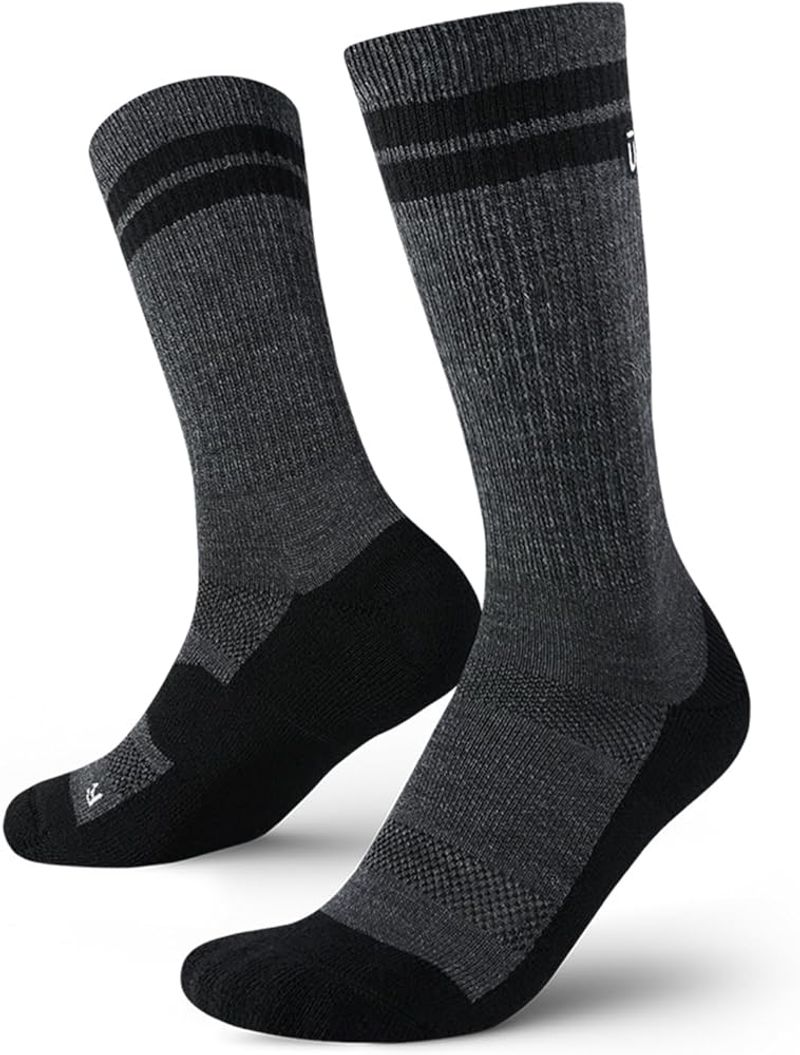
Gear guides agree: footwear and socks can make or break your entire day on the trail. Hiking resources recommend proper trail shoes or boots with solid grip and breathable, moisture-wicking socks, often merino wool.
Good tread reduces slips on muddy, rocky, or steep terrain where falls cause injuries. Merino or synthetic socks pull sweat away and prevent blisters far better than cotton ever could.
Once you switch to proper trail footwear and quality socks, going back to regular sneakers and cotton feels almost impossible.
6. A Tiny but Mighty First-Aid and Blister Kit
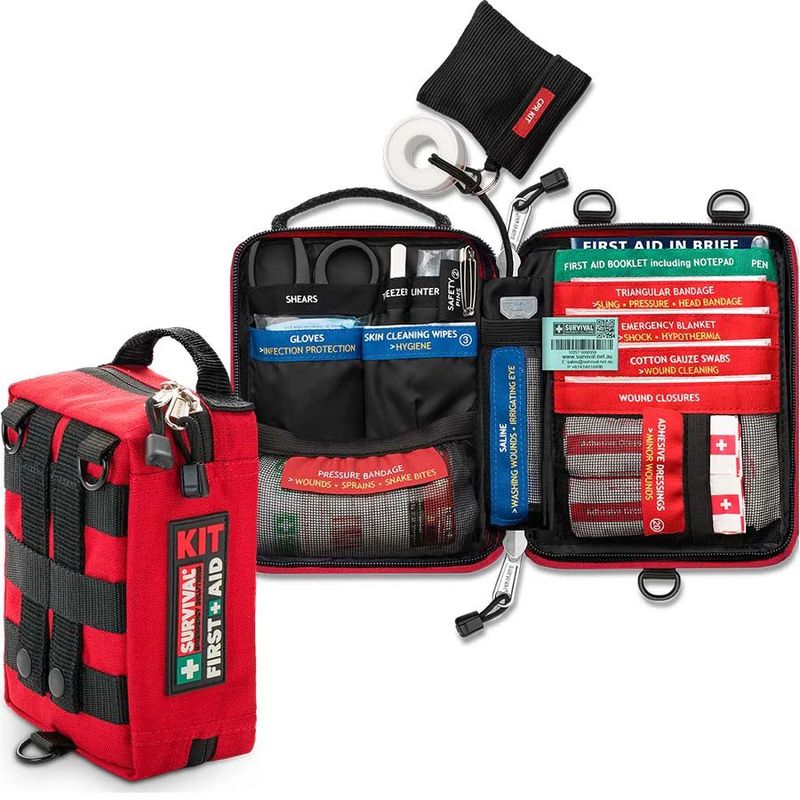
First aid kits appear on every major hiking checklist for good reason. Most trail injuries are small: cuts, scrapes, blisters, and hot spots that a compact kit handles easily.
Pack bandages, antiseptic wipes, tape, blister treatment, pain relief, and a few basic medications. Guides specifically highlight blister care and emergency blankets as surprisingly important, especially on longer or colder hikes.
You don’t need a giant pharmacy weighing down your pack. Just bring a thoughtful, customized kit you actually know how to use when problems pop up.
7. Trekking Poles (Your Knees Will Thank You Later)
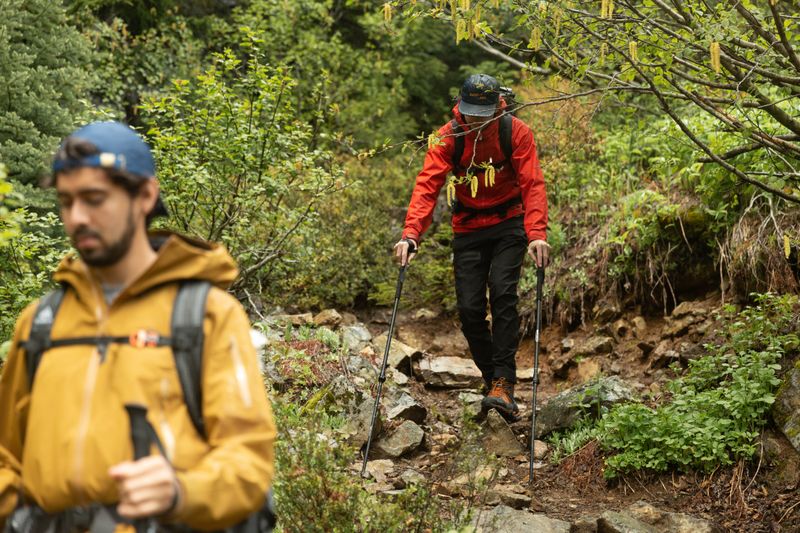
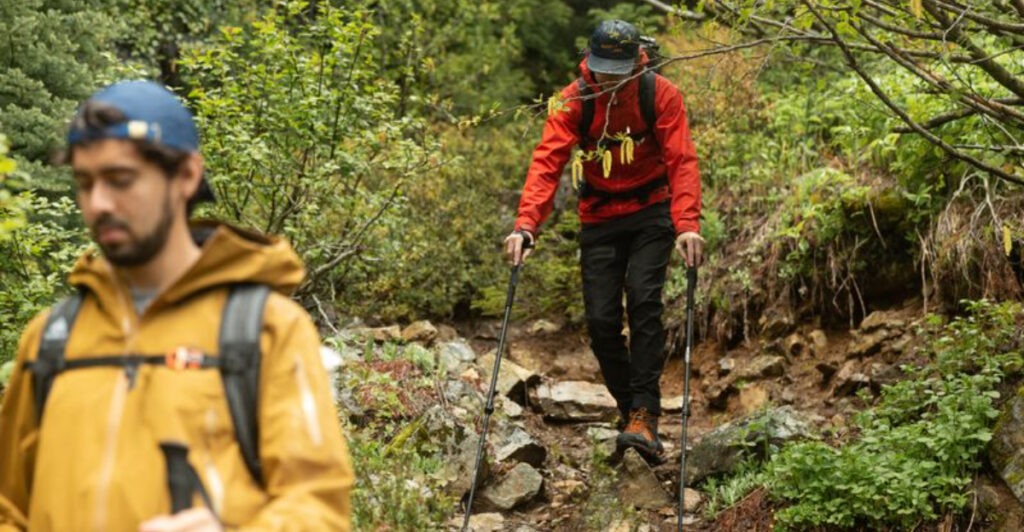
Expert reviews and biomechanics research now treat trekking poles as nearly essential, not some gimmick. They improve balance and stability on uneven terrain, essentially turning you into a four-legged hiker.
Studies show they reduce impact on joints, especially knees, during long descents and when carrying heavy packs. The difference becomes obvious on steep or rocky trails.
Once people start using poles properly, they’re often shocked by how much longer they can hike without their knees screaming in protest at every downhill step.
8. A Lightweight Waterproof Shell You’ll Actually Pack
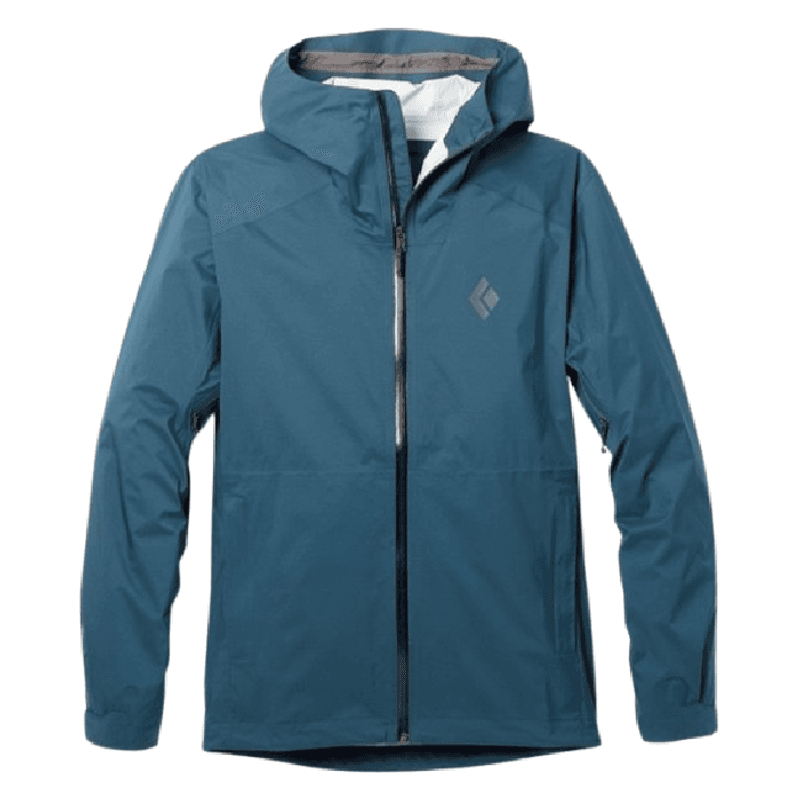
Essential gear guides repeatedly highlight waterproof, windproof shells as standard equipment, even on seemingly nice days. Weather changes fast at elevation, and getting soaked plus chilled creates textbook conditions for hypothermia, even in mild seasons.
A light, packable jacket lives in your bag and saves you from shivering through surprise rain, wind, or summit gusts that appear out of nowhere.
Look for something breathable that stuffs easily into its own pocket or a small sack. You’ll barely notice the weight until you desperately need it.
9. Headlamp (Not Just Your Phone Flashlight)
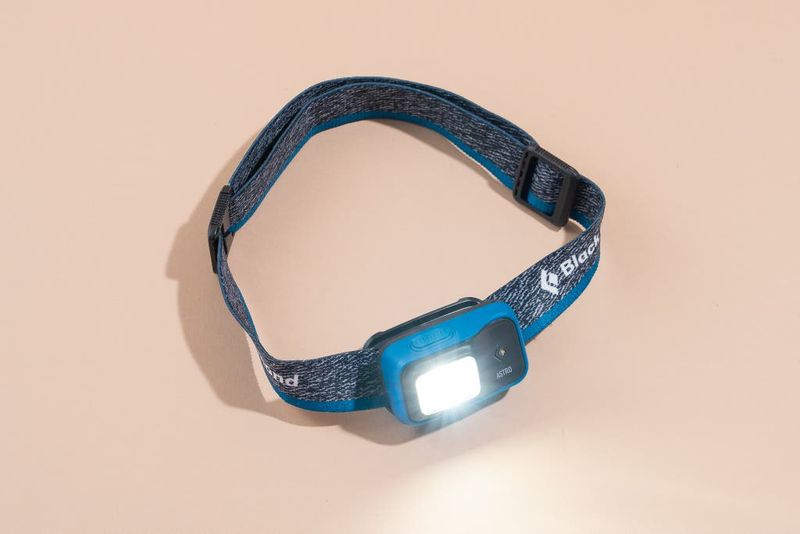
Illumination, most often a headlamp with spare batteries, ranks among the original Ten Essentials. Dusk arrives faster than you think in forests, canyons, and during winter months.
A headlamp keeps your hands free for scrambling, using poles, or checking maps. Phone flashlights drain batteries quickly and are ridiculously easy to drop on rocky trails.
Most modern headlamps are tiny, lightweight, and surprisingly bright. There’s almost no reason not to toss one in your pack before every hike, just in case.
10. Sun Protection You Reapply (Not Just Pack)
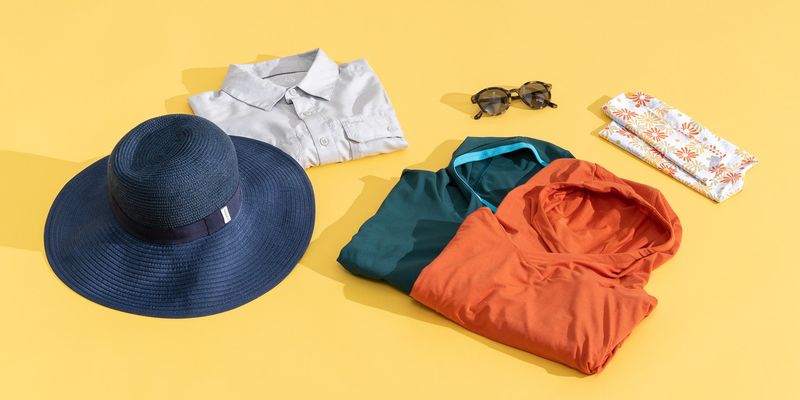
The Ten Essentials list includes sun protection: sunglasses, sun-protective clothing, and broad-spectrum sunscreen. UV exposure increases with altitude and reflective surfaces like rock, snow, and water.
Sunburn and heat stress pile on fatigue and dehydration risk, turning moderate hikes into draining slogs that leave you wiped out. Protection isn’t just about avoiding painful burns.
A brimmed hat, UV-blocking sunglasses, and SPF 30 to 50 plus sunscreen you reapply every couple of hours make a surprisingly big difference in how you feel at day’s end.