
Affiliate disclosure: As an Amazon Associate I earn from qualifying purchases. Learn more
Virginia gets a lot of attention for its pricey suburbs near Washington and its historic coastal cities, but there are still small towns where a house can cost less than a used car in some markets. In the far southwestern corner of the state sits a quiet spot where you can actually find homes listed under $75,000.
It is the kind of place where your money stretches further, the pace slows down, and the mountains are always in view. If you have ever wondered whether affordable small-town living still exists, this list walks you through what makes this corner of Virginia worth a serious look.
1. Big Stone Gap, Wise County, Virginia
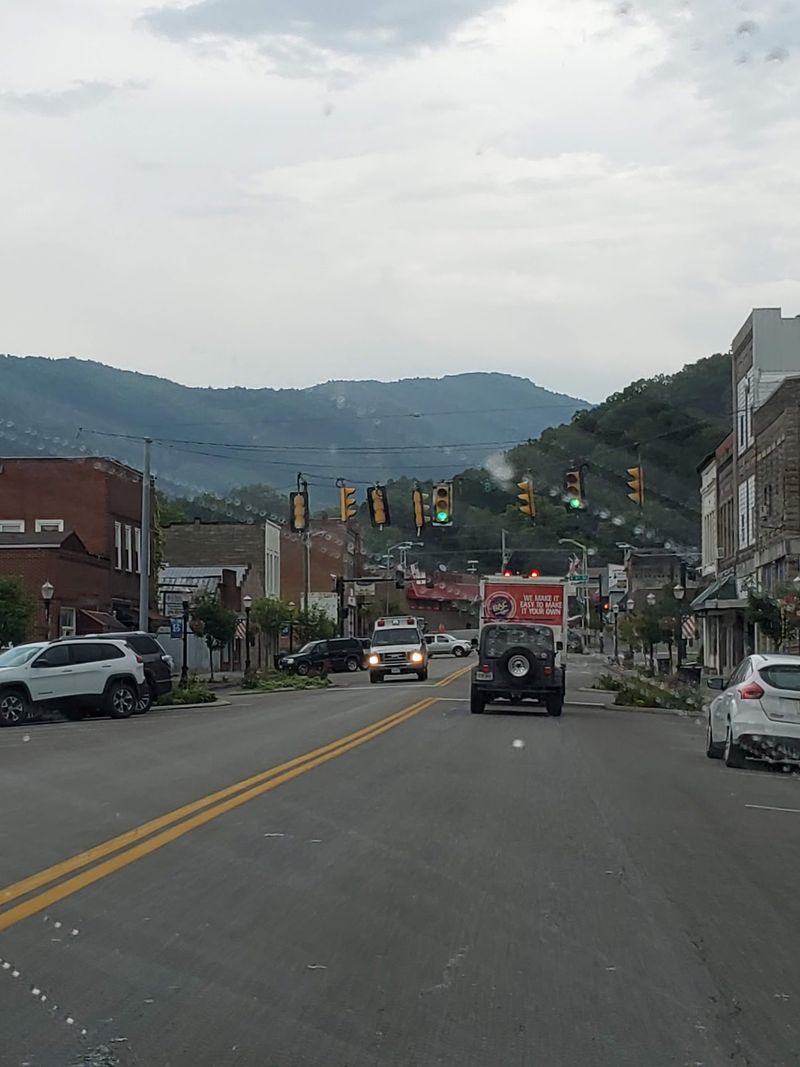
Set deep in Wise County, Big Stone Gap is one of those southwestern Virginia towns where housing prices still surprise people from other parts of the state. Modest homes and older houses in and around town regularly land in the affordable range, and some listings do fall under the $75,000 mark.
The town has roughly 5,000 residents and sits in the coalfield region of the Appalachian Mountains. It is small enough to feel calm but large enough to have a downtown, shops, and community events.
Big Stone Gap is also known as the setting and filming location for the movie based on Adriana Trigiani’s novel of the same name. That gives the town a little bit of pop-culture recognition that most towns this size never get.
For anyone chasing lower costs and mountain scenery, this is a practical starting point.
2. Affordable Home Prices, Big Stone Gap, Virginia
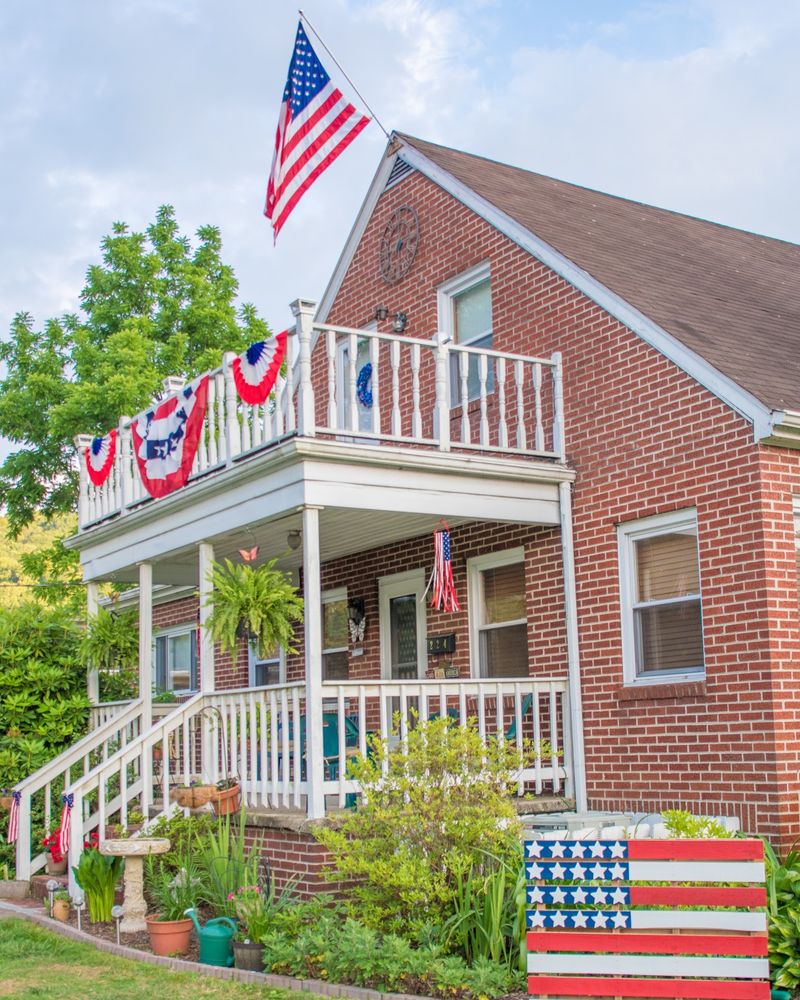
The headline number is what pulls most people in. In a state where the median home price sits well above the national average, finding houses under $75,000 feels almost unbelievable.
Southwestern Virginia towns like this one still carry some of the lowest housing costs in the state. Older homes, fixer-uppers, and smaller properties are the ones most likely to hit that price point.
Prices this low usually come with trade-offs, and it helps to walk in with realistic expectations. Some homes may need repairs or updates, and the market moves differently than it does in busy metro areas.
Still, for first-time buyers, retirees, or anyone wanting to own without a giant mortgage, the math here is hard to ignore. Low prices are the single biggest reason this town keeps showing up in affordability conversations.
3. Southwest Virginia Mountain Setting, Big Stone Gap, Virginia
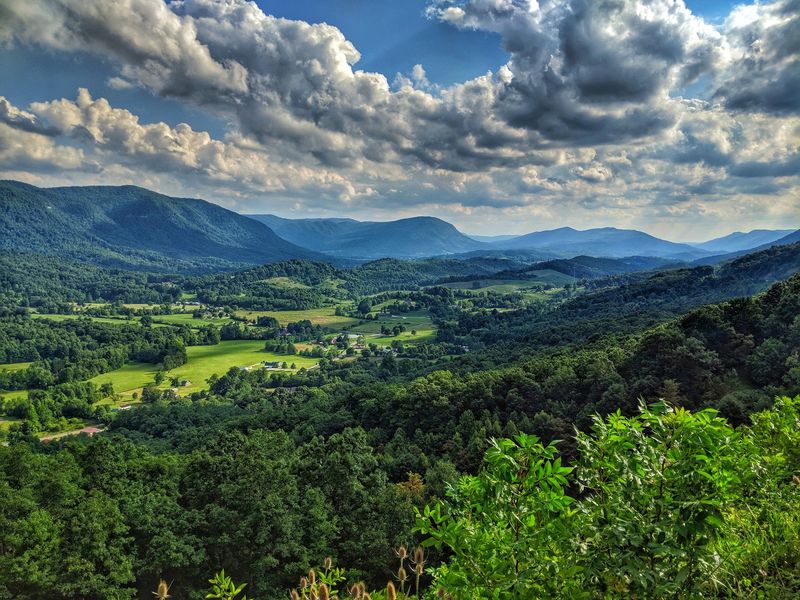
Mountains define daily life in this part of Virginia. The town sits in the Appalachian coalfields, wrapped by ridges and forested slopes that stay green in summer and turn colorful in fall.
Living here means the outdoors is never far away. The surrounding landscape offers hiking, scenic drives, and the kind of open air that is harder to find in packed suburbs.
The scenery is also part of the value equation. You are not just paying a low price for a house, you are getting a location where nature is basically your backyard.
People who move here often mention the views as much as the prices. For anyone who wants quiet mornings with mountain scenery, the setting alone makes the town stand out from other budget markets across the country.
4. Downtown and Local Shops, Big Stone Gap, Virginia
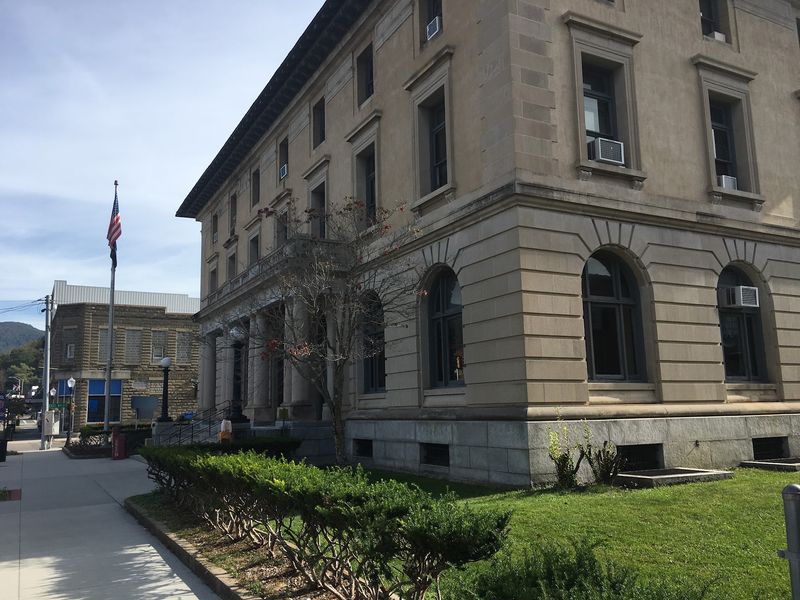
A real downtown makes a small town feel like a community instead of just a dot on the map. Big Stone Gap keeps a walkable core with local businesses, brick buildings, and a Main Street that has held onto its character.
Downtown gives residents a place to run errands, grab a bite, and bump into neighbors. That kind of everyday convenience matters when you are choosing where to plant roots.
Small local shops and eateries help keep money circulating in the community. It is the sort of place where storefronts have names instead of national logos.
Having a functioning downtown also supports property value over time. A town center that stays active is a good sign for anyone thinking long term about buying here.
5. Southwest Virginia Museum Historical State Park, Big Stone Gap, Virginia
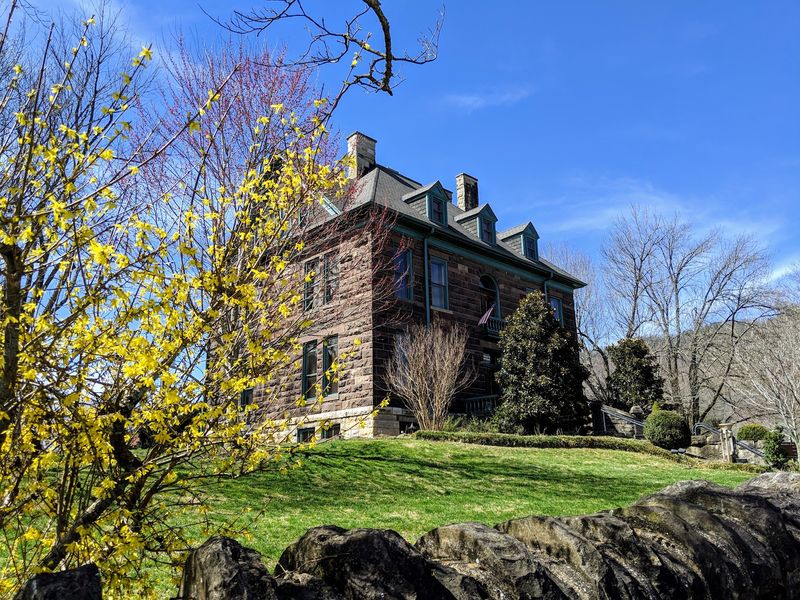
History buffs get a genuine anchor point here. The Southwest Virginia Museum Historical State Park sits inside a striking stone mansion that dates back to the late 1800s.
The museum focuses on the pioneer history and development of the region, with exhibits covering the area’s coal and railroad heritage. It is a state park site, so it doubles as a cultural stop and a piece of local pride.
The building itself is worth seeing. Its stone construction and period design make it one of the more distinctive landmarks in the county.
Attractions like this add texture to a town that could otherwise seem sleepy. For residents, it means culture and history are built right into everyday life, not something you have to drive hours to find.
6. Slower Pace and Quiet Living, Big Stone Gap, Virginia
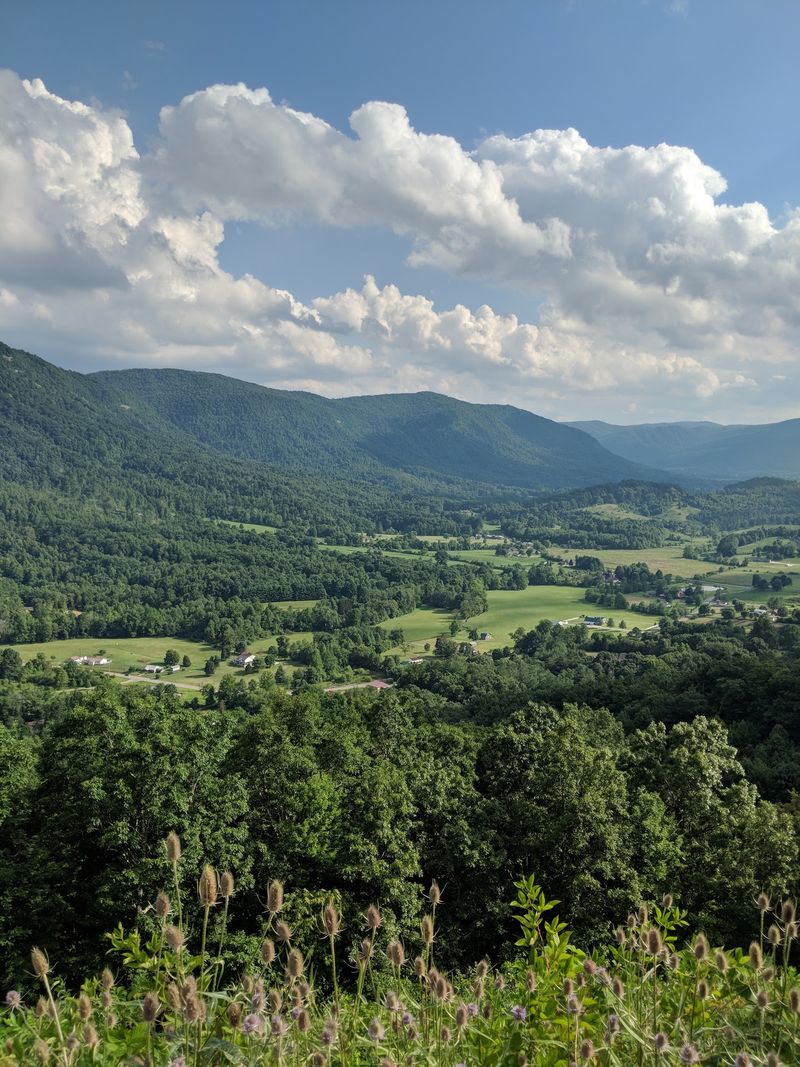
Traffic jams and constant noise are not the story here. Life in this town moves at a slower rhythm, which is exactly what draws many people to it.
With a population in the thousands rather than the millions, days feel calmer and neighbors tend to know one another. That sense of familiarity is getting rare in fast-growing areas.
The quiet is not for everyone, and that is worth being honest about. If you thrive on nightlife and endless options, a small mountain town will feel very different.
But for people craving peace, space, and less pressure, the pace is a feature, not a drawback. Combined with the low home prices, that calm lifestyle is a big part of what makes the town appealing.
7. Outdoor Recreation Nearby, Big Stone Gap, Virginia
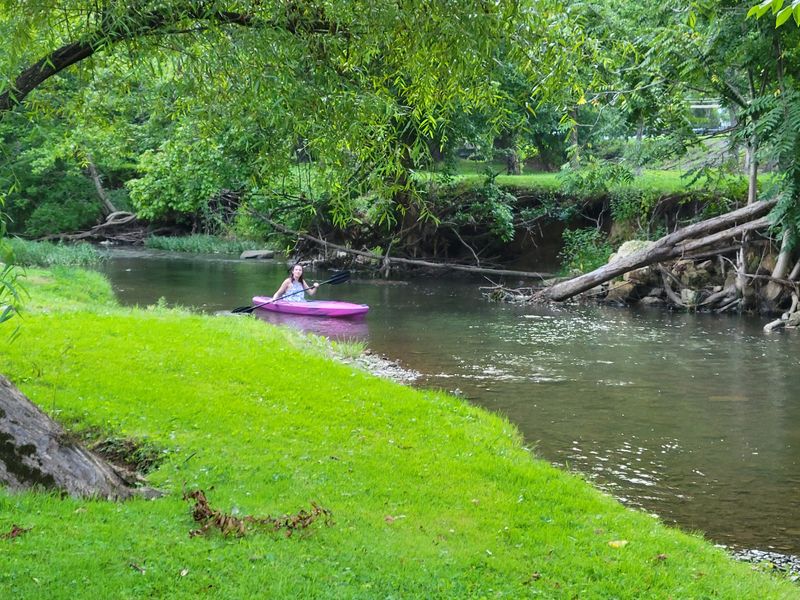
Weekend plans practically write themselves out here. The town sits close to a stretch of southwestern Virginia known for hiking, fishing, and mountain recreation.
Nearby public lands and trails give residents easy access to the outdoors without long drives. The region’s rivers, forests, and ridgelines open up plenty of options for people who like to stay active.
Outdoor access is a quiet bonus that often gets overlooked when people focus only on home prices. You are buying a lifestyle where nature is a short trip away.
Between the trails, the scenery, and the low cost of living, this corner of Virginia makes a strong case. It proves that affordable does not have to mean boring, and that a small budget can still buy a big view.