
Affiliate disclosure: As an Amazon Associate I earn from qualifying purchases. Learn more
South of Tucson, where Interstate 19 heads toward the border, there is a town where the mountains look close enough to reach on a lunch break and the monthly budget still has some room left in it. More than 22,000 people call it home, and a large share of them came here to retire on their own terms.
Arizonans often assume a mountain view and a comfortable nest egg can no longer live at the same address, but this corner of Pima County makes a strong case against that idea. Keep reading for the backstory, the nearby canyons and orchards, a rare piece of Cold War history, and the practical details worth knowing before a first visit.
A Retirement Town on the Pima County Map
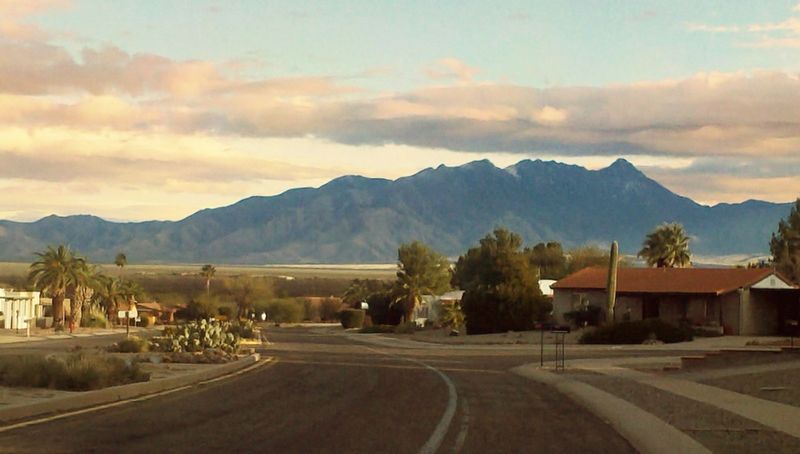
Some towns announce themselves with a big welcome sign and a city hall. Green Valley skipped both, and it seems to be doing just fine.
The official address is simple: Green Valley, Arizona, USA. It is an unincorporated community and census-designated place in Pima County, which means it has no city government of its own.
That detail surprises plenty of Arizonans who have driven past the exits for years. The community still has neighborhoods, shops, churches, and recreation centers, but county government handles the big-picture services.
The numbers tell part of the story. The 2020 census counted 22,616 residents, which puts Green Valley ahead of many incorporated Arizona towns in size.
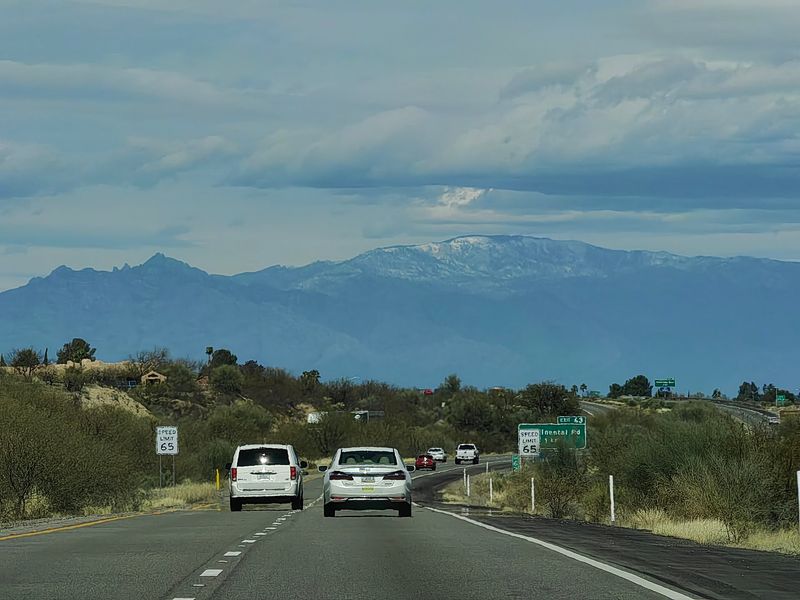
Geographically, the community sits in the Santa Cruz River valley south of Tucson. Interstate 19 runs along its western edge, linking it to Tucson to the north and the border city of Nogales to the south.
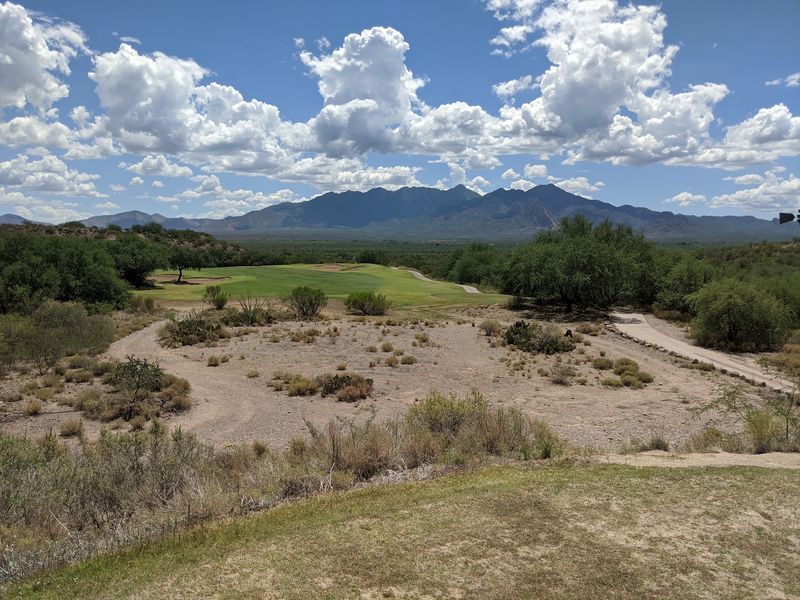
To the east, the Santa Rita Mountains fill the horizon. That backdrop is one of the main reasons people settle here and rarely leave.
For locals in Phoenix or Flagstaff who only know the name from highway signs, the real surprise is how much sits within a short drive. Canyons, orchards, a famous observatory, and a one-of-a-kind museum all orbit this unassuming place.
First, though, it helps to know how a patch of desert turned into one of the best-known retirement addresses in the state.
From Ranchland to Retirement Haven
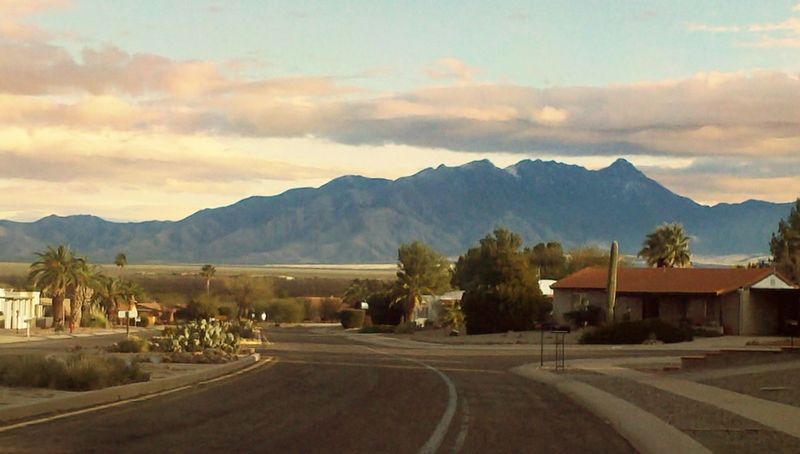
Long before golf carts and community calendars, this stretch of the Santa Cruz Valley was mostly open desert and ranch country. The change came in the 1960s, when developers began planning homes aimed at people ready to stop punching a clock.
The idea caught on quickly. Retirees from colder states, along with plenty of Arizonans, saw a chance to trade snow shovels for patio chairs.
Over the following decades, the community kept growing. New neighborhoods filled in, and a network of recreation centers formed the social backbone of daily life.
That early retirement focus still shapes the town today. Many neighborhoods were designed with active adults in mind, and the calendar tends to revolve around clubs, classes, and outdoor time.
Green Valley never incorporated as a city, even as the population climbed past 20,000. Residents have debated the question over the years, and so far the unincorporated setup has stayed in place.
For history buffs, that makes the town an interesting case study. It grew into a real community without ever adding a mayor to the mix.
The result is a place with a clear identity and a long track record. Several generations of retirees have now passed through, and the town has become a familiar name in conversations about where to spend the second half of life in Arizona.
The Santa Ritas, Front and Center
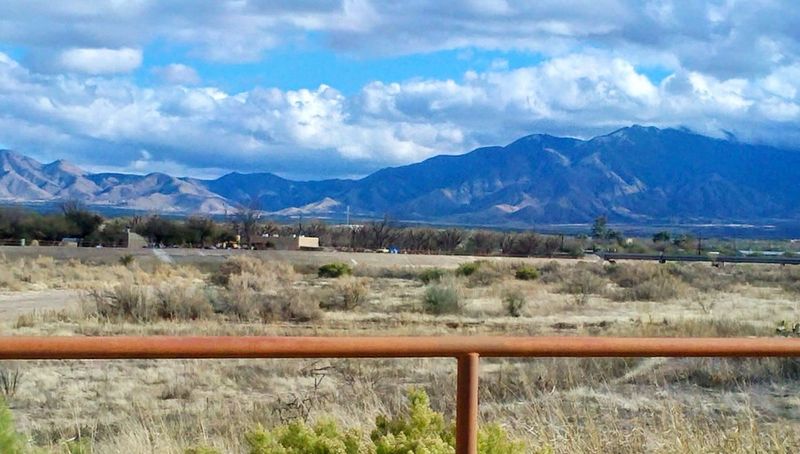
Real estate listings in most places brag about granite countertops. Around here, the selling point is a mountain range.
The Santa Rita Mountains rise just east of Green Valley, and they dominate the view from much of the community. Mount Wrightson, the tallest peak in the range, tops out at more than 9,000 feet.
That kind of elevation change matters. The desert floor and the high peaks support very different plant and animal life, which gives nature lovers plenty to explore without leaving the county.
The Santa Ritas are part of the Coronado National Forest. Trails wind up into the range, ranging from easy walks to demanding climbs that serious hikers put on their bucket lists.
Up on Mount Hopkins, another peak in the range, sits the Fred Lawrence Whipple Observatory, operated by the Smithsonian. It is a reminder that southern Arizona skies attract scientists as well as retirees.
Even for residents who never lace up hiking boots, the mountains play a daily role. They frame morning walks, backyard gatherings, and drives to the grocery store.
Plenty of Arizona towns offer a distant ridge on the horizon. Green Valley gets a full range parked right next door, and the view comes at no extra charge.
Madera Canyon, the Neighborhood Getaway
Ask a longtime Green Valley resident where they go to escape, and Madera Canyon tends to come up fast. The canyon cuts into the Santa Rita Mountains southeast of town and makes an easy half-day outing.
Birders are the canyon’s most devoted fans. Madera Canyon is widely known as one of the top birding spots in the country, drawing people from across the United States in search of species rarely seen elsewhere.
Hummingbirds are a big part of the draw, along with the elegant trogon, a colorful bird that birders travel long distances to spot.
Hikers have their own reasons to make the drive. Trails start at the canyon and climb toward Mount Wrightson, with shorter options along the canyon floor for anyone who prefers a gentler outing.
Because the canyon sits higher than the valley floor, it is often cooler than town during the warm months. That makes it a popular summer break for locals looking for relief from the Arizona heat.
Picnic areas and parking lots are available, and the canyon falls within the Coronado National Forest. It is smart to check current Forest Service rules and any day-use fees before heading out.
For retirees who want wild scenery without an overnight trip, few backyards compare.
Pecan Orchards Across the Valley
Here is a detail that catches many first-timers off guard. The drive into Green Valley passes rows upon rows of pecan trees, right in the middle of the Sonoran Desert.
Those orchards stretch across the Santa Cruz Valley near neighboring Sahuarita. They are part of one of the largest pecan-growing operations in the country, run by a family farming company that has worked this land for decades.
The trees create a patch of green that stands out against the surrounding desert. It is a striking sight along Interstate 19 and the nearby frontage roads.
For Arizonans who picture the state as nothing but cactus and sand, the orchards are a fun correction. Farming has deep roots in the Santa Cruz Valley, and the pecan groves carry that tradition forward.
The orchards also give the area a sense of place. They signal that Green Valley is more than a cluster of retirement homes, and that it sits within a working agricultural landscape.
Local shops in the area sell pecan products, making them a popular gift for friends back home.
It is a small but memorable piece of local identity. The desert, it turns out, has a leafy side.
Cold War History Just Up the Road

Not every retirement town has a genuine Cold War site a few minutes away. Green Valley does, and it is one of the most unusual museums in Arizona.
The Titan Missile Museum sits just north of town in the Sahuarita area. It preserves a former Titan II site, and it is the only one of its kind open to the public.
Guided tours take guests underground into the control center. The experience offers a close look at how crews lived and worked during a tense chapter of American history.
The site is also a National Historic Landmark. That designation recognizes its role in the nation’s defense story during the Cold War years.
For locals who grew up during that era, the museum can bring back plenty of memories. For younger family members, it turns a history lesson into something concrete and easy to remember.
It makes a great outing when grandkids come to town. Tour schedules and admission details can change, so checking the museum’s official website before driving over is the best move.
The museum adds a layer of surprise to the Green Valley story. Behind the golf courses and mountain views sits a piece of national history that people travel across the country to see.
The Money Math Behind the Move
Mountain views usually come with a price tag that makes a retirement fund nervous. Green Valley is one of the places in Arizona where that equation can work out differently.
Much of the local housing was built with retirees in mind, which means plenty of single-story homes and smaller floor plans. Those features can help keep costs manageable for people living on a fixed income.
Compared with pricier spots like Scottsdale or Sedona, many retirees find that Green Valley offers more house for the money. Exact numbers shift with the market, so current listings and local real estate agents are the best source for up-to-date figures.
The unincorporated status plays a role too. Without a separate city government, residents are not paying for a municipal layer on top of county services, though homeowners association and recreation fees may apply depending on the neighborhood.
Arizona also offers some tax advantages for retirees, including an exemption on Social Security benefits from state income tax. Anyone planning a move should confirm the details with a tax professional.
None of this means the town is cheap across the board. It simply gives careful planners a realistic shot at keeping both the scenery and a healthy savings account.
That balance is the heart of the Green Valley appeal.
A Calendar Built for Staying Busy
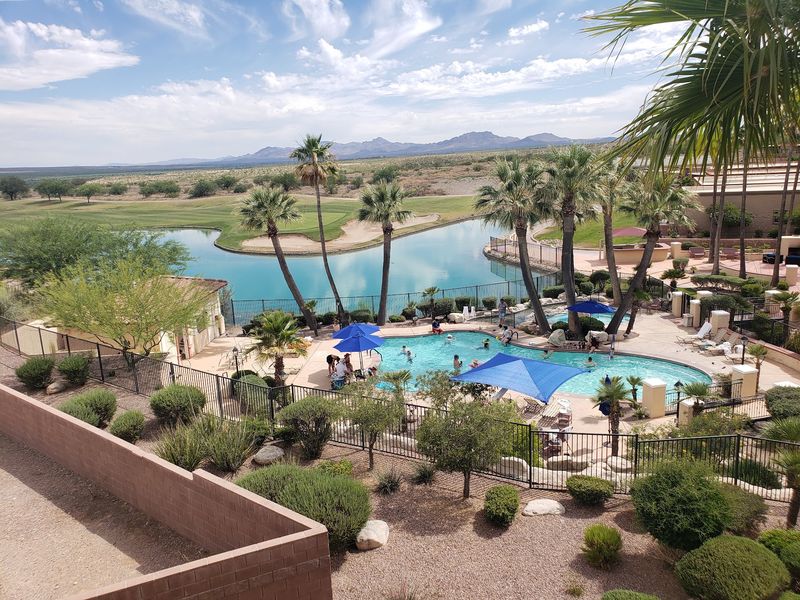
Retirement here rarely means sitting still. The social scene in Green Valley is built around recreation centers, clubs, and a steady stream of activities.
Green Valley Recreation, a nonprofit organization, runs a network of centers across the community. Members can find pools, fitness rooms, courts, and classrooms spread throughout town.
Clubs cover a huge range of interests, from arts and crafts to hiking groups and card games. For newcomers, joining one is often the fastest way to make friends.
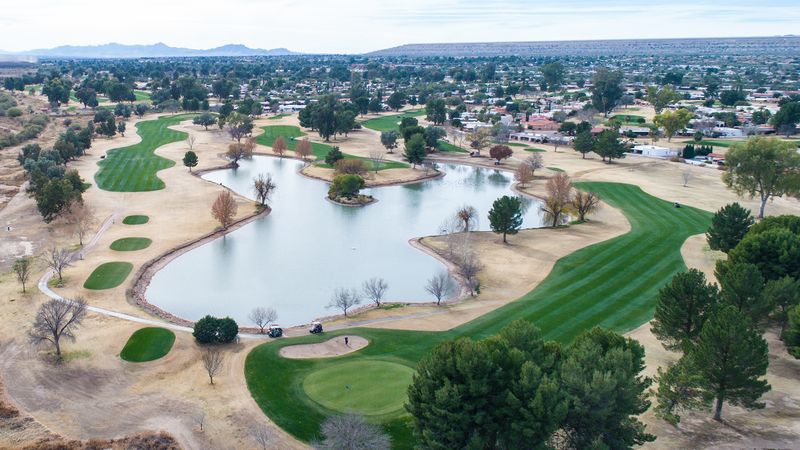
Golf is another big part of local life. Several courses sit within the community, and the mountain backdrop makes even an average round feel like a good day.
The pace suits people who want structure without pressure. There is always something on the schedule, but nobody is forced to sign up for everything.
Volunteering is popular too. Many residents give time to local organizations, which strengthens the sense of community.
The town tends to fit active adults best, especially those who like organized activities and outdoor time. Families visiting grandparents will also find plenty to do nearby.
It is less of a match for anyone hunting nightlife or big-city energy. Green Valley plays a different game, and its residents seem happy with the score.
Getting There, Best Seasons, and the Verdict

Reaching Green Valley takes almost no planning. From Tucson, head south on Interstate 19 for roughly 25 miles, and several exits lead straight into the community.
Tucson International Airport is the closest major airport. From Phoenix, the drive runs through Tucson and typically takes around two hours, depending on traffic.
Timing matters in southern Arizona. Late fall through early spring brings mild days, which is why the population tends to grow when winter visitors arrive from colder states.
Summer is hot, as it is across much of the desert. Locals who stay year-round often plan outdoor time for early mornings or head up to Madera Canyon for higher-elevation relief.
The location also makes Green Valley a handy base for exploring. The arts community of Tubac lies a short drive south, and Nogales sits farther down the interstate at the border.
So does the town live up to the promise in the headline? For Arizonans weighing where to retire or simply looking for a new day trip, the case is solid.
A full mountain range, a world-class birding canyon, working orchards, and a rare slice of history all sit close by. Add a budget that may stretch further than in pricier towns, and Green Valley earns its spot on the shortlist.
Arizona, it seems, still has a few good deals tucked in its own backyard.