
Affiliate disclosure: As an Amazon Associate I earn from qualifying purchases. Learn more
Some Tucson neighbors stand taller than a two-story house and have been around longer than anyone on your street. They do not wave back, but their arms come close.
On the east edge of the city, a winding paved loop climbs and dips through hills crowded with giant saguaros, and plenty of Arizonans have never driven it. That is a shame, because this stretch of the Sonoran Desert holds trails, overlooks, sunset spots, and a quirky little secret for stamp collectors.
Many people assume the best cactus views sit on the other side of town. This side quietly proves them wrong.
Keep reading to find out where to park, when to go, what to pack, and why one loop road might become your new favorite drive in Southern Arizona.
Where the Cactus Forest Begins
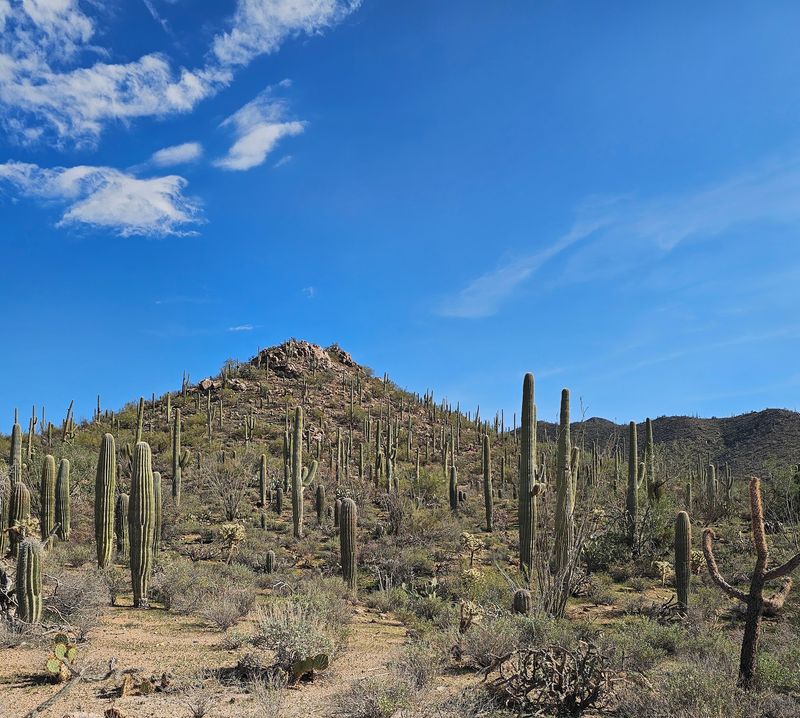
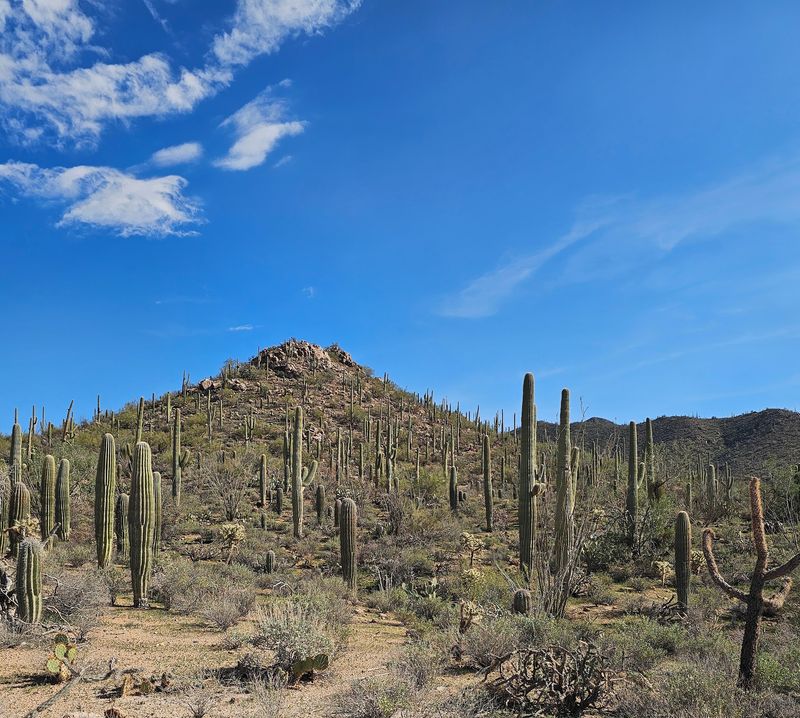
Tucson has two halves of one famous national park, and the eastern half sits right at the edge of the city. Saguaro National Park East Side is found at 58RG+CM, Tucson, AZ 85748, in the United States.
Many people call it the main section of the park. It is where the visitor center, the pay booth, and the start of the loop road all come together.
The park is listed as open 24 hours, every day of the week. That gives early risers and sunset chasers plenty of room to plan.
Arrival is simple. You can spot the visitor center before you reach the pay booth, so it makes a natural first stop.
From there, the road leads into rolling desert hills packed with saguaros. Some of them tower well above rooftop height.
The setting is pure Sonoran Desert. It feels far from city traffic, even though Tucson sits just down the road.
Locals who have only visited the west side are in for a surprise. This side has its own personality, and it rewards anyone willing to slow down and look around.
A Desert Mystery Solved
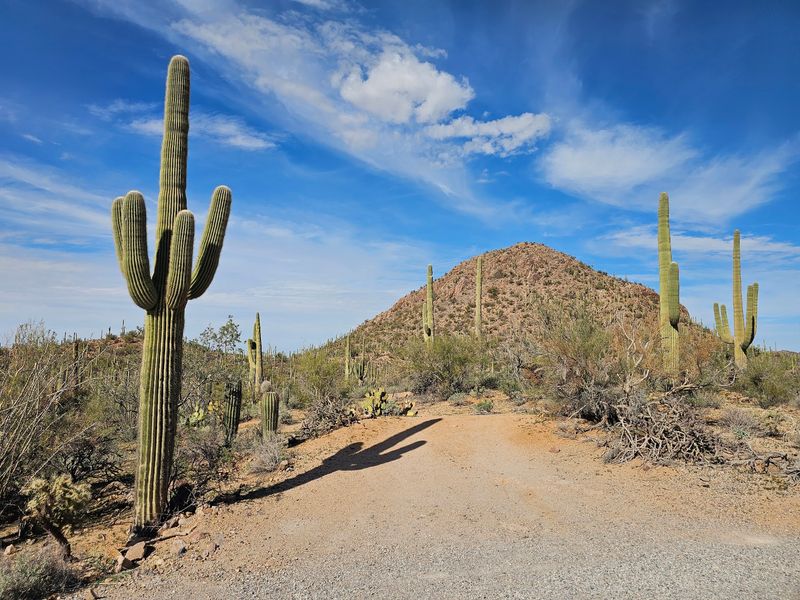
Back in the 1930s, the saguaros on this side of Tucson were a big deal. They drew attention as one of the great cactus stands of the region.
Then something strange began to happen. The giant cacti seemed to be fading, and people worried about a mysterious illness spreading through the forest.
The answer turned out to be surprisingly plain. Many of the saguaros were simply very old.
That story is part of what makes the eastern loop interesting. The tallest cacti here are true elders, some reaching a century or more.
The park also keeps an eye on the future. A lookout area highlights young cacti planted for the next generation.
Patience is the key word. Saguaros grow slowly, so those little ones will need a very long time before they rival their neighbors.
Standing between the old giants and the tiny newcomers gives a real sense of time. It is a living timeline, written in green arms across the hills.
The Visitor Center Stop
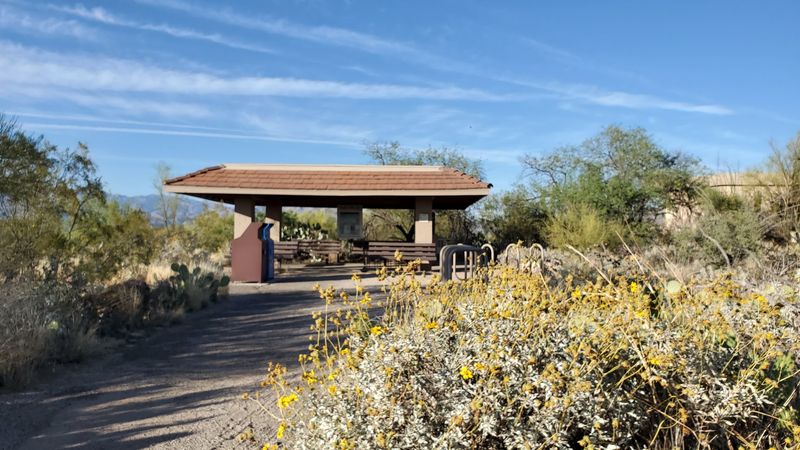
Smart trips here start with a quick chat indoors. The visitor center is the first building on the route, and it earns the stop.
Rangers hand out park maps and hiking maps. They also answer questions about trails, which helps when choosing between short walks and longer hikes.
Restrooms are available here. There is also a short, accessible paved trail nearby for an easy first look at desert plants.
Staff are known for being friendly and helpful. Guided tours led by park staff get high marks for being fun, informative, and full of good humor.
One practical note matters a lot. The water fountain filter has not always been working, and there may be no water at the trailheads.
So fill bottles before leaving home. Reusable water bottles and snacks are a good idea, because the park does not sell food.
Five minutes here can shape the whole day. A map in hand beats guessing at every pullout.
Eight Miles of Ups and Downs
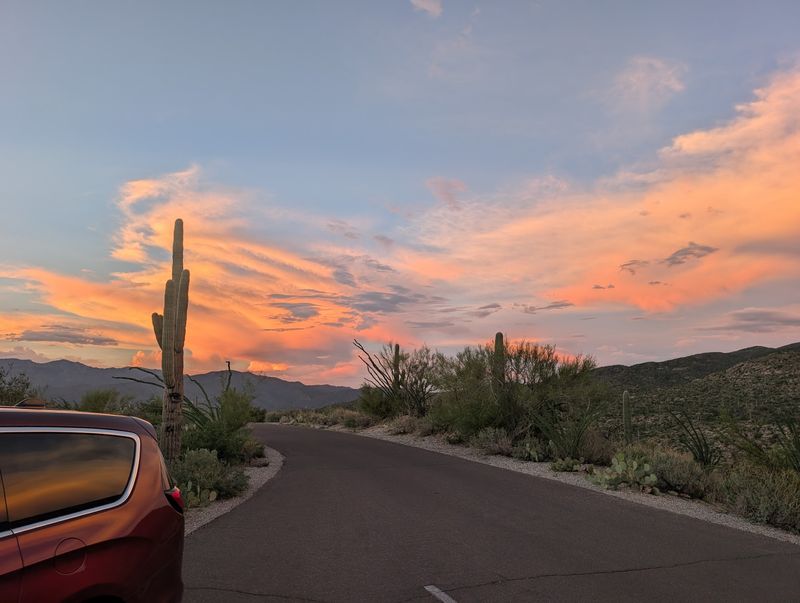
After the pay booth, a left turn puts drivers on the star of the show. The Cactus Forest Loop is an 8-mile, one-way paved road.
It is not a flat, straight cruise. The road rolls up and down over the hills, so taking it slow is the best move.
Every major view can be reached by car. Small parking lots along the way let drivers pull over and take in the cactus forest.
The first overlooks show fairly sparse growth. Things get better as the road climbs higher toward the end.
Near the upper stretch, the Riparian Overlook delivers some of the best views of the cactus forest. It is worth saving a little time for it.
The loop has a relaxing pace and a slightly funky layout. Many families treat it as a scenic drive, even on holidays like Christmas.
Staying in the vehicle when wildlife appears is wise. The desert creatures were here first, after all.
Trails Through the Giants
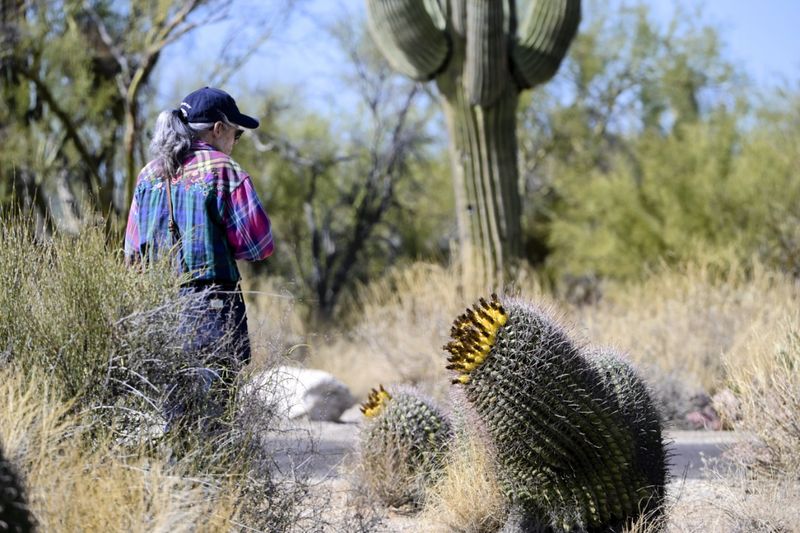
Hiking is the most talked-about activity on this side of the park, and the reasons are easy to see. Trails wind right between saguaros that dwarf anyone walking past.
The trails are well maintained. Arriving around 10 a.m. on a Saturday can still mean having a couple of paths nearly to yourself.
The Freeman Homestead Trail is a solid pick. It is a one-mile loop that gives a closer look at cactus views and the surrounding landscape.
Somewhere along the trails, possibly the Pink Squeeze area, stands a saguaro fanned out at the top. Crested oddballs like that are a fun find.
Longer hikes climb up the mountain and across a ridge. Those routes suit people with more time and energy.
Short educational walks with information boards also line parts of the loop. They teach about desert plants in bite-size pieces.
With so many options, return trips come naturally. There is always another trail to cross off the list.
Pedal Power on the Loop
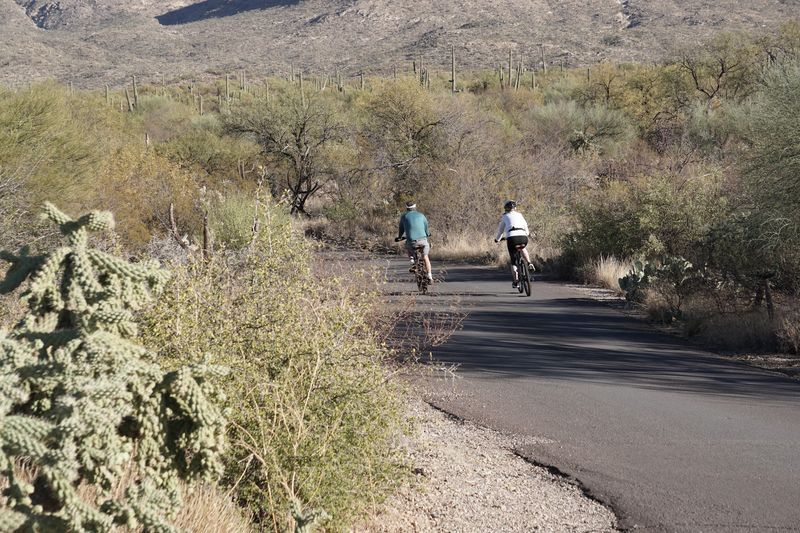
Bicyclists love a good paved road, and this loop is a favorite ride in Tucson. The hills add challenge, and the views add motivation.
The pavement is a big plus over unpaved park roads. Riders get a smooth surface plus nonstop cactus scenery.
Still, the road is narrow in places. Cars, motorcycles, and RVs share the same route.
Some riders have reported close calls on the uphill stretches. Larger vehicles can drift toward the bike lane.
Bright gear and steady caution go a long way. Riding earlier in the day may also mean lighter traffic.
Drivers can help too. Giving cyclists extra space on climbs keeps the loop friendly for everyone.
When it all goes right, the ride feels like a private tour. Just you, two wheels, and a few thousand very tall spectators.
Sunset Steals the Show
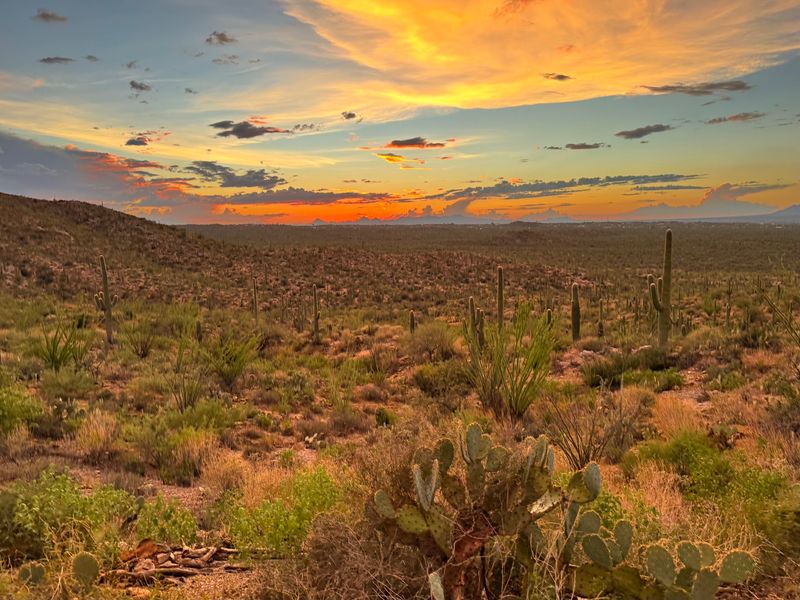
Timing changes everything here. Golden hour turns the cactus forest into a completely different place.
Sunset is one of the most recommended times to visit. The low light outlines every arm of every saguaro.
Photographers find plenty of photo ops at the lookout points. Silhouettes against the evening sky are a classic Tucson shot.
Sunrise has fans too. Early hikers starting in the dark have heard coyotes calling as the sun came up.
Morning hikers have also flushed out flocks of Gambel’s quail. The sudden burst of wings earns them a jumpy nickname among locals.
Starting around 7:15 a.m. often brings comfortable weather. That matters in a desert city.
So pick a bookend of the day. The middle hours work, but the edges are where this place really shows off.
Lessons From Prickly Neighbors
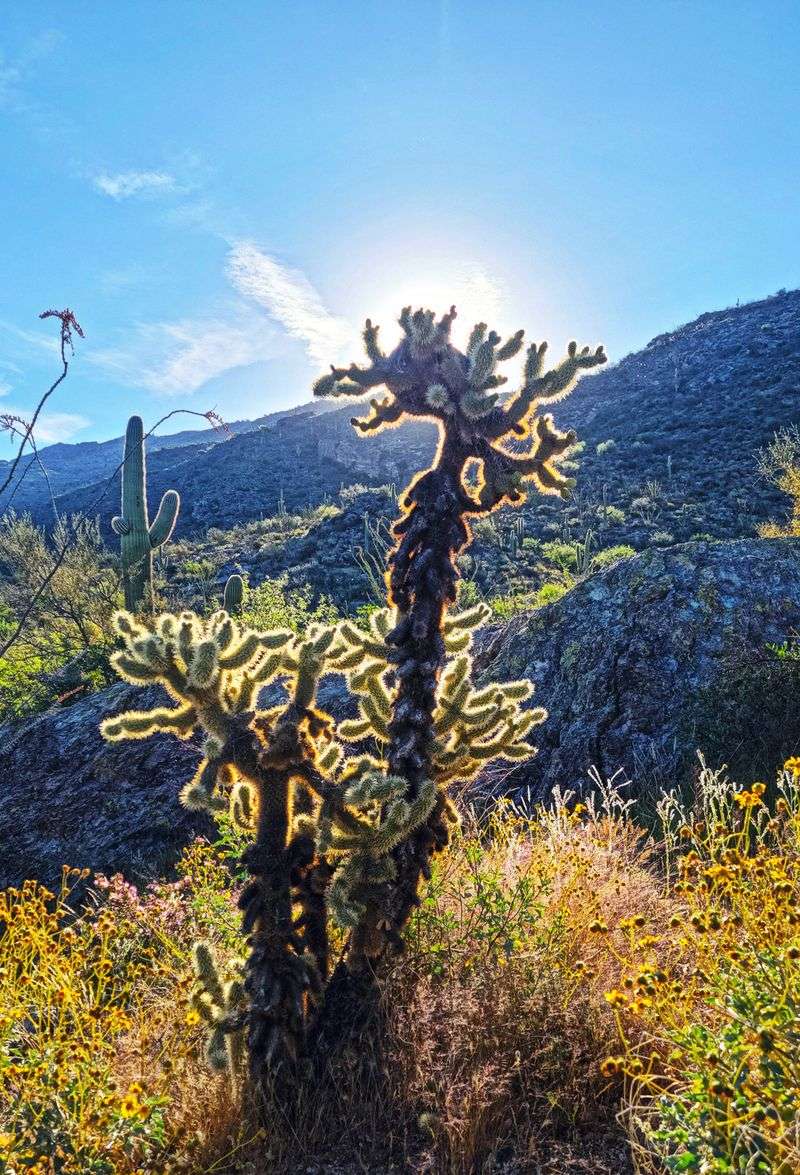
Kids tend to learn fast here, sometimes the hard way. The cholla cactus is a star of many family stories.
Its ends hook easily onto skin. Fallen pieces on the ground still have that grip, so little hands should stay back.
The info boards along short walks explain plants like this. They make the loop a handy outdoor classroom.
Families use the park for drives, picnics, and short hikes. It works well for a holiday outing or a relaxed weekend.
Desert plants and wildlife are the main lessons. Saguaros, cholla, quail, and coyotes all play a part.
The park also suits cactus lovers who never get tired of seeing saguaros. Each one has its own shape and character.
Leave the touching to the info boards. The cacti prefer admiration from a polite distance.
Underrated, Not Underpopulated
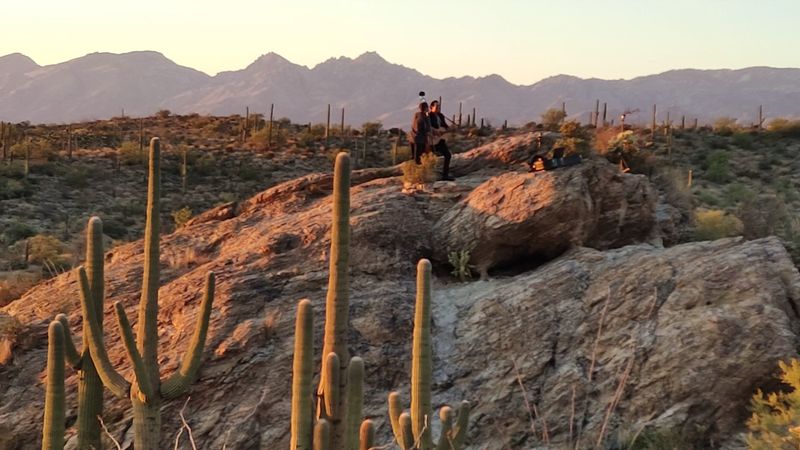
Plenty of Arizonans have heard that the east side has hardly any cacti. That idea does not hold up.
The west side does have more saguaros overall. Here, the slightly lower density lets each giant stand out instead of blending into a crowd.
Some people even think the eastern saguaros look healthier. Add the paved loop, and this side starts to feel underrated.
There is a fun bonus for collectors. Ask at the visitor center about a secret stamp split between the east and west districts.
Half is here, and the other half waits across town. It is a clever reason to see both sides.
Not everyone will be wowed. People who have seen lots of desert landscapes may find it calmer than expected.
For most locals, though, it lands as a proud reminder. Tucson has world-class scenery at both ends of town.
Plan Smart, Then Go
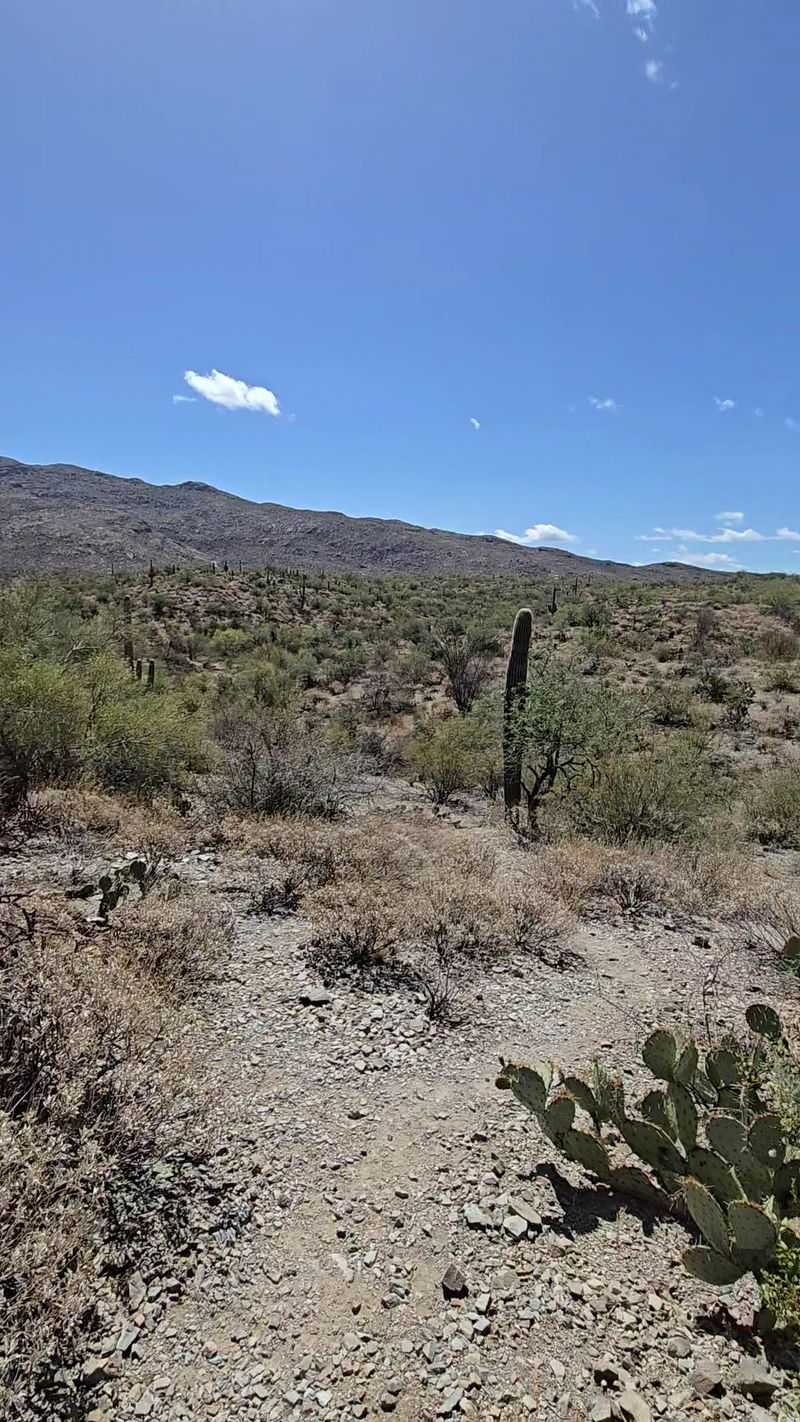
A little planning makes the loop much smoother. Parking is the biggest puzzle.
Trailhead lots are small, often holding around five cars. Each has accessible spots, but they fill fast.
Even on days that seem quiet, finding a space can take patience. Mornings can bring a line of cars at the entrance.
Some Saturdays are calm, others are busy. Flexibility helps, and the Freeman Homestead lot has worked when others were full.
Water is essential. Pack enough for everyone, plus snacks, since no food is sold.
Expect a fee at the pay booth before the loop. The official National Park Service website has current details.
The verdict is simple. If time allows only one Tucson nature stop, this loop makes a strong case, and the giants will be waiting.


