
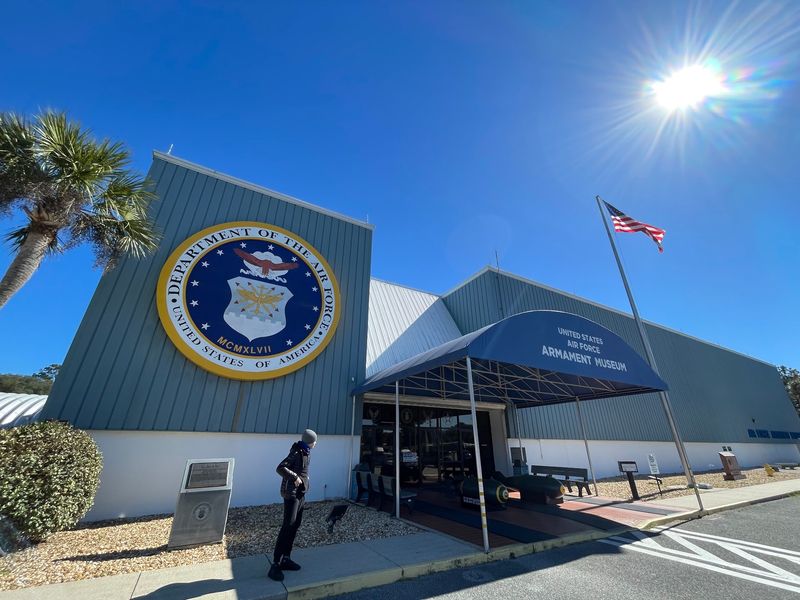
Affiliate disclosure: As an Amazon Associate I earn from qualifying purchases. Learn more
A spy plane that once outran almost everything in the sky now sits quietly on a lawn in the Florida Panhandle. Next to it stands a B-52 bomber, and just beyond that, a B-17 from World War II.
Nobody at the door asks for a ticket, because there is no ticket to buy. This free museum near Fort Walton Beach holds more than 25 aircraft plus a two-level hall packed with weapons and Air Force history.
Families take a break from the beach here, veterans come back year after year, and history fans drive in just to see the Blackbird. Keep reading to learn where it is, which aircraft stand out, how long to plan for, and the one small thing worth bringing along.
A Free Museum Beside the World’s Largest Air Base
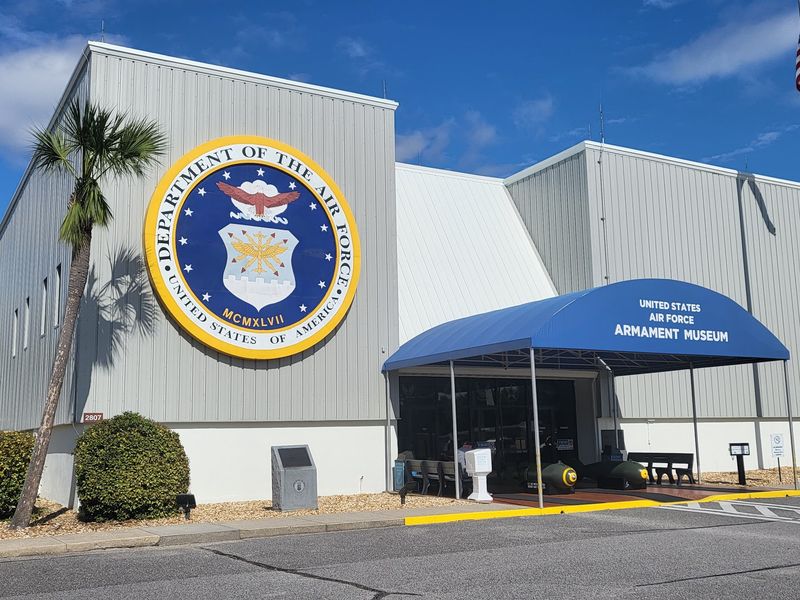
Some of the best finds in Florida come with no price tag at all.
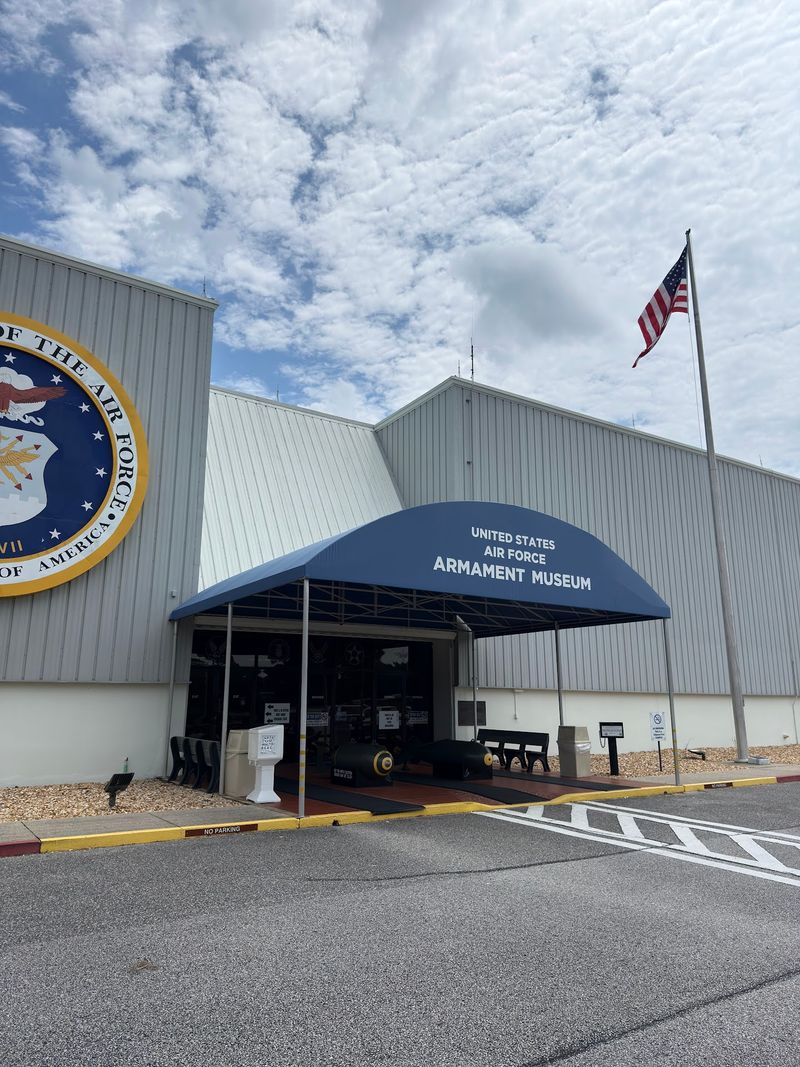
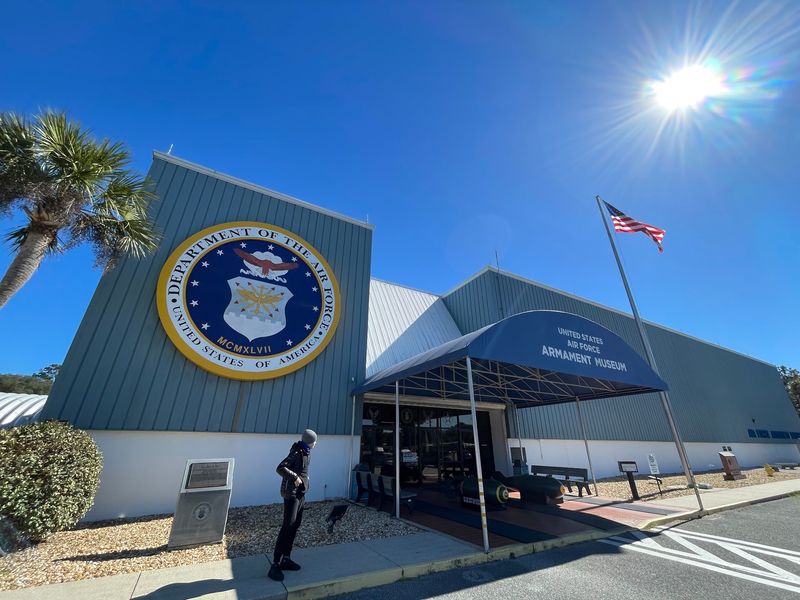
The Air Force Armament Museum sits at 100 Museum Dr, Eglin AFB, FL 32542, in the Florida Panhandle of the United States. It stands just outside Eglin Air Force Base, which the museum describes as the world’s largest air base.
The setup is simple. A large outdoor aircraft park wraps around the building, and an indoor museum fills two levels with weapons, artifacts, and exhibits about Air Force armament.
Admission is free. That single fact appears again and again in conversations about the place, and it explains a lot of the crowd that shows up.
Fort Walton Beach is the nearby hub, so many people treat the museum as an easy side trip from a coastal vacation. Plenty of folks describe stumbling across it while in town, then spending far longer than planned.
The museum holds a 4.8-star average from more than 7,000 people, which is a strong showing for a spot that asks nothing at the gate. For the value-minded traveler, that combination is hard to ignore.
So what exactly fills those lawns and halls? The answer starts with one very fast airplane.
The SR-71 Blackbird Steals the Show
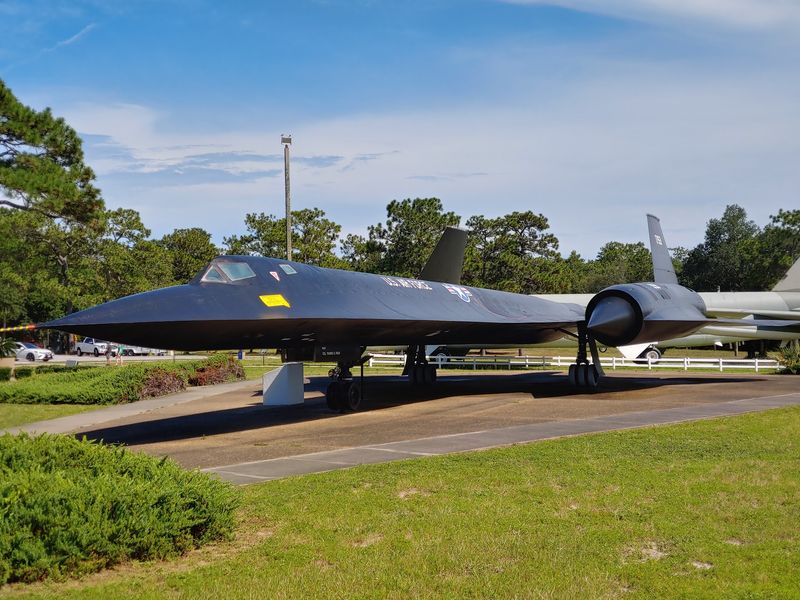
Speed has a shape, and at this museum it is long, black, and impossible to miss.
The SR-71 Blackbird is easily the most talked-about aircraft on the grounds. It dominates the outdoor aircraft park, and it comes up more than any other plane when people describe their trip.
Here is a fun twist. The SR-71 never carried bombs at all, even though it sits at a museum devoted to armament.
It was a reconnaissance aircraft, built to gather information rather than deliver weapons. That makes it a bit of an odd guest at the party, yet nobody seems to mind.
Families often list the Blackbird first when they name favorites, alongside the AC-130 and the Jolly Green Giant helicopter. Aviation fans tend to plan their whole stop around it.
The aircraft is displayed outdoors, so it is easy to walk right up and take photos from several angles. Getting a clean shot of the full length takes a few steps back.
Once the Blackbird has had its moment, the rest of the aircraft park is waiting, and it covers a surprising stretch of history.
Heavy Hitters on the Lawn: B-52 and B-17
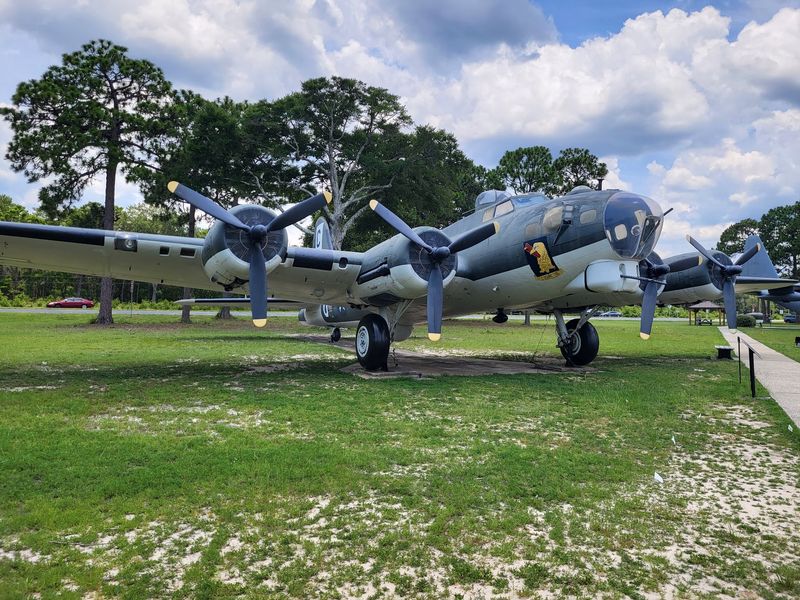
Bombers are big, and these two do not let anyone forget it.
A B-52 stands in the outdoor aircraft park, one of the largest machines on the property. Not far away sits a B-17, the famous bomber linked with World War II.
Seeing them near each other is a quick history lesson. One represents the propeller era, while the other belongs to the jet age that followed.
The B-52 is another name that pops up often among people sharing their trip. It earns a spot on many must-see lists right after the Blackbird.
Both aircraft are static displays, meaning they are retired and parked for viewing. That lets guests walk the full length and study the scale up close.
Those who work with machines for a living tend to appreciate the engineering on display. The sheer size of these bombers makes a strong impression even on people who arrived with zero interest in aviation.
Bring a phone with plenty of storage. Between the bombers and their neighbors, the camera roll fills up fast.
Thirty Aircraft Across Every Era
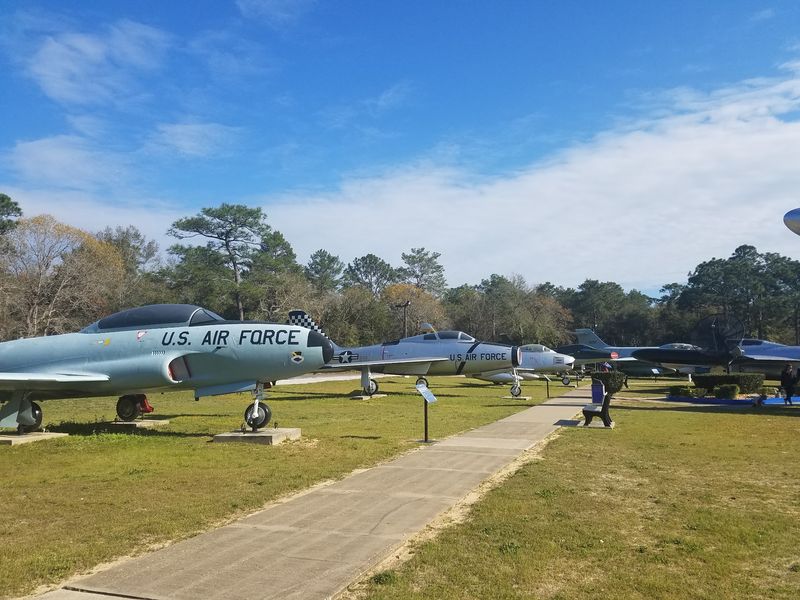
Roughly 30 planes are spread across the grounds outdoors, and they do not all come from the same chapter of history.
The outdoor collection runs from World War II aircraft up to modern jets. That range is part of the fun, since a short stroll covers decades of change.
Guests can walk right up to the displays and photograph them. There are no long lines or roped-off viewing decks keeping people at a distance.
Each display comes with a description explaining what the aircraft is. Those signs help casual guests follow along without needing a pilot’s vocabulary.
The aircraft are well maintained, and people who have visited other collections often point out the good condition here. Planes that look this tidy make for better photos too.
A Bell UH-1 helicopter is part of the mix as well. Missile displays round out the outdoor area alongside the planes.
The setting is pleasant and open, so wandering between aircraft feels relaxed rather than rushed. Plan a loop of the whole park before heading inside, or save it for last as a grand finale.
Rare Birds Worth a Closer Look
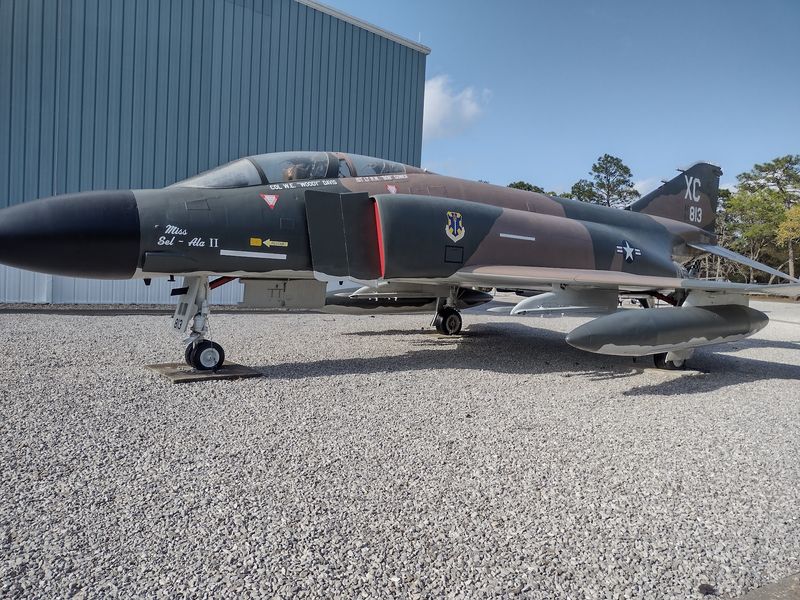
Not every plane here is a household name, and that is exactly why some deserve extra time.
The F-105D Thunderchief is noted for being very well preserved. Fans of Cold War jets tend to linger by it.
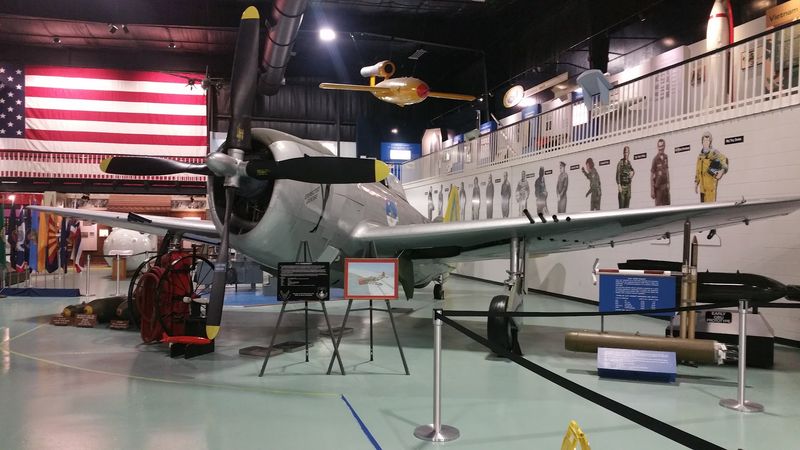
The P-47N Thunderbolt is another standout. It is not often seen in museums, which makes this one a special find for aviation buffs.
Some of these rarer exhibits are located inside the building rather than out on the lawn. So skipping the indoor halls would mean missing a few treasures.
The AC-130 gunship and the HH-3 helicopter known as the Jolly Green Giant also earn shout-outs. Kids and adults alike seem to enjoy spotting them.
Repeat guests mention coming back for a third visit and planning more. That kind of loyalty suggests there is more here than one quick pass can absorb.
For anyone keeping a personal checklist of aircraft, this museum can knock off several hard-to-find entries in one afternoon. Next up, the weapons that give the museum its name.
Two Floors of Armament Inside
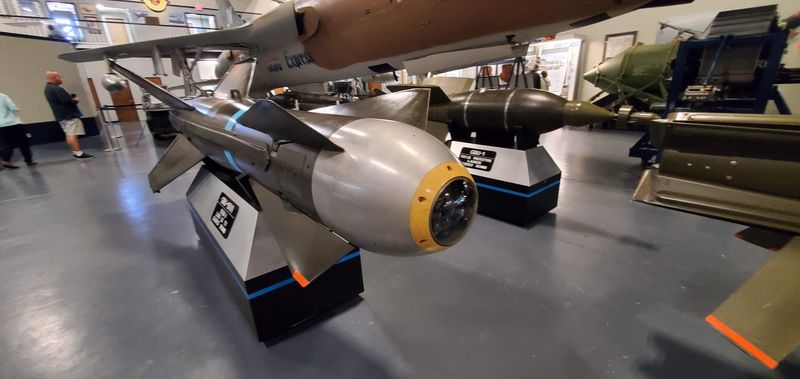
Armament is right there in the name, and the indoor halls deliver on that promise.
The museum building has two levels filled with displays of US Air Force ordnance. The selection is wide and well balanced, covering many types of weapons used over the years.
Guns used by the Air Force make up a large part of the collection. Bombs, missiles, and related equipment fill out the rest.
Among the items people remember are a napalm canister and a replica of the Fat Boy bomb. These pieces carry real historical weight.
Every exhibit has descriptive information nearby. That makes it easy to learn what each object was and how it fit into Air Force history.
Educational videos play throughout the space as well. They add context for guests who prefer watching to reading.
Many people say the collection turned out larger than they expected. It is organized clearly, so moving from one section to the next feels natural.
Give yourself time here. The indoor halls reward patience more than speed.
Explore at Your Own Pace
Nobody hands out a strict schedule here, and that freedom is a big part of the appeal.
The indoor museum runs as a self-guided tour. Guests can spend as much time in one section as they like, then breeze past areas that interest them less.
That setup works well for mixed groups. A history buff can read every sign while kids move ahead to the next airplane.
The outdoor aircraft are just as flexible. People wander the park in whatever order makes sense to them.
Wait times are rarely a problem. Even on weekends, families report walking straight in without any line.
This loose pace makes the museum a solid choice for a quick stop during a longer trip. It also works for a slow afternoon when there is nowhere else to be.
A self-guided format does not mean a lonely one, though. Friendly faces inside are ready to help, as the next section explains.
Volunteers and Veterans Who Bring It to Life
A good greeter can change the whole tone of a museum visit.
At the entrance, a greeter often welcomes guests with helpful information. People describe the welcome as informative and useful for planning their route.
The volunteers get high marks too. Staff members are described as kind, friendly, and knowledgeable.
Veterans sometimes add another layer. At one exhibit, an Air Force veteran was overheard explaining the training needed to handle certain munitions.
Moments like that make history feel personal. They show the discipline asked of the people trusted with these weapons.
Air Force veterans also come as guests, and many say the visit brings back fond memories. Some plan return trips whenever they vacation in the area.
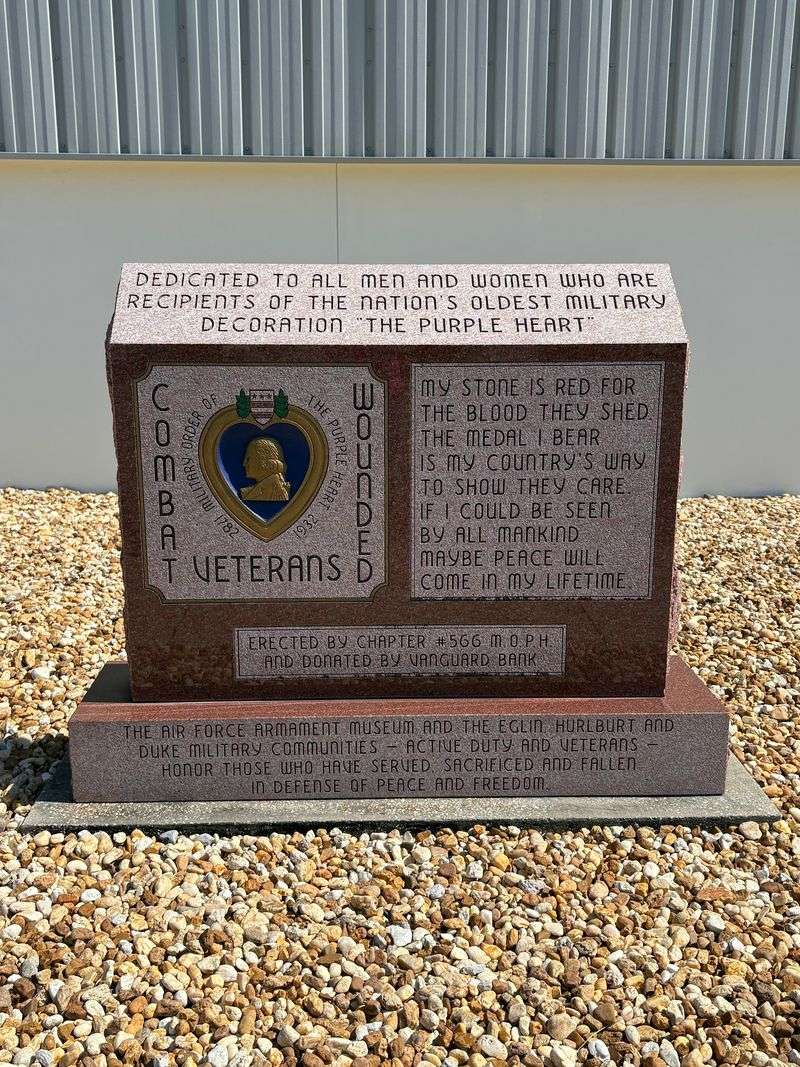
The museum also includes Civil Air Patrol artifacts, a detail that pleasantly surprises some guests. It widens the story beyond front-line aircraft.
Questions are welcome here. Asking one might lead to the best story of the day.
A Quiet Memorial Among the Giants
Between the bombers and jets, there is a smaller display that asks guests to slow down.
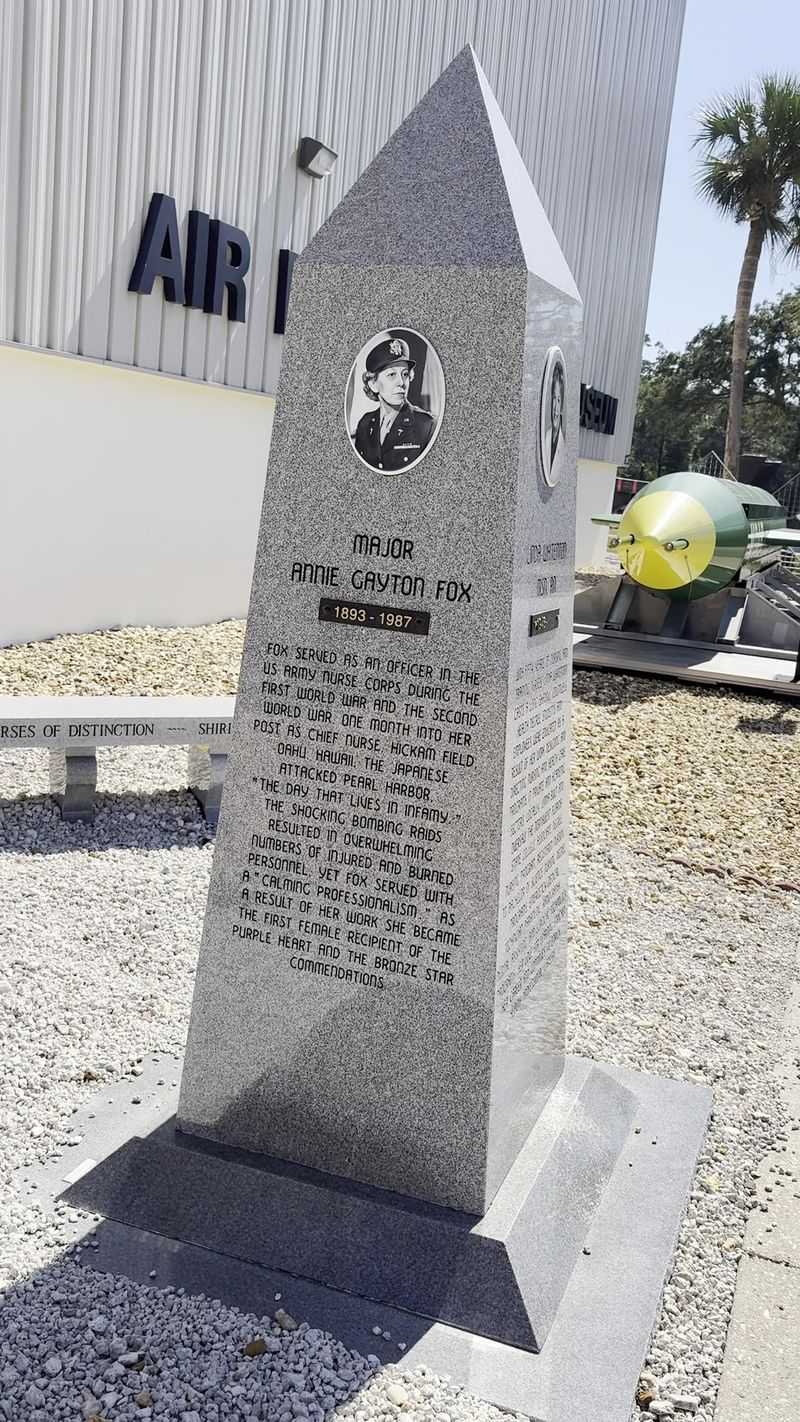
The outdoor park includes a memorial to Army nurses who served in Vietnam. A plaque honors First Lieutenant Sharon Ann Lane.
It stands in contrast to the massive aircraft nearby. That contrast is part of what makes it memorable.
The museum as a whole carries a serious side. Its purpose centers on armament, and some exhibits prompt real reflection on history and the cost of conflict.
Many guests come away thinking about service and the people behind the machines. The theme that freedom is not free echoes through many reactions to the place.
None of this makes the visit gloomy. Families still have a great time, and kids stay engaged.
Still, it helps to know that the museum offers more than photo ops. A short pause at the memorial adds meaning to the rest of the tour.
Fun for Kids, Rich for Grown-Ups
Toddlers and grandparents rarely agree on an outing, but this one comes close.
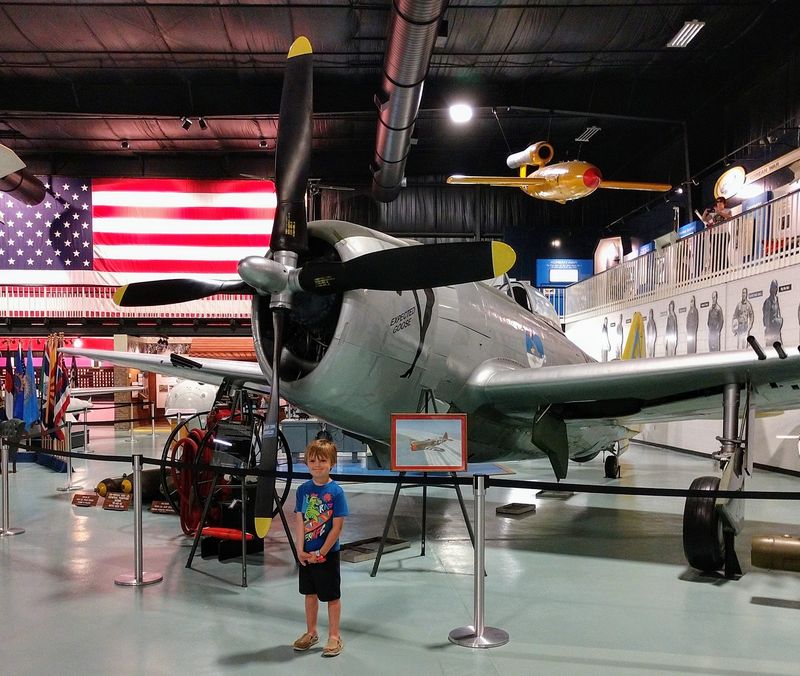
One family brought three children ages 3, 4, and 8, and all of them stayed captivated by the exhibits. Big airplanes tend to do that.
Adults get plenty too. The depth of information and the engineering on display give curious minds a lot to chew on.
People who arrive without much interest in aviation often leave impressed. The museum works for enthusiasts and newcomers alike.
It also makes a handy break from the beach. A few hours here gives sunburned travelers a change of pace.
On rainy days, the indoor halls become especially valuable. Guests can focus on the two-level museum when the weather turns.
For families on a budget, a full afternoon of learning for zero dollars is a real win. Few vacation activities can make that claim with a straight face.
And when the tour ends, there is one more stop that kids usually spot first.
The Gift Shop Detour
Every great museum day deserves a souvenir, and this one has a shop ready for the job.
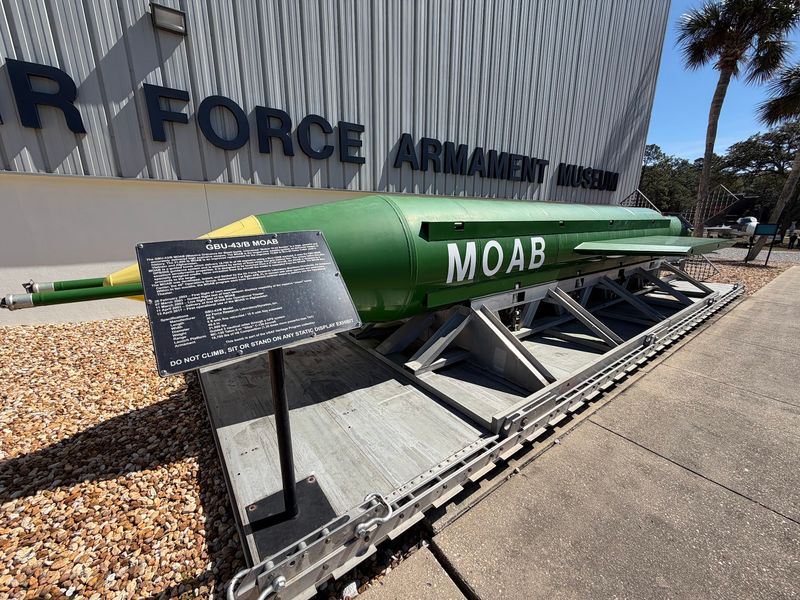
The gift shop is small but well liked. It carries items for kids, babies, and adults.
Toys are a popular pick, which makes sense after a morning of staring at fighter jets. Commemorative coins are another option for those wanting something to remember the trip.
Plenty of guests mention loving the shop. It is described as a nice little stop on the way out.
Shopping here also offers a way to give back. The museum relies on support from guests, a point covered in more detail next.
Since admission costs nothing, a modest purchase can feel like a fair trade. It is an easy way to leave with something tangible.
Kids may try to negotiate for one more toy plane. Consider yourself warned.
Hours, Timing, and That Donation Box
Practical details here are refreshingly simple.
The museum is open seven days a week, from 9 AM to 5 PM. Monday through Sunday, the schedule stays the same.
Admission is free. Donations are requested, and a drop box sits in the main lobby.
Bringing a little cash is a smart move. Guests point out that the museum is not government funded, so every bit helps keep it running.
As for timing, an hour covers the highlights. Many people say they could easily have stayed longer, and seeing everything may take well over an hour.
Weekend crowds do not seem to cause long waits. Families report getting inside with no wait at all.
The facility is clean and well maintained. That makes a longer visit comfortable for all ages.
The museum is located just outside Eglin Air Force Base, close to Fort Walton Beach. Its position makes it easy to pair with other Panhandle plans.
Check the official website before going for any updates. Then all that is left is choosing which plane to see first.
Why This Free Stop Earns Its Wings
Free attractions sometimes feel like an afterthought, but this museum flips that idea on its head.
It is not the Smithsonian, and it is smaller than the naval aviation museum in Pensacola. Even so, people consistently call it well done and worth the trip.
The mix is what makes it work. An outdoor park of about 30 aircraft meets two floors of armament exhibits, all with clear descriptions.
Families find it engaging, veterans find it meaningful, and aviation fans find rare aircraft they rarely see elsewhere. That is a lot of ground to cover for one building and a lawn.
It also suits the value-minded traveler perfectly. A full afternoon of history costs nothing beyond whatever goes into the donation box.
For Panhandle locals, it makes an easy nearby outing. For out-of-state travelers in Fort Walton Beach, it is a strong break from the sand.
The Blackbird will still be parked there tomorrow, and the doors open at 9 AM. All that is missing is a reason to wait, and there really is not one.


