
Affiliate disclosure: As an Amazon Associate I earn from qualifying purchases. Learn more
Northwest Houston has a secret behind a locked gate, and you need an appointment just to get past it. On the other side sit stone buildings, cobblestone paths, a small chapel, and a collection that includes a first edition of the King James Bible printed in 1611.
Swans and rabbits live on the grounds like they pay rent. Most people in the city drive right past without knowing any of it exists.
This is a library, but calling it just a library is like calling a castle a house. Keep reading to learn what waits inside, how the reservation system works, which days to plan around, and why so many people leave saying they feel calmer than when they arrived.
A few simple tips will save you a wasted trip.
A Library Hiding on Hargrave Road
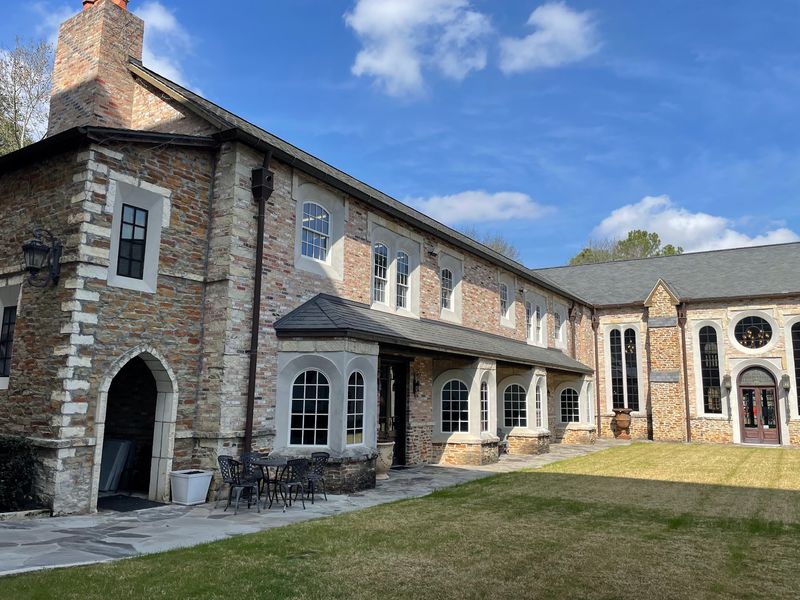
The address looks ordinary enough on a map. Lanier Theological Library sits at 14130 Hargrave Rd, Houston, TX 77070, in the northwest part of the city, inside a peaceful neighborhood.
What waits there is anything but ordinary. The property holds a theological library, a stone chapel, a lecture hall, and grounds kept so neatly they look ready for a postcard.
The focus is serious learning. Shelves lean heavily toward biblical studies, church history, ancient languages, and philosophy.
Still, nobody needs a seminary degree to enjoy a visit. History lovers, quiet readers, and architecture fans all find a reason to linger here.
Many people are surprised to learn that a place with this old-world look exists in Houston at all. It has a way of making the city feel very far away.
Before you set your GPS, though, there are a few house rules to learn. The gate does not swing open for just anyone, and the next section explains why.
The Gate That Asks for a Plan
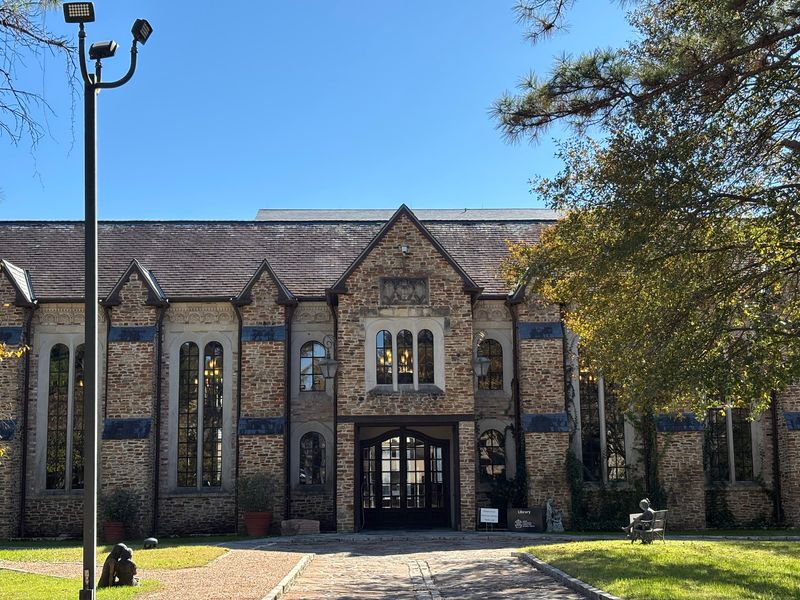
Spontaneous road trips and this library do not mix. A reservation is required, and the gate stays locked until staff buzz you through.
On arrival, guests call the number posted at the gate to check in. Some describe the security as tight as Fort Knox, which is funny for a building full of books.
Booking ahead is the key step. Several people mention making the appointment the day before their visit.
The website lays out the process clearly, and plenty of guests call it straightforward. Read it first and the rest falls into place.
There is one more detail to remember. If you bring a friend, you may need to say how many cars are coming to the lot.
Every adult should carry a photo ID too. One group that flew all the way from Taiwan was turned away because they were short a single ID, which is a painful lesson to learn at the gate.
Staff explain that the system helps make sure every guest has room to study. Once you are in, you can stay until closing.
Old-World Architecture in Harris County
Monastery, castle, or English village? Guests cannot seem to agree, and that is part of the fun.
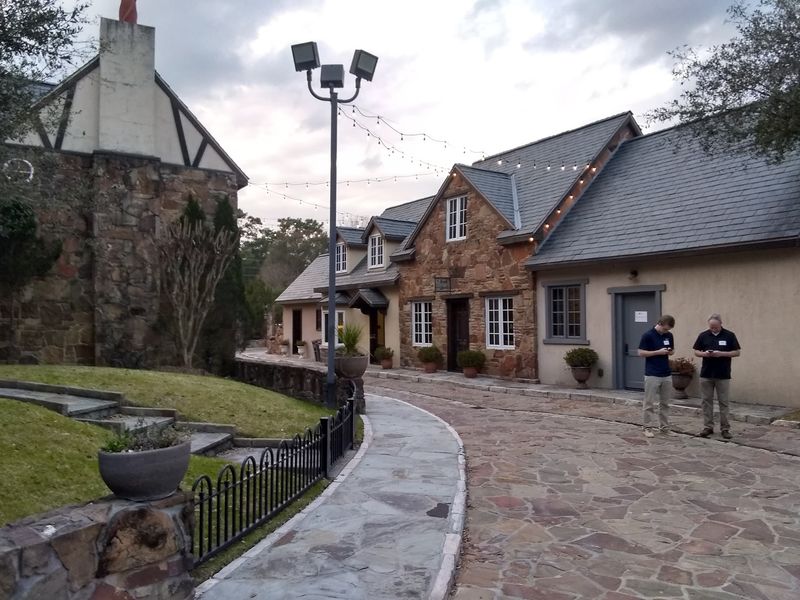
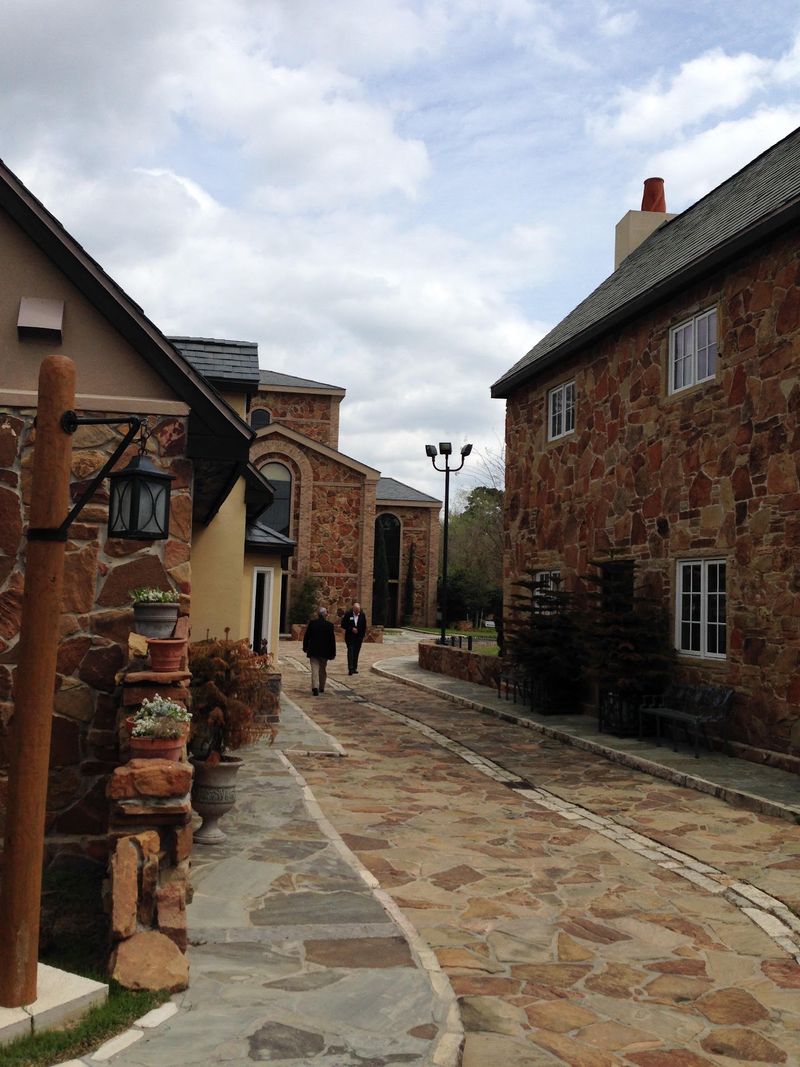
The buildings carry an old European style that feels transplanted from another continent. Comparisons to the Cotswolds come up again and again.
Stone walls and careful design give the compound a timeless look. Nothing feels rushed or thrown together.
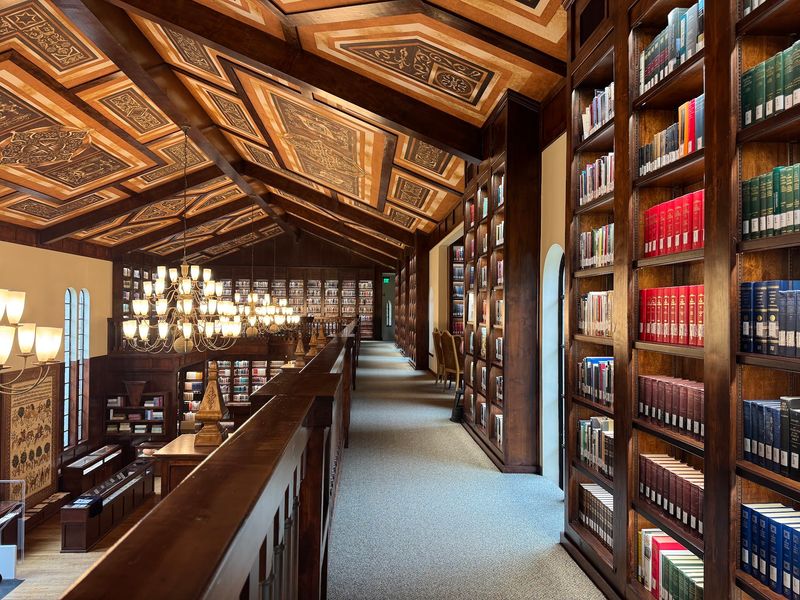
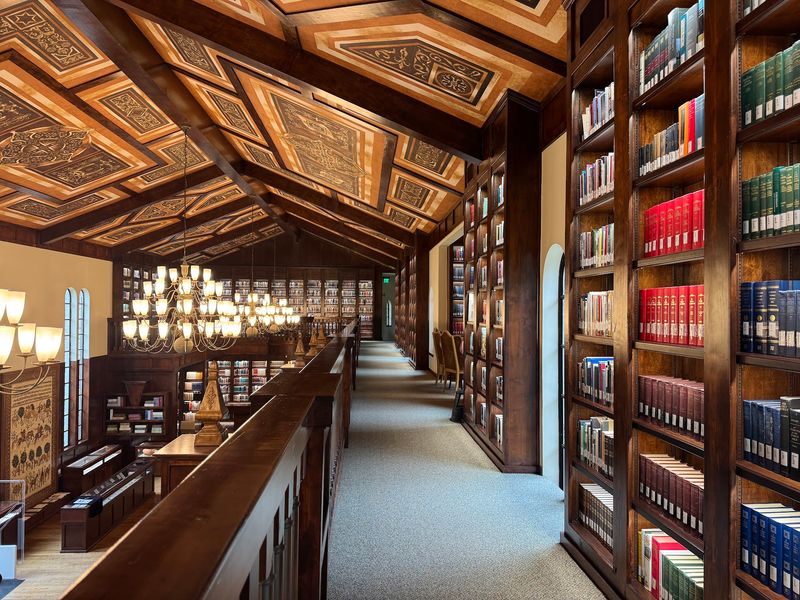
Inside, the woodwork in the main library draws a lot of attention. Shelves, trim, and details show real craftsmanship from floor to ceiling.
The phrase “no detail left undone” fits the whole property well. Even small corners seem planned with care.
Architecture fans could easily spend an hour just looking at the buildings before opening a single book. That might be the only library where the walls compete with the shelves for attention.
Treasures From Ancient Times
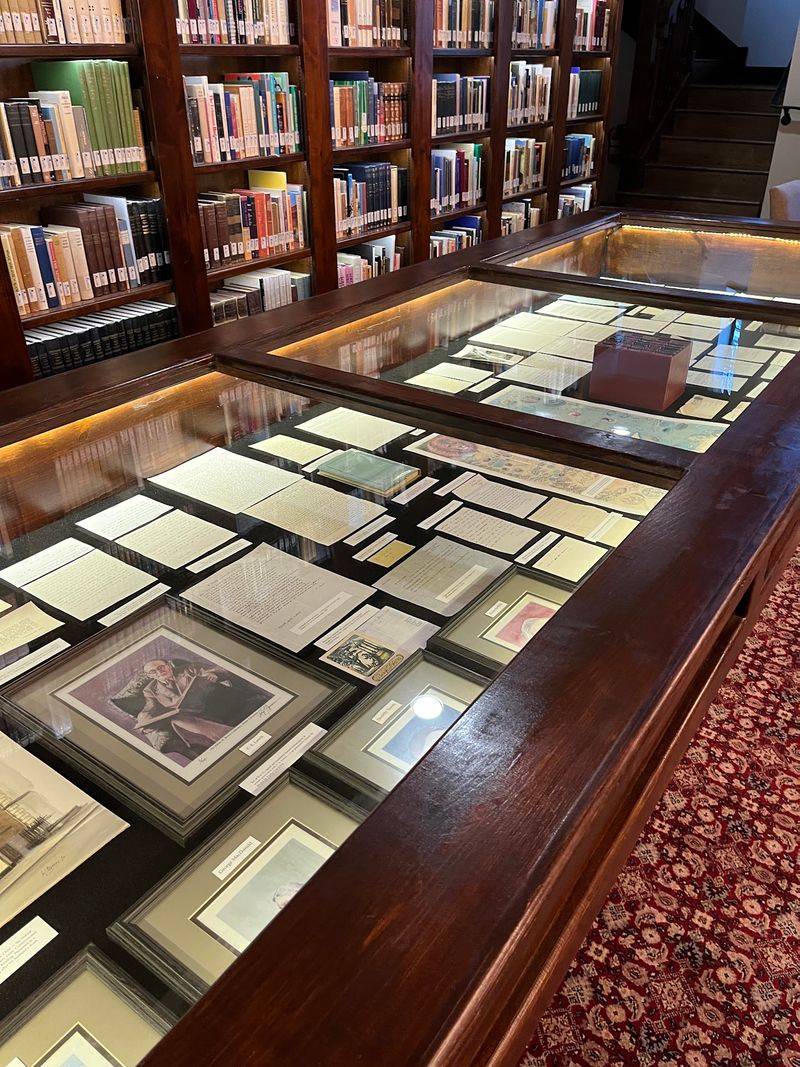
Some libraries show off a nice reading lamp. This one shows off artifacts tied to thousands of years of history.
The collection includes items connected to the Dead Sea Scrolls. It also features coins from the time of Jesus.
Then there is the headliner. A first edition of the King James Bible, printed in 1611, rests among the holdings.
Fun fact: the King James Version became one of the most widely printed books in the English language. Seeing a first edition in person is a rare chance.
The general collection is deep as well. Rare manuscripts and ancient texts sit alongside books on church history and ancient languages.
Many guests say they wished they had more time to see everything. A single afternoon rarely feels like enough to take it all in, so plan accordingly and pace yourself.
The Stone Chapel Next Door
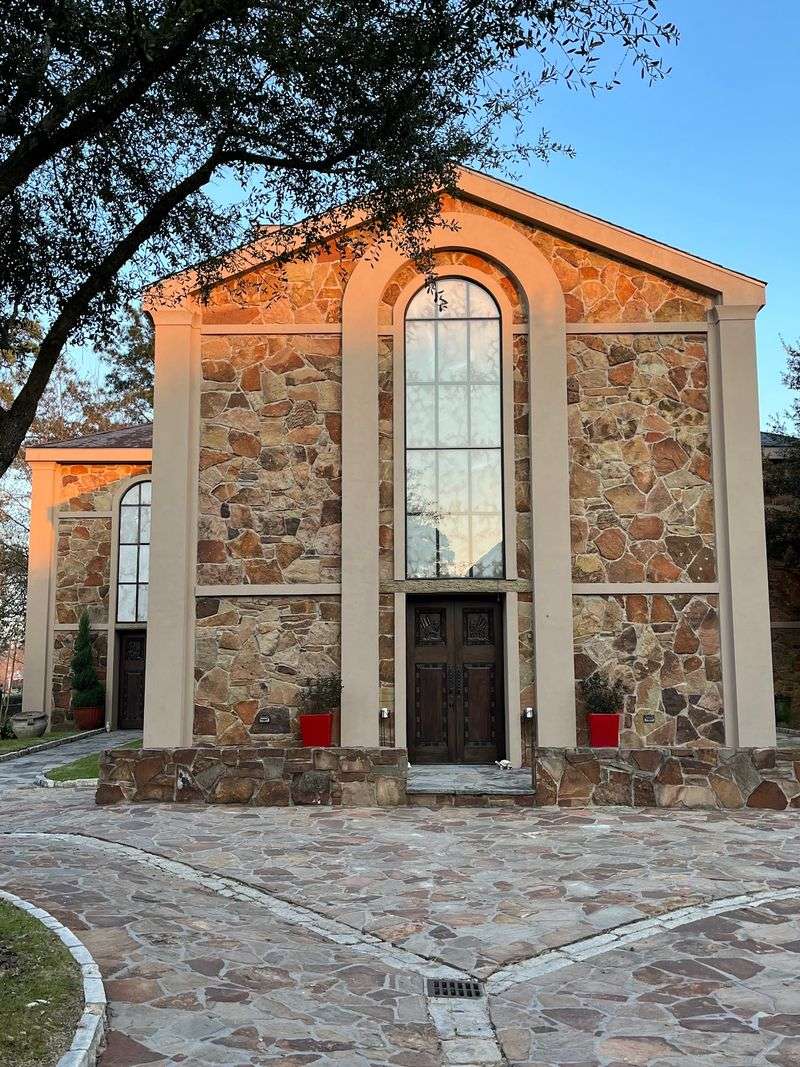
Don’t leave without seeing the chapel. That advice shows up more than almost any other tip about the property.
The small stone chapel sits on site and is often called charming and peaceful. Its style matches the rest of the European-inspired grounds.
Some days include chapel services. One guest happened to visit on a Wednesday that was a chapel day and joined a short but meaningful service with her grandmother.
Those services are not the main draw for everyone. Many people simply step inside to sit quietly for a few minutes.
Faith visitors often find it moving. Others appreciate it as a beautiful building and a calm pause between rooms of books.
Checking the website for chapel days before booking is a smart move. Lucky timing could turn an ordinary library trip into a much more personal afternoon.
Swans, Rabbits, and Cobblestone Paths
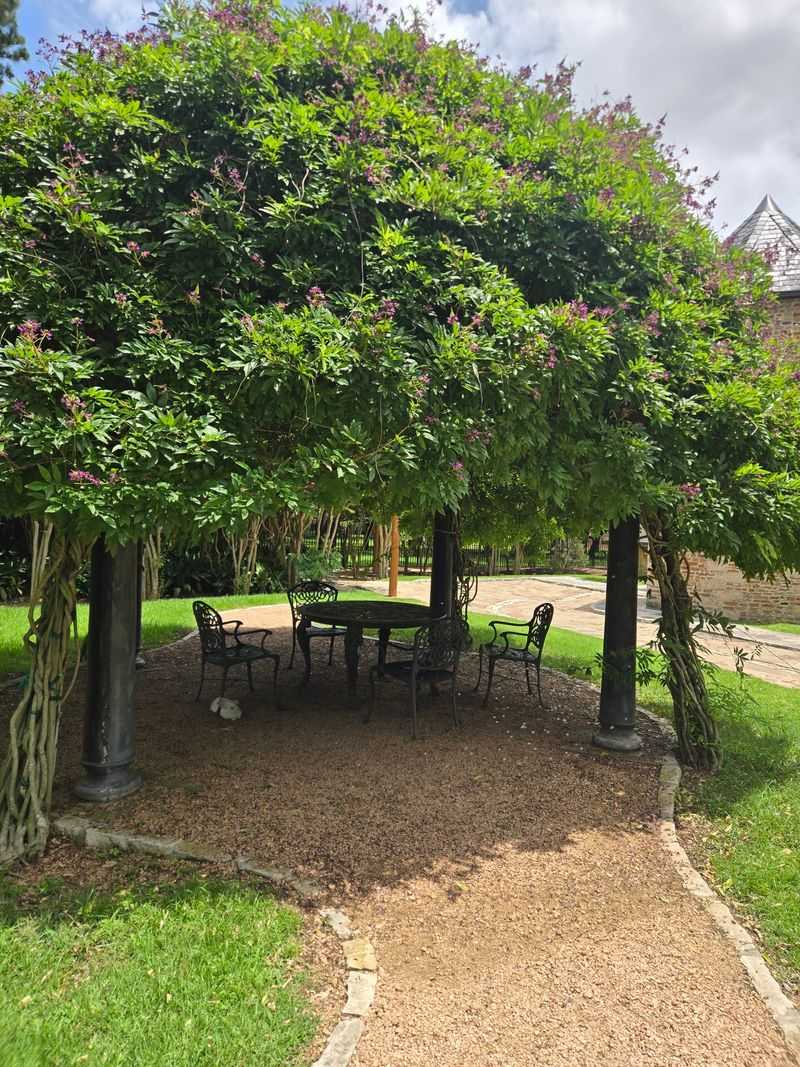
Not every resident here holds a library card. Swans and rabbits have made the grounds their home.
A friendly rabbit resting in a shaded outdoor spot has become a small highlight for some guests. It is hard to compete with that kind of welcome committee.
Cobblestone walkways wind through the property. Benches and reading spots are tucked along the way.
The outdoor areas invite people to slow down. Some guests bring a book outside instead of staying at a desk.
There is also a statue in the garden that gets noticed. One guest even wished it were a real animal.
Spring may be an especially good time to visit, since the trees bloom with color. The grounds are kept tidy all year, so an off-season trip still feels worthwhile.
Bring patience for the wildlife and leave them be. They clearly have tenure.
Quiet That Means Business
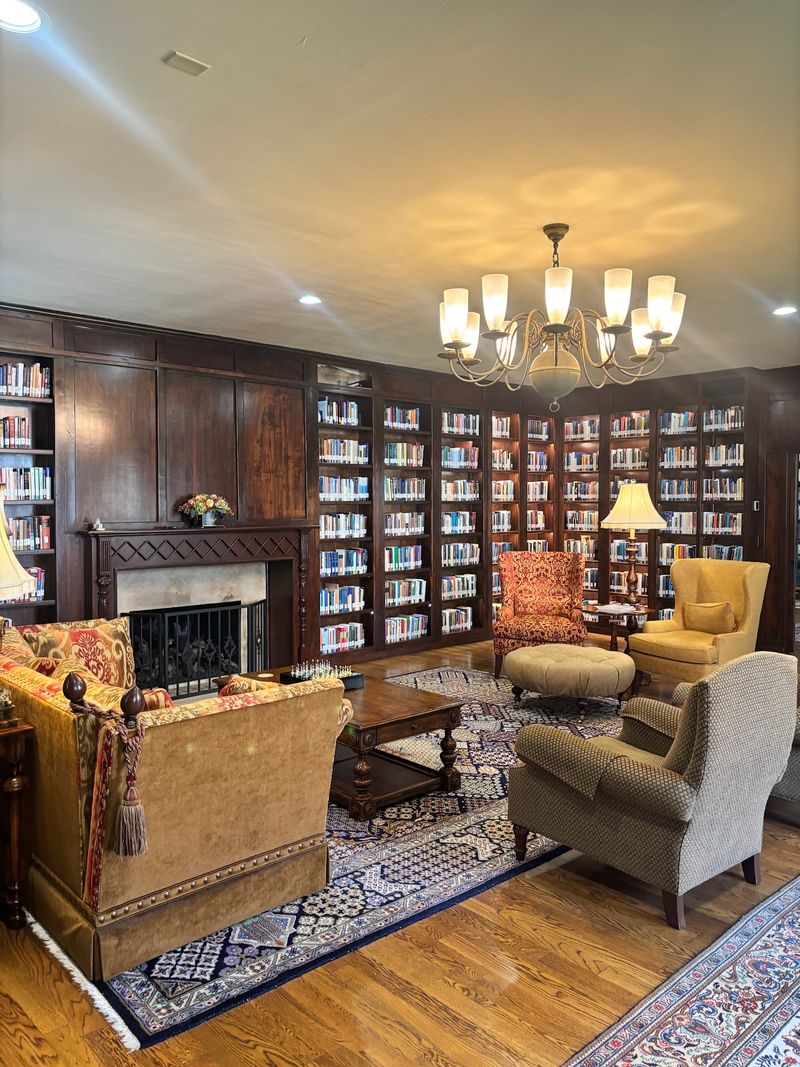
Peace is the word that comes up most often. The quiet is usually the first thing people notice when they walk through the door.
Guests describe the library as grounding and restful. It is a place to relax and reset, not just to cram for a test.
The space is well organized and suited for long study sessions. Students and researchers find it easy to settle in for hours.
Remote workers have found it useful too. The setting supports focused thinking without the usual coffee shop chatter.
Because visits require reservations, crowds stay manageable. That system plays a big part in keeping things calm.
Treat the room with respect, keep your voice low, and the hours will slip by. Quiet this good is worth protecting.
Lectures and Learning Beyond the Shelves
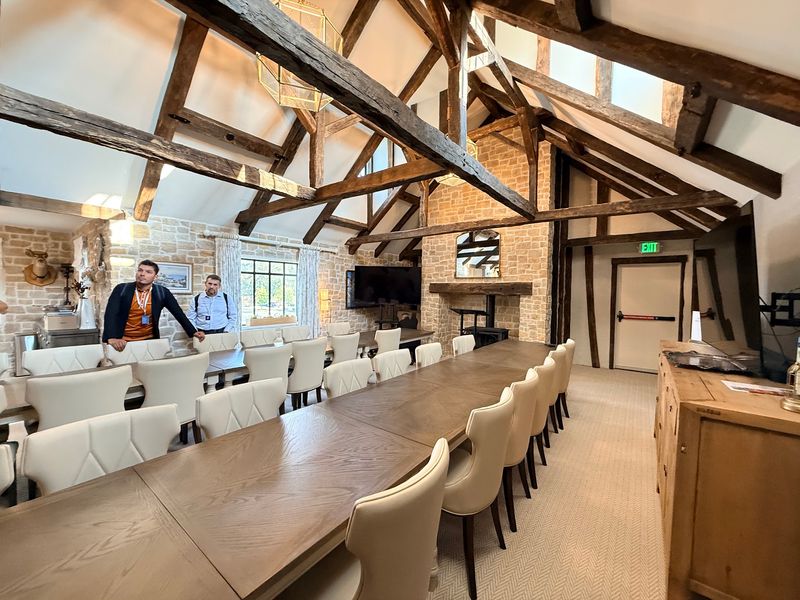
Books are only half the story. The property also includes a lecture hall, and lectures are a regular topic among guests.
Those events connect to the library’s mission of theological learning. They add depth for anyone who wants more than a quiet desk.
Tours are offered as well. Some guests plan a return trip specifically to take one.
Becoming a patron is described as easy. Bring a photo ID and register at the library office.
That small step opens the door to more regular use of the collection. For students of theology, history, or ancient languages, it is a valuable resource close to home.
Check the official website for current lecture and tour schedules. Planning ahead turns one visit into a longer learning relationship.
The People Behind the Desk
Good shelves need good guides. Most guests describe the staff as kind, helpful, and clearly passionate about the library’s mission.
Staff explain the rules clearly and point newcomers in the right direction. One guest was grateful when a team member turned on the lights for a room she was too shy to touch.
That kind of small help makes first visits easier. The place can feel formal at first, and a friendly word goes a long way.
Experiences are not perfect for everyone, though. A few people have felt some staff interactions were less polite than they hoped.
Following the posted rules and asking questions politely usually smooths things out. The library runs on structure, and staff are there to keep it running.
Overall, the team earns more praise than complaints. Most guests leave feeling welcomed.
Hours, Days, and Driving Tips
Weekend plans will not work here. The library is closed on Saturday and Sunday.
Monday, Wednesday, Thursday, and Friday hours run from 9 am to 5 pm. Tuesday is the late day, open from 9 am to 9 pm.
That Tuesday evening window is handy for workers and students. It offers extra time after a normal school or office day.
Remember to book a reservation in advance, often the day before. Mention how many cars are coming if you bring company.
Each guest should carry a photo ID. Arriving without one could end the visit before it begins.
Some construction on the entrance road has been noted, so allow a few extra minutes. Hours can change, so check the official website before driving out.
A little planning keeps the day stress free.
Worth the Extra Step
Yes, there are hoops. Reservations, ID checks, and a call at the gate ask more than a typical public library does.
For most people, the reward outweighs the effort. The property holds a 4.6 star average from 245 Google Maps entries, and that says plenty.
It suits theology students, history buffs, architecture fans, and anyone who needs a calm afternoon. Families with patient older kids may enjoy the grounds and wildlife too.
Casual browsers who want to drop in without planning should look elsewhere. Houston has other lovely libraries with easier access.
Those who do plan ahead get something rare. Artifacts, a stone chapel, gardens, and deep quiet all wait on one property in northwest Houston.
Book the slot, pack your ID, and give yourself time. After a few hours here, the corner branch may never look quite the same.